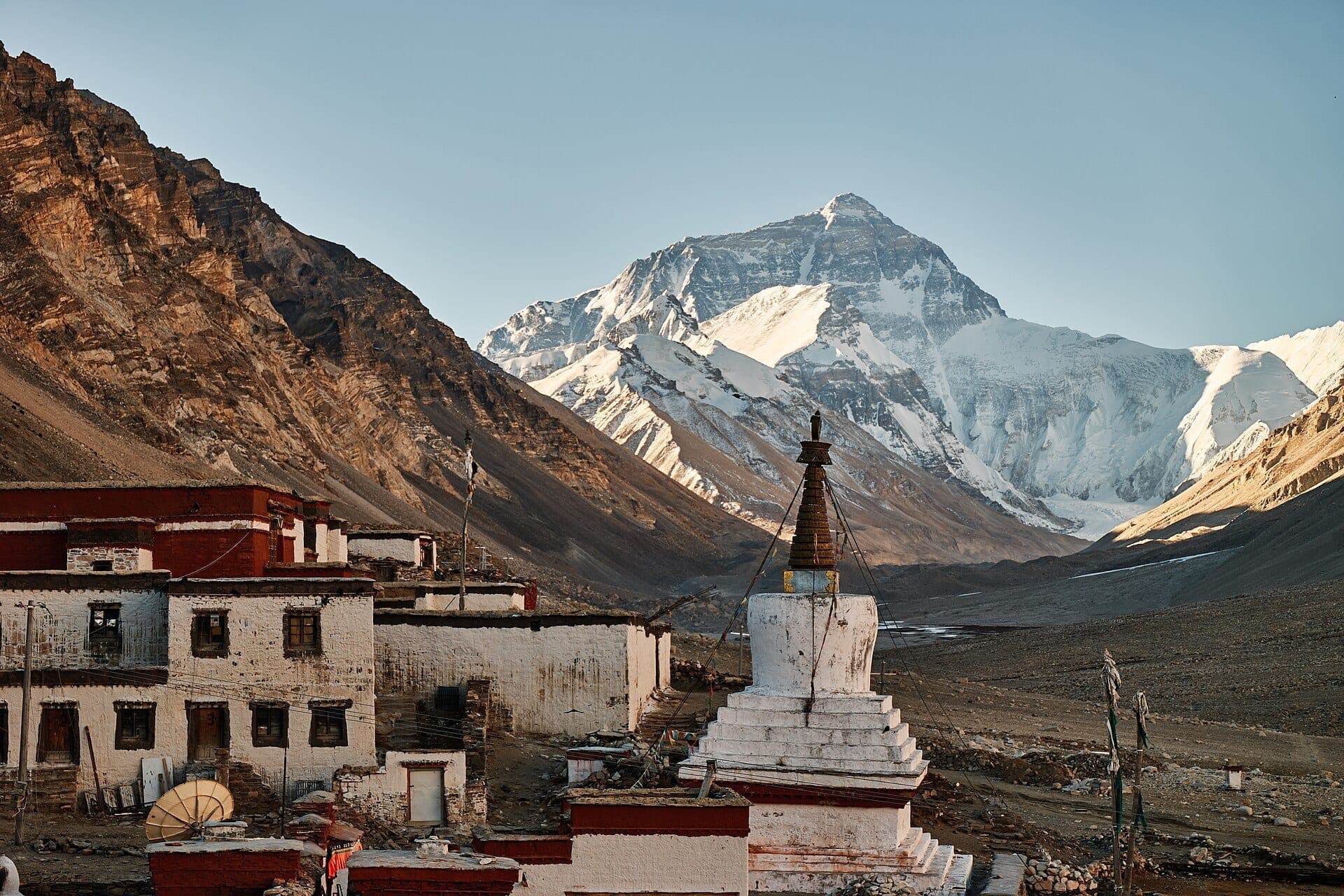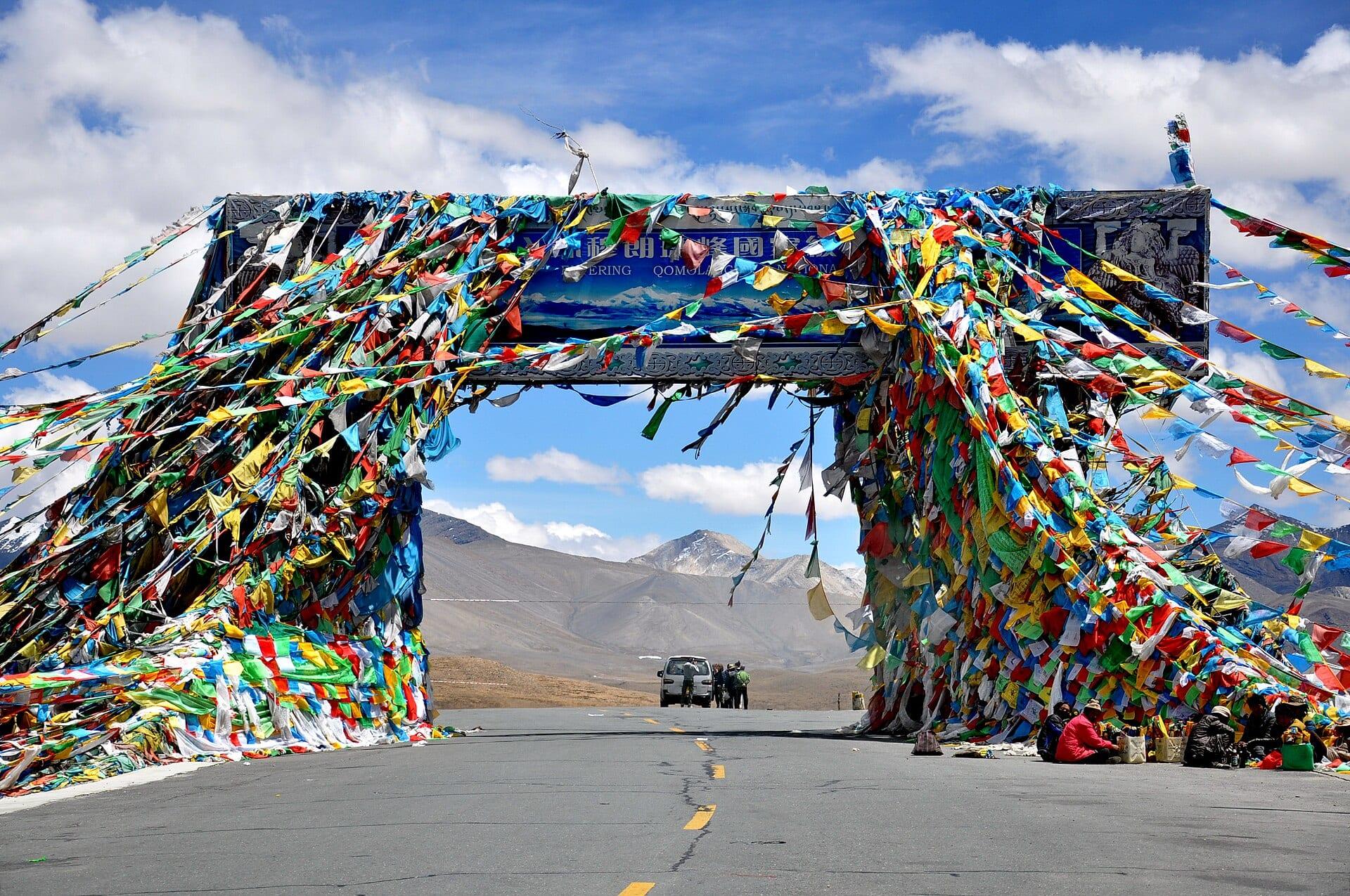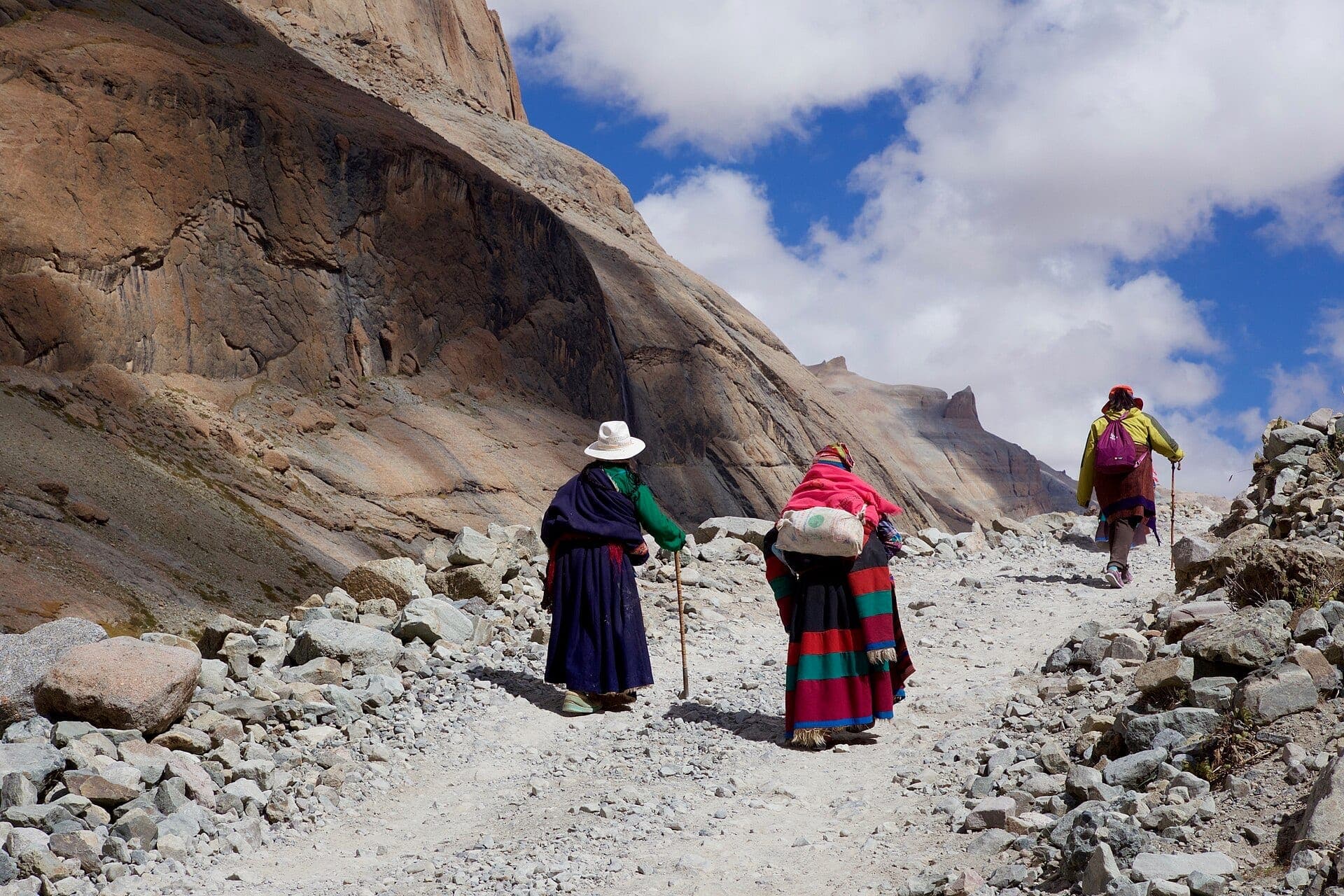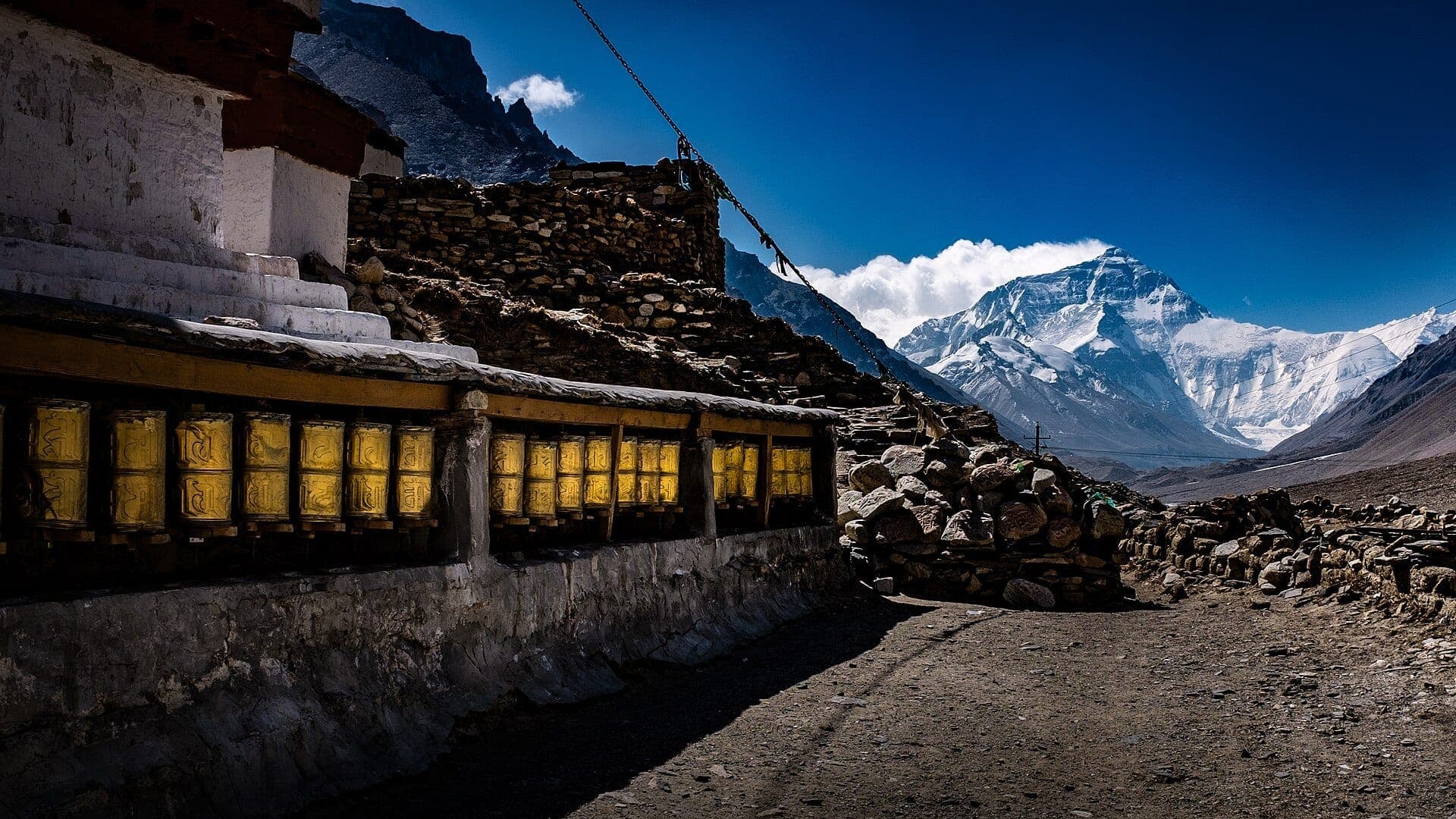
Two base camps, one mountain, two very different trips. Tibet's side is a drive-up viewpoint at 5,200 m with no trekking; Nepal's side is a 12-14 day trek that tops out at Kala Patthar. Here's an honest comparison, including where our tours fit.
Quick answer: Tibet's Everest Base Camp is a 2-3 hour drive from the viewpoint near Rongbuk Monastery at roughly 5,150-5,200 metres, no trekking required, as part of a 7- to 12-day tour from Lhasa with a licensed guide (from $860). Nepal's Everest Base Camp is a multi-day trek through the Khumbu, starting with a flight to Lukla, reaching 5,364 metres at the camp itself, with the classic photo of Everest actually taken from Kala Patthar (5,545 m) above it, since Base Camp on the Nepal side does not have a clear summit view. Tibet is the faster, less physically demanding option and the one we run; Nepal is the trekking experience, with Everest's South Face and the Khumbu Icefall up close.
Travelers researching "Everest Base Camp" online often do not realize there are two of them, on opposite sides of the same mountain, reached in completely different ways. This guide lays out the real differences, honestly, including where our own tours fit and where they don't.
Two base camps, one mountain
Mount Everest sits on the border between Tibet (China) and Nepal. Base Camp exists on both sides, and they are not interchangeable:
- Tibet (north) side: reached by road from Lhasa. The tourist viewpoint sits near Rongbuk Monastery, the highest monastery in the world, facing Everest's North Face directly. No trekking is involved; you drive most of the way and walk the last short stretch from the parking area.
- Nepal (south) side: reached by trekking through the Khumbu region, starting from Lukla after a short mountain flight from Kathmandu. Base Camp itself sits at the foot of the Khumbu Icefall, with no trail continuing onto the glacier for non-climbers.
We run guided tours to the Tibet side only. This guide compares both honestly so you can pick the one that actually matches what you want from the trip, even if that is the other one.
Side-by-side comparison
| Tibet side | Nepal side | |
|---|---|---|
| How you get there | Drive from Lhasa, licensed guide throughout | Trek from Lukla through the Khumbu, guide now required in most areas |
| Trekking required | No — a short walk from the vehicle | Yes — roughly 8-9 trekking days out of a 12-14 day trip |
| Altitude at the camp | About 5,150-5,200 m | About 5,364 m (best Everest views are from Kala Patthar, 5,545 m, not from camp itself) |
| What you actually see | Everest's North Face, close and unobstructed, with Rongbuk Monastery in front | The Khumbu Icefall and glacier at camp; Everest's summit is mostly hidden by Nuptse until you climb to Kala Patthar |
| Days needed | 7-12 days round trip from Lhasa | Typically 12-14 days round trip from Kathmandu |
| Entry requirements | Tibet Travel Permit and a licensed guide for every foreign visitor, no exceptions | Sagarmatha National Park and local municipality permits; Nepal has moved toward requiring a licensed guide for trekkers in most regions in recent years — check current rules before planning |
| Fitness demands | Low — most of the altitude gain happens by vehicle | High — sustained multi-day trekking at altitude, including the climb to Kala Patthar if you want the classic summit photo |
| Season | April-October (closed or limited access in deep winter and parts of March) | Spring (Mar-May) and autumn (Sep-Nov); winter and monsoon are harder going |
| Flight risk | Commercial flights/trains to Lhasa, same reliability as any major route | The Lukla flight is notoriously weather-dependent; delays and reroutes (often via Ramechhap in high season) are common and can cost a trek day |
| Do we run it? | Yes — see our tours below | No — we are a Tibet-side operator; for the Nepal side you'd book with a Nepal-based trekking agency |
What the Tibet side actually involves
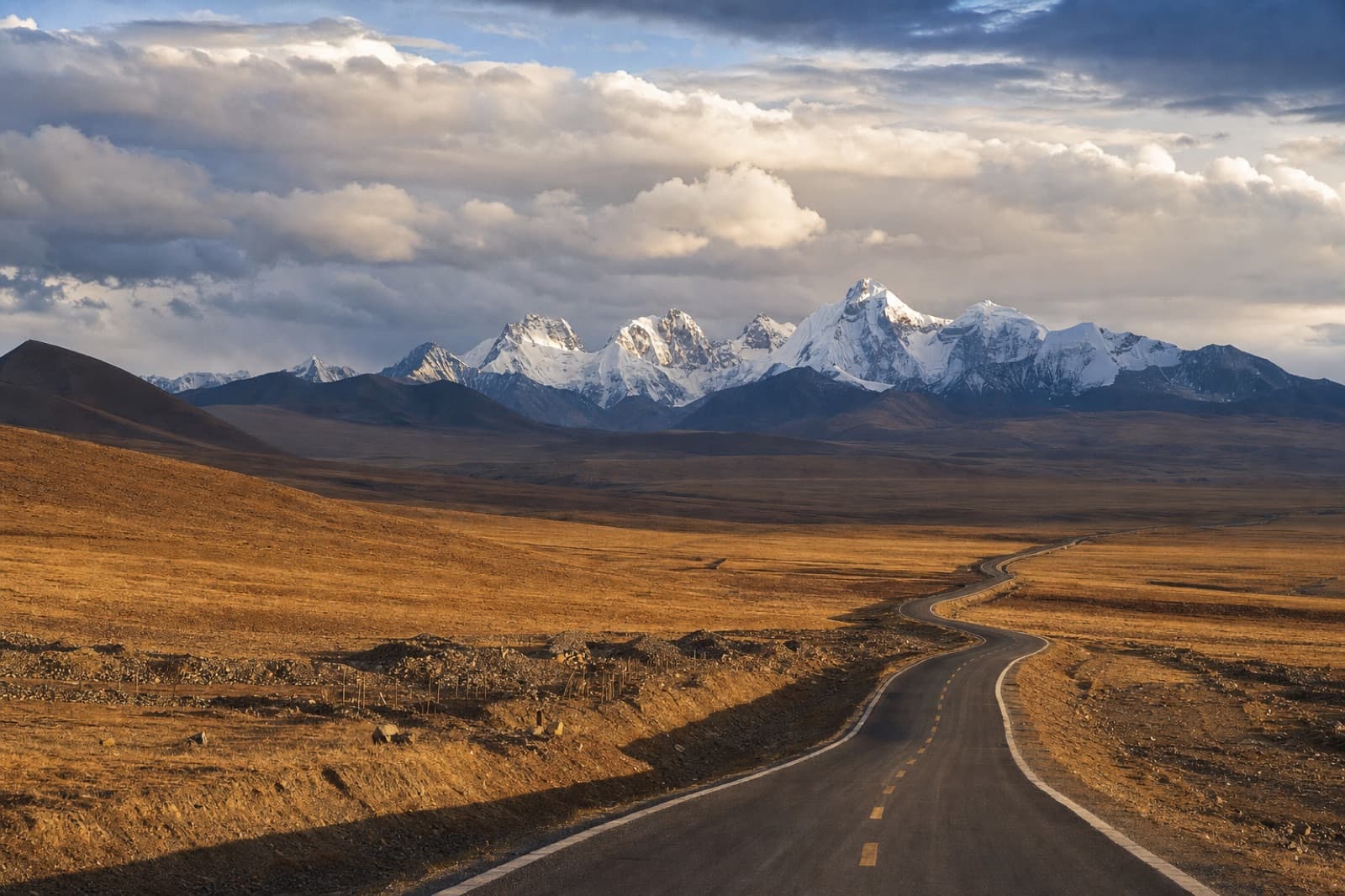
Every Tibet-side route starts in Lhasa, where you spend two to three days acclimatizing before heading overland along the Friendship Highway, past Yamdrok Lake and through Shigatse, to Everest Base Camp itself. You sleep at the base-camp tent camp in the warmer months or a nearby guesthouse once the tents close for winter, then return via Gyantse or loop back the way you came. Our 7-Day Lhasa & Everest Base Camp Group Tour (from $860) is the fastest full round trip; the 8-Day version (from $900) adds one more acclimatization day in Lhasa; and the 9-Day Lhasa, Everest Base Camp & Namtso Lake tour (from $1,120) adds a final day trip to Namtso Lake. Travelers who have already acclimatized elsewhere can take the 4-Day Lhasa to Everest Base Camp Express (from $750), a private add-on with no trekking at all. Our full Everest Base Camp Tibet destination guide and tour length comparison cover every route in detail, including the 11- and 12-day versions that start in Nyingchi's forests instead of Lhasa.
Every one of these needs a Tibet Travel Permit and a licensed guide, arranged by your tour operator, not by you directly; see how to get to Tibet and Tibet permit vs China visa for how that paperwork works. Altitude is still the main risk even without trekking, since you reach 5,200 m by vehicle in a matter of days; our altitude sickness guide and acclimatization plan cover how to pace it.
What the Nepal side actually involves
The classic route starts with a 30-40 minute flight from Kathmandu to Lukla (or, in the busiest months, a drive to Ramechhap followed by the Lukla flight from there), then a trek of roughly 8-9 days to Base Camp and back, usually extended to 12-14 total days once you add a rest day at Namche Bazaar and a day for Kala Patthar, the viewpoint most Everest photos are actually taken from. It is a genuine multi-day trek at altitude, staying in teahouses along the way, with no vehicle access at any point past Lukla. Nepal has been steadily tightening its own rules for independent trekkers in recent years, including a push toward requiring a licensed guide in national park and restricted areas; confirm the current requirement for your specific route with a Nepal-based operator before you plan around doing it unguided.
We do not operate on the Nepal side, so for firsthand pricing, permit costs, or booking a trek there, you'll want a Nepal-based trekking agency rather than us. We mention it here only so the comparison is complete and honest.
Which one should you choose?
Work through these questions:
- Do you want to trek, or do you want the view? If the multi-day walk through Sherpa villages, monasteries and glacier moraine is the point of the trip, the Nepal side delivers that in a way the Tibet side simply does not. If you want to stand in front of Everest with the least physical effort, the Tibet side wins outright.
- How much time do you have? A week is enough for the Tibet side (7-8 days from Lhasa). The Nepal side realistically needs 12-14 days once you count acclimatization and the Lukla flight's weather buffer.
- How fit are you, and does everyone in your group trek? Families with young children, older travelers, or anyone who can't commit to sustained multi-day trekking at altitude are usually better served by the Tibet side, where the hardest part is tolerating altitude from a vehicle seat, not hiking into it.
- Does the Tibet side's North Face view matter more to you, or the Nepal side's Khumbu Icefall and Sherpa culture? They are genuinely different experiences of the same mountain, not better-or-worse versions of each other.
- Could you do both, on separate trips? Plenty of travelers eventually do. There's no rule against visiting Everest from both sides over the years; they just can't be combined into a single trip, since there is no overland crossing directly between the two base camps, and the border between Tibet and Nepal is at Gyirong, far from Everest itself.
For the wider picture of how Tibet, Nepal and Bhutan compare as trips in general, not just at Everest, see our Tibet vs Nepal vs Bhutan guide. If the Tibet side is the one you want, our Everest Base Camp tours compared breaks down all six of our routes by length and price, and our Tibet travel cost guide covers what's included. Contact us with your dates and fitness level and we'll recommend the right Tibet-side route.
西藏线路实时价格
直接取自我们的线路目录,每人价格,双人间。所有价格都包含入藏许可、持证导游、带司机的车辆、酒店和景点门票。
| 线路 | 天数 | 起价 |
|---|---|---|
| 圣城拉萨(4天)私家定制 | 4 | $499 |
| 拉萨小团(4天)小团 | 4 | $520 |
| 拉萨与甘丹寺(5天)小团 | 5 | $620 |
| 拉萨与羊卓雍措(5天)小团 | 5 | $650 |
| 拉萨与纳木错(5天)小团 | 5 | $700 |
| 珠峰速达(4天)私家定制 | 4 | $750 |
| 拉萨、江孜与日喀则(6天)小团 | 6 | $800 |
| 拉萨与珠峰(7天)小团 | 7 | $860 |
| 拉萨与珠峰(8天)小团 | 8 | $900 |
| 拉萨至尼泊尔边境(7天)小团 | 7 | $1,100 |
| 珠峰与纳木错(9天)小团 | 9 | $1,120 |
| 拉萨与林芝(9天)小团 | 9 | $1,120 |
| 林芝与珠峰(11天)小团 | 11 | $1,310 |
| 冈仁波齐至尼泊尔(13天)小团 | 13 | $1,390 |
| 从林芝到纳木错(12天)小团 | 12 | $1,410 |
| 冈仁波齐与藏北湖群(14天)小团 | 14 | $1,460 |
| 雪顿节与珠峰(9天)小团 | 9 | $1,500 |
| 珠峰、冈仁波齐与古格(16天)小团 | 16 | $1,580 |
| 西藏桃花之旅(9天)小团 | 9 | $1,630 |
| 成都至拉萨陆路(10天)小团 | 10 | $2,050 |
| 成都、亚丁与拉萨(15天)小团 | 15 | $2,750 |
私家团按两人出行计价;三人及以上每人更便宜。往返拉萨的机票或火车票、中国签证、大部分午晚餐和小费另计。
获取详细报价常见问题
Neither is objectively better; they're different trips. The Tibet side is a short drive-up viewpoint with a direct view of Everest's North Face and no trekking required, reachable in 7-9 days from Lhasa. The Nepal side is a genuine multi-day trek through the Khumbu, ending at a camp that doesn't actually have a clear summit view (that's from Kala Patthar nearby), and takes 12-14 days from Kathmandu. Choose based on whether you want to trek or not, and how much time you have.