江孜
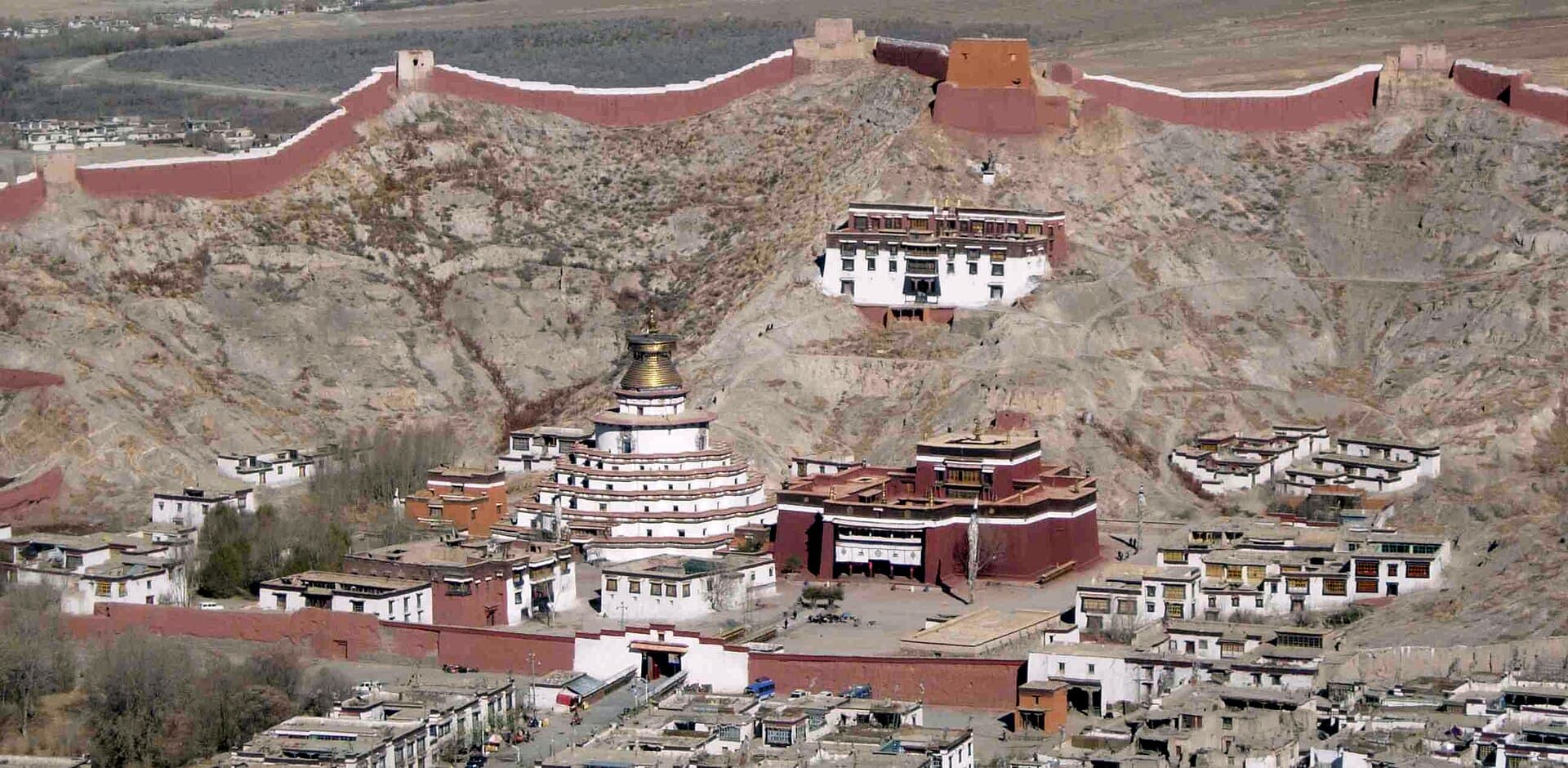
一座历史悠久的高原古镇,以多层的江孜十万佛塔、独具一格的白居寺,以及俯瞰河谷的山顶古堡而闻名。
Overview
Gyantse (around 3,950 m / 13,000 ft) is a historic town that once ranked among Tibet's largest, sitting on an old trade route between India and central Tibet. Today it is quieter, and that is part of its appeal — it retains a strong sense of old Tibet, with a famous monastery complex below a dramatic hilltop fort. Its standout monument, the Gyantse Kumbum, is one of the masterpieces of Tibetan Buddhist art.
Most travellers pass through Gyantse on the southern route between Lhasa and Shigatse. It deserves more than a quick photo stop: a few hours here, exploring the Kumbum and the monastery, is one of the cultural high points of a central Tibet journey.
Top Things to See & Do
- Gyantse Kumbum — A great tiered stupa, the largest of its kind in Tibet, begun in the early 15th century. Its many chapels, spread across nine levels, are filled with murals and statues; the name Kumbum means "100,000 images." Climbing it level by level is the highlight of any visit.
- Pelkor Chode Monastery — Founded in the early 15th century and unusual for once housing several Buddhist schools (including Sakya, Gelug, and Kadam) under one roof. Its main hall holds fine old statuary and murals.
- Gyantse Dzong — A fortress on a rocky hill above the town, with origins going back centuries. The climb is rewarded with sweeping views over Gyantse, the monastery, and the surrounding farmland.
- The old town — The lanes around the monastery preserve traditional Tibetan houses and a slower pace of rural plateau life, and they reward a short wander on foot once you have seen the main monuments.
- The surrounding farmland — Gyantse sits in a fertile valley long known for its barley and wool, and the patchwork of fields around the town is at its most photogenic in summer.
Best Time to Visit
April to October offers the most comfortable conditions, with the late spring and early autumn shoulders giving clear skies and pleasant days. Summer is warmer and greener in the surrounding barley fields, with some chance of afternoon rain. The Gyantse horse-racing and archery festival, a tradition with deep local roots and usually held in summer, is a lively event that fills the town. Winter is cold and quiet but the town remains accessible as a stop on the southern route, and the crisp air can bring especially clear views from the Dzong.
How to Get There
Gyantse lies on the southern road between Lhasa and Shigatse, typically reached as part of a day's drive that also takes in Yamdrok Lake and the Karola Glacier. It is around 90 km from Shigatse. There is no airport; you arrive overland on a guided tour with your permits arranged in advance. To include it in your trip, browse our Tibet tours or contact us.
Where It Fits in a Tibet Trip
Gyantse is most often visited as a stop between Lhasa and Shigatse, and it slots neatly into longer journeys heading toward Everest Base Camp or the Nepal border. Pairing it with Yamdrok Lake on the same day makes for one of the most scenic and culturally rich legs of a central Tibet itinerary. At just under 4,000 m, it also continues the gradual acclimatization that prepares you for the higher passes ahead. Few travellers come to Gyantse on its own, but almost no well-planned central Tibet route skips it.
途经江孜的线路
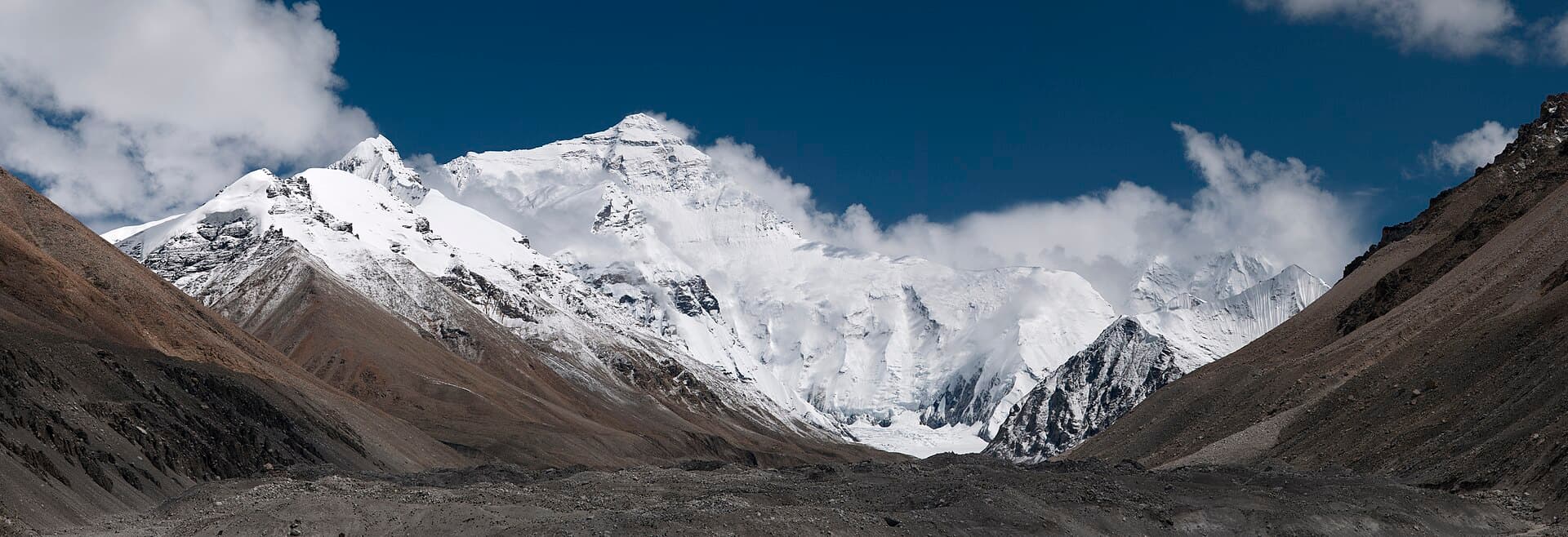
拉萨与珠峰(8天)
拉萨 · 羊卓雍措 · 卡若拉冰川 · 日喀则 · 绒布寺 · 珠峰大本营 · 日喀则 · 拉萨
八天从拉萨出发,前往珠峰北壁再返回:先在拉萨住三晚,体验藏族手工艺工坊、观看色拉寺辩经、游览布达拉宫与大昭寺,再前往羊卓雍措、卡若拉冰川、日喀则,在大本营住一晚,并参访扎什伦布寺。按固定团期出发的拼团。
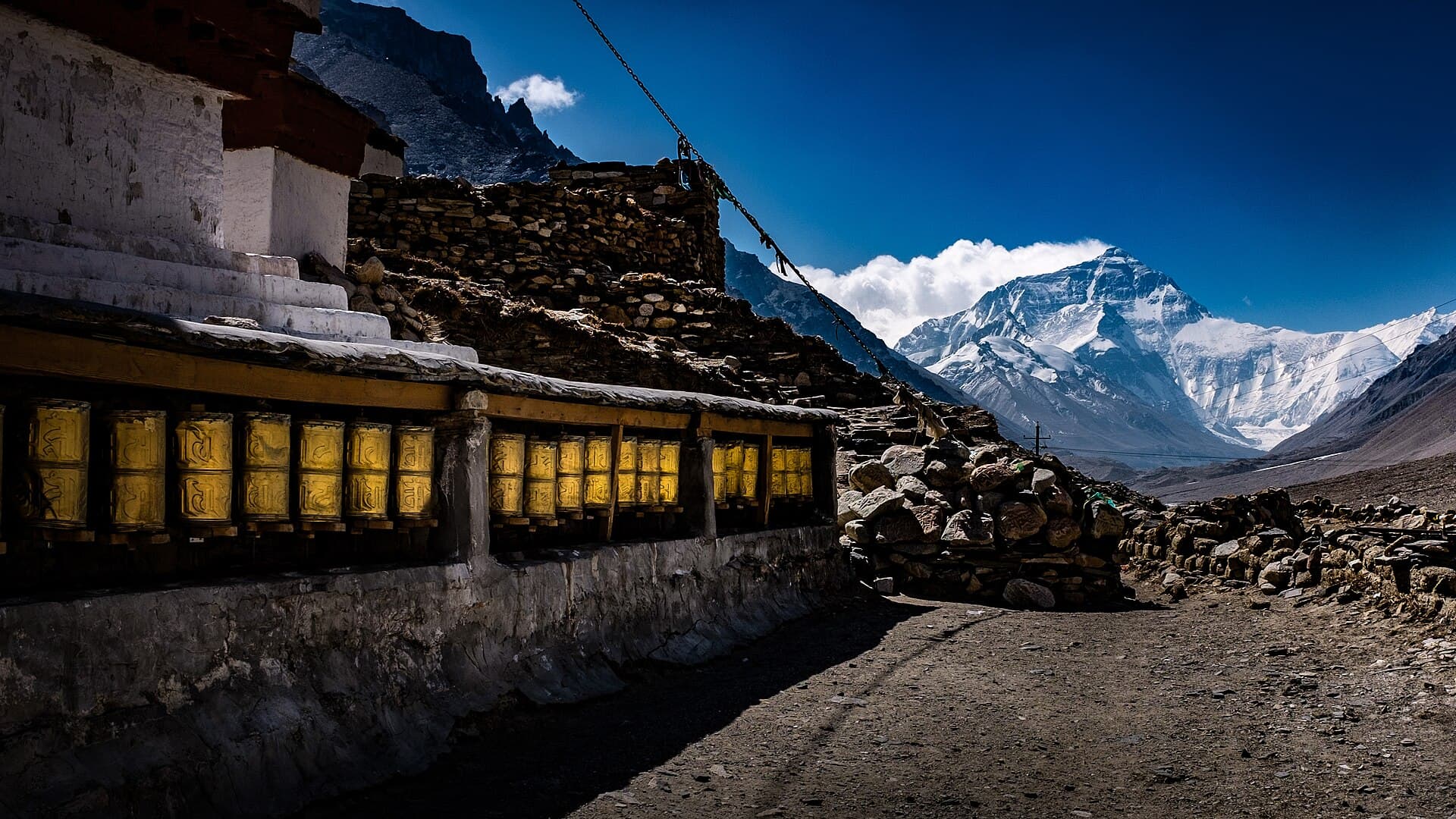
珠峰与纳木错(9天)
拉萨 · 羊卓雍措 · 卡若拉冰川 · 日喀则 · 绒布寺 · 珠峰大本营 · 日喀则 · 拉萨 · 纳木错 · 拉萨
九天行程,在通往珠峰的路上多加了一站纳木错:拉萨的色拉寺辩经、布达拉宫与大昭寺;西行途中的羊卓雍措,以及再往前的卡若拉冰川;在珠峰大本营住一晚;扎什伦布寺;最后在适应高原之后,加一天纳木错之行。按固定团期出发的拼团。
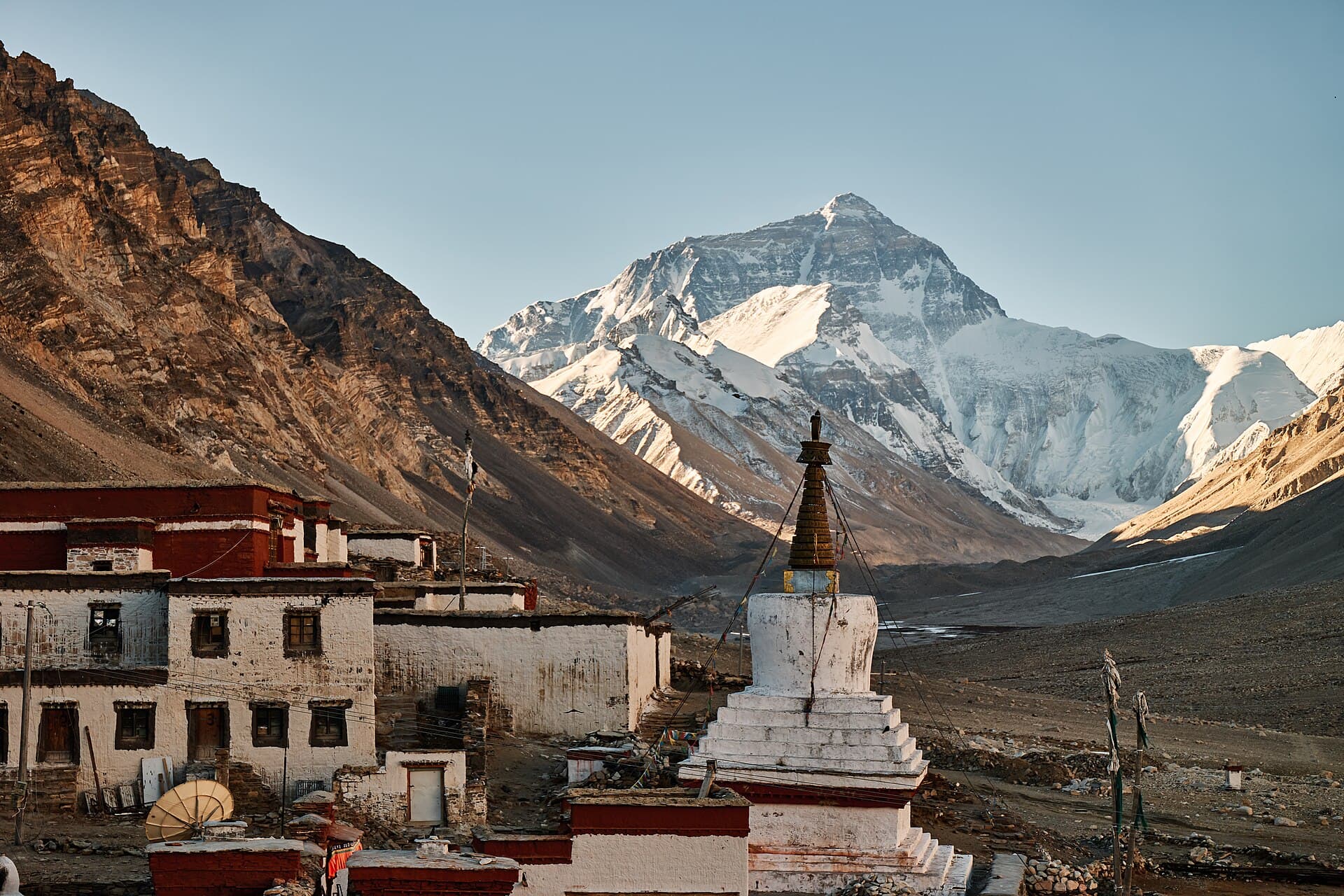
拉萨与珠峰(7天)
拉萨 · 羊卓雍措 · 卡若拉冰川 · 日喀则 · 绒布寺 · 珠峰大本营 · 日喀则 · 拉萨
一周从拉萨抵达珠峰脚下:先在拉萨住两天适应海拔,西行途经羊卓雍措与卡若拉冰川,在珠峰北壁下住一晚,归途参访扎什伦布寺。按固定团期出发的拼团。
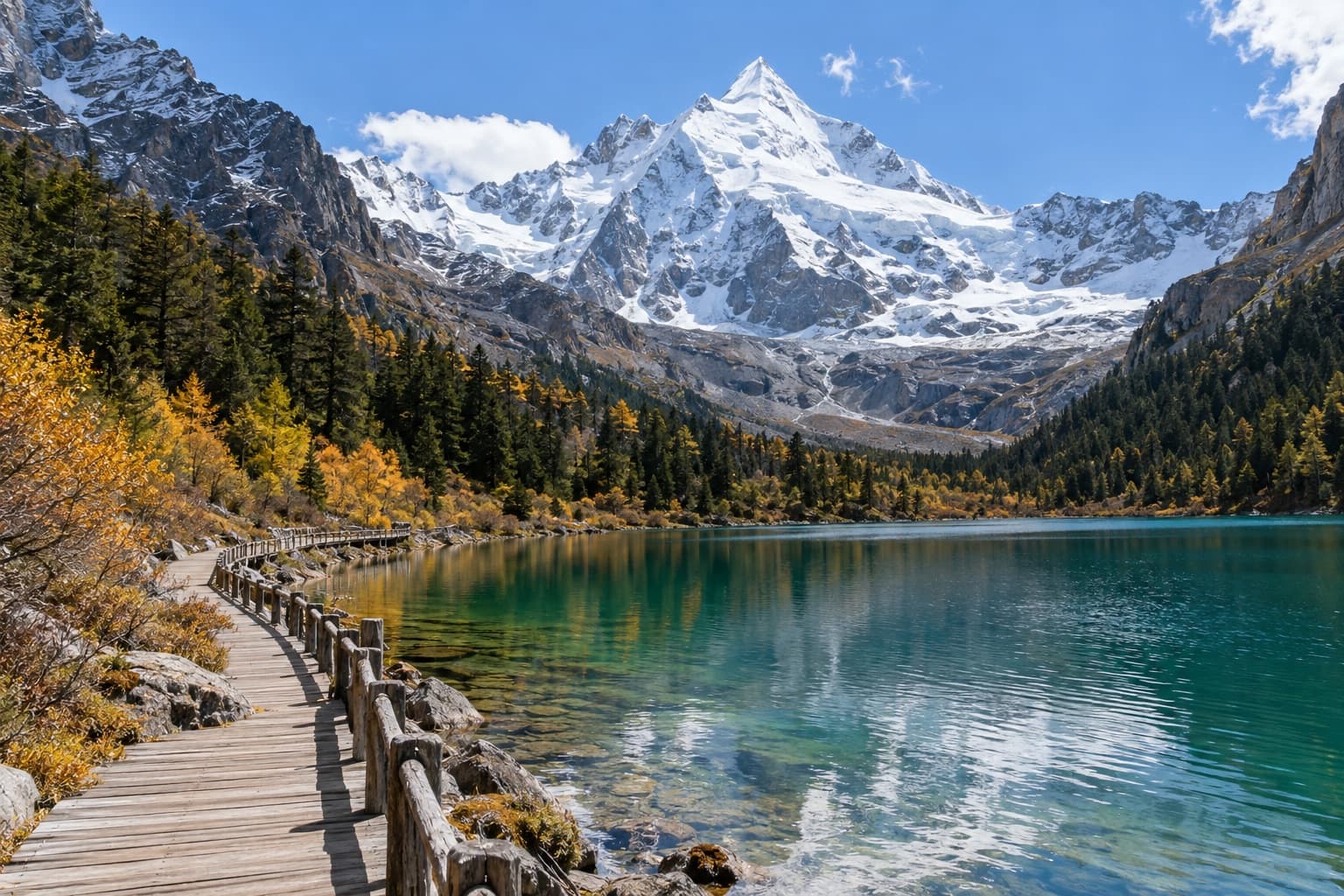
成都、亚丁与拉萨(15天)
成都 · 康定 · 木格措 · 理塘 · 稻城亚丁 · 怒江72拐 · 然乌湖 · 米堆冰川 · 林芝 · 巴松措 · 拉萨 · 羊卓雍措 · 江孜 · 日喀则 · 拉萨
十五天陆路,从成都走到拉萨:木格措与康定,稻城亚丁保护区的整整一天,海拔5,008米的东达山口,怒江72拐的急弯,然乌湖、林芝和巴松措,然后是拉萨、羊卓雍措和日喀则。2至12人的拼团,按固定团期出发。
江孜常见问题
It is the largest tiered stupa (chorten) in Tibet, begun in the early 15th century, with many chapels spread across nine levels and decorated with thousands of murals and statues. Its name means "100,000 images." Climbing through its levels is the cultural highlight of Gyantse.