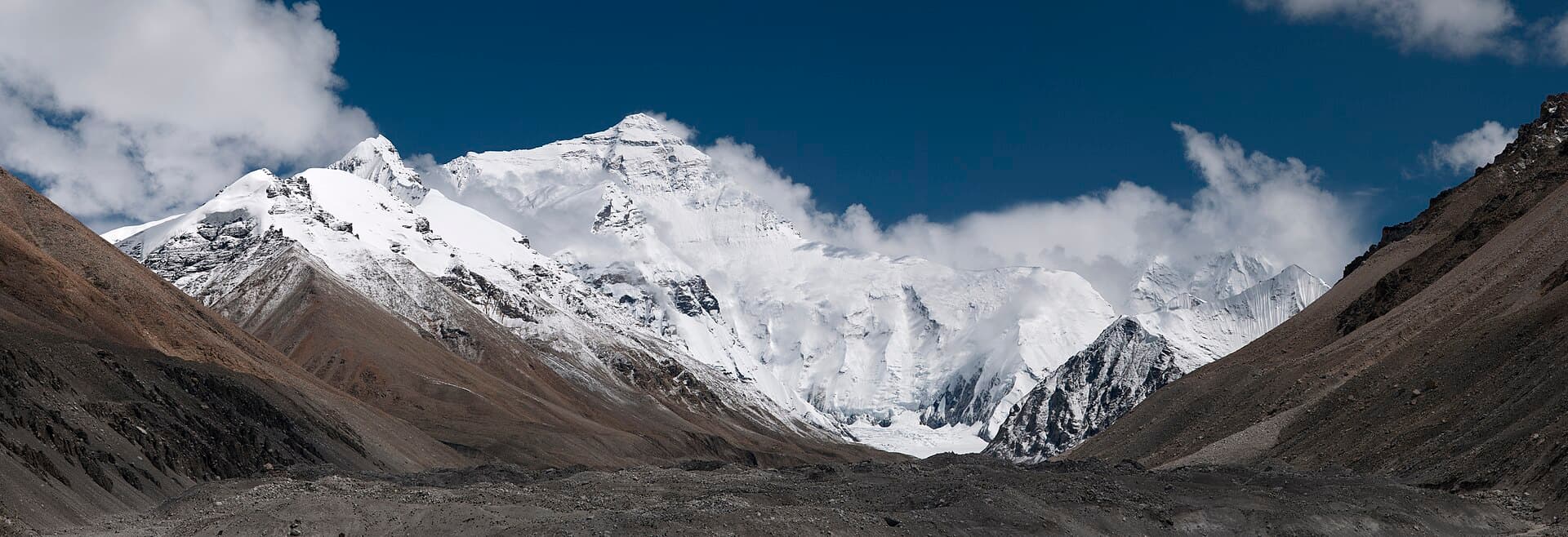
珠峰大本营(北坡)
北坡大本营紧邻绒布寺,是近距离观赏珠穆朗玛峰北壁最便捷的地点之一——经由公路即可抵达,无需多日徒步。
Overview
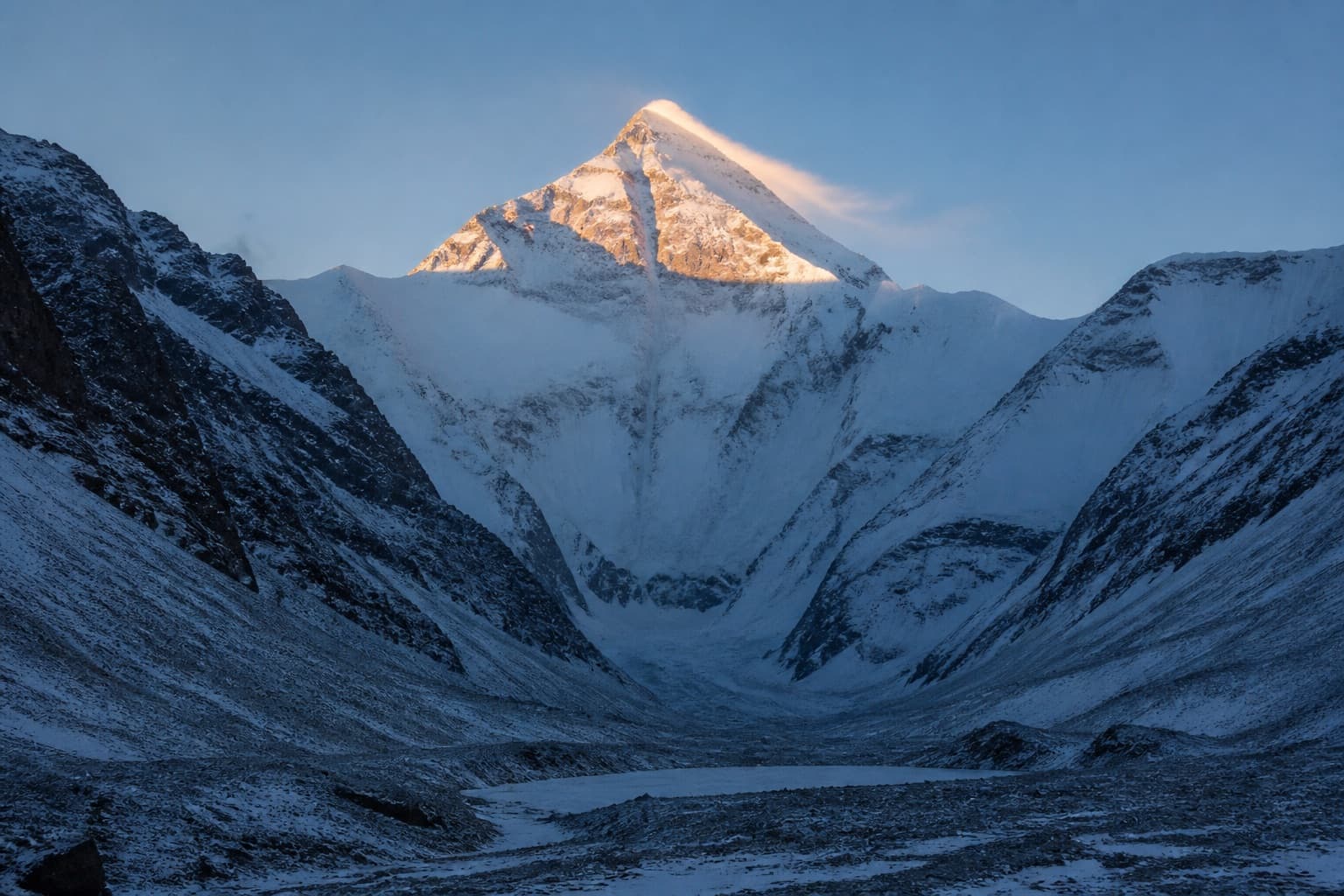
Everest Base Camp on the Tibetan (north) side sits at roughly 5,200 metres (16,900 ft) near Rongbuk Monastery, often described as among the highest monasteries in the world. Unlike the Nepal side, which requires a long trek to reach base camp, the Tibet side is reachable almost entirely by road. That makes it one of the few places on Earth where ordinary travellers can stand close to the foot of the world's highest mountain and look straight up at its north face.
This is high, exposed, and remote terrain. The reward is the view: on a clear morning or evening, Everest dominates the horizon with little to obstruct it. The journey itself — across the wide brown plateau and over a series of 5,000-metre passes — is a large part of the experience.
Top Things to See & Do
- The north face of Everest — The main event. Light is usually best at sunrise and sunset, when the peak catches gold and pink. Clear, still mornings give the sharpest views.
- Rongbuk Monastery — A working monastery in an astonishing setting, with Everest framed in the valley behind it. It anchors the area and offers basic guesthouse lodging.
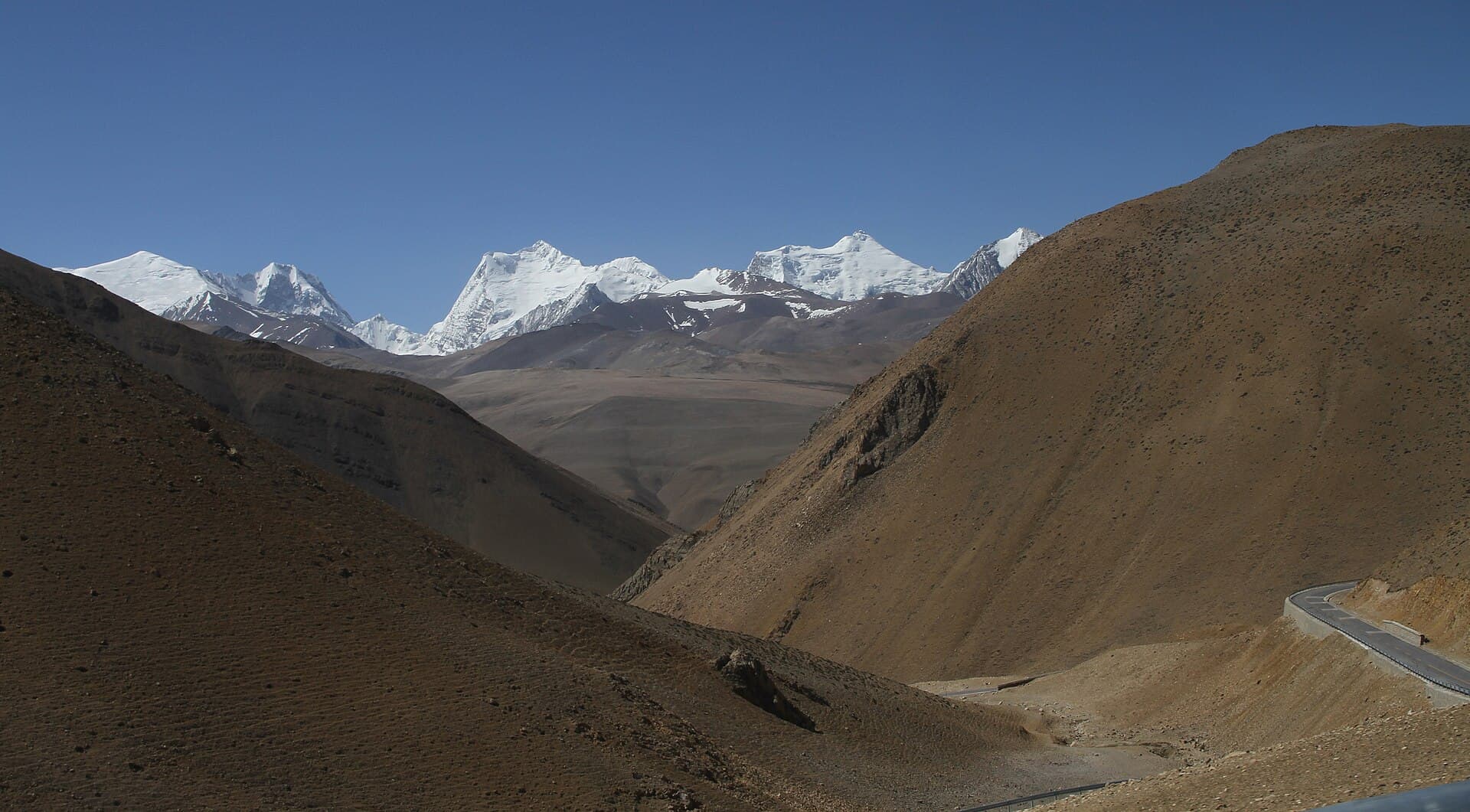
- Gawu La pass viewpoint — On the drive in, this pass (above 5,000 m) opens onto a sweeping panorama of Himalayan giants, including several 8,000-metre peaks.
- The plateau drive — The route over high passes such as Gyatso La, past nomad pastures and small Tibetan villages, is genuinely scenic in its own right.
- Night skies — With no light pollution and thin, dry air, the stargazing here can be extraordinary on a clear night.
Best Time to Visit
Late April to May and September to October are the prime seasons, offering the clearest, most stable weather and the best odds of an unobstructed view of the summit. Spring and autumn skies tend to be sharpest. Summer (June to August) can bring cloud and haze from the monsoon that hides the peak for days at a time, though it is warmer. Winter is bitterly cold and the area is often inaccessible. Even in peak season, the mountain can hide behind cloud, so building in some flexibility helps.
How to Get There
Everest Base Camp is reached overland from Lhasa via Shigatse, Lhatse, and the Tingri area, a journey of roughly 600–700 km that normally takes two to three days each way with overnight stops to aid acclimatization. The final approach near Rongbuk is covered by a short transfer or walk. You will need a Tibet Travel Permit, an Alien's Travel Permit, and a Frontier (border) Pass — all arranged by your agency as part of a guided tour. Start with our 9-Day Lhasa, Everest Base Camp & Namtso Lake Group Tour or contact us to tailor an itinerary.
Where It Fits in a Tibet Trip
EBC is a natural high point of a longer overland journey rather than a quick add-on. A typical trip starts with acclimatization in Lhasa, continues through Gyantse and Shigatse, then climbs to Everest. From there, many travellers continue to the Nepal border and on to Kathmandu, while pilgrimage-focused itineraries push further west to Mount Kailash. Because of the altitude, EBC should always come after several days lower down, never at the very start of a trip.
途经珠峰大本营(北坡)的线路
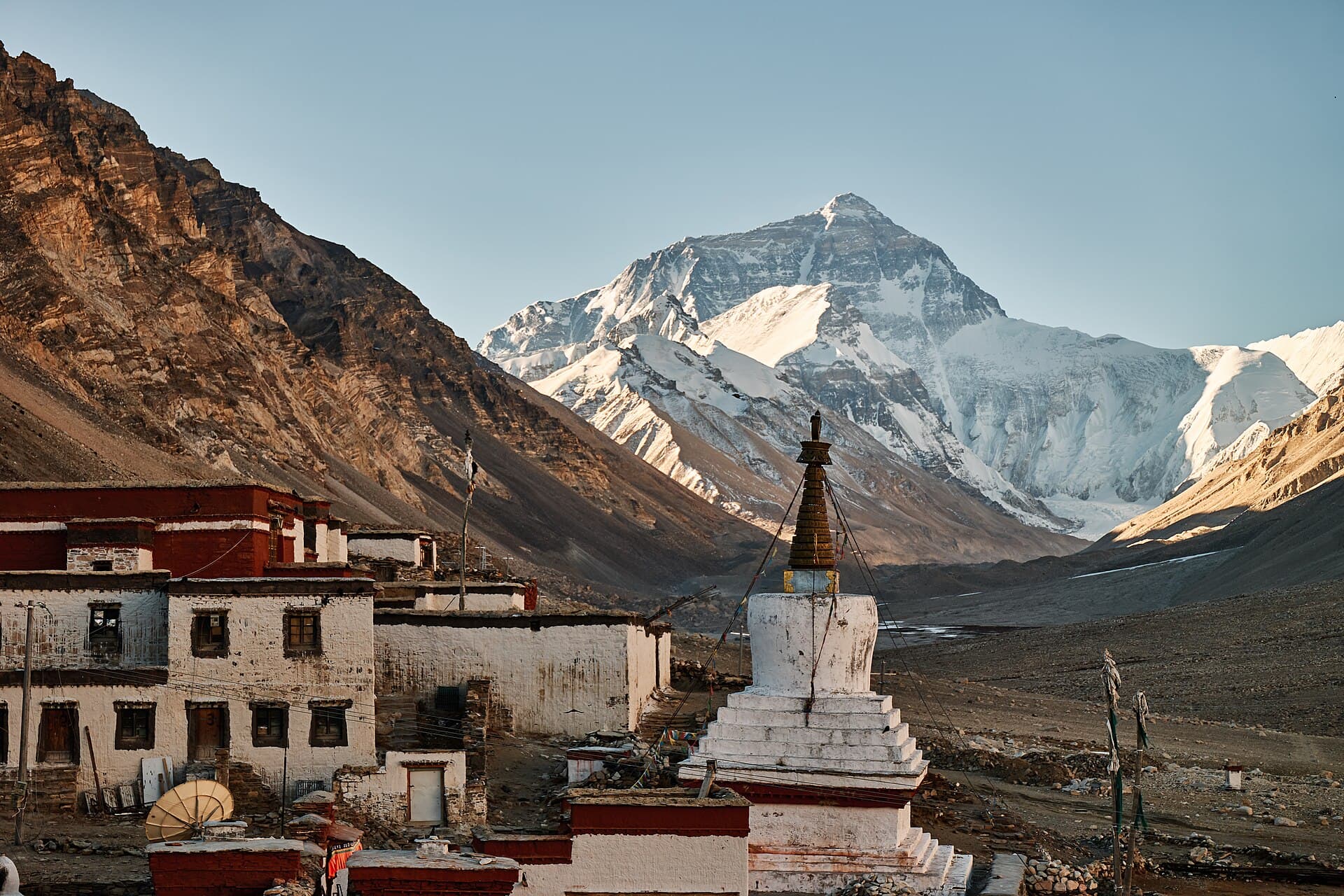
拉萨与珠峰(7天)
拉萨 · 羊卓雍措 · 卡若拉冰川 · 日喀则 · 绒布寺 · 珠峰大本营 · 日喀则 · 拉萨
一周从拉萨抵达珠峰脚下:先在拉萨住两天适应海拔,西行途经羊卓雍措与卡若拉冰川,在珠峰北壁下住一晚,归途参访扎什伦布寺。按固定团期出发的拼团。
拉萨与珠峰(8天)
拉萨 · 羊卓雍措 · 卡若拉冰川 · 日喀则 · 绒布寺 · 珠峰大本营 · 日喀则 · 拉萨
八天从拉萨出发,前往珠峰北壁再返回:先在拉萨住三晚,体验藏族手工艺工坊、观看色拉寺辩经、游览布达拉宫与大昭寺,再前往羊卓雍措、卡若拉冰川、日喀则,在大本营住一晚,并参访扎什伦布寺。按固定团期出发的拼团。
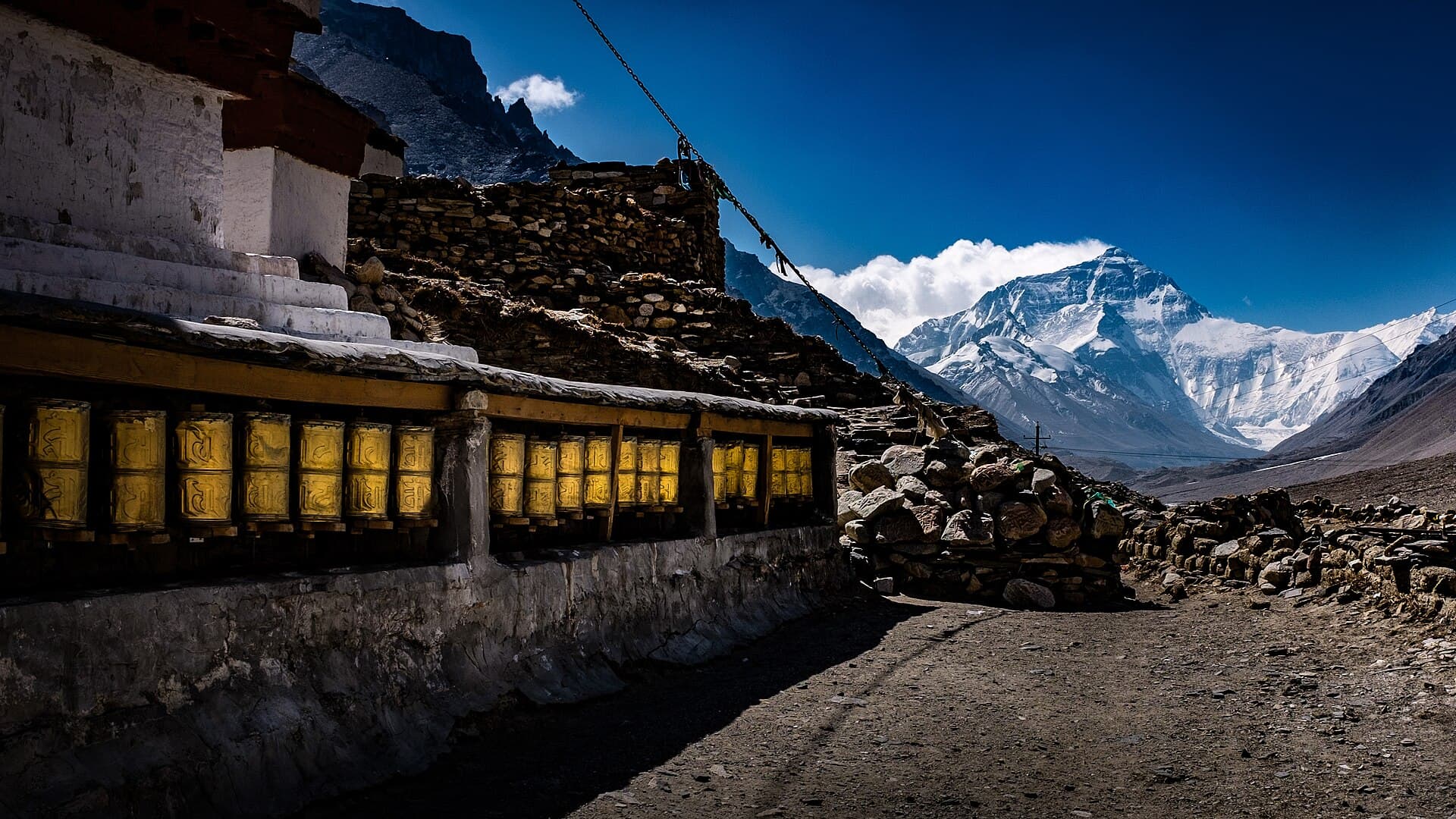
珠峰与纳木错(9天)
拉萨 · 羊卓雍措 · 卡若拉冰川 · 日喀则 · 绒布寺 · 珠峰大本营 · 日喀则 · 拉萨 · 纳木错 · 拉萨
九天行程,在通往珠峰的路上多加了一站纳木错:拉萨的色拉寺辩经、布达拉宫与大昭寺;西行途中的羊卓雍措,以及再往前的卡若拉冰川;在珠峰大本营住一晚;扎什伦布寺;最后在适应高原之后,加一天纳木错之行。按固定团期出发的拼团。
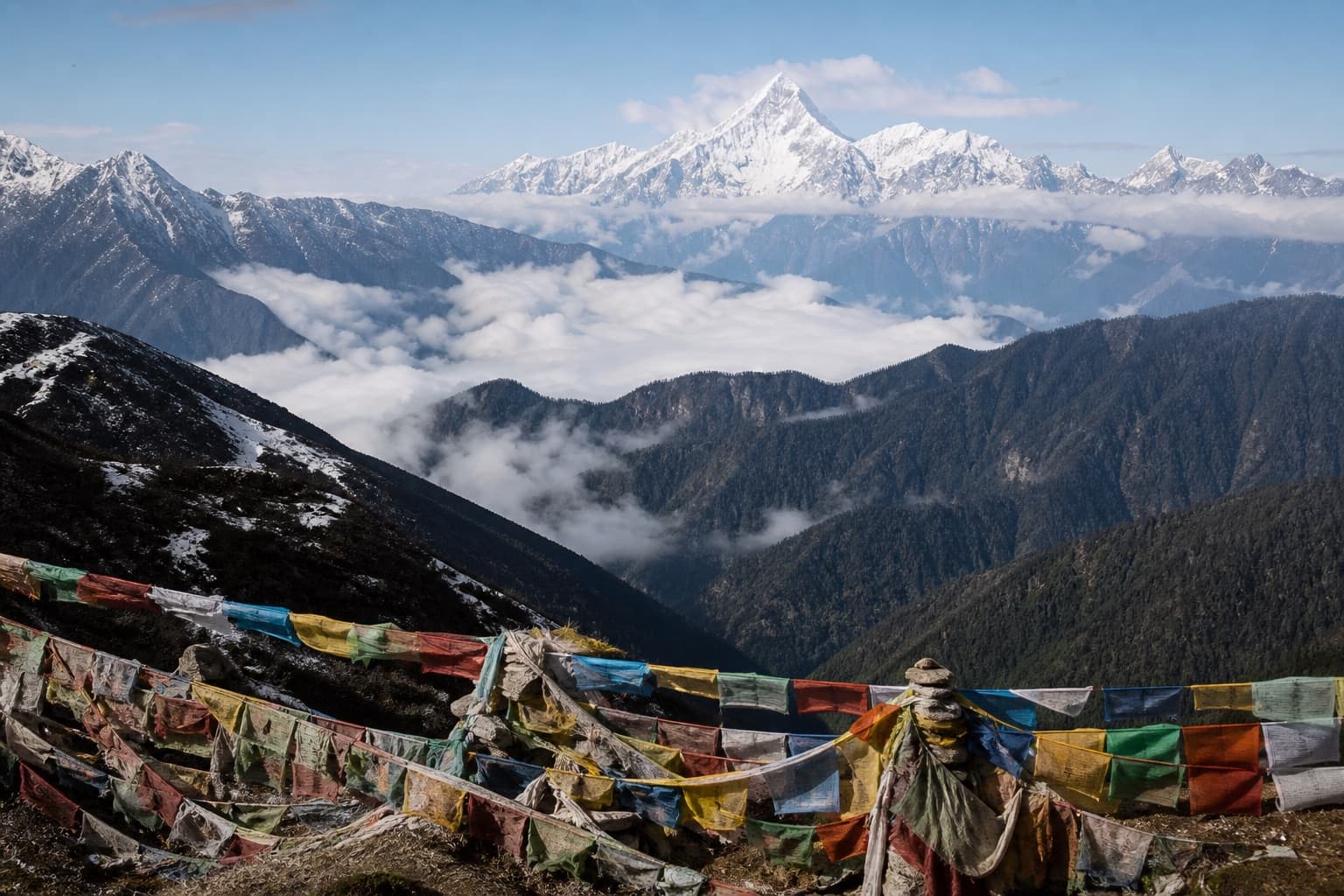
林芝与珠峰(11天)
拉萨 · 卡定沟 · 林芝 · 色季拉山口 · 鲁朗 · 巴松措 · 拉萨 · 羊卓雍措 · 卡若拉冰川 · 日喀则 · 绒布寺 · 珠峰大本营 · 日喀则 · 拉萨
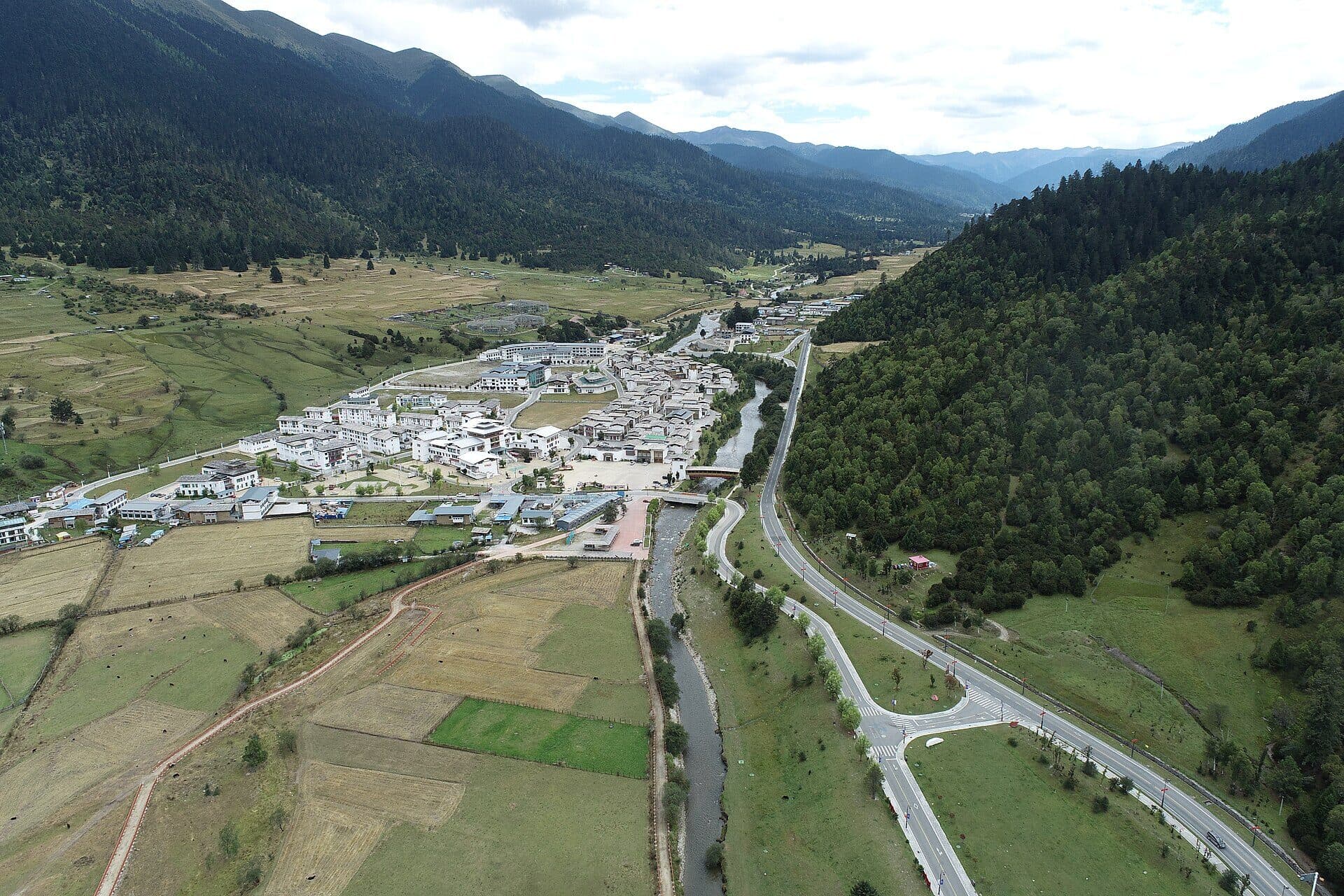
十一天的行程从海拔较低处开始,先游览林芝的森林和巴松措,再参观拉萨的布达拉宫、大昭寺和色拉寺,经羊卓雍措和卡若拉冰川,在珠峰大本营住一晚,最后参访扎什伦布寺。拼团,团期固定,最多12位旅客。
从林芝到纳木错(12天)
拉萨 · 卡定沟 · 林芝 · 色季拉山口 · 鲁朗 · 巴松措 · 拉萨 · 羊卓雍措 · 卡若拉冰川 · 日喀则 · 绒布寺 · 珠峰大本营 · 日喀则 · 拉萨 · 纳木错 · 拉萨
我们在藏中与藏东最完整的一条线路:林芝的森林与巴松措、拉萨三天、羊卓雍措与日喀则、珠峰大本营住一晚,最后在已经度过十个高原夜晚之后,前往纳木错一日游。按固定团期出发的拼团。
拉萨至尼泊尔边境(7天)
拉萨 · 羊卓雍措 · 卡若拉冰川 · 日喀则 · 绒布寺 · 珠峰大本营 · 佩枯错 · 吉隆 · 吉隆口岸(尼泊尔边境)
一周单程,从拉萨走到尼泊尔边境:先在拉萨住三晚,再经羊卓雍措与日喀则,在珠峰北壁下住一晚,随后长途下行至草木葱茏的吉隆。行程于第7天在吉隆口岸结束;之后您自行过境进入尼泊尔,再自行前往加德满都。
珠峰速达(4天)
拉萨 · 羊卓雍措 · 江孜 · 日喀则 · 珠峰大本营 · 日喀则 · 拉萨
为已经走过拉萨的旅行者而设的四天珠峰线——沿中尼公路直奔海拔5,200米的大本营,在北壁之下住一晚,再返程。
珠峰大本营(北坡)常见问题
No. The north-side base camp is reached almost entirely by road, with only a short transfer or walk at the end. This makes it far more accessible than the Nepal-side trek and suitable for travellers who are fit but not mountaineers.