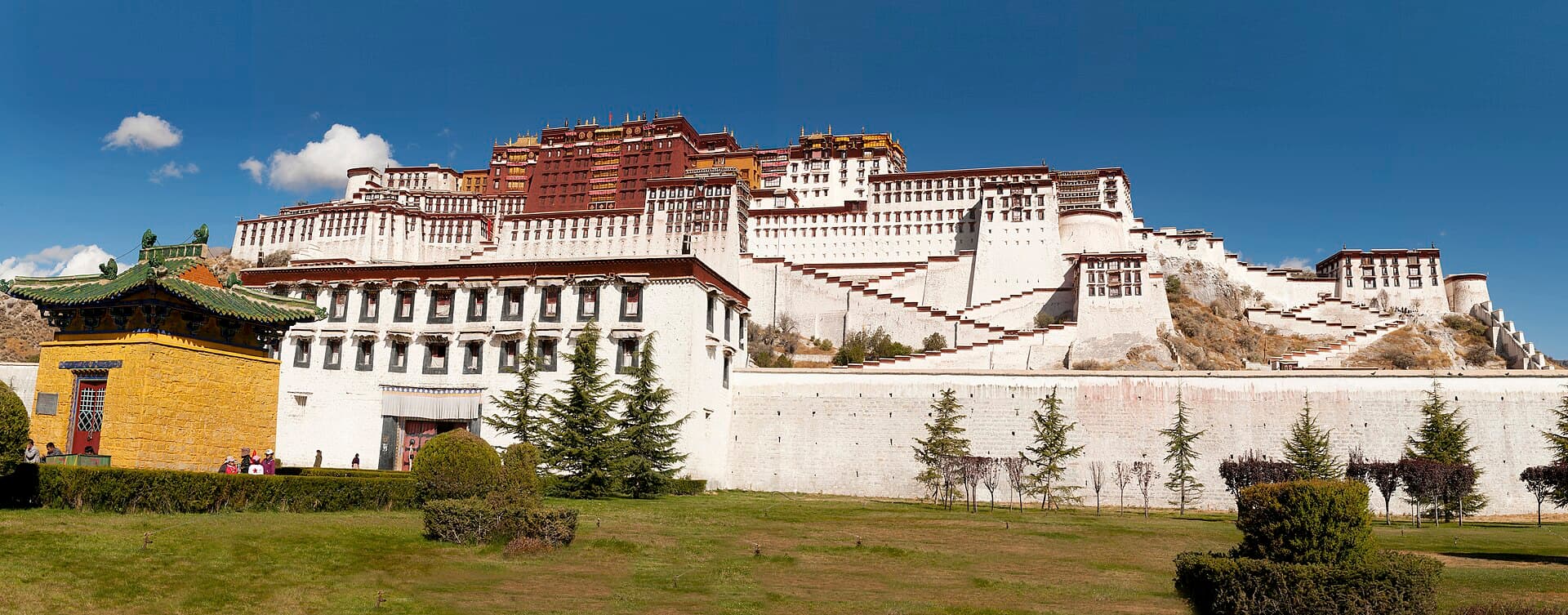
拉萨
西藏首府,亦是高原的人文中心,坐拥布达拉宫、神圣的大昭寺,以及熙攘的八廓街转经道。
Overview
Lhasa sits at 3,656 metres (11,995 ft) in a broad river valley and is the starting point for almost every trip to Tibet. It is the region's political, religious, and cultural centre, and for over a thousand years it has drawn pilgrims from across the plateau. For most travellers, Lhasa is where you arrive, where you spend your first days adjusting to the altitude, and where you begin to understand Tibetan Buddhism as a living, everyday practice rather than a museum piece.
The city blends old and new. Around the Jokhang Temple, the historic centre still hums with pilgrims spinning prayer wheels and prostrating along the Barkhor. Beyond it, modern avenues, hotels, and restaurants make Lhasa a comfortable base. You will need a Tibet Travel Permit and a guide to be here, and Lhasa is where your guide meets you and your itinerary properly begins.
Top Things to See & Do
- Potala Palace — The former winter residence of the Dalai Lamas, rising in white and red tiers above the city. Entry times are tightly scheduled and tickets are limited, so your guide books a fixed slot in advance. The climb up the palace stairs is noticeably harder at altitude; pace yourself.
- Jokhang Temple — Tibet's most sacred temple, founded in the 7th century. The atmosphere among the butter lamps and prostrating pilgrims is the single most memorable thing many travellers take away from Lhasa.
- Barkhor — The kora (pilgrimage circuit) that loops around the Jokhang. Walk it clockwise alongside pilgrims; it doubles as a market full of crafts, prayer flags, and street life.
- Sera and Drepung Monasteries — Two of the great Gelug monasteries on the city's edge. Sera is well known for its lively afternoon debating sessions among the monks.
- Norbulingka — The Dalai Lamas' summer palace, set in gardens that are especially pleasant in warmer months.
Best Time to Visit
April to October is the most reliable window, with May, June, September, and early October offering the most settled weather and clearest skies. July and August bring the summer monsoon, with warmer days and occasional afternoon rain, plus the busy Shoton (Yogurt) Festival. Winter (November to February) is cold but very clear, far quieter, and a good option for travellers who prefer fewer crowds; permits are still required and some high-altitude side trips may be harder to reach.
How to Get There
Most travellers reach Lhasa by air, with flights from major Chinese cities such as Chengdu, Xi'an, Beijing, Shanghai, and Kunming, landing at Lhasa Gonggar Airport about 60 km from the city. The alternative is the scenic train across the plateau, which some prefer because the gradual ascent can ease acclimatization. Either way, foreign travellers cannot enter independently: you must travel on a guided tour with permits arranged in advance by your agency. See our Tibet tours and contact us to start planning.
Where It Fits in a Tibet Trip
Lhasa is the anchor of virtually every Tibet itinerary. Plan two to three nights here at the start so your body can adjust before heading higher — this is essential, not optional, given that nearly every onward destination sits above Lhasa. Lhasa anchors every itinerary, from our 9-Day Everest Base Camp & Namtso Tour to longer journeys to Everest Base Camp, Shigatse, or sacred Mount Kailash all begin from here. From Lhasa you can branch out to lakes such as Namtso and Yamdrok, or continue west along the Friendship Highway toward Nepal.
途经拉萨的线路
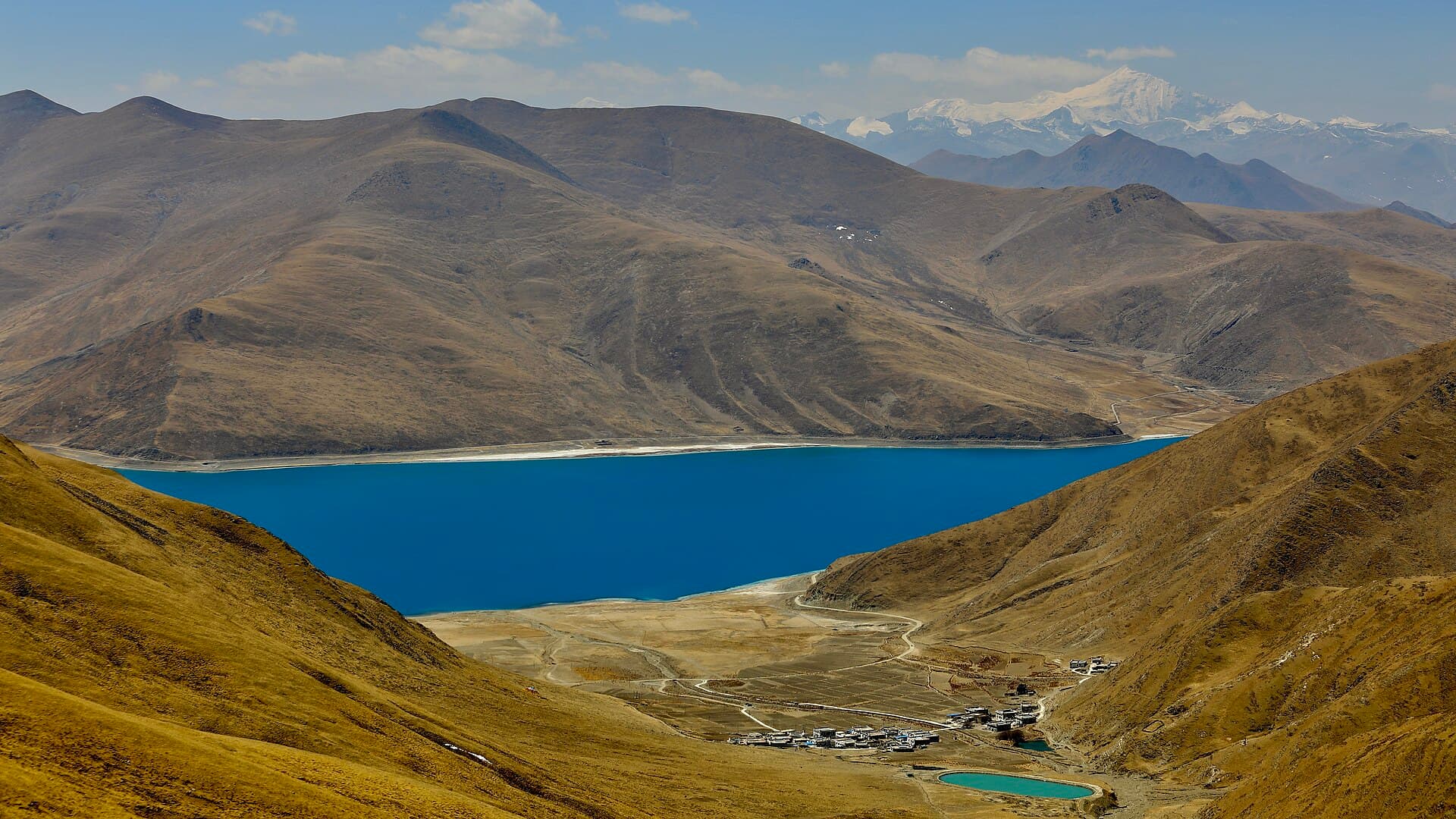
拉萨与羊卓雍措(5天)
拉萨 · 羊卓雍措 · 夏珠林寺 · 拉萨
五天全程住在拉萨:上午动手体验藏族手工艺,观看色拉寺僧人辩经,游览布达拉宫与大昭寺,再用一天翻越岗巴拉山口,前往羊卓雍措和夏珠林寺。这是我们最短的西藏行程,按固定团期出发的拼团。
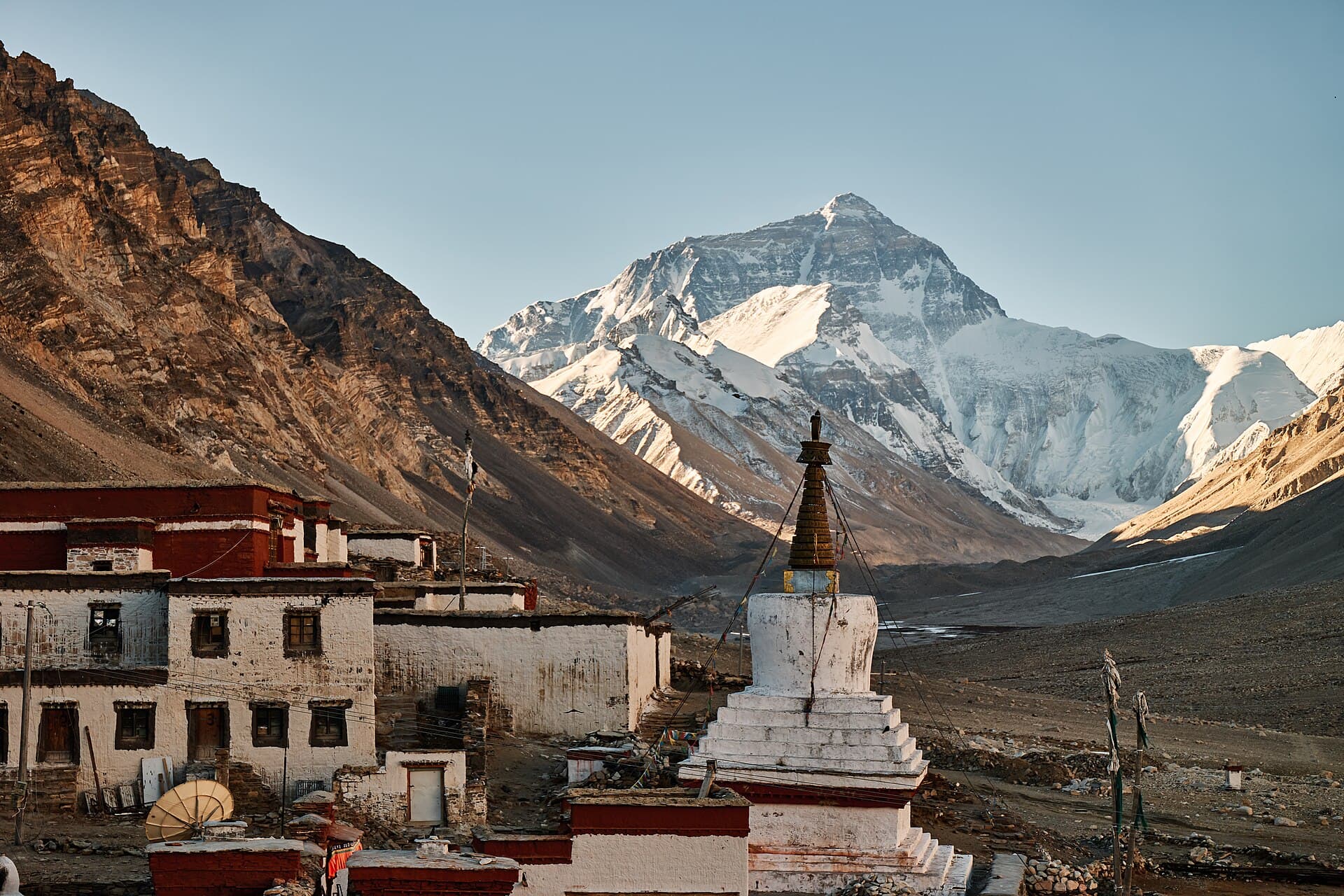
拉萨与珠峰(7天)
拉萨 · 羊卓雍措 · 卡若拉冰川 · 日喀则 · 绒布寺 · 珠峰大本营 · 日喀则 · 拉萨
一周从拉萨抵达珠峰脚下:先在拉萨住两天适应海拔,西行途经羊卓雍措与卡若拉冰川,在珠峰北壁下住一晚,归途参访扎什伦布寺。按固定团期出发的拼团。
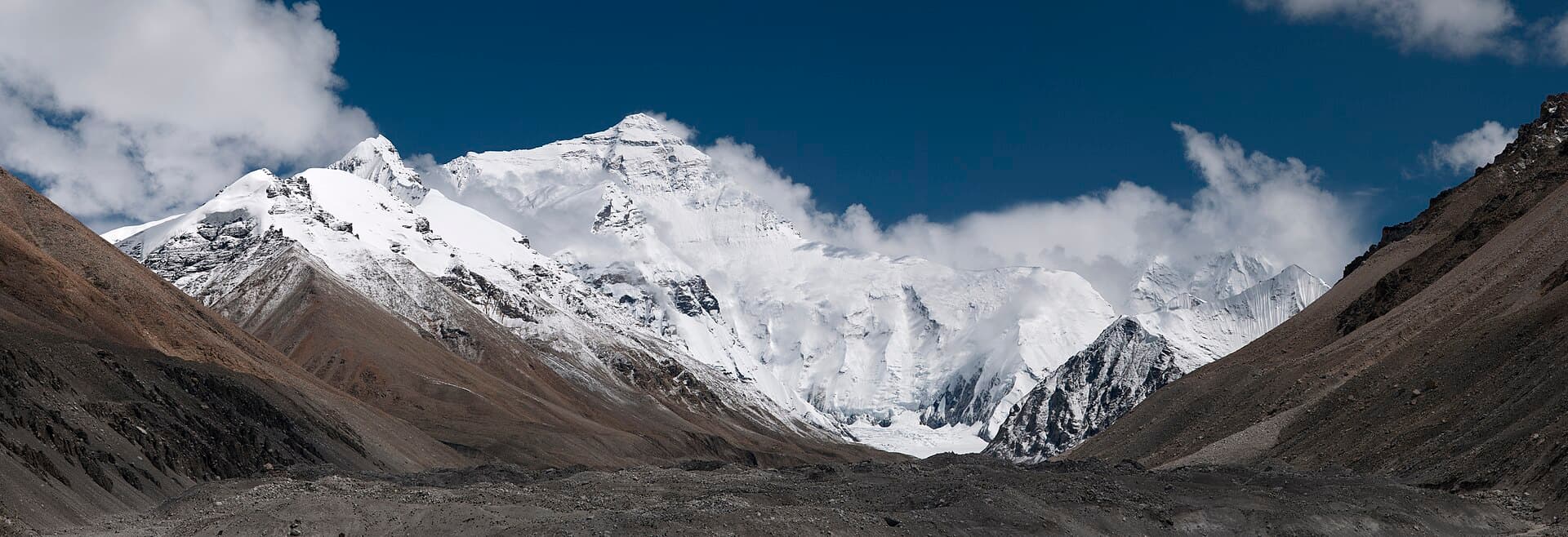
拉萨与珠峰(8天)
拉萨 · 羊卓雍措 · 卡若拉冰川 · 日喀则 · 绒布寺 · 珠峰大本营 · 日喀则 · 拉萨
八天从拉萨出发,前往珠峰北壁再返回:先在拉萨住三晚,体验藏族手工艺工坊、观看色拉寺辩经、游览布达拉宫与大昭寺,再前往羊卓雍措、卡若拉冰川、日喀则,在大本营住一晚,并参访扎什伦布寺。按固定团期出发的拼团。
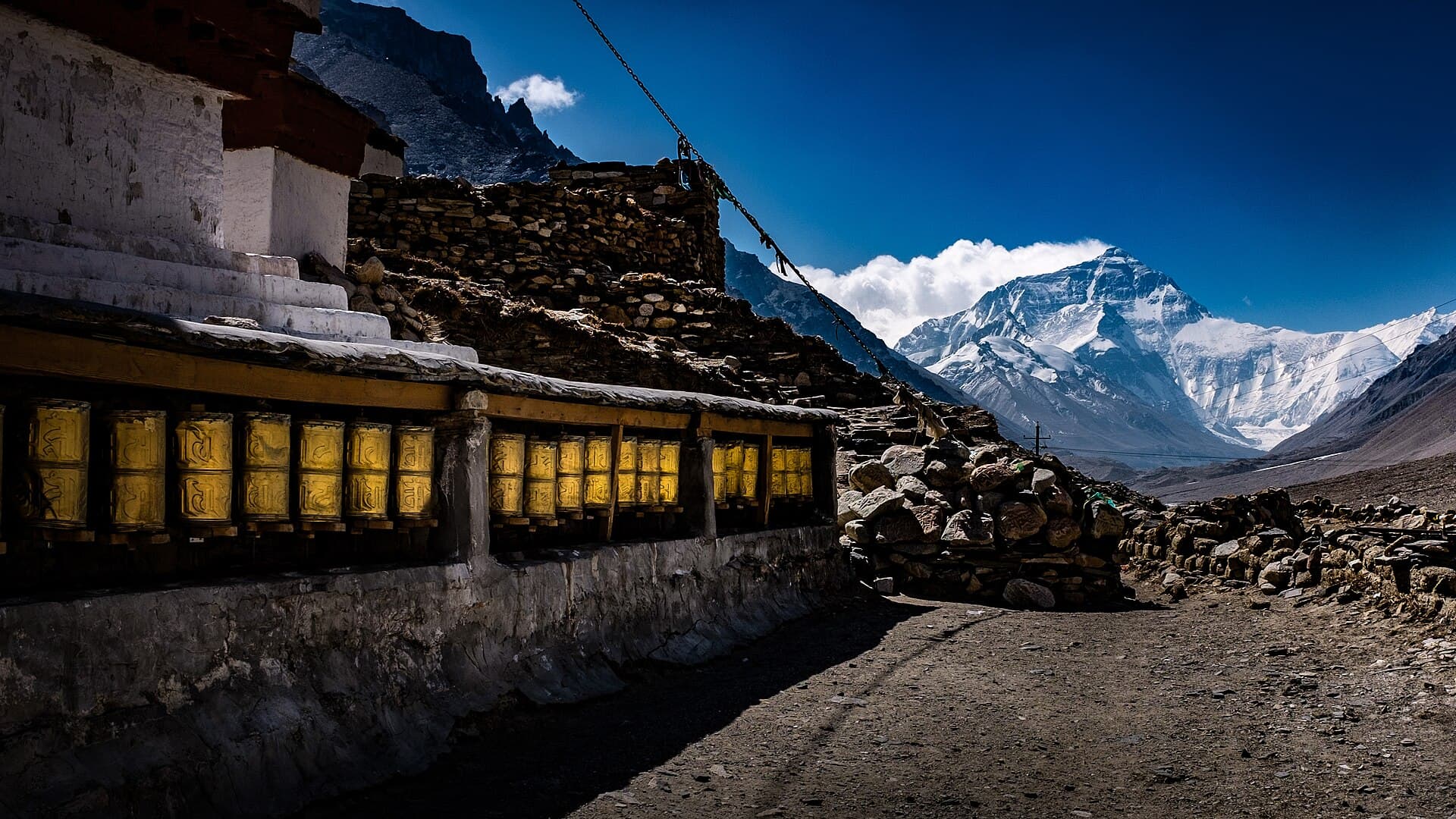
珠峰与纳木错(9天)
拉萨 · 羊卓雍措 · 卡若拉冰川 · 日喀则 · 绒布寺 · 珠峰大本营 · 日喀则 · 拉萨 · 纳木错 · 拉萨
九天行程,在通往珠峰的路上多加了一站纳木错:拉萨的色拉寺辩经、布达拉宫与大昭寺;西行途中的羊卓雍措,以及再往前的卡若拉冰川;在珠峰大本营住一晚;扎什伦布寺;最后在适应高原之后,加一天纳木错之行。按固定团期出发的拼团。
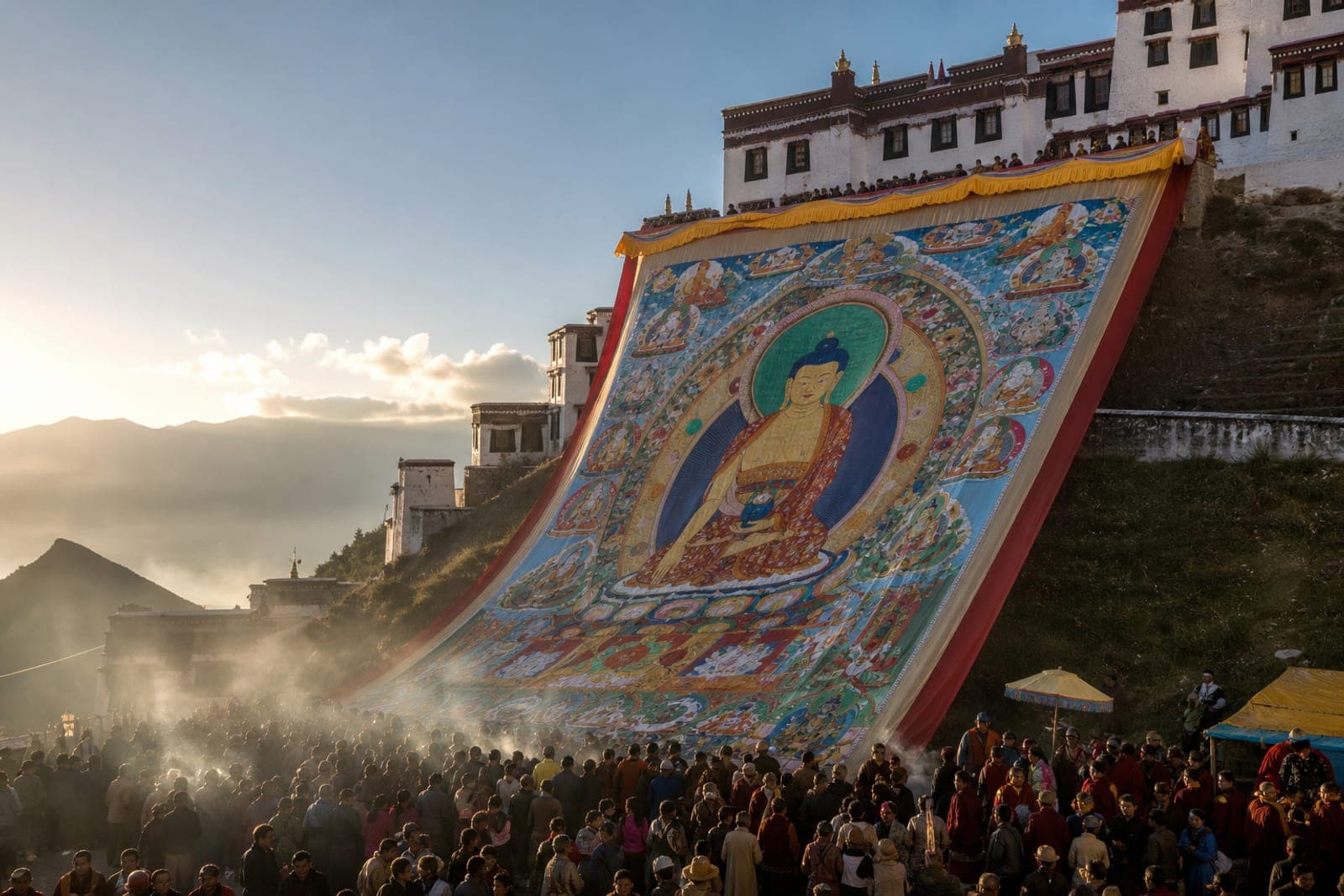
雪顿节与珠峰(9天)
拉萨 · 哲蚌寺 · 罗布林卡 · 羊卓雍措 · 卡若拉冰川 · 日喀则 · 绒布寺 · 珠峰大本营 · 日喀则 · 拉萨
雪顿节期间的拉萨,然后是珠峰:团期的设置让您恰好赶上雪顿节的头两天,黎明时分在哲蚌寺上方观看巨幅唐卡展佛,并在罗布林卡欣赏藏戏,随后西行前往珠峰大本营。每年一个团期,通常在8月。
圣城拉萨(4天)
拉萨 · 哲蚌寺 · 色拉寺 · 布达拉宫 · 大昭寺 · 八廓街
能把拉萨认真走完的最短行程——格鲁派三大寺、布达拉宫、大昭寺与八廓转经道,节奏留给高原适应,而不是赶路。
拉萨常见问题
Yes. All foreign travellers need a Tibet Travel Permit and must visit on a guided tour arranged by a registered agency. You cannot travel independently. Your agency applies for the permit on your behalf using your passport and Chinese visa, and your guide meets you on arrival.