Tibet Trails
定制我的行程
The Best Tibet Itineraries: 4 to 15 Days
Planning·9 分钟阅读

The Best Tibet Itineraries: 4 to 15 Days

From a focused Lhasa city break to a two-week Everest and Kailash expedition, here are practical, altitude-aware itineraries to help you choose your route.

A good Tibet itinerary is not just a list of sights. It is a carefully paced route that respects altitude, builds in acclimatization, and accounts for the long distances between the plateau's great landmarks. Below are five proven itineraries, from 4 to 15 days, with day-by-day outlines you can adapt.

Before you read on, two ground rules shape every plan here. First, foreign visitors must travel on a licensed organized tour with a guide and a Tibet Travel Permit arranged ahead of time. Second, almost every route begins with acclimatization days in Lhasa, because the city already sits at 3,656 meters (11,995 feet).

How to choose your itinerary

Work backwards from three questions:

  1. How many days do you actually have on the ground? Be honest, and count from the day you land in Lhasa. If you are unsure, our guide on how many days you need in Tibet walks through the trade-offs.
  2. What is your single must-see? Lhasa's monasteries, Everest's north face, and Mount Kailash each pull your route in a different direction.
  3. How is your altitude tolerance? If you are nervous about elevation, favor the itineraries that climb slowly.

Itinerary 1: Lhasa Essentials (4 days)

The most popular short trip, and the foundation everything else builds on.

  • Day 1 — Arrive Lhasa: Transfer to your hotel, rest, hydrate, no climbing or exertion.
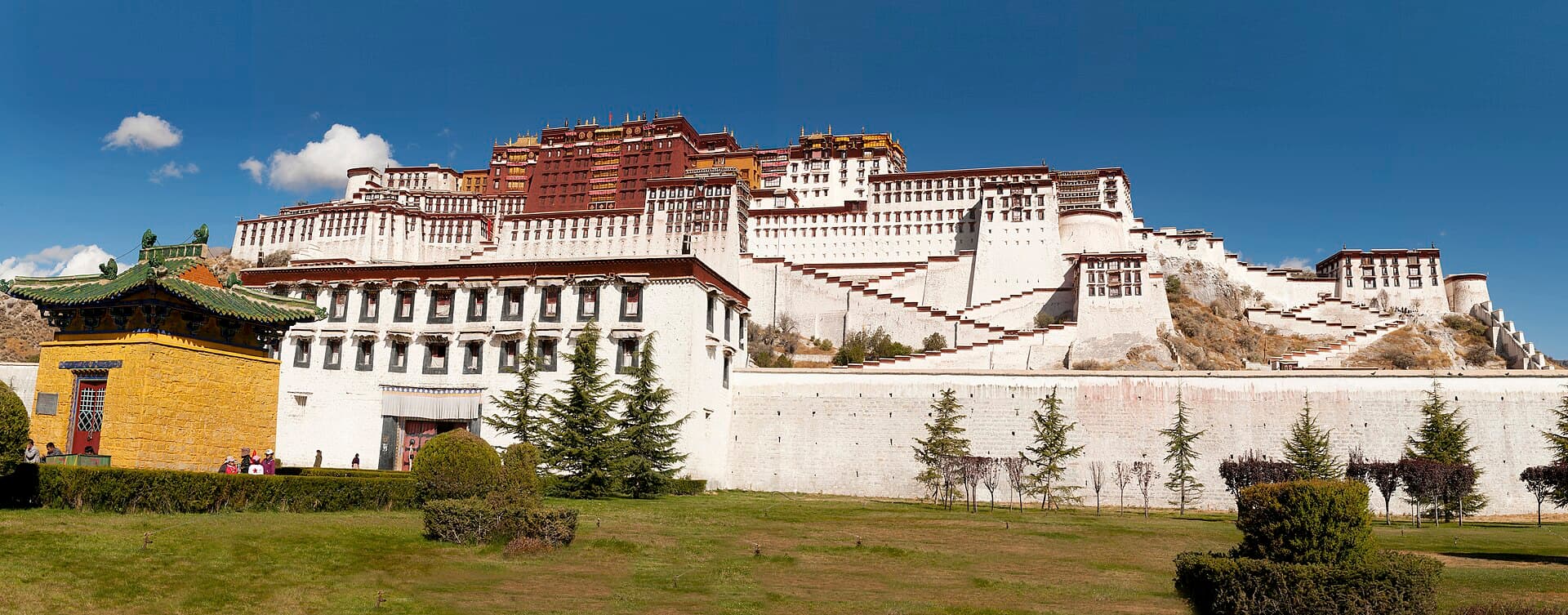
  • Day 2 — Potala and Jokhang: Tour the Potala Palace, then the Jokhang Temple and the Barkhor pilgrimage circuit.
  • Day 3 — Great monasteries: Drepung in the morning, Sera in the afternoon for the monks' debates.
  • Day 4 — Depart Lhasa.

Best for: travelers combining Tibet with mainland China, or anyone short on time. This is our Lhasa Essential Tour (4 days). Explore Lhasa as a destination for more on what the city holds.

Itinerary 2: Lhasa and Yamdrok Lake (6 days)

A gentle extension that adds the high country without committing to a long overland drive.

  • Days 1–3 — Lhasa: As above, acclimatize and tour the cultural core.
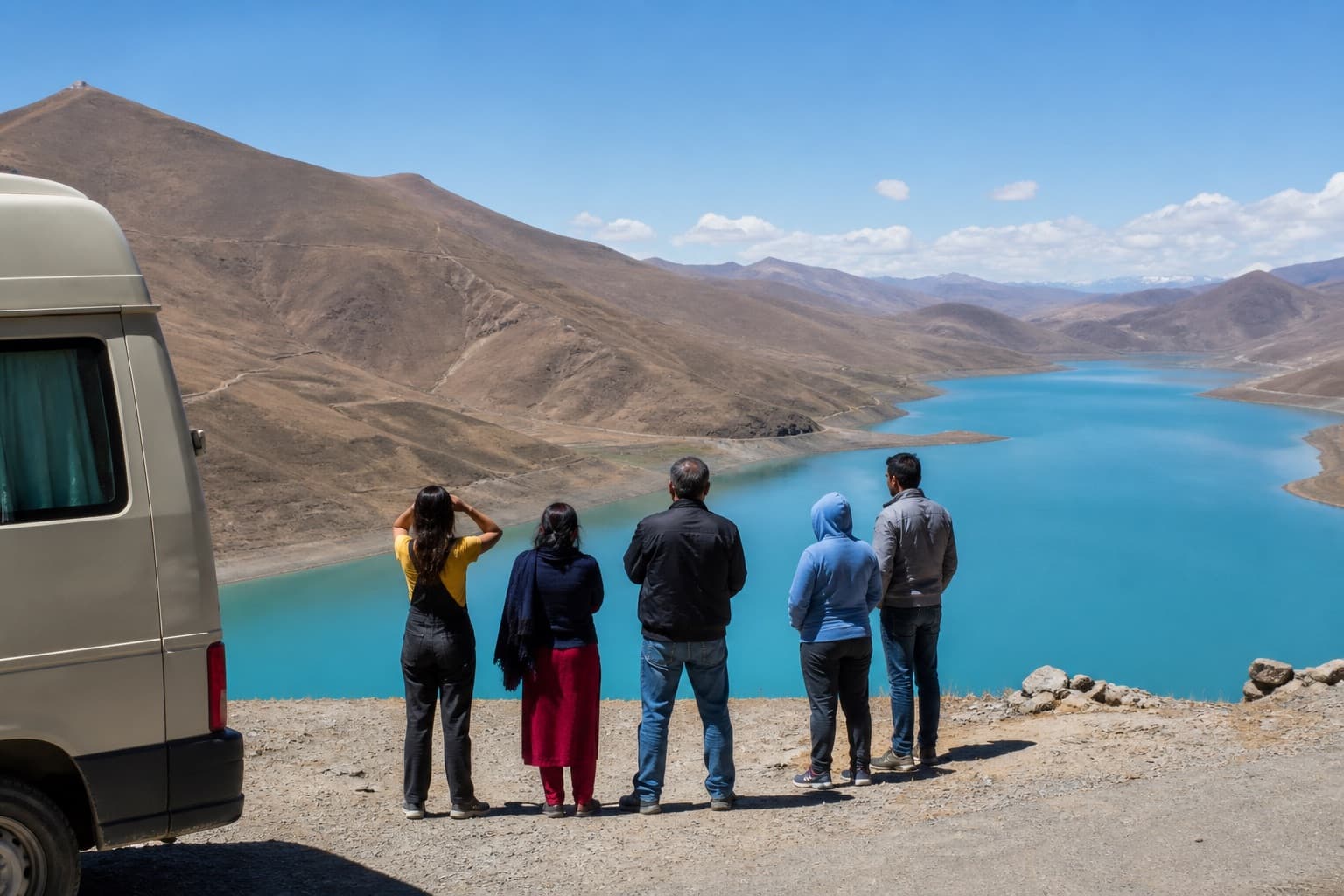
  • Day 4 — Yamdrok Lake: Drive over a high pass to the sacred turquoise lake at 4,441 meters (14,570 feet), ringed by snow peaks.
  • Day 5 — Return and rest: Back to Lhasa with time for the markets or a quieter temple.
  • Day 6 — Depart.

Best for: first-timers who want a sacred lake and a taste of the plateau on a relaxed schedule.

Itinerary 3: Everest Base Camp Overland (8 days)

The classic overland journey to the north face of the world's highest mountain.

  • Days 1–2 — Lhasa: Acclimatize and tour the highlights.
  • Day 3 — Lhasa to Gyantse: Cross Karola Glacier viewpoint and the Yamdrok area en route.
  • Day 4 — Gyantse to Shigatse: Visit Gyantse's monastery, then continue to Tibet's second city.
  • Day 5 — Shigatse to Rongbuk: A long drive west with rising altitude toward the Everest region.
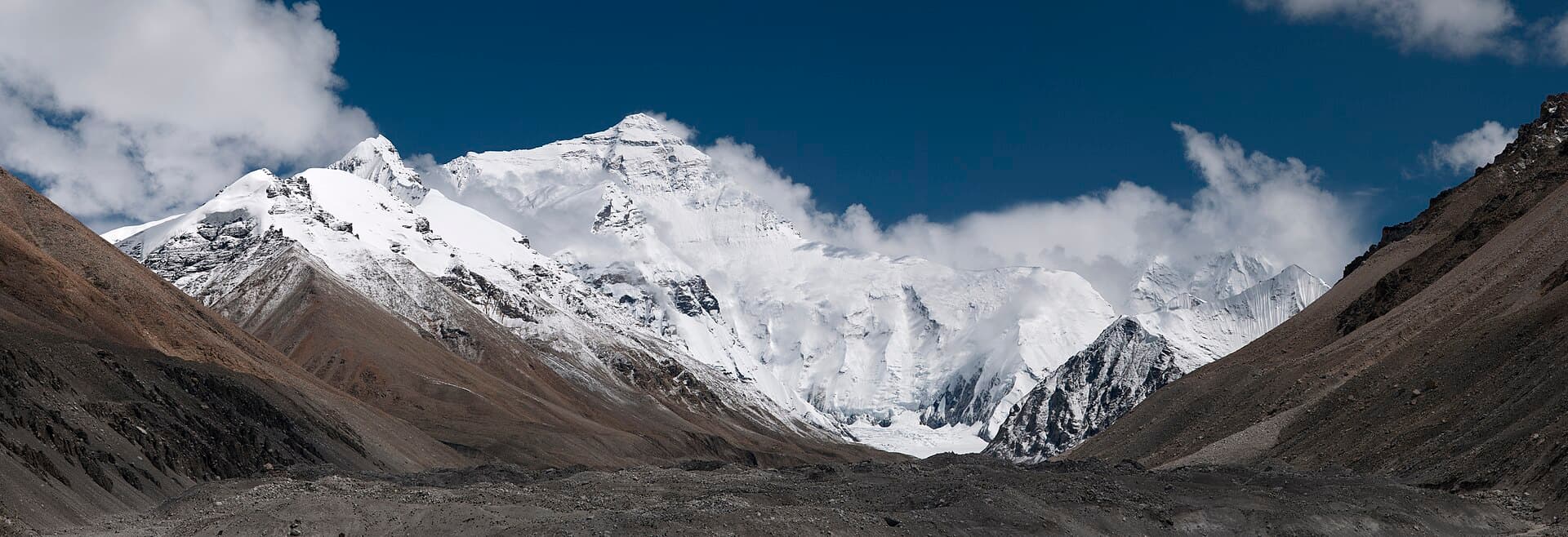
  • Day 6 — Everest Base Camp: Sunrise on Everest (8,848.86 m) from base camp at about 5,200 meters, then begin the return.
  • Day 7 — Return toward Shigatse or Lhasa.
  • Day 8 — Depart Lhasa.

Best for: travelers whose dream is Everest itself. See our Everest Base Camp Tour (8 days) and the Everest Base Camp destination guide.

Itinerary 4: Everest at a Slower Pace (10 days)

The same icons as the 8-day route, with breathing room.

  • Days 1–3 — Lhasa: An extra acclimatization day pays off later.
  • Days 4–5 — Gyantse and Shigatse: Time to actually explore, not just pass through.
  • Days 6–7 — Everest region: A night near Rongbuk and an unhurried base camp experience.
  • Days 8–9 — Return via a high lake or monastery you would otherwise skip.
  • Day 10 — Depart.

Best for: those who want Everest without long back-to-back driving days.

Itinerary 5: Everest and Kailash Pilgrimage (15 days)

The grand expedition, combining the plateau's two greatest icons.

  • Days 1–3 — Lhasa: Thorough acclimatization is essential before heading far west.
  • Days 4–6 — Overland to the Everest region via Gyantse and Shigatse.
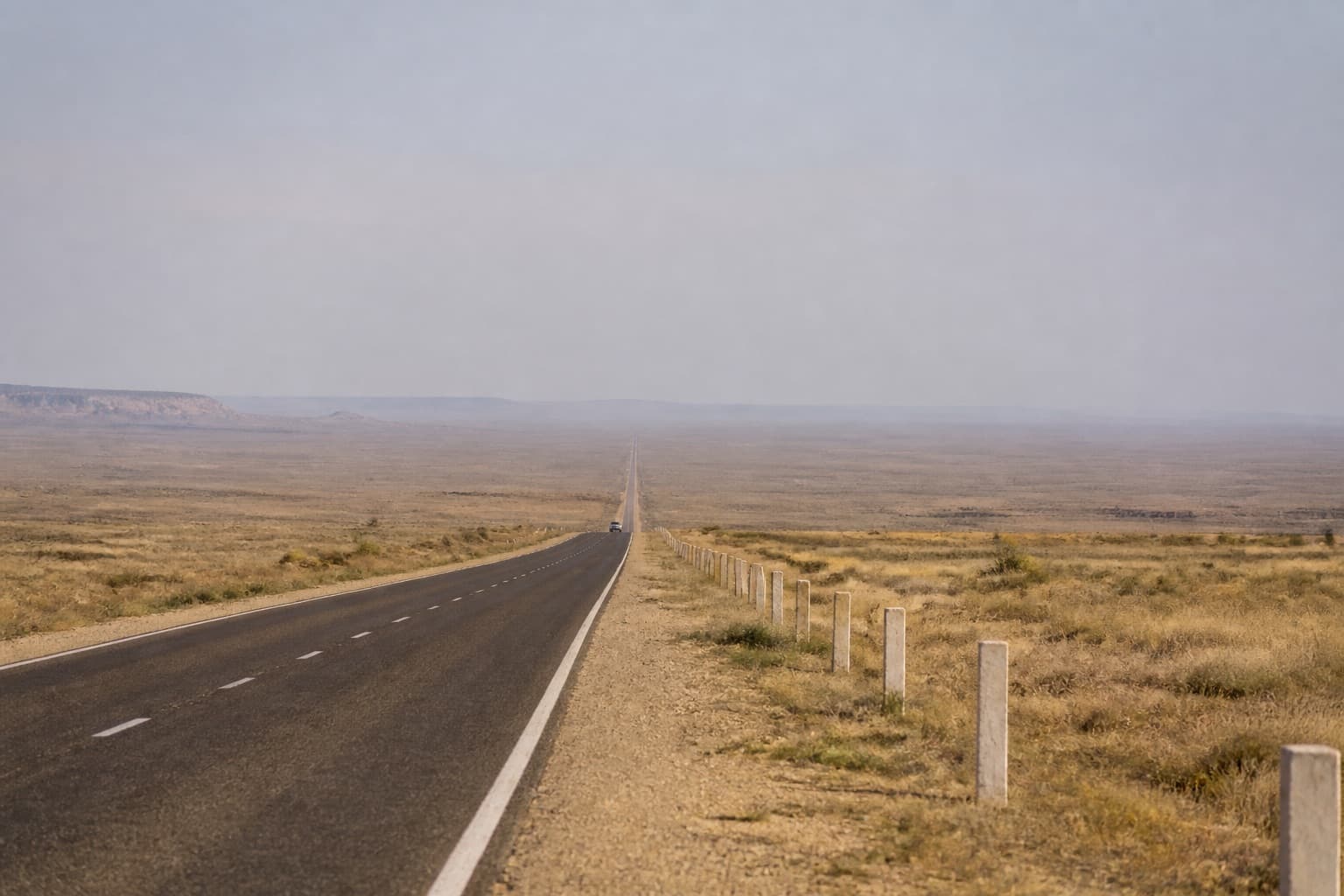
  • Days 7–9 — West toward Mount Kailash across long, remote stretches of the plateau.
  • Days 10–12 — Kailash kora: The multi-day pilgrimage trek around the sacred mountain.
  • Days 13–14 — Long return drive.
  • Day 15 — Depart Lhasa.

Best for: experienced, reasonably fit travelers with time and patience for remote driving. This is our Everest and Kailash Pilgrimage Tour (15 days). Note that the far-western Kailash region requires extra permits, so this route needs more lead time than others.

Itineraries at a glance

Itinerary Days Highest point Driving intensity
Lhasa Essentials 4 3,656 m Minimal
Lhasa + Yamdrok 6 4,441 m Light
EBC Overland 8 5,200 m Moderate to heavy
EBC Slower Pace 10 5,200 m Moderate
Everest + Kailash 15 Kailash region Heavy

Building acclimatization into any route

Whatever you choose, do not skip the Lhasa days at the start. Going from arrival to high altitude too fast is the most common planning mistake. A measured climb, plenty of water, and a light first day make the difference between enjoying the plateau and enduring it. Read more in our altitude sickness guide.

A timing caveat

Tibet has regularly closed to foreign tourists for a short stretch around late February into March, though it does not occur every year and the dates vary, so some years remain open through that period. If your dates are near that window, keep your plans flexible and confirm before booking flights. See the best time to visit Tibet for season-by-season guidance, and our Tibet travel cost guide to budget your route.

Ready to commit? Compare all our routes under Tibet tours, or contact us and we will tailor an itinerary to your time and altitude comfort.

与我们一起规划您的西藏之旅

许可证全程办妥、本地向导、价格透明。告诉我们您的日期,我们将为您定制行程。

常见问题

For most first-timers, a 6 to 8 day itinerary works well. Six days covers Lhasa plus a sacred lake at a relaxed pace; eight days adds the overland journey to Everest Base Camp. Both build in the acclimatization days that make the trip enjoyable.