Tibet Trails
定制我的行程
Everest Base Camp Tibet: The Complete Visitor's Guide
Destinations·10 分钟阅读

Everest Base Camp Tibet: The Complete Visitor's Guide

How to reach the north-side Everest Base Camp in Tibet, what you can and can't access, where you sleep, and how to handle the 5,200-metre altitude.

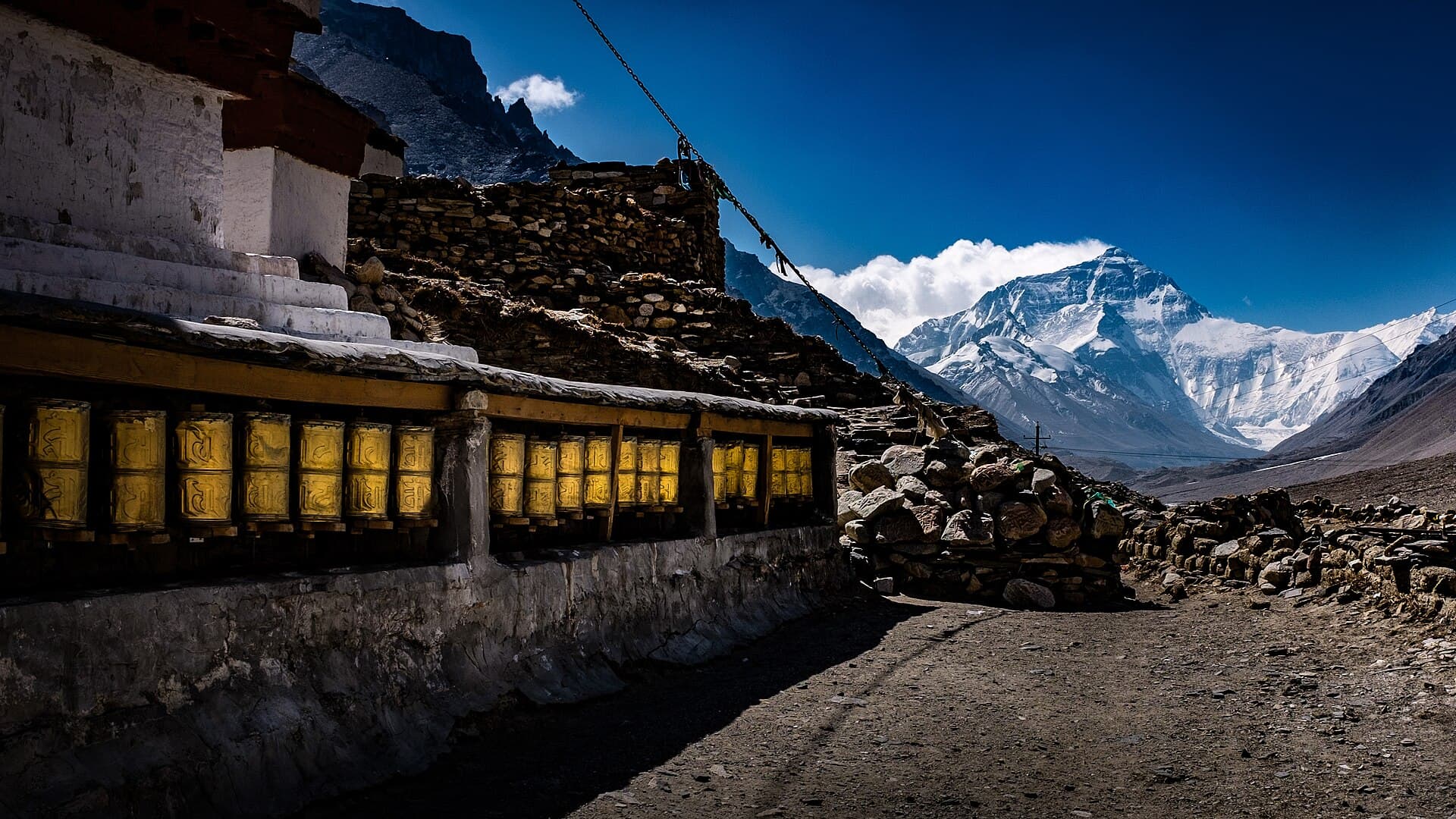
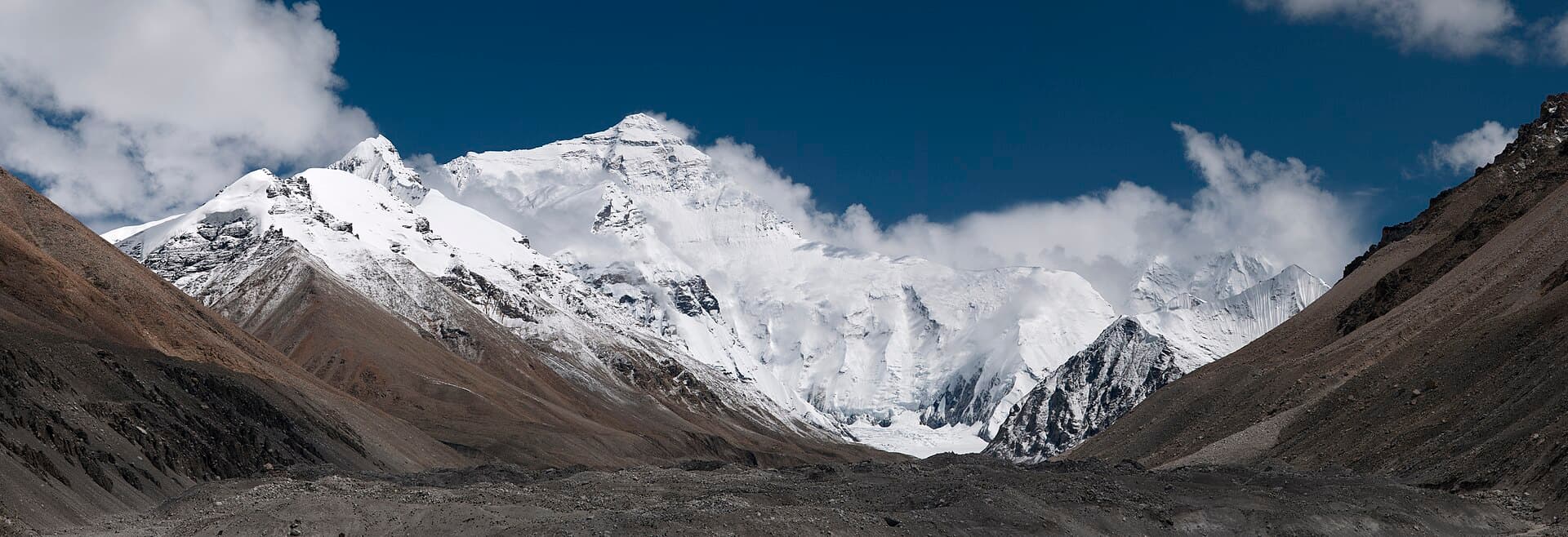
Standing in front of the north face of Mount Everest, with Rongbuk Monastery in the foreground and the summit catching the last light, is one of the great experiences of overland Tibet travel. The Tibetan, or north-side, Everest Base Camp (EBC) is reached entirely by road, which makes it accessible to travellers who would never attempt the multi-day trek on the Nepal side.

This guide explains what the visit actually involves, what has changed in recent years, and how to prepare.

North Side vs South Side

There are two famous Everest Base Camps. The Nepal side is a strenuous trek of roughly two weeks round trip. The Tibet side is a vehicle journey: you drive most of the way and finish with a short transfer, so you can reach the viewpoint without serious trekking. The trade-off is altitude gained quickly by road, which makes acclimatization the central concern.

If you're weighing the two countries more broadly, see Tibet vs Nepal vs Bhutan.

What You Can Actually Access

This is the most misunderstood part of an EBC trip, so be clear before you book.

  • For general tourists, the accessible point is the area around Rongbuk Monastery and the designated tourist base camp viewpoint nearby, at roughly 5,150–5,200 metres (about 16,900–17,060 feet).
  • You cannot walk up to the climbers' advanced camps or onto the glacier as a regular visitor. Going beyond the tourist viewpoint requires expensive, separately arranged trekking or climbing permits.
  • Rongbuk Monastery, perched just below base camp, is often described as the highest monastery in the world. It belongs to the Nyingma school and is well worth your time; you can see murals and, depending on the day, monks and nuns at prayer.

In short: you come for the view, the monastery, and the sheer scale of the place, not to set foot on the mountain itself.

Getting There

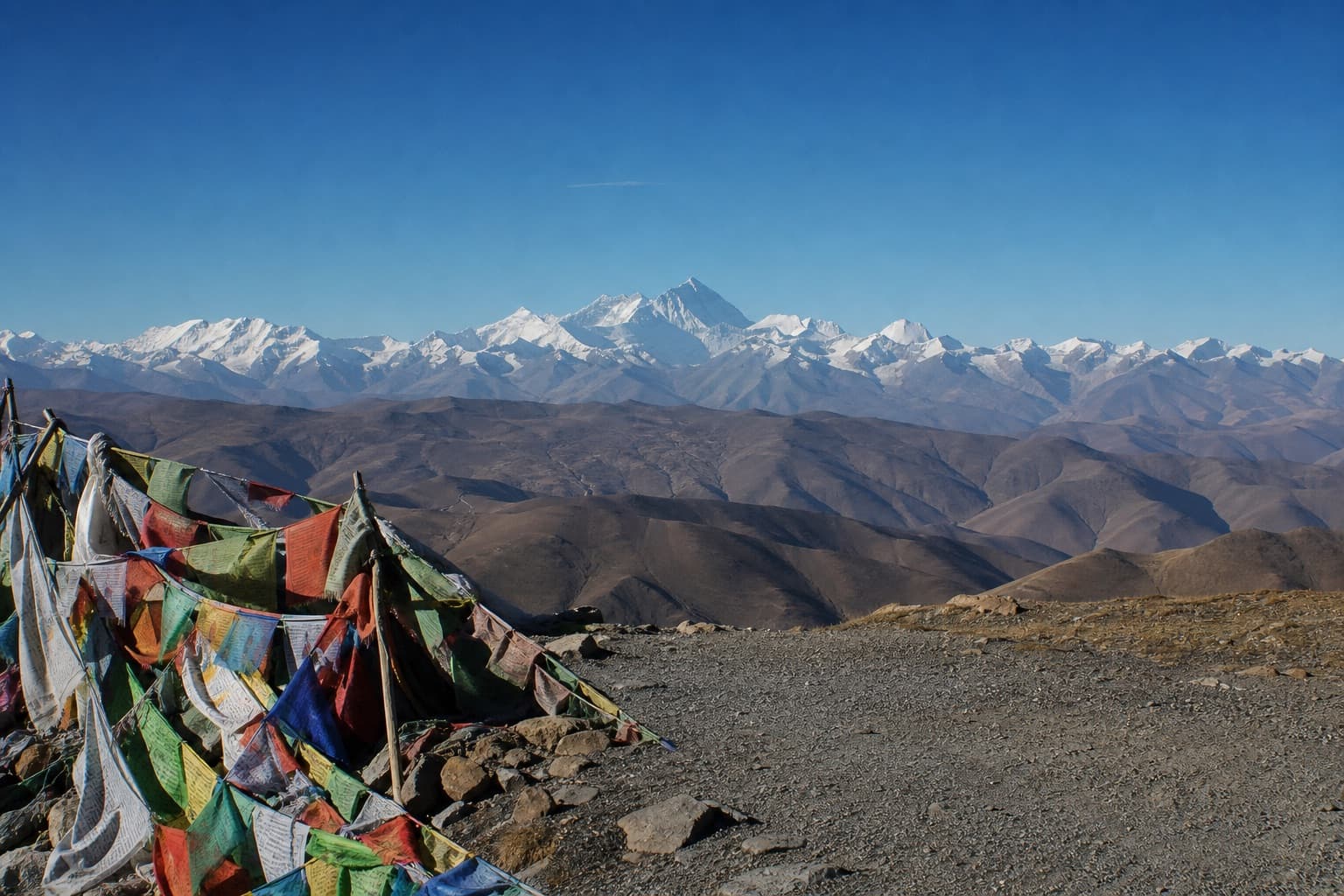
EBC is reached on an overland route from Lhasa, usually over several days via Gyantse, Shigatse, and Tingri. The drive is part of the appeal, crossing high passes strung with prayer flags and offering your first distant Himalayan views.

A detail that often surprises people: private vehicles cannot drive all the way to the viewpoint. From a village staging point you transfer to an eco-bus for the final stretch to the Rongbuk area. Your guide manages the logistics and ticketing.

The well-paced way to do this is a dedicated itinerary like the Everest Base Camp Tour (8 Days), which builds in Lhasa acclimatization first, then steps up gradually. More route detail lives on our Everest Base Camp destination page.

Where You Sleep

Accommodation at this altitude is basic and that's part of the experience. The main options are the Rongbuk Monastery guesthouse and simple lodging in the area, with dormitory-style or twin rooms and a plain restaurant for hot meals. Don't expect heating, reliable hot water, or private bathrooms. Bring a warm sleeping liner, a headtorch, and layers you can sleep in.

For many travellers, one night near base camp is the highlight and the hardest sleep of the trip; the altitude makes rest shallow even when you're tired.

Altitude: The Real Challenge

EBC at ~5,200 metres is high enough that altitude must be taken seriously. The single best protection is the structure of your trip: spend at least two days in Lhasa first, then ascend in stages rather than racing to base camp.

Practical measures:

  • Acclimatize before you go high. Don't attempt EBC on a compressed schedule straight off the plane.
  • Hydrate aggressively and avoid alcohol on the way up.
  • Walk slowly at the viewpoint; even short climbs feel hard.
  • Talk to your doctor before the trip about altitude medication such as acetazolamide.
  • Know the warning signs. Worsening headache, nausea, dizziness, or breathlessness at rest mean you tell your guide immediately. The only reliable cure for serious altitude illness is to descend.

Our dedicated guides on altitude sickness and a day-by-day acclimatization plan go much deeper.

When to Visit

The best windows are generally late spring (late April to early June) and autumn (September to October), when skies are clearest and the mountain is most likely to be out. Clear-sky odds matter enormously here: Everest is often wrapped in cloud, and a transparent dawn or dusk is what you're hoping for.

The region is effectively closed or unreliable for tourist visits during the peak monsoon months of July and August, when cloud and rain are common and access can be limited. Winter is starkly cold but very clear on good days. See best time to visit Tibet and Tibet weather by month to time it well.

What to Pack for the Top

Even in summer, nights near base camp can fall below freezing, and winter nights are far colder. Bring a genuine cold-weather layering system: thermal base layers, a fleece or down mid-layer, and a windproof, waterproof shell. Add a warm hat, gloves, sunglasses with strong UV protection, and high-SPF sunscreen, the plateau sun is intense. Our seasonal packing checklist breaks this down by month.

Is It Worth It?

For most travellers, yes, emphatically. You reach the foot of the world's highest mountain on a road trip through extraordinary country, sleep beneath it, and stand where mountaineering history was made. Just go in with accurate expectations about access, comfort, and altitude. When you're ready, contact us and we'll tailor an EBC route to your fitness and schedule.

与我们一起规划您的西藏之旅

许可证全程办妥、本地向导、价格透明。告诉我们您的日期,我们将为您定制行程。

常见问题

The Tibet side is primarily a vehicle journey, not a trek. You drive most of the way from Lhasa and transfer by eco-bus for the final stretch to the Rongbuk-area viewpoint, so you can reach base camp without the multi-day trekking required on the Nepal side.