Tibet Trails
定制我的行程
Responsible & Respectful Travel in Tibet
Experience·9 分钟阅读

Responsible & Respectful Travel in Tibet

How to travel Tibet thoughtfully, monastery and kora etiquette, sacred sites, photographing people, protecting a fragile high-altitude environment, and supporting local life.

Tibet is a living religious landscape, not a museum. The monasteries you'll visit are working places of worship, the lakes and mountains are sacred, and the people you meet are going about devotional lives that have continued for centuries. Travelling respectfully isn't about memorising rules, it's about showing the same courtesy to people, faith, and nature that you'd hope for in return. Done well, it also opens the door to warmer, more genuine encounters.

Here's how to get it right.

At Monasteries and Temples

Monasteries are the heart of Tibetan cultural life, and a little awareness goes a long way.

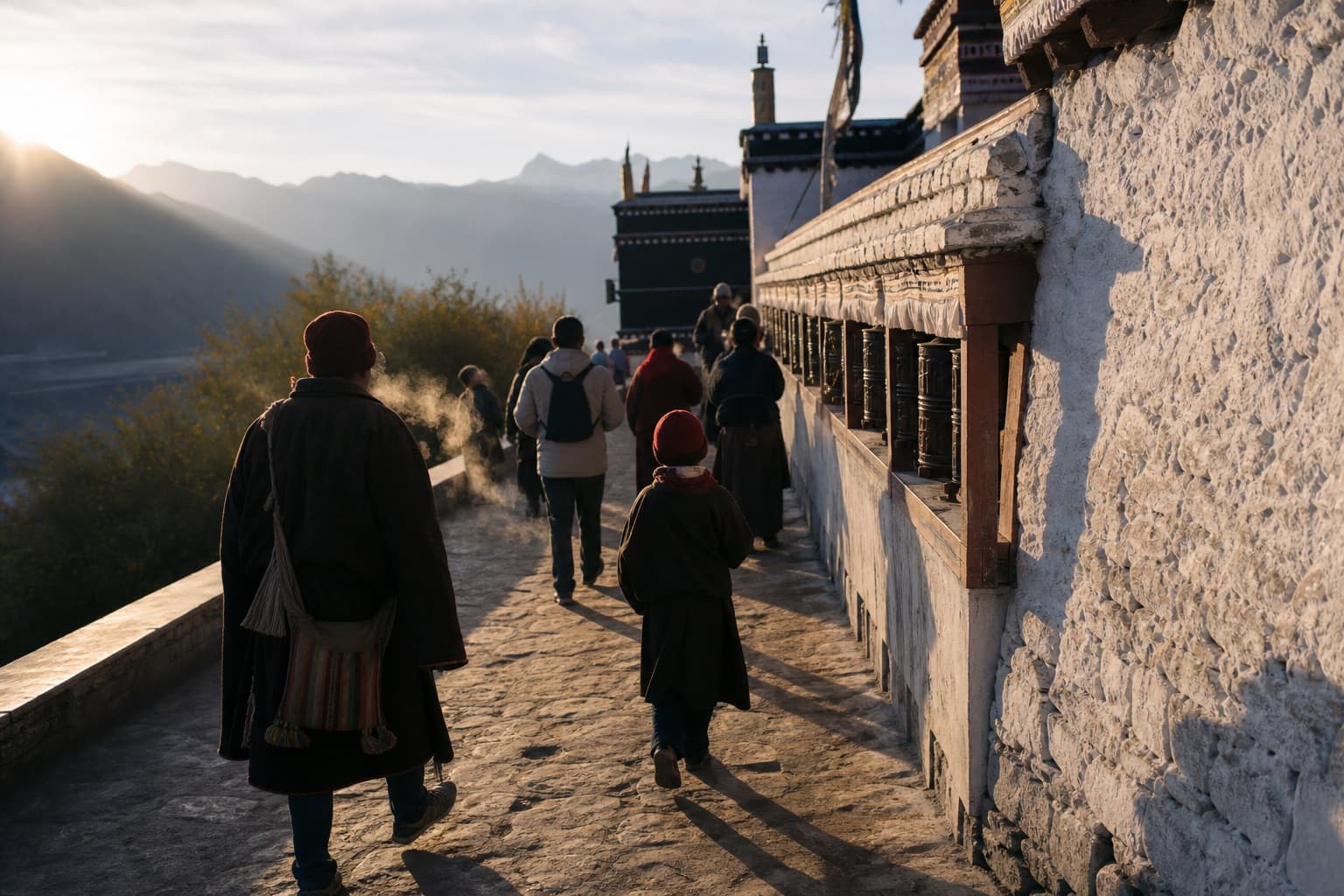
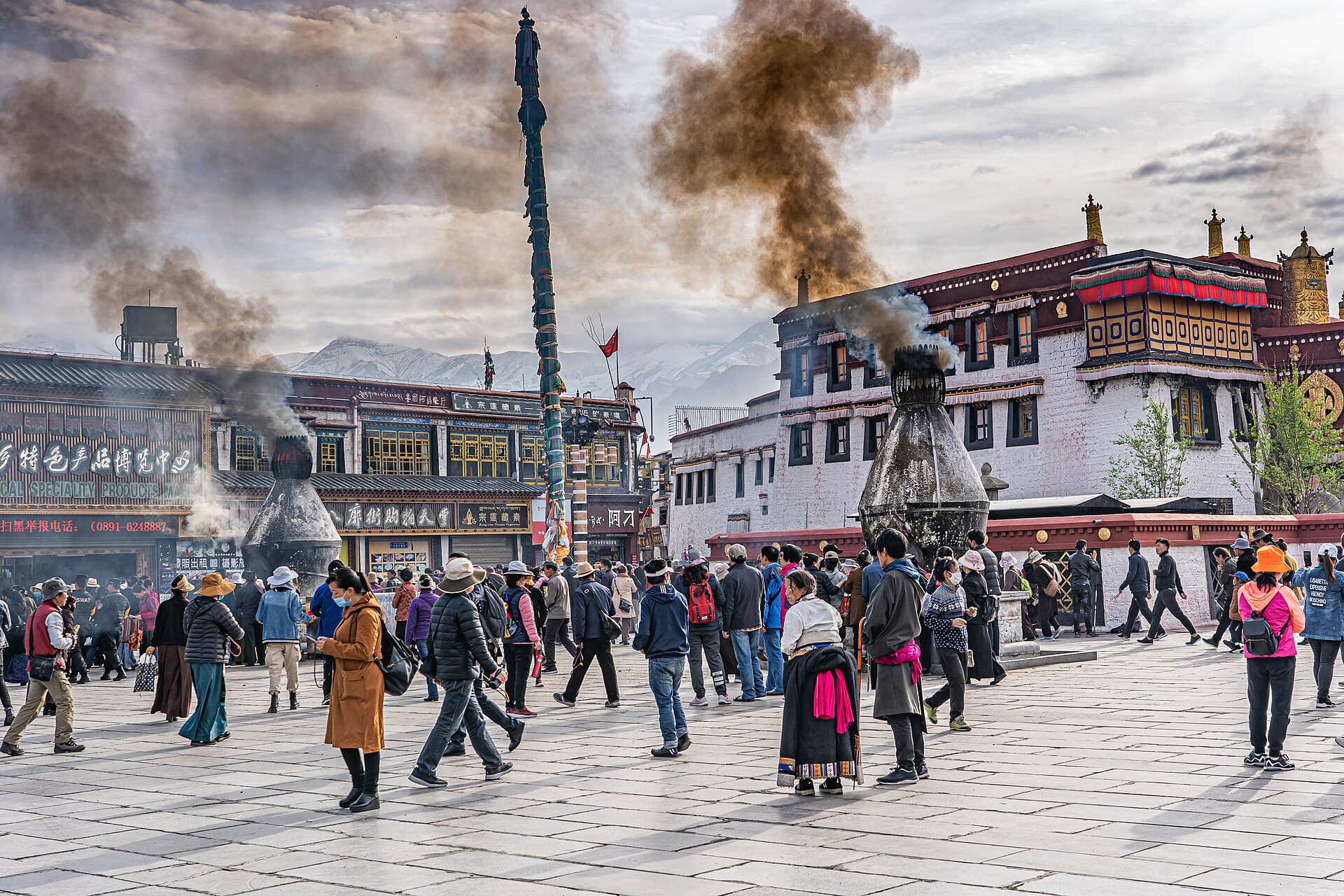
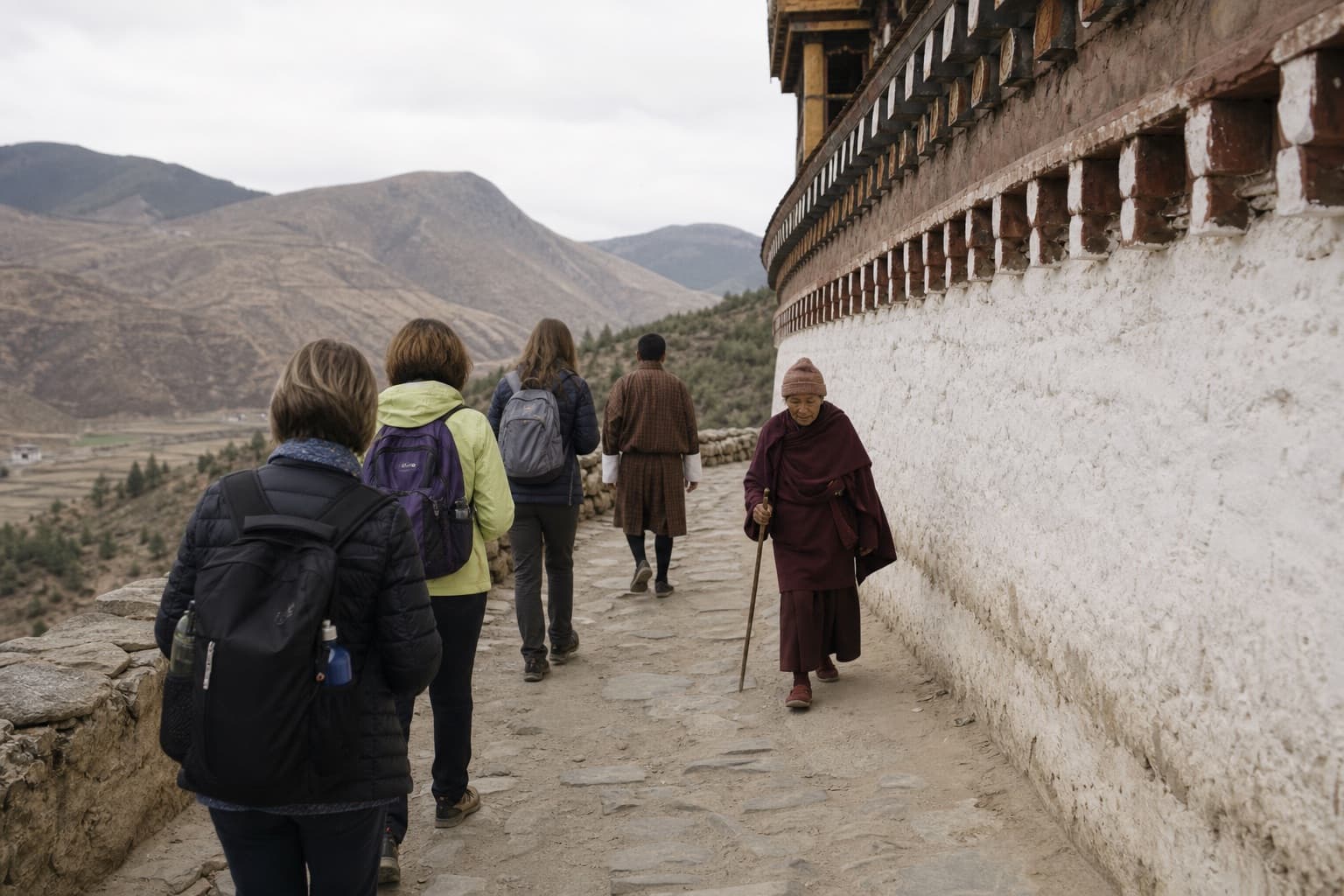
  • Walk clockwise. When doing a kora (the circumambulation around a temple or sacred site), move clockwise, the same direction as pilgrims and prayer wheels. (The Bon tradition circles counter-clockwise; your guide will tell you when that applies.)
  • Mind your photography. As a rule, don't photograph inside temple halls and chapels; exteriors and courtyards are usually fine. Look for signs and follow your guide.
  • Dress modestly. Cover shoulders and knees. Remove your hat and sunglasses before entering a chapel.
  • Be quiet and unobtrusive. Keep your voice down, don't interrupt prayer or rituals, and give monks and worshippers space.
  • Don't touch. Never touch monks, sacred objects, statues, or texts unless explicitly invited.

Our full etiquette guide and our Tibetan Buddhism and monasteries primer add useful background.

Prayer Flags, Mani Stones, and Sacred Objects

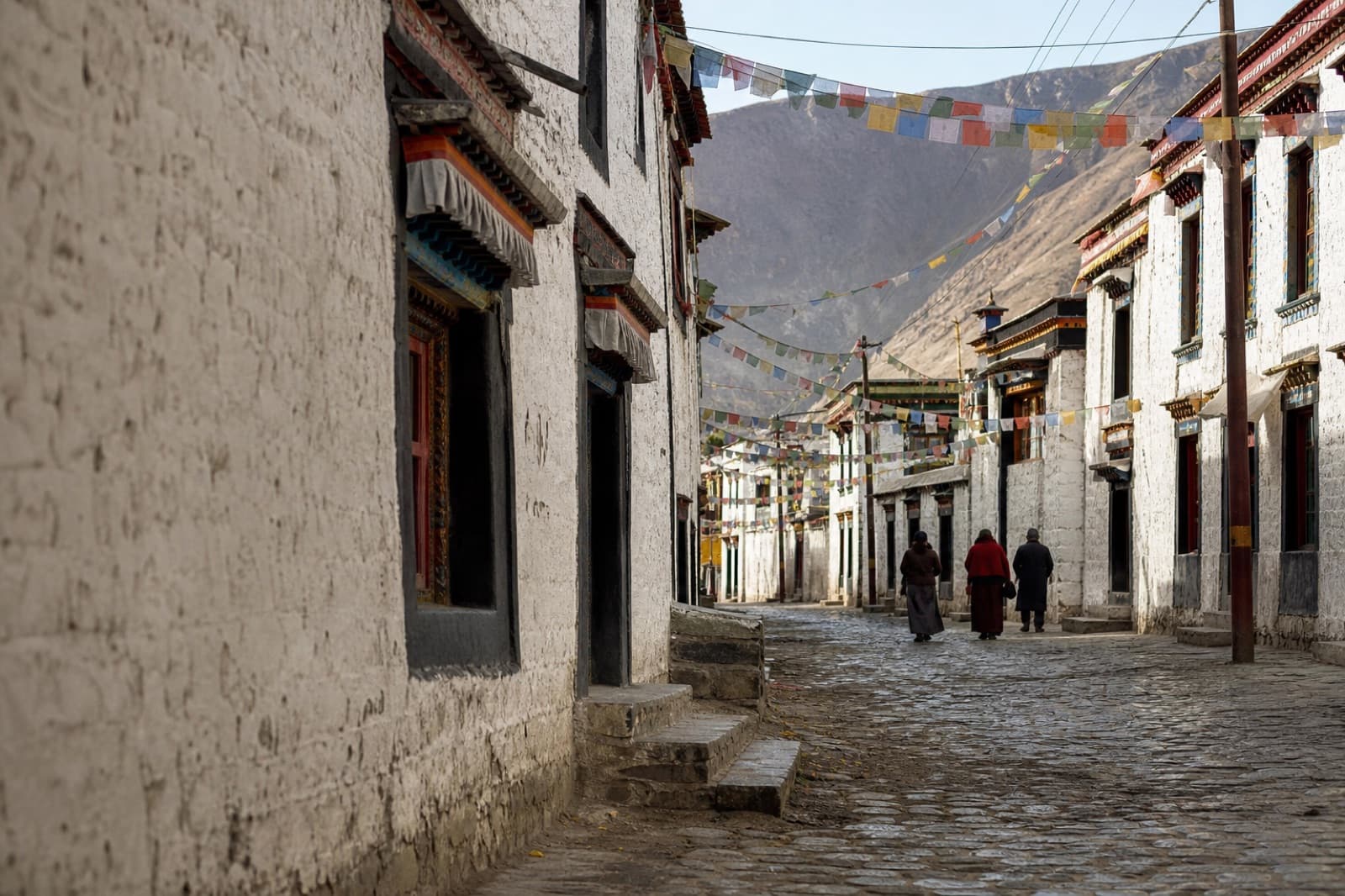
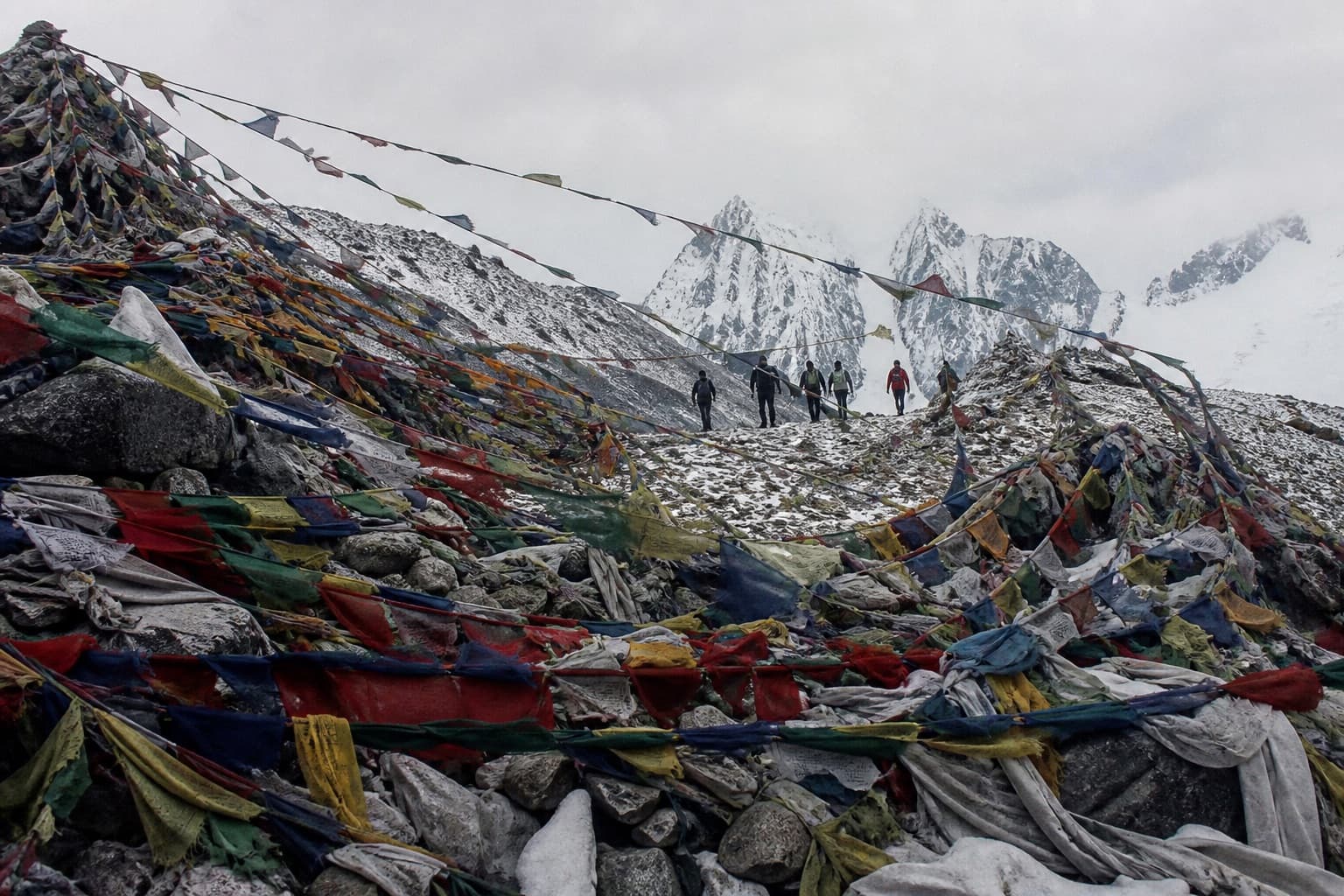
The colourful prayer flags strung across passes carry printed mantras, and there's a belief that each time a flag moves in the wind, the prayer is recited. So:

  • Don't tug, pull down, or take prayer flags. Leave them as you find them.
  • Never step over or sit on prayer flags, religious texts, or other sacred items.
  • Walk around mani stone piles, don't climb on or remove stones.

These objects aren't decoration; they're devotion made physical. Treating them carelessly is the quickest way to cause offence.

Photographing People

The people of Tibet are wonderfully photogenic, which is exactly why restraint matters.

  • Always ask first. A camera raised with a questioning smile is often enough; many people will agree warmly.
  • Accept no gracefully. If someone declines, lower the camera and move on without fuss.
  • Be especially careful with monks, nuns, and anyone at worship. A devotional moment is not a photo opportunity by default.

The best Tibet portraits come from a moment of connection, not a long lens used at a distance. Our photography guide covers the practical side, including the fierce high-altitude light.

Sacred Lakes and Natural Sites

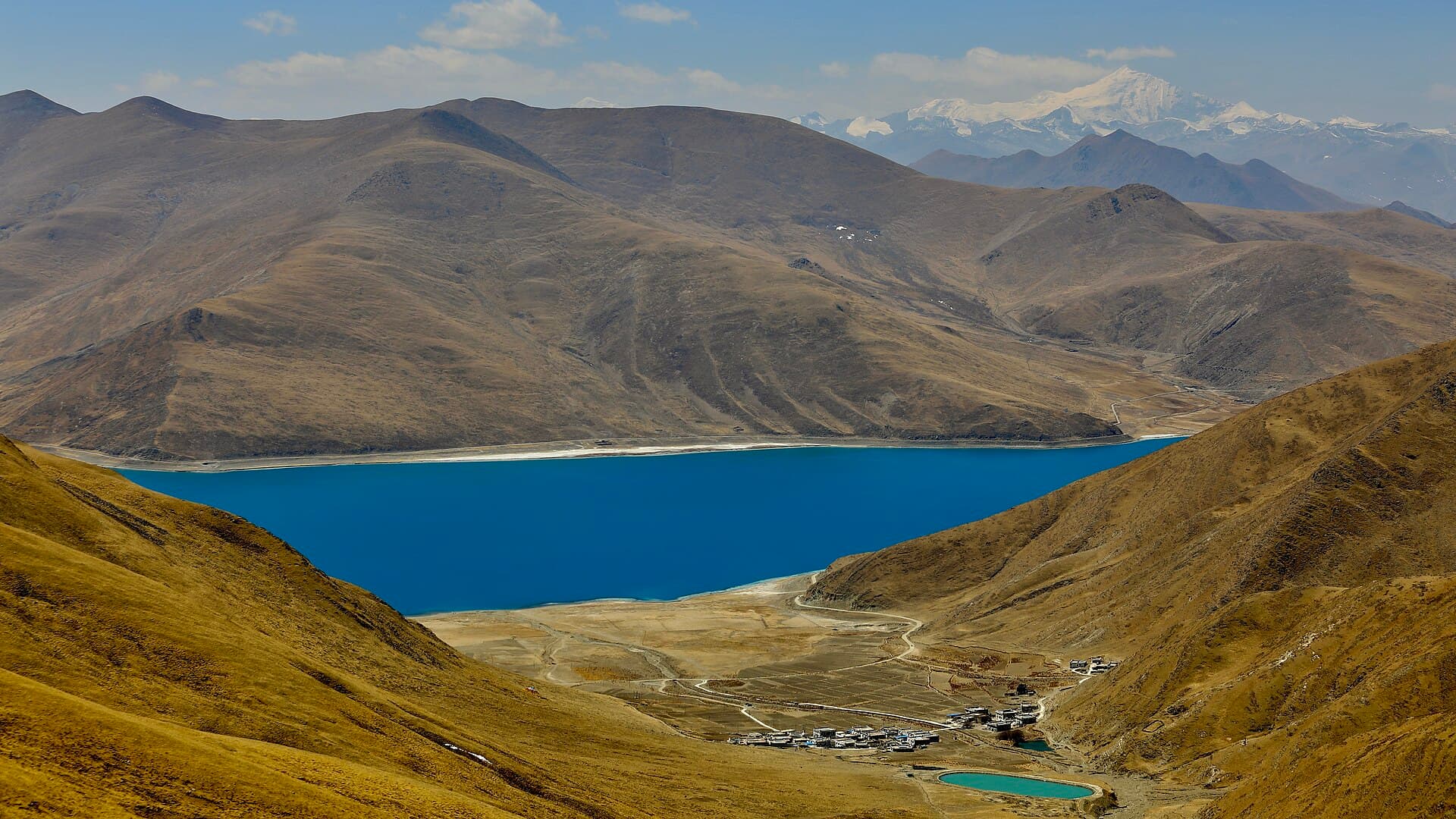
Many of Tibet's lakes, Yamdrok, Namtso, and Manasarovar among them, are holy, associated with deities and pilgrimage. Treat them as the sacred places they are:

  • Don't swim in or bathe in sacred lakes. It's widely seen as disrespectful.
  • Don't throw objects in or disturb shrines and cairns at the shore.
  • Keep a respectful distance from pilgrims performing rituals or prostrations.

There's more on these lakes in our sacred lakes guide.

Protecting a Fragile Environment

The high plateau is a harsh, slow-to-recover ecosystem. At altitude, litter lingers and damage heals slowly. Leave-no-trace habits matter more here than almost anywhere.

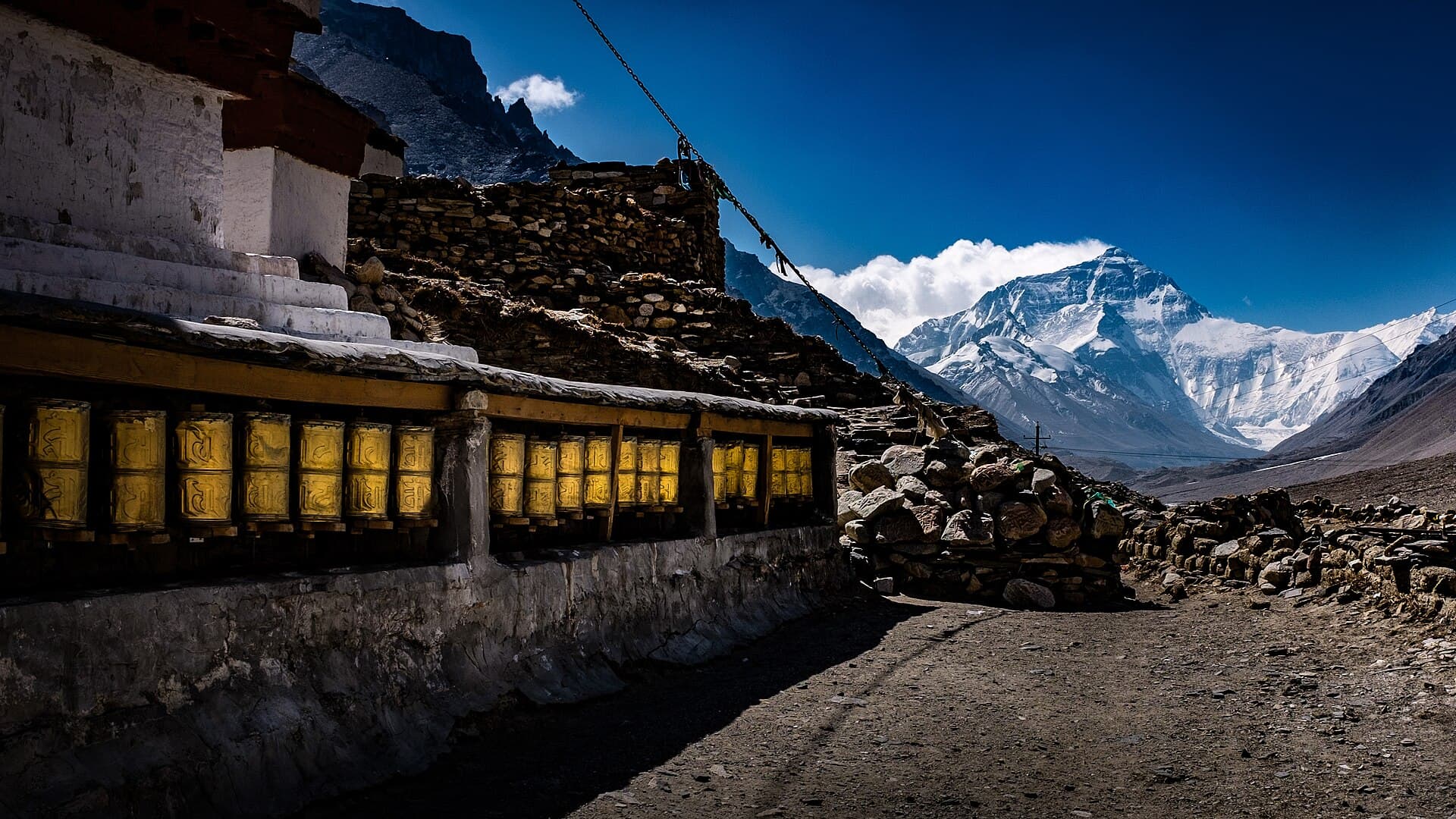
  • Carry out everything you carry in. Pack out all rubbish, including organic waste and tissues, especially at remote sites like Everest Base Camp.
  • Use a refillable water bottle to cut down on plastic; combine it with the heavy hydration altitude requires.
  • Stay on established paths and roads. Off-track driving and walking scar fragile ground.
  • Don't feed or chase wildlife, and keep your distance from grazing herds and nomad camps unless invited.
  • Be sparing with scarce resources. Hot water, heating, and electricity are limited outside the cities.

Supporting Local Life

Responsible travel is also about where your money and attention go.

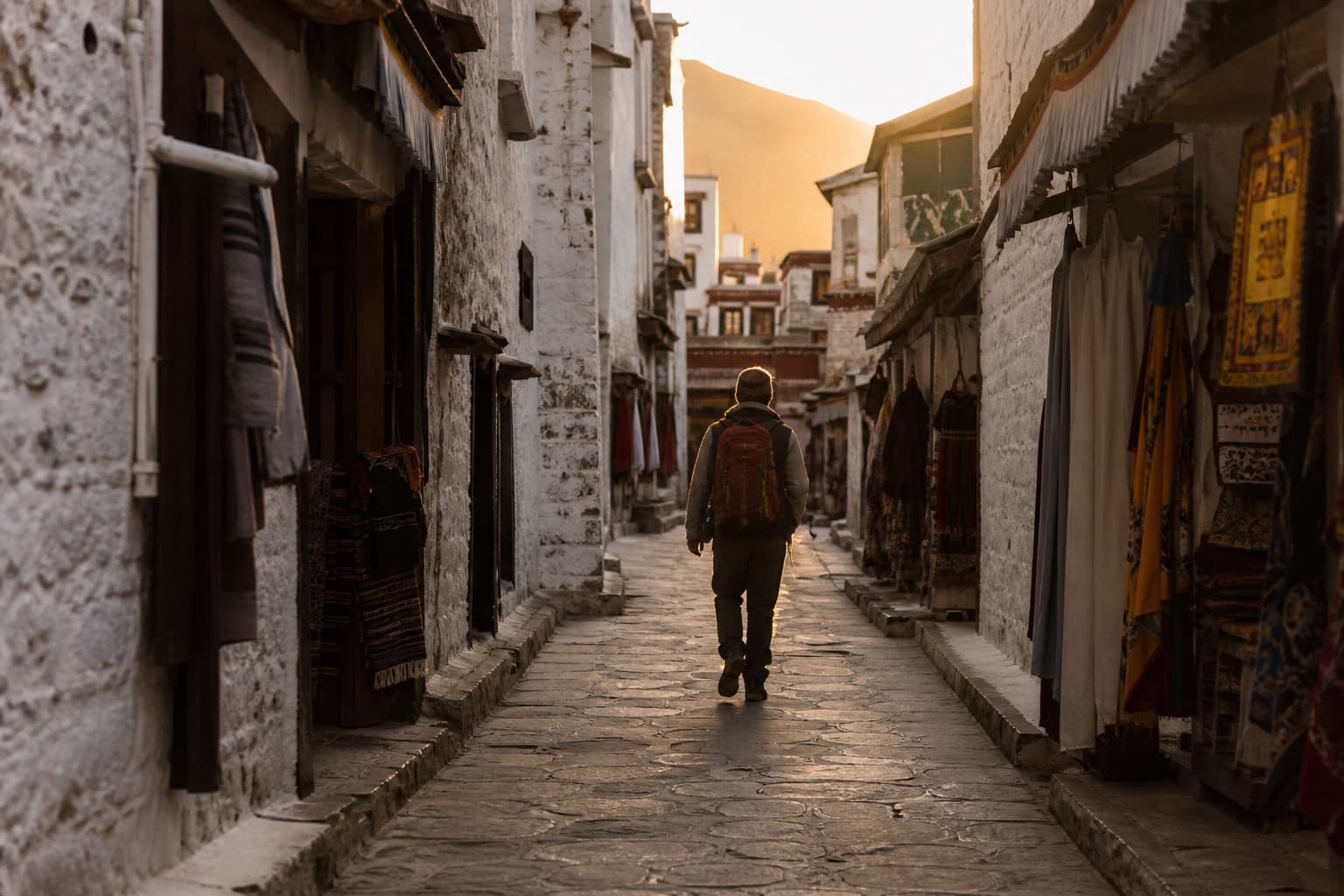
  • Buy local crafts from Tibetan stalls and artisans, the Barkhor in Lhasa is a good place, rather than only imported souvenirs.
  • Bargain gently and fairly. A small saving isn't worth souring an exchange.
  • Eat Tibetan food and patronise local tea houses and family-run kitchens.
  • Ask before entering homes or nomad tents, and accept hospitality (like butter tea) graciously, ideally taking and giving with both hands.

On Giving, Gifts, and Children

Travellers often want to give something back, which is generous, but a little thought makes it genuinely helpful rather than harmful.

  • Avoid handing out sweets, money, or pens to children. However well-meant, it can encourage begging and pull kids toward tourists rather than school. If you'd like to contribute, ask your guide about reputable local ways to help.
  • If you're invited into a home or tent, a small, useful gift offered to the host is more appropriate than scattering items.
  • Photograph people, don't "collect" them. Share a photo back on your screen where you can; it turns a transaction into an exchange.

Your guide knows the local context far better than any guidebook, follow their steer on what's appropriate.

Reducing Your Footprint, Practically

A few concrete habits add up across a trip:

  • Refill, don't buy. A reusable bottle plus your guide's advice on safe water sources cuts a surprising amount of single-use plastic.
  • Carry a small bag for your own rubbish on drive days and at viewpoints, so nothing gets left behind at passes or lakeshores.
  • Keep noise down in villages and at sacred sites; sound carries on the open plateau.
  • Respect closures and roped-off areas, they're usually there to protect fragile ground or sacred space.

A Note on Conduct and Conversation

Be a thoughtful guest. Keep conversations friendly and personal, ask people about their lives, families, and pilgrimages rather than steering into sensitive territory. Follow your guide's lead, observe local signage and instructions at sites, and when in doubt, hang back and watch how Tibetans themselves behave. Quiet observation is rarely wrong.

The Heart of It

Everything above reduces to one idea: approach Tibet as a respectful guest in a place that is sacred to the people who live there. Walk clockwise, ask before you photograph, leave the flags and stones alone, take your litter with you, and meet people with warmth. You'll cause no offence, tread lightly on a fragile land, and almost certainly come home with richer memories for it. Ready to plan a trip in this spirit? Get in touch or browse our Tibet tours.

与我们一起规划您的西藏之旅

许可证全程办妥、本地向导、价格透明。告诉我们您的日期,我们将为您定制行程。

常见问题

Generally no inside temple halls and chapels, though exteriors and courtyards are usually fine. Watch for signs and follow your guide. Always ask permission before photographing monks, nuns, or anyone at worship, and accept a refusal gracefully.