Tibet Trails
定制我的行程
Tibet's Sacred Lakes: Yamdrok, Namtso & Manasarovar
Destinations·9 分钟阅读

Tibet's Sacred Lakes: Yamdrok, Namtso & Manasarovar

A guide to Tibet's three great holy lakes, Yamdrok, Namtso, and Manasarovar, covering altitude, location, what makes each special, and how to visit respectfully.

Few sights on the Tibetan Plateau stop travellers in their tracks like its high sacred lakes: vast sheets of impossibly blue water set against snow peaks and huge open sky. Three stand above the rest in fame and reverence, Yamdrok, Namtso, and Manasarovar, each holy to Tibetans, each strikingly different, and each at serious altitude.

This guide explains what sets them apart, how they fit into a trip, and how to experience them with respect.

The Three Lakes at a Glance

Lake Altitude Type Roughly where Typical access
Yamdrok ~4,441 m Freshwater South of Lhasa, toward Gyantse Easy day trip / en route
Namtso ~4,718 m Saltwater North of Lhasa 2-day trip from Lhasa
Manasarovar ~4,588 m Freshwater Far west, near Mount Kailash Part of a long western journey

All three sit above 4,400 metres, so they're high-altitude destinations in their own right; treat any lake visit as time spent at elevation and pace yourself accordingly.

Yamdrok Lake: The Turquoise Ribbon

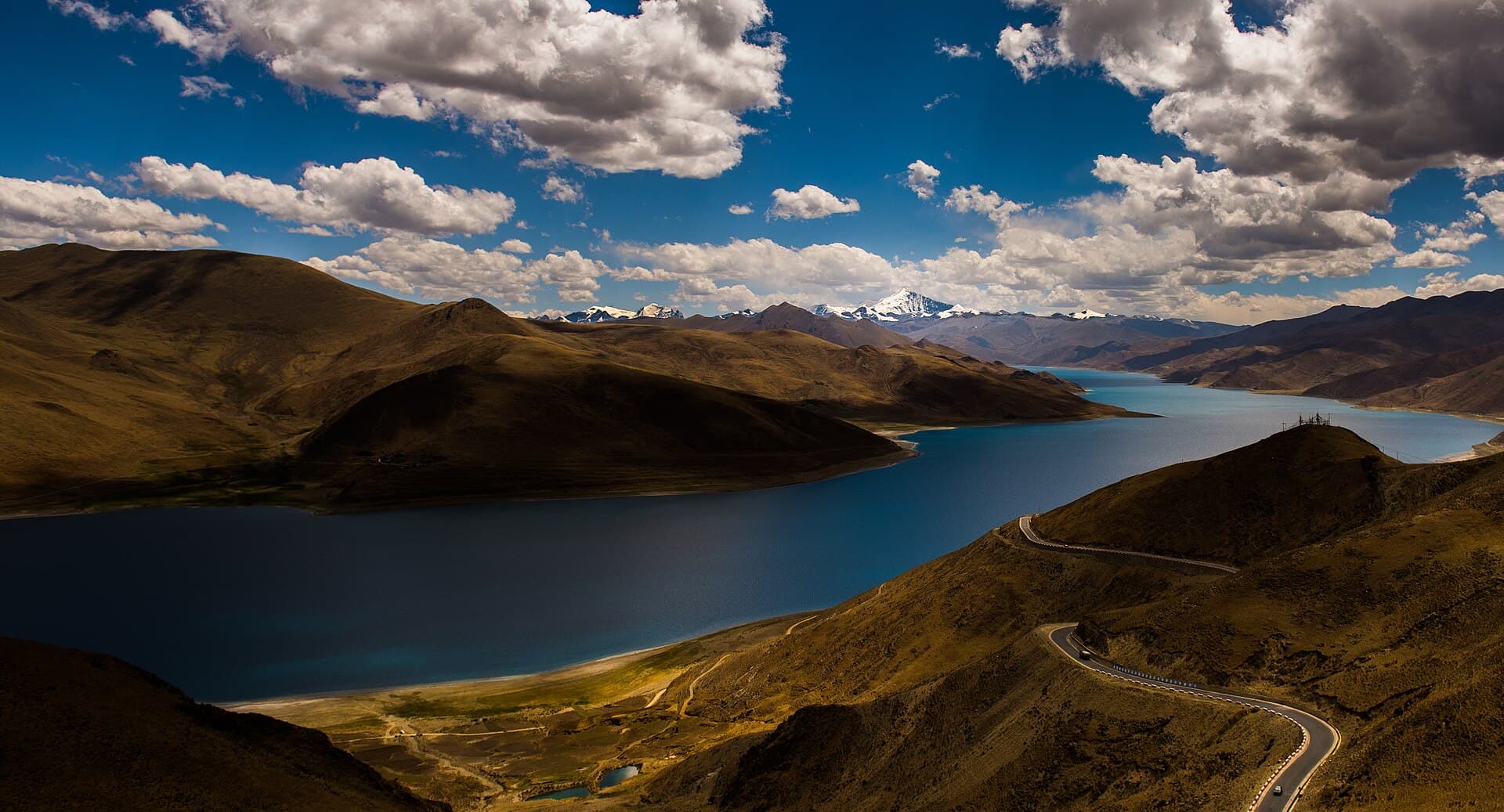
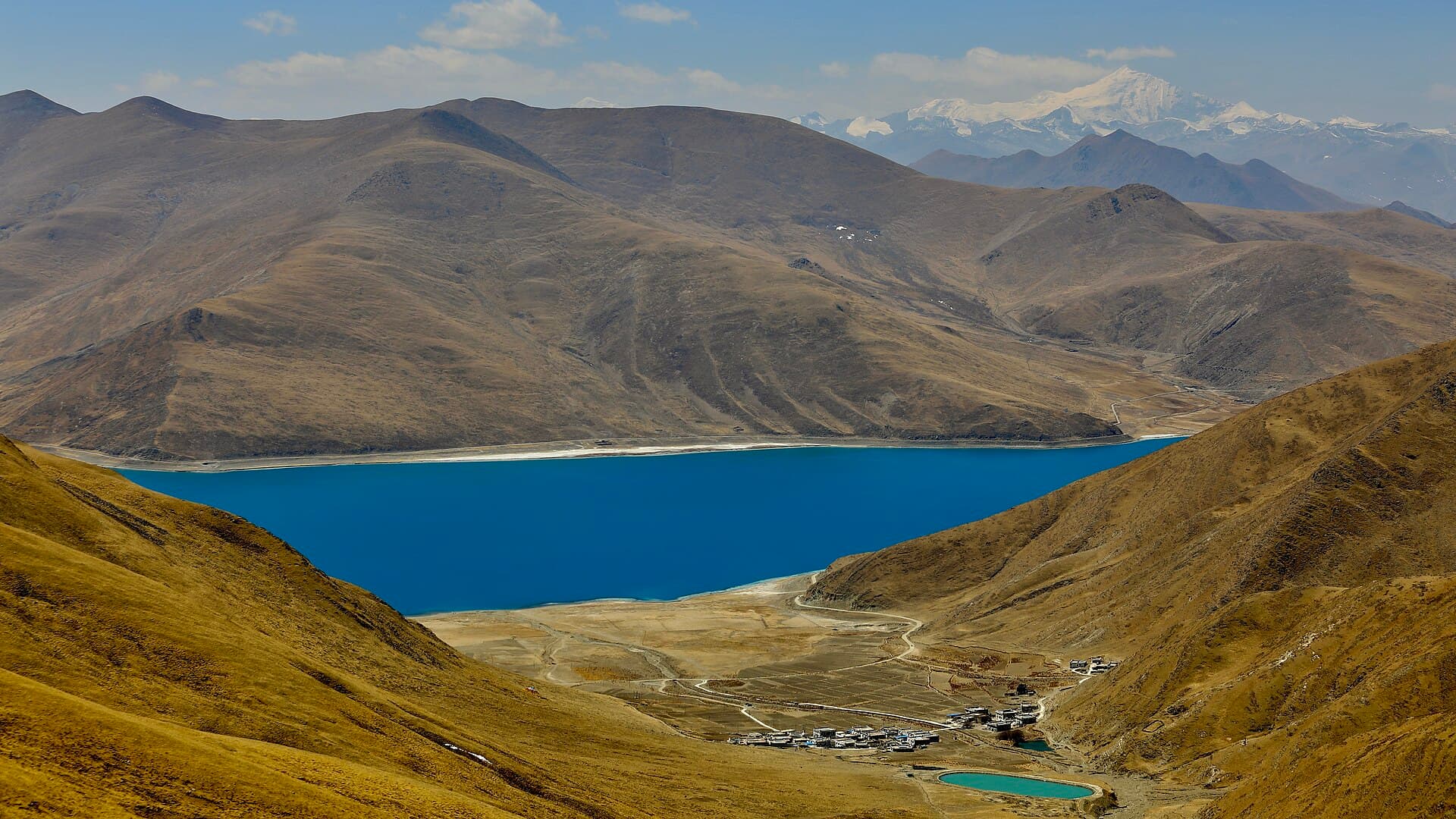
Yamdrok (Yamdrok Yumtso) is the most accessible of the three and one of Tibet's most beloved sights. A freshwater lake of roughly 678 square kilometres, it's famous for its winding, fjord-like shoreline and an extraordinary turquoise colour that shifts with the light. From the pass above, it appears as a brilliant blue ribbon threading between barren mountains.

Why it works for most itineraries:

  • It lies on the classic route south from Lhasa toward Gyantse and Shigatse, so you can take it in without a dedicated detour.
  • At ~4,441 metres it's the lowest of the three, a gentler altitude introduction.
  • The viewpoint at the Kamba La pass delivers the postcard panorama with minimal effort.

Yamdrok pairs naturally with an Everest Base Camp itinerary or a Gyantse–Shigatse loop. It's the lake most first-timers see.

Namtso Lake: The Heavenly Lake

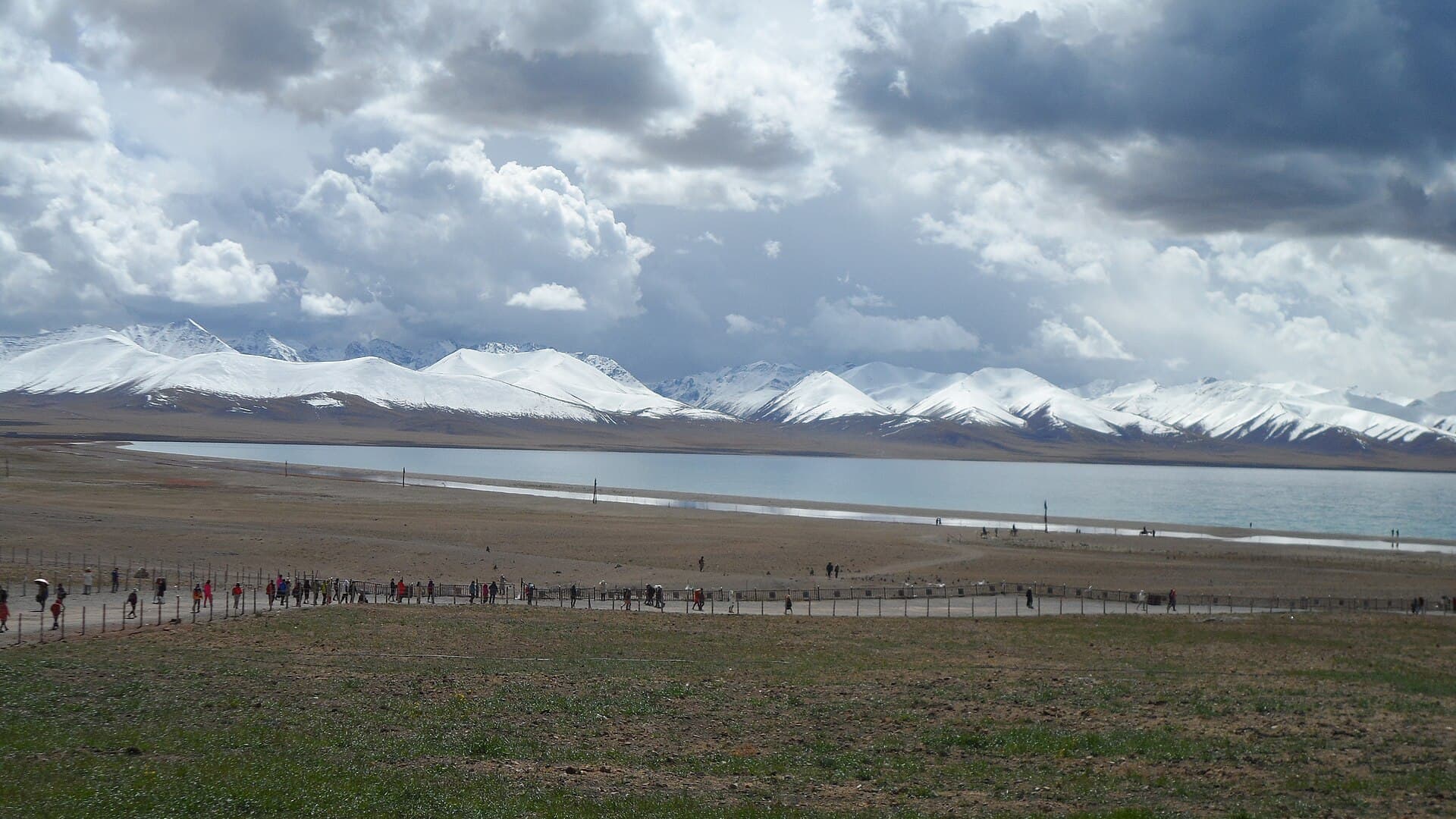
Namtso means "Heavenly Lake," and at about 4,718 metres it's the highest of the three and the largest by area, one of China's biggest saltwater lakes at roughly 1,920 square kilometres. The setting is sublime: deep blue water beneath the snow-capped Nyenchen Tanglha range, with prayer-flag-draped headlands jutting into the lake.

What to know:

  • It's a two-day trip north from Lhasa, usually with a night near the lake to enjoy sunset, sunrise, and, on clear nights, spectacular stars.
  • The altitude is no joke. Because it's higher than Lhasa, only visit Namtso after you've acclimatized in the city first, never as an early stop.
  • It's revered as a sacred site in Tibetan Buddhism, with pilgrims performing koras around its shores.

Namtso is the choice for travellers who want a big, immersive lake experience and a night under plateau skies. Just respect the altitude: this is one of the highest places many visitors will sleep.

Manasarovar: The Mother of Holy Lakes

Lake Manasarovar (Mapham Yumtso), at about 4,588 metres, is the most spiritually significant of the three, revered as the "mother of holy lakes" and held sacred across several faiths. It sits in remote far-western Tibet beside Mount Kailash, and is regarded as a source point for major rivers of the region.

This is not a casual visit:

  • It lies deep in western Tibet, reached on a long multi-day overland journey, typically combined with the Mount Kailash pilgrimage.
  • A full circuit (kora) of the lake is around 56 kilometres and takes several days on foot for pilgrims who undertake it.
  • Permits for the far west are more involved and need extra lead time; your agency arranges these along with your Tibet Travel Permit (details).

Manasarovar suits committed travellers on a Kailash journey, not those on a short Lhasa-focused trip. See our Mount Kailash pilgrimage guide and the Mount Kailash destination page.

Which Lake Is Right for You?

  • Short on time, want the classic view? Yamdrok, easy and en route.
  • Want an immersive overnight and starry skies? Namtso, but acclimatize first.
  • On a pilgrimage / serious western expedition? Manasarovar with Kailash.

Many Lhasa-based trips comfortably include Yamdrok; Namtso is a worthwhile add-on with an extra day or two; Manasarovar belongs to a bigger western adventure.

When the Lakes Look Their Best

Colour is the whole point with these lakes, and it depends on light and season.

  • Late spring to autumn (roughly May to October) generally offers the most vivid blues and turquoises, ice-free water, clear skies, and accessible roads.
  • Midday sun deepens the colour dramatically; an overcast sky flattens it, so a clear day matters.
  • Winter brings stark beauty and partial ice, but cold, wind, and occasional access limits; Namtso in particular can be hard to reach in the depths of winter.

If the lakes are a priority, aim for the shoulder and summer months and hope for a bright day. See best time to visit Tibet.

Other Lakes Worth Knowing

The big three aren't the only sacred or scenic waters on the plateau. Lhamo La-tso holds deep oracular significance in Tibetan tradition, while smaller lakes dot the routes east and west. If you have a particular interest in lakes, mention it when planning, some can be woven into a longer itinerary, though many lie well off the standard tourist routes and need extra time and permits.

Visiting Respectfully

These are sacred waters, not swimming spots. A few essentials:

  • Don't swim or bathe in the lakes; it's considered disrespectful.
  • Don't disturb shrines, cairns, or pilgrims, and keep your distance during rituals.
  • Carry out all litter, the shorelines are fragile and remote.
  • Ask before photographing people, especially pilgrims.

Our responsible travel guide covers this in full.

Practical Tips

  • Dress for cold wind even in summer; lakeside afternoons can turn bitter, and high passes are exposed.
  • Sun is fierce off the water, bring SPF 50+, strong sunglasses, and a hat (packing checklist).
  • Go slowly. These are high-altitude stops; combine them with sensible acclimatization (plan here).

Ready to add a sacred lake to your route? Contact us and we'll fit the right one to your time and altitude comfort, or explore our full Tibet tours.

与我们一起规划您的西藏之旅

许可证全程办妥、本地向导、价格透明。告诉我们您的日期,我们将为您定制行程。

常见问题

Yamdrok Lake. At about 4,441 metres it is the lowest of the three and sits on the classic route south from Lhasa toward Gyantse and Shigatse, so most travellers can see it without a dedicated detour, often from the Kamba La pass viewpoint.