西藏是地球上最上镜的地方之一——也是最难拍好的地方之一。这里给出一份实用指南,涉及光线、器材、海拔、许可,以及如何满怀敬意地拍摄人物。
很少有地方像西藏这样回报一台相机。光线非凡,景致辽阔,建筑与别处迥然不同,而那些人间瞬间——朝圣者、僧人、集市——则静默而有力。但高原也带来实实在在的挑战:高海拔强烈的阳光、耗尽电池的稀薄冷空气、巨大的影调反差,以及需要谨慎对待的文化敏感性。本指南将帮助您带着令您自豪的影像归来,而且是以正确的方式拍下的。
理解西藏的光
在高海拔,大气更稀薄,所以阳光强烈、反差很高。这既是恩赐,也是难题。
- 正午很严酷。 临近中午,头顶的太阳制造出浓重的阴影和过曝的高光。对大多数被摄主体来说,这是最不讨好的时刻。
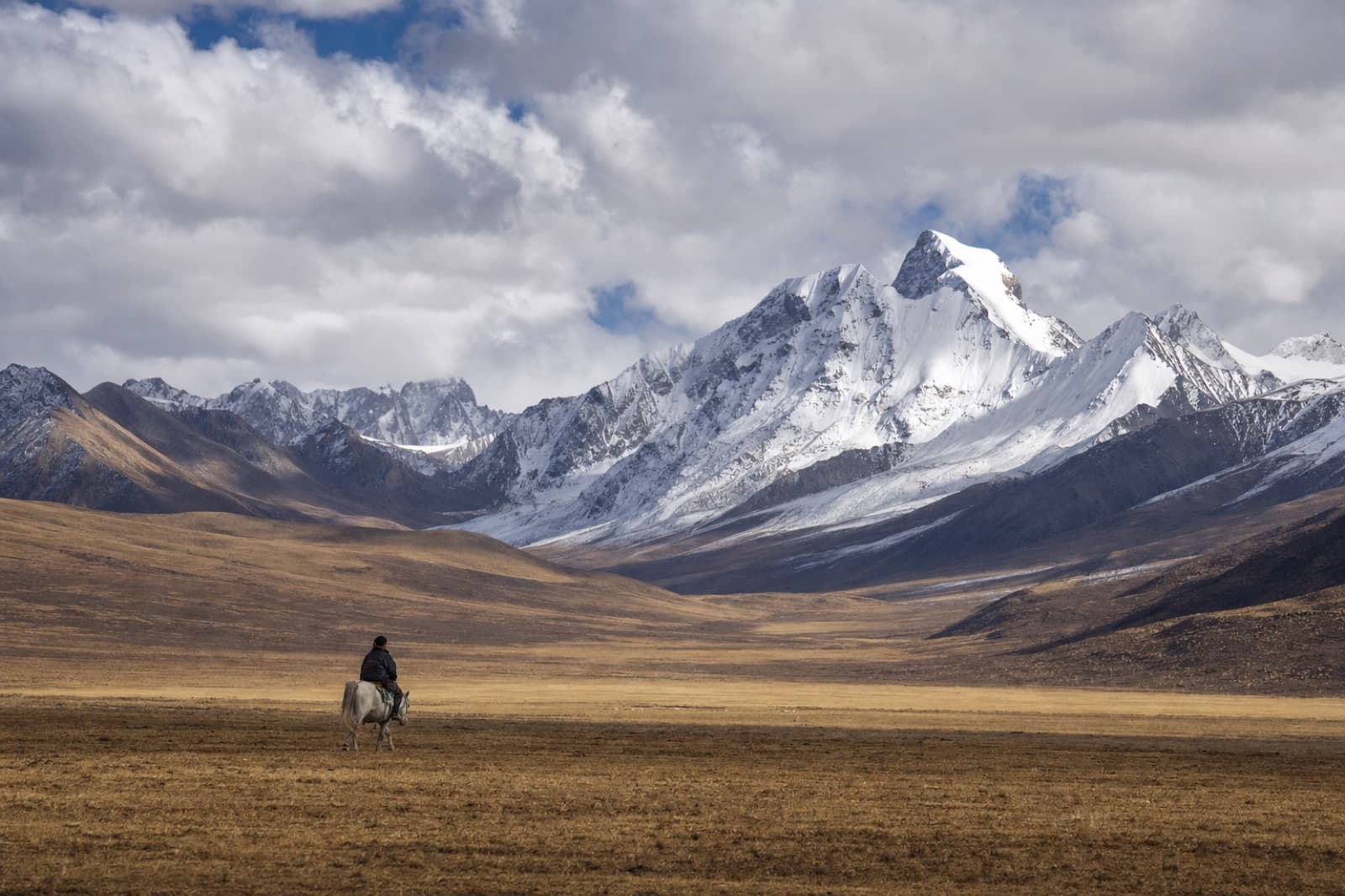
- 黄金时段是魔法。 清晨和傍晚带来温暖、斜射的光线,衬托布达拉宫、寺院的墙壁和山峰的面庞。请把您最重要的画面安排在这些窗口前后。
- 天空深邃而清澈。 稀薄、干燥的空气常常呈现出鲜明的蓝天——非常适合建筑和风景。一片偏振镜能让它们更深邃,并削减反光。
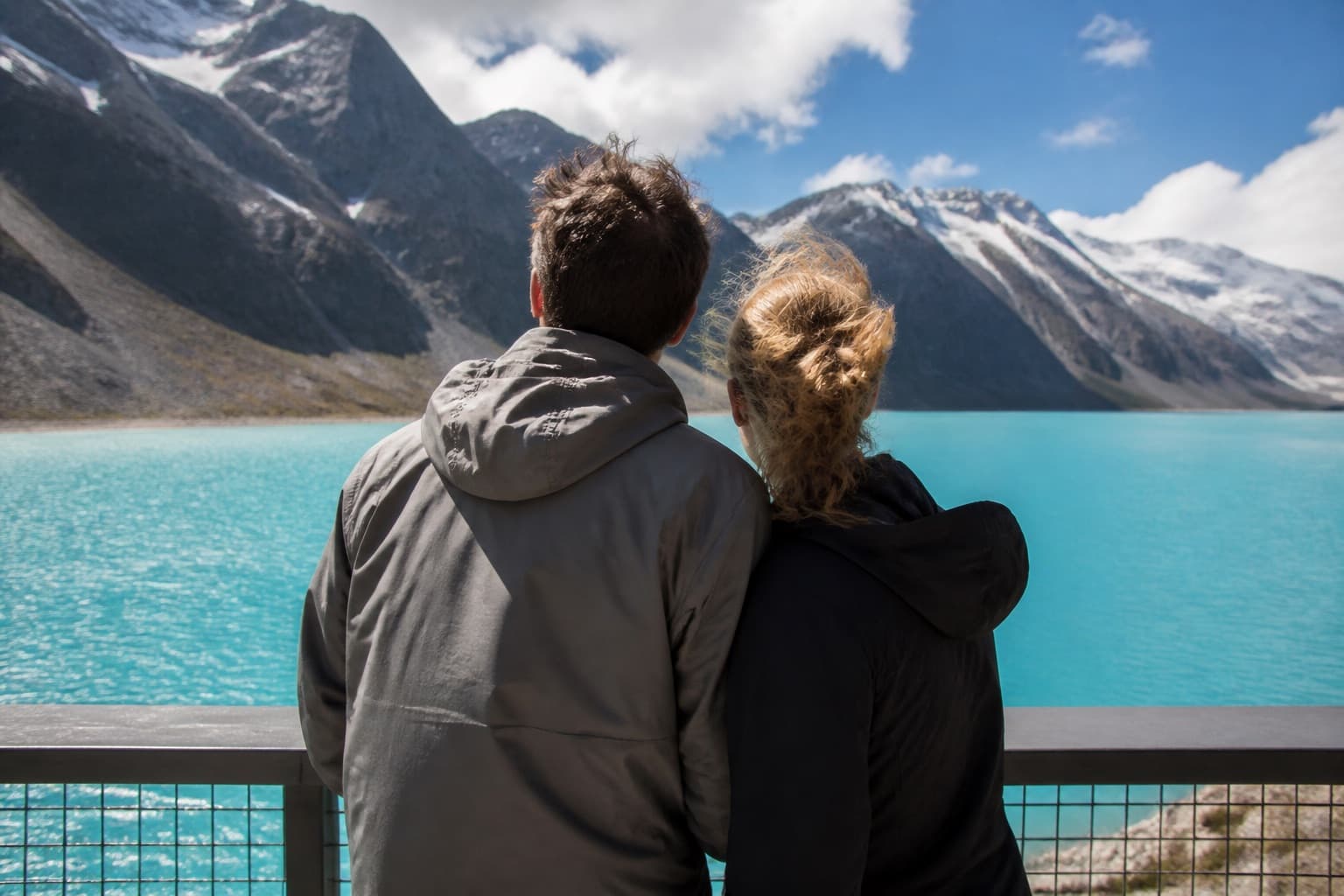
- 明亮的雪和水会骗过测光表。 在高海拔湖泊或珠峰附近的雪地,您的相机可能会曝光不足。请留意您的直方图,并按需增加曝光补偿。
夜空
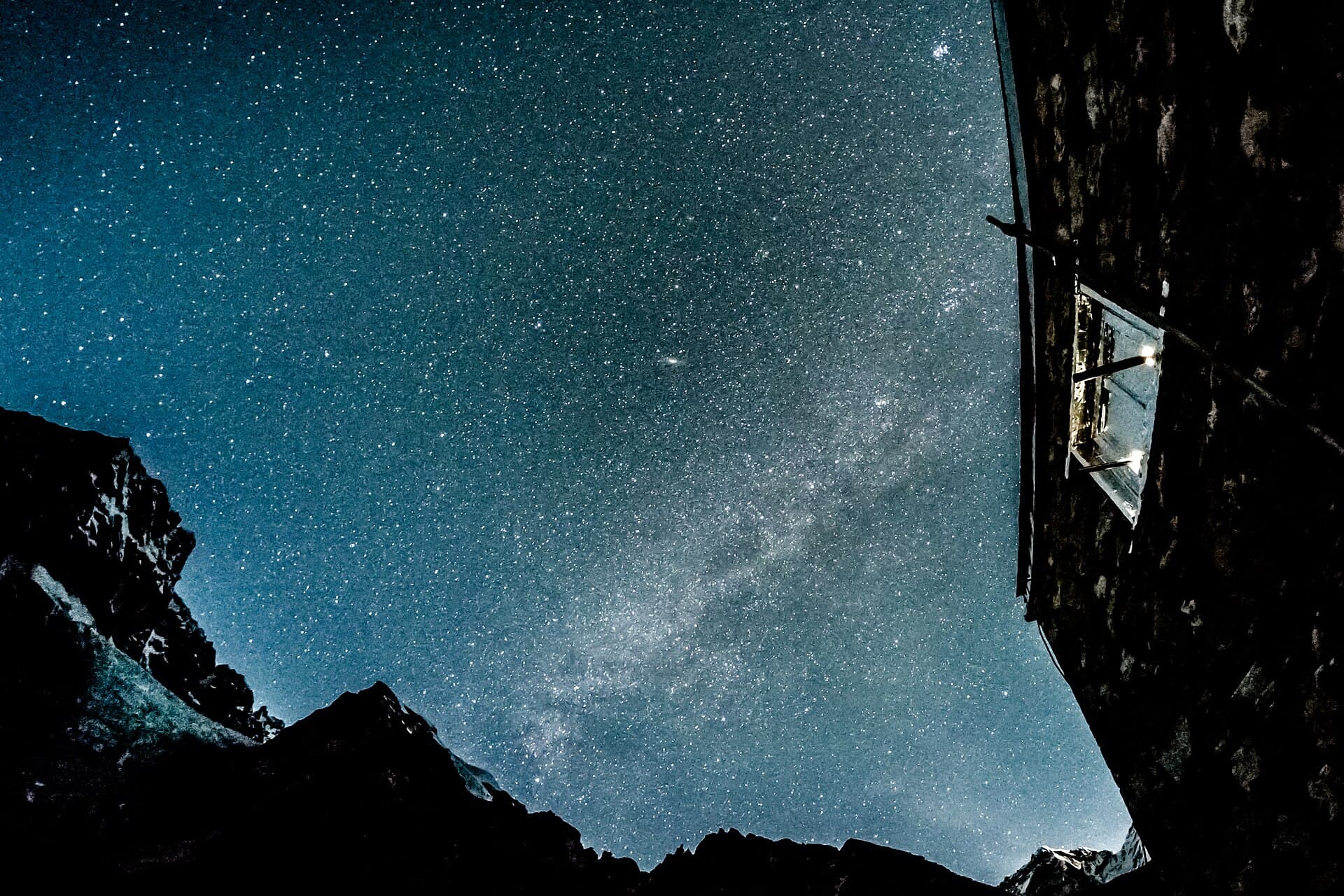
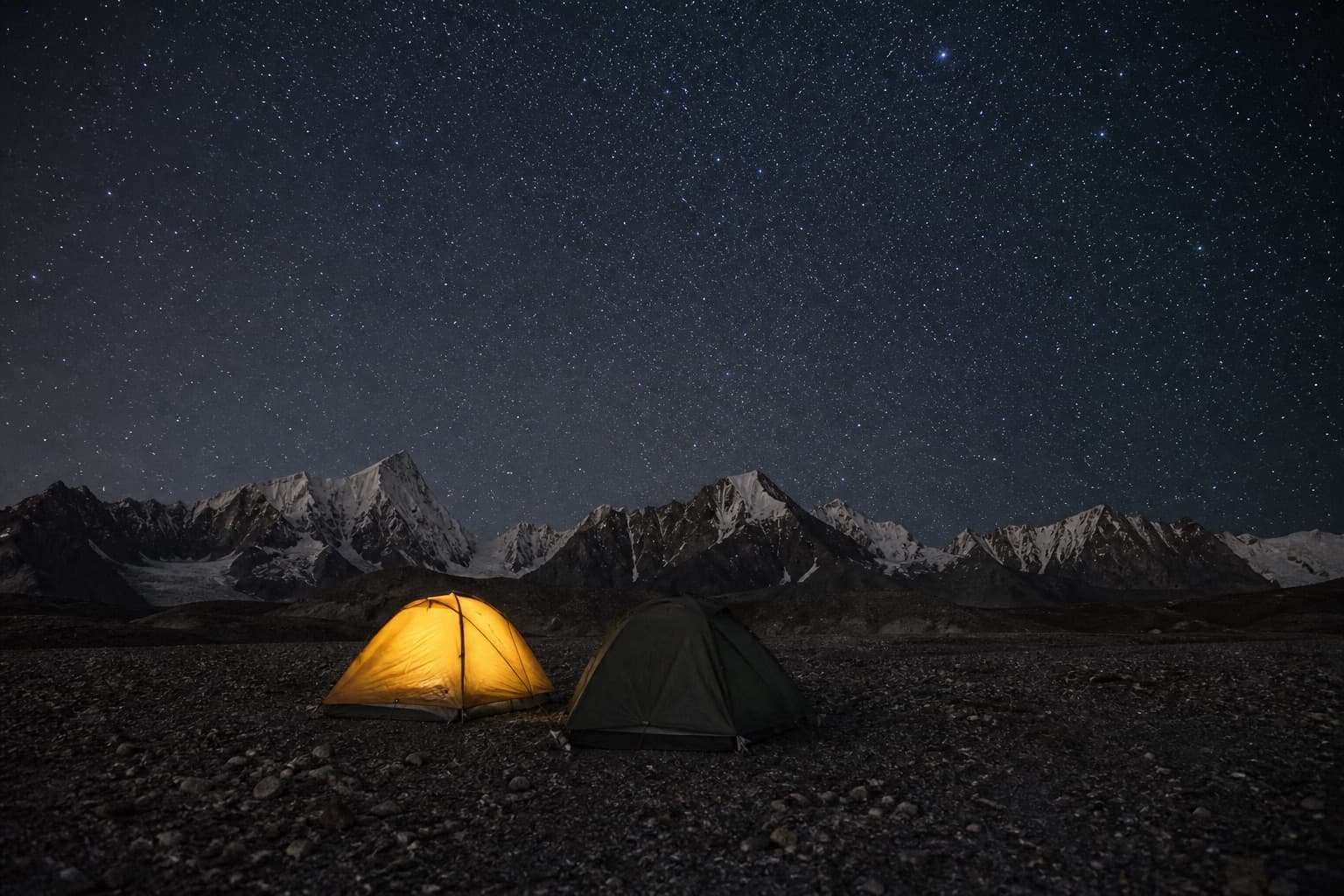
西藏的高海拔、干燥的空气和有限的光污染,使它成为世界上拍摄夜景的绝佳之地之一。在远离城镇的晴朗夜晚,银河可以美得惊人。如果您对天文摄影有兴趣:
- 带上一只结实、轻便的三脚架。
- 使用大光圈广角镜头、高 ISO 配合长曝光。
- 为严寒穿着——即便在温暖的白天之后,高海拔的夜晚也酷寒刺骨。
- 给您的眼睛时间适应,并使用红光头灯以保护夜视能力。
配得上一席之地的器材
您常常会身处高海拔,有时步行、有时长途驾车,所以重量很重要。请有的放矢地打包——在这里,轻装出行着实是明智之选。
| 物品 | 为什么重要 |
|---|---|
| 多用途变焦镜头 | 从风景到人像全覆盖,无需在多尘的空气里频繁换镜 |
| 备用电池(若干块) | 寒冷和海拔会很快耗尽电池;把备用电池放在贴身内袋里保暖 |
| 偏振镜 | 让天空更深邃,削减水面和雪地的反光 |
| 轻便三脚架 | 在允许之处拍夜空和弱光室内时必不可少 |
| 镜头布/吹气球 | 高原上灰尘和细沙无处不在 |
| 充足的存储卡 | 您拍的会比您预想的多 |
几点实用说明:让电池保暖,因为寒冷会很快把它们耗光。换镜头时防尘——能在包里或车里换就在那里换。还有别过度打包;在 4,000 多米的高海拔搬运沉重的器材着实累人。
在高海拔拍摄
环境对您的影响不亚于它对您器材的影响。
- 慢慢走。 在高海拔徒步上坡到一处观景点,比看上去要难。给自己留出时间,别匆忙。
- 先适应海拔。 最初的几天是用来适应的;一旦您感觉更稳了,就会拍得更好。
- 留意打在您自己身上的阳光,而不只是您的曝光——强烈的紫外线意味着帽子、太阳镜和防晒霜。
- 在稀薄的空气里求稳。 疲劳和寒冷会让手持更晃;要想得到锐利的画面,就撑稳身体或使用三脚架。
拍摄人物——满怀敬意地
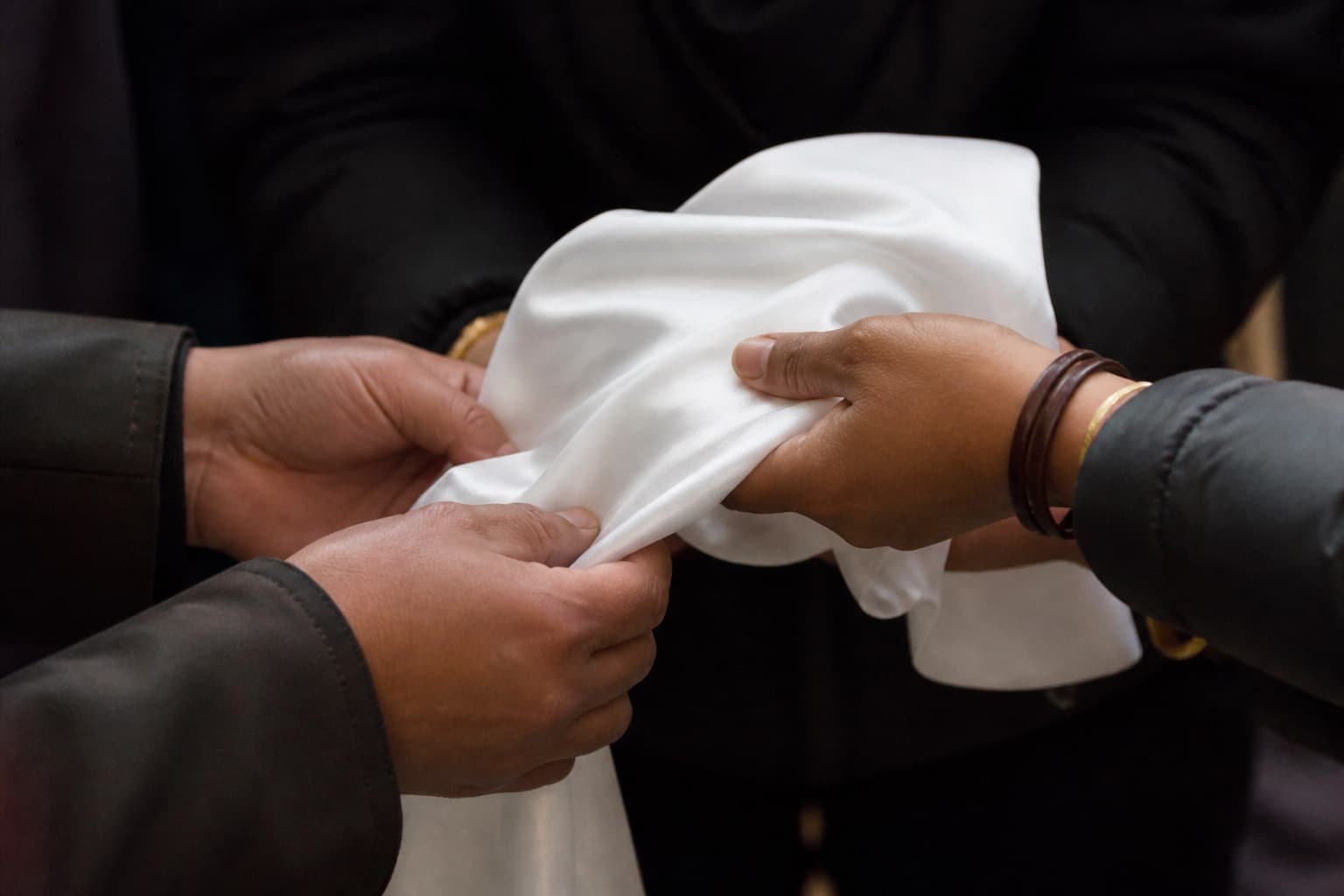
西藏最动人的影像往往是人物,而这恰恰是最需要用心的地方。把您的被摄者当作人,而非素材。
- 永远先征求许可。 在拍摄任何人之前——尤其是僧人、尼姑和长者——带着微笑、向您的相机比一个手势来询问。
- 优雅地接受“不”。 如果有人拒绝或显得不自在,就放下相机、不声张地走开。
- 对孩子要温和,并征询陪同的成年人。
- 不要打扰虔诚。 避免把镜头戳进别人的祈祷或磕长头之中。等一等,或在合适时从一段怀敬意的距离拍摄。
- 不要默认花钱买拍照。 给钱拍照可能让人觉得是种交易;请依从您向导对当地习俗的判断。
关于在高原各处怀敬意行事的更全面图景,请阅读我们的西藏旅行礼仪指南。
许可、限制,以及哪里不能拍
有几条规则要牢记于心:
- 室内拍摄往往受限。 在许多寺院经堂内,禁止拍照,而在允许之处可能要收费。例如,布达拉宫内部为保护其古老的壁画而限制拍照。在拍摄寺庙和佛龛的室内之前,请务必先询问。
- 避免拍摄敏感对象。 不要拍摄军人或安保人员、检查站或设施。拿不准时,就别拍——并询问您的向导。
- 尊重各景点的具体规定。 一些地点和博物馆有其自身的限制。您的向导会清楚它们。
这也是一位见多识广的向导极其宝贵的另一个原因。请记住,外国访客不能在西藏独立旅行:您将参加一个持牌的有组织旅游团,由一位注册向导陪同,并持有一份提前办好的西藏旅行许可证(见我们的西藏旅行许可证指南)。您的向导会引您避开麻烦,走向最佳的观景点。
西藏的无人机
我们常被问到:我能带无人机吗?说实话,对大多数游客而言,答案是不能,至少不要抱着能带的指望。无人机飞行在中国各地都受到严格限制,而西藏是尤为敏感的边境地区,在此之上还有额外的空域和安保管控。进入西藏自治区的安检口常会扣押无人机,即使它从未离开过您的行李;未经相应许可放飞,会给您和您的导游带来实实在在的麻烦。
如果航拍对您的行程很重要,请在出发前很早就与您的旅行社沟通,而不要想当然地认为到了当地再解决。实际上,标准的西藏行程几乎没有人放飞无人机,把它留在家里,是避免设备被扣押、避免在检查站遇到尴尬局面的最简单办法。
按站点看,镜头该对准哪里
把上文的光线和器材建议与具体路线结合起来,比单独看哪一条都更有用。以下是几处亮点,大致按大多数行程抵达的先后顺序排列:
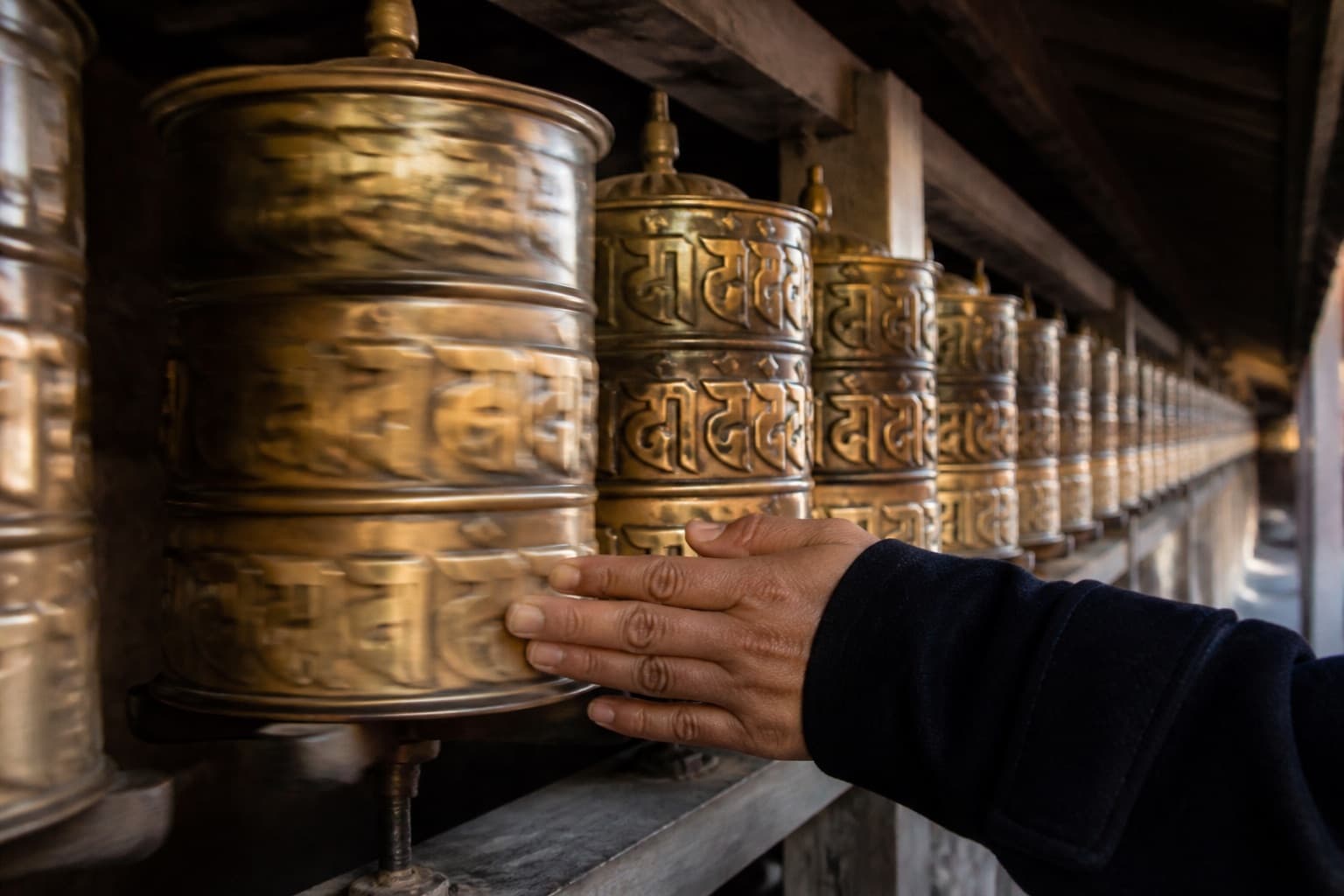
- 拉萨的布达拉宫与八廓街——日出和日落时,从广场及周边观景点望去,宫殿熠熠生辉;八廓街转经道一天中任何时候都能拍到朝圣者、转经筒和缭绕的香烟,但清晨最安静、最有氛围。
- 前往日喀则途中的羊卓雍措——西藏最美的碧蓝湖泊之一,最好站在垭口公路的高处观景点拍摄,而不是在湖边,因为在高处湖水的颜色和辽阔都看得更清楚。
- 江孜与日喀则——江孜的白居寺塔和日喀则的扎什伦布寺,都适合拍摄把山坡环境也收入画面的广角照片,而不只是建筑本身。
- 纳木错——辽阔的湖水对着雪山,一天中大部分时间光线都很好;如果可以,请早点到,因为下午周围的山脉上空往往会聚起云层。
- 绒布寺与珠峰全景——高原上被要求最多的一张照片。上午最有可能看到清晰的峰顶,午后云层便会涌来;我们的9天珠峰大本营与纳木错之旅在安排抵达时间时就考虑到了这一点。
- 林芝——西藏绿意盎然、林木繁茂的东部是完全不同的另一种画面:江河、森林和(春季的)繁花,而不是光秃的山峰和开阔的高原。季节时间请参阅我们的林芝旅行指南。
这一切都不必匆忙。一个节奏从容、每个站点都留足时间的行程,而不是在拍照景点之间赶路,才真正能拍出好照片——这也是您行程中的适应海拔安排对摄影者同样有利的又一个原因,而不只是对健康有利。
只用手机也能拍好
在西藏,大多数旅行者用的是手机而不是专业相机,这完全足以带回让您喜爱的影像。
- 擦干净镜头。 路上的灰尘和口袋里蹭上的指纹,是手机摄像头画质的头号杀手——在拍任何重要画面之前先擦一擦。
- 使用网格线和水平仪。 西藏的风景里到处是有力的水平线——湖岸、山脊、寺院的屋顶线——而地平线倾斜是最容易避免的错误。
- 如果手机支持,请用 RAW 或“专业”模式拍摄,尤其是在上文所说的正午高反差光线下;这样日后能有大得多的空间找回暗部和高光细节。
- 别硬用变焦。 手机的数码变焦画质下降很快。走近一些、重新构图,或者接受更宽的画面,而不是在机内裁切。
- 关掉自动美颜滤镜,尤其是给您遇到的人拍人像时——它们恰恰会抹平让一张旅行人像值得保存的质感与个性。
- 带上充电宝。 在高海拔,寒冷会让手机电池迅速耗尽,您不会想在翻看相册和给导游打电话之间做选择。
在黄金时段的好光线下,双手端稳或靠在墙上拍摄的一部手机,完全可以胜过在正午随手乱拍的更好的相机。
最后的建议
出色的西藏摄影,是准备与敬意各占一半:追逐黄金时段、保护您的器材免受寒冷和灰尘的侵袭、在高海拔把控自己的节奏,并始终把被摄者的尊严放在第一位。做到这些,高原便会给您经久不衰的影像——和记忆。
准备好规划一趟以摄影为念的旅程了吗?浏览我们的西藏旅游线路,或联系我们,我们会帮您围绕您最想捕捉的光线与景致来勾勒一条路线。
从文字到高原
跟着懂行的人看西藏
我们的行程由持证的本地藏族导游带领,无论在寺院、转经路上还是草原上,都能讲清楚你眼前看到的是什么。大多数旅行者从这两条线路开始。
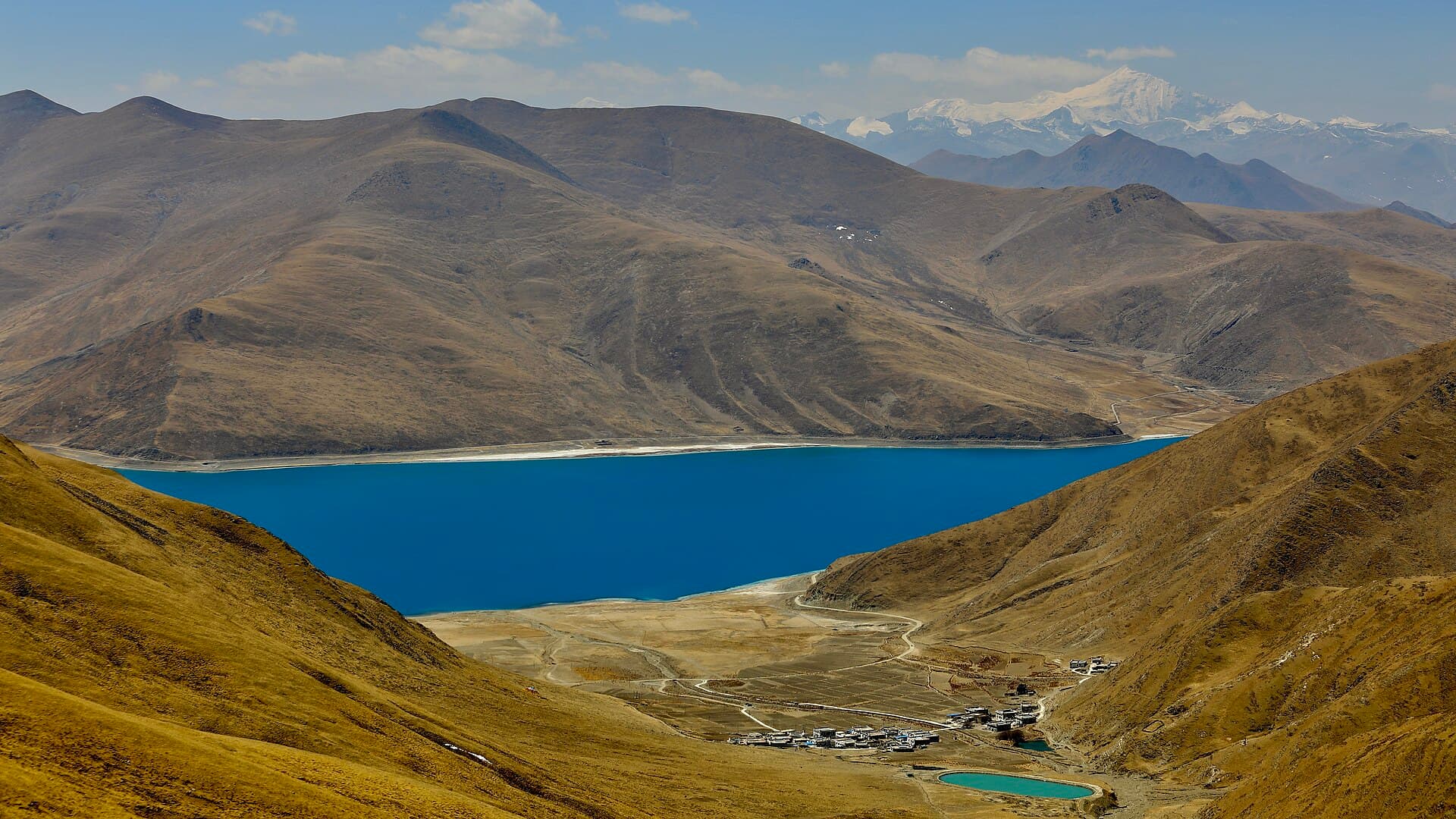
拉萨与羊卓雍措(5天)
拉萨 · 羊卓雍措 · 夏珠林寺 · 拉萨
五天全程住在拉萨:上午动手体验藏族手工艺,观看色拉寺僧人辩经,游览布达拉宫与大昭寺,再用一天翻越岗巴拉山口,前往羊卓雍措和夏珠林寺。这是我们最短的西藏行程,按固定团期出发的拼团。
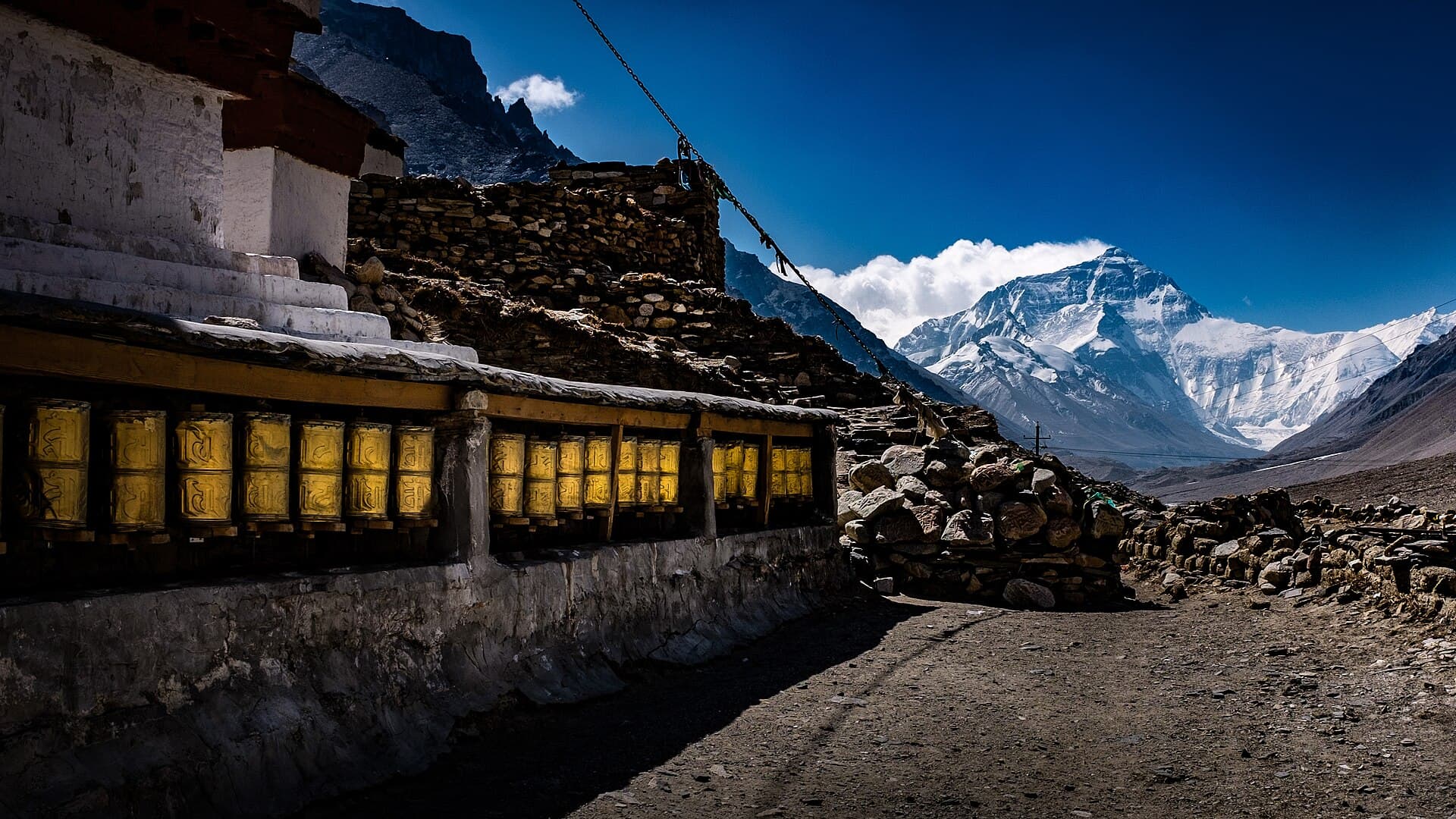
珠峰与纳木错(9天)
拉萨 · 羊卓雍措 · 卡若拉冰川 · 日喀则 · 绒布寺 · 珠峰大本营 · 日喀则 · 拉萨 · 纳木错 · 拉萨
九天行程,在通往珠峰的路上多加了一站纳木错:拉萨的色拉寺辩经、布达拉宫与大昭寺;西行途中的羊卓雍措,以及再往前的卡若拉冰川;在珠峰大本营住一晚;扎什伦布寺;最后在适应高原之后,加一天纳木错之行。按固定团期出发的拼团。
常见问题
黄金时段——清晨和傍晚——给建筑和山峰带来温暖、讨好的光线。高海拔的正午阳光严酷、反差很高,所以请把您最重要的画面安排在日出和日落前后,并利用深邃、清澈的天空来拍风景。