Tibet Trails
定制我的行程
Prayer Flags, Prayer Wheels & Mani Stones: What They Mean
Culture·8 分钟阅读

Prayer Flags, Prayer Wheels & Mani Stones: What They Mean

The colorful flags on every Tibetan pass, the spinning wheels in pilgrims' hands, the carved stones along the trail — each carries prayer into the world. Here is what they truly mean.

Travel anywhere in Tibet and you will meet three quiet companions again and again: strings of bright prayer flags snapping in the wind, prayer wheels turning in pilgrims' hands, and mani stones carved with sacred script along the trail. They are not decoration. Each is a way of sending prayer into the world, and understanding them transforms how you experience the landscape.

Prayer flags: prayers on the wind

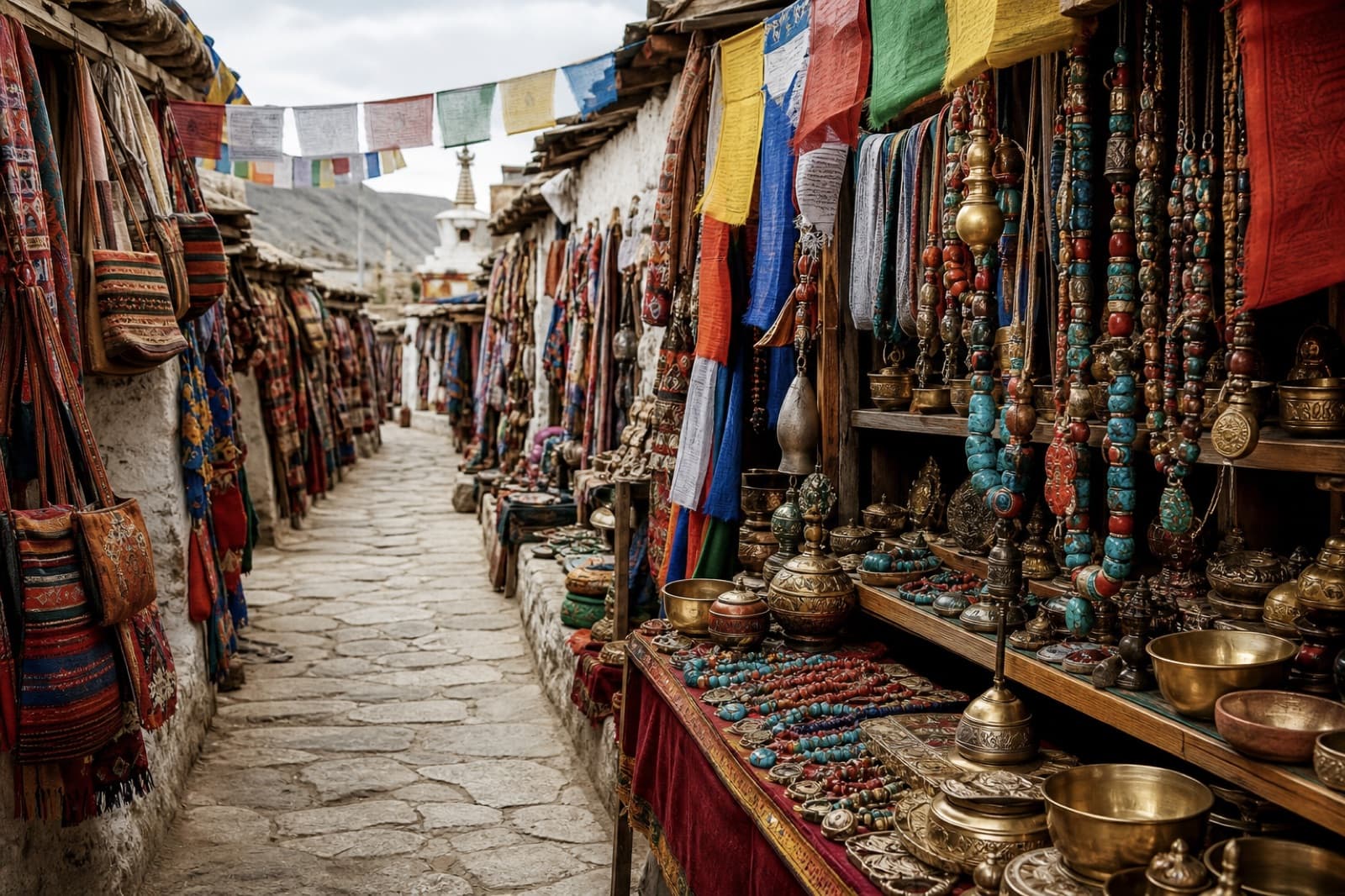
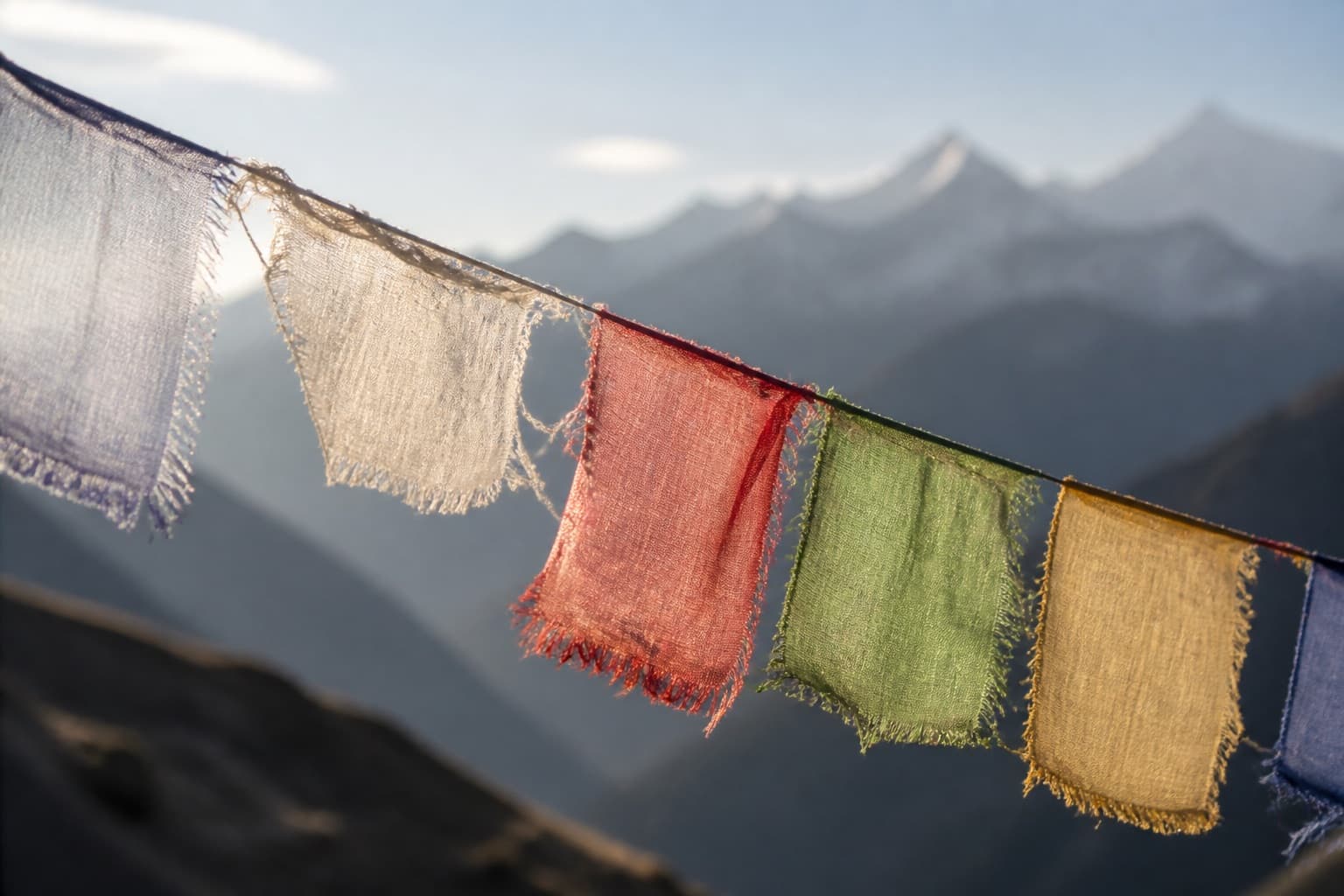
The colorful flags draped across passes, rooftops, and bridges are called lungta, meaning "wind horse." The belief is beautifully simple: as the wind passes over the flags, it carries the prayers and blessings printed on them outward, spreading goodwill, compassion, and good fortune to all beings.

The five colors

Prayer flags come in sets of five colors, always in the same order, each tied to one of the five elements:

Color Element
Blue Sky / space
White Air / wind
Red Fire
Green Water
Yellow Earth

Arranged together, they represent balance and harmony among the elements that make up the world.

The wind horse and the three jewels

Many flags feature the wind horse at the center, carrying three flaming jewels on its back. Those jewels represent the Three Jewels of Buddhism — the Buddha, the Dharma (his teachings), and the Sangha (the community of practitioners). The horse symbolizes the uplifting energy that turns misfortune toward good fortune. Around it are printed mantras and prayers.

When flags fade and fray in the weather, that is not neglect — it means the prayers have been carried off into the world, and new flags are hung alongside them.

When and how flags are hung

There is etiquette to the flags as well. Many Tibetans choose auspicious days to raise new ones, often around Losar (the Tibetan New Year), believing the timing strengthens the blessing. The flags are strung high — across rooftops, bridges, and especially mountain passes — so the wind can reach them freely. Out of respect, old flags are traditionally not simply thrown in the rubbish; when they are taken down they may be burned, releasing any remaining blessings skyward. As a visitor, the kindest approach is to admire the flags, photograph the scenery, and never pull at or take a flag as a souvenir.

Stupas: monuments of the awakened mind

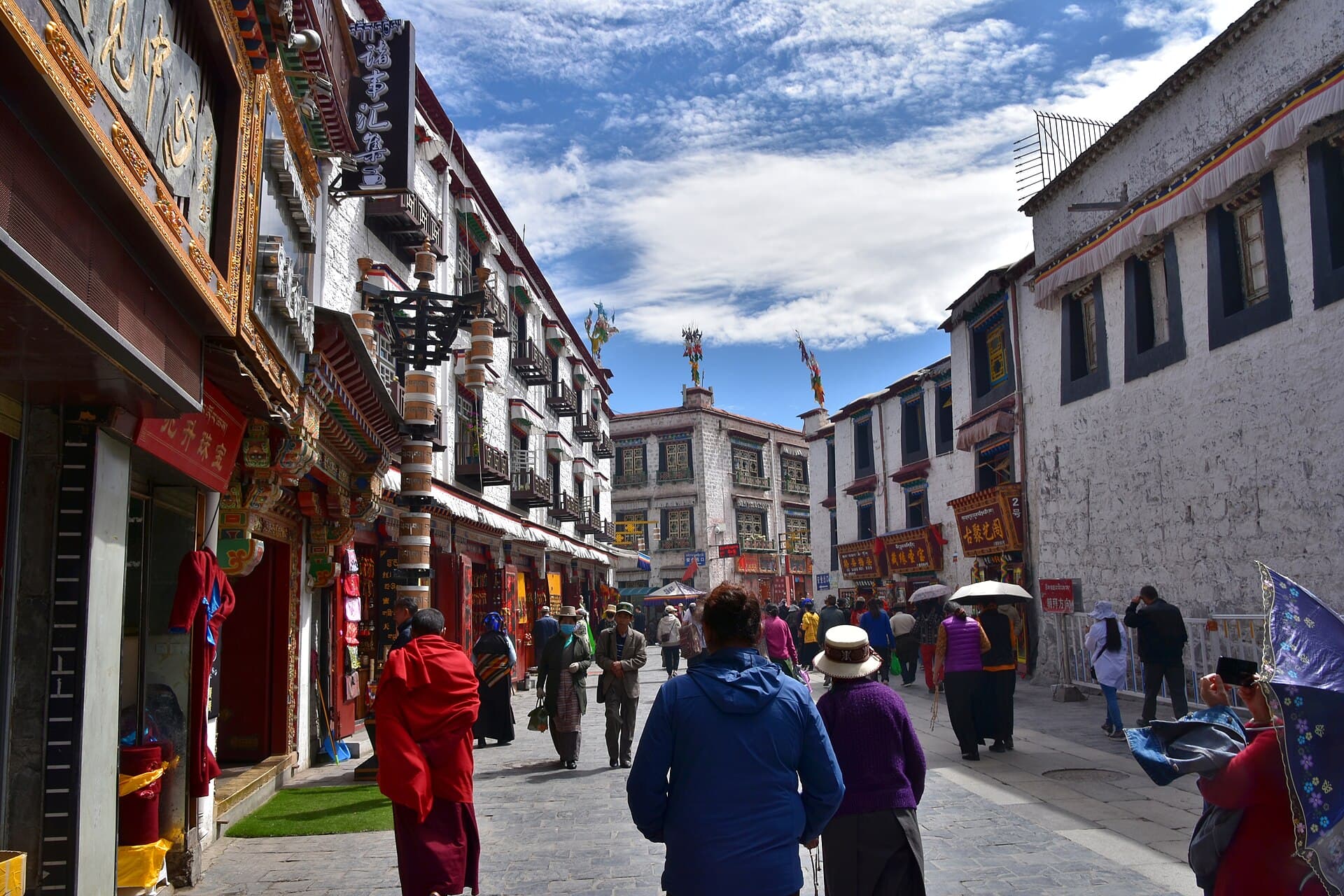
Closely related to these everyday objects are the stupas (in Tibetan, chortens) you'll see everywhere — whitewashed, dome-and-spire monuments that represent the enlightened mind of the Buddha. Pilgrims circle them clockwise, just as they do prayer wheels and mani walls, often murmuring mantras and counting prayer beads as they walk. Stupas, flags, wheels, and stones are all part of one connected vocabulary of devotion: different forms, the same impulse to fill the world with prayer.

Mani stones: prayer carved in stone

Along trails, at the edges of villages, and beside rivers and monasteries, you'll find stones and slabs carved with sacred text, often piled into long walls or cairns. These are mani stones.

Most are carved with the mantra Om Mani Padme Hum, the great mantra of compassion associated with Avalokiteshvara (Chenrezig), the bodhisattva of compassion. Carving the mantra and placing the stone in the landscape is itself an act of devotion and merit — a prayer made solid and left in the world for others.

There is an important courtesy here: always pass mani walls and stone piles keeping them on your right, walking clockwise around them, in keeping with Tibetan custom. Never sit on, climb, or remove the stones.

Prayer wheels: prayer set in motion

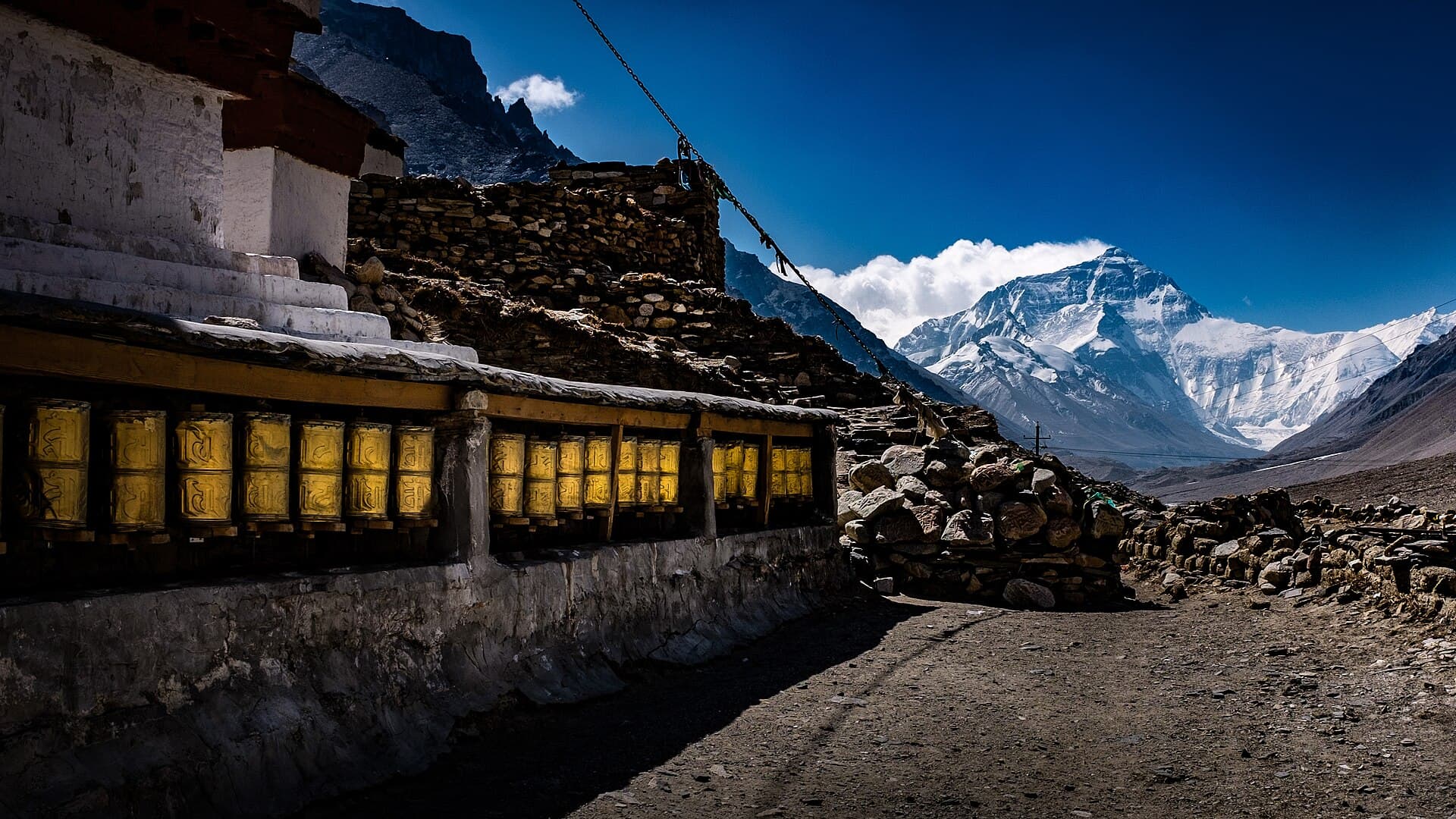
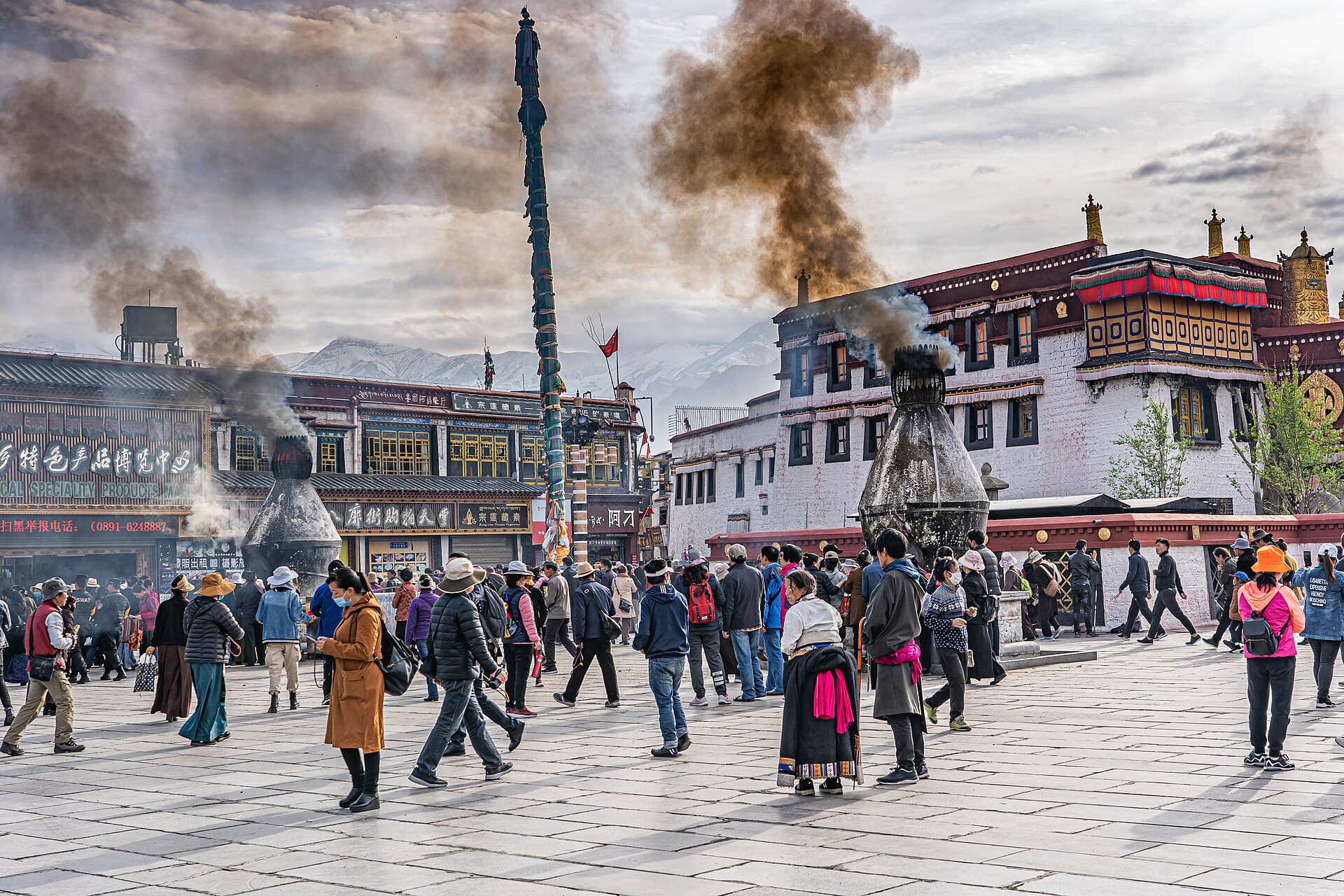
The cylinders you see pilgrims spinning — and the larger drums lining monastery walls — are prayer wheels (mani wheels). Inside each is a tightly wound scroll printed with mantras, often Om Mani Padme Hum repeated many times over.

The belief is that turning the wheel has a similar merit to reciting the mantras aloud — and each rotation counts for the many repetitions written on the scroll inside. For elderly or busy practitioners especially, it is a constant, portable form of prayer.

Prayer wheels come in many sizes. The small handheld kind, weighted to spin with a flick of the wrist, are carried everywhere. Long galleries of medium wheels line the walls of monasteries and pilgrimage circuits, set turning one after another by passing hands. And some monasteries house enormous wheels, several metres tall, that take real effort to move. In some regions you'll even find wheels turned not by hand at all but by flowing water or rising heat, so that the prayers continue day and night without pause — a quietly ingenious idea that the blessing should never have to stop.

Always turn them clockwise

Prayer wheels are always spun clockwise, for several reasons that all point the same way:

  • It follows the path of the sun across the sky.
  • It moves the written mantras past in the natural reading order.
  • It matches the clockwise way Tibetans circle (circumambulate) sacred sites.

If you are invited to spin a wheel, turning it clockwise is the respectful way to join in.

A landscape alive with prayer

Once you can read these signs, Tibet looks different. A mountain pass strung with lungta, a pilgrim's wheel catching the light, a wall of carved stone beside the path — together they make the whole landscape a living expression of faith. The wind, the walking, the turning: all of it is prayer in motion.

To see these traditions in their living context, explore our Tibet tours, visit the spiritual heart of the region in Lhasa, or read more in our guide to Tibetan Buddhism and monasteries. For the courtesies that go with sacred sites, see Tibetan etiquette: dos and don'ts, and feel free to contact us to plan a respectful trip.

与我们一起规划您的西藏之旅

许可证全程办妥、本地向导、价格透明。告诉我们您的日期,我们将为您定制行程。

常见问题

They are called lungta, or wind horse. As the wind passes over them, it is believed to carry the printed prayers and blessings outward to all beings. Their five colors — blue, white, red, green, yellow — represent the five elements of sky, air, fire, water, and earth.