Tibet Trails
定制我的行程
Yartsa Gunbu: Tibet's Caterpillar-Fungus Gold Rush
Culture·9 分钟阅读

Yartsa Gunbu: Tibet's Caterpillar-Fungus Gold Rush

Each spring, Tibetan herders climb to high alpine meadows to hunt a strange treasure: a fungus that grows from a caterpillar. Here is the story behind yartsa gunbu, the plateau's most curious harvest.

It looks like a twig with a tail, and it can be worth more than its weight in gold. Across the high meadows of the Tibetan plateau, a small fungus called yartsa gunbu shapes seasons, incomes and entire communities.

If you visit in late spring, you may notice villages half-empty and hillsides dotted with figures bent close to the ground. This is why.

What yartsa gunbu actually is

The name, often rendered "yartsa gunbu", translates roughly as "summer grass, winter worm", which captures its strange life cycle perfectly. Its scientific name is Ophiocordyceps sinensis, and it is not really a worm-plant at all but a parasitic fungus.

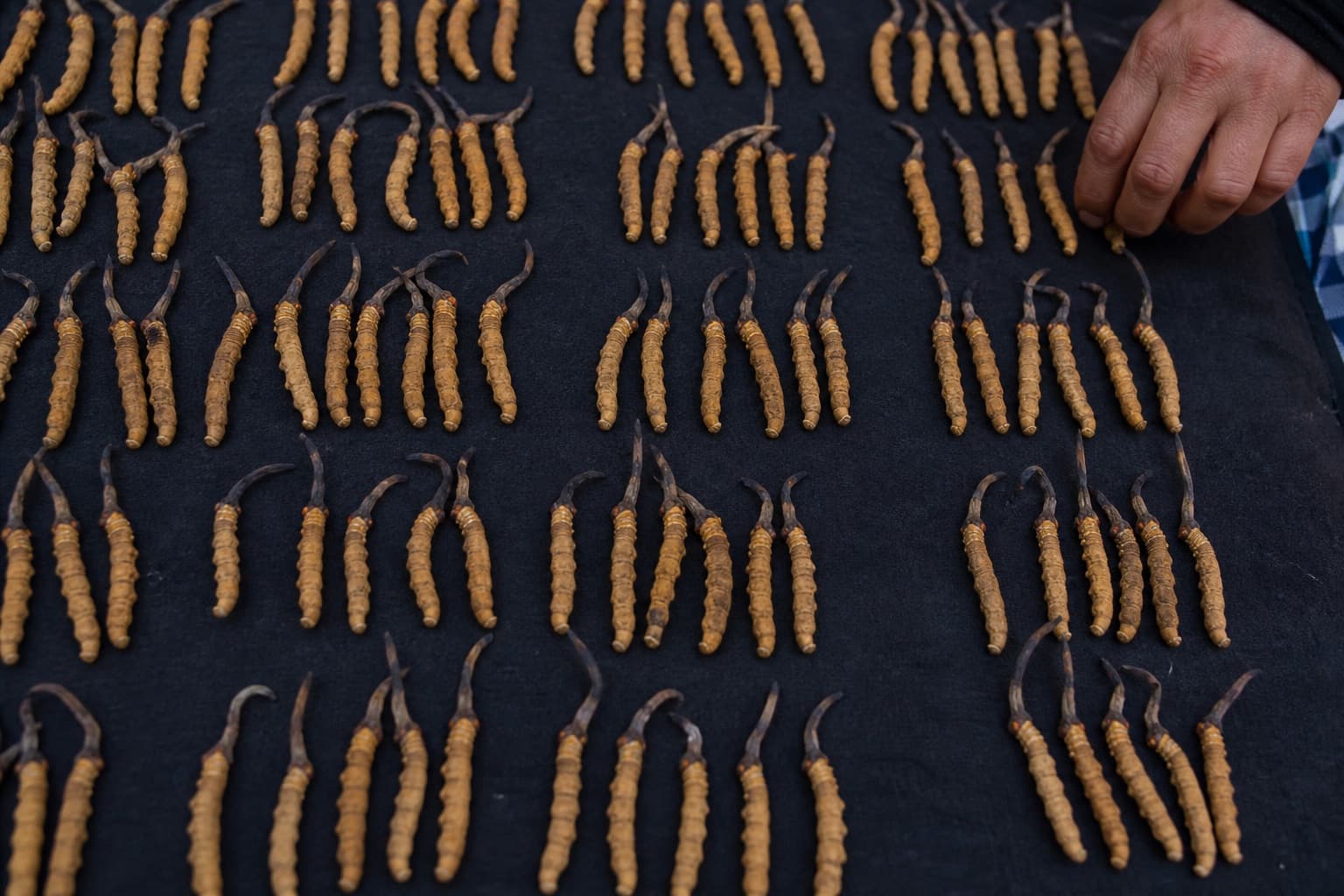
The fungus infects the larva of a ghost moth living underground in alpine soil. Over time it consumes the caterpillar from within, then sends up a slender, dark fruiting body that pokes through the surface in spring. What collectors gather is the whole thing: the mummified caterpillar with the fungal stalk still attached. That curious two-in-one form is exactly what makes it prized.

Why it is so valuable

Yartsa gunbu has been used in Tibetan and Chinese traditional medicine for a long time, valued as a tonic associated with vitality and general wellbeing. Demand, particularly in China, has risen sharply over recent decades, and prices have climbed with it.

The best specimens, large and intact, can command remarkable sums by weight, which is why it is sometimes called "soft gold" or "Himalayan gold". Prices vary enormously with size and quality, and figures reported in the press range widely, so treat any single number with caution. What is not in doubt is that it has become one of the most valuable natural commodities to come off the plateau.

It is worth being measured here: yartsa gunbu is culturally and economically significant, but the strongest medical claims around it are not well established. Enjoy the story without overstating the science.

A seasonal way of life

For many Tibetan herding and farming households, the harvest is a major source of cash income, and in some areas it can account for a large share of what a family earns in a year. That makes the few short weeks of the season genuinely important.

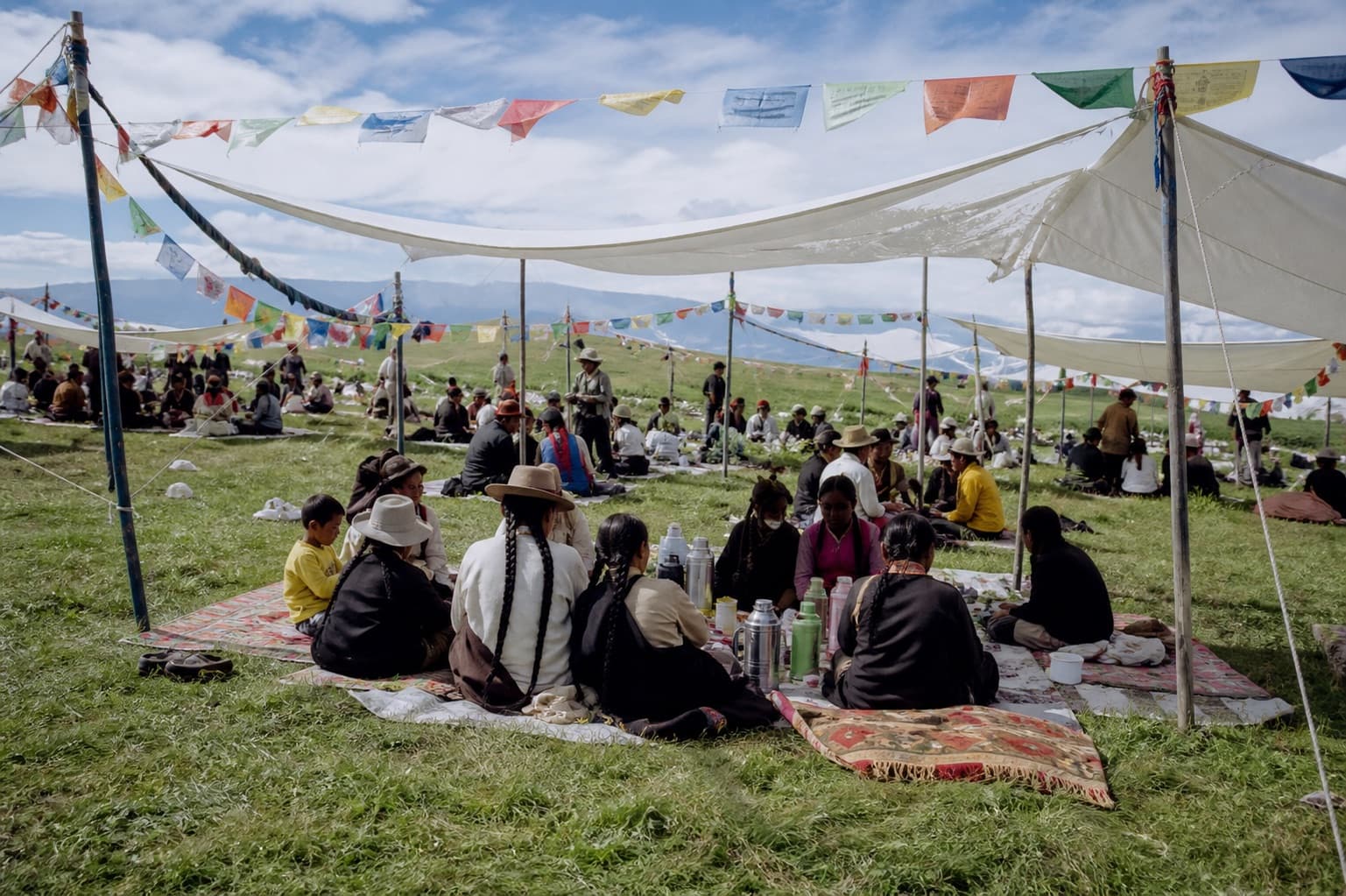
Harvesting runs roughly from May into the summer, with the peak often in late spring once the snow recedes. Families leave home and set up tents near the high meadows, sometimes for weeks, and the search becomes a communal effort:

  • Collectors move slowly across the slopes, eyes inches from the turf.
  • Each tiny fruiting body must be spotted against grass and stone.
  • The fungus is eased out whole, with the caterpillar intact, since a broken specimen is worth far less.
  • Good eyes, patience and local knowledge of the right meadows all matter.

It is painstaking work at thin-aired altitude, typically above 3,500 metres, and a productive day can mean only a modest handful of pieces.

A delicate balance

The boom has a shadow. High demand has encouraged intense collecting, and many herders report that the fungus is harder to find than it once was. Researchers have pointed to a combination of over-harvesting and a warming climate as pressures on the resource, raising real questions about how sustainable the current scale of harvesting is.

That tension, between vital income today and a fragile future supply, is now part of the yartsa gunbu story, and a subject of ongoing study and local concern.

A booming trade

What happens after the harvest is its own world. Picked fungus is cleaned, sorted by size and quality, and traded onward, often passing through layers of buyers before reaching distant markets. Larger, more intact specimens fetch the highest prices, so collectors handle them with great care. In producing regions, the season can bring a noticeable buzz of trading activity, with the small fungus changing hands as a serious commodity.

Because so much value rides on a short window each year, the harvest weaves into the wider rhythm of plateau life: when to move the herds, when to travel, when families can afford larger purchases. Few natural products are so tightly bound to a community's calendar and fortunes.

More than a curiosity

It is tempting to file yartsa gunbu under "strange facts about Tibet", but it is more meaningful than that. It sits at the meeting point of ecology, economy and tradition: a tiny organism that shapes how some families earn a living, how the high meadows are used, and how people relate to a fragile alpine environment.

Understanding it, rather than just marvelling at it, gives you a richer and more honest sense of how daily life on the high plateau actually works, beneath the postcard scenery and the famous views.

What it means for travellers

You are unlikely to go hunting for yartsa gunbu yourself, and you should not try; it grows in remote high terrain and is tied to local livelihoods and customs. But understanding it adds a layer to what you see.

If you travel in late spring, the rhythms of the harvest may explain quiet villages or busy mountain camps. In markets and shops you may spot the dried fungus offered for sale, often at striking prices. And in conversation, it offers a window into how closely life on the plateau is bound to its seasons and its land.

Think of yartsa gunbu less as a souvenir to seek and more as a thread that connects landscape, livelihood and tradition. Noticing it is part of seeing Tibet clearly.

To experience the high meadows and herding country where stories like this unfold, see our Tibet tours, or get in touch to shape a trip around the season that interests you.

与我们一起规划您的西藏之旅

许可证全程办妥、本地向导、价格透明。告诉我们您的日期,我们将为您定制行程。

常见问题

It is a parasitic fungus, Ophiocordyceps sinensis, that infects the underground larva of a ghost moth on the Tibetan plateau, consumes it, and sends up a slender fruiting body in spring. Collectors gather the whole thing, the mummified caterpillar with the fungal stalk attached. The Tibetan name means roughly summer grass, winter worm.