Tibet Trails
定制我的行程
Tibet's Great Pilgrimage Sites: A Spiritual Journey
Culture·10 分钟阅读

Tibet's Great Pilgrimage Sites: A Spiritual Journey

For Tibetan Buddhists, the plateau is a living sacred landscape of holy mountains, lakes and monasteries. Here is a respectful traveler's guide to Tibet's great pilgrimage sites and the practice of the kora.

To travel in Tibet is to move through a living sacred landscape. For Tibetan Buddhists, certain mountains, lakes, and monasteries are not merely beautiful; they are holy, woven into centuries of devotion. Pilgrims travel enormous distances to reach them, often walking, sometimes prostrating the entire way. Understanding these places, and the practice that ties them together, transforms a sightseeing trip into something deeper and more respectful. This is a traveler's introduction to Tibet's great pilgrimage sites.

The Practice of Kora

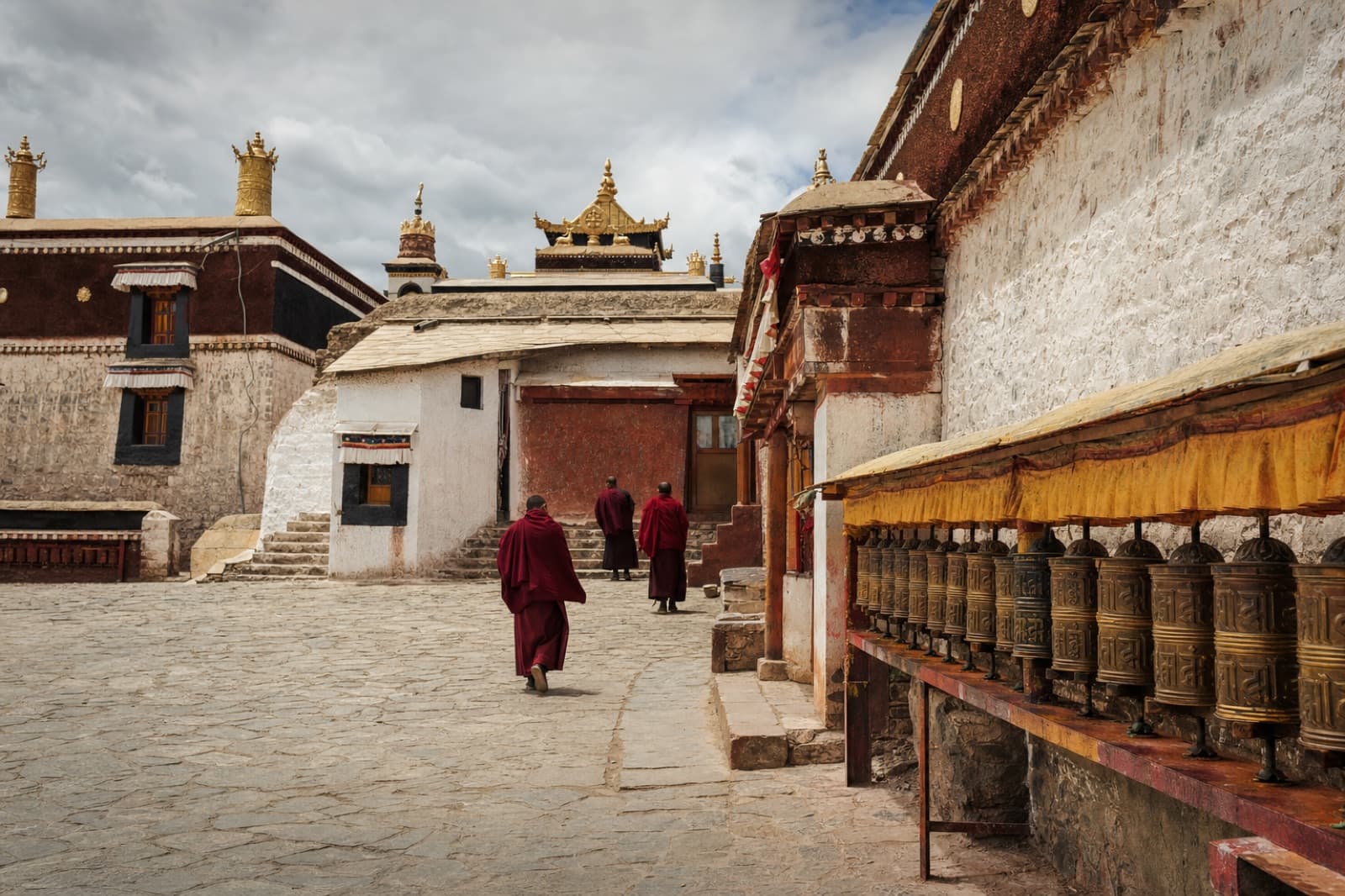
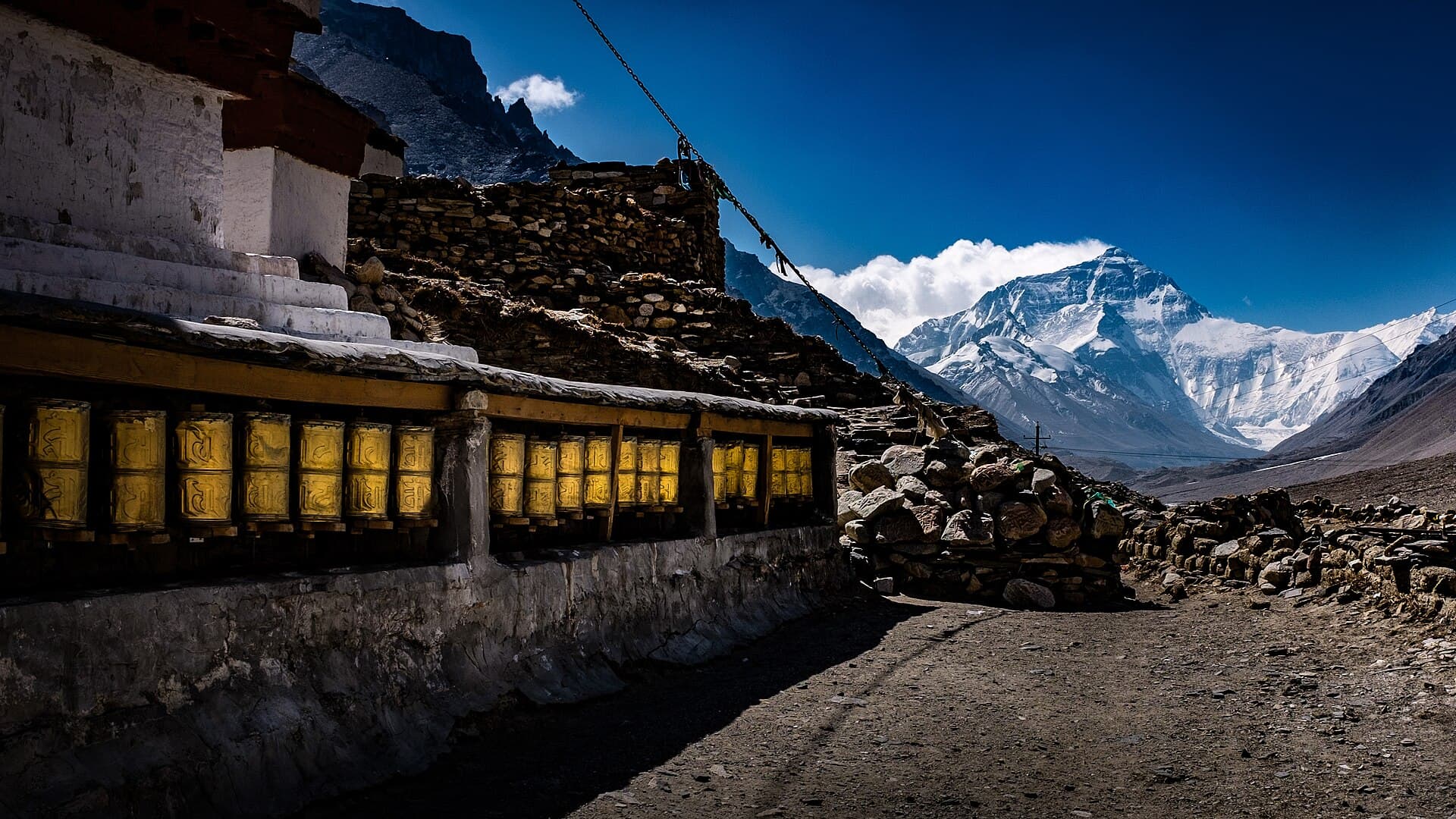
At the heart of Tibetan pilgrimage is the kora, the act of walking a devotional circuit around a sacred object or place. Pilgrims circle temples, stupas, mountains, and lakes, almost always clockwise (the exception being followers of the older Bon tradition, who go counterclockwise). Walking the kora is an act of merit and reflection, often accompanied by spinning prayer wheels, murmuring mantras, and counting prostrations.

For visitors, joining a kora respectfully, falling into step with pilgrims, walking the same direction, and keeping a quiet, observant presence, is one of the most moving things you can do in Tibet. Your guide will show you the etiquette at each site.

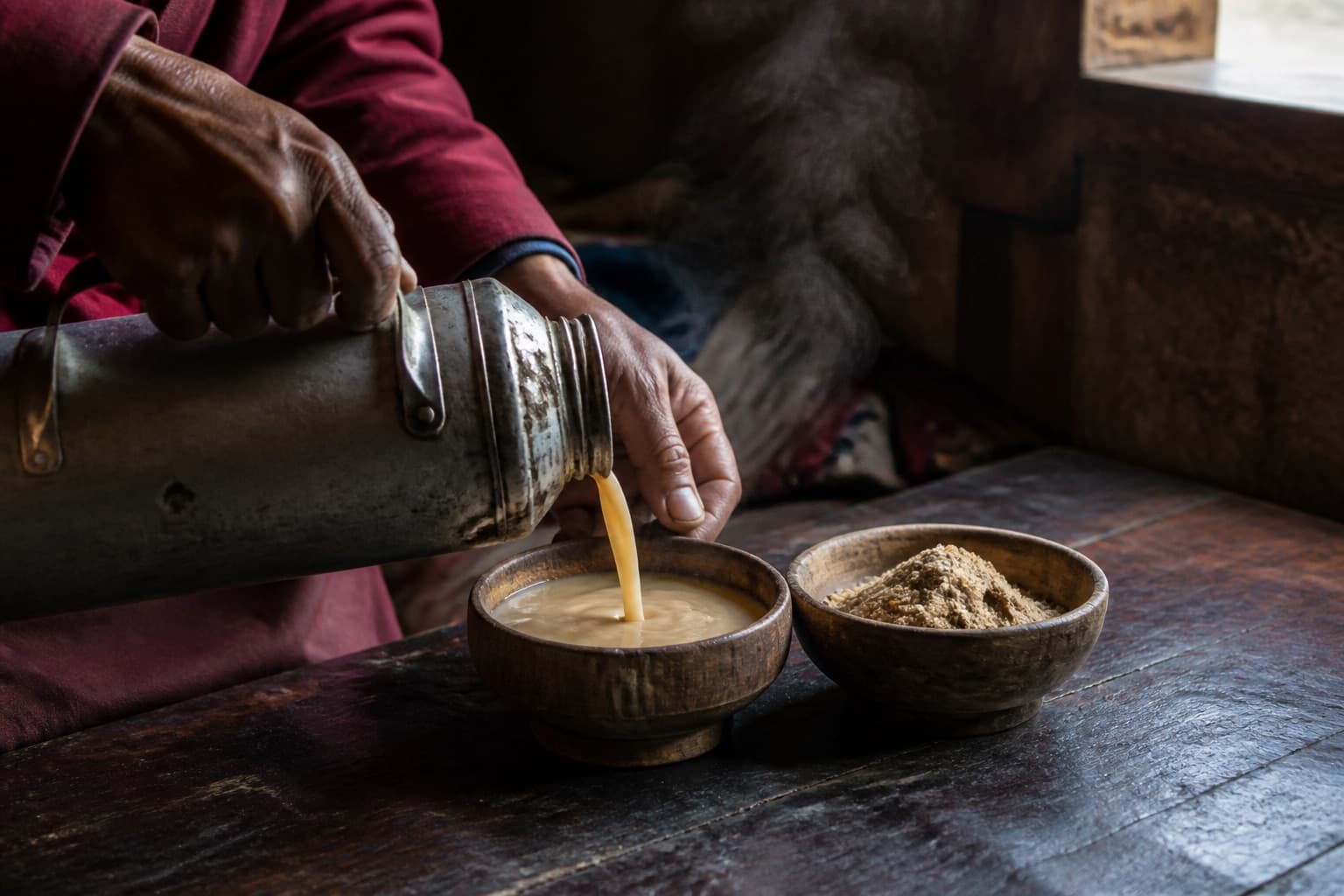
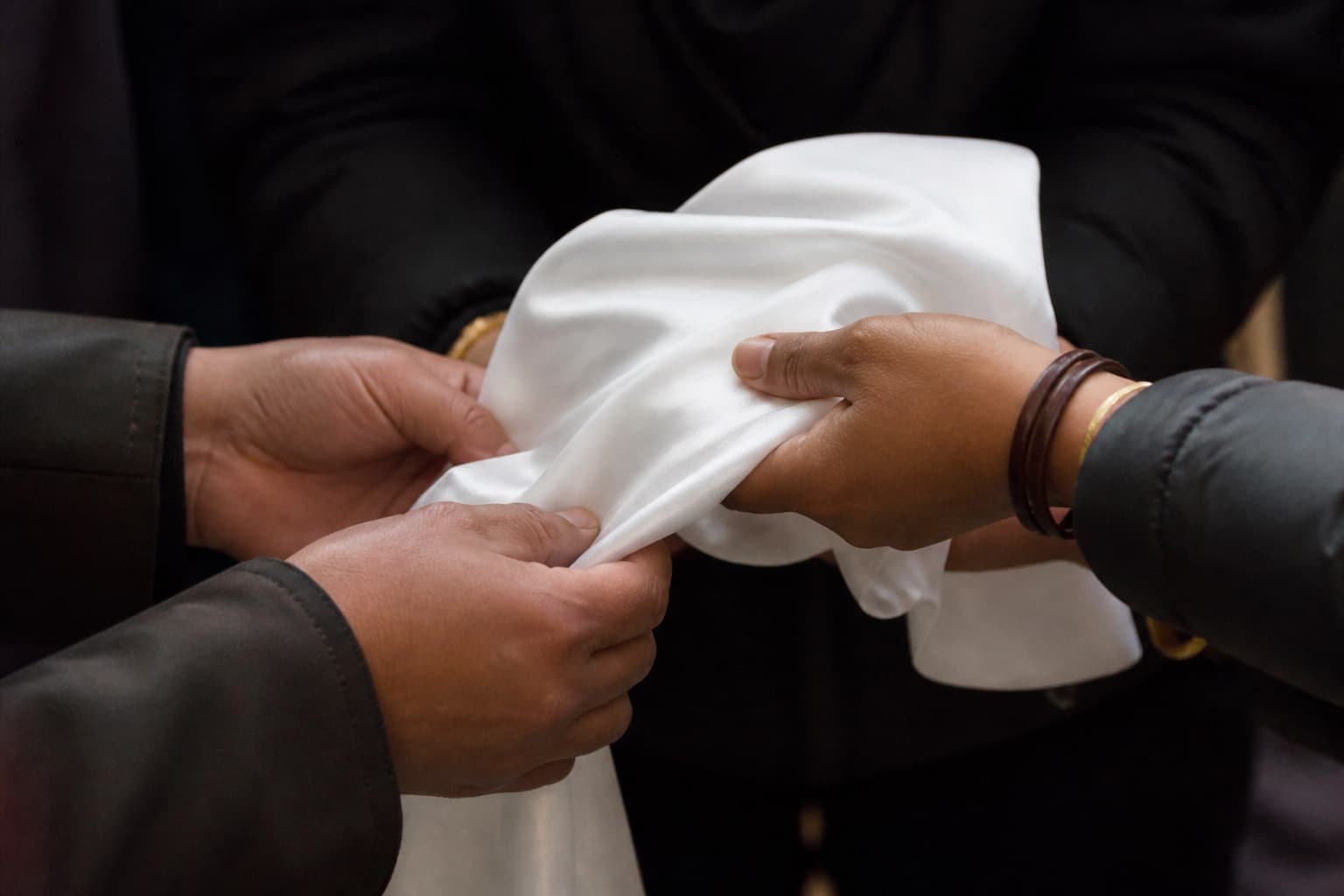
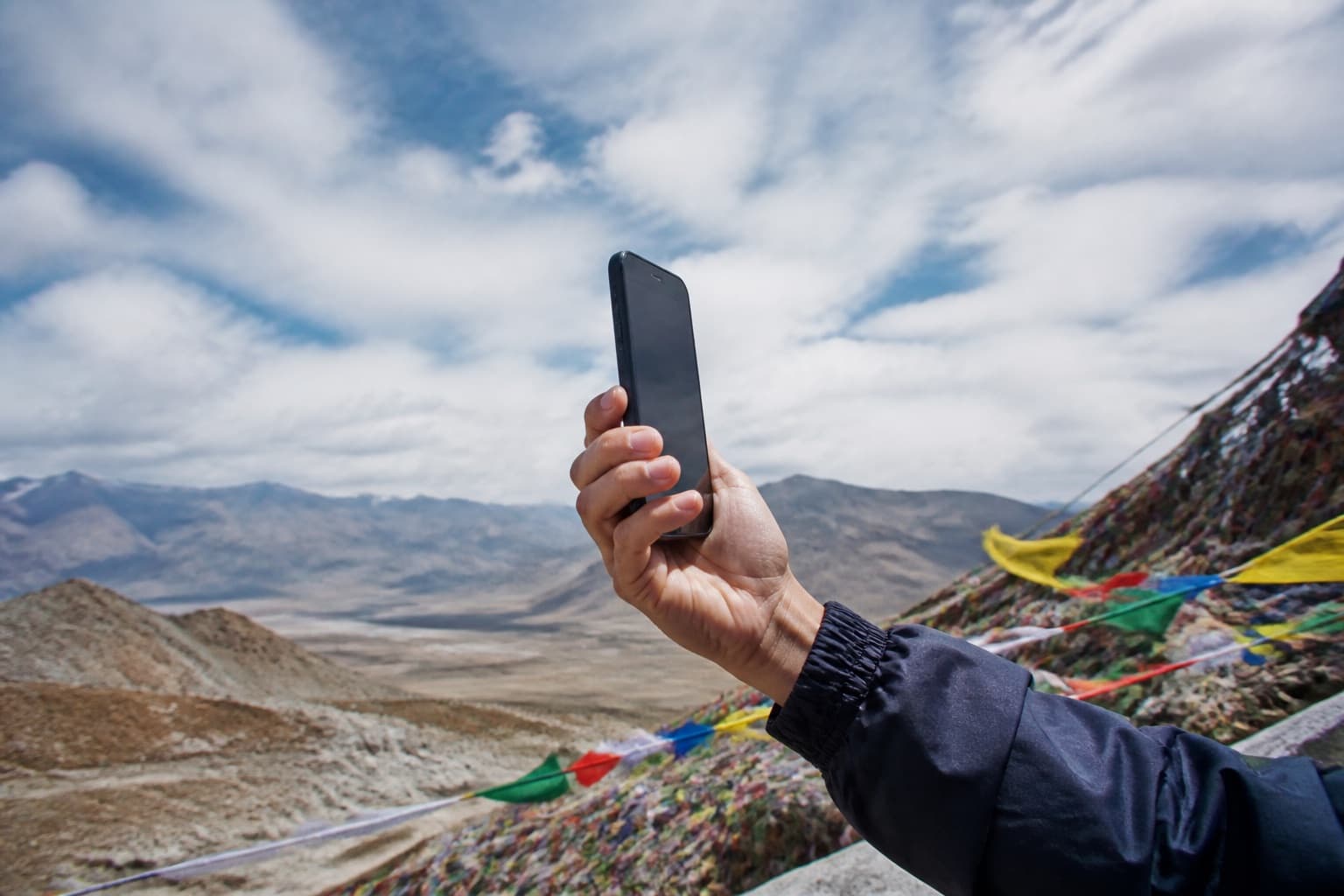
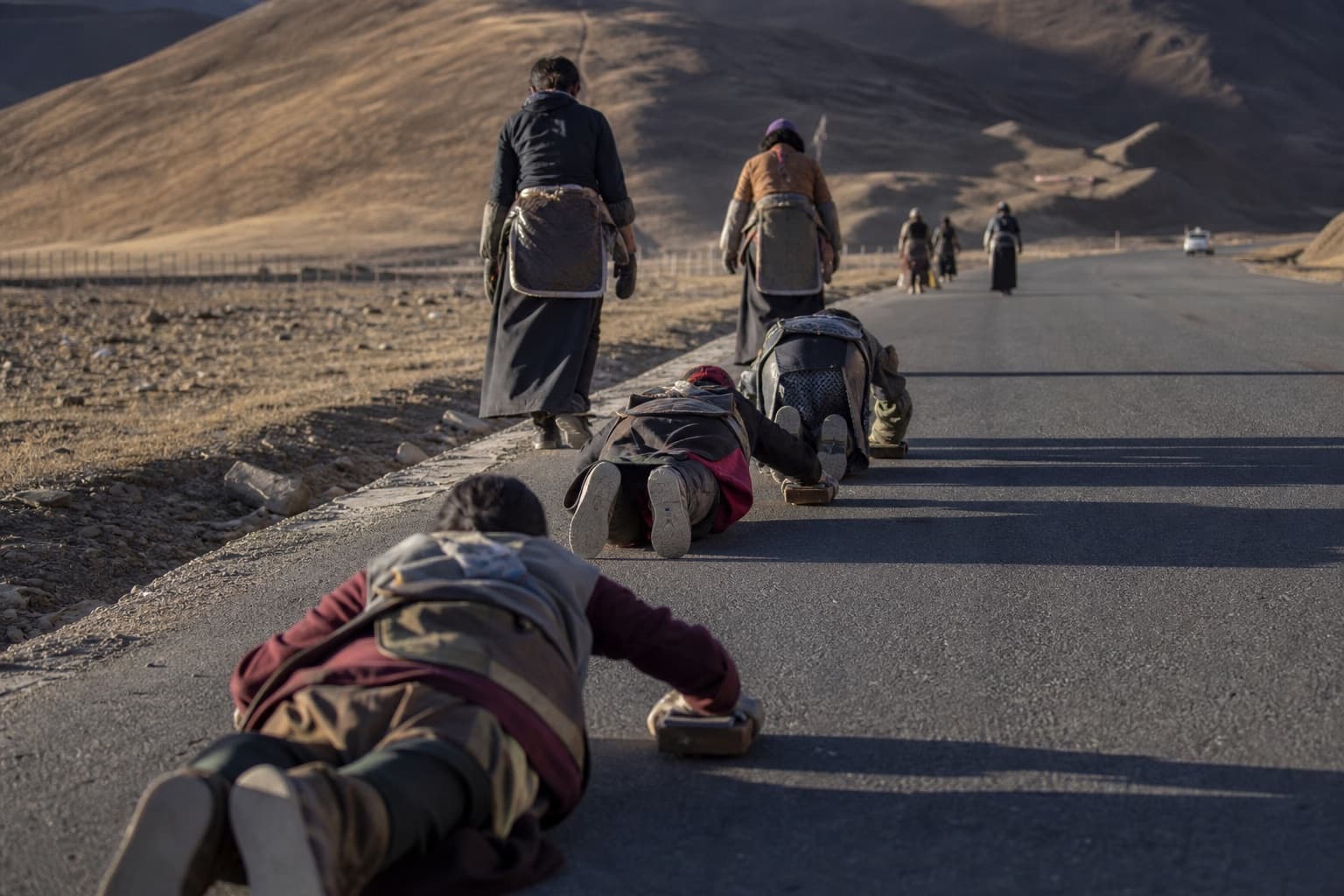
You will also see other forms of devotion woven into the landscape. Some pilgrims perform full-body prostrations, measuring out an entire circuit or even a journey of hundreds of kilometres with their own length, rising, stepping forward, and laying themselves flat again, mile after mile. Others make offerings of yak-butter lamps, white scarves (khata), or tsampa (roasted barley flour) tossed skyward at high passes with a cry of "lha gyalo," "victory to the gods." Strings of prayer flags and carved mani stones mark passes, bridges, and sacred spots, each a quiet act of merit. Understanding these gestures turns what might look like simple ritual into something legible and deeply human.

The Jokhang and the Barkhor

The spiritual centre of the Tibetan world is the Jokhang Temple in Lhasa. Founded in the seventh century and housing the revered Jowo Shakyamuni statue, it is the holiest temple in Tibetan Buddhism. Around it runs the Barkhor, the ancient pilgrim circuit, where a constant clockwise river of pilgrims, traders, and prayer wheels flows from before dawn. Walking the Barkhor at first light, among prostrating devotees and the scent of juniper incense, is the essential introduction to Tibetan devotion, and the natural first stop on any Lhasa-based tour.

Mount Kailash: The Sacred Mountain

No place looms larger in the sacred imagination than Mount Kailash, the 6,638-metre peak in far western Tibet. It is holy to four faiths, Tibetan Buddhists, Hindus, Jains, and Bon, and is considered the spiritual centre of the universe by its devotees. The mountain is never climbed; instead, pilgrims walk the roughly 52-kilometre kora around its base, crossing the high Drolma La pass at over 5,600 metres. A single circuit is believed to cleanse the sins of a lifetime.

Near Kailash lies Lake Manasarovar, one of the highest freshwater lakes in the world and deeply sacred in both Buddhist and Hindu tradition. Together they form the ultimate Tibetan pilgrimage. Reaching them is a serious, multi-day expedition across remote terrain, the focus of our Everest and Kailash pilgrimage tour (15 days). For background, see our broader how to get to Tibet planning notes.

The Great Monasteries

Tibet's monasteries are pilgrimage destinations in their own right, each tied to a school and a lineage:

  • Tashilhunpo in Shigatse, seat of the Panchen Lama, with its colossal gilded Maitreya statue.
  • Ganden, set on a ridge northeast of Lhasa, founded in 1409 by Tsongkhapa and the cradle of the Gelug school. Its mountainside kora is spectacular.
  • Samye, Tibet's first monastery, more than 1,200 years old, laid out as a great mandala of the Buddhist universe.
  • Drepung and Sera near Lhasa, two of the largest monastic universities, where you can sometimes witness the famous debating courtyards.
  • Drak Yerpa, a cluster of ancient meditation caves in the cliffs near Lhasa, long used as a hermitage by great masters.

Visiting these places, you encounter not museums but functioning centres of practice, with pilgrims offering yak-butter lamps and walking the circuits exactly as they have for centuries.

Sacred Lakes

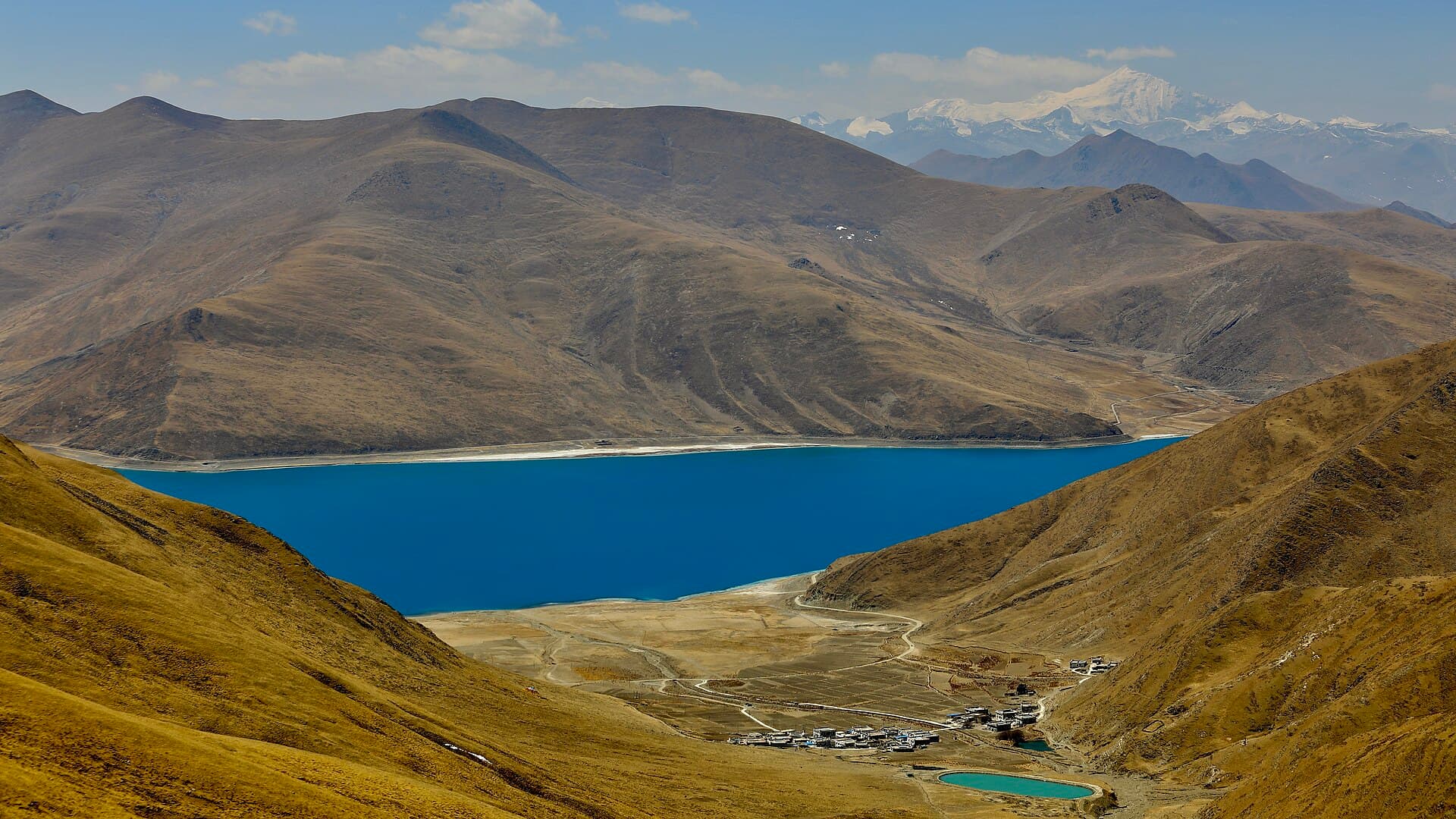
Water, too, is holy. Namtso, the "Heavenly Lake," and Yamdrok, the turquoise "scorpion lake," are both objects of pilgrimage as well as scenic wonders, ringed with prayer flags and cairns. Pilgrims perform koras around their shores, and for travelers they offer a chance to stand in immense, silent landscapes that feel charged with meaning.

Traveling Respectfully

A pilgrimage landscape asks something of its visitors. A few principles go a long way:

  • Walk clockwise at temples, stupas, mountains, and lakes, following the pilgrims.
  • Ask before photographing people, especially those praying, and follow your guide on interior photography, which is often restricted.
  • Move quietly and unobtrusively in chapels; do not touch statues, murals, or offerings.
  • Dress modestly, with shoulders and knees covered in religious sites, and remove hats indoors.
  • Receive, do not interrupt. These are places of active worship; the privilege is to witness, not to perform.

Approached with humility, Tibet's pilgrimage sites offer something rare in modern travel: contact with a sacred geography that is still fully alive. Whether you walk the Barkhor at dawn or dream of the long road to Kailash, these places are the spiritual heart of the plateau, and the deepest reason many travelers find Tibet unforgettable.

与我们一起规划您的西藏之旅

许可证全程办妥、本地向导、价格透明。告诉我们您的日期,我们将为您定制行程。

常见问题

A kora is a devotional circuit walked around a sacred place or object, such as a temple, stupa, mountain, or lake. Pilgrims walk it clockwise (followers of the older Bon tradition go counterclockwise), often spinning prayer wheels and reciting mantras. Joining a kora respectfully, in the same direction and with a quiet presence, is one of the most meaningful things a visitor can do.