High on the grasslands, Tibet's nomads have herded yaks for thousands of years. Their black tents, their animals, and their rhythms reveal a way of life shaped entirely by the plateau.
Across Tibet's vast highland grasslands live some of the highest-dwelling herders on Earth. Known as drokpa — roughly, "people of the high pastures" — Tibet's nomads have moved with their animals across the plateau for thousands of years. Their world of black tents, yak herds, and seasonal migration is one of the most distinctive ways of life anywhere, and understanding it adds real depth to any journey through Tibet.
Who are the drokpa?
The drokpa are Tibet's traditionally pastoral, herding population, distinct from the rongpa — the settled farmers of the river valleys. They make up a significant share of Tibetans, and in some highland districts they form the large majority. Many live and graze their herds at extraordinary altitudes, often well above 4,500 metres, on grasslands such as the immense Changtang in the north.
This is open, windswept, high country — too cold and dry for crops, but rich in summer grass. Where farming is impossible, herding is not just possible but ingenious.
The yak: wealth on four legs
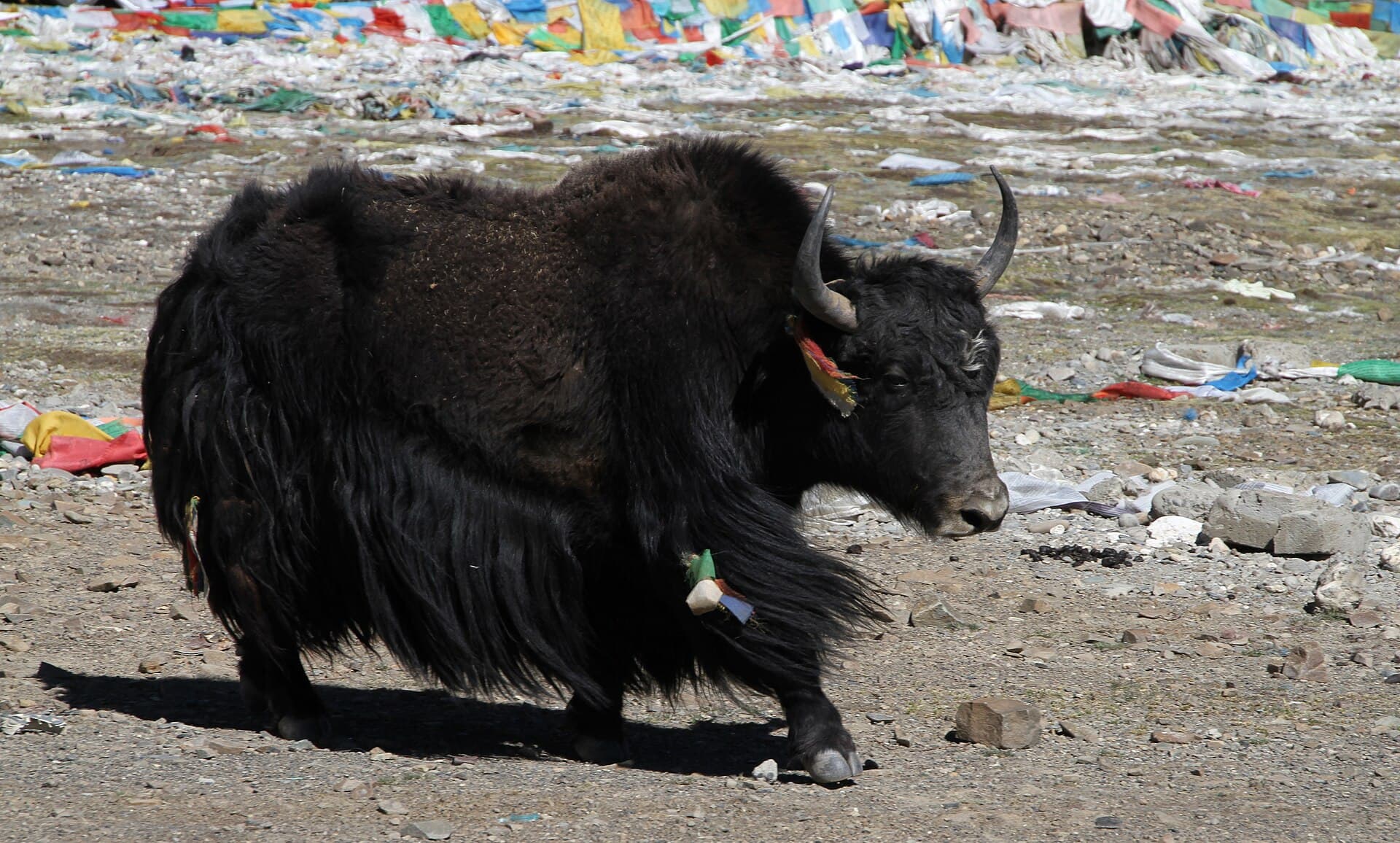
No animal is more central to nomad life than the yak. Superbly adapted to thin air and brutal cold, the yak makes highland herding viable at all. Its importance is captured in language itself: a common Tibetan word for yak, nor, also means wealth.
Yaks and their female counterparts (the dri) provide almost everything a household needs:
- Milk, churned into butter, cheese, and yogurt — staples of the nomad diet
- Meat and hides for food and clothing
- Hair and wool woven into ropes, blankets, and tents
- Transport, carrying loads across roadless terrain
- Fuel, in the form of dried yak dung, which burns where no firewood exists
Alongside yaks, many families also keep sheep and goats, spreading their resources and their risk.
The black tent: a home of yak hair
The iconic nomad dwelling is the ba — a black tent woven from yak hair. It is brilliantly suited to its environment:
- The dark, dense weave absorbs warmth from the sun while shedding rain and snow.
- Small gaps in the weave let smoke from the hearth escape while still keeping wind out.
- It can be taken down, loaded onto animals, and re-pitched as the family moves.
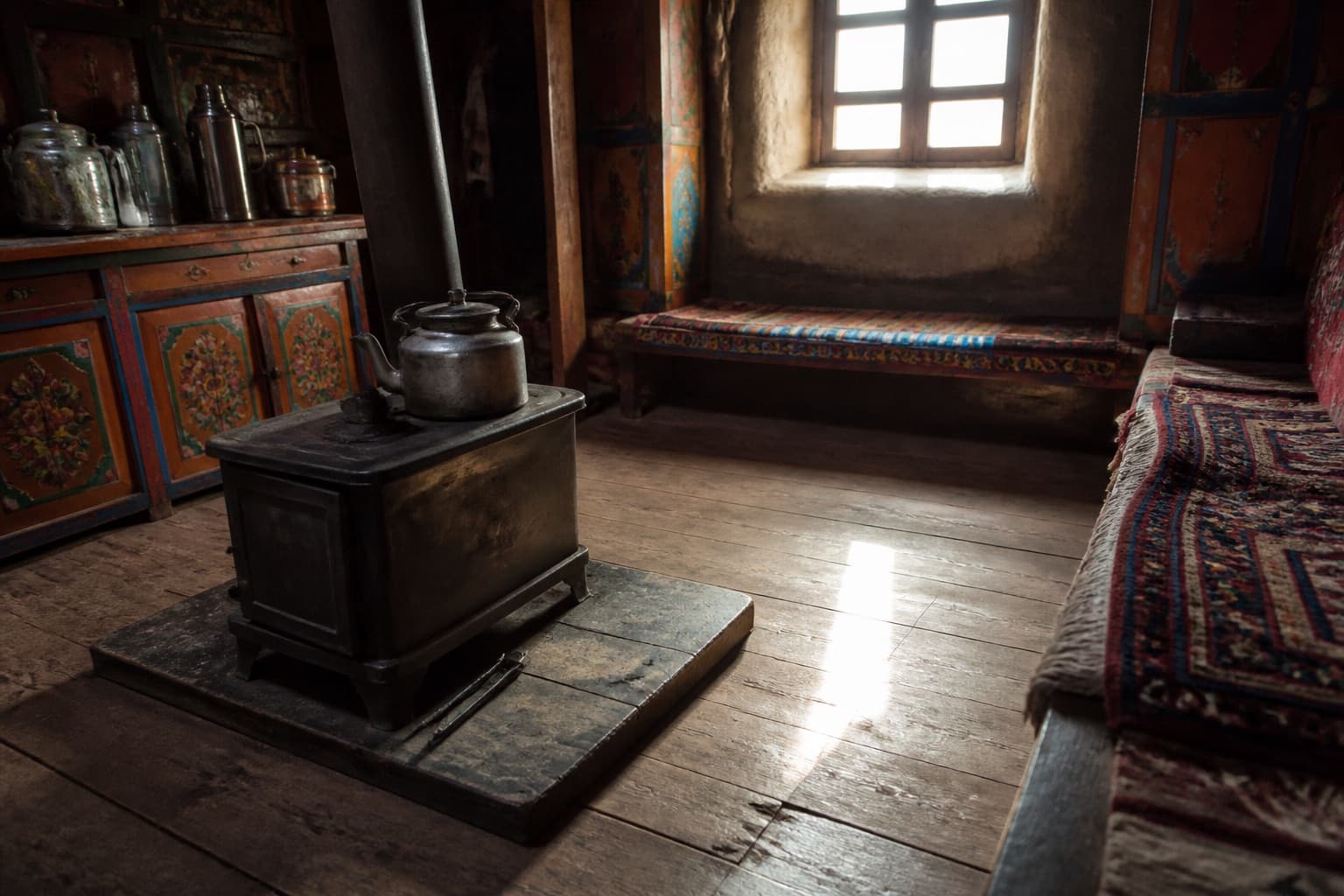
Inside, the ba is the warm center of family life — where butter is churned, meals are cooked, children are raised, prayers are said, and guests are welcomed. For all its simplicity, it is a complete and capable home.
A day in the life
Nomad days are full and finely divided. Much of the essential work of the household falls to the women, whose skill keeps the family fed and the tent running:
- Milking the yaks and sheep — often twice a day in summer, when the animals give most
- Churning butter and making yogurt and cheese from the rich milk of the dri
- Grinding barley, fetching and boiling water, and keeping the hearth alight
- Collecting dried yak dung for fuel, the lifeblood of cooking and warmth on a treeless plateau
Guarding it all is another iconic companion: the Tibetan mastiff. Famously brave and fiercely loyal, these big dogs watch over the herds and camp, and a good one is said to recognize hundreds of yaks and thousands of sheep on sight. Travelers should always give working mastiffs a wide and respectful berth.
A life that follows the grass
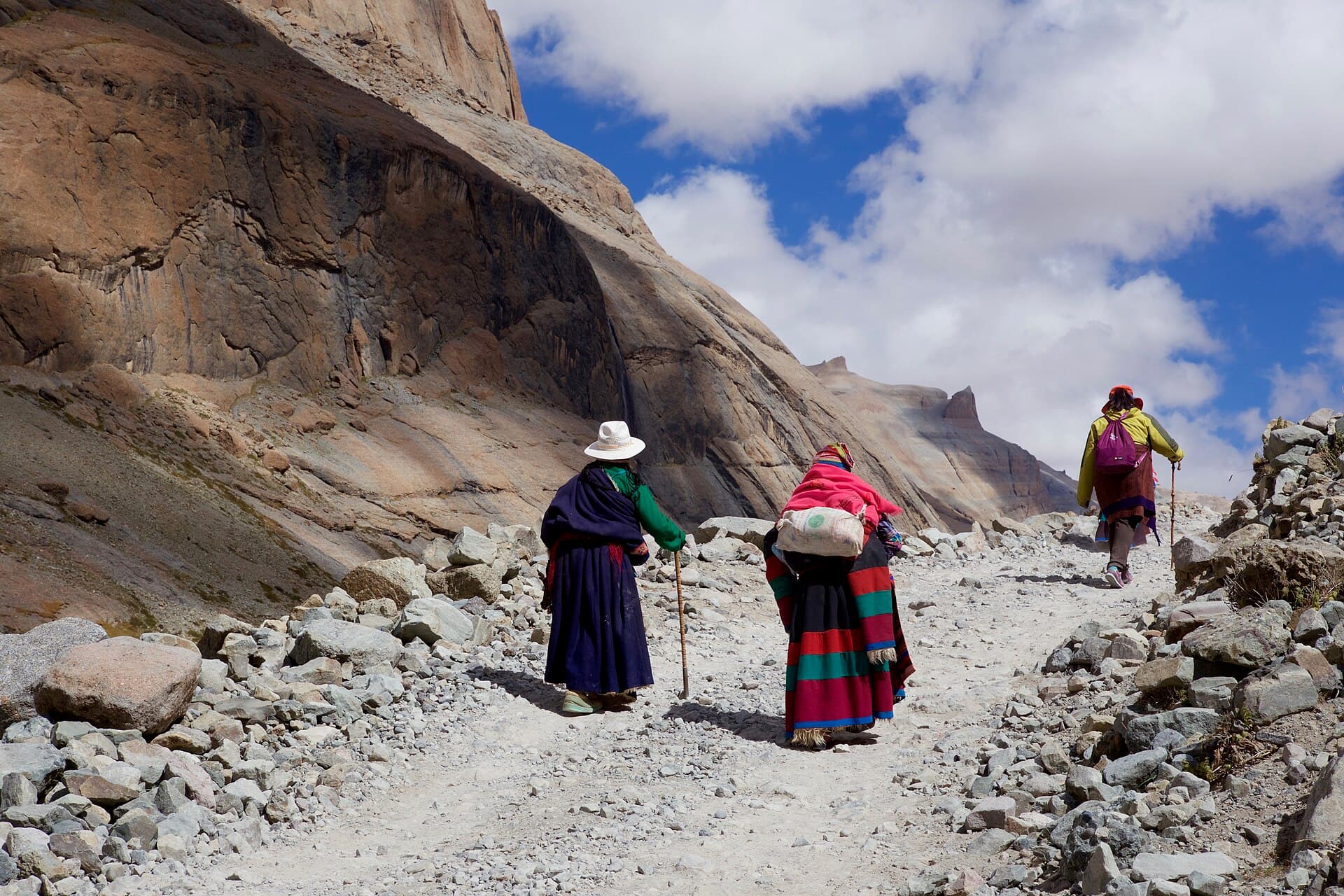
Nomadic life is governed by seasonal movement. Families shift their herds between pastures through the year, following the grass and the weather so that no single grassland is overgrazed. In warmer months the herds graze high summer pastures; as the cold sets in, families follow long-established routes down to lower, more sheltered winter ground. A move might be timed by the state of the pasture, the season, or knowledge passed down over generations.
Today many families practice a form of semi-nomadism — keeping a fixed winter home or settlement and moving out to the pastures mainly in the warmer months. This blend of rootedness and mobility is increasingly common, but the underlying logic endures: it lets people thrive on land that could never support permanent farms.
A changing world
Like pastoralists everywhere, Tibetan nomads live in a changing landscape. Roads, schools, healthcare, markets, and permanent housing have reached the grasslands, and many families now combine traditional herding with more settled living or send children to school in towns. The balance between old rhythms and new opportunities varies from family to family and place to place. What endures is a deep knowledge of the land and animals, carried across generations.
Encountering nomad culture as a traveler
Many overland routes in Tibet cross grasslands where you may see herds, tents, and grazing yaks, especially in the warmer months. A few courtesies go a long way:
- Ask before photographing people, tents, or animals — a smile and a gesture toward your camera is enough.
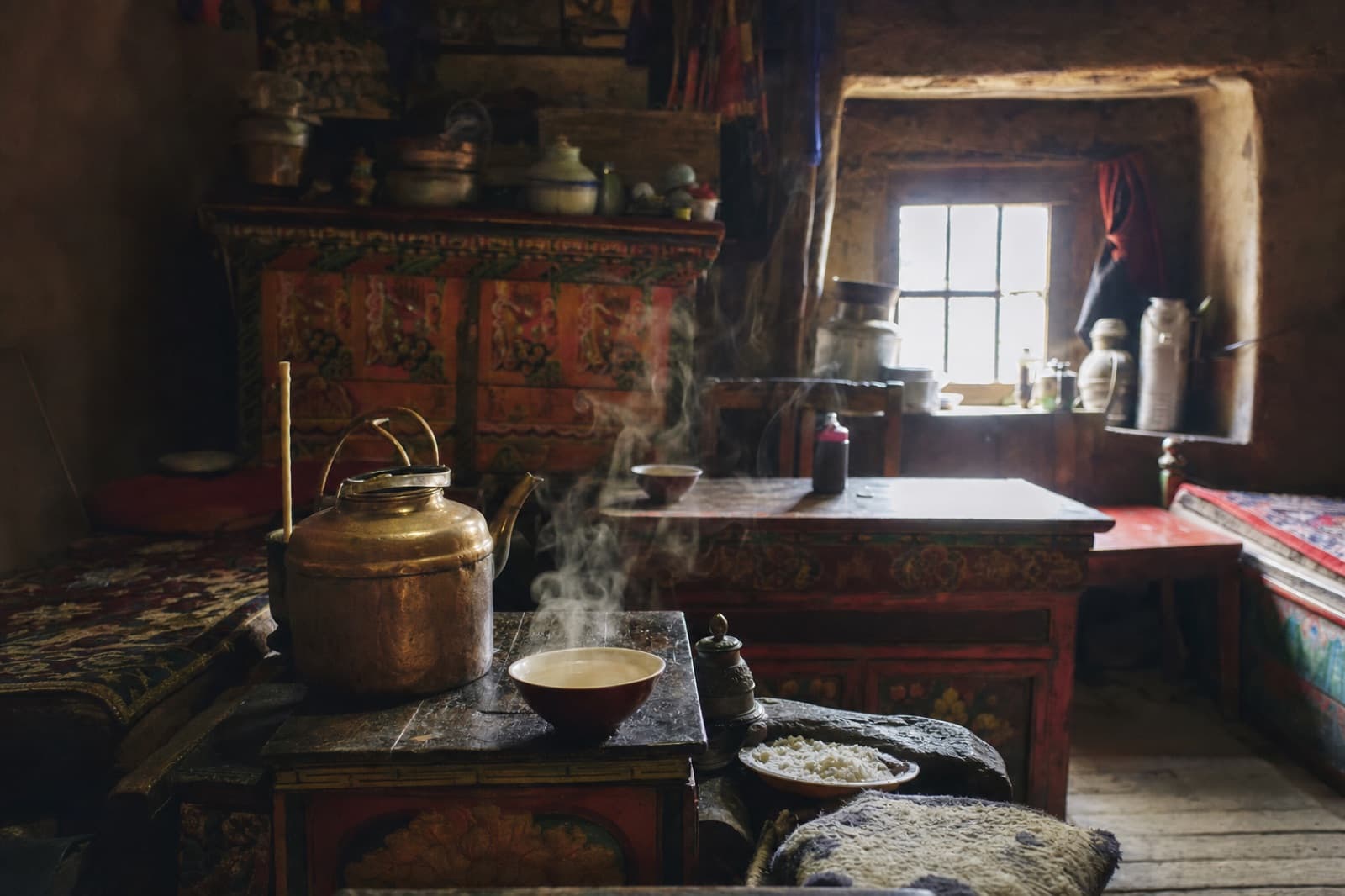
- Accept hospitality graciously. If you are offered butter tea, receiving it warmly is a kindness in return.
- Mind the animals and the land. Keep a respectful distance from herds and don't disturb working dogs.
- Let your guide interpret. They can bridge language and explain what you're seeing.
To travel through this landscape, explore our Tibet tours, many of which include long overland drives across the plateau, or see our destination guide to Lhasa as a starting point. For the food you'll encounter in herding country, our Tibetan food guide explains butter tea, tsampa, and more. Questions about routes and seasons? Just contact us. As an international visitor you'll travel with a licensed tour, a guide, and a Tibet Travel Permit we arrange — the setup that makes reaching these remote grasslands possible.
常见问题
They are the drokpa, Tibet's traditionally pastoral herders who live on the high grasslands, distinct from the settled valley farmers. They herd yaks, sheep, and goats, often at altitudes above 4,500 metres, and have done so for thousands of years.