Tibet Trails
定制我的行程
Do You Need a Guide for Tibet? Why Independent Travel Isn't Allowed
Permits·9 分钟阅读

Do You Need a Guide for Tibet? Why Independent Travel Isn't Allowed

Short answer: yes, you need a guide. Foreign travellers cannot explore Tibet independently. Here is exactly how the rule works, what a guide actually does, and why it is less limiting than it sounds.

If you have travelled widely with just a backpack and a map, Tibet asks you to do something different. Here, independent foreign travel is simply not permitted, and a licensed guide is part of every trip.

Let us be clear and practical about what that means, what your guide does, and why many travellers end up grateful for the arrangement.

The rule, stated plainly

Foreign travellers cannot visit the Tibet Autonomous Region on their own. To enter, you must:

  • Join an organised tour booked through a licensed travel agency.
  • Travel with a registered Tibetan guide for your trip.
  • Use a private vehicle and driver for journeys outside Lhasa.
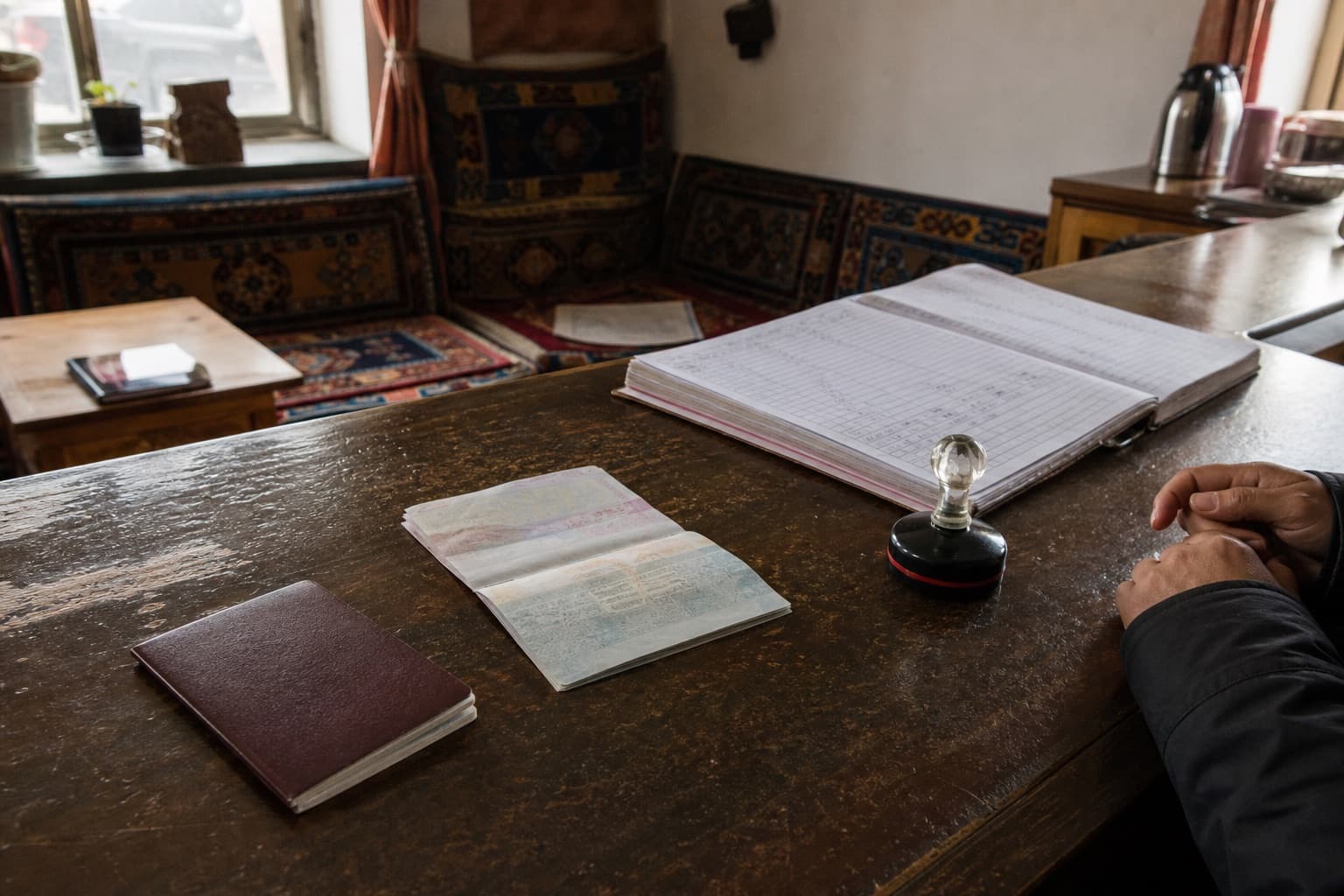
  • Hold a Tibet Travel Permit, which only an agency can obtain for you.

This applies whether you are a solo traveller or a couple; even a single person books what is effectively a private guided tour. The requirement is consistent and well established, so any operator promising fully independent foreign travel in Tibet should be treated with caution.

What a guide actually does

A good Tibetan guide is far more than a rule imposed on you. In practice they become the difference between seeing Tibet and understanding it.

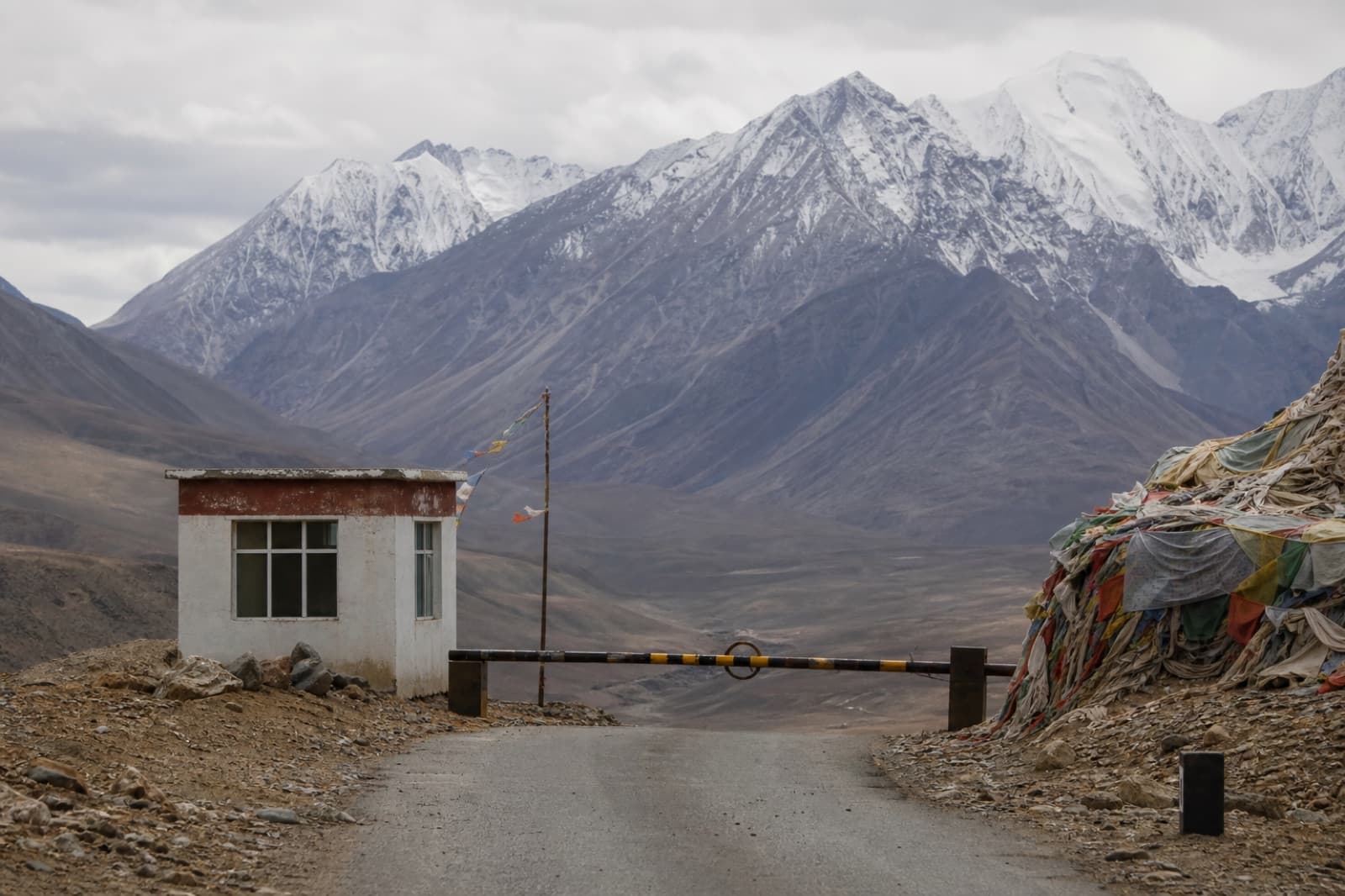
  • Permits and checkpoints: Your guide carries and presents the right documents at the road checkpoints you will pass, so you never have to navigate officialdom yourself.
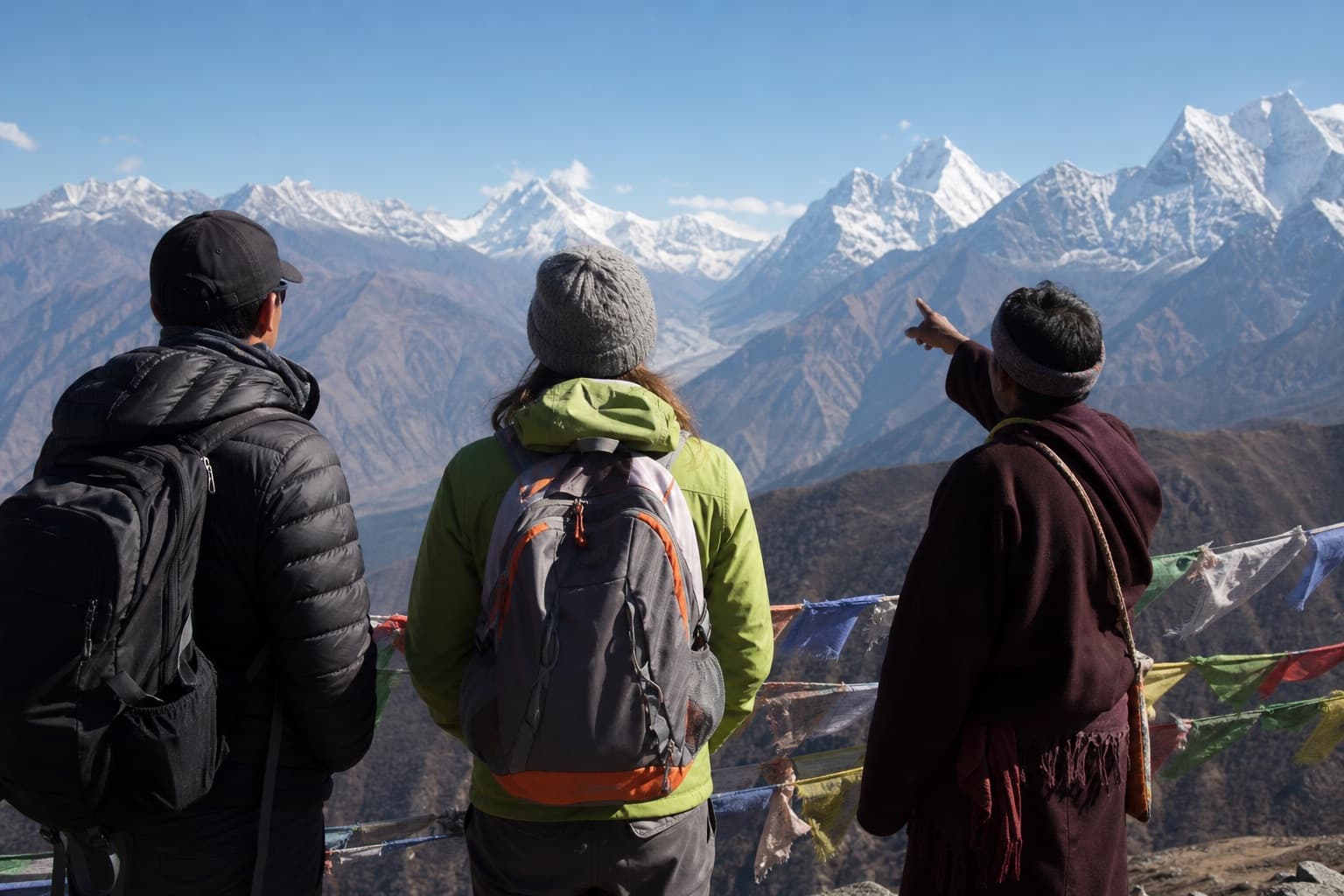
  • Access: Many monasteries and sites are easier to enter, and far richer to visit, with a knowledgeable local who knows the etiquette and the stories.
  • Language: Tibetan and Mandarin are the working languages on the ground. Your guide bridges every conversation, from ordering lunch to chatting with a pilgrim.
  • Culture and context: The meaning behind a mural, a prayer wheel or a festival is easy to miss alone. A guide turns scenery into significance.
  • Safety and altitude: Guides watch for signs of altitude sickness, adjust the pace, and know what to do if anyone feels unwell at height.

Why the arrangement is less limiting than it sounds

Travellers often arrive expecting to feel chaperoned, then realise the structure quietly removes most of the friction.

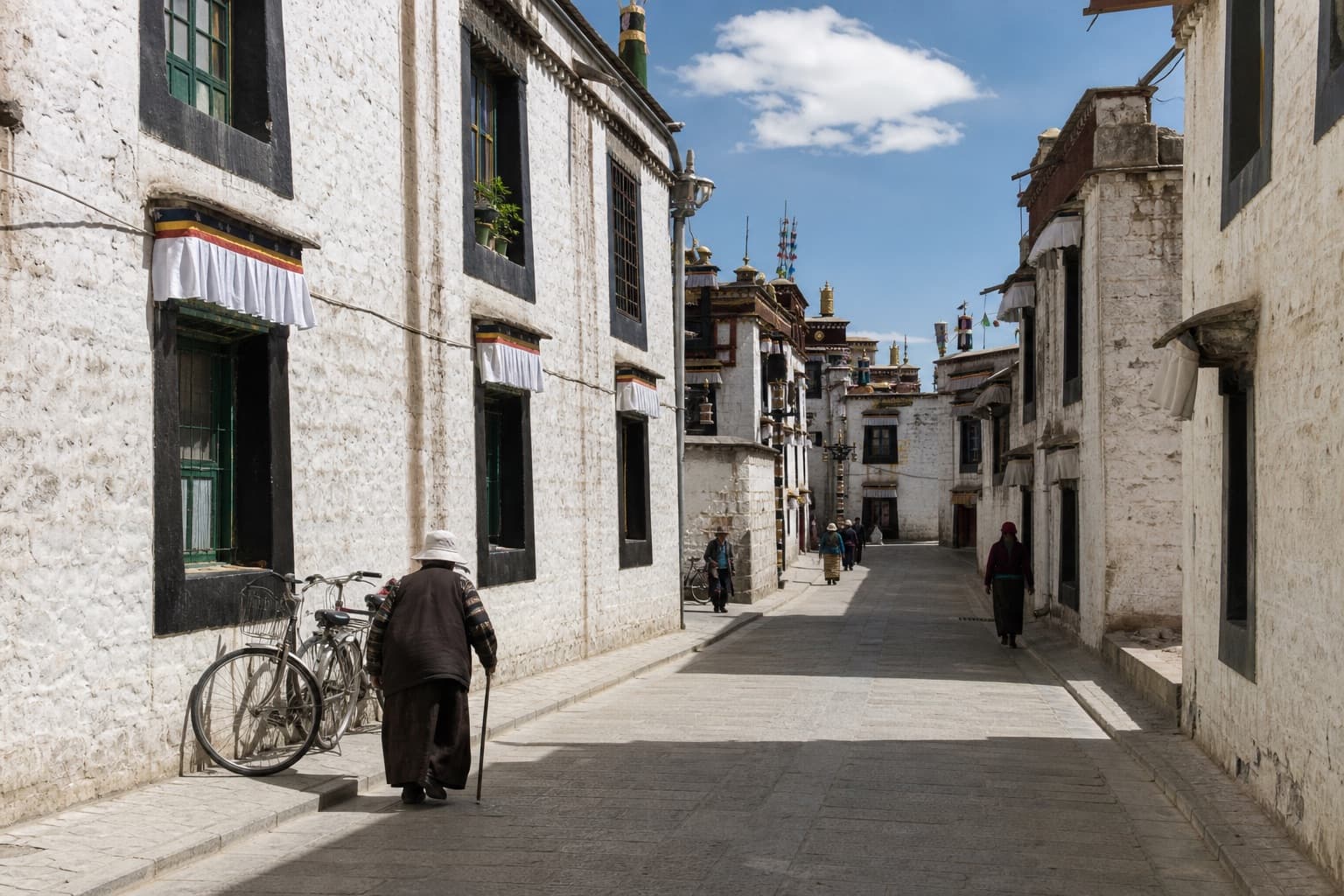
You are not herded through a fixed script. Itineraries are typically built around your interests, whether that is monasteries, mountain landscapes, photography or quiet time. Within Lhasa you can usually wander Barkhor Street, sit in tea houses and explore the city at leisure on your own; the guide accompanies you for ticketed sites and journeys beyond the city.

Because logistics are handled, you spend your attention on the place itself rather than on maps, tickets and translation apps. For a region this remote and high, that is a genuine luxury.

What a typical guided day feels like

It helps to picture the rhythm. A day on a guided Tibet trip is usually relaxed rather than regimented. You might start with a slow morning, meet your guide and driver, and travel to a monastery or viewpoint, pausing for photographs and questions along the way. Your guide explains what you are seeing, handles tickets and any checkpoints, and adjusts the pace to how you feel, which matters at altitude.

Meals are often a mix of guided recommendations and free choice, and evenings are frequently your own to rest or wander locally. Far from being shadowed every minute, most travellers find they have plenty of independent time, with the guide present where it genuinely adds value.

Drivers matter too

It is easy to focus on the guide and forget the driver, yet on longer routes they are just as important. Tibet's roads cross high passes and long, empty stretches, and an experienced local driver who knows the terrain, the weather and the conditions is a real safety asset. Together, your guide and driver form a small, capable team looking after your trip from start to finish, which is genuinely reassuring on long, remote days far from the nearest town or help.

A guide is not the same as a group tour

There is a common misunderstanding worth clearing up. "Guided" does not mean "large coach group". Your tour can be entirely private, just you, your guide and your driver, following an itinerary shaped to your pace. Small private and small-group formats are widely available, and they keep the experience personal while still meeting every requirement.

Permits go hand in hand with the guide

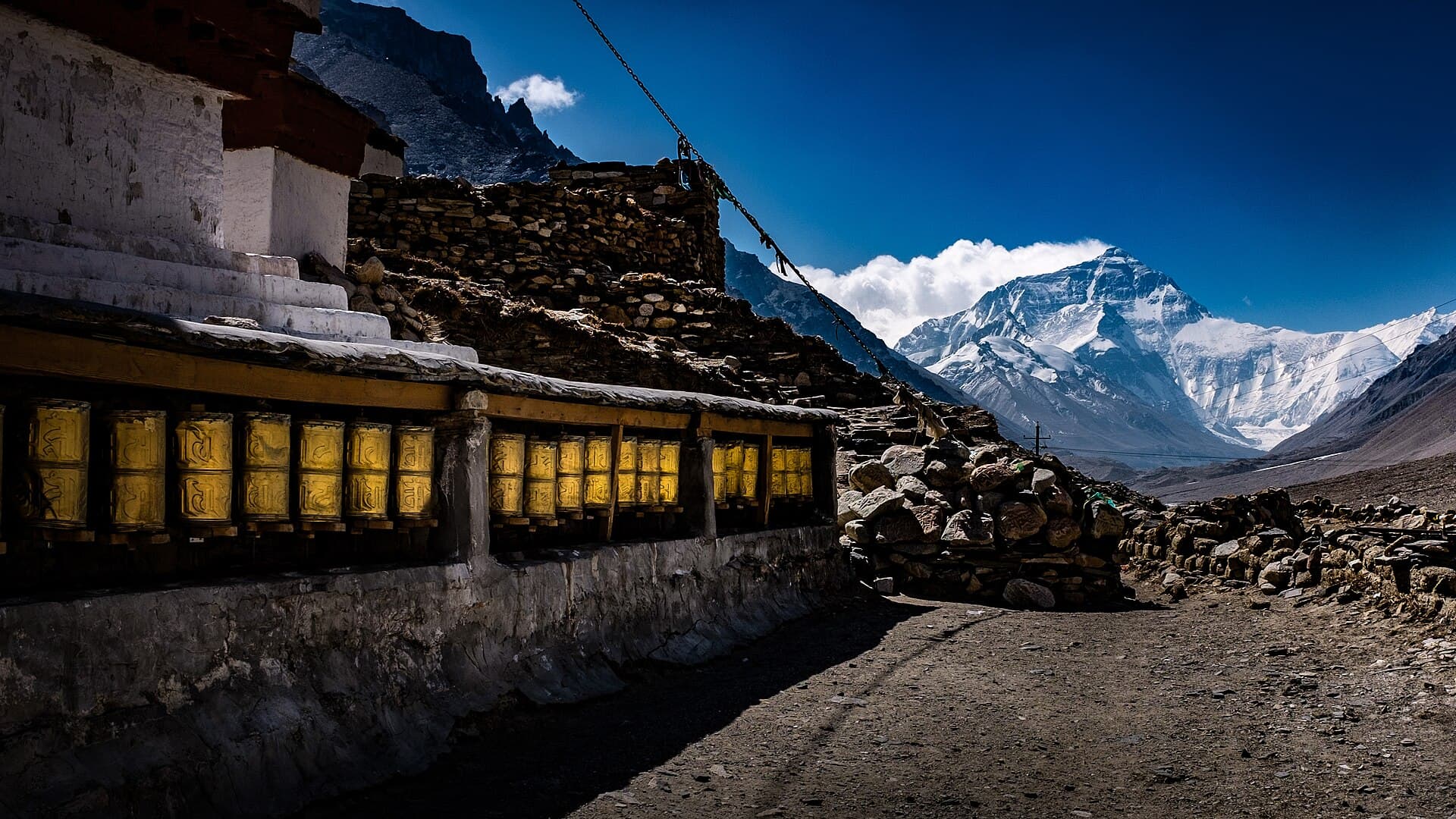
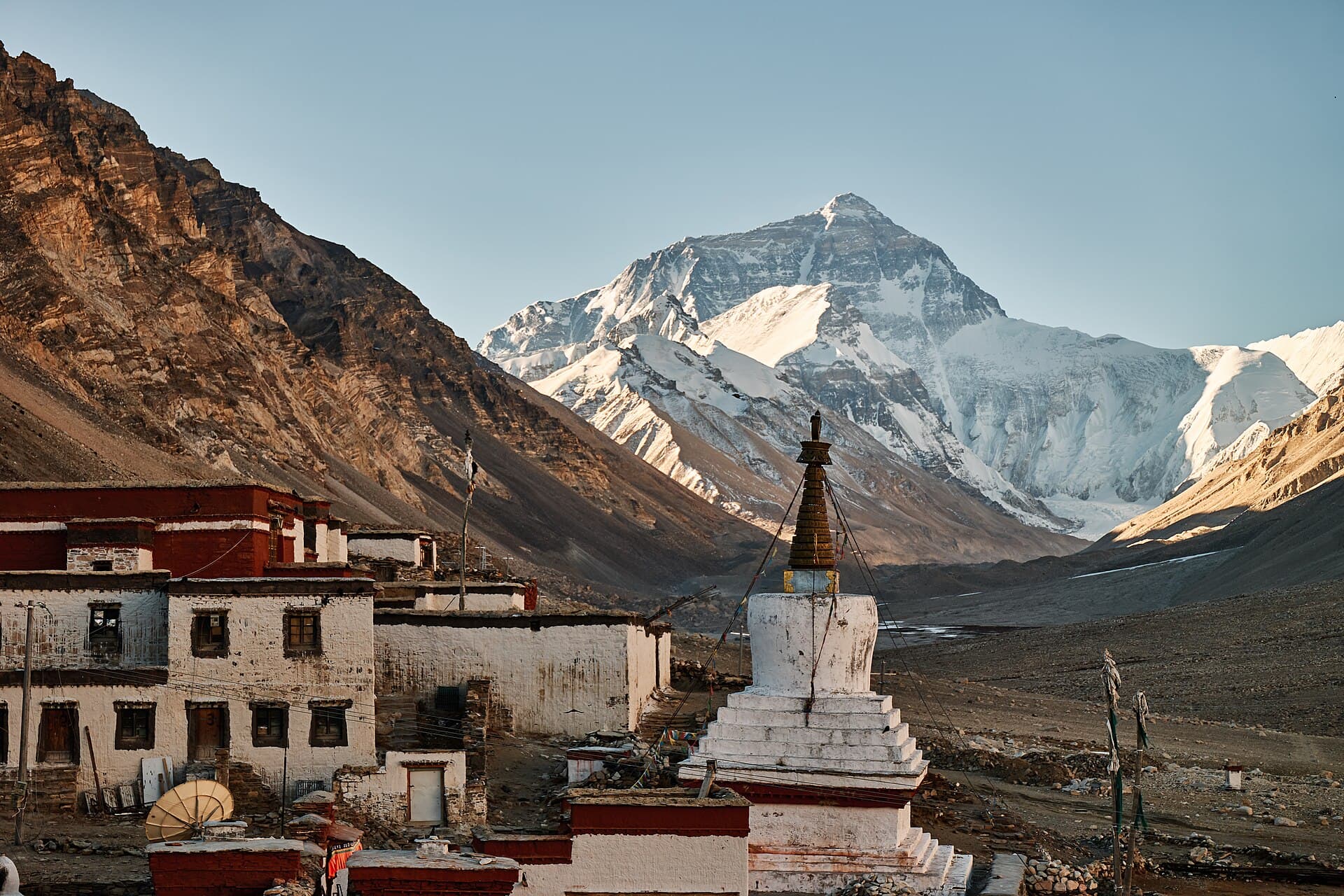
The guide requirement and the permit requirement are two sides of the same system. Your Tibet Travel Permit is arranged in advance by your agency, and additional permits are needed for areas beyond Lhasa, such as the route towards Everest Base Camp, or remote regions like Mount Kailash.

You do not handle any of this. You provide a clear scan of your passport and Chinese visa, and your operator assembles the correct documents for your exact route. Our Tibet Travel Permit guide explains the layers in detail.

How to choose well within the rules

Since a guide is mandatory, the quality of that guide matters enormously. When comparing operators, ask:

  • Are guides local Tibetans with real depth of knowledge?
  • Is the itinerary genuinely flexible to your interests?
  • Is the quote transparent, with permits, guide, driver and entries clearly included and no vague extras?
  • Are group sizes kept small?

The question is not really whether you need a guide, since you do. It is whether you choose a guide who makes Tibet come alive. That choice is entirely yours.

Understood this way, the guide is not a hurdle but one of the best parts of travelling here. Explore our Tibet tours to see how private, guided itineraries work, or reach out via contact with your questions.

与我们一起规划您的西藏之旅

许可证全程办妥、本地向导、价格透明。告诉我们您的日期,我们将为您定制行程。

常见问题

Yes. Foreign travellers must have a registered guide accompanying their tour throughout the Tibet Autonomous Region, along with a private vehicle and driver outside Lhasa. Within Lhasa you can typically explore streets, markets and tea houses on your own, but ticketed sites and journeys beyond the city require your guide to be present.