The classic Tibetan treks compared — Ganden to Samye, Tsurphu to Yangpachen, Everest and the Kailash kora — plus the permits, the season, and how camping-based trekking here differs from Nepal.
Quick answer: Trekking in Tibet is camping, not teahouse walking — there is no Nepal-style lodge network, so every route runs with a guide, pack animals or a support vehicle, and your own tents. The classic routes are Ganden to Samye (four days), Tsurphu to Yangpachen (three to four), Old Tingri to Everest Base Camp (three to four) and the Mount Kailash kora (three). The season is late April to early June and mid-September to late October, and the difficulty is almost entirely about altitude rather than technical ground.
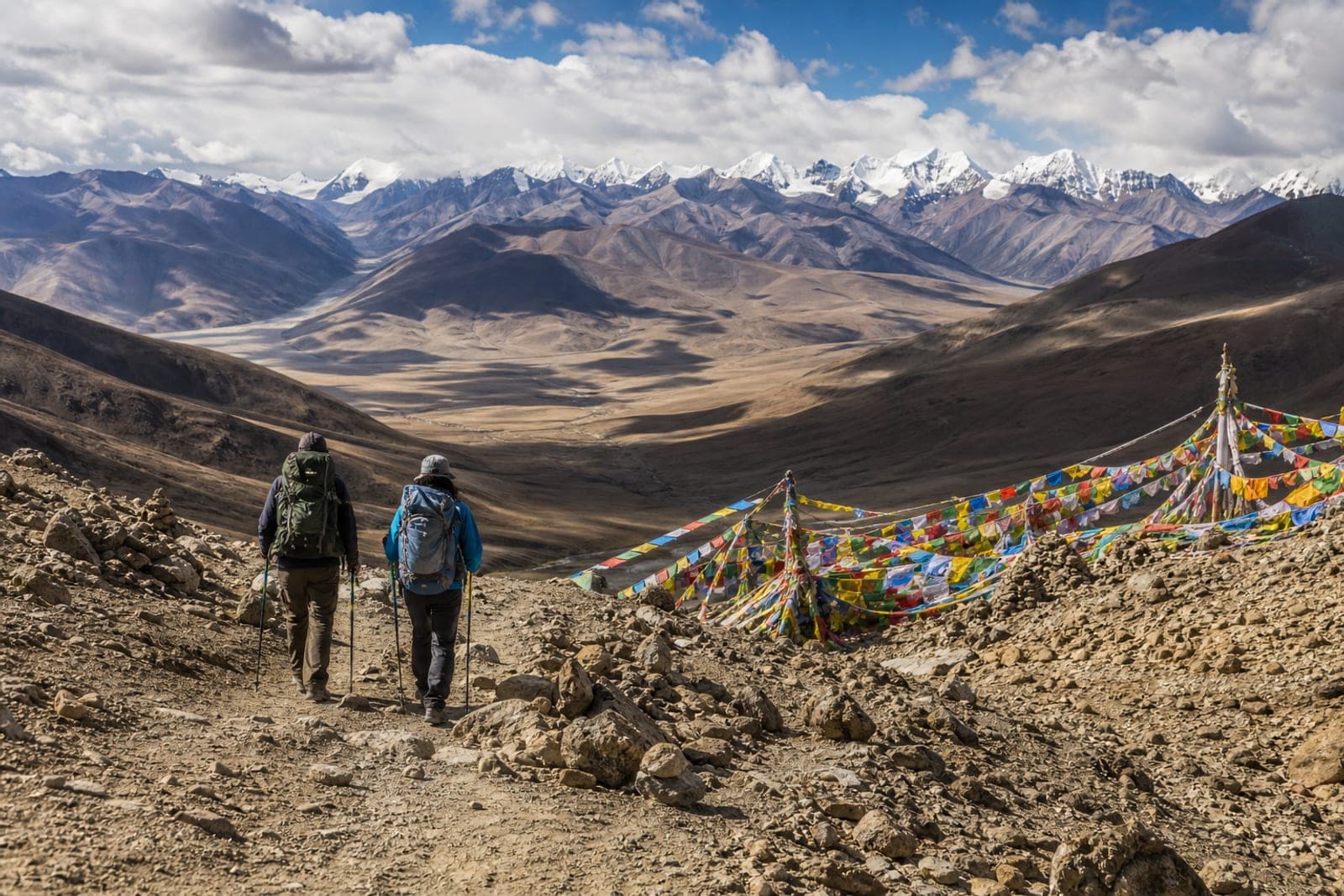
People arrive expecting Tibet to be like the Annapurna Circuit with better monasteries. It is not. There are no lodges, no menu boards, no steady stream of other walkers to follow. What there is instead is genuine emptiness: multi-day routes where you cross 5,000-metre passes, camp beside a stream, and meet nomads rather than trekking groups.
That emptiness is the appeal and it is also the reason trekking here needs more organisation than it does next door.
The rules, first
Foreign travellers cannot trek independently in Tibet. The same framework that governs the rest of your trip applies on the trail: you travel with a licensed agency, a guide accompanies you, and your route determines which permits you need. Beyond the Tibet Travel Permit itself, trekking areas outside Lhasa need an Alien's Travel Permit, and anything towards Kailash and the far west needs a Military or Restricted Area Permit as well. Those restricted-route permits take considerably longer to arrange — plan around a month rather than a fortnight.
The practical implication is that there is no such thing as deciding to go for a walk once you are there. The route is fixed at booking, because the paperwork is fixed at booking.
The classic routes
Ganden to Samye — the one most people mean
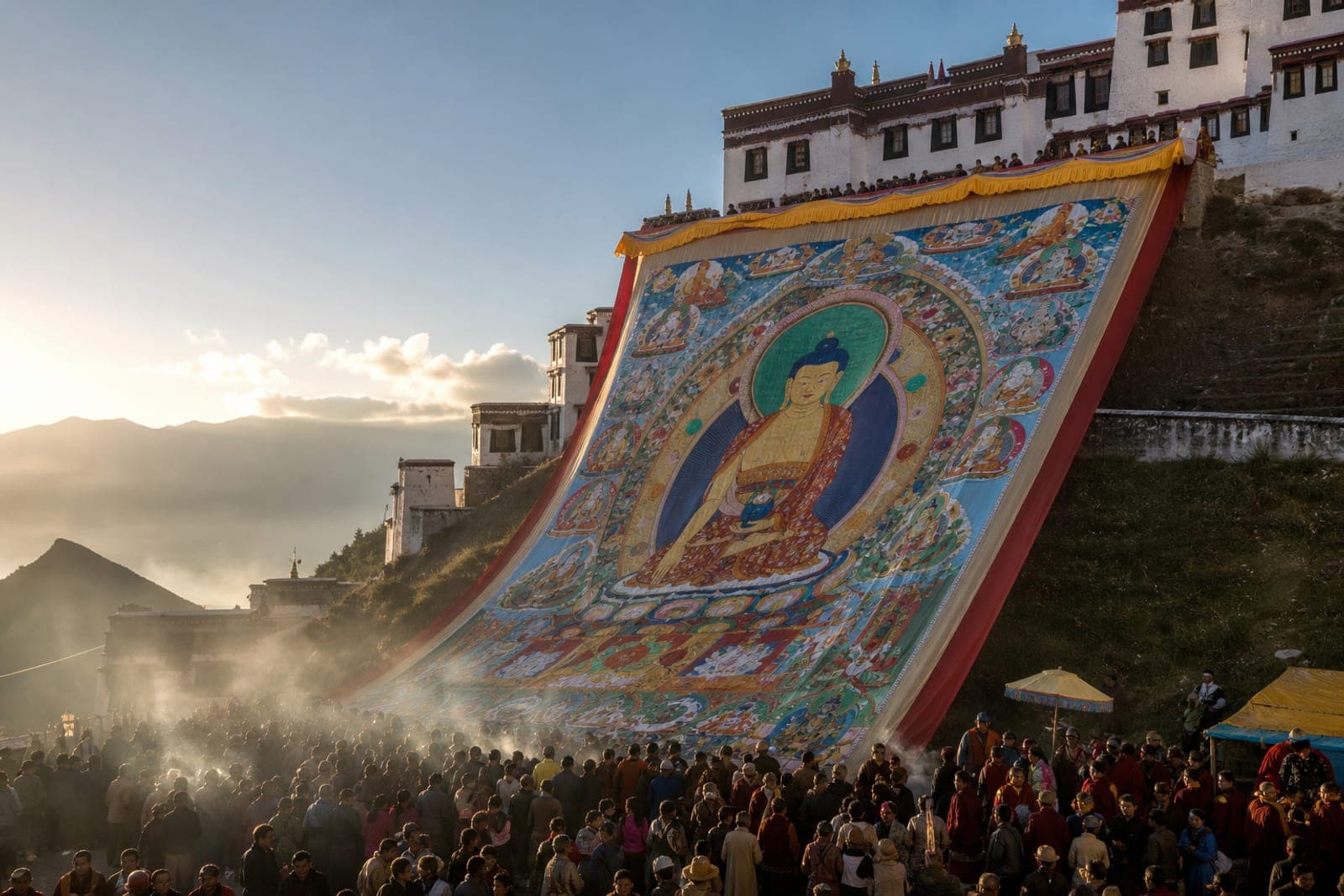
Roughly 80 kilometres over four days, linking two of the most significant monasteries in Tibetan Buddhism. You start high at Ganden, above 4,500 metres, cross the Shug-la at around 5,250 metres and the Chitu-la shortly after, then descend steadily through grazing valleys to Samye at about 3,600 metres.
It is the best-known trek in Tibet for good reason: the walking is not technical, the arc from monastery to monastery gives the days a shape, and the descent means you finish lower than you started. It still asks a lot. Two passes above 5,000 metres in four days demands that you arrive properly acclimatised.
Tsurphu to Yangpachen
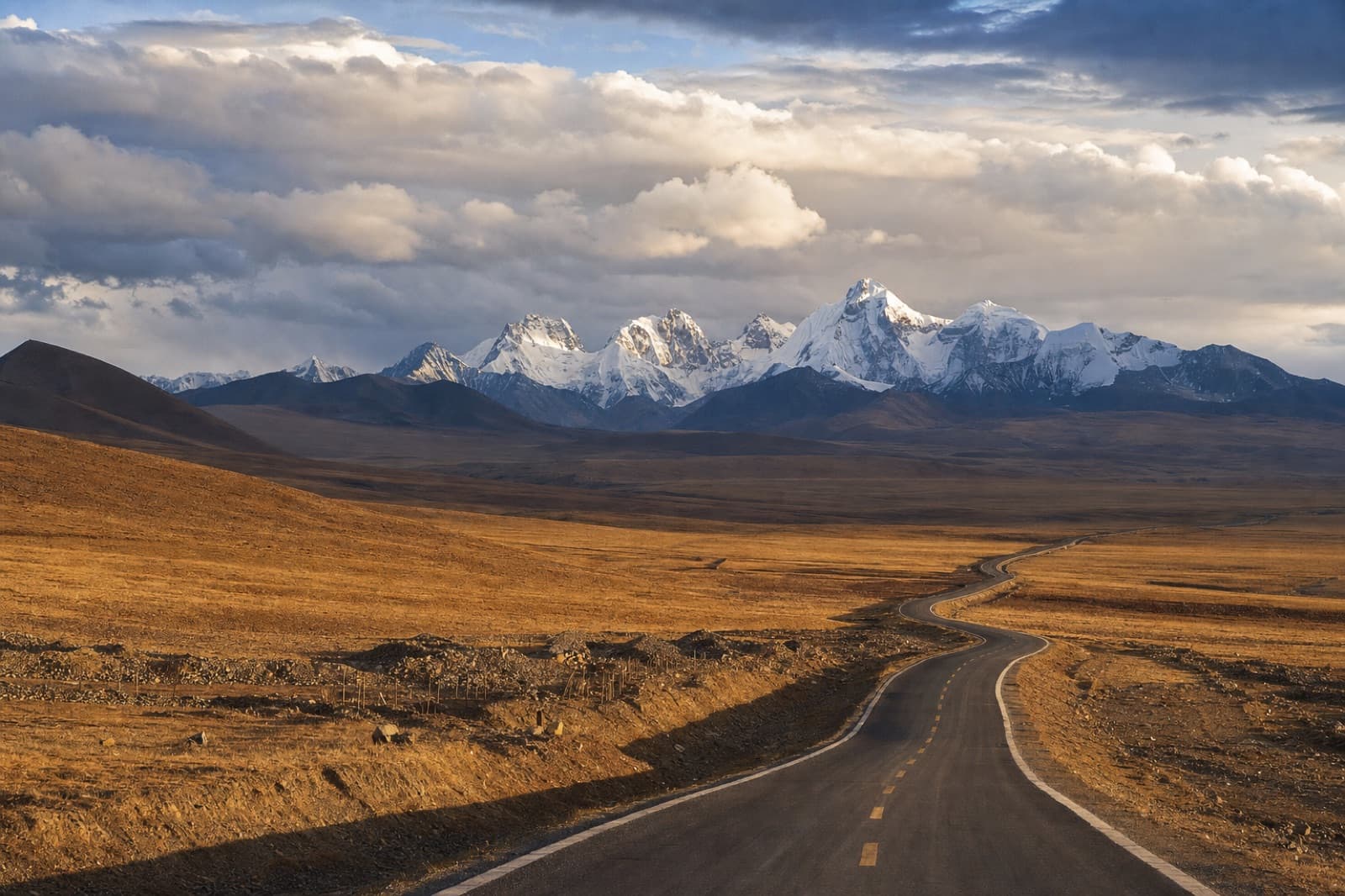
Three to four days, around 60 kilometres, crossing the Lasar-la at roughly 5,300 metres. Higher and emptier than Ganden–Samye, spending more time on open nomad pastureland and less on established path. It starts close to Lhasa, which makes it easy to fit into an itinerary, and finishes near the Yangpachen hot springs.
Old Tingri to Everest Base Camp
Three to four days approaching the north face on foot rather than by vehicle, crossing the Lamna-la at about 5,200 metres and arriving at Rongbuk with the mountain in front of you the whole final day. For anyone who finds the drive-in version of Everest Base Camp too easy, this is the answer.
The Kangshung — Everest's east face
The serious option: eight to ten days from the Kharta valley over the Langma-la, into a green, glaciated valley that almost no one sees, beneath the least-visited face of Everest. Longer, wetter and considerably harder than anything else on this list, with real weather risk. Worth it if you have the days and the legs.
The Mount Kailash kora
Fifty-two kilometres in three days around the most sacred mountain in Asia, over the Drolma-la at 5,630 metres — the highest point most trekkers in Tibet will ever stand on. Simple accommodation exists in guesthouses along the way, which makes it the one route that is not a camping trip. It is short but it is not easy, and it sits at the end of a long overland journey. See the Kailash pilgrimage guide.
Shalu to Nartang
Two to three days near Shigatse, under 4,300 metres for most of its length, following an old trade path between two monasteries. The obvious choice if you want a taste of trekking without committing your whole trip to it, or if a group has mixed fitness.
At a glance
| Route | Days | Max altitude | Difficulty |
|---|---|---|---|
| Shalu – Nartang | 2–3 | ~4,300 m | Easy |
| Ganden – Samye | 4 | ~5,250 m | Moderate |
| Tsurphu – Yangpachen | 3–4 | ~5,300 m | Moderate |
| Old Tingri – Everest BC | 3–4 | ~5,200 m | Moderate |
| Kailash kora | 3 | 5,630 m | Moderate–hard |
| Kangshung / east face | 8–10 | ~5,330 m | Hard |
When to go
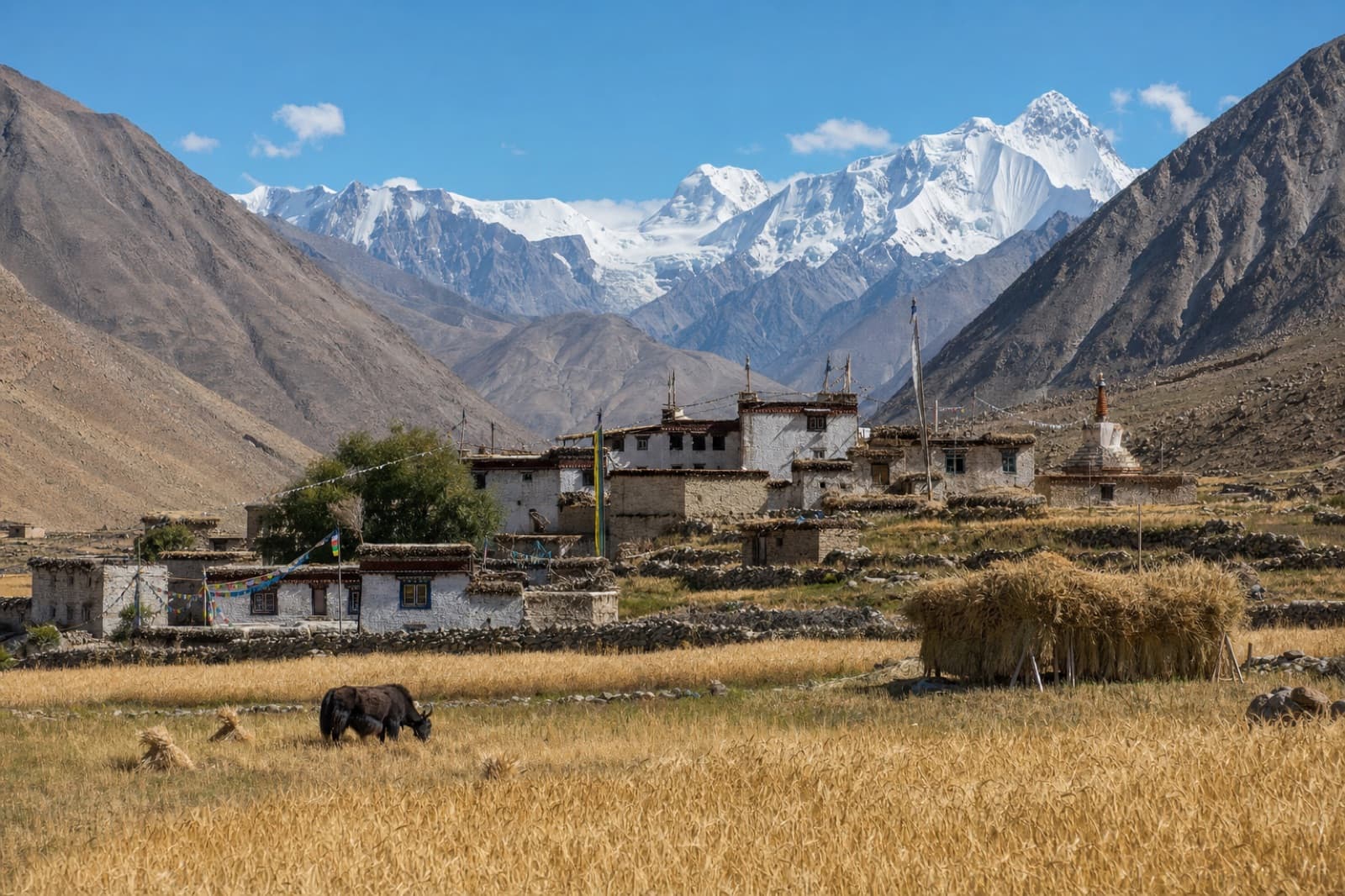
Two windows work well. Late April to early June gives you dry, stable weather, clear mountain views and cold nights. Mid-September to late October is the connoisseur's season: the light is at its best, the air is at its clearest, and the crowds of the summer have gone, at the cost of steadily colder nights as October runs on.
July and August are warmest and greenest, but the monsoon reaches the southern and eastern Himalaya, which means cloud on the peaks and mud on the trail. Winter trekking at these altitudes is for expeditions, not holidays. The month-by-month detail is in best time to visit Tibet.
How a trek is actually supported
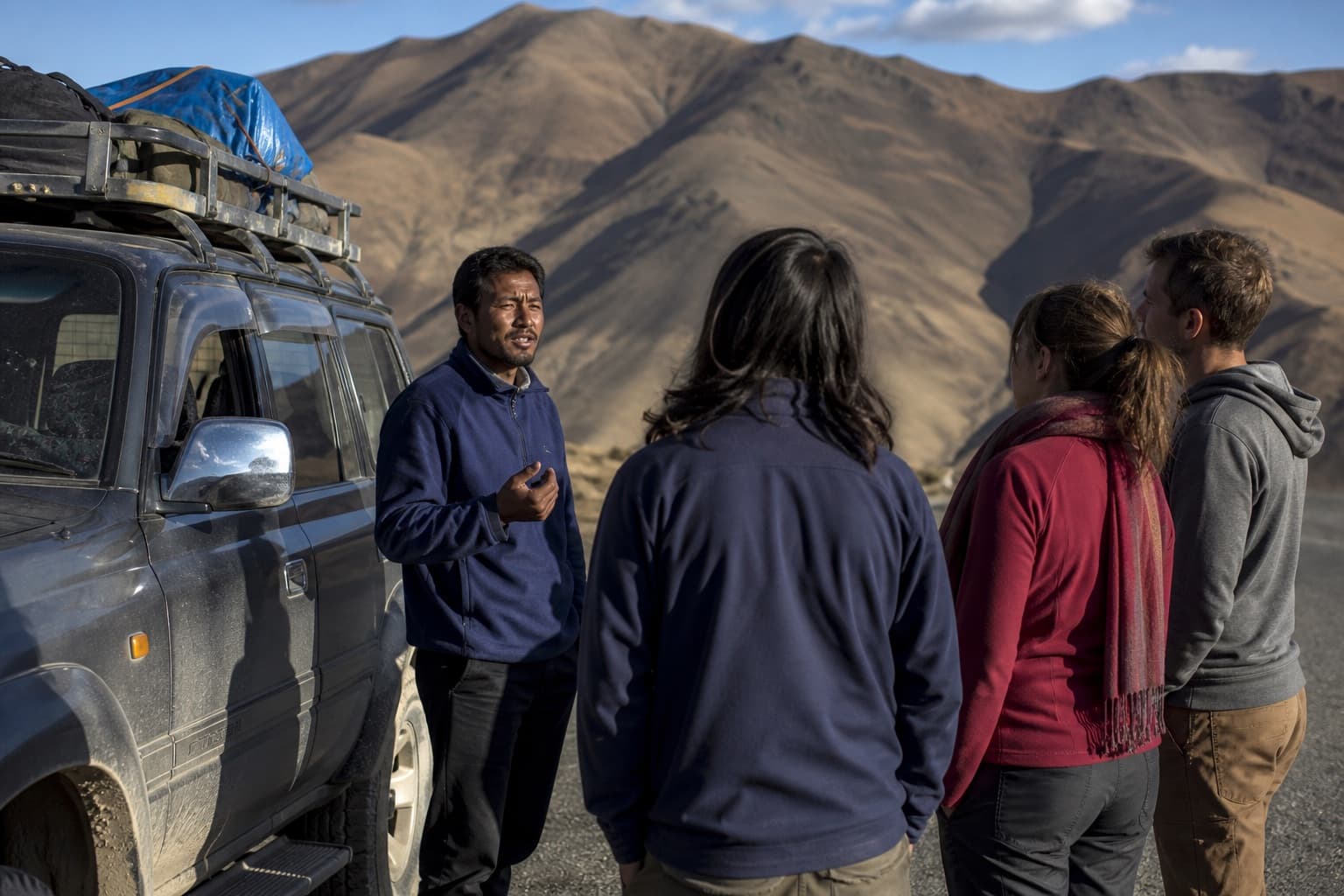
Pack animals — yaks or horses with their herders — are hired at the trailhead and carry the group's tents, food and heavy gear. You walk with a daypack. A support vehicle usually meets the route wherever it touches a road, carrying the duffels you do not need on the trail. Your guide walks with you and a cook travels with the group on the longer routes.
Bring your own boots, sleeping bag and layers; tents, mats and cooking equipment come with the trip. There is nowhere to buy anything once you start, and nothing to top up with, so what leaves the trailhead is what you have.
Fitness, and the thing that actually decides it
You do not need technical skill for any route above. What you need is the ability to walk five to seven hours a day, on uneven ground, on roughly half the oxygen you are used to.
That last part is the whole story. A strong runner who flew into Lhasa yesterday will struggle over the Shug-la; a moderately fit walker who has spent four days at altitude first will be fine. Build acclimatisation into the itinerary before the trek begins, not into the trek itself — see the acclimatisation plan and read up on altitude sickness before you commit.
Two practical notes that follow from it. Descent is the treatment for altitude illness, and on a trek descent means walking or riding out, which takes hours rather than minutes — so we plan routes with evacuation points and we take symptoms seriously early. And no trek should start within the first three days of arriving on the plateau, whatever the calendar says.
Is it right for your trip?
Trekking suits people who want the plateau at walking pace and are content to trade comfort for space. If you want monasteries, lakes and Everest from a vehicle with a hot shower at the end of each day, a standard tour will make you happier, and there is no shame in it.
If it does appeal, tell us how many days you have and how much altitude you have handled before, and we will tell you which of these routes is honest for your trip. Start with a message.
Plan your Tibet trip with us
Permits handled, local guides, transparent pricing. Tell us your dates and we will send a tailored itinerary.
FAQs
No. Foreign travellers trek with a licensed agency and a guide, and the route determines which permits are required — an Alien's Travel Permit for areas outside Lhasa, and a Military or Restricted Area Permit for Kailash and the far west. Because the paperwork is fixed at booking, so is the route.