Tibet Travel FAQ: Permits, Cost, Timing & Safety (2026)
Quick, honest answers to the most common Tibet travel questions, from permits and cost to timing, altitude, and safety, with links to our in-depth planning guides.
This FAQ answers the questions travelers ask us most before planning a trip to Tibet, covering permits, cost, timing, altitude, and safety in short, honest terms. Each answer links out to a fuller guide where there is more to say.
Yes, and you actually need two documents. First, you need a Chinese visa (or a Group Tourist Visa if you enter overland from Nepal) to enter China. On top of that, every foreign visitor needs a separate Tibet Travel Permit to enter the Tibet Autonomous Region. The permit is not the same as your visa and must be arranged in advance through a licensed agency.
No. The Tibet Travel Permit can only be applied for by a licensed Tibetan travel agency, and only after you have booked an organized tour with them. There is no way to obtain it independently, on arrival, or online by yourself. We handle the entire permit application for you once your itinerary and passport details are confirmed.
Group tours generally run from about USD 990 to 2,350 for 8 to 14 days, which works out to roughly USD 150 to 300 per person per day. That price typically bundles the Tibet Travel Permit, a licensed English-speaking guide, private transport, accommodation, and sightseeing entrance fees. Flights or train tickets to your gateway city, your visa, most meals, and tips are usually extra. See our full Tibet travel cost breakdown.
For most first-time visitors, 6 to 8 days is the sweet spot. Lhasa alone deserves 4 to 5 days to acclimatize and see the highlights, an Everest Base Camp trip needs 8 days minimum, adding Namtso pushes it to 8 to 10 days, and the Mount Kailash pilgrimage requires 14 days or more. Our guide on how many days in Tibet maps out each length.
April to June and September to October are the best windows, offering clear skies, mild days, and excellent mountain visibility. Summer is greener but wetter, and winter is quiet, sunny, and cheap if you focus on Lhasa. Note that Tibet is usually closed to foreign tourists for a short period in late winter. Our best time to visit Tibet guide goes month by month.
Yes, Tibet is open to foreign tourists for most of the year. The main exception is periodic short closures, usually around February to March, when no permits are issued and the exact dates vary year to year. Because the timing changes and is often announced with little notice, we confirm the current status for your travel dates before you commit to flights.
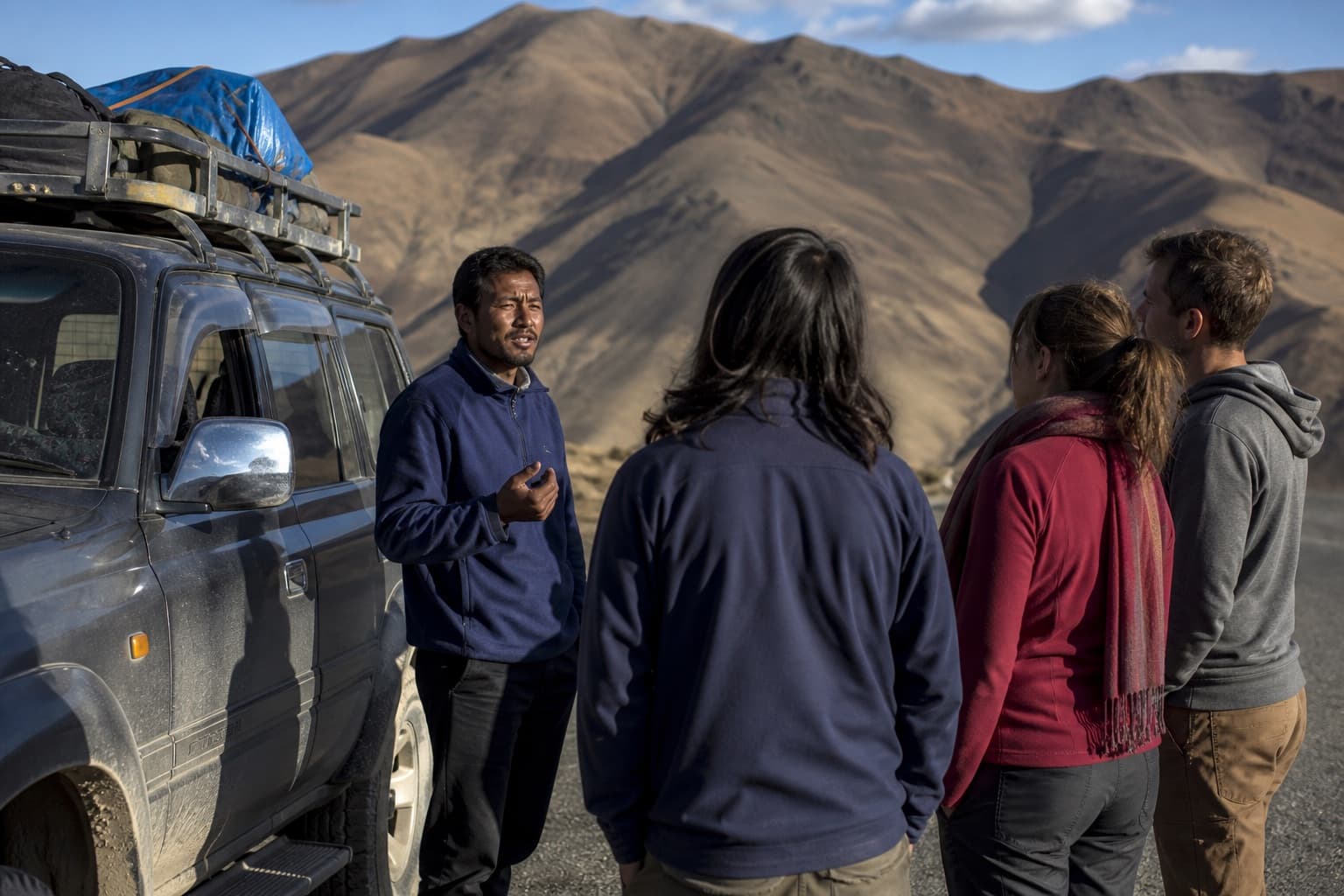
Yes. Traveling with a licensed guide is a legal requirement for foreign visitors throughout Tibet, and independent travel is not permitted. Your guide accompanies you on the itinerary, handles checkpoints and additional area permits, and is trained to watch for altitude symptoms. This guided structure is built into every tour rather than being an optional add-on.
Yes. From Tibet you reach the north face of Everest, driving to Base Camp near Rongbuk Monastery at roughly 5,200 metres rather than trekking for days. The route runs overland from Lhasa via Gyantse and Shigatse, gaining altitude gradually, and requires an additional permit that your guide arranges. Unlike the Nepal side, no multi-day hike is needed to reach the Tibet base camp.
From mainland China you can fly or take the train: Chengdu is the most popular flight gateway at about 2.5 hours, and the Qinghai-Tibet railway runs from Xining, Beijing, and other cities. From Kathmandu you can fly directly to Lhasa or travel overland across the Himalayas via the Gyirong border, which requires a Group Visa issued in Kathmandu. See our how to get to Tibet guide for full details.
Yes. Lhasa sits at 3,656 metres and much of the plateau is higher, so most visitors feel some mild effects, such as a headache or breathlessness, in the first day or two. It is very manageable: our itineraries are deliberately paced to acclimatize gently, oxygen is carried, and serious cases are rare when you ascend sensibly. Our altitude sickness guide explains prevention in depth.
In practical day-to-day terms, Tibet is very safe, with low crime and welcoming local people. The real constraints are not personal safety but the permit system, the requirement to travel with a guide, and the altitude. As long as you book through a licensed agency and pace yourself for the elevation, the main things to plan around are logistical rather than dangerous.
Book at least 3 to 4 weeks ahead so there is time to process your Tibet Travel Permit, which needs your passport and Chinese visa details in advance. For peak-season travel in May, June, and October, and especially for the Mount Kailash trip, book earlier still, since permits, trains, flights, and the best hotels all sell out. Earlier booking also gives you more flexibility around any late-winter closure.
The Tibet side gives you the drivable north face: you reach Base Camp at around 5,200 metres by vehicle, with no trek required, so it suits travelers short on time or who would rather not hike for days. The Nepal side is the classic multi-day trek to the south base camp, a serious walk that rewards trekkers. Our Tibet vs Nepal vs Bhutan guide compares the wider trade-offs.