What a ticket to Lhasa costs, when the booking window opens, why foreign travellers cannot simply buy one online, and the permit rule that stops people boarding.
Quick answer: Tickets for trains to Lhasa are released roughly two weeks before departure and the popular summer services sell out within minutes. Foreign travellers cannot simply buy one online — and no ticket lets you board without your original Tibet Travel Permit in hand. In practice your agency queues for the ticket the moment the window opens. Budget roughly CNY 800 for a soft sleeper from Xining and CNY 1,200 from Beijing.
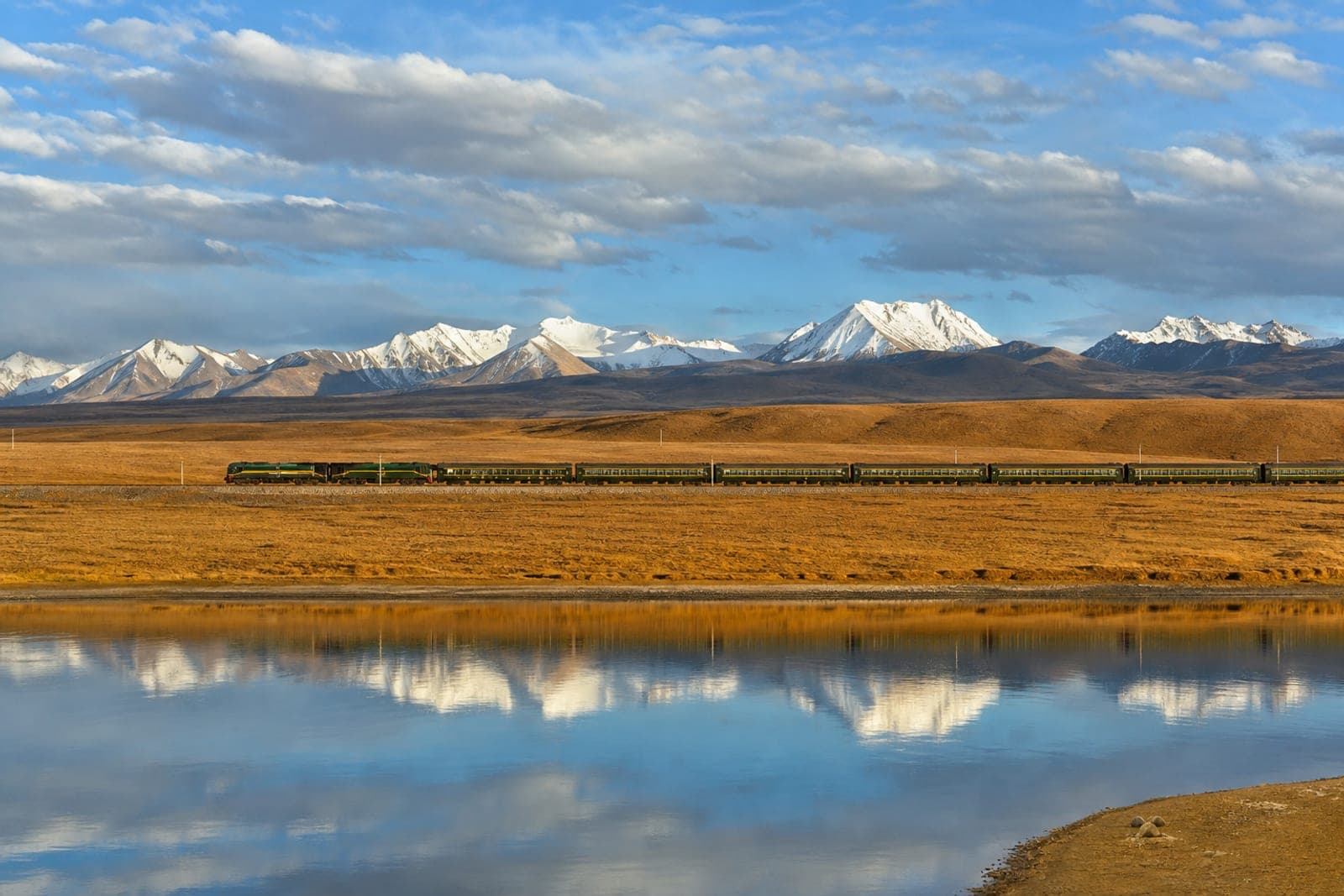
Almost everything written about the Qinghai–Tibet railway is about the view. Very little is about the part travellers actually struggle with, which is getting hold of a ticket. The route is spectacular, but the ticketing system behind it is a Chinese domestic one that was never designed with foreign visitors in mind, and it has two hard rules that catch people out every season.
This page is about the ticket itself. If you want the routes, the oxygen system and what the ride is like, read the Tibet train guide, and if you are still deciding how to arrive at all, compare train versus flight.
What a ticket to Lhasa costs
Fares on the Chinese railway are set centrally and change rarely, so the numbers below are a reliable planning guide rather than a live quote. All are one way, per person, in Chinese yuan.
| Route to Lhasa | Journey time | Hard seat | Hard sleeper | Soft sleeper |
|---|---|---|---|---|
| Xining | ~21 hours | ~225 | ~500 | ~800 |
| Lanzhou | ~24 hours | ~250 | ~550 | ~860 |
| Xi'an | ~31 hours | ~360 | ~730 | ~1,150 |
| Chengdu / Chongqing | ~36–43 hours | ~330 | ~700 | ~1,100 |
| Beijing | ~40 hours | ~360 | ~760 | ~1,190 |
| Shanghai | ~47 hours | ~400 | ~800 | ~1,270 |
| Guangzhou | ~53 hours | ~450 | ~870 | ~1,400 |
Two things worth noticing. First, the price gap between hard sleeper and soft sleeper is smaller than the comfort gap, which is why we book soft sleeper by default. Second, the fare from Beijing is barely more than from Xi'an despite nine extra hours, because the pricing follows distance on a fixed scale rather than demand.
The four classes, honestly described
Hard seat. An upright seat in an open carriage for what may be forty hours. It is cheap and it is genuinely hard. On a journey that climbs above 5,000 metres while you are unable to lie down, we do not recommend it and will not book it for the Lhasa leg without a very deliberate conversation.
Hard sleeper. Six berths in an open bay, stacked three high, no door. Perfectly comfortable and the standard way most Chinese travellers make this trip. The lower berth costs slightly more and gives you a seat during the day; the upper is cheapest and has the least headroom.
Soft sleeper. Four berths in a compartment with a door that closes, a small table, and space for luggage. This is what we book as standard. On a two-night journey the privacy and the ability to sleep properly matter more at altitude than they would anywhere else.
Deluxe soft sleeper. A handful of trains carry a small two-berth compartment. Availability is thin and it is rarely worth building a plan around, but we will ask if you want us to try.
When tickets are released
Chinese Railway opens the pre-sale window a set number of days before departure — in recent years about fifteen. For most of the network that is unremarkable. For Lhasa in July and August it is the whole game: the soft sleepers on the popular services can be gone in the first minutes after release.
What this means for you is simple. Your travel dates need to be fixed well before the ticket window opens, so that we are ready to buy the moment it does. A trip that is still being redesigned two weeks out will usually end up flying instead of taking the train, and in peak season that is not a failure of effort, it is arithmetic.
Outside the July–August peak the pressure drops sharply. In late April, May, and again from late September, tickets are usually obtainable without drama.
Why you cannot just book it yourself
The Chinese booking platform is built around identity verification. Even where a foreign passport can be registered, the practical obstacles remain: the Lhasa-bound services require your travel documents to be checked, ticket collection generally means presenting the passport in person at a station counter, and the release window sits in Beijing time in the middle of many travellers' night.
The bigger obstacle is the next one.
The permit rule that decides everything
You cannot board a train to Lhasa without your original paper Tibet Travel Permit. Not a scan, not a photo, not a number — the physical document, checked before you reach the platform.
This shapes the timeline of the whole trip. The Tibet Tourism Bureau typically needs around seven to ten working days to issue the permit for a standard itinerary, and the original then has to reach you in mainland China. So it must be couriered to your hotel in your departure city, or handed to you there by our staff, before you travel. Send us your passport and China visa scans roughly twenty days ahead and this is routine. Leave it late and the train, specifically, becomes the part of the plan that breaks.
Note the asymmetry: the rule applies to trains into Tibet. Leaving Lhasa by train does not require the same check, which is one reason a fly-in, train-out itinerary is easier to arrange late in the planning process, even though it is the wrong way round for acclimatisation.
What happens when it is sold out
There is no waiting list to join in the Western sense, so the realistic options are these:
- Take a different departure city. Xining is the shortest ride and has the most services; it is often available when Chengdu and Beijing are not.
- Shift by a day or two. A single day either side of a weekend frequently changes everything.
- Accept a hard sleeper. Not ideal, but very far from unbearable, and thousands of people do it happily every week.
- Fly in, take the train out. Keeps the railway in your trip, removes the ticketing bottleneck, and puts the scenic descent at the end.
We will tell you which of these applies to your dates rather than letting you find out at the station.
Practical notes for the journey
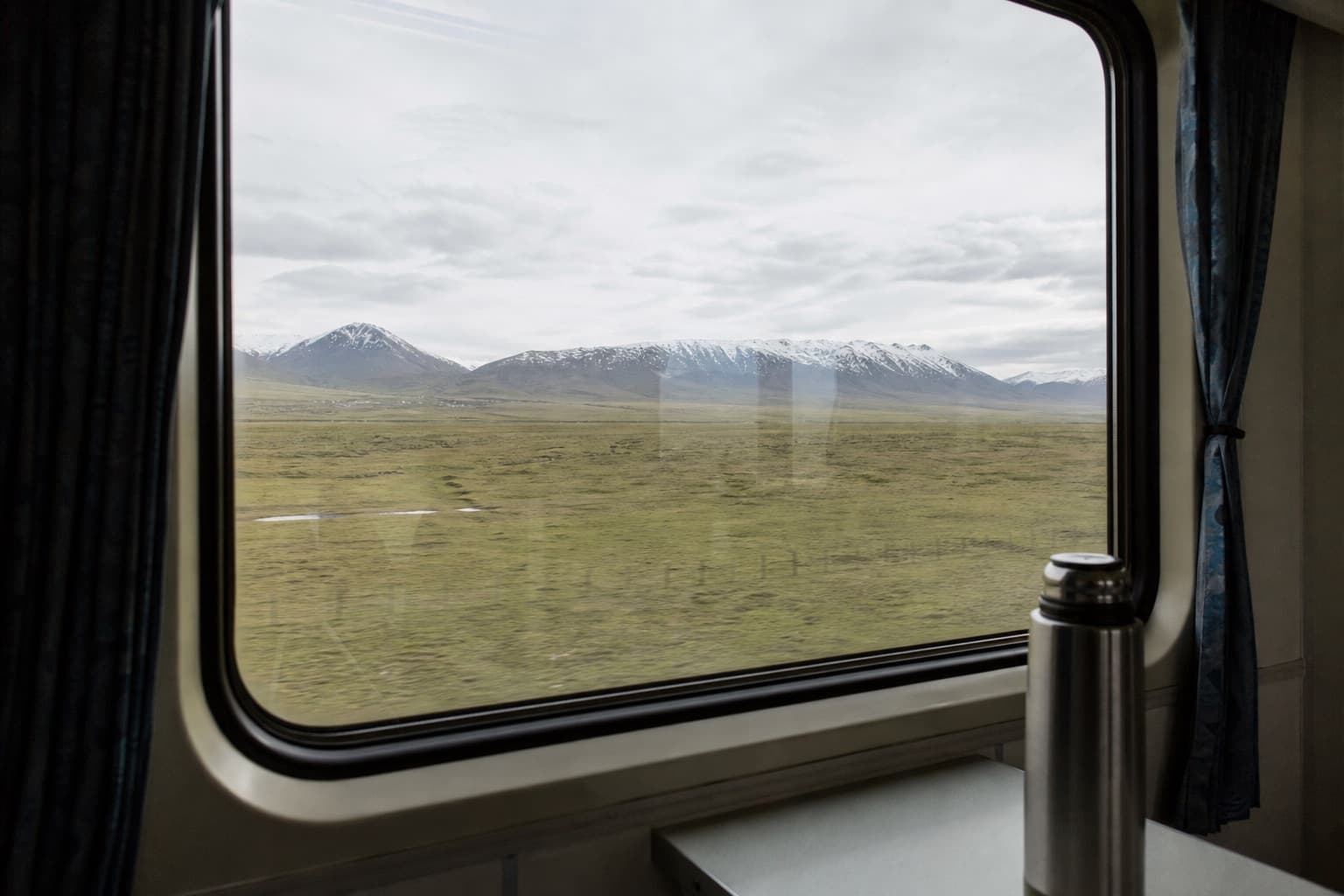
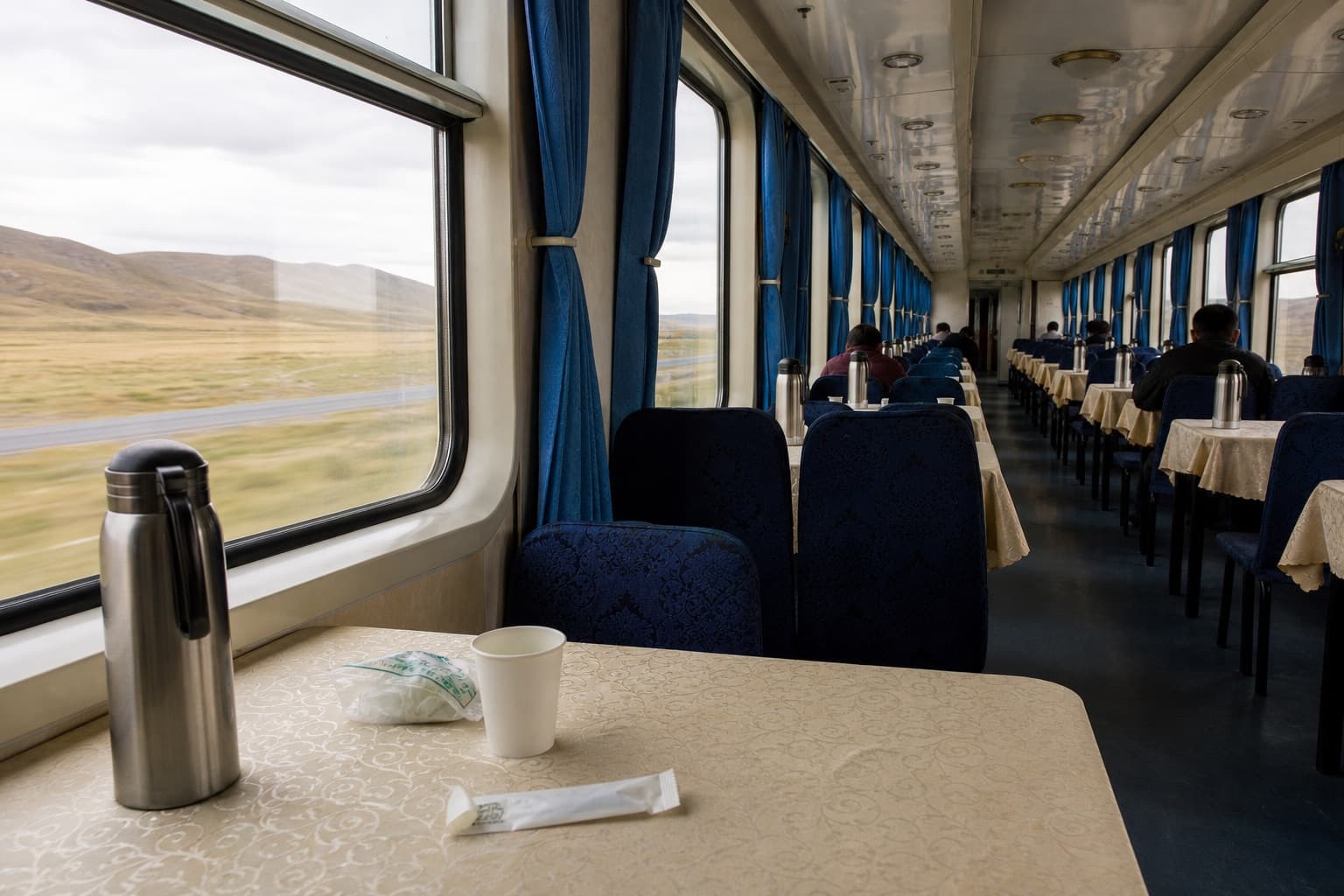
Berths are assigned at booking, so if you are travelling as a pair or a family, tell us early and we will try to keep you in one compartment. Bring your own snacks and a thermos — the dining car works, but the choice thins out on the second day. And take the westward-facing side of the carriage through the Kunlun and Tanggula stretch if you can, though the corridor windows on the other side are free to anyone with patience.
Everything above assumes a licensed agency is handling the booking alongside your permits, because in practice the two are the same job. If you want us to price a specific route and date, tell us your plan and we will come back with what is actually available.
Plan your Tibet trip with us
Permits handled, local guides, transparent pricing. Tell us your dates and we will send a tailored itinerary.
FAQs
Not straightforwardly. The Chinese booking platform is built around identity verification, tickets generally have to be collected in person against a passport, and the release window falls in the middle of the night for most travellers. In practice your licensed agency buys the ticket for you the moment the window opens, alongside arranging your permit.