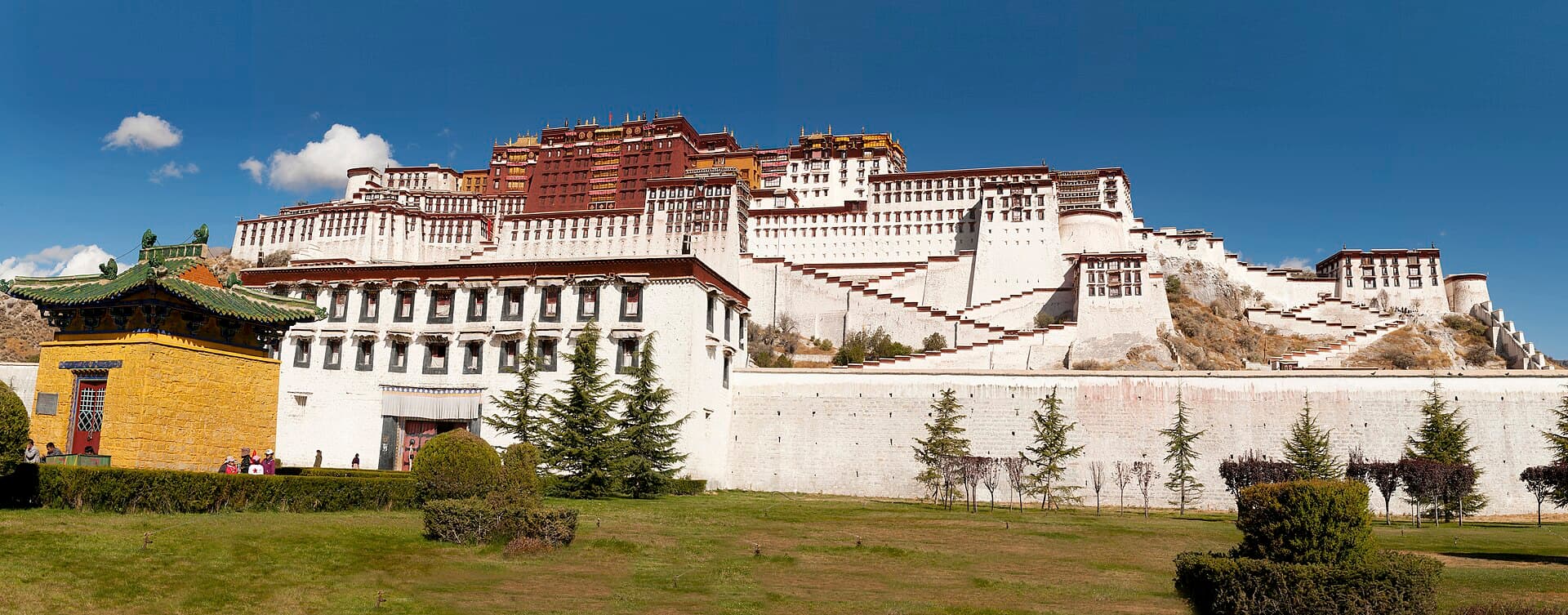
Lhasa
Tibet's capital and the cultural heart of the plateau, home to the Potala Palace, the sacred Jokhang Temple, and the bustling Barkhor pilgrim circuit.
Overview
Lhasa sits at 3,656 metres (11,995 ft) in a broad river valley and is the starting point for almost every trip to Tibet. It is the region's political, religious, and cultural centre, and for over a thousand years it has drawn pilgrims from across the plateau. For most travellers, Lhasa is where you arrive, where you spend your first days adjusting to the altitude, and where you begin to understand Tibetan Buddhism as a living, everyday practice rather than a museum piece.
The city blends old and new. Around the Jokhang Temple, the historic centre still hums with pilgrims spinning prayer wheels and prostrating along the Barkhor. Beyond it, modern avenues, hotels, and restaurants make Lhasa a comfortable base. You will need a Tibet Travel Permit and a guide to be here, and Lhasa is where your guide meets you and your itinerary properly begins.
Top Things to See & Do
- Potala Palace — The former winter residence of the Dalai Lamas, rising in white and red tiers above the city. Entry times are tightly scheduled and tickets are limited, so your guide books a fixed slot in advance. The climb up the palace stairs is noticeably harder at altitude; pace yourself.
- Jokhang Temple — Tibet's most sacred temple, founded in the 7th century. The atmosphere among the butter lamps and prostrating pilgrims is the single most memorable thing many travellers take away from Lhasa.
- Barkhor — The kora (pilgrimage circuit) that loops around the Jokhang. Walk it clockwise alongside pilgrims; it doubles as a market full of crafts, prayer flags, and street life.
- Sera and Drepung Monasteries — Two of the great Gelug monasteries on the city's edge. Sera is well known for its lively afternoon debating sessions among the monks.
- Norbulingka — The Dalai Lamas' summer palace, set in gardens that are especially pleasant in warmer months.
Best Time to Visit
April to October is the most reliable window, with May, June, September, and early October offering the most settled weather and clearest skies. July and August bring the summer monsoon, with warmer days and occasional afternoon rain, plus the busy Shoton (Yogurt) Festival. Winter (November to February) is cold but very clear, far quieter, and a good option for travellers who prefer fewer crowds; permits are still required and some high-altitude side trips may be harder to reach.
How to Get There
Most travellers reach Lhasa by air, with flights from major Chinese cities such as Chengdu, Xi'an, Beijing, Shanghai, and Kunming, landing at Lhasa Gonggar Airport about 60 km from the city. The alternative is the scenic train across the plateau, which some prefer because the gradual ascent can ease acclimatization. Either way, foreign travellers cannot enter independently: you must travel on a guided tour with permits arranged in advance by your agency. See our Tibet tours and contact us to start planning.
Where It Fits in a Tibet Trip
Lhasa is the anchor of virtually every Tibet itinerary. Plan two to three nights here at the start so your body can adjust before heading higher — this is essential, not optional, given that nearly every onward destination sits above Lhasa. Lhasa anchors every itinerary, from our 9-Day Everest Base Camp & Namtso Tour to longer journeys to Everest Base Camp, Shigatse, or sacred Mount Kailash all begin from here. From Lhasa you can branch out to lakes such as Namtso and Yamdrok, or continue west along the Friendship Highway toward Nepal.
Tours That Visit Lhasa
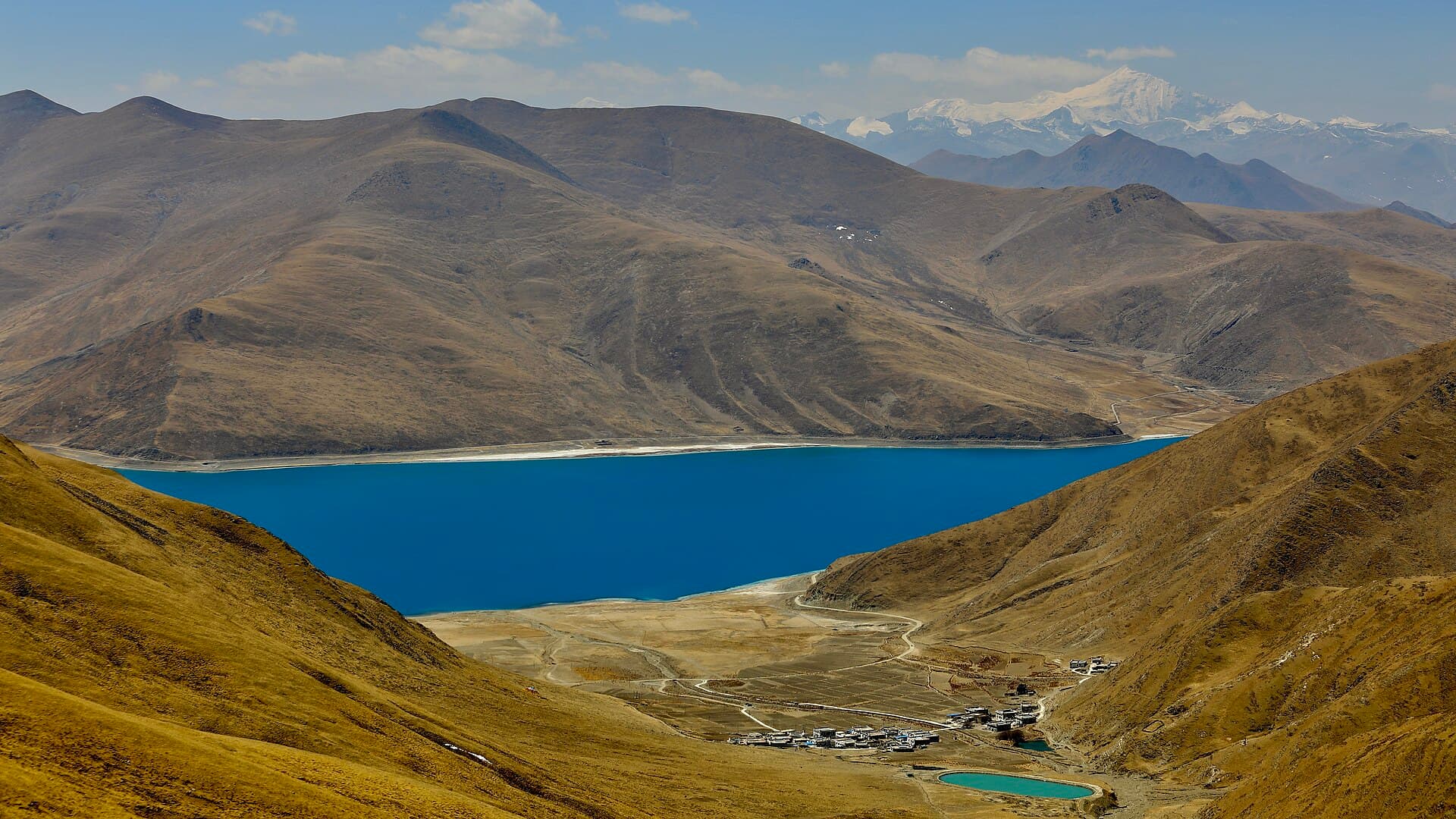
Lhasa & Yamdrok (5 Days)
Lhasa · Yamdrok Lake · Xiazhulin Temple · Lhasa
Five days based in Lhasa: a hands-on morning of Tibetan crafts, the debating monks at Sera, the Potala Palace and the Jokhang, then a day out over the Kamba La to Yamdrok Lake and Xiazhulin Temple. Our shortest Tibet trip, run as a shared group on fixed dates.
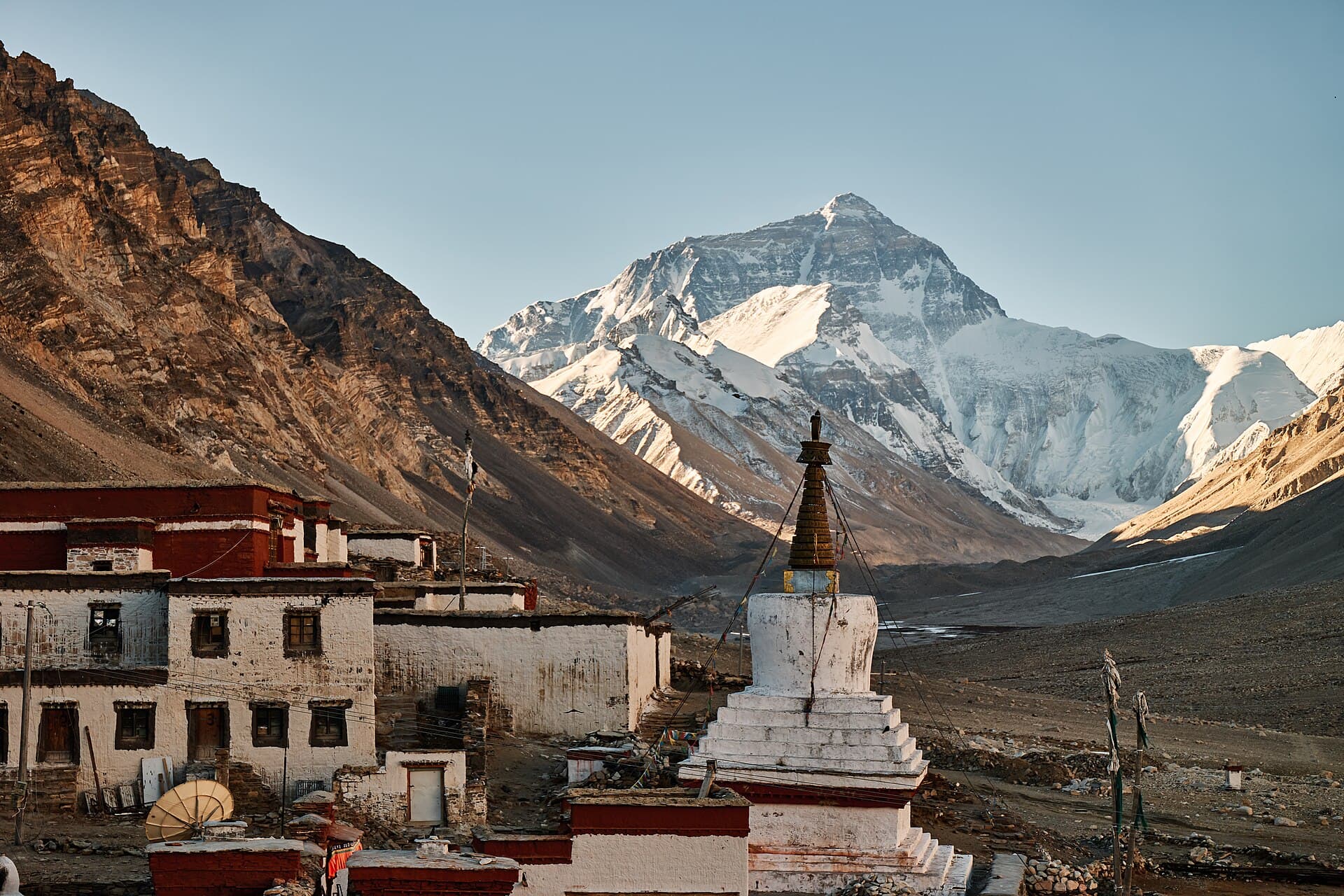
Lhasa & Everest (7 Days)
Lhasa · Yamdrok Lake · Karola Glacier · Shigatse · Rongbuk · Everest Base Camp · Shigatse · Lhasa
Lhasa to the foot of Everest in a week: two days in Lhasa to adjust to the altitude, Yamdrok Lake and the Karola Glacier on the road west, a night below the north face, and Tashilhunpo on the way back. A shared group that leaves on fixed dates.
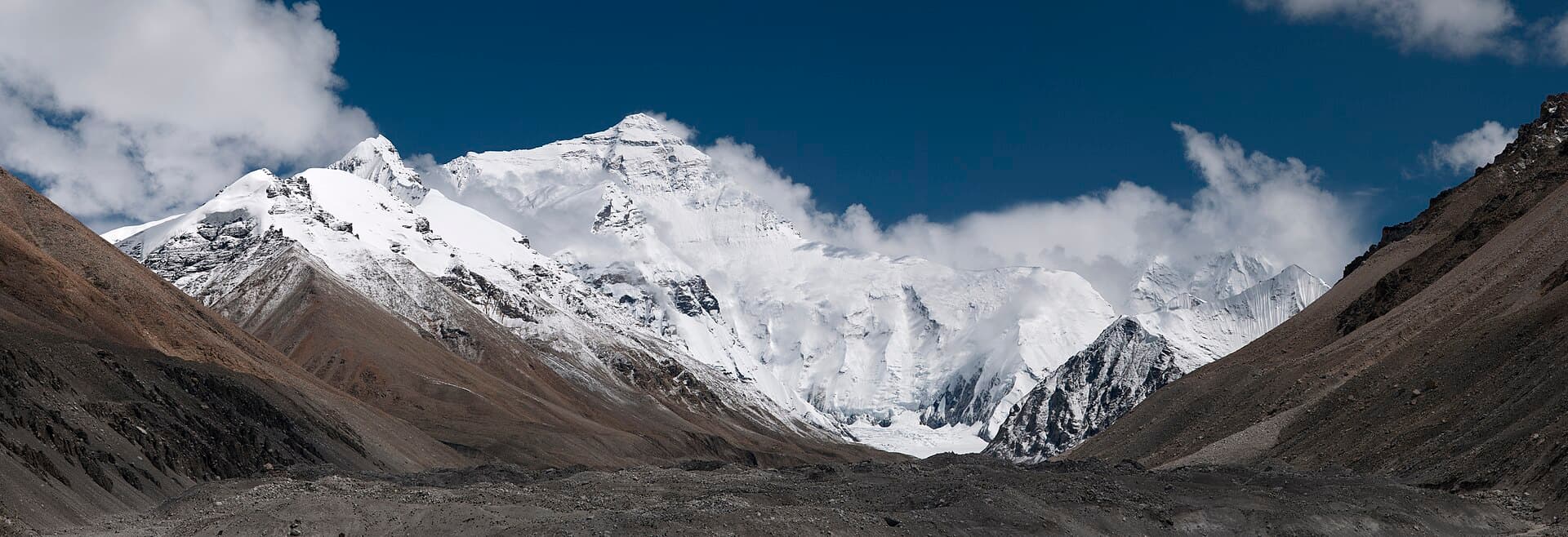
Lhasa & Everest (8 Days)
Lhasa · Yamdrok Lake · Karola Glacier · Shigatse · Rongbuk · Everest Base Camp · Shigatse · Lhasa
Eight days from Lhasa to Everest's north face and back: three nights in Lhasa for a Tibetan crafts workshop, Sera Monastery's debate, the Potala and the Jokhang, then Yamdrok Lake, the Karola Glacier, Shigatse, a night at base camp and Tashilhunpo. It runs as a shared group with fixed departures.
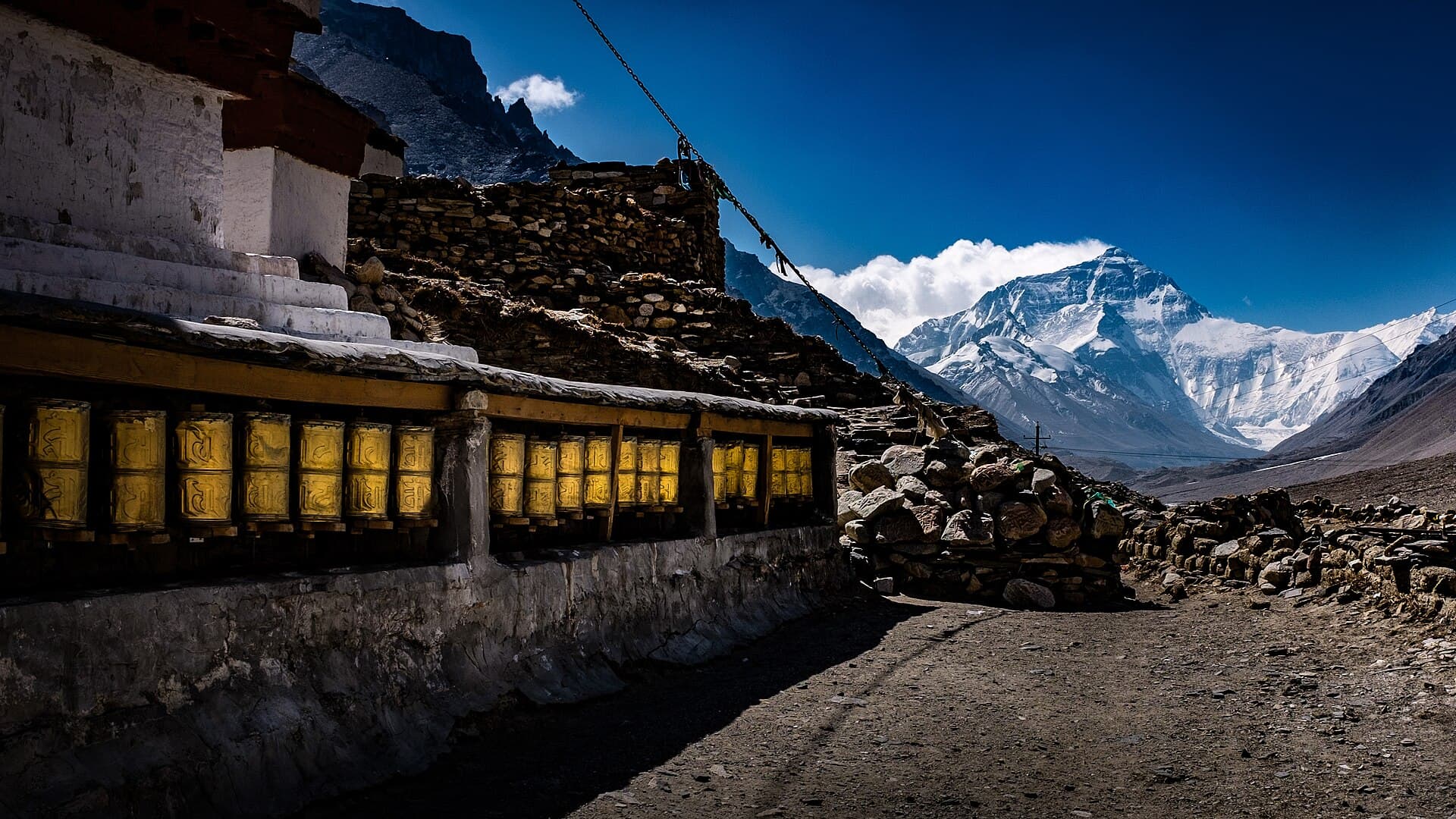
Everest & Namtso (9 Days)
Lhasa · Yamdrok Lake · Karola Glacier · Shigatse · Rongbuk · Everest Base Camp · Shigatse · Lhasa · Namtso · Lhasa
Nine days that add Namtso to the road to Everest: Sera's debating monks, the Potala and the Jokhang in Lhasa; Yamdrok Lake and, beyond it, the Karola Glacier on the drive west; a night at Everest Base Camp; Tashilhunpo; and a final day trip to Namtso once you're acclimatised. Shared group, fixed departures.
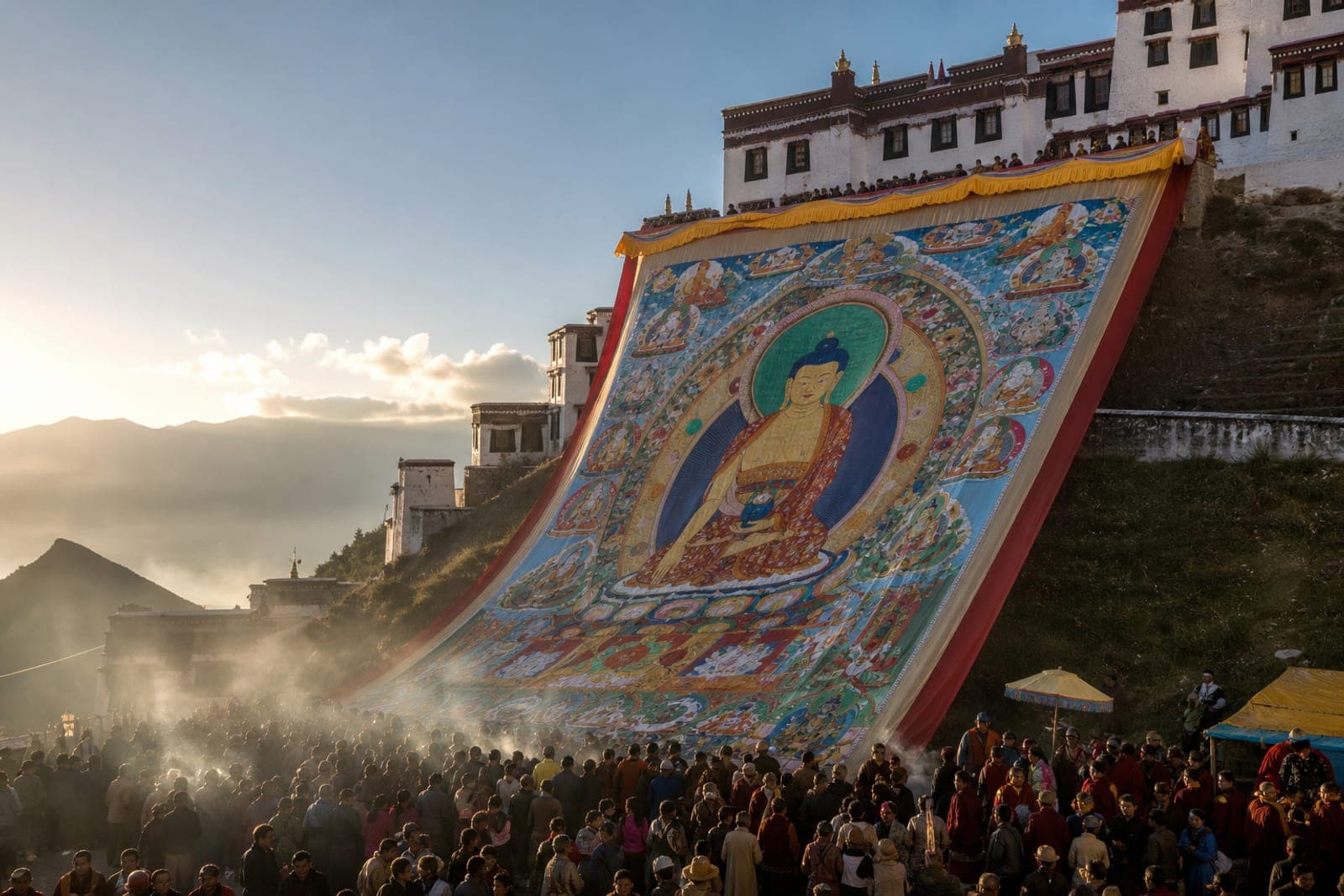
Shoton & Everest (9 Days)
Lhasa · Drepung · Norbulingka · Yamdrok Lake · Karola Glacier · Shigatse · Rongbuk · Everest Base Camp · Shigatse · Lhasa
Lhasa during Shoton, then Everest: the dates are set so you are in Lhasa for the festival's first two days, with the giant thangka unveiled above Drepung at dawn and Tibetan opera in the Norbulingka, before the road west to Everest Base Camp. One departure a year, usually in August.
Holy Lhasa (4 Days)
Lhasa · Drepung Monastery · Sera Monastery · Potala Palace · Jokhang Temple · Barkhor Street
The shortest trip that still does Lhasa properly — the three great Gelug monasteries, the Potala, the Jokhang and the Barkhor kora, at a pace that lets you acclimatise instead of race.
Lhasa FAQs
Yes. All foreign travellers need a Tibet Travel Permit and must visit on a guided tour arranged by a registered agency. You cannot travel independently. Your agency applies for the permit on your behalf using your passport and Chinese visa, and your guide meets you on arrival.