Everest Base Camp (North)
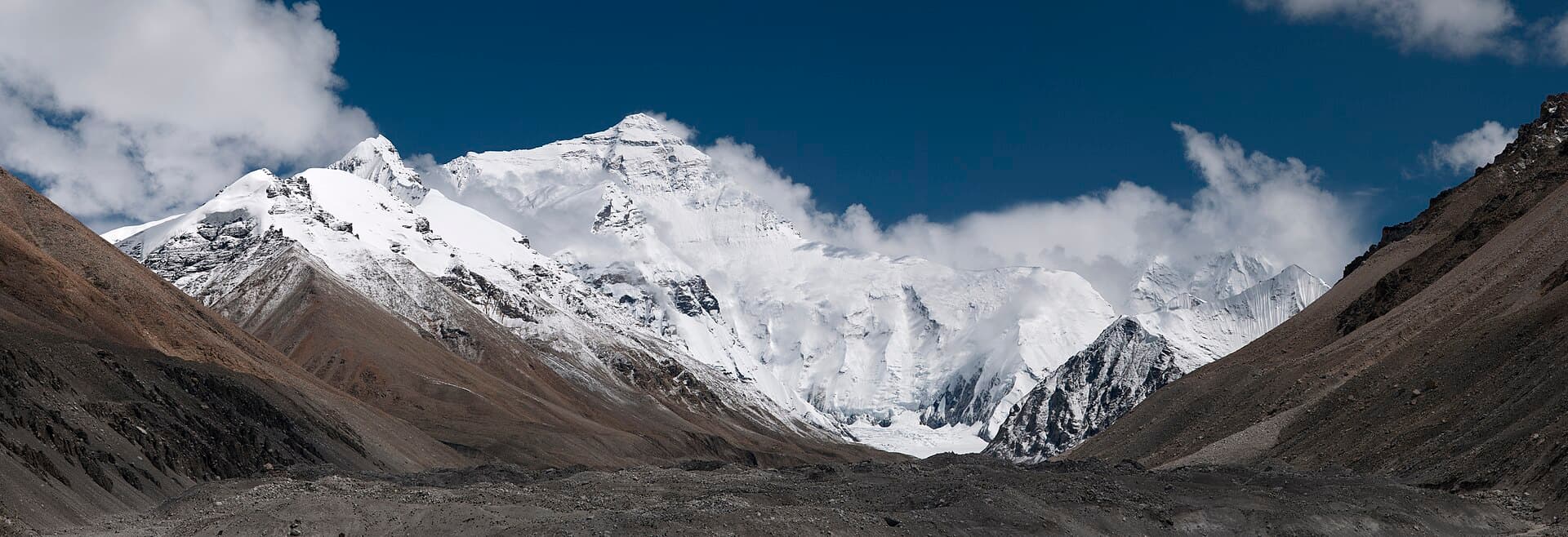
The north-side base camp near Rongbuk Monastery offers one of the most accessible close-up views of Mount Everest's north face, reachable by road rather than a multi-day trek.
Overview
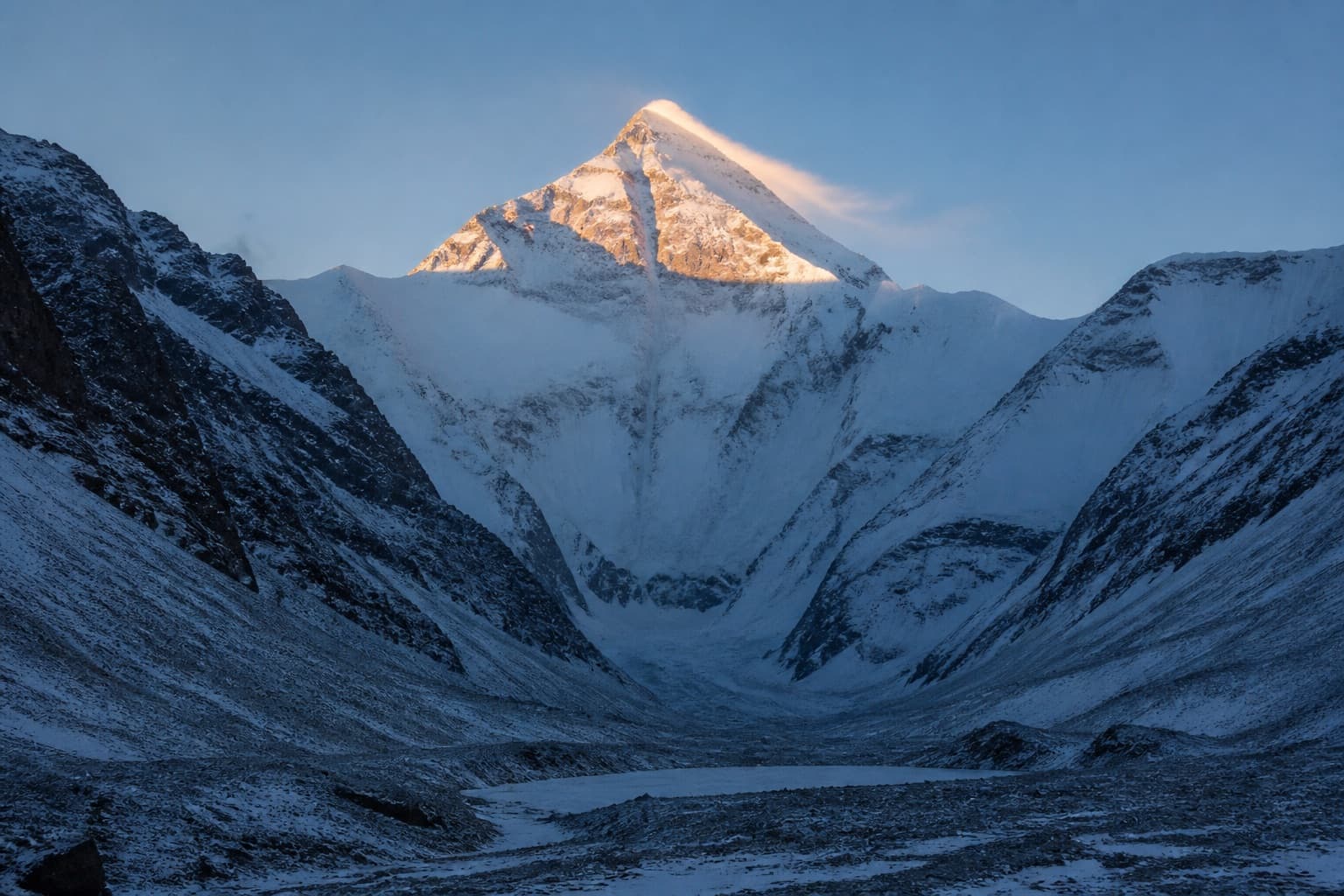
Everest Base Camp on the Tibetan (north) side sits at roughly 5,200 metres (16,900 ft) near Rongbuk Monastery, often described as among the highest monasteries in the world. Unlike the Nepal side, which requires a long trek to reach base camp, the Tibet side is reachable almost entirely by road. That makes it one of the few places on Earth where ordinary travellers can stand close to the foot of the world's highest mountain and look straight up at its north face.
This is high, exposed, and remote terrain. The reward is the view: on a clear morning or evening, Everest dominates the horizon with little to obstruct it. The journey itself — across the wide brown plateau and over a series of 5,000-metre passes — is a large part of the experience.
Top Things to See & Do
- The north face of Everest — The main event. Light is usually best at sunrise and sunset, when the peak catches gold and pink. Clear, still mornings give the sharpest views.
- Rongbuk Monastery — A working monastery in an astonishing setting, with Everest framed in the valley behind it. It anchors the area and offers basic guesthouse lodging.
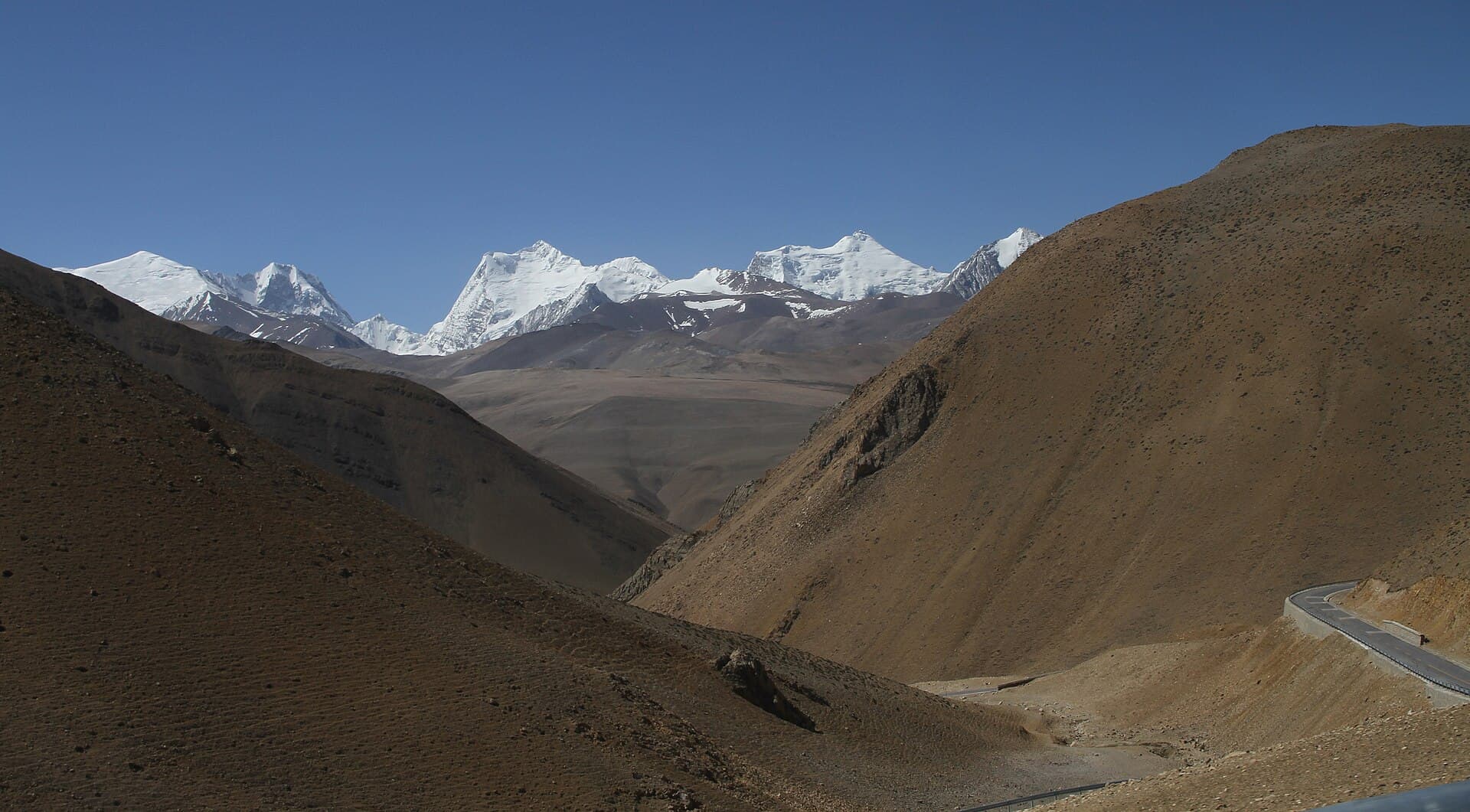
- Gawu La pass viewpoint — On the drive in, this pass (above 5,000 m) opens onto a sweeping panorama of Himalayan giants, including several 8,000-metre peaks.
- The plateau drive — The route over high passes such as Gyatso La, past nomad pastures and small Tibetan villages, is genuinely scenic in its own right.
- Night skies — With no light pollution and thin, dry air, the stargazing here can be extraordinary on a clear night.
Best Time to Visit
Late April to May and September to October are the prime seasons, offering the clearest, most stable weather and the best odds of an unobstructed view of the summit. Spring and autumn skies tend to be sharpest. Summer (June to August) can bring cloud and haze from the monsoon that hides the peak for days at a time, though it is warmer. Winter is bitterly cold and the area is often inaccessible. Even in peak season, the mountain can hide behind cloud, so building in some flexibility helps.
How to Get There
Everest Base Camp is reached overland from Lhasa via Shigatse, Lhatse, and the Tingri area, a journey of roughly 600–700 km that normally takes two to three days each way with overnight stops to aid acclimatization. The final approach near Rongbuk is covered by a short transfer or walk. You will need a Tibet Travel Permit, an Alien's Travel Permit, and a Frontier (border) Pass — all arranged by your agency as part of a guided tour. Start with our 9-Day Lhasa, Everest Base Camp & Namtso Lake Group Tour or contact us to tailor an itinerary.
Where It Fits in a Tibet Trip
EBC is a natural high point of a longer overland journey rather than a quick add-on. A typical trip starts with acclimatization in Lhasa, continues through Gyantse and Shigatse, then climbs to Everest. From there, many travellers continue to the Nepal border and on to Kathmandu, while pilgrimage-focused itineraries push further west to Mount Kailash. Because of the altitude, EBC should always come after several days lower down, never at the very start of a trip.
Tours That Visit Everest Base Camp (North)
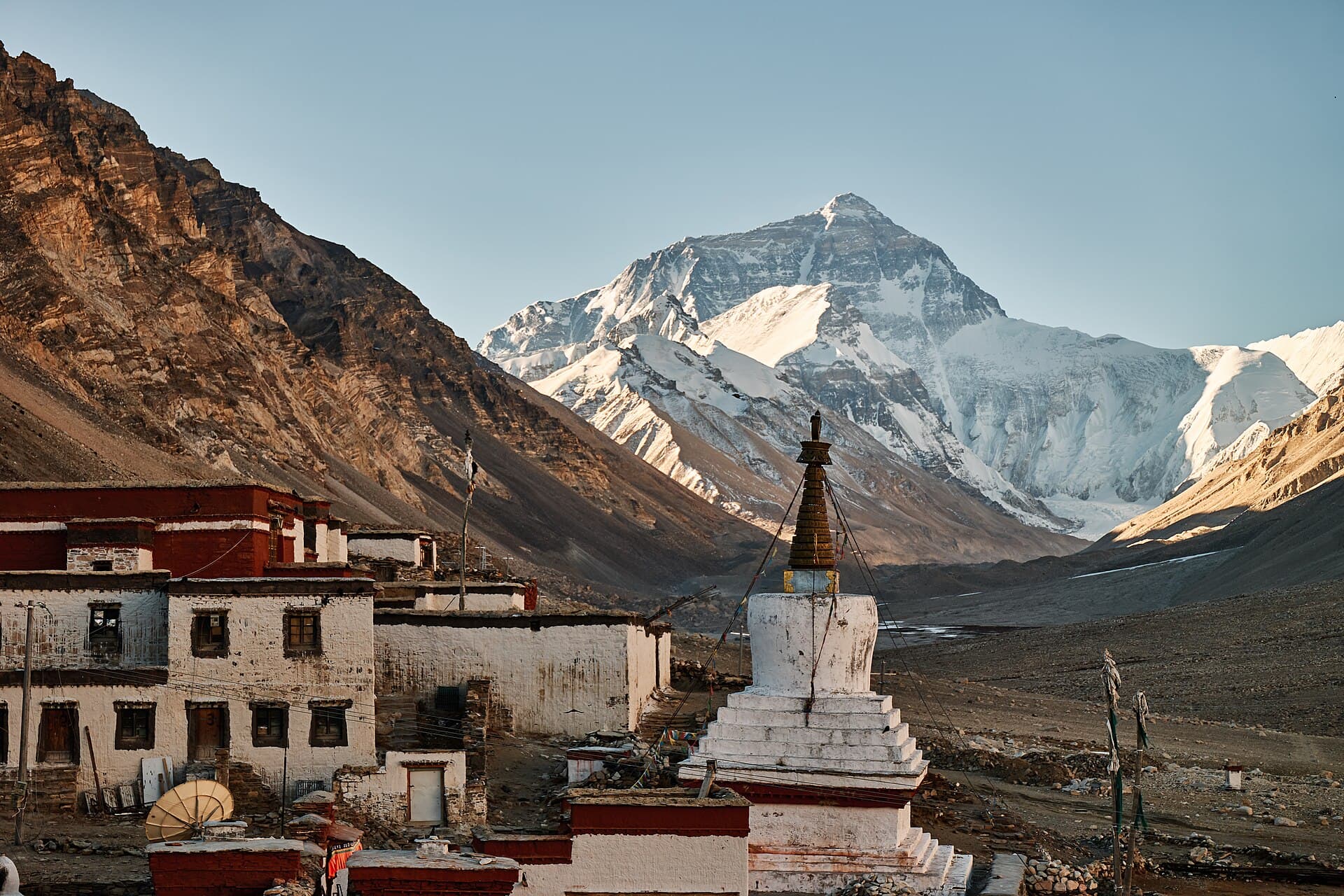
Lhasa & Everest (7 Days)
Lhasa · Yamdrok Lake · Karola Glacier · Shigatse · Rongbuk · Everest Base Camp · Shigatse · Lhasa
Lhasa to the foot of Everest in a week: two days in Lhasa to adjust to the altitude, Yamdrok Lake and the Karola Glacier on the road west, a night below the north face, and Tashilhunpo on the way back. A shared group that leaves on fixed dates.
Lhasa & Everest (8 Days)
Lhasa · Yamdrok Lake · Karola Glacier · Shigatse · Rongbuk · Everest Base Camp · Shigatse · Lhasa
Eight days from Lhasa to Everest's north face and back: three nights in Lhasa for a Tibetan crafts workshop, Sera Monastery's debate, the Potala and the Jokhang, then Yamdrok Lake, the Karola Glacier, Shigatse, a night at base camp and Tashilhunpo. It runs as a shared group with fixed departures.
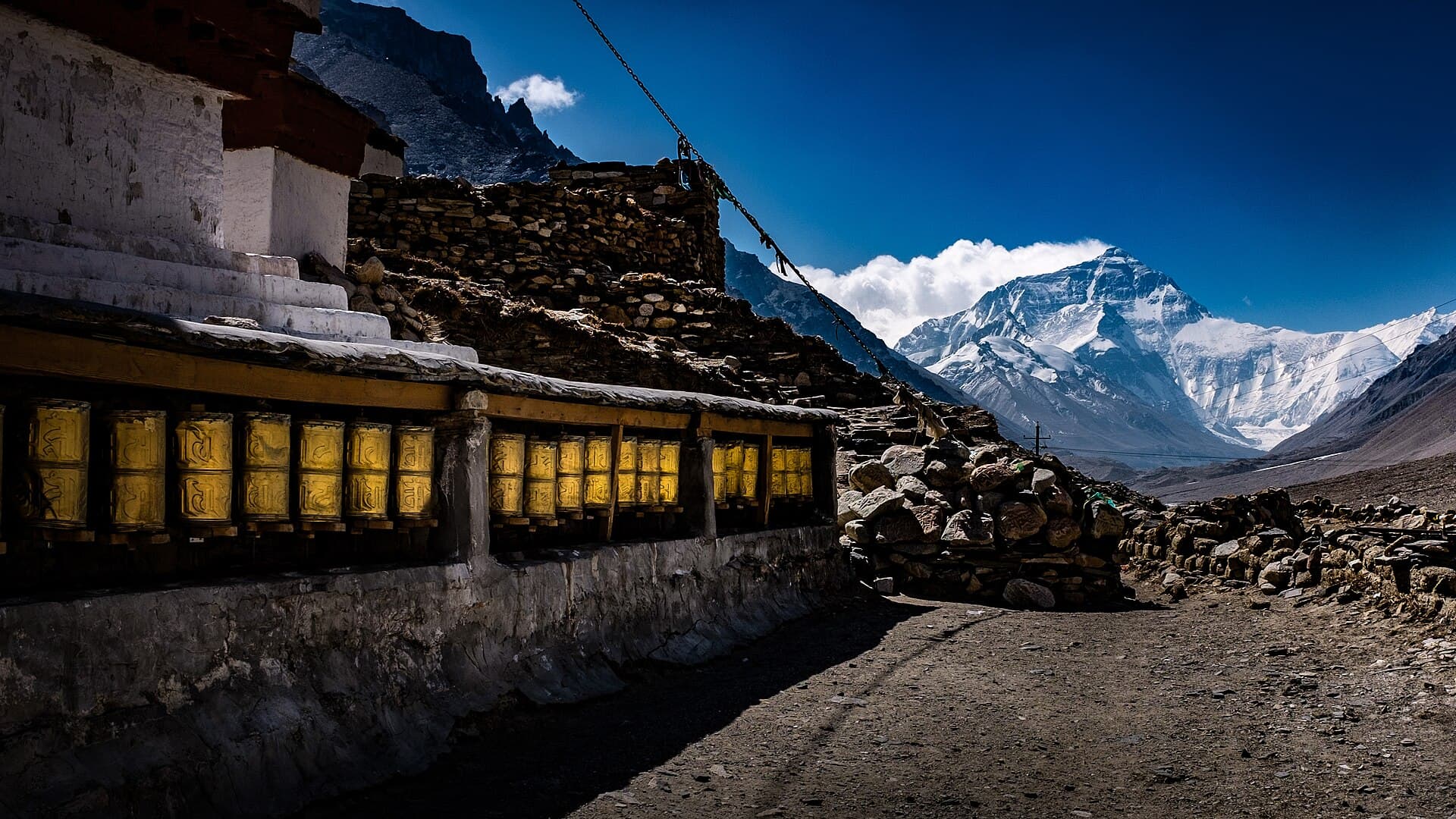
Everest & Namtso (9 Days)
Lhasa · Yamdrok Lake · Karola Glacier · Shigatse · Rongbuk · Everest Base Camp · Shigatse · Lhasa · Namtso · Lhasa
Nine days that add Namtso to the road to Everest: Sera's debating monks, the Potala and the Jokhang in Lhasa; Yamdrok Lake and, beyond it, the Karola Glacier on the drive west; a night at Everest Base Camp; Tashilhunpo; and a final day trip to Namtso once you're acclimatised. Shared group, fixed departures.
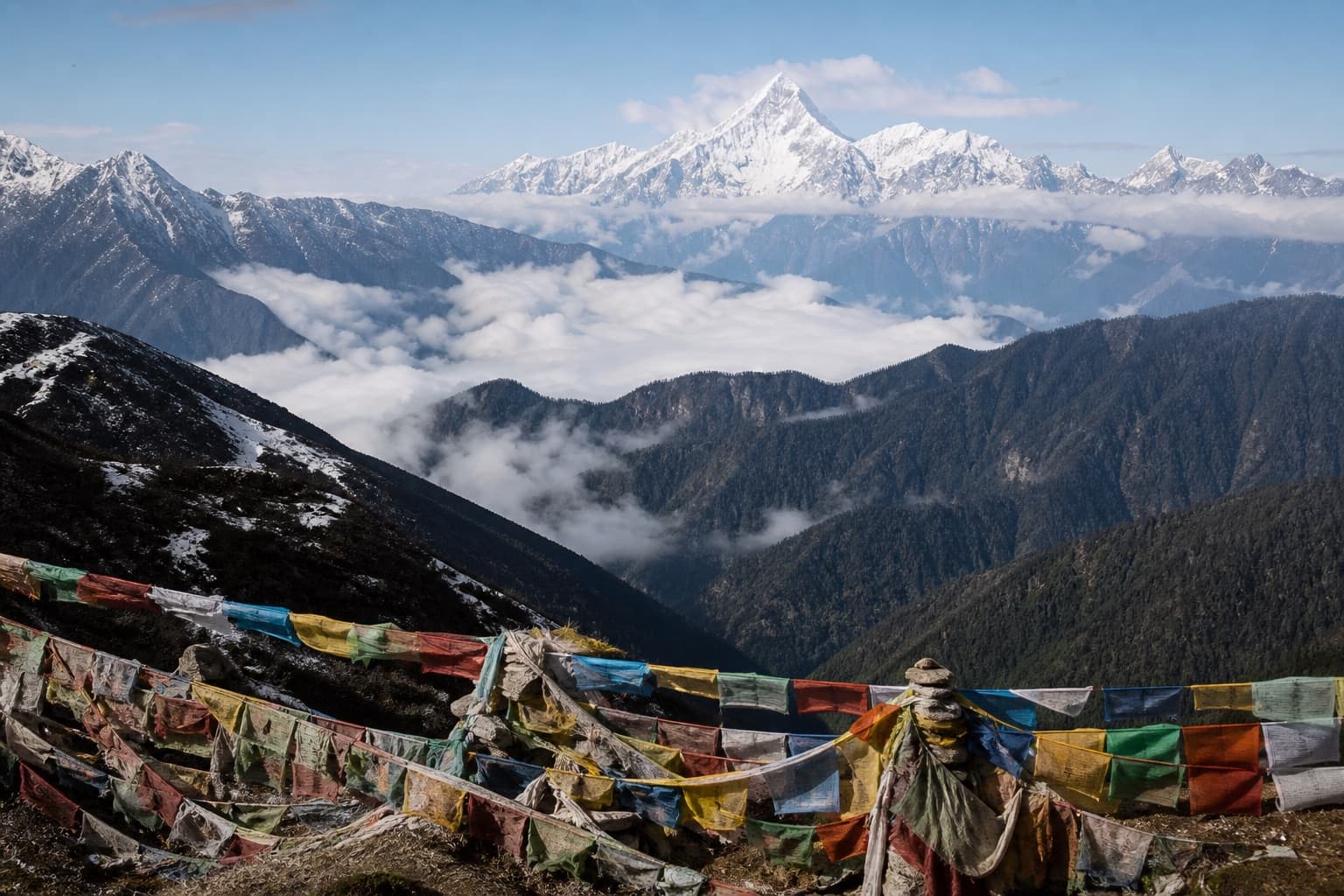
Nyingchi & Everest (11 Days)
Lhasa · Kadinggou · Nyingchi · Sejila Pass · Lulang · Basum Tso · Lhasa · Yamdrok Lake · Karola Glacier · Shigatse · Rongbuk · Everest Base Camp · Shigatse · Lhasa
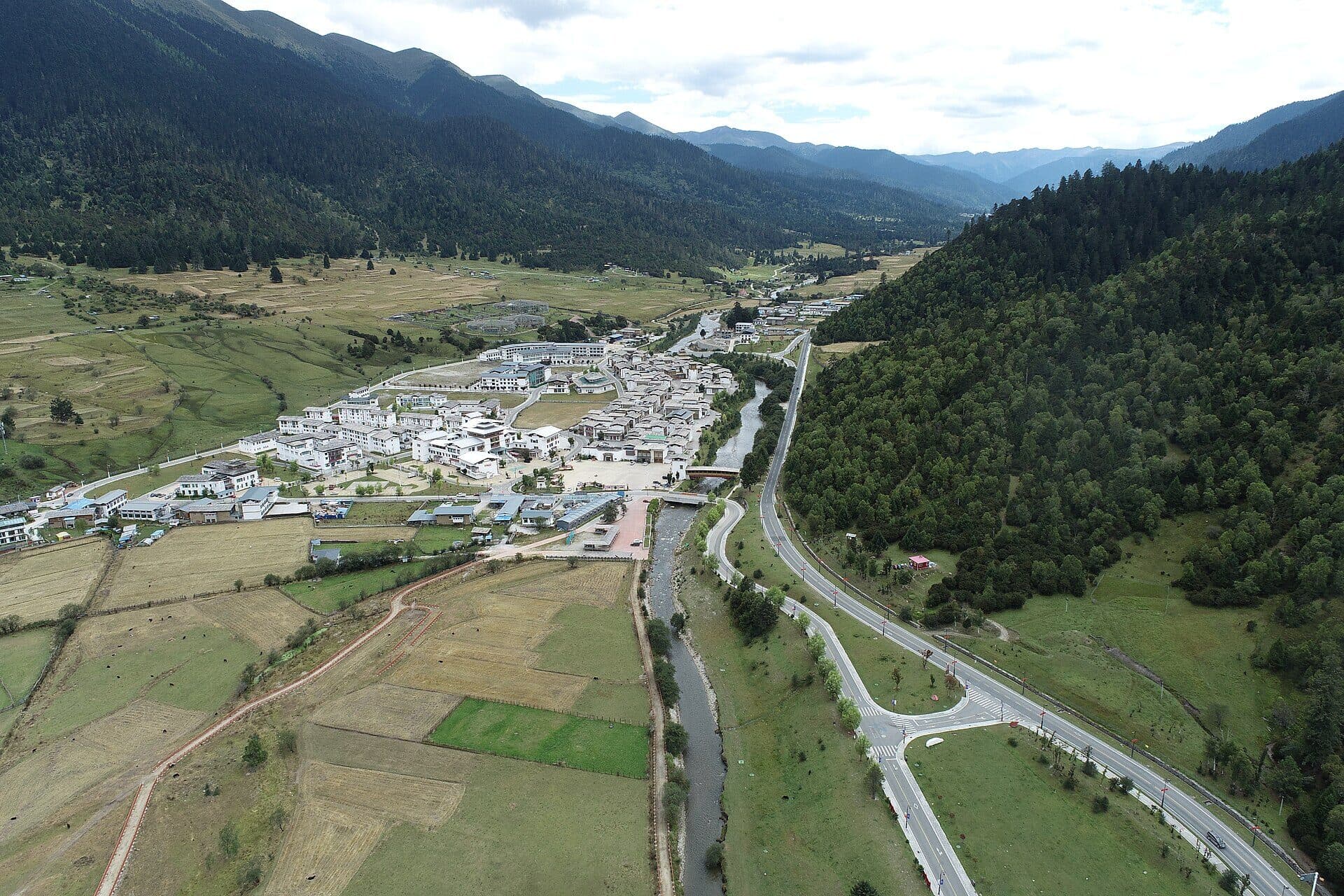
Eleven days that start lower down, in the forests of Nyingchi and at Basum Tso, then take in Lhasa's Potala, Jokhang and Sera, Yamdrok Lake and the Karola Glacier, a night at Everest Base Camp and finally Tashilhunpo. Shared group, fixed dates, up to 12 travellers.
Nyingchi to Namtso (12 Days)
Lhasa · Kadinggou · Nyingchi · Sejila Pass · Lulang · Basum Tso · Lhasa · Yamdrok Lake · Karola Glacier · Shigatse · Rongbuk · Everest Base Camp · Shigatse · Lhasa · Namtso · Lhasa
Our most complete trip in central and eastern Tibet: Nyingchi's forests and Basum Tso, three days in Lhasa, Yamdrok Lake and Shigatse, a night at Everest Base Camp, then a day trip to Namtso with ten nights at altitude behind you. A shared group on fixed dates.
Lhasa to Nepal Border (7 Days)
Lhasa · Yamdrok Lake · Karola Glacier · Shigatse · Rongbuk · Everest Base Camp · Pelku Tso · Gyirong · Gyirong Port (Nepal border)
A one-way week from Lhasa to the Nepal border: three nights in Lhasa, then Yamdrok Lake and Shigatse, one night beneath Everest's north face and a long descent to green Gyirong. The tour ends at the Gyirong border crossing on day 7; from there you cross into Nepal and travel on to Kathmandu on your own.
Everest Express (4 Days)
Lhasa · Yamdrok Lake · Gyantse · Shigatse · Everest Base Camp · Shigatse · Lhasa
Everest in four days for travellers who have already done Lhasa — straight out along the Friendship Highway to base camp at 5,200m, a night under the north face, and back.
Everest Base Camp (North) FAQs
No. The north-side base camp is reached almost entirely by road, with only a short transfer or walk at the end. This makes it far more accessible than the Nepal-side trek and suitable for travellers who are fit but not mountaineers.