Tibet Trails
定制我的行程
Getting to Lhasa: Train vs Flight Compared
Transport·8 分钟阅读

Getting to Lhasa: Train vs Flight Compared

Should you take the famous Qinghai-Tibet Railway or fly straight into Lhasa? We compare cost, time, comfort, scenery, and the all-important question of altitude acclimatization.

There are two ways to reach Lhasa: by air or by rail. Both are popular, both are reliable, and the right choice depends on your time, budget, and how your body handles altitude. This guide lays out the trade-offs so you can decide with confidence.

One thing applies to both options: as a foreign traveler, you must hold a Tibet Travel Permit to board any flight or train into Lhasa, and that permit has to be arranged in advance by a licensed operator. There is no way around it for either mode of transport. For the full picture of how people reach the plateau, see our overview on how to get to Tibet.

The quick comparison

Train Flight
Journey time (from Xining) ~21 hours ~2.5 hours
Journey time (from Beijing) ~40 hours ~4.5 hours
Acclimatization Gradual, body-friendly Abrupt
Scenery Spectacular plateau views Limited
Cost Generally lower Generally higher
Comfort Confined but social Fast but jarring
Best for Time-rich travelers, altitude-sensitive Time-pressed travelers

Flying to Lhasa

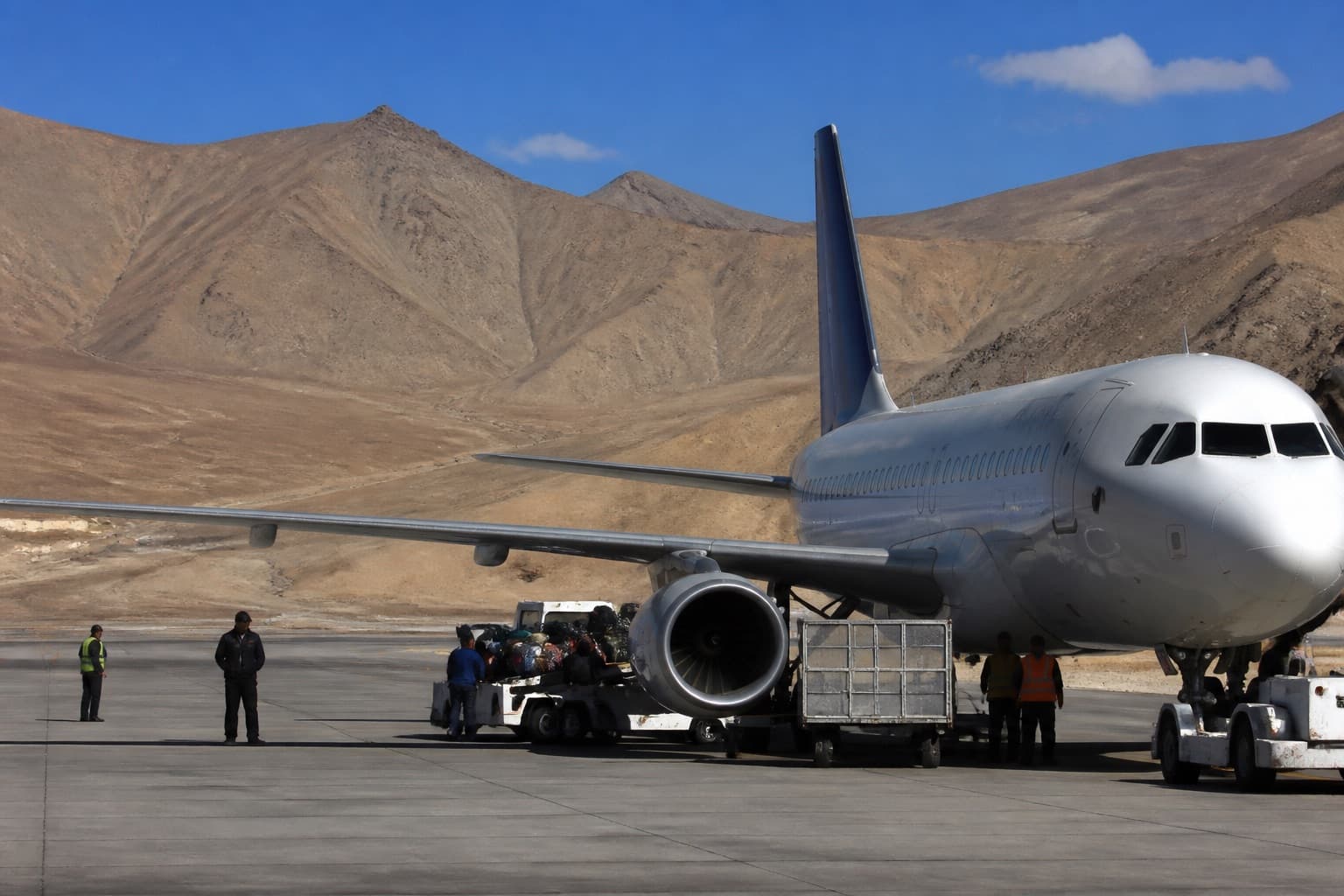
Lhasa Gonggar Airport is Tibet's main air hub, sitting at roughly 3,600 meters and about 62 km from the city — a drive of around an hour in. It connects to many Chinese cities:

  • Chengdu is the most popular gateway, with the most frequent departures (around 2.5 hours).
  • Xining flights take roughly 2.5 hours.
  • Beijing is about 4.5 hours, sometimes direct and sometimes routed via Chengdu or Xining.
  • Other options include Xi'an, Chongqing, Shanghai, Guangzhou, and Kunming.

The upside of flying

Flying is fast. If your holiday is short, a flight buys you days you would otherwise spend in transit. It is also the simplest option logistically — turn up, fly, land.

The catch: altitude

Here is the honest trade-off. Lhasa sits at about 3,650 meters. When you fly from a low-altitude city, you go from near sea level to that elevation in a matter of hours. Your body has no time to adjust, and the risk of altitude symptoms — headache, breathlessness, poor sleep, nausea — is higher in the first day or two.

This is manageable. The standard advice still applies: take it easy on arrival, rest on your first day, drink plenty of water, and let your guide set a gentle pace. But it is something to plan for rather than ignore.

Taking the Qinghai-Tibet Railway

The railway to Lhasa is rightly famous. It is the highest railway in the world, and for many travelers the journey is part of the trip rather than just a means to an end.

Trains depart from several cities — Xining, Beijing, Chengdu, Chongqing, Shanghai, Guangzhou, Xi'an, and Lanzhou. The Xining to Lhasa leg is the heart of the route and takes about 21 hours; the full Beijing to Lhasa run (train Z21) is around 40 hours.

The scenery

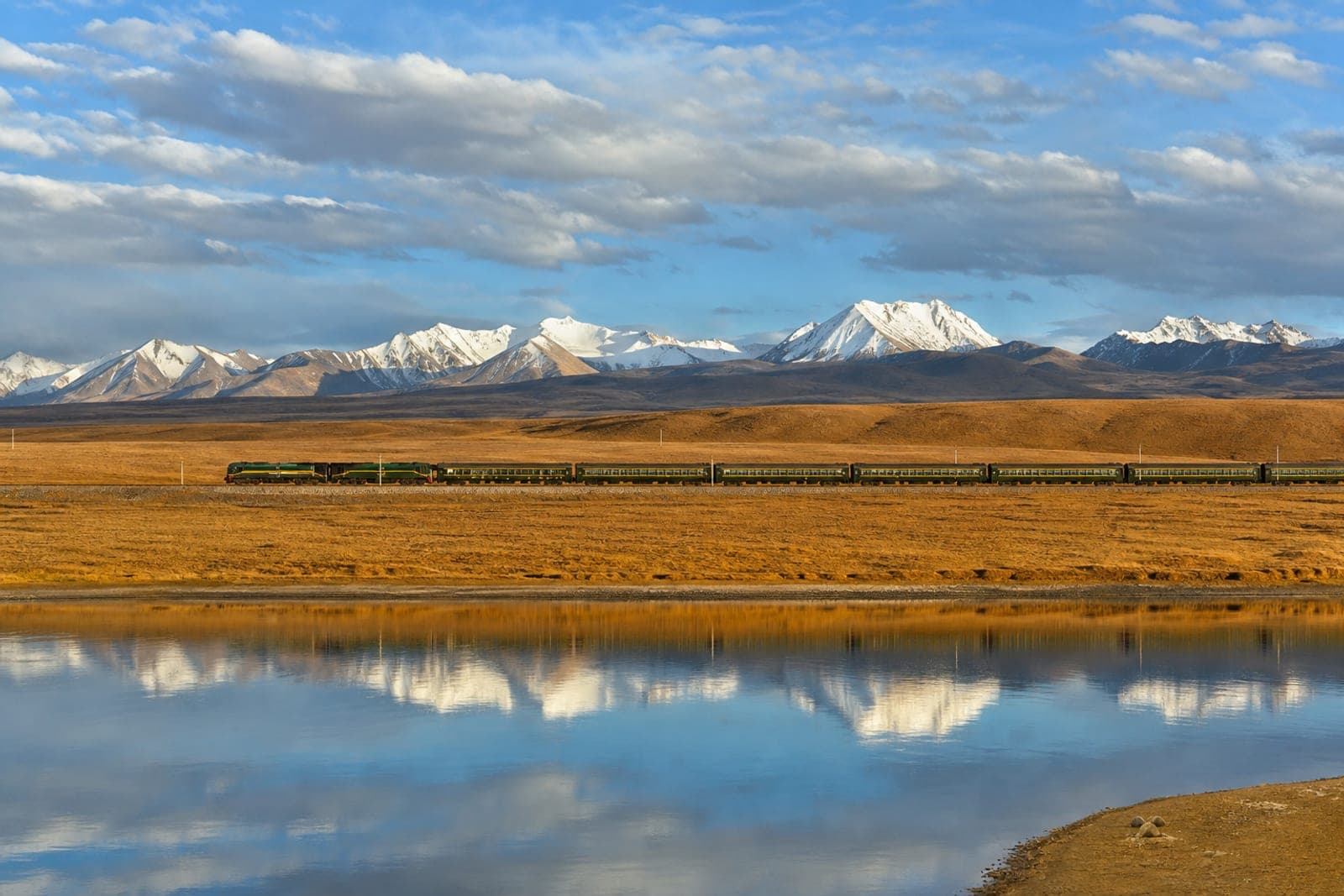
The stretch beyond Golmud is the payoff. You pass:

  • The Hoh Xil nature reserve, home to wild plateau wildlife such as the Tibetan antelope
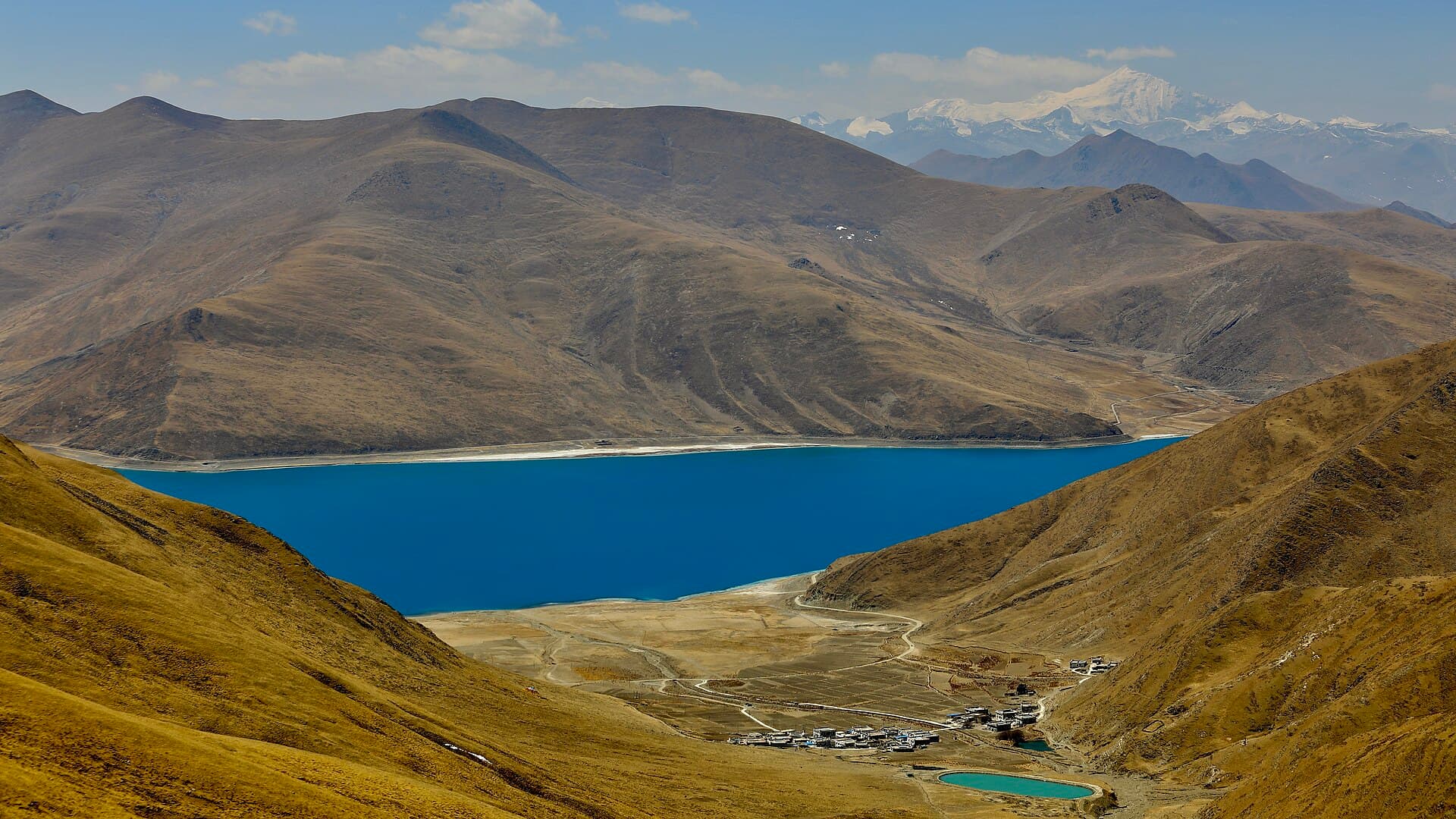
  • Vast high-altitude Changtang grasslands
  • Tanggula Pass, the highest point on any railway at 5,072 meters
  • Tanggula Station, the highest railway station in the world

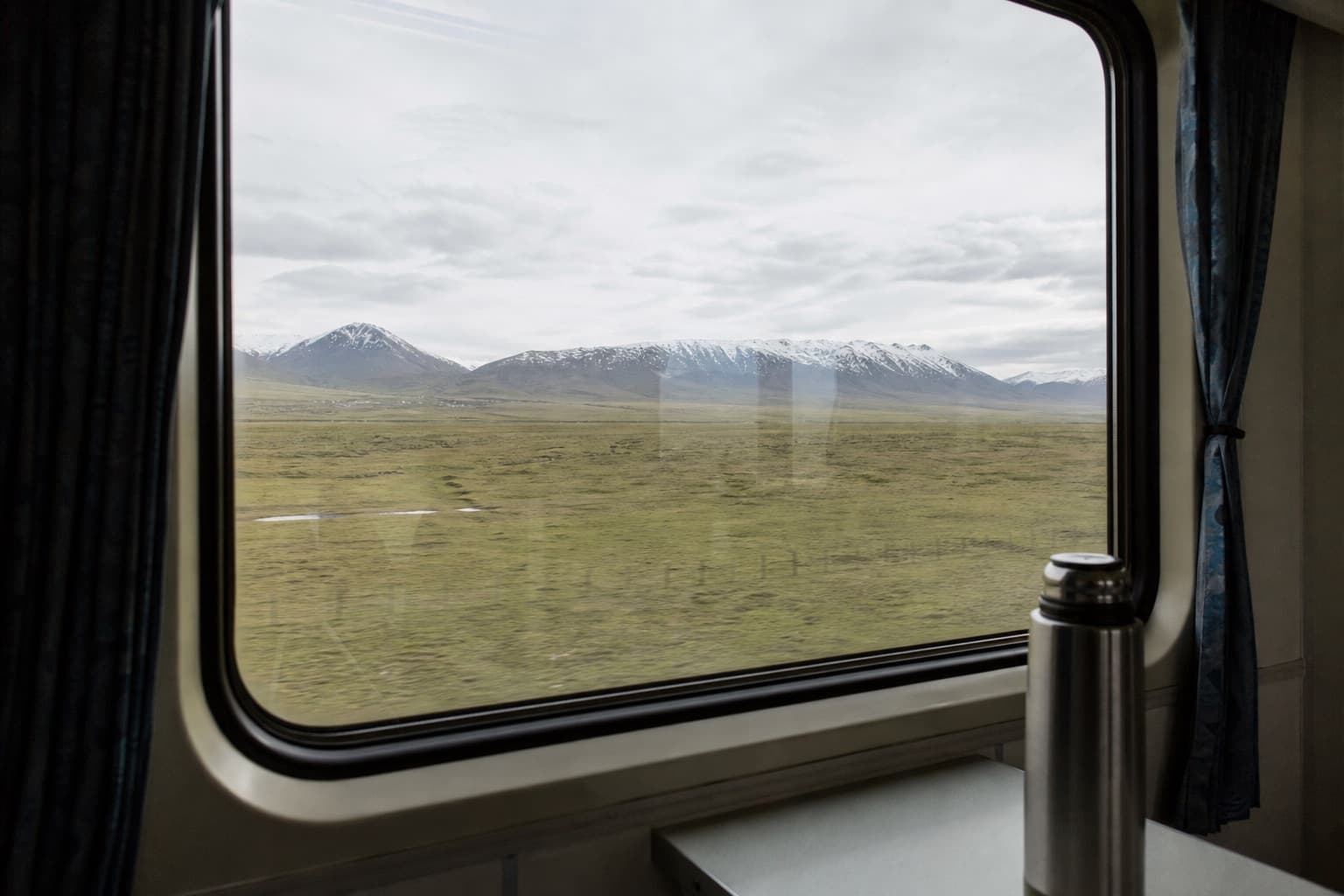
Watching the plateau unfold from your window — grasslands, snow peaks, nomad tents, herds of yak — is an experience the plane simply cannot offer.

Comfort and classes

Trains offer three classes:

  1. Hard seat — cheapest, least comfortable for a long haul
  2. Hard sleeper — open compartments of six bunks, no door
  3. Soft sleeper — four berths in a closed compartment, the most comfortable choice

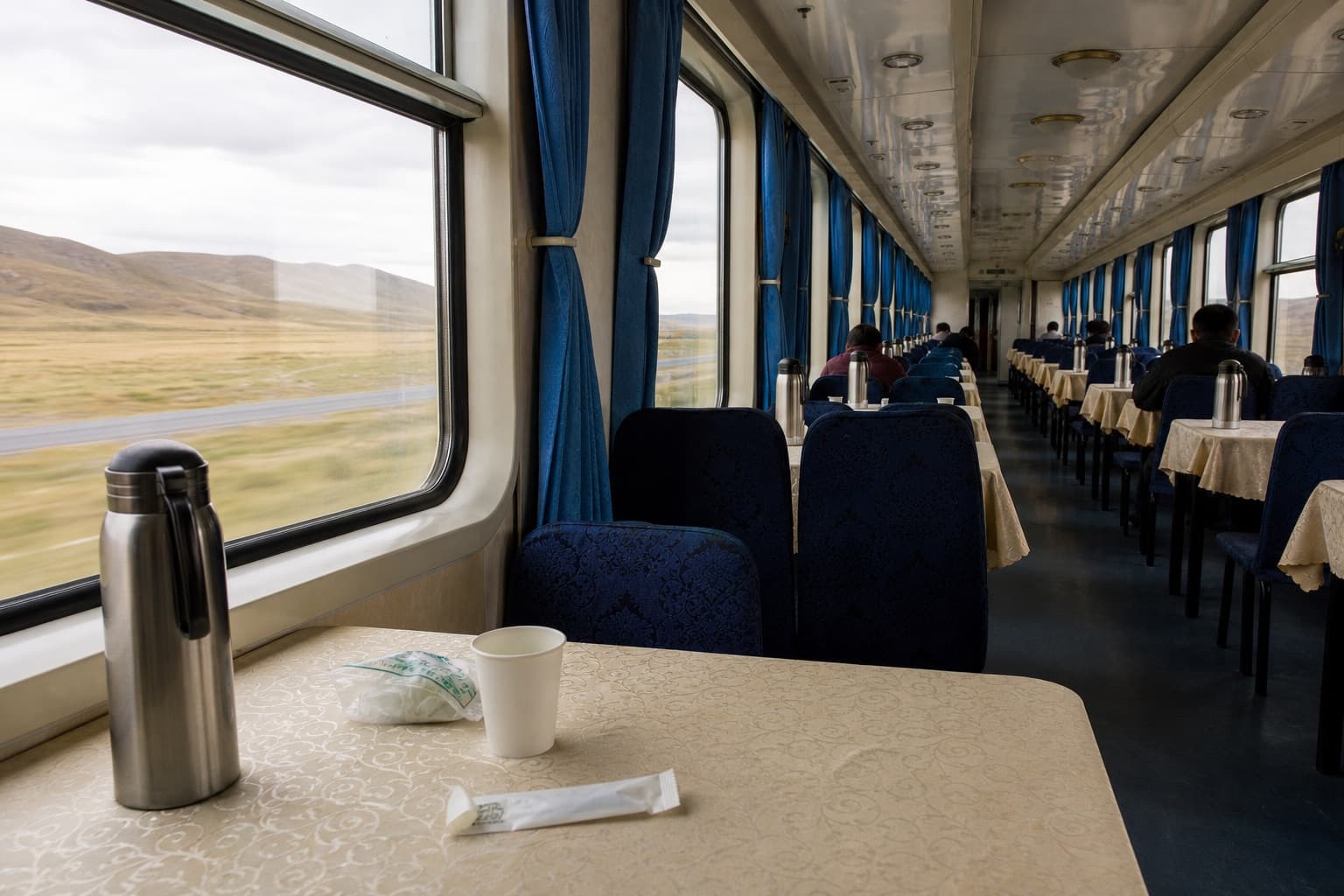
For a journey this long, soft sleeper is the recommended option, with a lockable door, soft bedding, and a window table. Be aware that tickets, especially soft sleeper, sell out quickly in peak season, so book early.

The altitude angle

A common reason travelers choose the train is the gradual ascent. Because you climb over many hours rather than minutes, your body has more time to adapt. To support passengers at extreme elevation, the carriages are supplied with oxygen from Golmud onward, and each berth has an individual oxygen outlet you can use with a tube and nosepiece.

It is worth being honest here: because the cabins are oxygen-enriched, the train is not a magic cure for altitude, and you will still need to acclimatize properly once in Lhasa. Even so, the slower, ground-level ascent feels easier on many bodies than a sudden flight, and for travelers nervous about altitude it remains an appealing option.

For a deeper look at routes, ticket classes, and what to expect on board, see our dedicated Tibet train guide.

What to bring for the train journey

A day or more on the rails is far more comfortable with a little preparation. A few things worth packing into your carry-on:

  • Snacks and plenty of water. A dining car and hot water are available on board, but having your own food and drink makes the long hours easier.
  • Lip balm and moisturiser. The air on the high plateau is extremely dry.
  • A power bank. There are limited charging points, and you will want your phone and camera ready for the scenery.
  • Warm layers. Even inside the carriage, it can get cool, and you may want to step toward an open window or vestibule for photos.
  • Entertainment. Downloaded books, music, or films help pass the hours through the less scenic stretches.

Keep your passport and permit easily accessible too, as they are checked before boarding and at stations along the way.

So which should you choose?

There is no single right answer, but here is how we generally frame it.

Take the train if:

  • You have the time to spare
  • You like the idea of a gradual, scenic ascent
  • The journey itself appeals to you as part of the adventure
  • You want to keep costs down

Take the flight if:

  • Your itinerary is tight
  • You would rather spend your days in Tibet than in transit
  • You are comfortable taking it slow for the first day or two on arrival to offset the abrupt altitude gain

Many experienced travelers combine the two: train in to enjoy the scenery and ease into the altitude, then fly out to save time at the end. It is often the best of both worlds.

A note on booking and timing

Whichever option you lean toward, book early in peak season. Train tickets — especially soft sleeper berths — and flights to Lhasa are in high demand from roughly April through October, and they can sell out well in advance. Because foreign travelers cannot purchase tickets entirely on their own without the permit in place, your operator typically coordinates the booking alongside your permit application. The earlier you confirm your dates, the more options you will have on both modes of transport.

It is also worth thinking about the first day in Lhasa regardless of how you arrive. Whether you flew or took the train, your itinerary should keep the first day gentle: light sightseeing, no strenuous climbs, and plenty of rest so your body settles into the altitude before you take on bigger days.

Whichever you pick, remember that your permit must be in hand before departure, and your guide will meet you on arrival. If you would like help weighing the options for your dates and budget, contact us or browse our Tibet tours to see how each itinerary handles the journey in.

与我们一起规划您的西藏之旅

许可证全程办妥、本地向导、价格透明。告诉我们您的日期,我们将为您定制行程。

常见问题

The train offers a gradual ascent over many hours rather than minutes, which many travelers find easier. However, the carriages are oxygen-enriched from Golmud onward, so the train is not a cure-all and you will still need to acclimatize in Lhasa. Flying takes you to 3,650 meters abruptly, so the first day or two require extra rest.