Tibet is one of the most photogenic places on earth — and one of the trickiest to shoot well. Here's a practical guide to light, gear, altitude, permits, and photographing people respectfully.
Few places reward a camera like Tibet. The light is extraordinary, the landscapes are vast, the architecture is unlike anywhere else, and the human moments — pilgrims, monks, markets — are quietly powerful. But the plateau also presents real challenges: intense high-altitude sun, thin cold air that drains batteries, big tonal contrasts, and cultural sensitivities that demand care. This guide will help you come home with images you're proud of, made the right way.
Understanding Tibet's Light
At high altitude the atmosphere is thinner, so sunlight is intense and contrast is high. This is both a gift and a problem.
- Midday is harsh. Around noon, the overhead sun creates strong shadows and blown-out highlights. It's the least flattering time for most subjects.
- Golden hours are magic. Early morning and late afternoon deliver warm, raking light that flatters the Potala Palace, monastery walls, and mountain faces. Plan your most important shots around these windows.
- Skies are deep and clear. The thin, dry air often yields vivid blue skies — excellent for architecture and landscapes. A polarizing filter can deepen them further and cut glare.
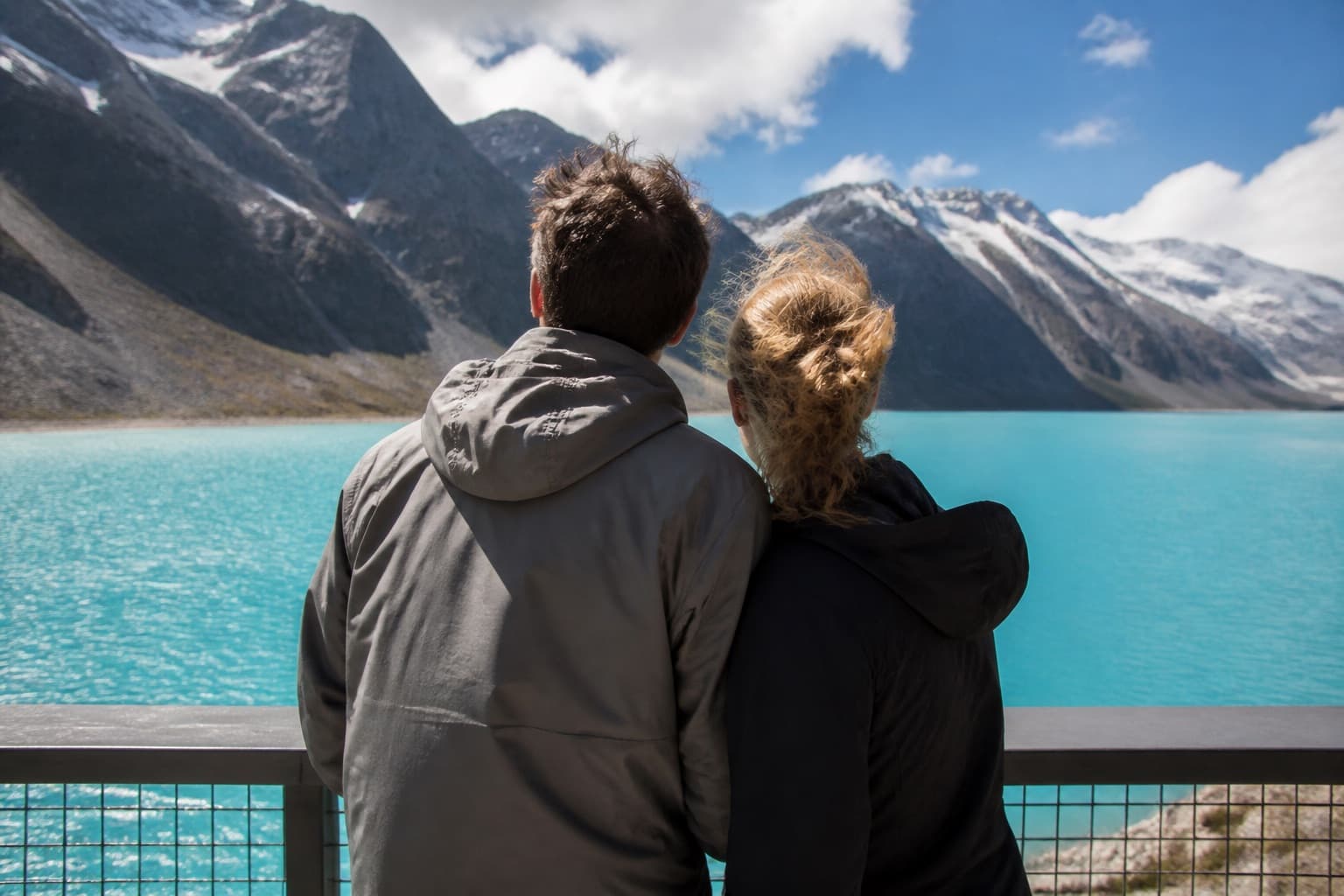
- Bright snow and water fool meters. At high lakes or the snow near Everest, your camera may underexpose. Watch your histogram and add exposure compensation as needed.
Night Skies
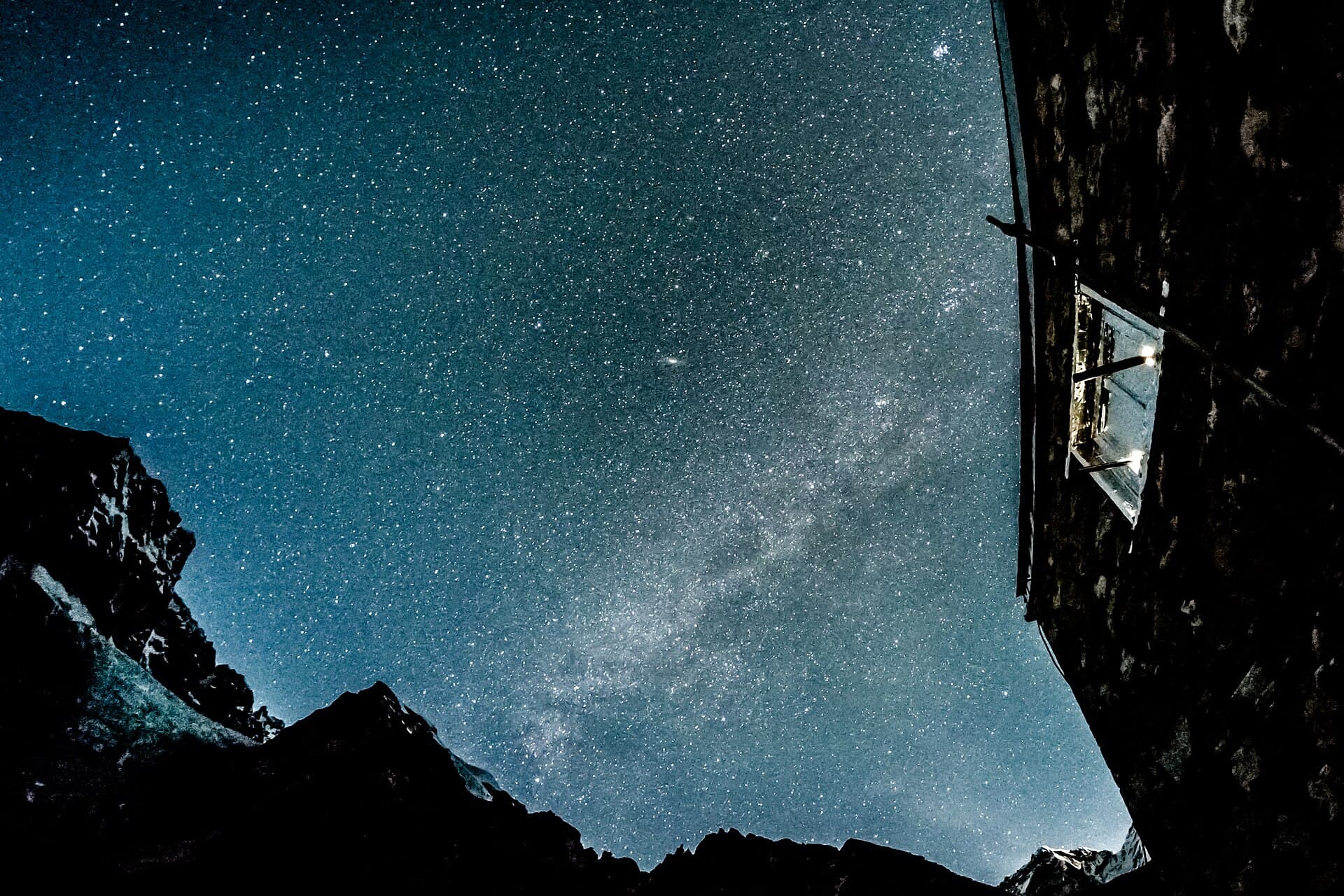
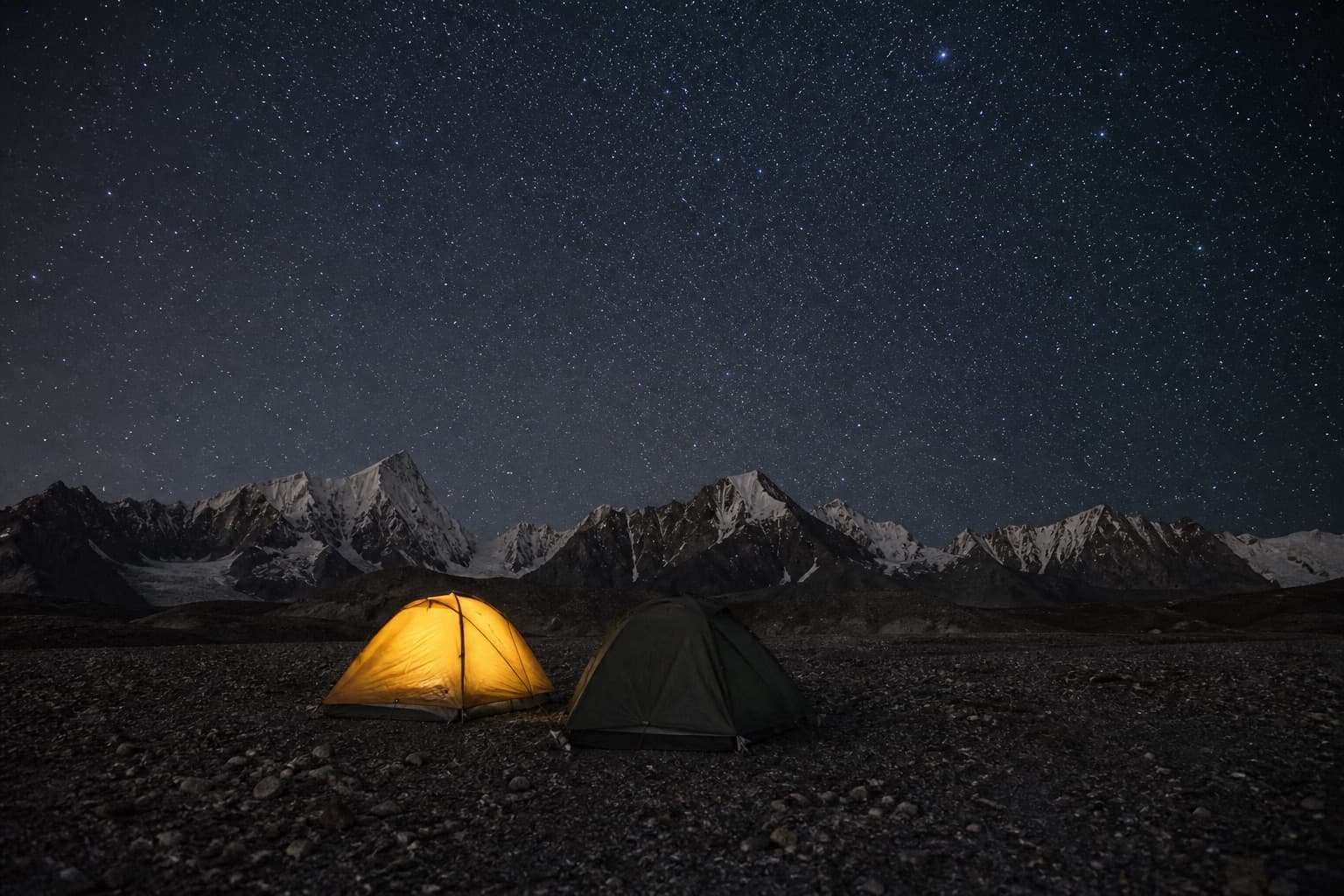
Tibet's high elevation, dry air, and limited light pollution make it one of the world's great places for night photography. On clear nights far from towns, the Milky Way can be stunning. If astrophotography interests you:
- Bring a sturdy, lightweight tripod.
- Use a fast wide-angle lens and high ISO with long exposures.
- Dress for serious cold — nights at altitude are frigid even after warm days.
- Give your eyes time to adjust, and use a red headlamp to preserve night vision.
Gear That Earns Its Place
You'll often be at altitude, sometimes walking or on long drives, so weight matters. Pack deliberately — traveling light is genuinely the smart choice here.
| Item | Why it matters |
|---|---|
| Versatile zoom lens | Covers landscapes to portraits without constant swaps in dusty air |
| Spare batteries (several) | Cold and altitude drain batteries fast; keep spares warm in an inner pocket |
| Polarizing filter | Deepens skies, cuts glare off water and snow |
| Lightweight tripod | Essential for night skies and low-light interiors where allowed |
| Lens cloths / blower | Dust and fine grit are constant on the plateau |
| Plenty of memory cards | You'll shoot more than you expect |
A few practical notes: keep batteries warm, because cold saps them quickly. Protect against dust when changing lenses — do it inside a bag or vehicle when you can. And don't over-pack; hauling heavy gear at 4,000-plus meters is genuinely tiring.
Shooting at Altitude
The environment affects you as much as your equipment.
- Move slowly. Hiking uphill to a viewpoint at altitude is harder than it looks. Give yourself time and don't rush.
- Acclimatize first. Your earliest days are for adjusting; you'll shoot better once you feel steadier.
- Mind the sun on yourself, not just your exposures — strong UV means hat, sunglasses, and sunscreen.
- Stabilize in thin air. Fatigue and cold can make handholding shakier; brace yourself or use a tripod for sharp results.
Photographing People — Respectfully
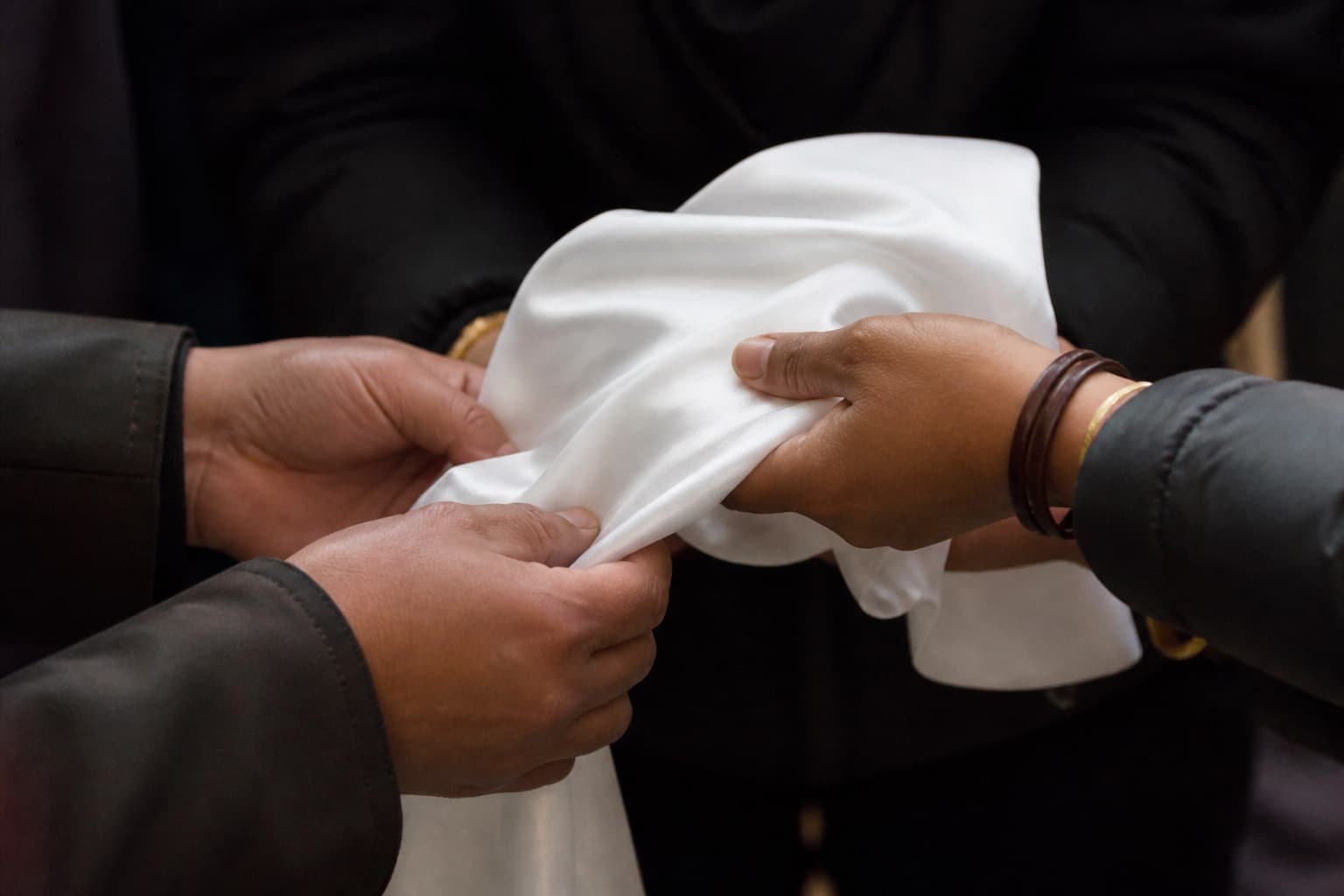
The most moving images in Tibet are often of people, and this is exactly where care matters most. Treat your subjects as people, not as content.
- Always ask first. Before photographing anyone — especially monks, nuns, and elders — ask with a smile and a gesture toward your camera.
- Accept "no" graciously. If someone declines or seems uncomfortable, lower the camera and move on without fuss.
- Be gentle with children and ask an accompanying adult.
- Don't interrupt devotion. Avoid sticking a lens into someone's prayer or prostration. Wait, or photograph from a respectful distance if appropriate.
- Skip default cash-for-photos. Offering money to take a picture can feel transactional; follow your guide's read on local norms.
For the fuller picture on respectful conduct across the plateau, read our Tibet travel etiquette guide.
Permits, Restrictions, and Where You Can't Shoot
A few rules to internalize:
- Interior photography is often restricted. Inside many monastery chapels, photography is prohibited, and where it's allowed there may be a fee. The Potala Palace interior, for example, restricts photography to protect its ancient murals. Always ask before shooting interiors of temples and shrines.
- Avoid photographing sensitive subjects. Don't photograph military or security personnel, checkpoints, or installations. When in doubt, don't — and ask your guide.
- Respect site-specific rules. Some locations and museums have their own restrictions. Your guide will know them.
This is another reason a knowledgeable guide is invaluable. Remember that foreign visitors cannot travel independently in Tibet: you'll be on a licensed organized tour with a registered guide and a Tibet Travel Permit arranged in advance (see our Tibet Travel Permit guide). Your guide will steer you away from problems and toward the best vantage points.
Drones in Tibet
A question we get often: can I bring a drone? In practice, the honest answer for most visitors is no, or at least don't count on it. Drone flights are tightly restricted across China generally, and Tibet is a particularly sensitive border region with additional airspace and security controls on top of that. Drones are routinely confiscated at security checks on the way into the Tibet Autonomous Region, even when they never leave your bag, and flying one without the right clearance can create real problems for you and for your guide.
If aerial footage matters to your trip, talk to your operator well before you travel rather than assuming you'll sort it out on the ground. In practice, almost nobody flies a drone on a standard Tibet tour, and leaving it at home is the simplest way to avoid a confiscated device or a difficult conversation at a checkpoint.
Where to Point Your Camera, Stop by Stop
Pairing the light and gear advice above with a route helps more than either on its own. A few standouts, roughly in the order most itineraries reach them:
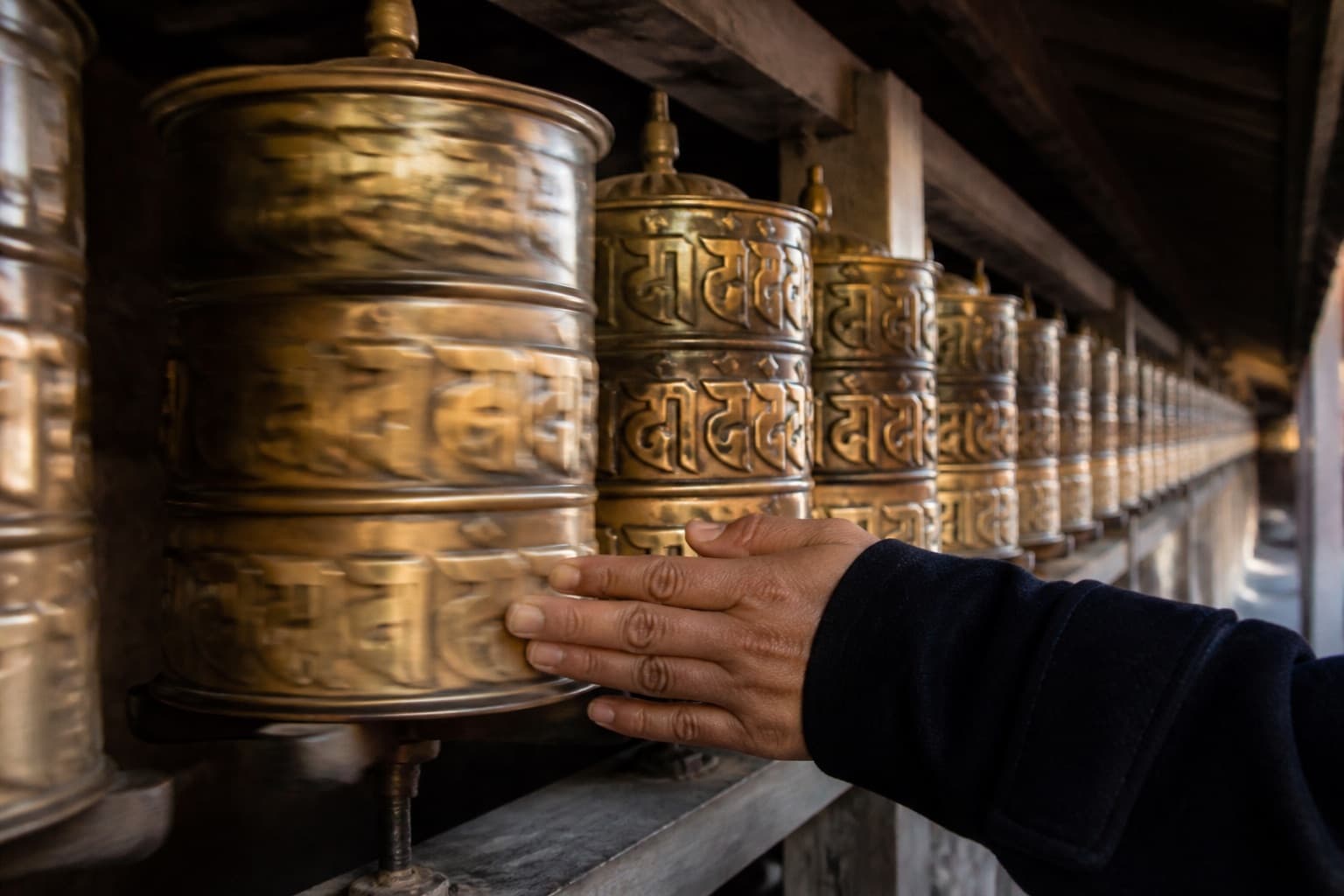
- The Potala Palace and Barkhor Street in Lhasa — the palace glows at sunrise and sunset from the square and the viewpoints around it; the Barkhor kora gives you pilgrims, prayer wheels, and incense smoke at any hour, but is calmest and most atmospheric early in the morning.
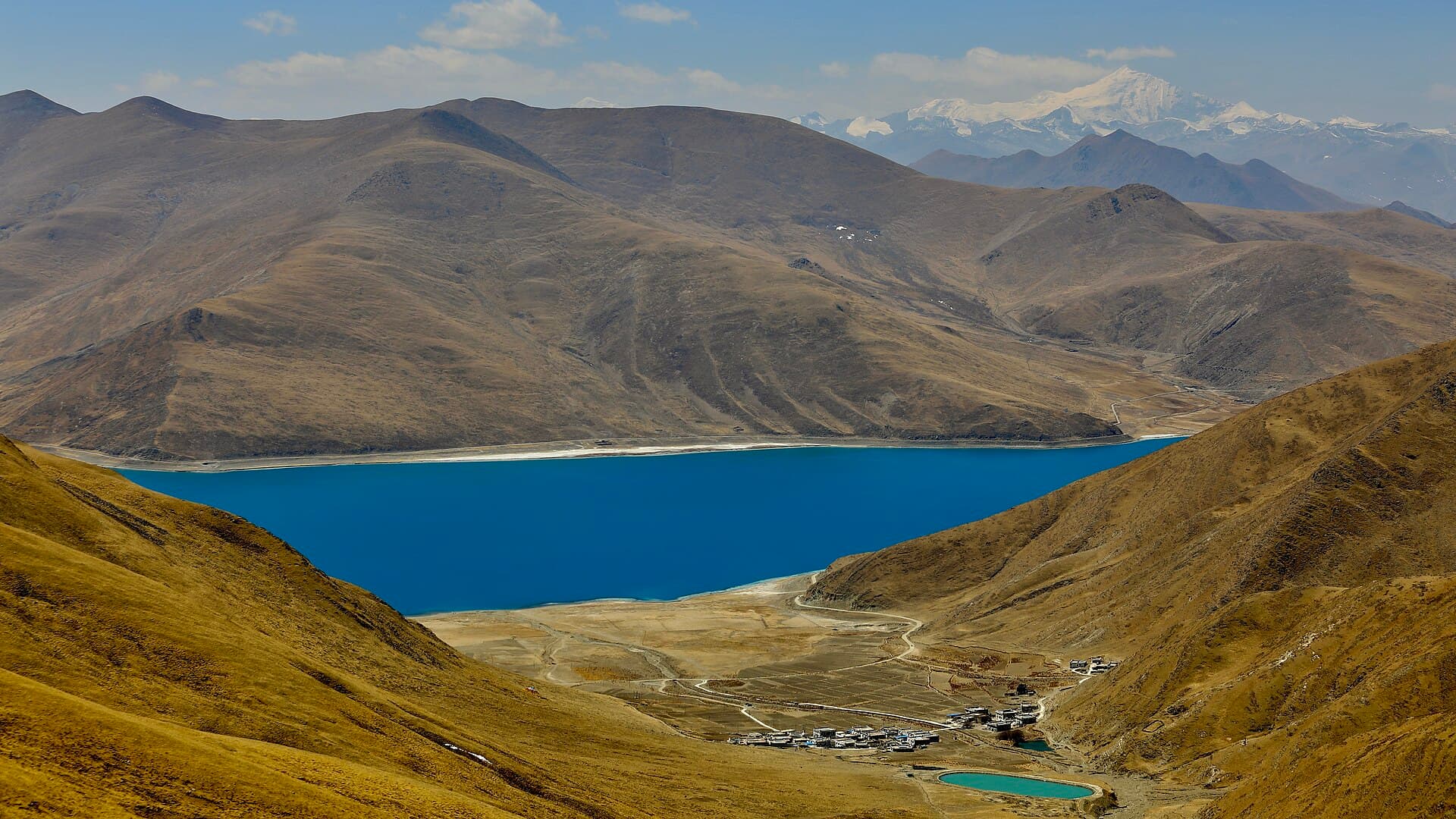
- Yamdrok Lake on the route toward Shigatse — one of Tibet's great turquoise lakes, best photographed from the high viewpoints on the pass road rather than lake level, where the color and the scale of the water both read clearly.
- Gyantse and Shigatse — the Kumbum stupa at Gyantse and Tashilhunpo Monastery at Shigatse both reward wide shots that include their hillside settings, not just the buildings themselves.
- Namtso Lake — vast water against snow peaks, with strong light through most of the day; arrive early if you can, since cloud tends to build over the surrounding ranges by afternoon.
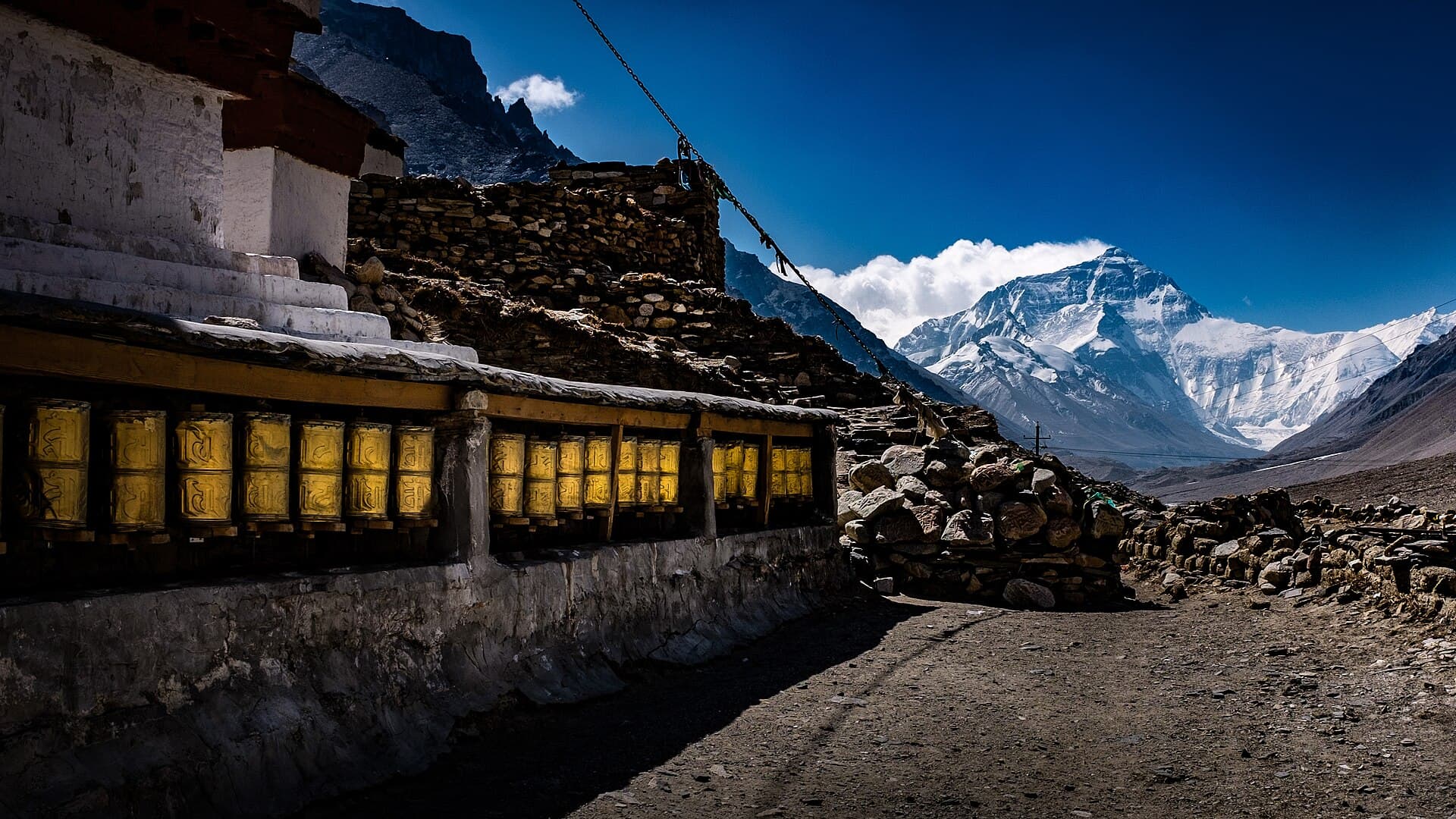
- Rongbuk Monastery and the Everest panorama — the single most requested shot on the plateau. Mornings offer the best odds of a clear summit before afternoon cloud rolls in; our 9-day Everest Base Camp & Namtso tour times the approach with this in mind.
- Nyingchi — Tibet's green, forested east is a different kind of photograph entirely: rivers, forest, and (in spring) blossom, rather than bare peaks and open plateau. See our Nyingchi travel guide for seasonal timing.
None of this needs to be rushed. A paced itinerary with real time at each stop, rather than a dash between photo ops, is what actually produces good images — one more reason the acclimatization schedule in your itinerary works in your favor as a photographer, not just for your health.
Shooting Well With Just a Phone
Most travelers in Tibet are shooting on a phone, not a dedicated camera, and that's absolutely enough to come home with images you'll love.
- Clean the lens. Dust from the road and fingerprints from pockets are the single biggest quality killer on a phone camera — wipe it before any shot that matters.
- Use grid lines and the horizon level. Tibet's landscapes are full of strong horizontal lines — lake shores, mountain ridges, monastery rooflines — and a tilted horizon is the easiest mistake to avoid.
- Shoot RAW or "Pro" mode if your phone offers it, especially in the high-contrast midday light described above; it gives you far more room to recover shadow and highlight detail later.
- Don't fight the zoom. Digital zoom on a phone degrades quickly. Move closer, recompose, or accept a wider shot instead of cropping in-camera.
- Turn off automatic beautification filters for portraits of people you meet — they flatten exactly the texture and character that make a travel portrait worth keeping.
- Carry a power bank. Cold drains phone batteries fast at altitude, and you don't want to be choosing between your camera roll and calling your guide.
A phone in good light at golden hour, held steady with both hands or braced on a wall, will comfortably out-perform a nicer camera used carelessly at noon.
Final Advice
Great Tibet photography is equal parts preparation and respect: chase the golden hours, protect your gear from cold and dust, pace yourself at altitude, and always put the dignity of your subjects first. Do that, and the plateau will give you images — and memories — that last.
Ready to plan a photography-minded trip? Browse our Tibet tours or contact us and we'll help shape a route around the light and the landscapes you most want to capture.
From the page to the plateau
See Tibet with someone who can explain it
Our trips are led by licensed local Tibetan guides who can tell you what you are looking at, whether in a monastery, on a pilgrim circuit or out on the grassland. These are the two trips most travellers start with.
Lhasa & Yamdrok (5 Days)
Lhasa · Yamdrok Lake · Xiazhulin Temple · Lhasa
Five days based in Lhasa: a hands-on morning of Tibetan crafts, the debating monks at Sera, the Potala Palace and the Jokhang, then a day out over the Kamba La to Yamdrok Lake and Xiazhulin Temple. Our shortest Tibet trip, run as a shared group on fixed dates.
Everest & Namtso (9 Days)
Lhasa · Yamdrok Lake · Karola Glacier · Shigatse · Rongbuk · Everest Base Camp · Shigatse · Lhasa · Namtso · Lhasa
Nine days that add Namtso to the road to Everest: Sera's debating monks, the Potala and the Jokhang in Lhasa; Yamdrok Lake and, beyond it, the Karola Glacier on the drive west; a night at Everest Base Camp; Tashilhunpo; and a final day trip to Namtso once you're acclimatised. Shared group, fixed departures.
FAQs
The golden hours — early morning and late afternoon — give warm, flattering light on architecture and mountains. Midday sun at altitude is harsh and high-contrast, so plan your most important shots around sunrise and sunset, and use the deep, clear skies for landscapes.