Lower, greener and gentler than the high plateau, Nyingchi is Tibet's forested southeast, famous for spring peach blossoms, the Yarlung Tsangpo gorge and easier altitude. Here is what to see and when to go.
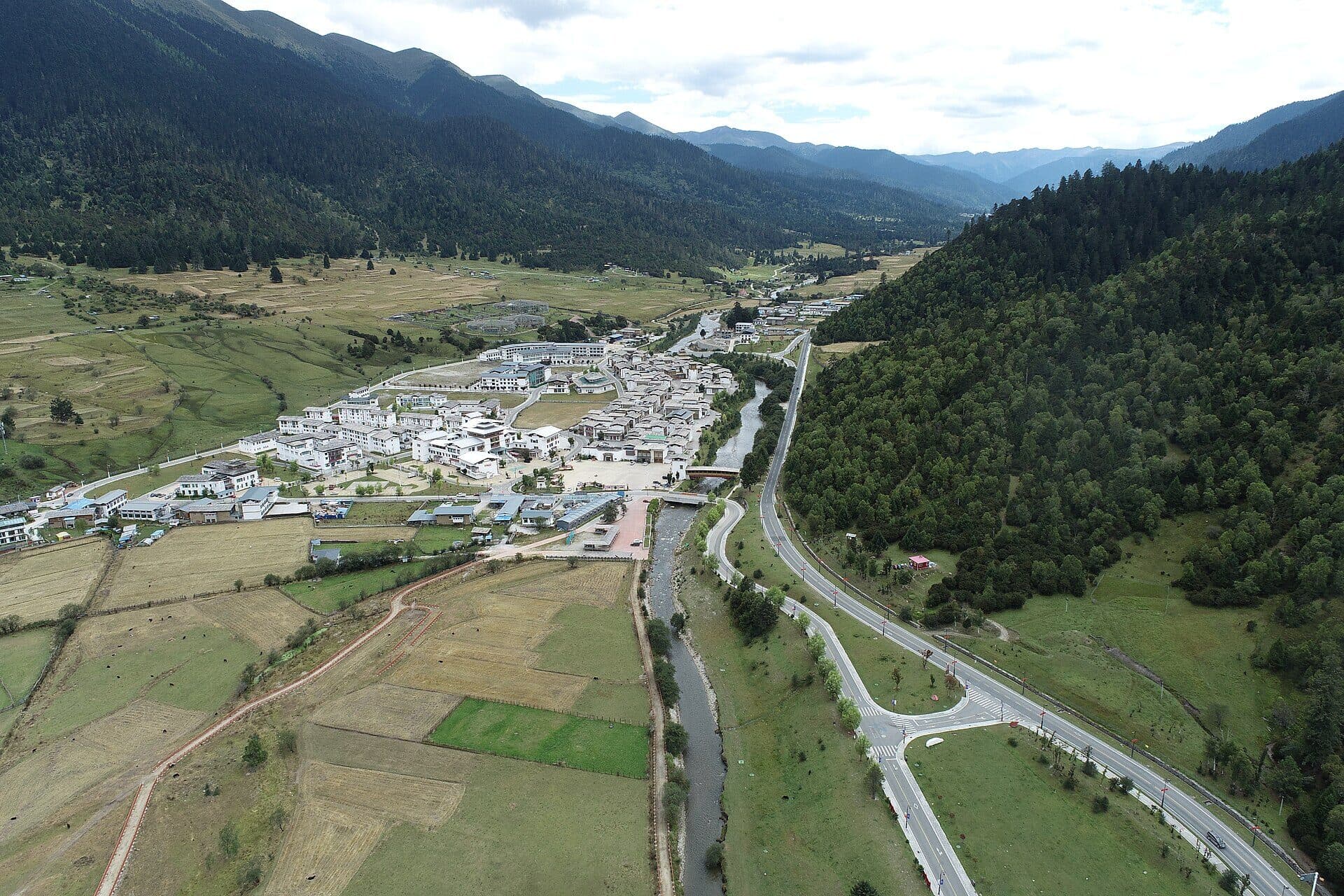
Nyingchi surprises almost everyone. Most people picture Tibet as a treeless high desert, but the southeast of the region is a land of deep river gorges, spruce forests, alpine meadows, and, in spring, hillsides covered in wild peach blossom. Sitting at an average of around 2,950 metres, considerably lower than Lhasa, Nyingchi is sometimes called the "Switzerland of Tibet," and its gentler altitude makes it one of the easiest parts of the plateau for first-time visitors to enjoy.
A Different Side of Tibet
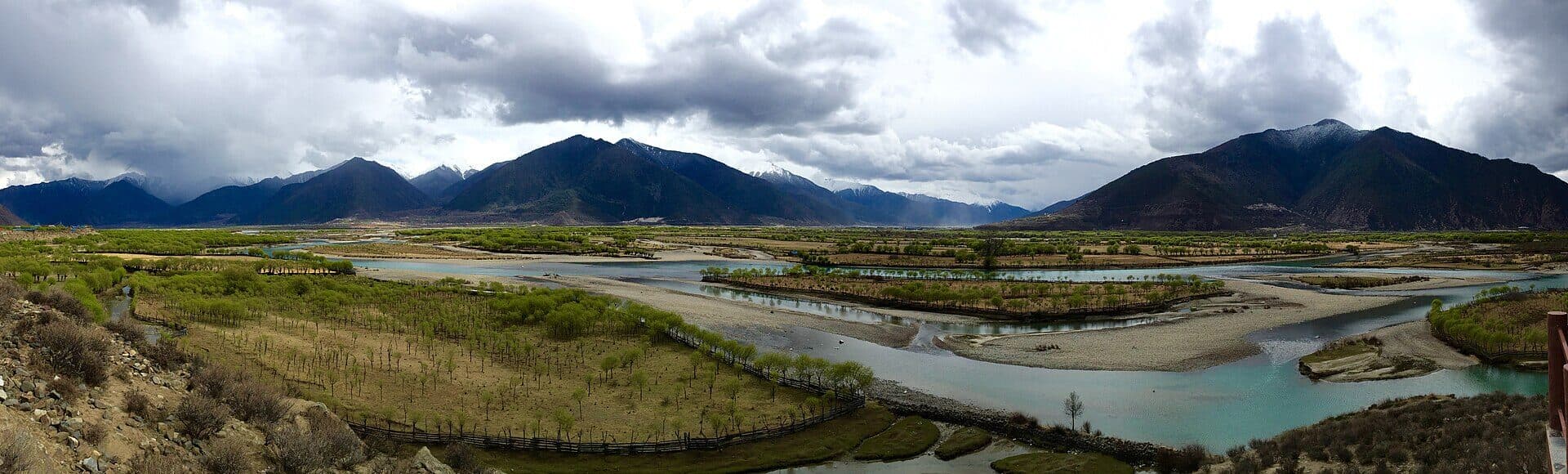
The reason Nyingchi looks so different is geography. Warm, moisture-laden air pushes up the Yarlung Tsangpo valley from the south, watering the slopes and supporting forests that simply cannot grow on the high plateau. The result is a landscape of green valleys, rushing rivers, and snow peaks rising directly above the treeline.
For travelers, the practical bonus is the altitude. Because Nyingchi is markedly lower than Lhasa and has more oxygen in the air, serious altitude sickness is less likely here, and many people find it a comfortable place to begin adjusting before heading higher.
The Peach Blossom Season
Nyingchi's signature spectacle is its spring peach blossom, which usually arrives from mid-March into April. For a few weeks, whole valleys turn pink and white as wild peach trees bloom against a backdrop of snow-capped mountains and traditional villages. The exact timing shifts with altitude, lower areas bloom first, higher ones later, so a well-planned trip can chase the blossom up the valleys over several days. It is one of the most photogenic moments in the entire Tibetan calendar and draws visitors specifically for the show.
What to See
Nyingchi rewards slow travel and scenic drives. The highlights most often include:
- Namcha Barwa, the dramatic 7,782-metre peak that anchors the region. When the clouds lift, its snow pyramid towering above the forested gorge is unforgettable.
- The Yarlung Tsangpo Grand Canyon, one of the deepest gorges on earth, where the great river makes its turn through the Himalaya.
- Basum Tso (Lake Basum), a serene emerald lake ringed by forest with a small island monastery, ideal for a gentle half-day.
- Lulang Forest and meadows, broad alpine pastures, spruce woods, and wooden villages that feel a world away from the high plateau.
People and Culture
Nyingchi is not only scenery. The region is home to a rich mix of peoples, including communities such as the Monpa and Lhoba, whose customs, dress, and architecture differ from those of central Tibet. Villages of timber houses, terraced fields, and orchards give the valleys a settled, agricultural rhythm quite unlike the herding life of the high plateau. Local specialities, from stone-pot chicken to highland barley dishes, reflect the warmer, more fertile land, and a meal in a village guesthouse is often a quiet highlight. Travelers who slow down here find that the human landscape is as distinctive as the natural one.
Basum Tso (Draksum-tso) in Detail
Of the sights listed above, Basum Tso rewards the most lingering. Also spelled Draksum-tso, the lake sits in a forested bowl in Gongbo'gyamda County, reached by a side road off the main Lhasa–Nyingchi route. Its still, deep-green water reflects the surrounding peaks, and a small wooded island near the shore holds a modest monastery, Tsodzong Gompa, associated with the Nyingma school and, by local tradition, linked to Guru Rinpoche. A path circles part of the lake through conifer forest, and short boat crossings to the island are usually available in season. It is an easy, unhurried half-day rather than a headline monument, which is exactly its appeal after the grander stops elsewhere in Tibet.
The Lhasa–Nyingchi Railway
The overland road from Lhasa is no longer the only way in. A railway between Lhasa and Nyingchi opened in 2021 as the first completed section of the Sichuan–Tibet Railway, running roughly 435 km and cutting the journey to about three and a half hours, against five hours or more by road. It is an electrified line built for plateau conditions, with trains running the route and several stations along the way, including a link toward Shigatse. Not every tour uses the train, since the road journey is itself part of the experience with its valley and pass scenery, but it is worth asking your operator about if you would rather minimize driving time or are short on days. Longer term, this line is the opening stretch of a much larger railway intended to eventually link Chengdu and Lhasa; the rest of that route remains under construction, so for now the train only runs within Tibet.
Getting There
Nyingchi lies east of Lhasa and is reached by road, by the Lhasa–Nyingchi railway described above, or by air into Nyingchi Mainling Airport, which has flights from several mainland cities. The overland route from Lhasa is itself a draw, following river valleys and crossing forested passes, and a new expressway has shortened the drive considerably in recent years.
For most foreign visitors, Nyingchi is added to a Lhasa-based itinerary rather than visited alone. It works beautifully as an extension that softens the altitude curve and broadens the trip beyond monasteries and high lakes. Because all travel here is on a guided, permitted tour, the routing and timing are arranged for you; you can see the full range of itineraries on our Tibet tours page, and read about reaching the region on our how to get to Tibet guide. For the full picture of the place itself, our Nyingchi destination page covers the same ground from a trip-planning angle, with tours that visit listed alongside it.
A common and rewarding plan is to acclimatize in Lhasa first, then travel east to Nyingchi for two or three days among the forests and gorges, before returning. Some travelers also fly directly into Nyingchi to begin gently at lower elevation, then continue up to Lhasa, which can make the altitude curve kinder still. Either way, the drives themselves are part of the experience, with river valleys, prayer-flag passes, and villages unrolling along the way. For more on pacing a route around the plateau's altitude, see our altitude sickness guide and best time to visit Tibet.
A Gentler Choice for Families and First-Timers
Because Nyingchi sits around 700 metres lower than Lhasa, it is also worth considering for travelers who are more cautious about altitude: families with young children, older travelers, or anyone who had a rough time acclimatizing on a previous trip to the plateau. The forests and rivers give children something immediate to engage with beyond monastery interiors, and the shorter drives between sights are kinder than a long push toward Everest or Kailash. Our family travel guide goes into more detail on planning a Tibet trip around children's pace and comfort; Nyingchi is one of the better building blocks for that kind of itinerary.
When to Go
- Mid-March to April for the peach blossom, the headline reason to come.
- May to June and September to October for clear, comfortable conditions and green landscapes without the blossom crowds.
- Summer is warm and lush but is the wettest time, with cloud and rain that can hide the peaks.
- Winter is mild by Tibetan standards and very quiet, though some higher viewpoints may be harder to reach.
Practical Notes
- Altitude is easier, not absent. Nyingchi is lower than Lhasa, but you are still on the plateau and some viewpoints and passes are high. Take it gently, especially if you arrive directly.
- Pack for rain and shine. The wetter climate means waterproofs are worth carrying, alongside the usual layers.
- Permits are arranged for you. Travel beyond Lhasa needs the Tibet Travel Permit and any area permits, which we handle once you book. See the Tibet Travel Permit page.
- Book blossom season early. The peach-blossom weeks are popular and accommodation fills quickly; plan well ahead if spring is your target. Our 12-Day Nyingchi, Everest Base Camp & Namtso Tour is an excellent choice if you want to include Nyingchi.
Nyingchi is the antidote to any idea that Tibet is only stark and high. Forests, gorges, lakes, and that astonishing spring blossom make it one of the region's most relaxing and beautiful corners, and a perfect complement to the cultural heart around Lhasa.
Plan your Tibet trip with us
Permits handled, local guides, transparent pricing. Tell us your dates and we will send a tailored itinerary.
FAQs
Usually from mid-March into April. The blossom appears in lower valleys first and progresses to higher areas over the following weeks, so a well-timed trip can follow it up the valleys across several days. It is one of the most popular times to visit, so book well in advance.