Tibet Trails
定制我的行程
The Lhasa to Kathmandu Overland Route: A Complete Guide
Transport·9 分钟阅读

The Lhasa to Kathmandu Overland Route: A Complete Guide

One of the great overland journeys on earth, the route from Lhasa to Kathmandu crosses the Tibetan plateau, passes the north face of Everest, and descends into Nepal. Here's everything you need to plan it.

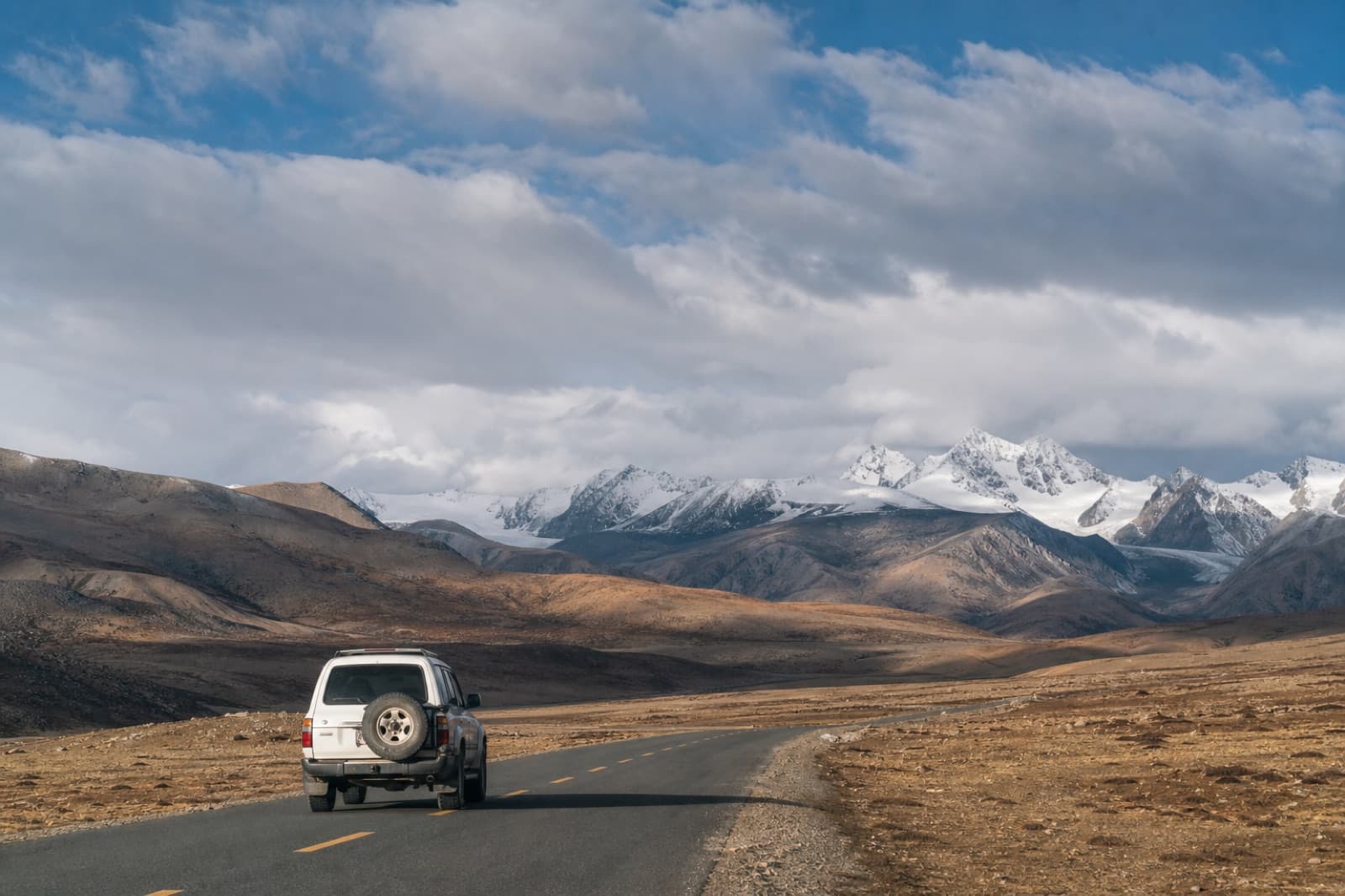
The overland journey from Lhasa to Kathmandu is one of the most rewarding road trips in the world. Over roughly 800 kilometers along the Friendship Highway, you cross the high Tibetan plateau, skirt turquoise lakes, visit some of Tibet's most important monasteries, stand before the north face of Mount Everest, and finally descend through dramatic gorges into the green hills of Nepal. This guide covers the route, the highlights, the practicalities, and the paperwork.

Why go overland?

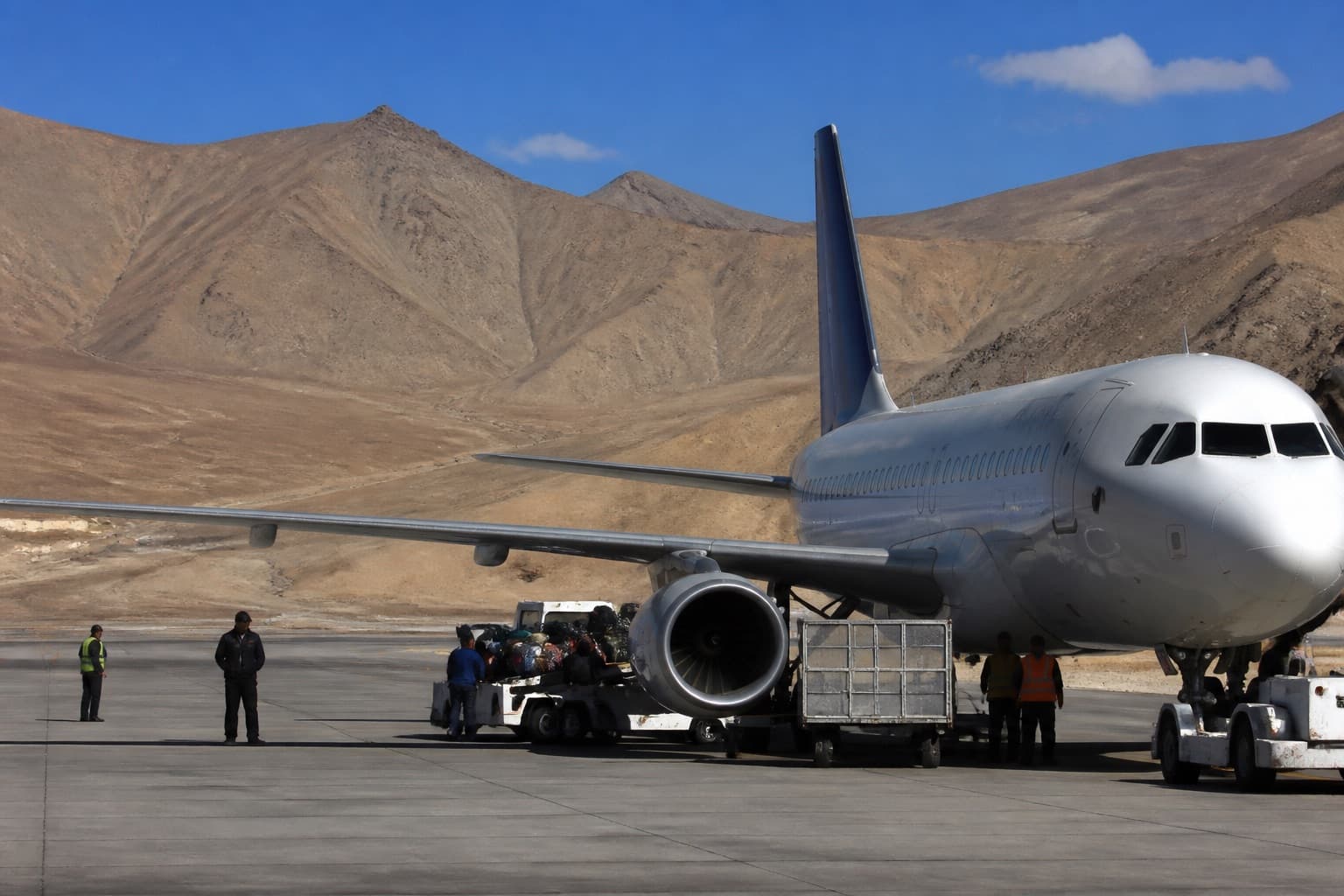
Flying between Lhasa and Kathmandu is quick, but it skips everything that makes this corner of the world extraordinary. The overland route turns the transit into the trip. You watch the landscape transform from arid high desert to Himalayan foothills, and you experience the plateau at ground level — passing pilgrims, yak herds, and villages that planes fly straight over.

It also breaks the altitude into stages over several days rather than tackling it in one go.

The classic route, stage by stage

The standard itinerary is usually run over about eight days, moving roughly like this:

1. Lhasa

Most trips begin with time in Lhasa to acclimatize and explore. The Potala Palace, the Jokhang Temple, and the bustling Barkhor pilgrim circuit are the essentials, often alongside the great monasteries of Drepung and Sera, before you set out.

2. Lhasa to Gyantse

Leaving Lhasa, the road climbs over the Kamba La pass to one of Tibet's most photographed sights: Yamdrok Lake, a vivid turquoise body of water held sacred by Tibetans. Further on you pass the Karola Glacier, which spills down close to the roadside. In Gyantse, the Pelkor Chode Monastery and its remarkable Kumbum Stupa — a multi-tiered structure filled with chapels and murals — are the highlights.

3. Gyantse to Shigatse

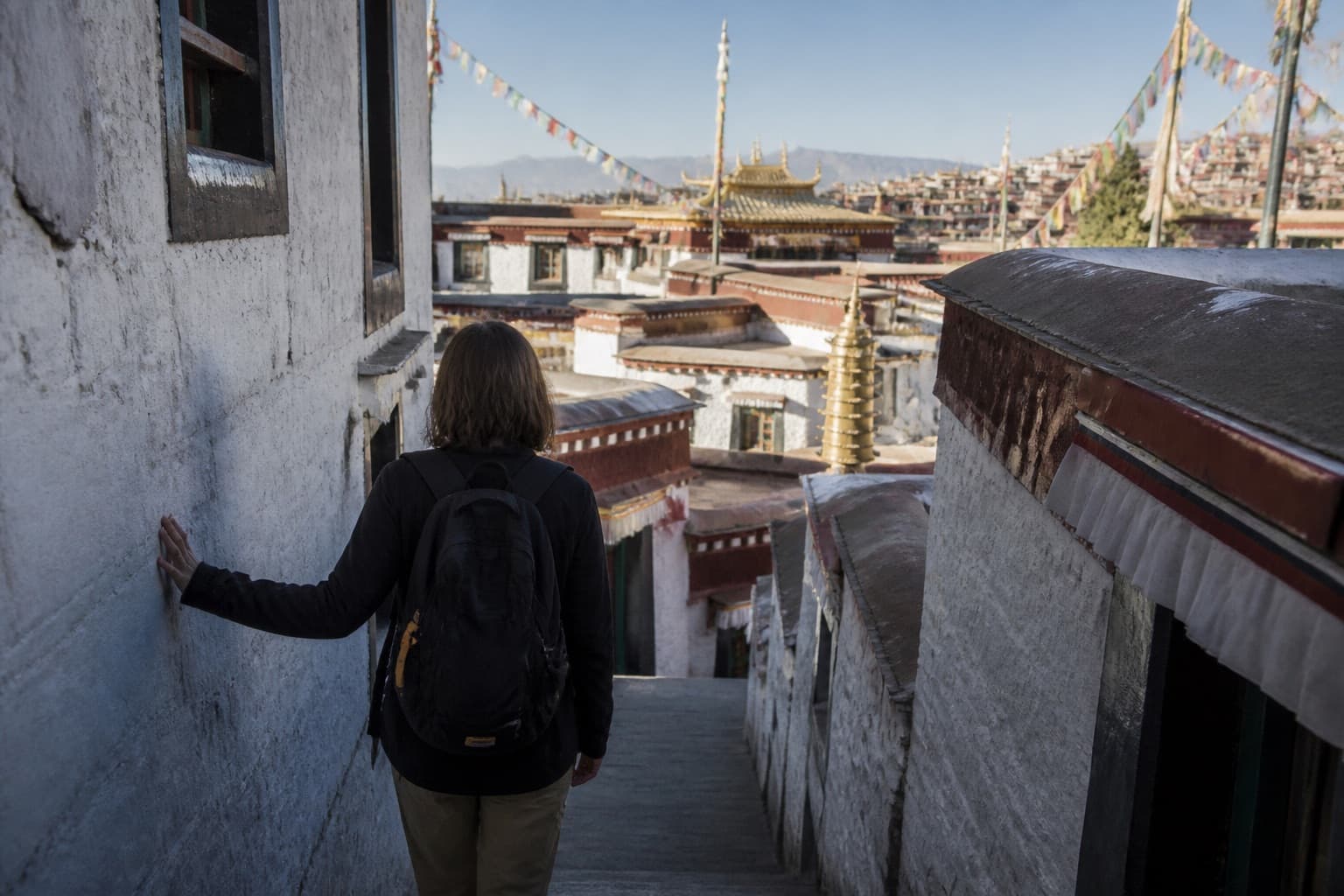
A shorter leg brings you to Shigatse, Tibet's second city and the traditional seat of the Panchen Lamas. The vast Tashilhunpo Monastery here is one of the great monastic complexes of Tibet and well worth unhurried time.

4. Shigatse toward Everest

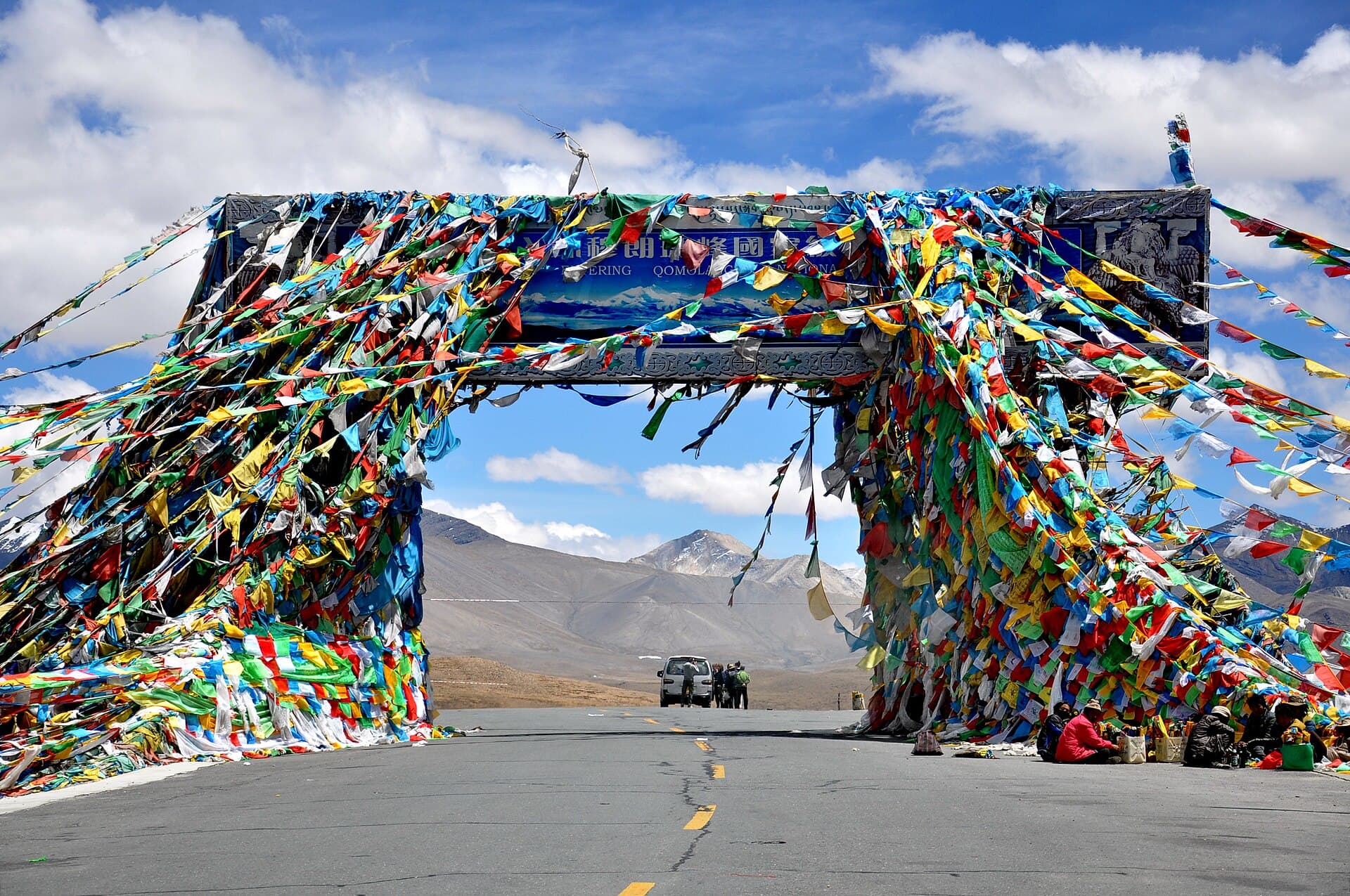
The road continues west and climbs over high passes, including Gyatso La at around 5,248 meters. This is genuine high country, and the scale of the landscape is hard to overstate. You pass through Tingri and over the Gawu La pass, which on clear days frames a line of Himalayan giants.

5. Everest Base Camp (Tibet side)

The centerpiece for many travelers. The Tibet-side Everest Base Camp is reached by road and offers a head-on view of the mountain's north face. Nearby, Rongbuk Monastery holds the title of the highest monastery in the world. The base camp area sits at around 5,200 meters, so this is the most altitude-demanding part of the trip — your guide will manage the pace accordingly.

If Everest is your primary goal, our Everest Base Camp tour focuses on this region specifically.

6. Down to the border and into Nepal

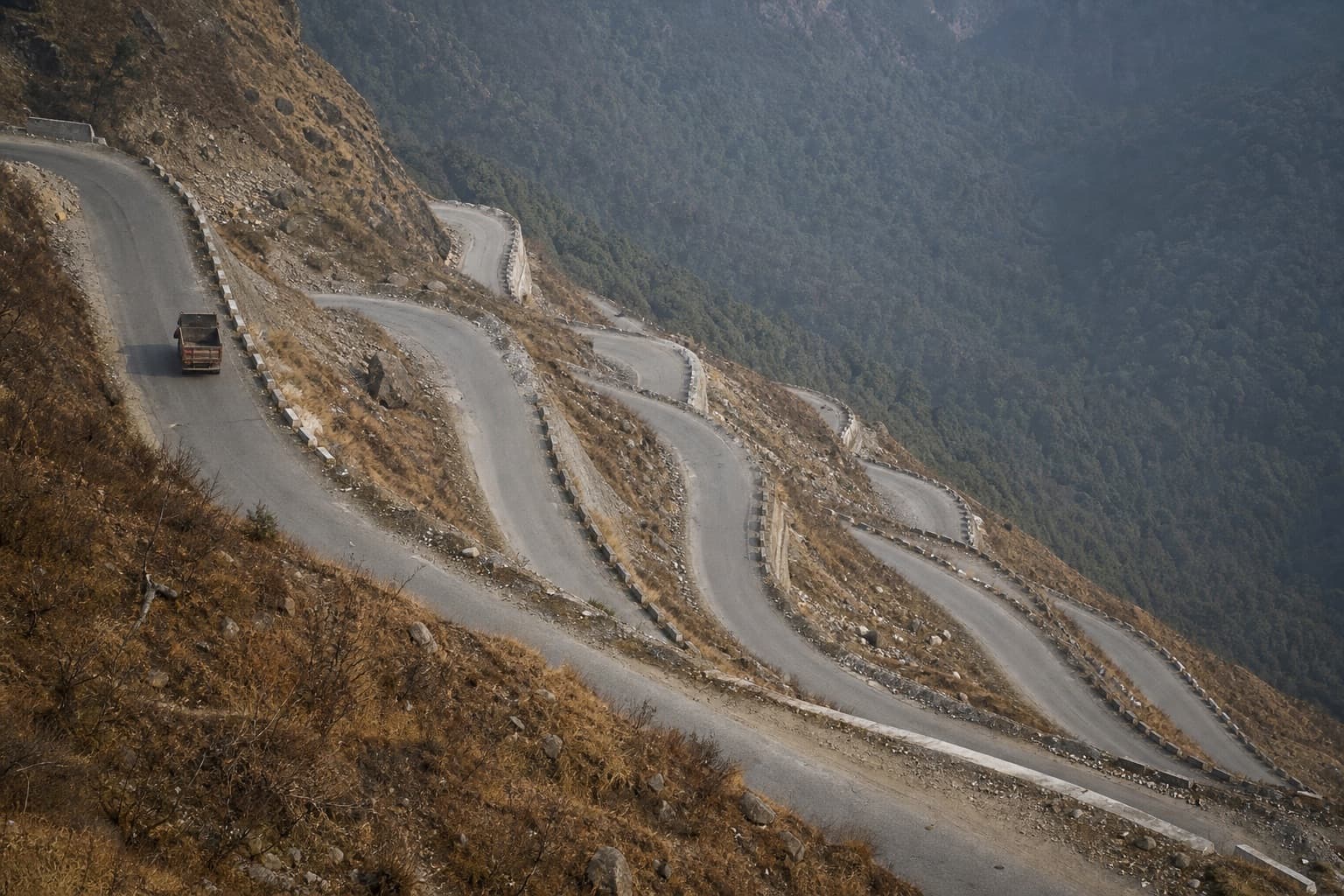
From the Everest region the highway descends toward the frontier, passing landmarks such as Shishapangma and Peiku Tso lake. The crossing into Nepal is at Gyirong Port (known as Kerung on the Nepali side). From Gyirong it is roughly 130-160 km to Kathmandu, and the descent is striking — within hours you drop from stark plateau into lush, humid Himalayan valleys.

A historical note: the older Zhangmu / Kodari crossing was damaged in the 2015 earthquake, and Gyirong is now the main land border between Tibet and Nepal open to tourists. Note also that border formalities close in the afternoon, so an overnight near the frontier is often part of the plan.

This full route is exactly what our Lhasa to Kathmandu overland tour is built around.

The paperwork: this is the part to get right

The overland route is fully achievable, but the permits and visas need attention, and they differ depending on which direction you travel.

Travelling Lhasa to Kathmandu (Tibet first)

  • You enter China on your standard China visa, then your operator arranges your Tibet Travel Permit plus the additional permits needed for travel beyond Lhasa (Aliens' Travel Permit and a border permit). All of this is handled by your agency and guide.
  • At the border, when you exit into Nepal, most nationalities can obtain a Nepal visa on arrival, with 15, 30, or 90-day options. Bring a passport-size photo and cash for the fee.

Travelling Kathmandu to Lhasa (Nepal first)

This direction has a key difference. If you start in Nepal, the rules around the Chinese visa work differently, and a Tibet Travel Permit must still be arranged through an official agency in advance. Because the visa requirements for the Nepal-to-Tibet direction have shifted in recent years and can change, confirm the current procedure with your operator before booking.

Because the requirements depend so heavily on direction and nationality, this is a route where working closely with your operator pays off. For a detailed look at the rules, see our guides on the Tibet Travel Permit and Tibet travel restrictions.

Practical tips for the journey

  • Altitude: The route reaches above 5,000 meters at several points. Spend your first days in Lhasa acclimatizing before heading higher, and let your guide manage the pace.
  • Pack for range: You will experience freezing plateau nights and warmer, humid conditions as you descend into Nepal. Layers are essential.
  • Connectivity drops off: Expect limited or no signal in remote stretches like the Everest area. Plan to be offline for parts of the trip.
  • Cash: ATMs are scarce outside the main towns, so carry enough Chinese yuan for the Tibet portion.
  • Timing: High passes and the Everest region can be affected by snow in the colder months. Spring and autumn are generally the most reliable seasons; discuss dates with your operator.

Is it for you?

If you want a journey rather than just a destination — and you are comfortable with several days on the road at high altitude — the Lhasa to Kathmandu overland route is hard to beat. It packs lakes, glaciers, monasteries, the world's highest mountain, and two distinct cultures into a single trip.

To plan your route, sort out the direction-specific paperwork, and lock in dates that suit the season, get in touch with us or explore our full list of Tibet tours.

与我们一起规划您的西藏之旅

许可证全程办妥、本地向导、价格透明。告诉我们您的日期,我们将为您定制行程。

常见问题

The classic itinerary is usually run over about eight days, covering Lhasa, Gyantse, Shigatse, the Everest Base Camp region, and the crossing into Nepal at Gyirong. The Friendship Highway covers roughly 800 km in total.