Le chemin de fer Qinghai-Tibet est le plus haut du monde et l’une des manières les plus mémorables d’entrer au Tibet. Voici comment se comparent les principaux itinéraires, à quoi ressemblent les classes, le système d’oxygène et la règle de permis à connaître impérativement avant de monter à bord.
Réponse rapide : Le chemin de fer Qinghai–Tibet atteint Lhassa depuis Xining (environ 21 heures, la portion de plateau la plus courte et la plus spectaculaire), Chengdu, Pékin (environ 40 heures) et d'autres villes de Chine continentale. Chaque voiture est enrichie en oxygène, et la montée progressive est réellement plus douce pour l'organisme que l'avion. Vous devez détenir votre permis de voyage au Tibet avant l'embarquement : il est contrôlé en gare, pas à l'arrivée.
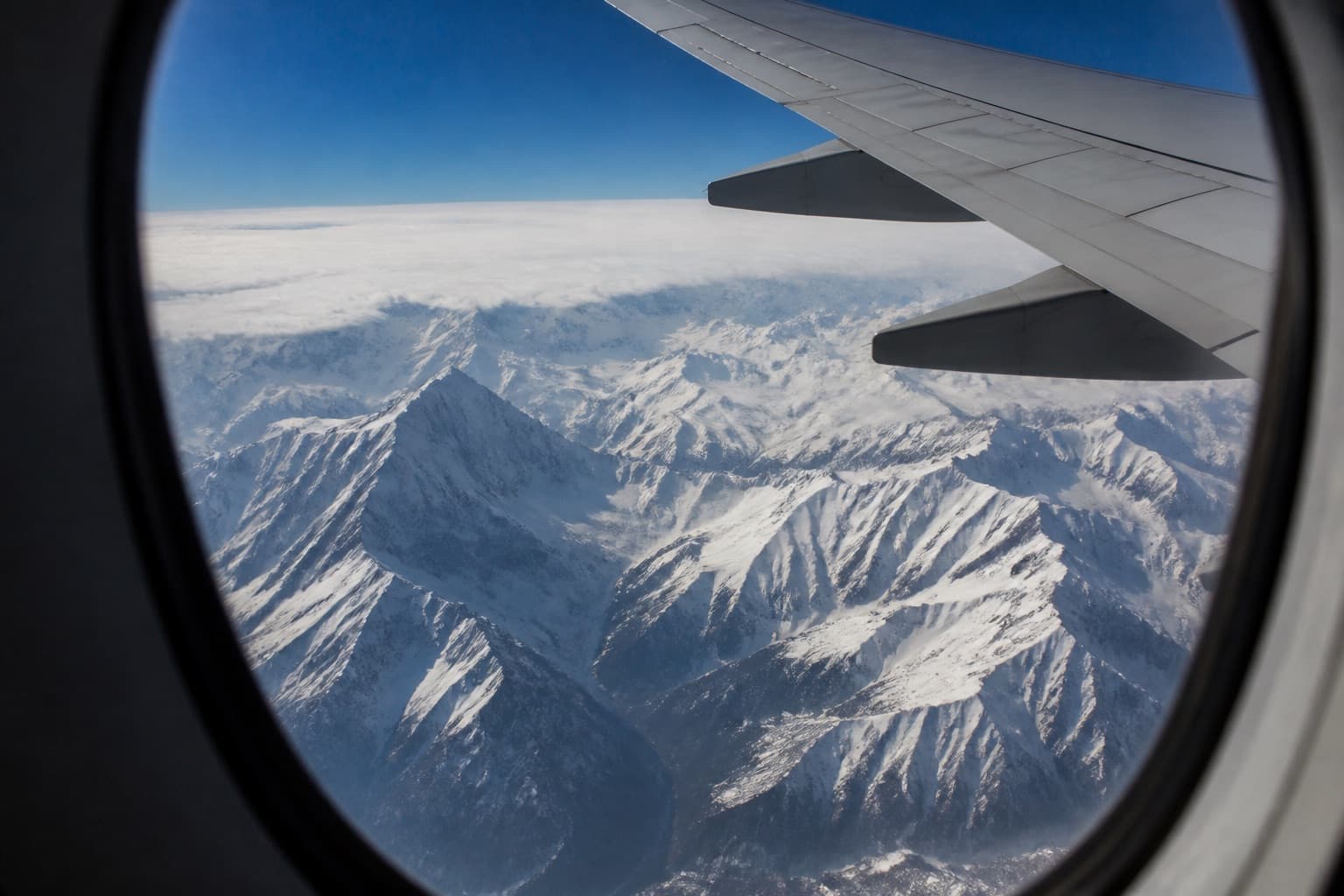
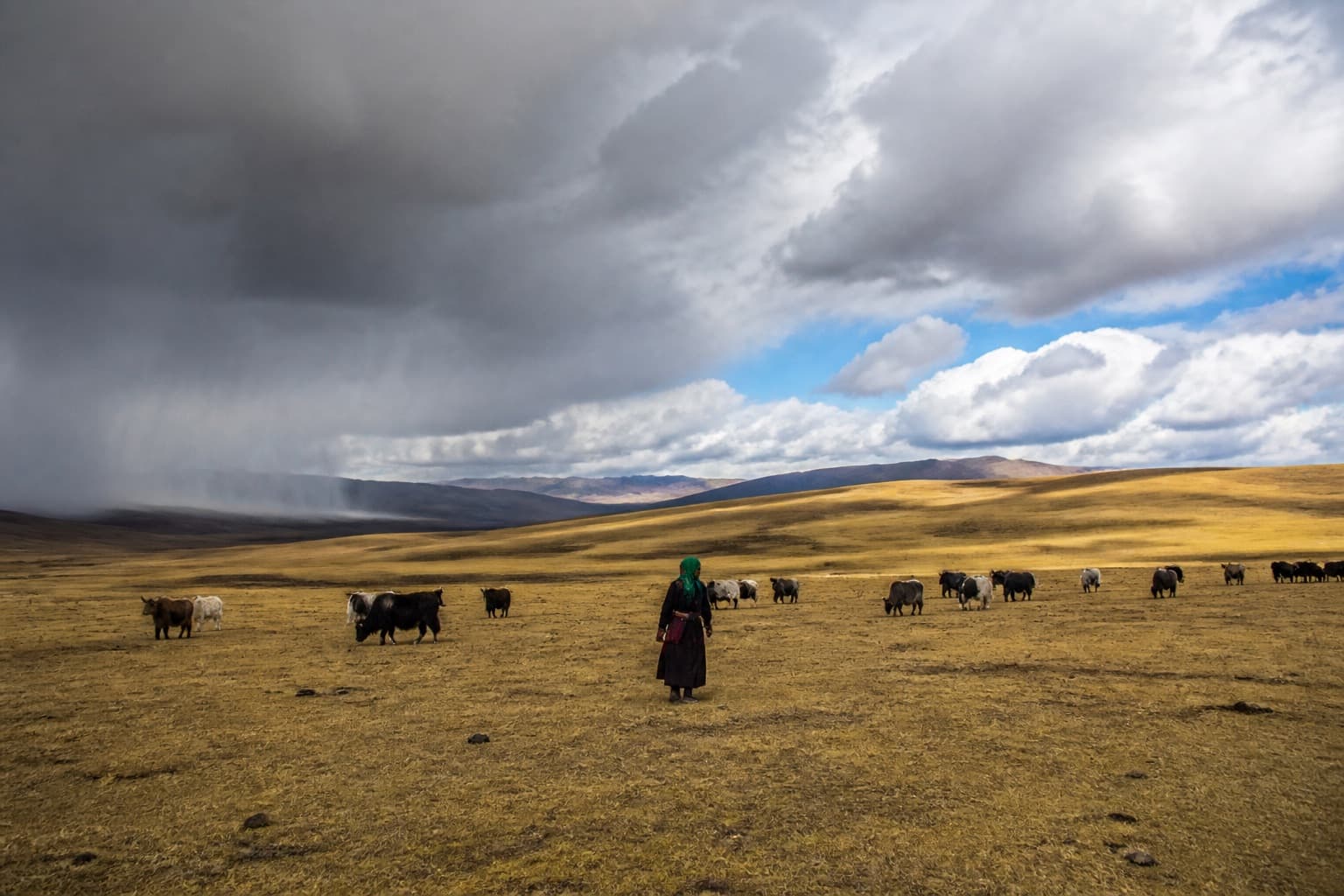
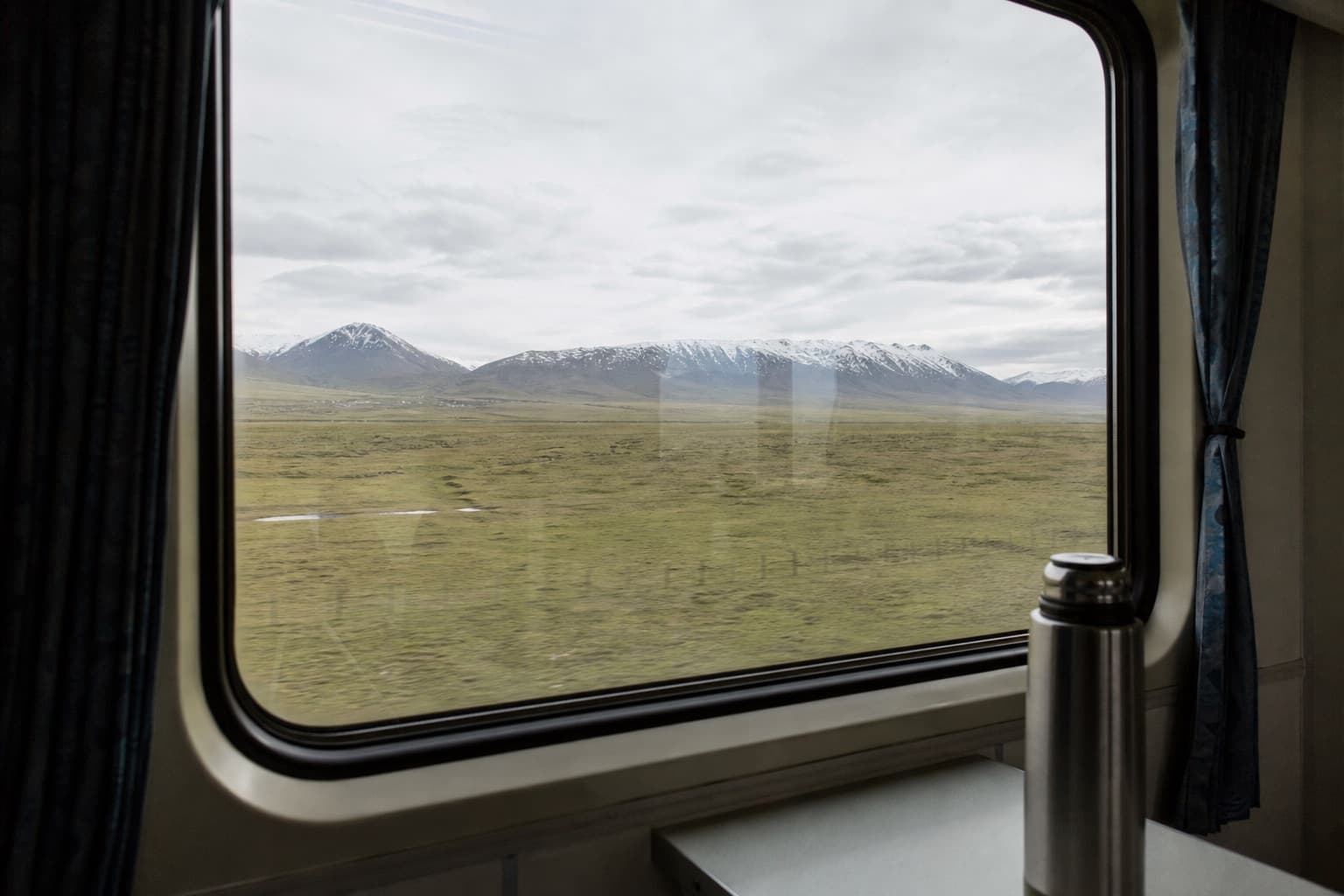
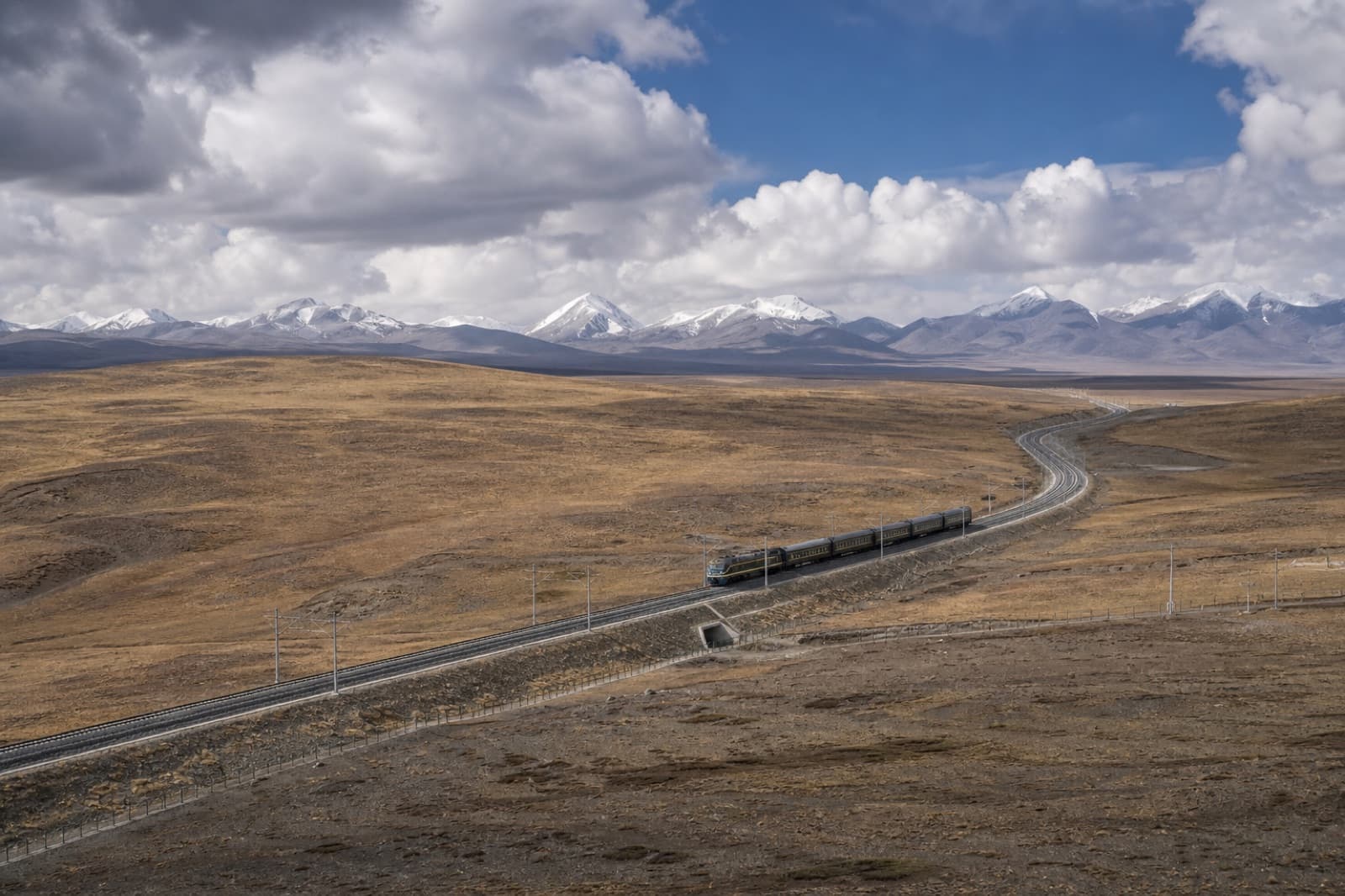
Prendre le train pour Lhassa est en soi un voyage incontournable. Le chemin de fer Qinghai-Tibet est le plus haut de la planète, franchissant un col à plus de 5 000 mètres et roulant des heures durant à travers un immense plateau désert de sommets enneigés, de prairies et de yaks au pâturage. Au-delà des paysages, le train présente un avantage pratique : en montant progressivement, il offre à votre corps une introduction à l’altitude plus douce qu’un vol. Ce guide couvre les principaux itinéraires, ce à quoi vous attendre à bord, et les règles qui s’appliquent aux voyageurs étrangers.
Pourquoi prendre le train ?
- Des paysages que vous ne pouvez obtenir autrement. La section de haut plateau est véritablement spectaculaire.
- Plus doux pour l’altitude. La montée lente, combinée au système d’oxygène des voitures, permet à votre corps de commencer à s’adapter avant d’atteindre les 3 656 mètres de Lhassa. Voyez notre guide du mal des montagnes.
- Une expérience, pas un simple transport. Les trains-couchettes chinois longue distance sont conviviaux, confortables, et constituent un moment mémorable du voyage.
La contrepartie, c’est le temps. Même l’itinéraire le plus court est un long trajet, et les plus longs prennent la majeure partie de deux jours.
Comparaison des itinéraires
Tous les trains convergent vers la même ligne de plateau via Golmud et par-dessus le col du Tanggula, de sorte que le point fort panoramique est partagé. Ce qui diffère, c’est le temps que vous passez à atteindre cette section.
| Itinéraire | Durée approx. | Remarques |
|---|---|---|
| Xining à Lhassa | 19 à 21 heures | Trajet de plateau le plus court ; la fameuse section élevée commence ici |
| Lanzhou à Lhassa | ~24 heures | Porte d’entrée pratique vers le nord-ouest |
| Chengdu à Lhassa | ~35 heures | Populaire ; se combine avec une étape à Chengdu |
| Xi’an à Lhassa | ~30 heures | Idéal pour combiner avec l’armée de terre cuite |
| Pékin à Lhassa | ~40 heures | Le grand classique longue distance (train Z21), quotidien |
| Shanghai à Lhassa | ~47 heures | L’itinéraire grand public le plus long |
| Canton à Lhassa | ~53 heures | Le plus long de tous |
Xining est le choix avisé pour la plupart des voyageurs qui souhaitent spécifiquement l’expérience ferroviaire : c’est la porte d’entrée vers la spectaculaire portion de plateau, de sorte que vous passez vos heures sur la partie la plus panoramique plutôt qu’à traverser d’abord la Chine de plaine. Beaucoup de gens prennent l’avion jusqu’à Xining (ou volent jusqu’à Lhassa et prennent le train au retour) pour profiter du meilleur des deux mondes.
Le chemin de fer le plus haut du monde
La section de plateau bat des records. La ligne franchit le col du Tanggula à plus de 5 000 mètres, le point le plus élevé de tout chemin de fer, et passe à proximité de la gare ferroviaire la plus haute du monde. Après Xining, la voie grimpe rapidement d’environ 2 300 mètres jusque vers ce col, ce qui explique pourquoi certains passagers ressentent le plus fortement les effets de l’altitude sur ce tronçon, même dans le train.
Le système d’oxygène
Parce que le chemin de fer circule si haut, les voitures sont spécialement conçues pour l’altitude. Une alimentation en oxygène diffusé élève le niveau d’oxygène de la cabine une fois que le train atteint le plateau, et il y a des prises d’oxygène individuelles à côté des couchettes que vous pouvez utiliser avec un tube en position allongée. C’est l’une des raisons pour lesquelles le train est plus doux que l’avion, même s’il ne supprime pas la nécessité de s’acclimater après l’arrivée.
Les classes de voyage
Les trains-couchettes chinois proposent quelques classes. Pour ce long voyage en altitude, le confort vaut la dépense.
- Couchette molle (soft sleeper) : quatre couchettes dans un compartiment fermé avec porte. Plus calme et plus intime, c’est l’option grand public la plus confortable et celle que préfèrent la plupart des voyageurs internationaux. Les prises d’oxygène sont aux couchettes.
- Couchette dure (hard sleeper) : six couchettes dans un compartiment ouvert, sans porte. Plus rudimentaire et plus convivial, mais parfaitement utilisable, et meilleur marché.
- Places assises : disponibles sur certains itinéraires mais déconseillées pour un trajet aussi long et en haute altitude.
Les couchettes molles sont en nombre limité et partent en premier, surtout en haute saison, alors réservez tôt.
La règle de permis à connaître impérativement
C’est crucial. Le permis de voyage pour le Tibet original doit être présenté avant de pouvoir monter dans un train pour Lhassa. Le personnel ferroviaire le contrôle en gare, et vous ne serez pas autorisé à embarquer sans lui.
Parce que le permis est organisé via votre circuit agréé, nous acheminons le document original par coursier jusqu’à votre hôtel ou point de prise en charge dans votre ville de départ, afin qu’il soit entre vos mains avant le départ. C’est pourquoi les voyages en train nécessitent un délai supplémentaire et une coordination soigneuse. Apprenez-en davantage sur notre page du permis de voyage pour le Tibet, et rappelez-vous que vous avez toujours besoin d’un circuit organisé et d’un guide confirmés, quelle que soit votre manière d’arriver.
Réservation et calendrier
- Réservez bien à l’avance. Les billets pour Lhassa, en particulier les couchettes molles, sont très demandés et partent en haute saison.
- Coordonnez avec votre circuit. L’achat du billet et la livraison du permis doivent coïncider avec vos dates de voyage, ce qui fait partie de ce que nous gérons pour vous.
- Prévoyez du temps tampon dans votre ville de départ au cas où surviendraient des ajustements de permis ou d’horaires.
Que prendre à bord
- Des en-cas et de l’eau, ainsi qu’un peu de nourriture familière ; les options de restauration sont limitées et sommaires.
- Une batterie externe, car les prises de charge sont partagées et en nombre limité.
- Des couches chaudes, des vêtements confortables et des chaussures à enfiler pour le long trajet.
- Des bouchons d’oreilles et un masque de sommeil pour dormir.
- Des lingettes et du gel hydroalcoolique ; les installations sanitaires sont sommaires.
- Votre appareil photo, prêt pour la section de plateau, idéalement de jour.
Faut-il prendre le train ou l’avion ?
- Prenez le train si vous voulez les paysages, préférez une montée en altitude plus douce et disposez du temps nécessaire.
- Prenez l’avion si le temps est compté ; prévoyez simplement un premier jour ou deux soigneux et en douceur à Lhassa.
- Le meilleur des deux : volez dans un sens et prenez le train dans l’autre, souvent en arrivant en avion et en repartant en train, afin de profiter du chemin de fer sans perdre deux jours dans chaque sens. Pour toutes les options d’arrivée, voyez comment se rendre au Tibet.
Le chemin de fer vers Lhassa est l’un des grands voyages ferroviaires du monde, et une fois le permis et la logistique pris en charge, c’est une manière facile et inoubliable d’arriver. Parcourez nos circuits au Tibet, dont beaucoup peuvent inclure une étape ferroviaire, ou contactez-nous pour construire un voyage autour du train.
Planifiez votre voyage au Tibet avec nous
Permis gérés, guides locaux, tarifs transparents. Indiquez-nous vos dates et nous vous enverrons un itinéraire sur mesure.
FAQ
Oui, et le permis original, en version physique, doit être présenté avant l’embarquement. Le personnel ferroviaire le contrôle en gare et ne vous laissera pas monter sans lui. Parce que le permis est organisé via votre circuit agréé, nous acheminons l’original par coursier jusqu’à votre hôtel de la ville de départ à temps pour le train.