Il y a trois façons d’entrer au Tibet : prendre l’avion, emprunter le chemin de fer de haute altitude, ou voyager par voie terrestre depuis le Népal. Voici comment chacune fonctionne, ce qu’elle coûte en temps, et les règles de permis qui s’appliquent avant de pouvoir embarquer.
Réponse rapide : Vous pouvez rejoindre le Tibet en prenant l’avion pour Lhassa depuis des plaques tournantes de Chine continentale comme Chengdu (environ 2,5 heures) ou Xining, par le chemin de fer Qinghai-Tibet, ou par voie terrestre depuis Katmandou via le poste-frontière de Gyirong avec un visa de groupe ; quel que soit l’itinéraire choisi, les visiteurs étrangers ont besoin d’un permis de voyage pour le Tibet obtenu à l’avance.
Se rendre au Tibet fait partie de l’aventure. Que vous arriviez par les airs au-dessus de l’Himalaya, sur le chemin de fer le plus élevé du monde, ou par voie terrestre à travers le plateau depuis le Népal, chaque route a un rythme distinct et ses propres considérations pratiques. Ce guide couvre les trois afin que vous puissiez choisir ce qui convient à votre temps, à votre budget et à votre tolérance à l’altitude.
Avant tout cela, une règle est non négociable. En tant que visiteur étranger, vous devez voyager dans le cadre d’un circuit organisé agréé, détenir un permis de voyage pour le Tibet et être accompagné d’un guide. Le permis est distinct de votre visa pour la Chine, vous ne pouvez pas l’obtenir à l’arrivée, et vous ne pouvez pas embarquer dans un avion ou un train vers Lhassa sans lui. Nous obtenons le permis pour vous une fois votre itinéraire confirmé, et votre guide vous accueille à l’arrivée.
Option 1 : prendre l’avion pour Lhassa
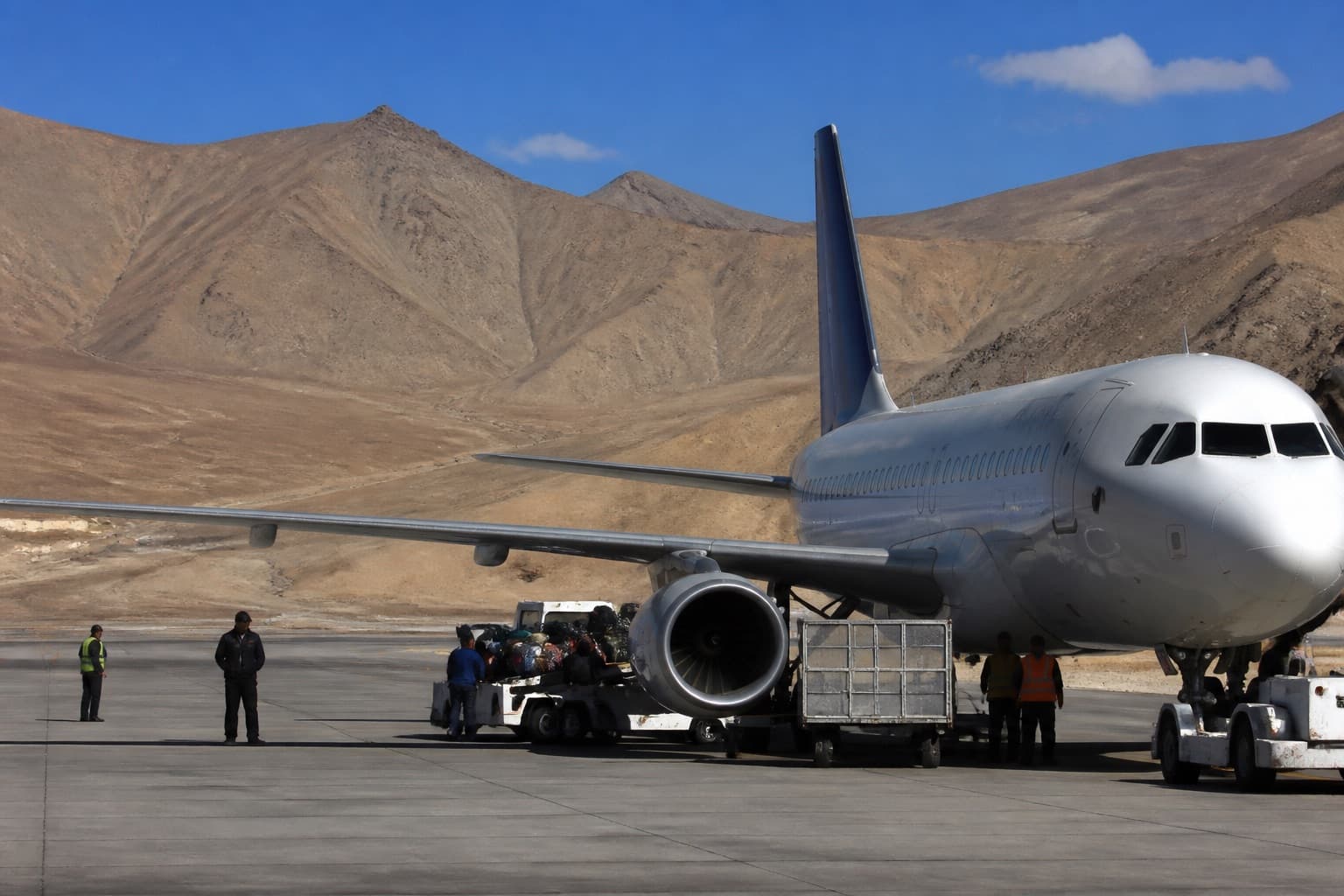
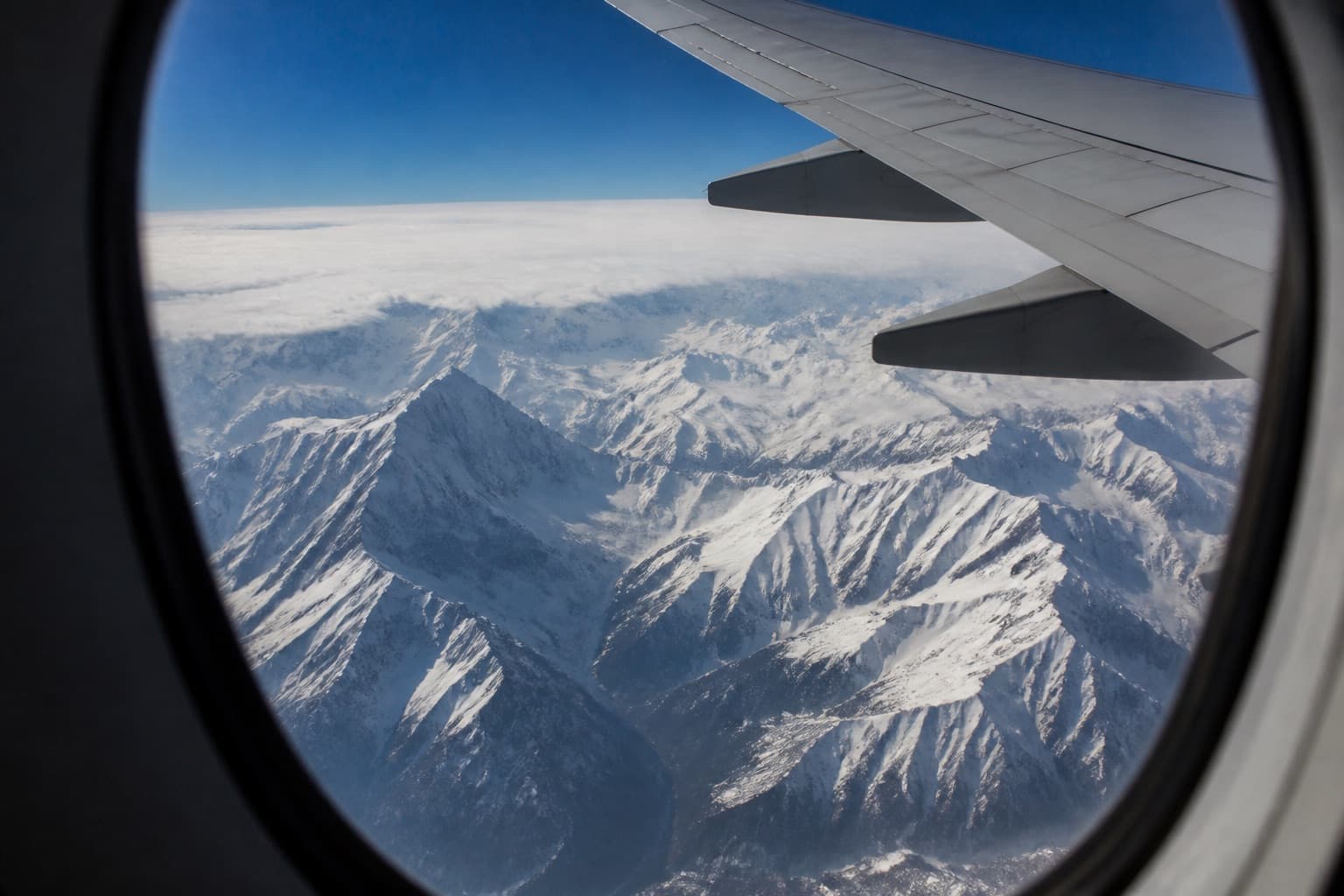
L’avion est la façon d’entrer la plus rapide et la plus populaire. L’aéroport de Lhassa Gonggar dessert de nombreuses villes de Chine continentale, et le vol lui-même est court et pittoresque, souvent avec des vues sur l’Himalaya.
Les portes d’entrée courantes comprennent :
- Chengdu est la plaque tournante la plus utilisée, avec de fréquents vols quotidiens et un temps de vol d’environ deux heures et demie.
- Xining offre un service quotidien d’environ deux heures et se marie naturellement avec le chemin de fer si vous voulez prendre l’avion dans un sens et le train dans l’autre.
- Pékin, Shanghai, Xi’an et Chongqing ont toutes des options directes ou avec une escale.
- Katmandou, au Népal, propose les seuls vols internationaux vers Lhassa, plusieurs jours par semaine, avec un temps de vol d’environ 80 minutes au-dessus d’un terrain spectaculaire.
Le principal inconvénient de l’avion est l’altitude. Vous pouvez passer de près du niveau de la mer aux 3 656 mètres de Lhassa en quelques heures, ce qui ne laisse à votre corps aucun temps pour s’adapter. Si vous arrivez en avion, prévoyez un premier jour ou deux tout en douceur à Lhassa et lisez notre guide du mal des montagnes avant de partir. L’aéroport se situe à environ une heure de route de la ville, et votre guide vous accueille à l’arrivée pour gérer le transfert et le premier après-midi, délibérément tranquille.
Option 2 : prendre le train
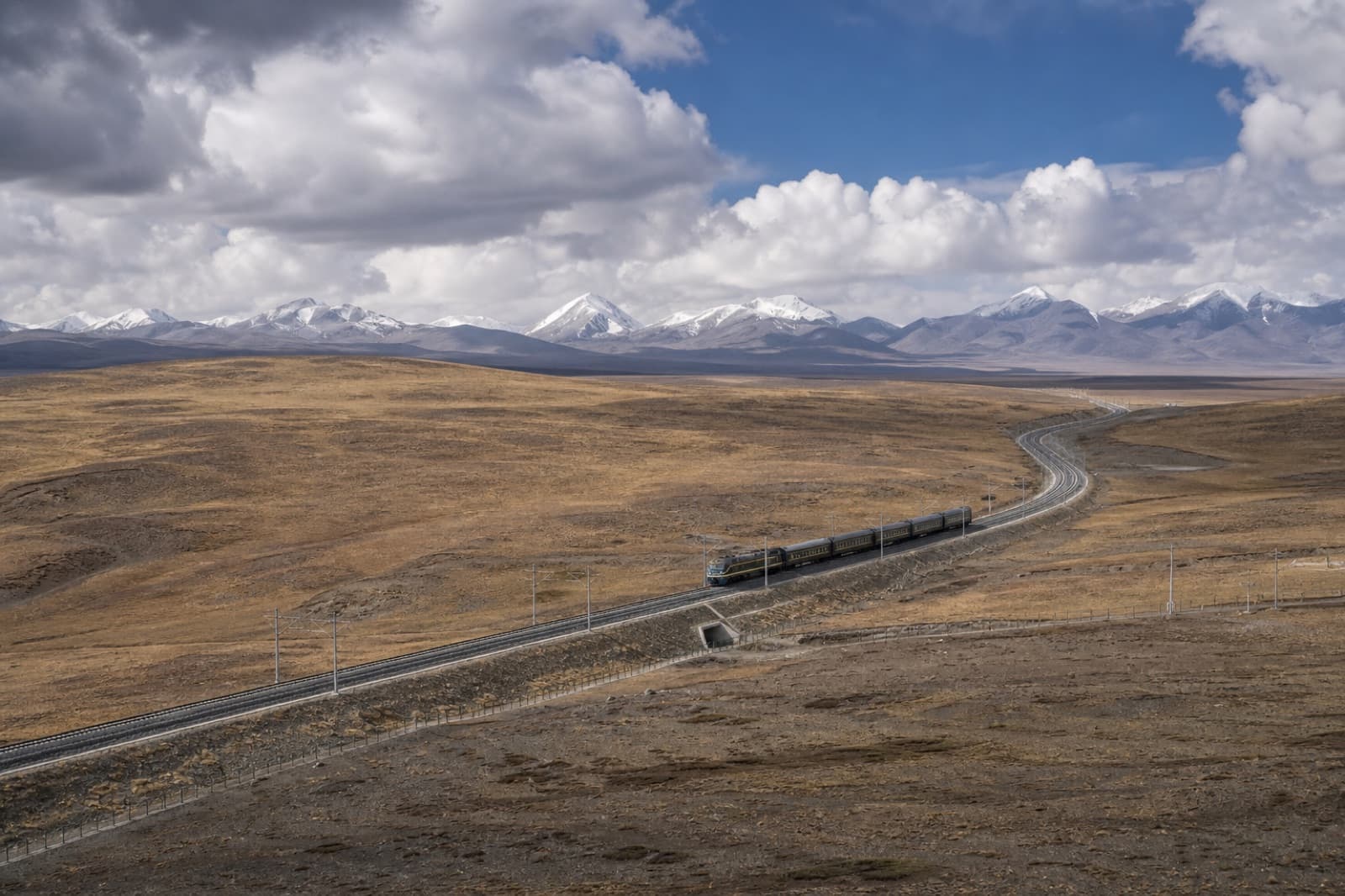
Le chemin de fer Qinghai-Tibet est une expérience à part entière et la façon la plus douce de gagner de l’altitude. Les voitures sont équipées d’un système d’oxygène d’appoint, et la montée lente donne à votre corps plus de temps pour commencer à s’acclimater qu’un vol. Le paysage à travers le plateau, y compris le col ferroviaire le plus élevé du monde à plus de 5 000 mètres, est inoubliable.
Durées de trajet approximatives jusqu’à Lhassa :
| Depuis | Durée approx. |
|---|---|
| Xining | 19 à 21 heures |
| Chengdu | Environ 35 heures |
| Pékin | Environ 40 heures |
| Shanghai | Environ 47 heures |
| Guangzhou | Environ 53 heures |
Xining est le point de départ le plus court et le plus confortable, car la célèbre section de haut plateau y commence. Pour un découpage complet des routes, des classes et de la réservation, voyez notre guide du train pour le Tibet dédié.
Un détail crucial : le permis de voyage pour le Tibet original doit être présenté physiquement avant de monter dans le train. Nous l’envoyons à votre hôtel ou à votre point de prise en charge dans votre ville de départ à temps pour le départ. Les billets, surtout les couchettes molles, se vendent vite en haute saison, réservez donc bien à l’avance.
Option 3 : par voie terrestre depuis le Népal
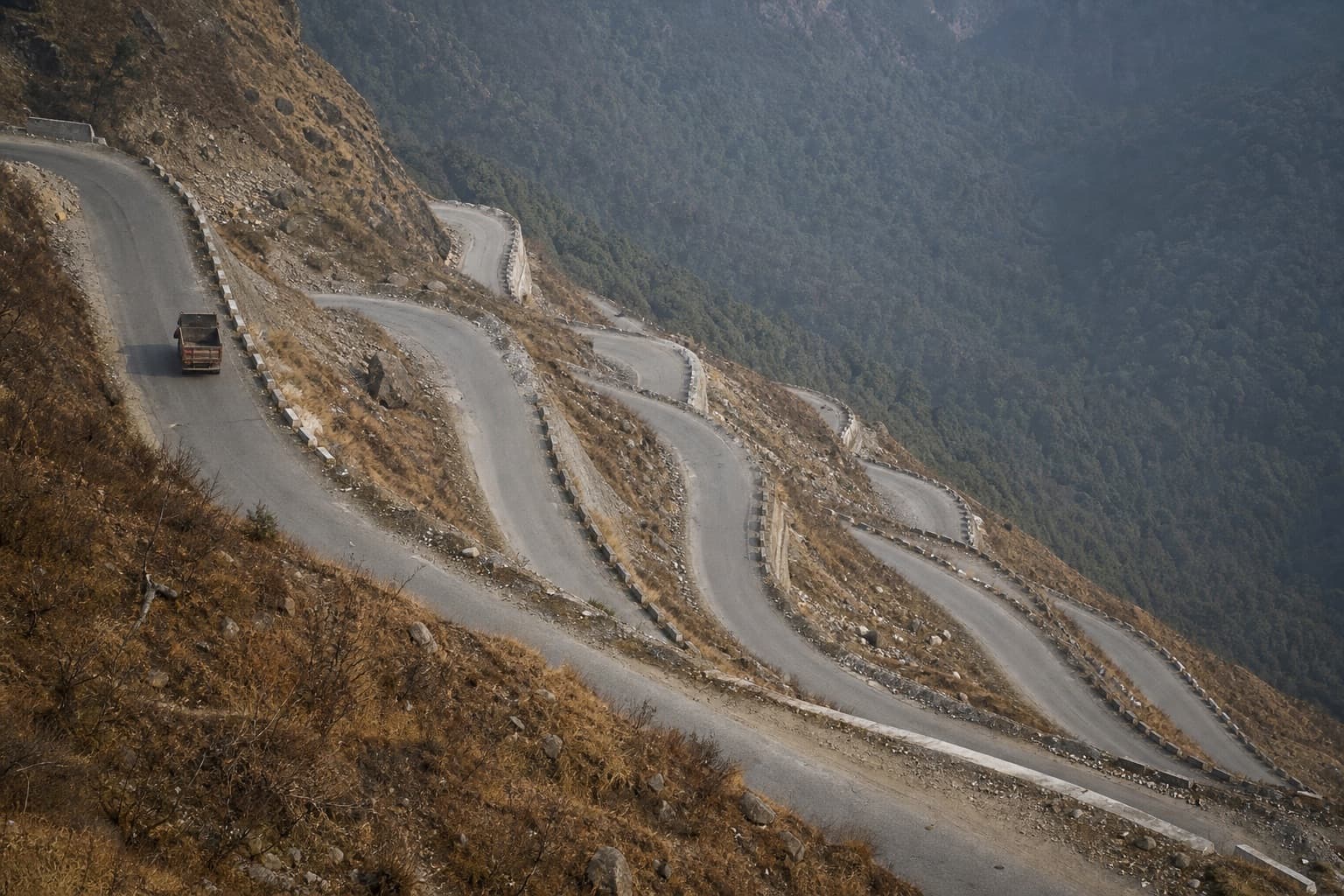
Voyager par voie terrestre entre Katmandou et Lhassa via le poste-frontière de Gyirong est la route la plus aventureuse et une favorite des voyageurs combinant Népal et Tibet. Vous franchissez l’Himalaya par la route, en traversant des paysages spectaculaires et en passant souvent par le camp de base de l’Everest en chemin.
Deux points importants s’appliquent à la route népalaise :
- La logistique des permis diffère. Les voyageurs entrant depuis le Népal ont besoin d’un visa touristique de groupe délivré à Katmandou plutôt que d’un visa chinois standard, même si vous en détenez déjà un. Cela s’organise via le circuit et ajoute du délai.
- Le sens compte pour l’altitude. Conduire depuis Katmandou (bas) jusque sur le plateau gagne de l’altitude rapidement. Voyager dans l’autre sens, de Lhassa jusqu’à Katmandou, est plus doux pour votre corps, car vous vous êtes déjà acclimaté.
Quelle route choisir ?
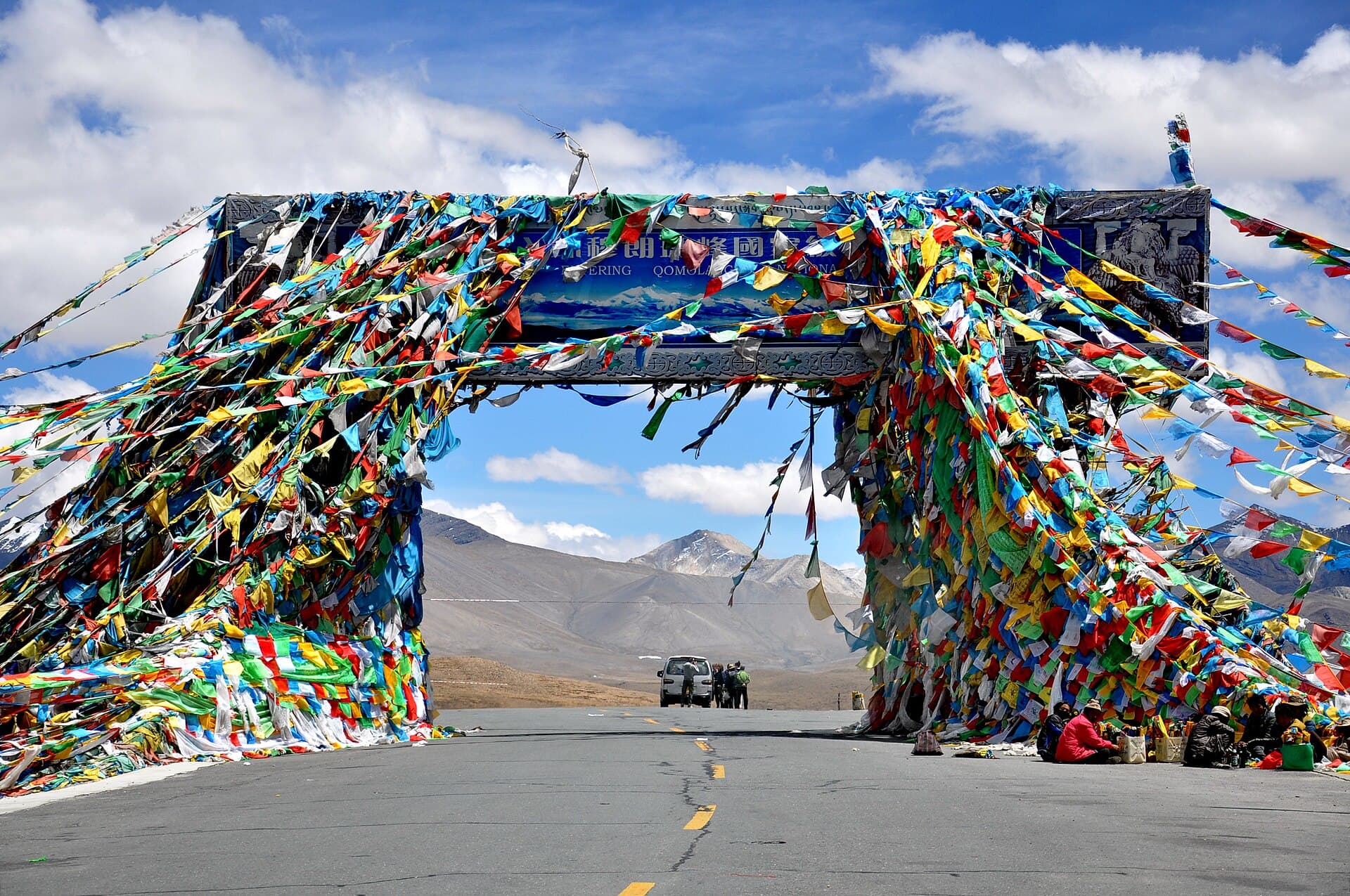
- Vous manquez de temps : prenez l’avion, idéalement via Chengdu ou Xining.
- Vous voulez l’acclimatation la plus douce et un voyage mémorable : prenez le train, de préférence depuis Xining.
- Vous combinez avec le Népal ou visez l’Everest par le versant sud de la chaîne : partez par voie terrestre.
- Le meilleur des deux : beaucoup de voyageurs prennent l’avion dans un sens et le train dans l’autre pour profiter du chemin de fer sans y consacrer deux journées pleines dans chaque sens.
Il n’y a pas de réponse unique ici. Un voyageur disposant de dix jours et amateur de voyages en train fera un choix très différent de celui qui case le Tibet dans un séjour serré de deux semaines en Chine, et les deux peuvent être excellents. L’essentiel est de décider la route tôt, car elle façonne tout en aval : le délai nécessaire aux permis, le moment où les billets doivent être réservés, et le rythme de vos premiers jours en altitude.
Un mot sur les villes de correspondance
Comme il n’y a pas de vols long-courriers internationaux directs vers Lhassa, sauf depuis Katmandou, la plupart des voyageurs d’Europe, d’Amérique du Nord ou d’Australasie volent d’abord vers une plaque tournante de Chine continentale, puis continuent par les airs ou le rail. Chengdu et Xining sont les deux points de lancement les plus pratiques et se marient tous deux naturellement avec un jour ou deux de visites avant de monter sur le plateau. Prévoir une courte marge dans votre ville d’entrée est aussi avisé : cela laisse de la latitude en cas de retard d’avion et garantit que votre permis et vos billets de correspondance s’enchaînent proprement. Nous pouvons vous conseiller sur la correspondance la plus fluide selon votre point de départ.
Récapitulatif des conditions d’entrée
Quelle que soit la route, il vous faudra :
- Un passeport en cours de validité.
- Le visa approprié ou le visa touristique de groupe pour votre point d’entrée.
- Un circuit organisé confirmé avec une agence agréée.
- Un permis de voyage pour le Tibet obtenu à l’avance, plus les permis supplémentaires (comme pour l’Everest ou Shigatsé) que votre guide gère après votre arrivée à Lhassa.
L’entrée sans visa en Chine continentale, là où elle s’applique, ne s’étend pas au Tibet. Vous avez quand même besoin du circuit et du permis.
Préparer votre arrivée
Les voyages les plus fluides commencent par la décision de la route, car elle commande le calendrier des permis, la réservation des billets et le rythme de vos premiers jours. Dites-nous d’où vous venez et de combien de temps vous disposez, et nous vous recommanderons la meilleure façon d’entrer. Commencez par nos circuits au Tibet ou prenez contact et nous nous occuperons des permis et de la logistique de bout en bout.
Planifiez votre voyage au Tibet avec nous
Permis gérés, guides locaux, tarifs transparents. Indiquez-nous vos dates et nous vous enverrons un itinéraire sur mesure.
FAQ
Oui. Le permis de voyage pour le Tibet doit être obtenu à l’avance et est exigé pour embarquer dans tout avion ou train vers Lhassa. Pour les trains, le permis physique original doit être présenté avant l’embarquement, nous l’envoyons donc à votre hôtel de la ville de départ à temps. Vous ne pouvez pas l’obtenir à l’arrivée.