Gyantsé
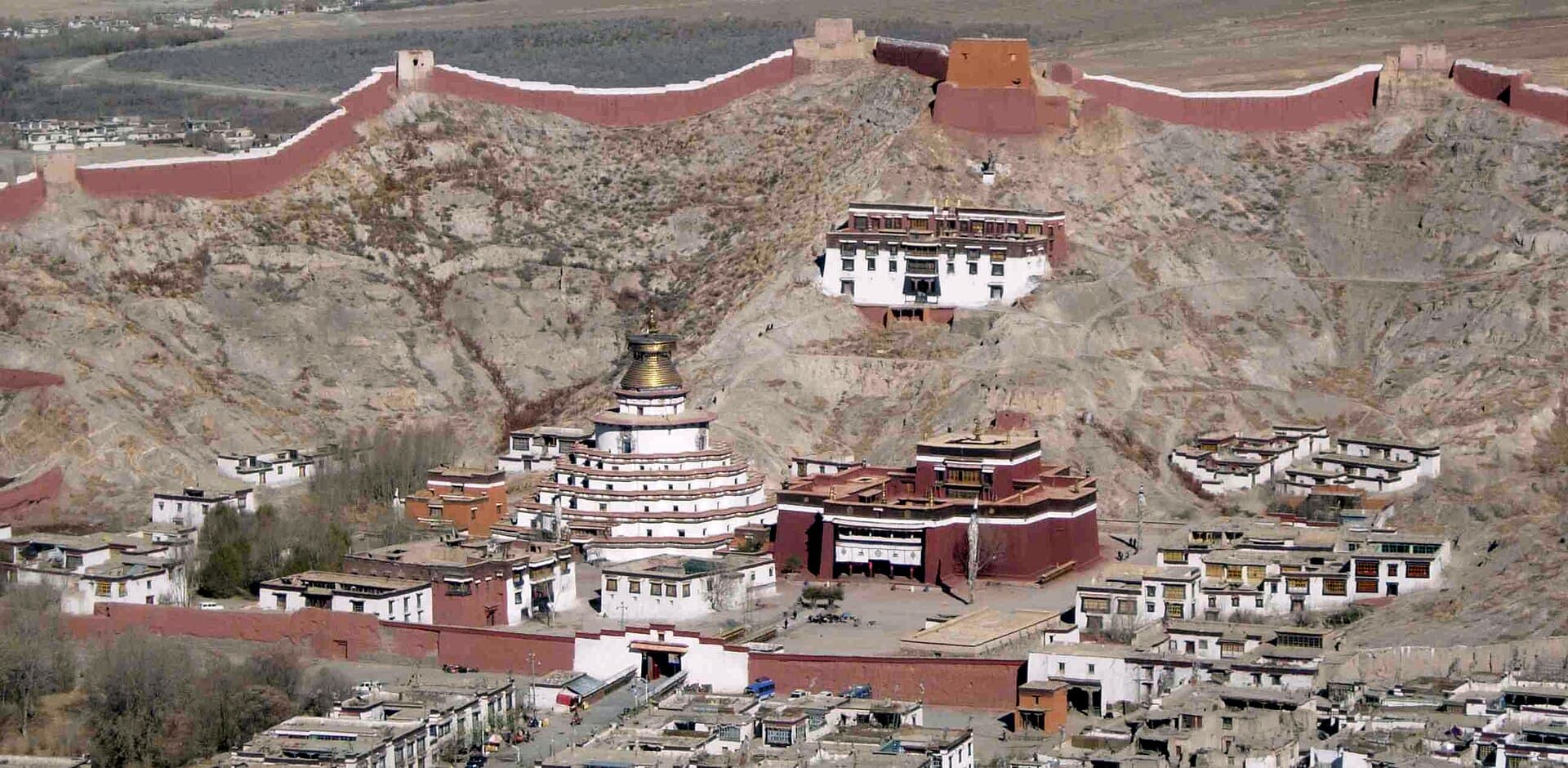
Une cité historique du plateau, célèbre pour le Kumbum de Gyantsé à étages, l'étonnant monastère de Pelkor Chode et une forteresse perchée dominant la vallée.
Overview
Gyantse (around 3,950 m / 13,000 ft) is a historic town that once ranked among Tibet's largest, sitting on an old trade route between India and central Tibet. Today it is quieter, and that is part of its appeal — it retains a strong sense of old Tibet, with a famous monastery complex below a dramatic hilltop fort. Its standout monument, the Gyantse Kumbum, is one of the masterpieces of Tibetan Buddhist art.
Most travellers pass through Gyantse on the southern route between Lhasa and Shigatse. It deserves more than a quick photo stop: a few hours here, exploring the Kumbum and the monastery, is one of the cultural high points of a central Tibet journey.
Top Things to See & Do
- Gyantse Kumbum — A great tiered stupa, the largest of its kind in Tibet, begun in the early 15th century. Its many chapels, spread across nine levels, are filled with murals and statues; the name Kumbum means "100,000 images." Climbing it level by level is the highlight of any visit.
- Pelkor Chode Monastery — Founded in the early 15th century and unusual for once housing several Buddhist schools (including Sakya, Gelug, and Kadam) under one roof. Its main hall holds fine old statuary and murals.
- Gyantse Dzong — A fortress on a rocky hill above the town, with origins going back centuries. The climb is rewarded with sweeping views over Gyantse, the monastery, and the surrounding farmland.
- The old town — The lanes around the monastery preserve traditional Tibetan houses and a slower pace of rural plateau life, and they reward a short wander on foot once you have seen the main monuments.
- The surrounding farmland — Gyantse sits in a fertile valley long known for its barley and wool, and the patchwork of fields around the town is at its most photogenic in summer.
Best Time to Visit
April to October offers the most comfortable conditions, with the late spring and early autumn shoulders giving clear skies and pleasant days. Summer is warmer and greener in the surrounding barley fields, with some chance of afternoon rain. The Gyantse horse-racing and archery festival, a tradition with deep local roots and usually held in summer, is a lively event that fills the town. Winter is cold and quiet but the town remains accessible as a stop on the southern route, and the crisp air can bring especially clear views from the Dzong.
How to Get There
Gyantse lies on the southern road between Lhasa and Shigatse, typically reached as part of a day's drive that also takes in Yamdrok Lake and the Karola Glacier. It is around 90 km from Shigatse. There is no airport; you arrive overland on a guided tour with your permits arranged in advance. To include it in your trip, browse our Tibet tours or contact us.
Where It Fits in a Tibet Trip
Gyantse is most often visited as a stop between Lhasa and Shigatse, and it slots neatly into longer journeys heading toward Everest Base Camp or the Nepal border. Pairing it with Yamdrok Lake on the same day makes for one of the most scenic and culturally rich legs of a central Tibet itinerary. At just under 4,000 m, it also continues the gradual acclimatization that prepares you for the higher passes ahead. Few travellers come to Gyantse on its own, but almost no well-planned central Tibet route skips it.
Circuits qui passent par Gyantsé
Lhassa & Everest (8 jours)
Lhassa · Lac Yamdrok · Glacier de Karola · Shigatsé · Rongbuk · Camp de base de l'Everest · Shigatsé · Lhassa
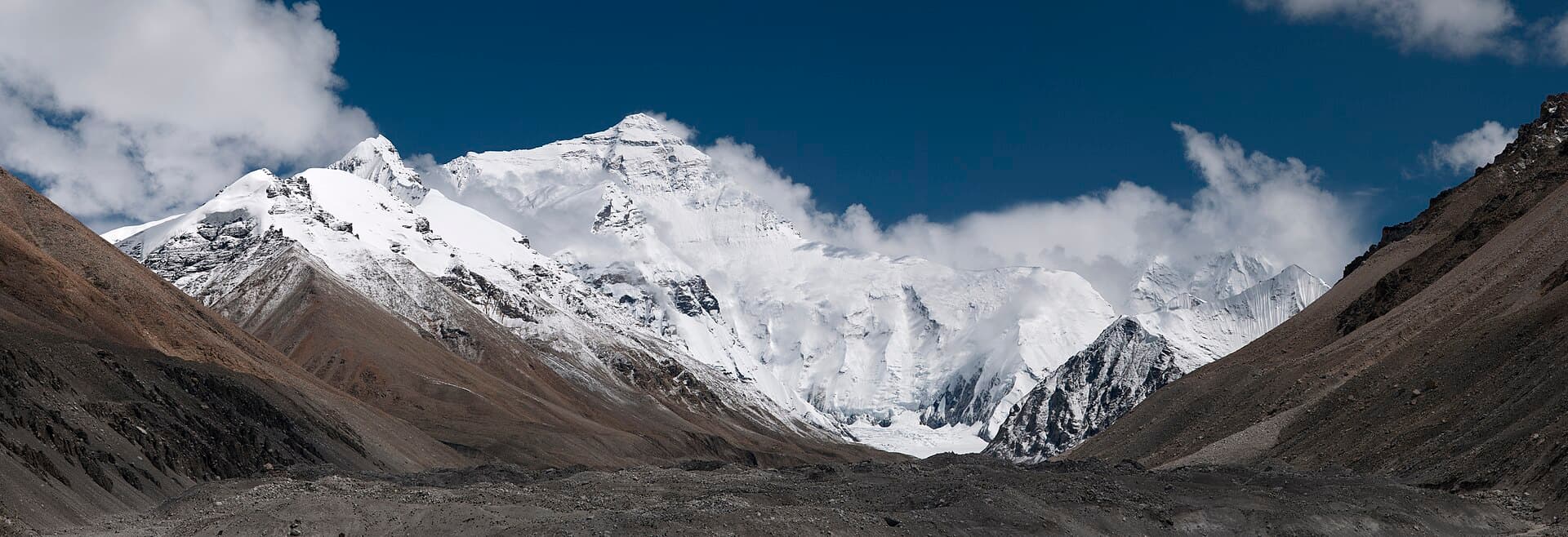
Huit jours de Lhassa à la face nord de l'Everest et retour : trois nuits à Lhassa pour un atelier d'artisanat tibétain, le débat du monastère de Sera, le Potala et le Jokhang, puis le lac Yamdrok, le glacier de Karola, Shigatsé, une nuit au camp de base et Tashilhunpo. Il se déroule en groupe partagé, avec des départs à dates fixes.
Everest & Namtso (9 jours)
Lhassa · Lac Yamdrok · Glacier de Karola · Shigatsé · Rongbuk · Camp de base de l'Everest · Shigatsé · Lhassa · Namtso · Lhassa
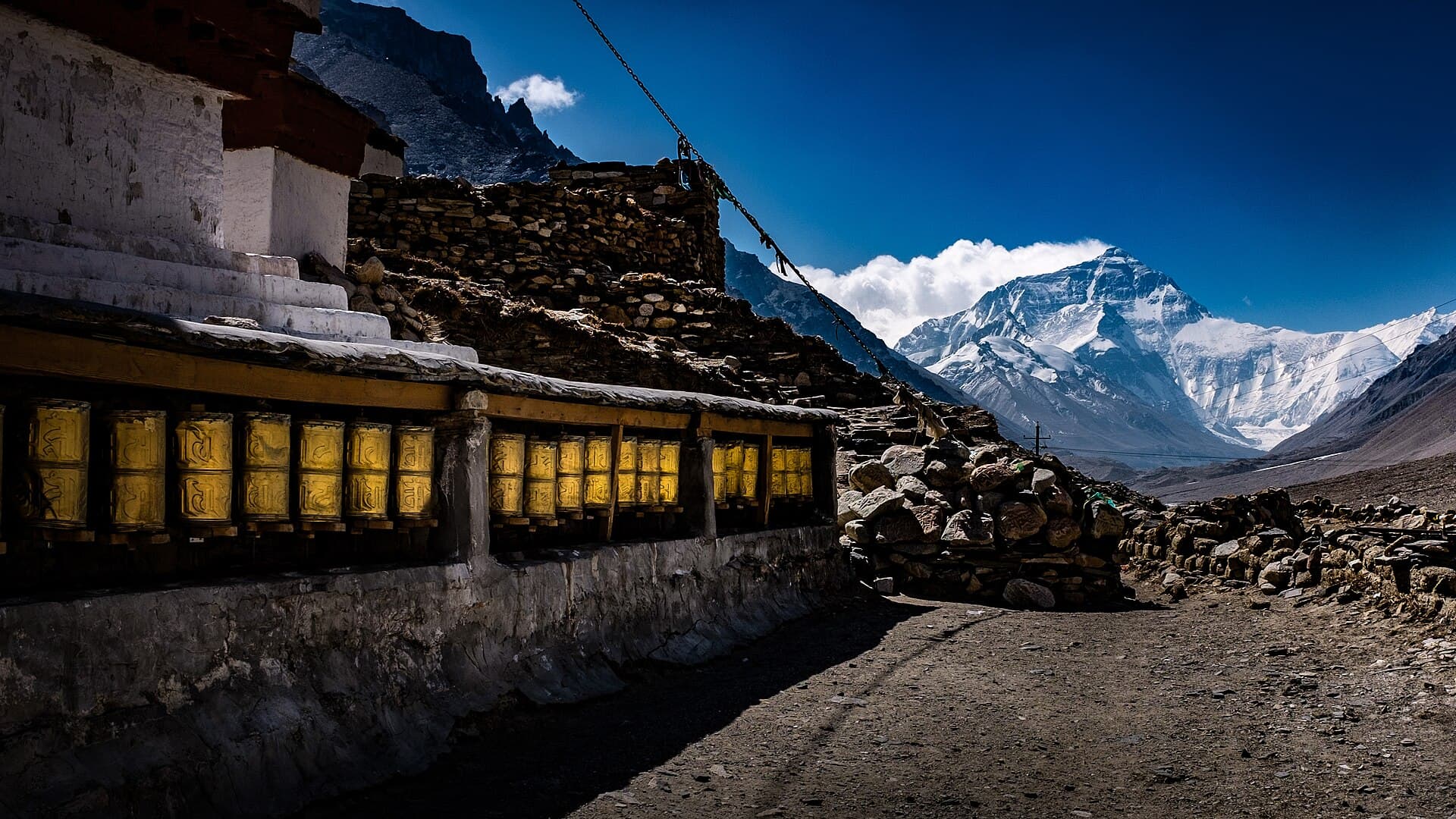
Neuf jours qui ajoutent le Namtso à la route de l'Everest : les moines débatteurs de Sera, le Potala et le Jokhang à Lhassa ; le lac Yamdrok puis, au-delà, le glacier de Karola sur la route de l'ouest ; une nuit au camp de base de l'Everest ; Tashilhunpo ; et, pour finir, une excursion d'une journée au Namtso une fois l'organisme acclimaté. Groupe partagé, départs à dates fixes.
Lhassa & Everest (7 jours)
Lhassa · Lac Yamdrok · Glacier de Karola · Shigatsé · Rongbuk · Camp de base de l'Everest · Shigatsé · Lhassa
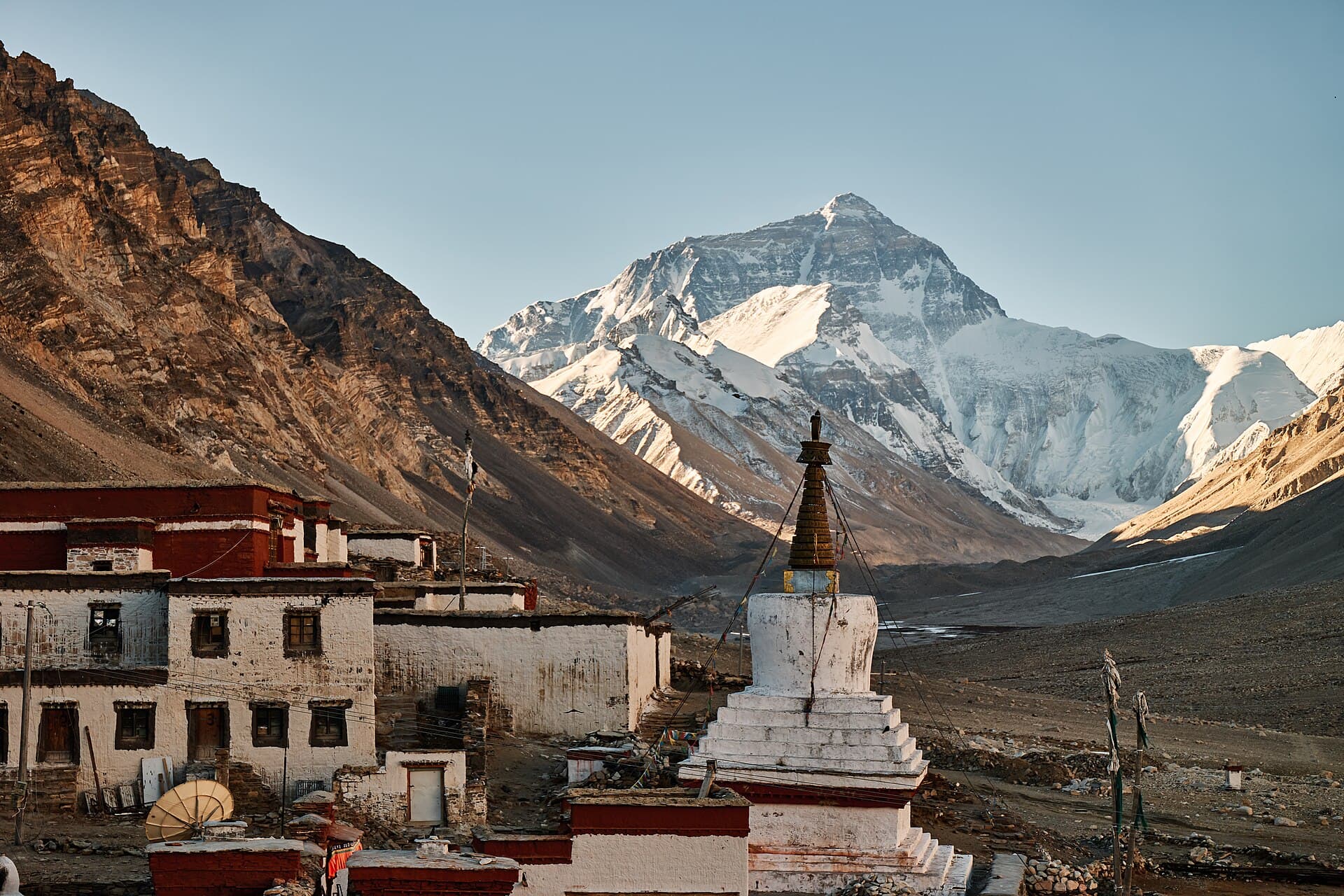
De Lhassa au pied de l'Everest en une semaine : deux jours à Lhassa pour s'adapter à l'altitude, le lac Yamdrok et le glacier de Karola sur la route de l'ouest, une nuit sous la face nord, et Tashilhunpo au retour. Un groupe partagé qui part à dates fixes.
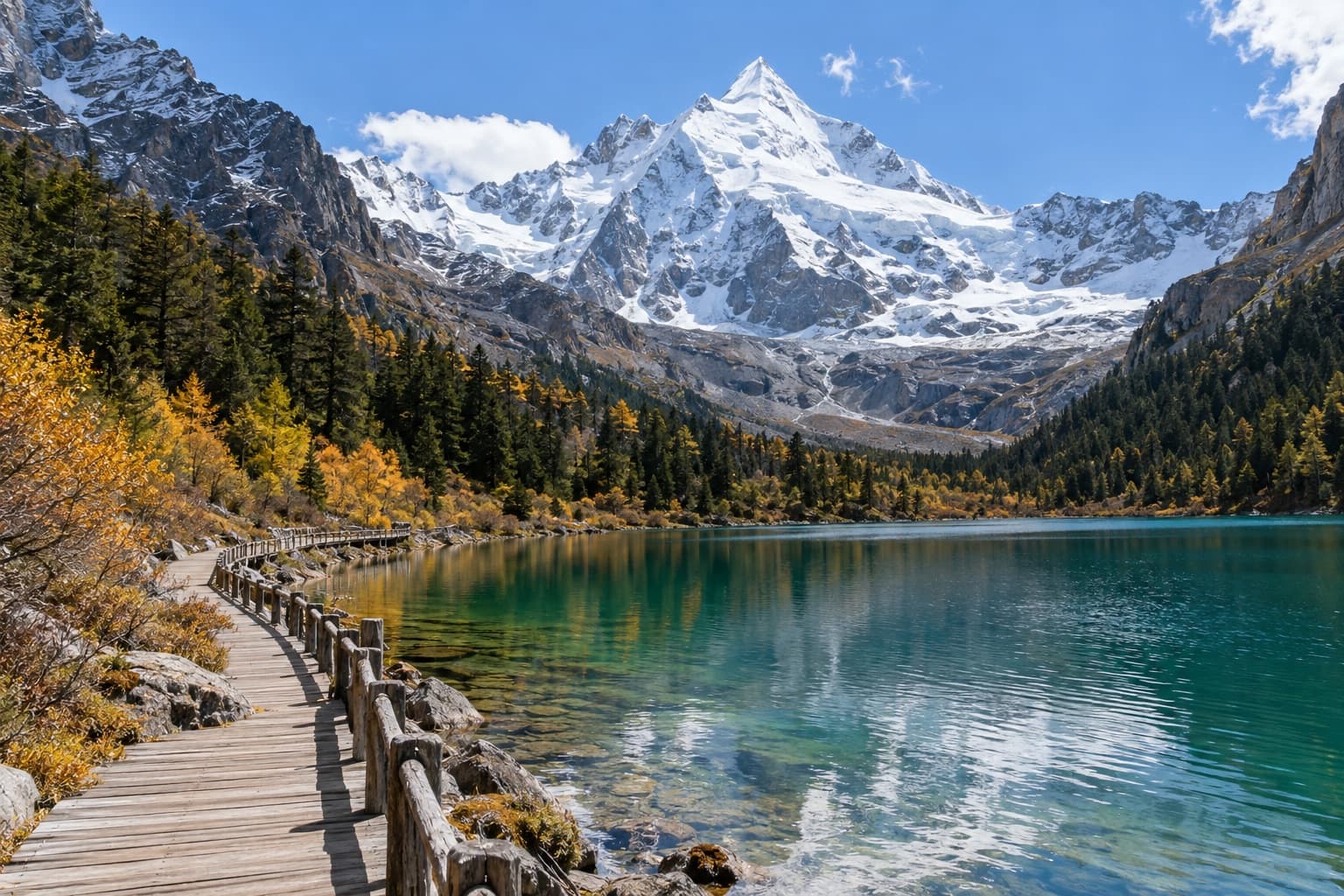
Chengdu, Yading & Lhassa (15 jours)
Chengdu · Kangding · Mugecuo · Litang · Daocheng Yading · 72 lacets du Nujiang · Lac Rawok · Glacier de Midui · Nyingchi · Basum Tso · Lhassa · Lac Yamdrok · Gyantsé · Shigatsé · Lhassa
Quinze jours par la route de Chengdu à Lhassa : Mugecuo et Kangding, une journée entière dans la réserve de Daocheng Yading, le col de Dongda à 5 008 m, les épingles à cheveux des 72 lacets du Nujiang, le lac Rawok, Nyingchi et le Basum Tso, puis Lhassa, le lac Yamdrok et Shigatsé. Un groupe partagé de deux à douze personnes, à dates fixes.
Questions fréquentes sur Gyantsé
It is the largest tiered stupa (chorten) in Tibet, begun in the early 15th century, with many chapels spread across nine levels and decorated with thousands of murals and statues. Its name means "100,000 images." Climbing through its levels is the cultural highlight of Gyantse.