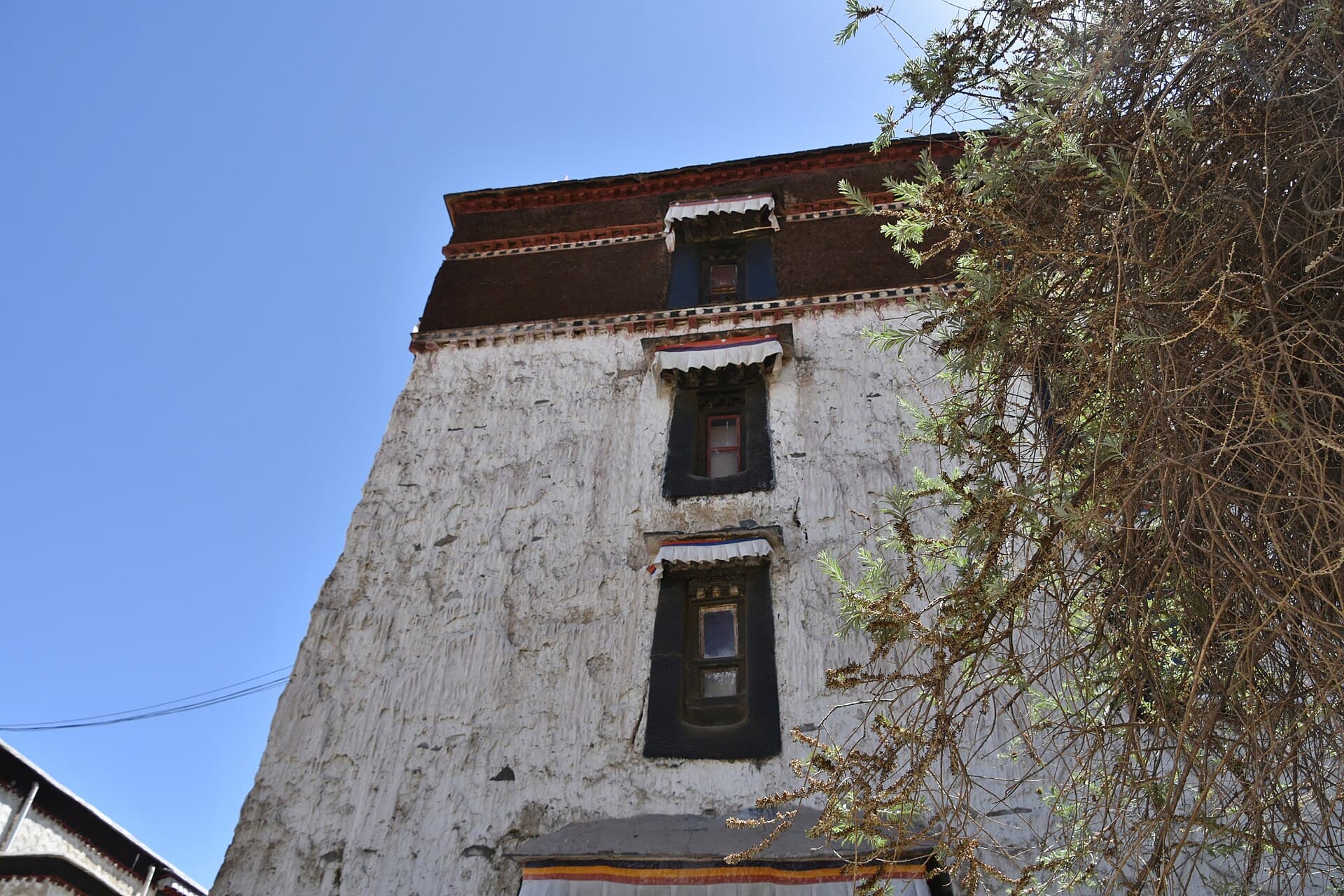
Shigatsé
Deuxième ville du Tibet et siège du panchen-lama, elle abrite le majestueux monastère de Tashilhunpo et constitue la principale étape sur la route de l'Everest et du Népal.
Overview
Shigatse (around 3,850 m / 12,600 ft) is Tibet's second-largest city and the traditional seat of the Panchen Lama, one of the most important figures in Tibetan Buddhism. It sits where the Yarlung Tsangpo and Nyang rivers meet, and for centuries it has been a religious and trading centre. Its great draw is Tashilhunpo Monastery, one of the largest and most active monasteries in Tibet.
For most travellers, Shigatse is both a destination in its own right and a logical overnight on the way west. It is more relaxed than Lhasa, comfortable to spend a day in, and slightly higher — making it a useful step in acclimatizing before heading toward Everest or beyond.
Top Things to See & Do
- Tashilhunpo Monastery — The seat of the Panchen Lama, founded in 1447 by the First Dalai Lama. It houses a colossal gilded statue of the Maitreya (Future) Buddha, about 26 m tall, along with the tombs of past Panchen Lamas. The complex is large; allow a couple of hours to walk it with your guide.
- The monastery kora — A pilgrim circuit loops around Tashilhunpo, giving views over the monastery rooftops and the city.
- Shigatse Dzong — A reconstructed fortress overlooking the town, echoing the silhouette of the Potala and offering wide views.
- The old town and market — A good place to see everyday Tibetan life, with stalls selling crafts, prayer goods, and local produce. It is an easy, low-key way to spend the part of an afternoon when the monastery chapels close over lunch.
- The view of the surrounding valley — Shigatse sits at a confluence of rivers, and the farmland and hills around the city give a sense of the fertile heart of central Tibet, very different from the barren high passes further west.
Best Time to Visit
April to October is the most comfortable period, with late spring and early autumn offering settled weather and clear air. Summer is warmer with occasional rain, and the surrounding barley fields turn green. The Tashilhunpo Thangka Festival, usually in summer, is a striking time to visit, when giant religious paintings are displayed on the monastery's thangka wall and crowds of pilgrims gather. Winter is cold but clear and quiet; the city itself remains accessible, though onward high-altitude travel toward Everest can be harder and some side roads may close in snow.
How to Get There
Shigatse is roughly 250–280 km from Lhasa. The scenic southern route via Yamdrok Lake, the Karola Glacier, and Gyantse is the one most travellers take and fills a full day with stops; the northern route is faster but plainer. A train line also connects Lhasa and Shigatse. As everywhere in Tibet, you travel with a guide and permits arranged by your agency. See our Tibet tours or contact us.
Where It Fits in a Tibet Trip
Shigatse is a cornerstone of central and western Tibet itineraries. It pairs naturally with Gyantse on a loop from Lhasa — the route our 9-Day Everest Base Camp & Namtso Tour follows — and it is the standard last sizeable town before Everest Base Camp and the Nepal border. Its slightly higher elevation makes it a sensible acclimatization step between Lhasa and the high passes further west, and an overnight here breaks up what would otherwise be an exhausting single push toward the mountain. For travellers continuing to the border, it is also the last place with full city amenities before the long stretch to Nepal.
Circuits qui passent par Shigatsé
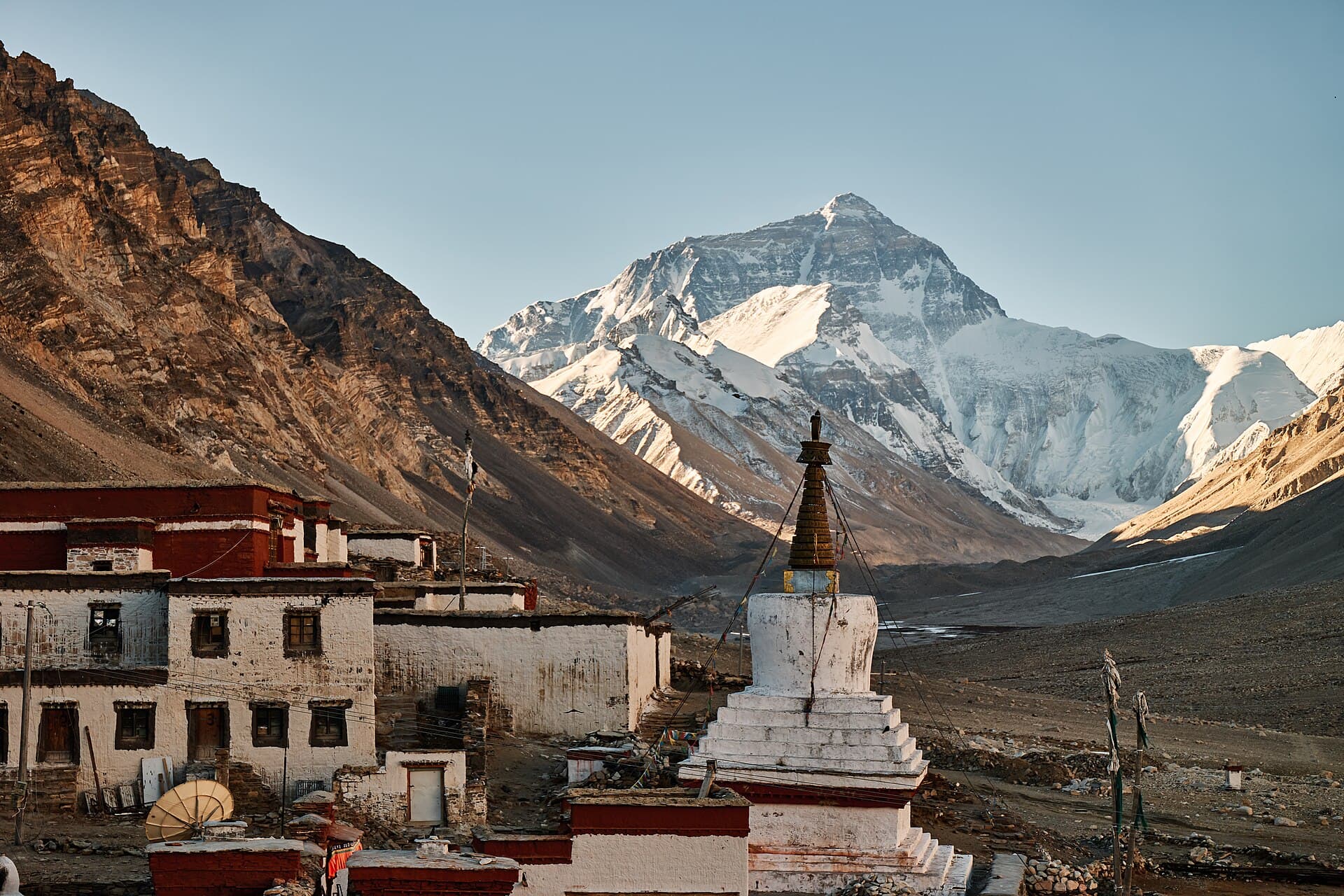
Lhassa & Everest (7 jours)
Lhassa · Lac Yamdrok · Glacier de Karola · Shigatsé · Rongbuk · Camp de base de l'Everest · Shigatsé · Lhassa
De Lhassa au pied de l'Everest en une semaine : deux jours à Lhassa pour s'adapter à l'altitude, le lac Yamdrok et le glacier de Karola sur la route de l'ouest, une nuit sous la face nord, et Tashilhunpo au retour. Un groupe partagé qui part à dates fixes.
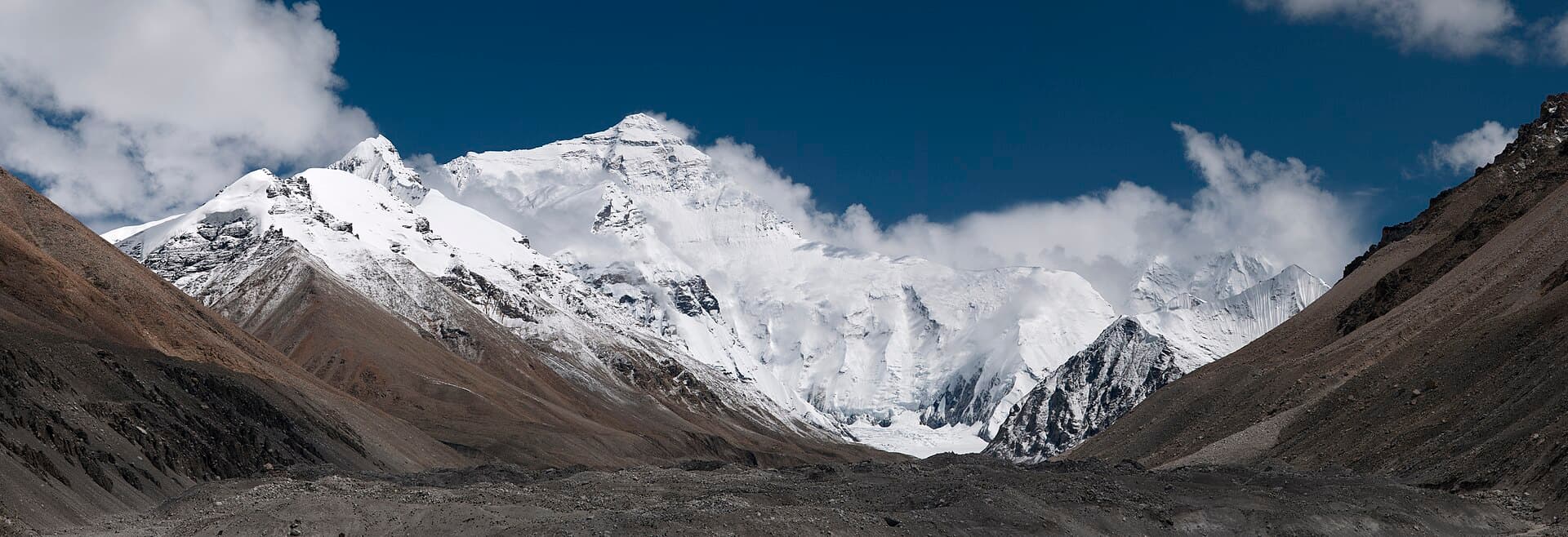
Lhassa & Everest (8 jours)
Lhassa · Lac Yamdrok · Glacier de Karola · Shigatsé · Rongbuk · Camp de base de l'Everest · Shigatsé · Lhassa
Huit jours de Lhassa à la face nord de l'Everest et retour : trois nuits à Lhassa pour un atelier d'artisanat tibétain, le débat du monastère de Sera, le Potala et le Jokhang, puis le lac Yamdrok, le glacier de Karola, Shigatsé, une nuit au camp de base et Tashilhunpo. Il se déroule en groupe partagé, avec des départs à dates fixes.
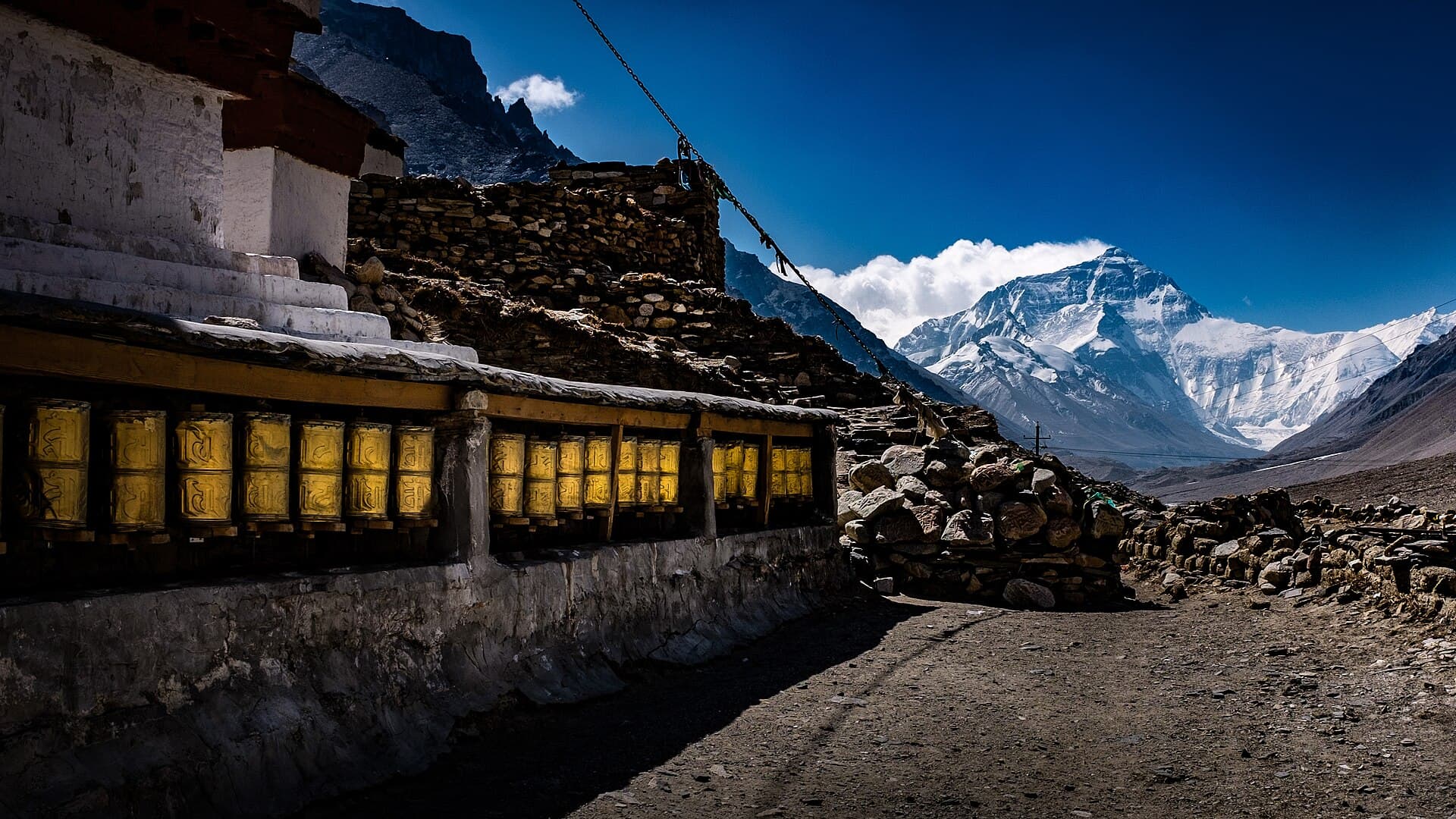
Everest & Namtso (9 jours)
Lhassa · Lac Yamdrok · Glacier de Karola · Shigatsé · Rongbuk · Camp de base de l'Everest · Shigatsé · Lhassa · Namtso · Lhassa
Neuf jours qui ajoutent le Namtso à la route de l'Everest : les moines débatteurs de Sera, le Potala et le Jokhang à Lhassa ; le lac Yamdrok puis, au-delà, le glacier de Karola sur la route de l'ouest ; une nuit au camp de base de l'Everest ; Tashilhunpo ; et, pour finir, une excursion d'une journée au Namtso une fois l'organisme acclimaté. Groupe partagé, départs à dates fixes.
Lhassa & Nyingchi (9 jours)
Lhassa · Kadinggou · Nyingchi · Col de Sejila · Lulang · Basum Tso · Lhassa · Lac Yamdrok · Glacier de Karola · Shigatsé · Lhassa
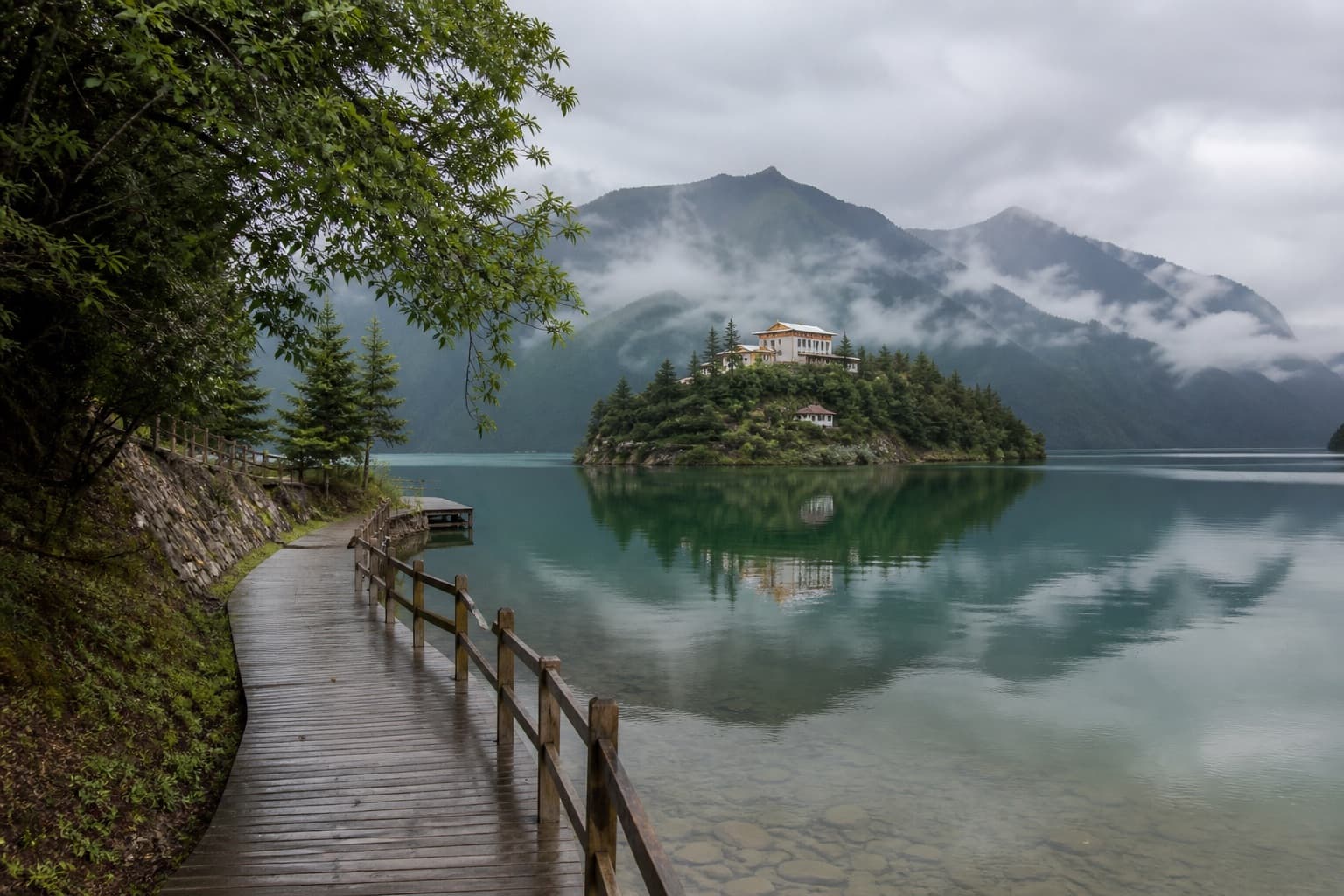
Une boucle de neuf jours qui file vers l'est, jusqu'aux forêts de Nyingchi et au Basum Tso, avant le Potala, le Jokhang et Sera à Lhassa, puis vers l'ouest par le Kamba La jusqu'au lac Yamdrok, au glacier de Karola et à Tashilhunpo, à Shigatsé. Un groupe partagé à dates fixes, et pas d'Everest sur cet itinéraire.
Questions fréquentes sur Shigatsé
Tashilhunpo Monastery, the seat of the Panchen Lama and one of Tibet's great Gelug monasteries. It is famous for its enormous gilded Maitreya Buddha statue and the tombs of past Panchen Lamas. Most visitors spend a couple of hours exploring it with a guide.