Fewer crowds, lower prices, clear blue skies, and streets full of pilgrims — winter is an underrated time to visit Tibet. Here's an honest look at the cold, the conditions, and the rewards.
Quick answer: Winter in Tibet is cold but dry and remarkably sunny, and Lhasa's daytime temperatures are often milder than visitors expect. The sites are close to empty, prices drop, and the light is superb. The honest trade-offs are bitter nights, shorter days, and some high passes and remote routes becoming harder or impassable. Tibet does not close for winter — the separate short closure to foreign tourists usually falls around late February into March.
Winter is the season most travelers overlook, and that is exactly why it can be so rewarding. From December to February, Tibet trades summer's crowds for clear skies, quiet streets full of pilgrims, and noticeably lower prices. It is genuinely colder, and some remote routes get harder, but for the right traveler the trade-offs tilt firmly in winter's favour. Here is an honest look.
The weather: colder, but sunnier than you think
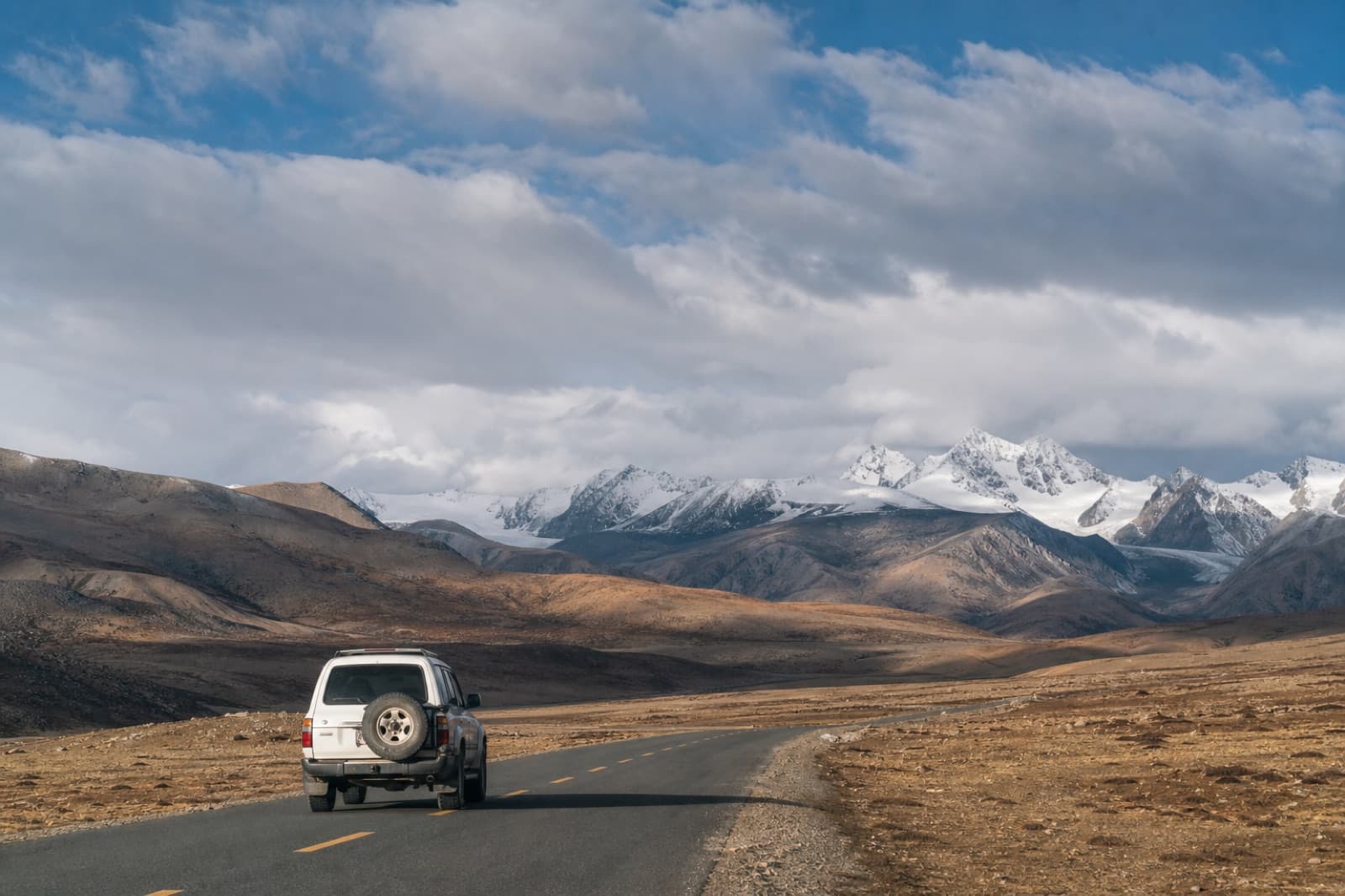
The biggest misconception about Tibet in winter is that it is unbearably cold everywhere. In reality, Lhasa is milder than many people expect. The city is famously known as the "sunlit city" for good reason — winter days are frequently bright and sunny, with daytime highs often around 7-10°C.
The catch is the temperature swing. Once the sun goes down, it drops well below freezing at night — into the range of around -5°C in December and colder in January. So winter in Lhasa means pleasant, sunny afternoons followed by genuinely cold evenings — a pattern you can dress for easily with layers. Winter is also the driest time of year, with mostly clear skies and very little precipitation in Lhasa.
The accessible heartland — Lhasa, Shigatse, and Gyantse — remains open and visitable throughout winter.
The rewards of going in winter
Far fewer tourists
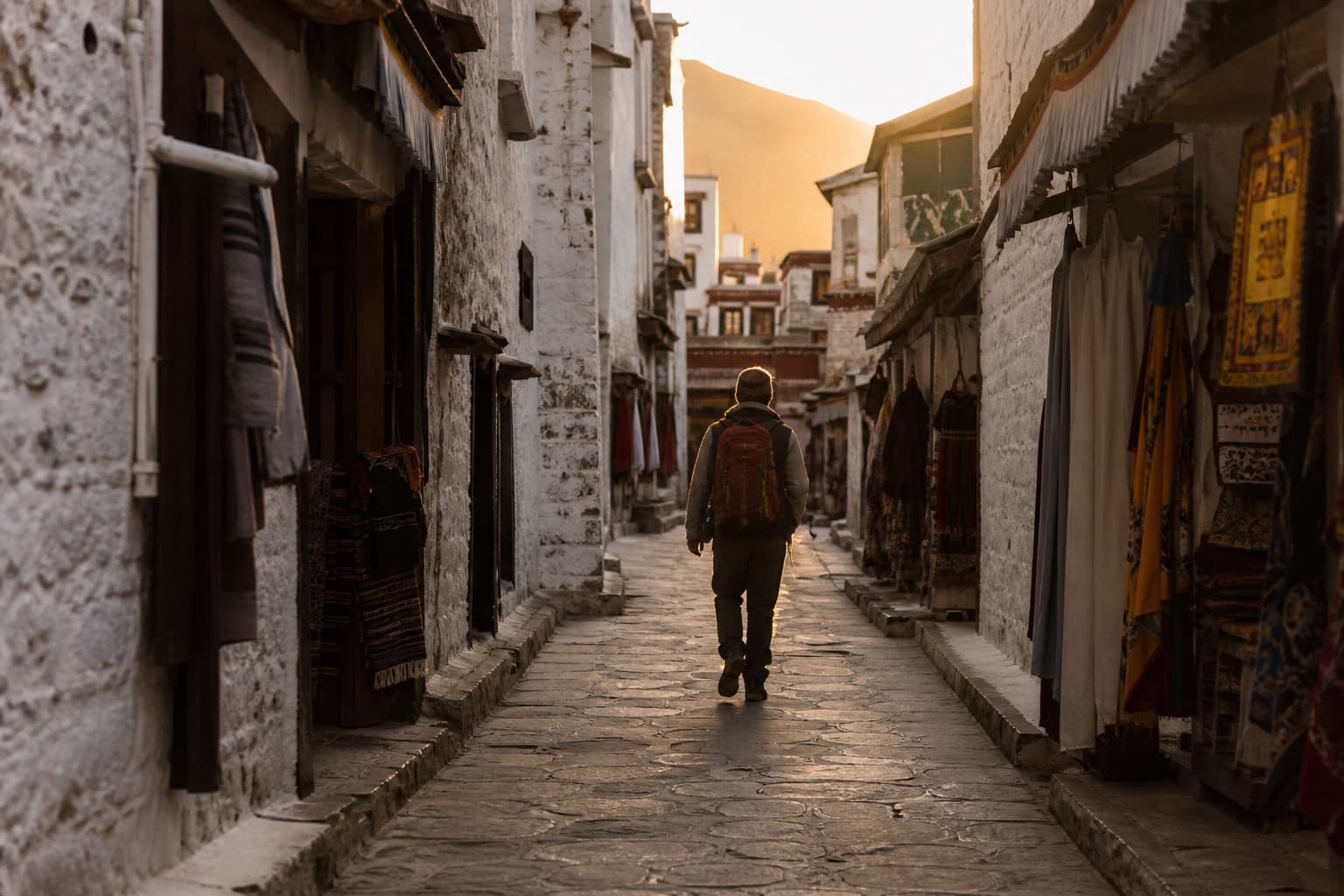
Winter is low season, which means the crowds that fill Tibet's major sites in summer largely disappear. You can experience the Potala Palace, the Jokhang Temple, and other landmarks with space to breathe rather than shuffling through queues. For photography and for simply absorbing the atmosphere, this is a significant advantage.
Lower prices and easier logistics
With fewer visitors comes better value. Expect lower prices on hotels and flights during the winter months. With far fewer tourists, it is also typically easier to secure your permit and book train tickets or flights, making the whole trip simpler to arrange.
The pilgrim season
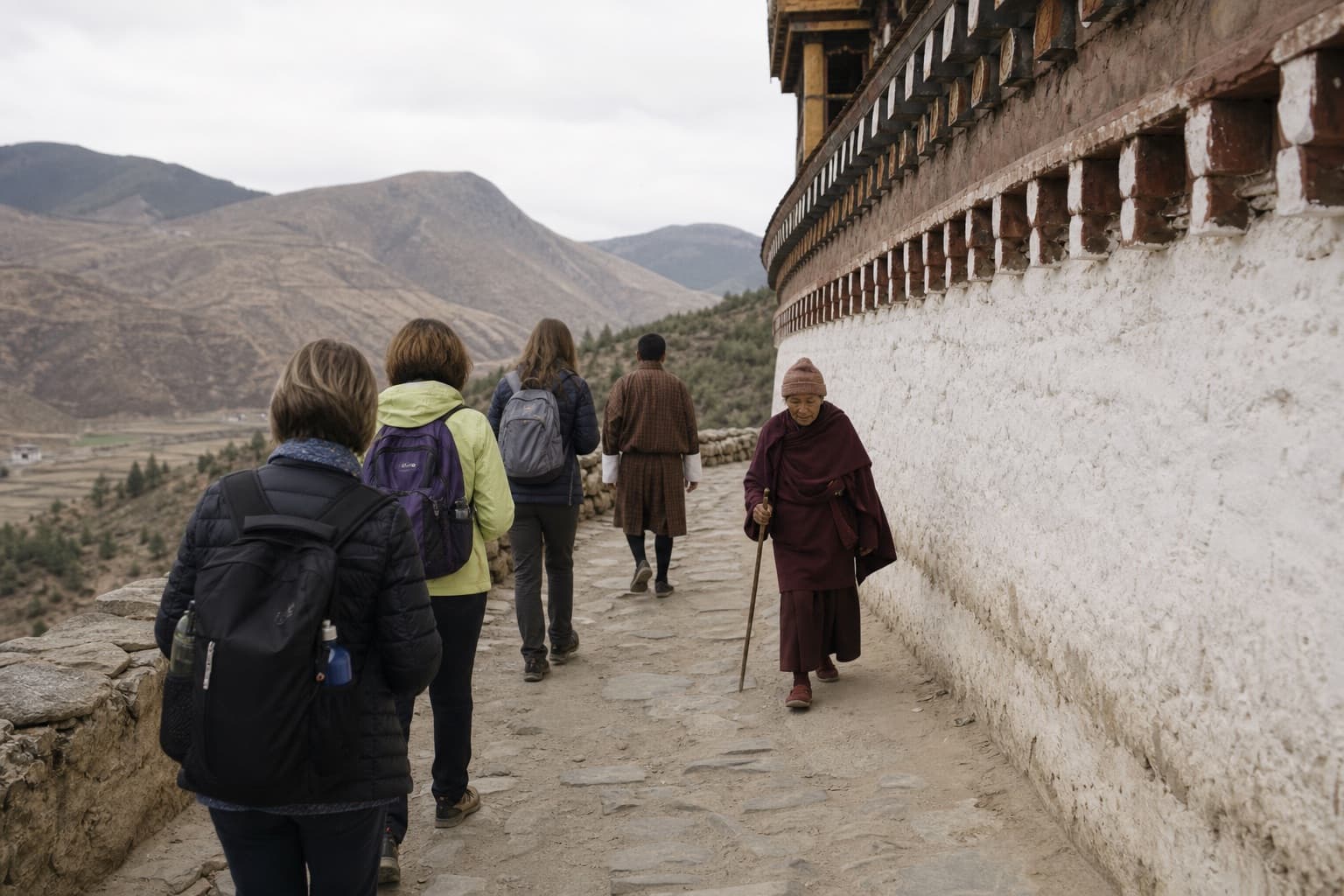
This is the quiet highlight that surprises so many winter visitors. Winter is when Tibetan pilgrims come to Lhasa in large numbers, many having travelled great distances during the agricultural off-season. The Jokhang Temple and the Barkhor circuit fill with devout pilgrims spinning prayer wheels, prostrating, and circumambulating. Witnessing this devotion is a profoundly authentic experience that the summer tourist season simply cannot match.
Clear skies
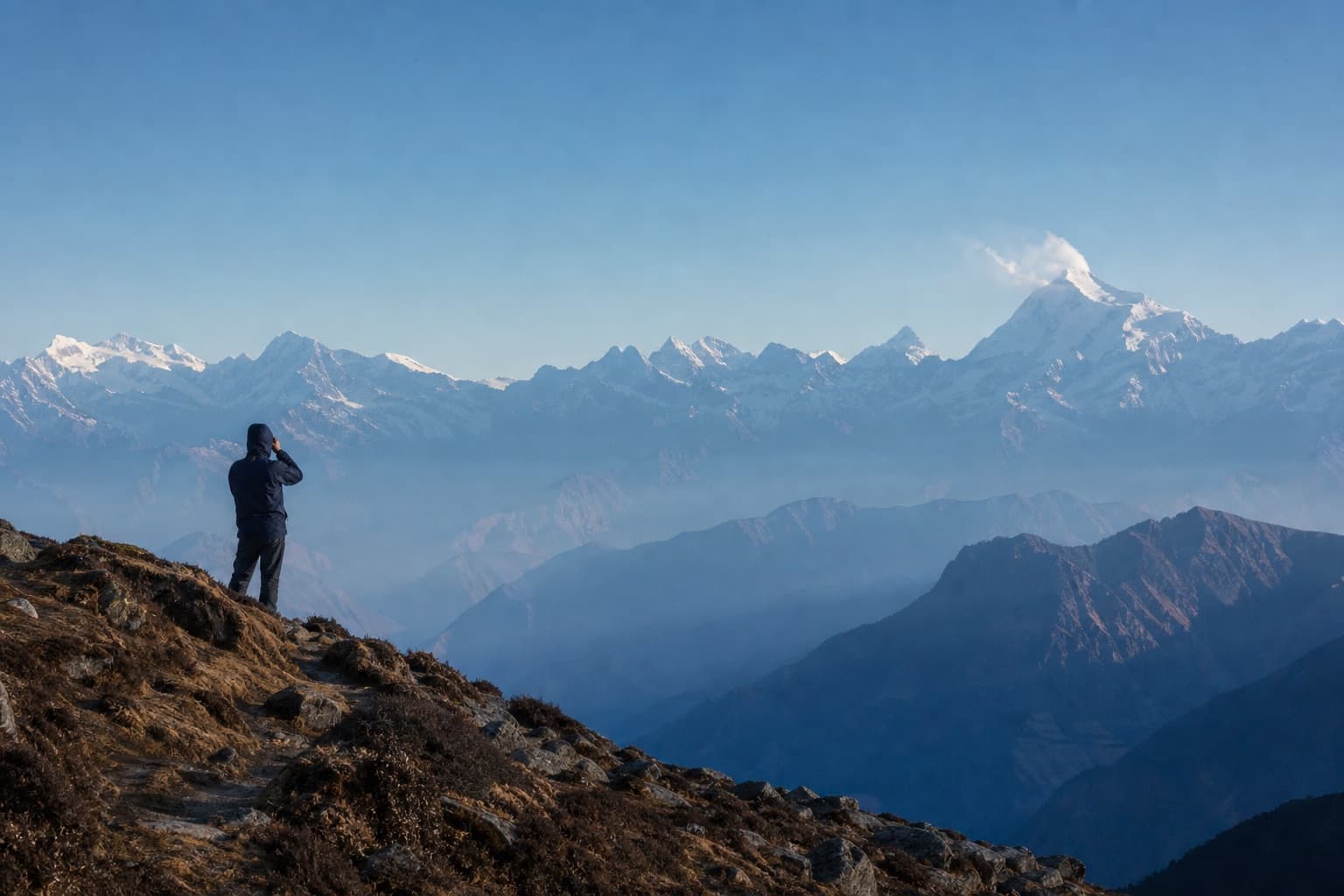
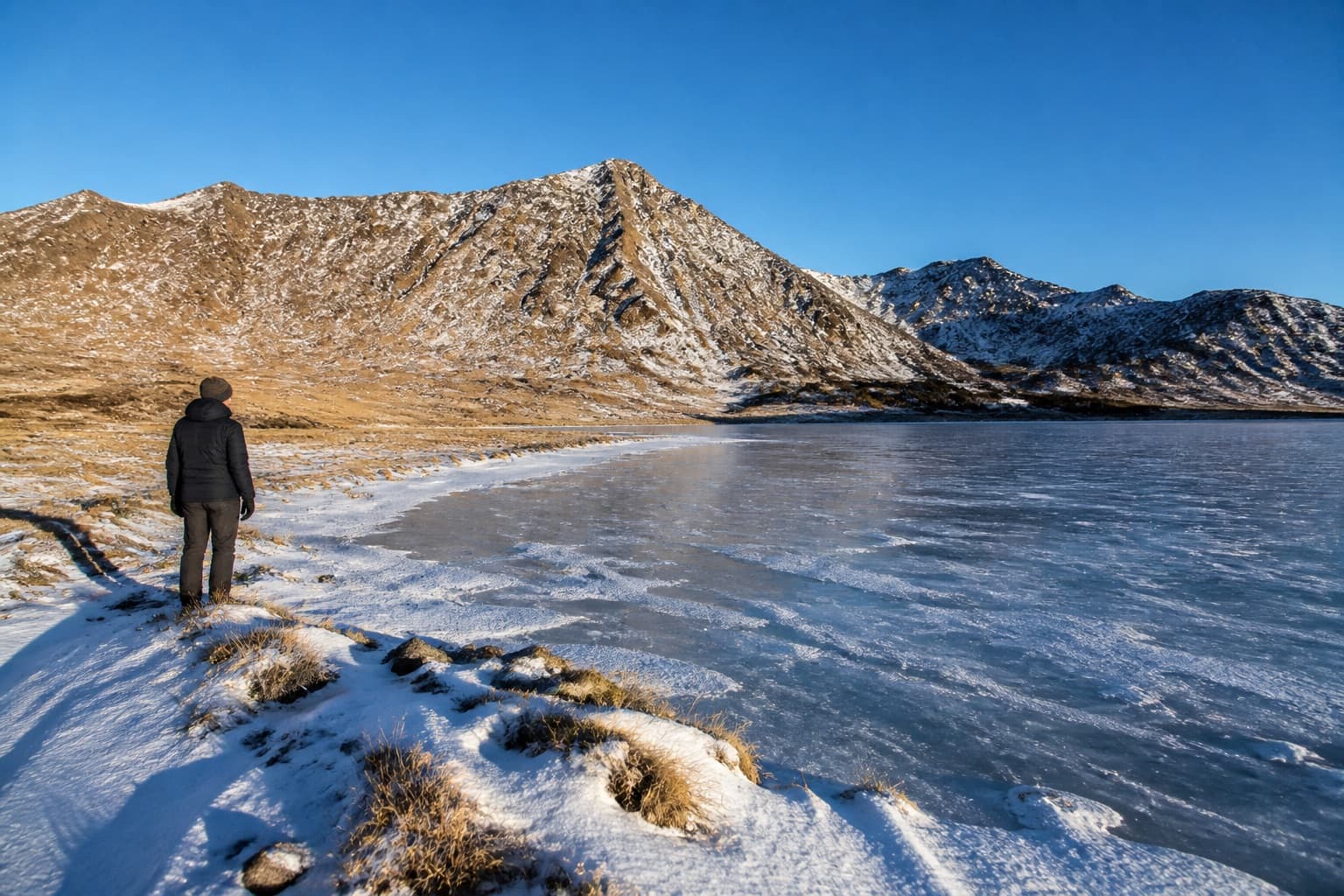
Winter often brings crisp, clear blue skies, excellent for views and for photography of the plateau and its monasteries. On a bright winter day, the light in Tibet is extraordinary.
The honest trade-offs
Winter is not the right choice for every itinerary, and we would rather you know the limitations up front.
- Snow on high passes: The high mountain passes can be affected by snow, which may complicate or occasionally close certain routes.
- Everest is very cold: The Everest Base Camp region is extremely cold in winter and far more demanding than the comfortable afternoons of Lhasa. If Everest is your priority, weigh this carefully and discuss conditions with your operator.
- Remote routes are harder: In general, the more remote and high your planned route, the more winter cold and snow come into play. The cities are reliable; the far-flung corners require more thought.
If you are weighing a winter Everest trip, our 9-day Everest Base Camp & Namtso tour page and a direct conversation with us are the best way to set expectations.
Altitude in winter
Altitude affects you the same way in winter as in any season — Lhasa's elevation does not change with the calendar. What winter adds is cold on top of thin air, which makes sensible acclimatization even more worthwhile. The same principles apply: take your first day slowly, stay hydrated, avoid overexertion early on, and let your guide set the pace.
The dry winter air can also be dehydrating, so drink more water than you think you need. And because cold and altitude together are more tiring than either alone, build a little extra rest into your plans. None of this is a reason to avoid winter; it simply rewards a measured approach.
Winter entrance-fee policies
One genuine bonus worth knowing: in some recent years the local government has promoted winter tourism with discounted or waived entrance fees to major attractions during the low season. Policies vary year to year and are not guaranteed, so do not bank on a specific deal — but it is worth asking your operator what is in effect for your travel dates, as it can add real value.
The rules don't change in winter
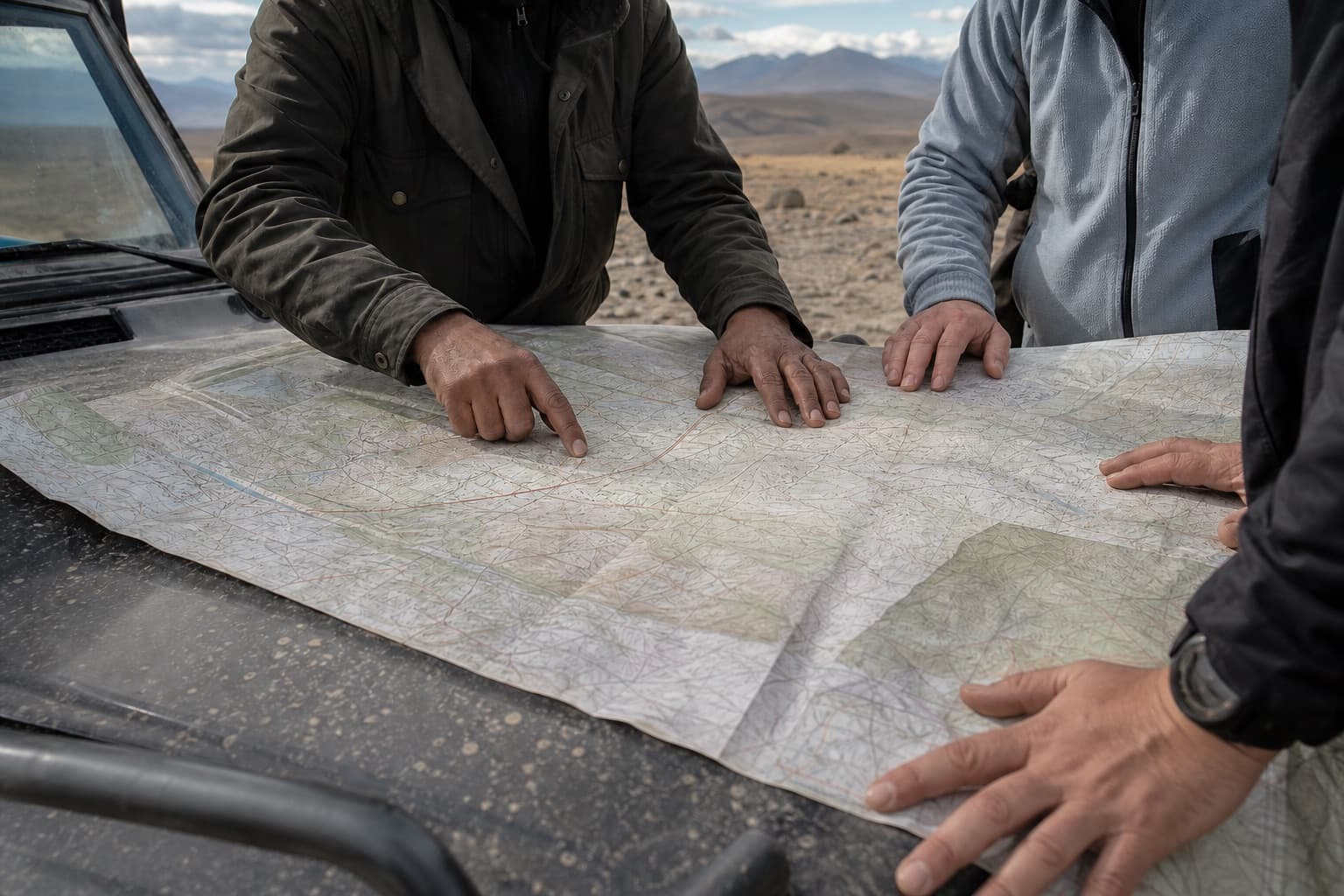
It is important to be clear that the core requirements for visiting Tibet apply year-round. Winter changes the weather and the crowds, not the regulations. Specifically:
- Permits are still required in every season.
- You must still travel on a licensed organized tour with a guide.
- The Tibet Travel Permit must still be arranged in advance by your operator, with your passport and China visa scans sent roughly 15-20 days ahead.
For the full picture of these requirements, see our guides on the Tibet Travel Permit and Tibet travel restrictions.
What to pack for winter
- A warm down jacket and insulating mid-layers for cold evenings
- Layers you can shed during sunny afternoons
- A warm hat, gloves, and scarf
- High-SPF sun protection and sunglasses — the winter sun at altitude is strong, and glare off any snow is intense
- Lip balm and moisturiser for the dry, cold air
- Warm, comfortable walking shoes
Is winter right for you?
Choose winter if you value atmosphere over warmth: thinner crowds, lower prices, sunny city days, brilliant skies, and the moving spectacle of the pilgrim season. Think twice if your heart is set on the most remote, highest routes, where cold and snow raise the difficulty.
For a Lhasa-centred winter trip with side excursions to Shigatse and Gyantse, the season is hard to fault.
Where winter shines: the cultural heartland
Winter plays to the strengths of a culturally focused itinerary. The great sites of the Lhasa valley — the Potala Palace, the Jokhang Temple, the Barkhor, and the major monasteries of Drepung and Sera — are all at their quietest and most atmospheric. Without summer's crowds, you can take your time, watch the rhythms of pilgrim life up close, and photograph these landmarks under the clear winter light.
Depending on the year, winter can also coincide with significant points in the Tibetan calendar, when local devotion is especially visible. Your guide can tell you what is happening during your specific dates and help you experience it respectfully. This combination of space, light, and living tradition is exactly what makes a winter visit feel different from a summer one.
To plan dates, check current entrance-fee policies, and tailor a route to winter conditions, contact us or browse our Tibet tours.
Plan your Tibet trip with us
Permits handled, local guides, transparent pricing. Tell us your dates and we will send a tailored itinerary.
FAQs
It is colder, but Lhasa is milder than many expect. Known as the 'sunlit city', Lhasa often has sunny daytime highs around 7-10°C in winter, dropping well below freezing at night (around -5°C in December and colder in January). The Everest Base Camp region, by contrast, is extremely cold.