Un guide santé pratique et honnête pour les voyageurs vers le plateau tibétain, couvrant l’altitude, une trousse médicale judicieuse, la nourriture et l’eau, l’assurance voyage et les soins disponibles, afin que vous puissiez bien voyager en haute altitude.
Réponse rapide : Le facteur de santé dominant au Tibet est l'altitude ; tout le reste est secondaire. Au-delà, préparez-vous à un rayonnement UV féroce, à un air très sec et à de fortes amplitudes thermiques. Emportez votre propre trousse médicale, avec les médicaments sur ordonnance dans leur emballage d'origine, vérifiez que votre assurance couvre l'activité au-dessus de 5 000 m, et attendez-vous à de bons hôpitaux à Lhassa et Shigatsé mais à des moyens très limités sur les itinéraires isolés.
La plupart des gens traversent le Tibet sans aucun souci de santé sérieux, et l’objectif de ce guide est de faire en sorte qu’il en reste ainsi. Le plateau est élevé, reculé et loin des grands hôpitaux, alors un peu de préparation va loin. Voici un regard pratique et sans dramatisation sur le fait de rester en bonne santé au Tibet : l’altitude avant tout, plus une trousse médicale judicieuse, la nourriture et l’eau, l’assurance, et les soins réellement disponibles. Rien de tout cela ne constitue un avis médical ; parlez toujours à votre propre médecin avant de partir.
L’altitude : le principal facteur de santé
De loin la considération de santé la plus importante au Tibet est l’altitude. Lhassa se situe à 3 656 mètres, et une grande partie du plateau est plus haute encore. Presque tout le monde remarque un effet léger à l’arrivée, mal de tête, essoufflement, sommeil perturbé, et c’est normal. Le but est d’empêcher des symptômes légers de devenir graves.
Les fondamentaux :
- Montez progressivement et reposez-vous à l’arrivée. Prenez votre premier jour ou deux en douceur avant de monter plus haut. Arriver par voie terrestre en train aide votre corps à s’adapter.
- Hydratez-vous bien et évitez l’alcool durant les premiers jours ; allez-y doucement sur les efforts intenses.
- Connaissez les signaux d’alerte. Un mal de tête qui s’aggrave, des vomissements, de la confusion, un essoufflement sévère au repos ou une perte de coordination signifient que vous devez descendre et chercher de l’aide. Votre guide est expérimenté pour repérer ces signes.
- Envisagez un médicament préventif. Certains voyageurs prennent de l’acétazolamide (Diamox) pour aider à prévenir le mal des montagnes, généralement entamé avant la montée. Savoir s’il vous convient est une conversation à avoir avec votre médecin au préalable. Notre guide comment se rendre au Tibet traite de l’acclimatation plus en profondeur.
L’oxygène d’appoint et les petites bonbonnes d’oxygène sont largement disponibles, y compris dans les pharmacies et de nombreux hôtels, et le train du Tibet fait circuler une alimentation en oxygène pour la section la plus élevée.
Soleil, froid et air sec
Au-delà de l’altitude, l’environnement du plateau lui-même demande un peu de soin. Le soleil est féroce : l’air raréfié et la haute élévation signifient des UV puissants même par temps frais, alors une crème solaire à indice élevé, un baume à lèvres, des lunettes de soleil et un chapeau à bord ne sont pas facultatifs. Le climat est très sec, ce qui provoque couramment des lèvres gercées, une peau sèche, des saignements de nez et une toux d’irritation, tous atténués en buvant beaucoup d’eau et en utilisant une bonne crème hydratante et un baume à lèvres. Et si les journées peuvent être agréablement chaudes, les températures varient fortement entre soleil et ombre et chutent après la tombée de la nuit, surtout sur les sites plus élevés, alors des vêtements en couches vous gardent à l’aise et vous aident à éviter les coups de froid.
Une trousse médicale judicieuse
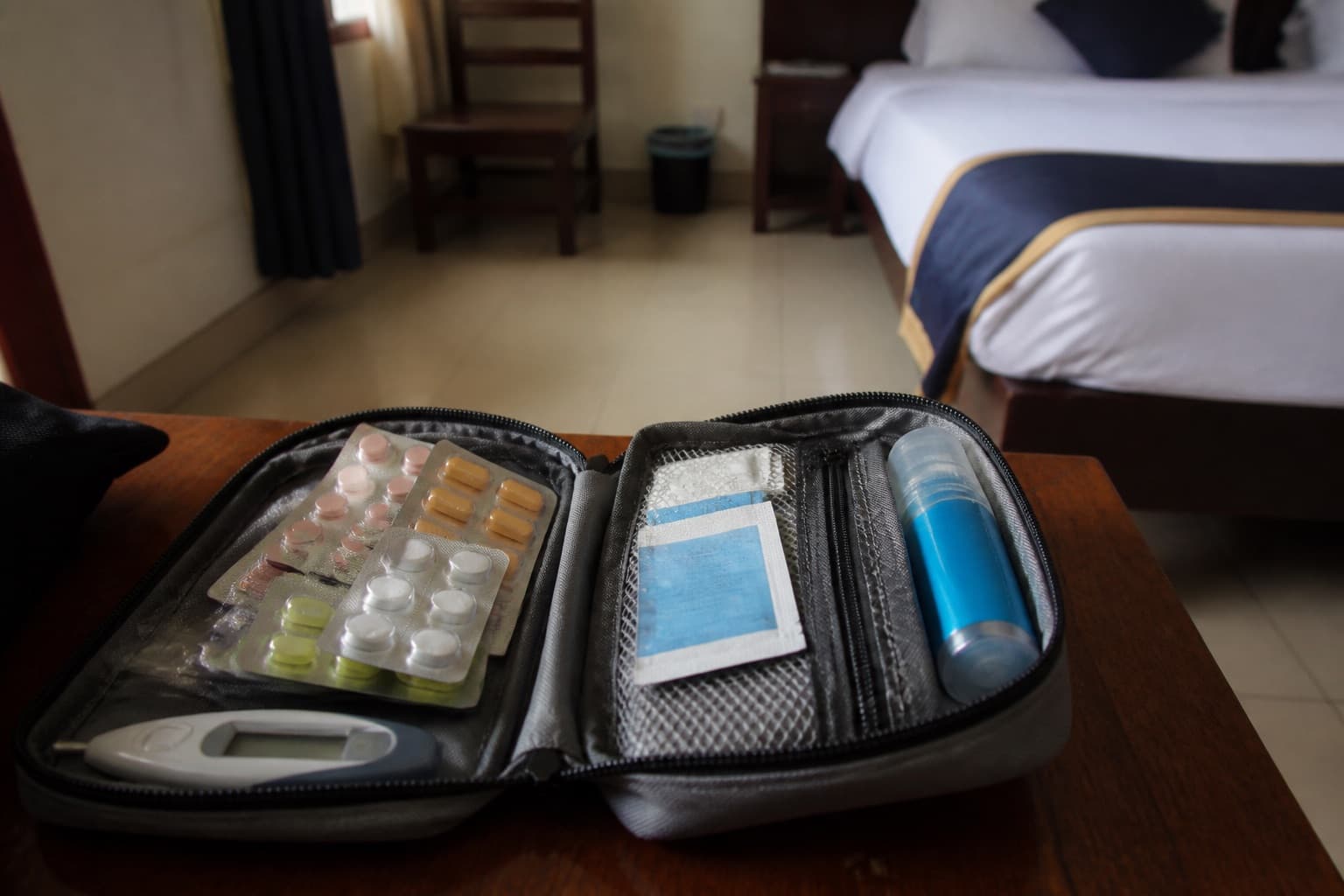
Vous ne trouverez pas une pharmacie familière à chaque coin de rue, surtout en dehors de Lhassa, alors apportez une trousse personnelle. Une liste pratique :
- Tout médicament sur ordonnance que vous prenez, dans votre bagage à main, en quantité suffisante pour tout le voyage plus quelques jours de réserve.
- Un médicament contre l’altitude si votre médecin en a prescrit un.
- Un antidouleur et antipyrétique comme l’ibuprofène ou le paracétamol (acétaminophène), qui aident aussi pour les maux de tête liés à l’altitude.
- Des comprimés contre la nausée, utiles en altitude et sur les routes de montagne sinueuses.
- Des sels de réhydratation pour l’hydratation et tout trouble digestif.
- Des remèdes pour l’estomac, y compris un antidiarrhéique et quelque chose contre l’indigestion.
- Des remèdes contre le rhume et le mal de gorge ; l’air sec et poussiéreux provoque couramment des maux de gorge et de la toux.
- Un antibiotique à large spectre si votre médecin en conseille un pour le voyage.
- Une protection solaire puissante, une crème solaire à indice élevé et un baume à lèvres de qualité, puisque les UV sont intenses en altitude.
- Des pansements, de quoi soigner les ampoules, et tout article personnel dont vous dépendez.
Gardez les médicaments dans leur emballage d’origine et emportez une copie de toute ordonnance.
Nourriture et eau
Les troubles digestifs sont le petit désagrément le plus courant pour les voyageurs partout, et quelques habitudes en préviennent la plupart :
- Ne buvez que de l’eau en bouteille, bouillie ou correctement purifiée. Évitez l’eau du robinet et la glace d’origine inconnue.
- Mangez des aliments fraîchement cuisinés et chauds, largement disponibles et généralement sûrs ; soyez plus prudent avec les salades crues et tout ce qui a séjourné.
- Habituez-vous progressivement à la cuisine locale et restez hydraté. En altitude, l’appétit baisse souvent, alors mangez léger mais régulièrement.
- Emportez vos propres en-cas pour les longs trajets entre les villes.
Assurance voyage
C’est non négociable pour le Tibet. Le plateau est élevé et loin des hôpitaux de pointe, alors vous voulez une couverture qui corresponde véritablement au voyage :
- Choisissez une police qui couvre explicitement les voyages en haute altitude et, le cas échéant, le trekking aux altitudes que vous atteindrez. De nombreuses polices standard les excluent.
- Assurez-vous qu’elle inclut l’évacuation d’urgence et le rapatriement. Dans une région reculée, la capacité à vous évacuer compte plus que presque tout le reste.
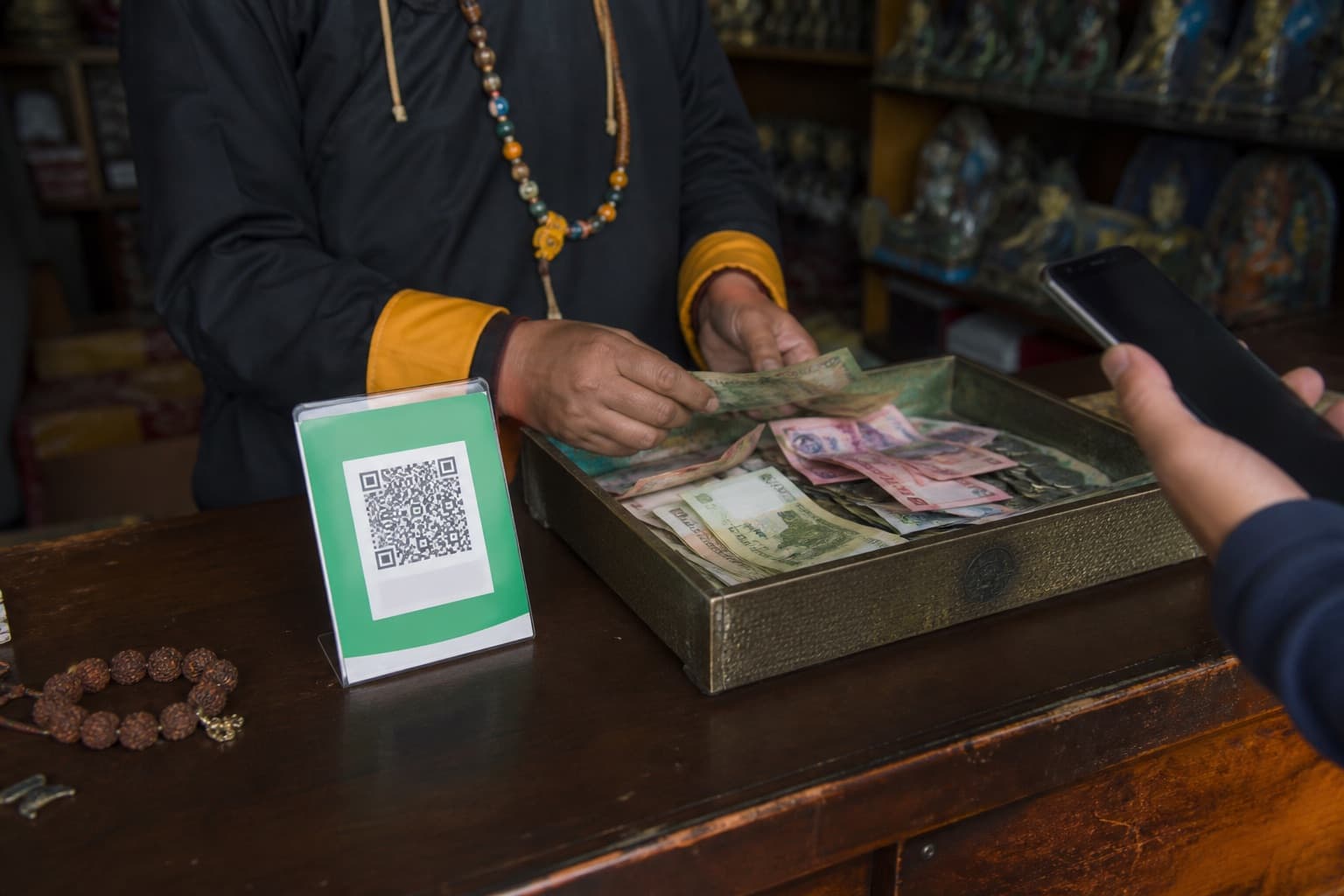
- Notez la réalité du paiement. Les hôpitaux ici exigent généralement le paiement au moment des soins, souvent en espèces ou par carte chinoise, avec remboursement par votre assureur par la suite. Conservez tous les justificatifs.
Quels soins sont disponibles
Lhassa dispose d’hôpitaux et de cliniques, et les pharmacies y sont faciles à trouver ; l’oxygène et les remèdes courants s’y achètent aisément. En dehors de Lhassa, les structures se raréfient rapidement, ce qui explique précisément pourquoi votre trousse, votre assurance et un rythme judicieux comptent. Votre guide connaît les options locales et vous aidera à accéder aux soins si nécessaire, une autre raison pour laquelle la structure guidée du voyage au Tibet joue en votre faveur.
Avant de partir
- Consultez votre médecin plusieurs semaines à l’avance pour discuter du médicament contre l’altitude, des vaccinations courantes et de toute affection personnelle, en particulier les problèmes cardiaques ou pulmonaires, qui méritent une conversation franche avant un voyage en haute altitude.
- Intégrez l’acclimatation à l’itinéraire. Un voyage qui débute en douceur à Lhassa est plus sûr et plus agréable ; nous planifions les itinéraires en ayant cela à l’esprit.
- Posez-nous toutes vos questions. Si vous avez des préoccupations de santé spécifiques au sujet de l’altitude ou du rythme, soulevez-les au moment de réserver via notre page contact afin que nous puissions façonner le voyage judicieusement.
Parcourez le plateau avec respect pour l’altitude, une trousse bien fournie, la bonne assurance et un rythme sans hâte, et les chances sont fortement en votre faveur pour un voyage sain et mémorable.
Planifiez votre voyage au Tibet avec nous
Permis gérés, guides locaux, tarifs transparents. Indiquez-nous vos dates et nous vous enverrons un itinéraire sur mesure.
FAQ
L’altitude. Lhassa se situe à 3 656 mètres et une grande partie du plateau est plus haute encore, donc presque tout le monde ressent un effet léger à l’arrivée. Le mal d’altitude grave est rare lorsque vous montez progressivement, vous reposez à l’arrivée, vous hydratez et évitez l’alcool au début, mais c’est l’élément à prendre le plus au sérieux et à surveiller pour ses signaux d’alerte.