La réponse honnête dépend de l'altitude, de votre liste de rêves et de la distance que vous voulez parcourir vers l'ouest. Voici comment choisir entre un avant-goût de 4 jours et une expédition de deux semaines.
Réponse rapide : La plupart des primo-visiteurs ont besoin de 6 à 8 jours au Tibet : 4 à 5 jours suffisent pour Lhassa, 7 jours sont le minimum pour atteindre le camp de base de l’Everest, 9 jours permettent d’ajouter le lac Namtso, et 13 à 16 jours sont nécessaires pour la kora du mont Kailash, l’acclimatation étant intégrée à chaque itinéraire.
Décider combien de temps passer au Tibet est le choix de planification le plus important que vous ferez. Restez trop peu et vous risquez d'arriver, de passer votre premier jour à plat sur le dos à vous adapter à l'altitude, et de repartir avant d'avoir vraiment rien vu. Restez plus longtemps et le plateau s'ouvre : hauts cols, lacs turquoise, monastères reculés et la face nord de l'Everest.
Ce guide détaille ce qui est réaliste pour 4, 5, 8, 10 et 14 jours, et comment l'altitude façonne chaque itinéraire. Une chose à régler d'abord : en tant que visiteur étranger, vous ne pouvez pas voyager de manière indépendante au Tibet. Vous devez rejoindre un circuit organisé sous licence, voyager avec un guide, et être muni d'un permis de voyage au Tibet que votre agence organise à l'avance. Cette structure influe sur la façon dont vos journées sont comptées, alors prenez-la en compte dès le départ.
La réponse courte
Pour la plupart des primo-visiteurs, 6 à 8 jours est la durée idéale. Elle donne à votre corps le temps de s'acclimater à Lhassa, vous laisse voir les temps forts culturels sans précipitation, et laisse de la place pour au moins une excursion majeure au-delà de la ville. Si atteindre le camp de base de l'Everest vous tient à cœur, penchez vers 7 ou 8 jours. Si vous n'avez qu'un long week-end, 4 jours à Lhassa en valent vraiment la peine, avec les réserves que nous abordons plus bas.
Pourquoi l'altitude impose le rythme
Lhassa se situe à 3 656 mètres (environ 11 995 pieds). C'est assez haut pour que presque tout le monde ressente quelque chose à l'arrivée, qu'il s'agisse d'un mal de tête, d'un essoufflement ou d'un sommeil perturbé. L'approche habituelle et sensée consiste à passer le premier ou les deux premiers jours à Lhassa à se ménager avant de monter plus haut.
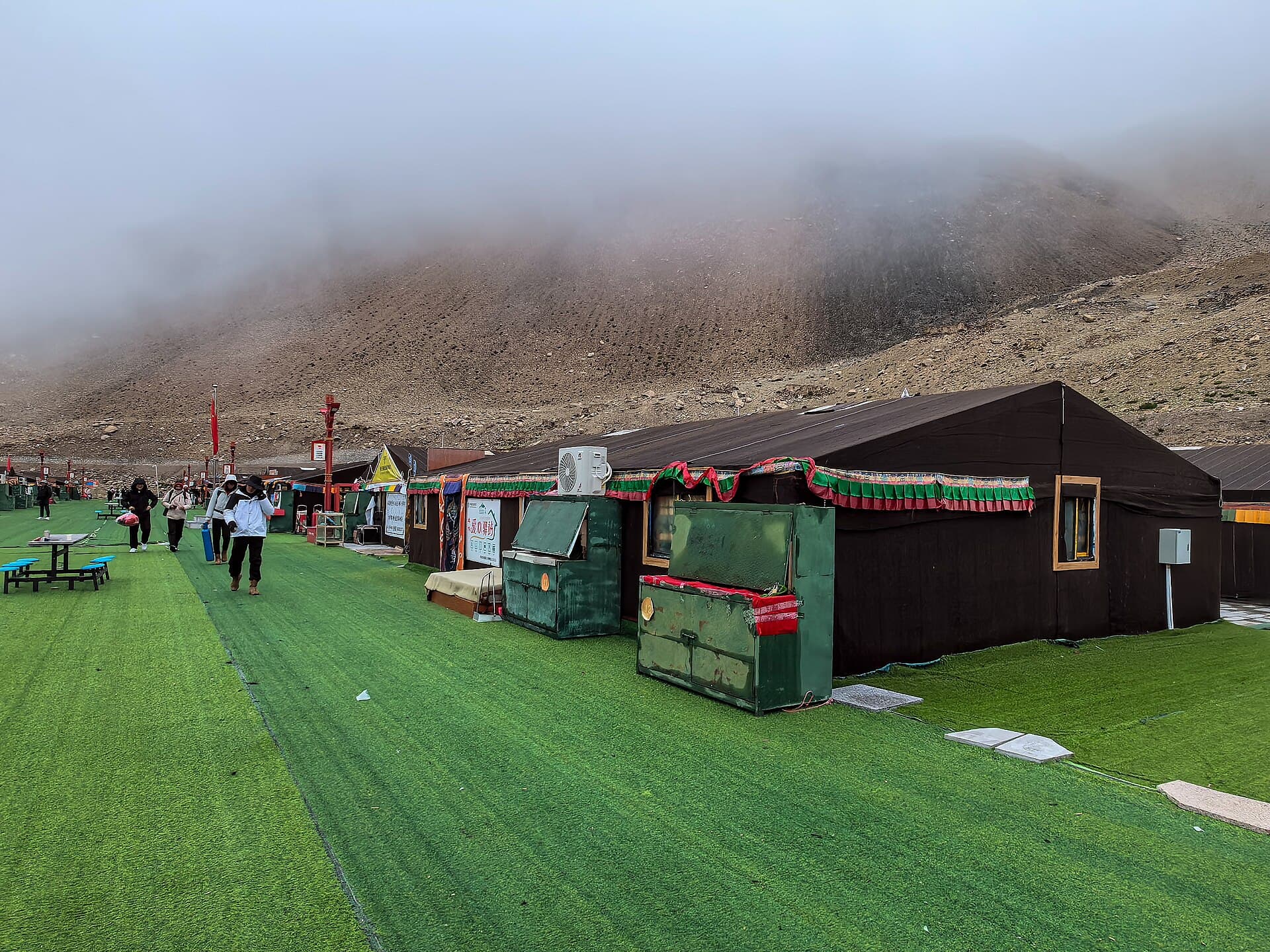
Ce n'est pas une formalité. Les itinéraires qui vous poussent trop vite vers de hautes altitudes sont ceux qui causent des ennuis aux voyageurs. Le camp de base de l'Everest côté tibétain se situe à environ 5 200 mètres (environ 17 060 pieds), et vous ne voulez pas passer d'un siège d'avion à cette altitude en 48 heures. Intégrer des journées d'acclimatation est la principale raison pour laquelle les itinéraires au Tibet sont plus longs que ne le suggérerait la seule liste des temps forts. Pour un examen plus approfondi de la façon de rester en forme en altitude, consultez notre guide sur le mal des montagnes au Tibet.
Jour par jour : ce que chaque durée vous offre
4 jours : les essentiels de Lhassa
Quatre jours, c'est le séjour citadin classique. Vous arrivez, vous vous acclimatez, et vous explorez le cœur culturel du Tibet sans vous aventurer à une altitude extrême.
- Jour 1 : Arrivée à Lhassa, repos, hydratation, aucun effort
- Jour 2 : Monastères de Drepung et Sera, où vous pouvez observer les séances de débat des moines
- Jour 3 : Palais du Potala et temple du Jokhang, ainsi que le circuit de pèlerinage du Barkhor
- Jour 4 : Départ
Cet itinéraire de quatre jours à Lhassa constitue une base idéale si vous manquez de temps ou si vous combinez le Tibet avec un voyage plus large en Chine, et c'est le programme que suit notre circuit privé de 4 jours dans la ville de Lhassa. La contrepartie : vous restez dans la vallée de Lhassa et ne voyez pas le plateau plus vaste.
5 jours : Lhassa et un lac
Ajoutez un jour et vous pouvez associer Lhassa à une excursion d'une journée par le Kamba La (4 790 mètres) jusqu'au lac Yamdrok (4 441 mètres / 14 570 pieds), l'un des trois grands lacs sacrés du Tibet, niché parmi des sommets enneigés. Un voyage de cinq jours vous offre le cœur culturel et un avant-goût de la haute montagne, à un rythme plus détendu dans la ville. Notre circuit en groupe de 5 jours Lhassa et lac Yamdrok est conçu ainsi, avec toutes les nuits à Lhassa.
8 jours : atteindre l'Everest
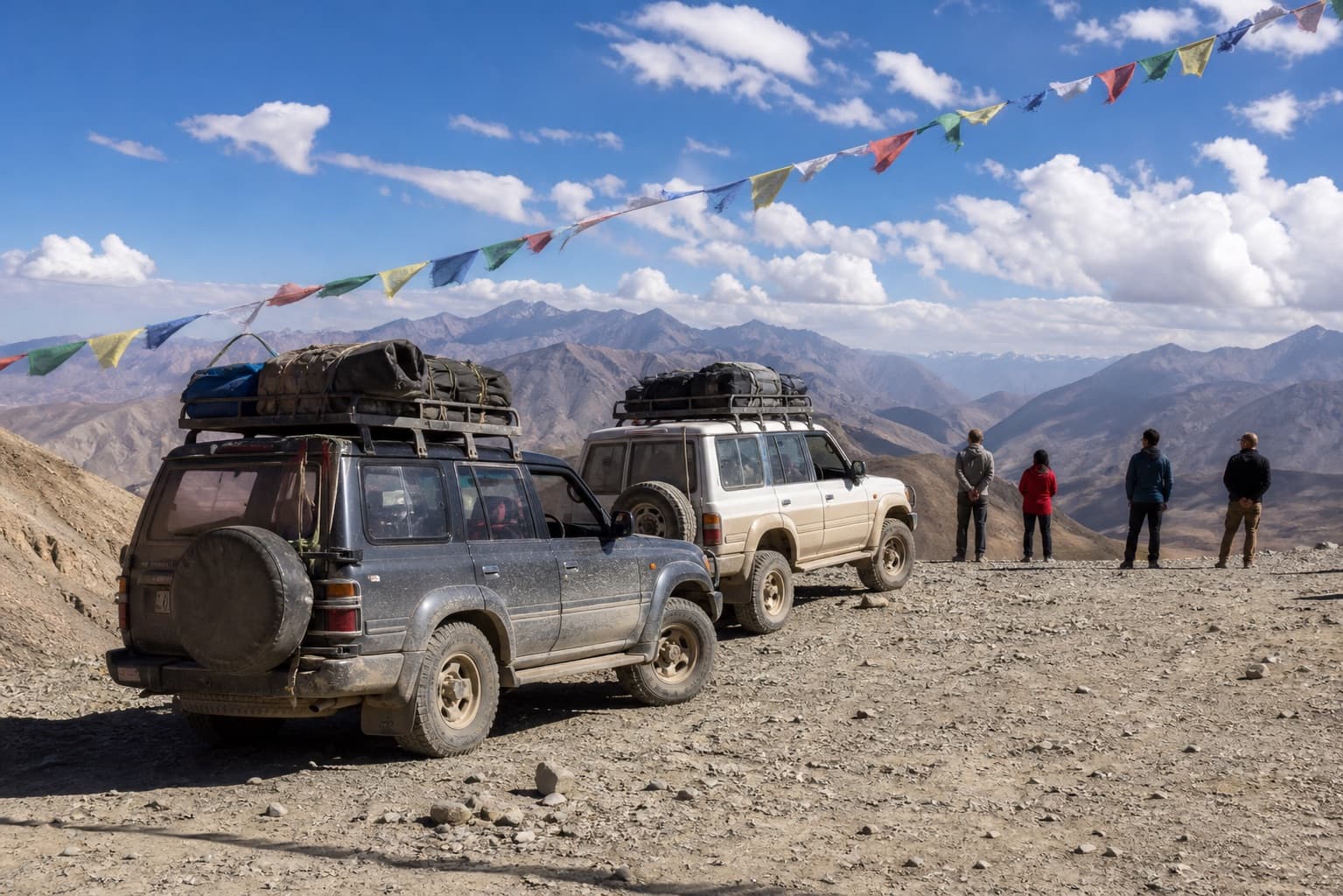
Huit jours est la durée naturelle pour un périple terrestre vers la face nord de l'Everest. Vous vous acclimatez à Lhassa, puis roulez vers l'ouest en longeant le lac Yamdrok et en traversant Shigatsé, gagnant de l'altitude progressivement avant d'arriver à Rongbuk et au camp de base de l'Everest. Réalisé à un rythme mesuré, c'est l'un des itinéraires terrestres les plus gratifiants qui soient. Notre circuit de groupe Lhassa et camp de base de l'Everest (8 jours) est construit autour de cette progression précise ; la version de 7 jours compte un jour de moins à Lhassa, et le circuit de 9 jours ajoute le Namtso.
10 jours : une boucle plus complète du plateau
Dix jours vous permettent de ralentir et d'ajouter de la profondeur : plus de temps à Shigatsé, une nuit près d'un lac d'altitude, des visites annexes de monastères que la plupart des courts voyages sautent, et un retour moins pressé. Cela convient aux voyageurs qui veulent l'expérience de l'Everest mais aussi respirer entre les grands sites. Aucun de nos circuits en groupe à dates fixes ne suit ce rythme : considérez-le comme un voyage privé sur mesure.
14 jours : pèlerinage et l'extrême ouest
Deux semaines ouvrent la porte au Tibet occidental et au mont Kailash, le sommet sacré au cœur d'un trek de pèlerinage de plusieurs jours (le kora). C'est une entreprise sérieuse et reculée, sur de longues distances et de hauts cols, et elle exige une véritable acclimatation. Notre circuit en groupe de 14 jours : kora du mont Kailash, Guge et lacs du Nord est construit autour de la kora, et la version de 16 jours ajoute le camp de base de l'Everest sur la route de l'ouest. Il convient le mieux aux voyageurs disposant de temps, d'une condition physique raisonnable et d'une tolérance aux longues journées de route.
Comparaison rapide
| Jours | Idéal pour | Point culminant | Rythme |
|---|---|---|---|
| 4 | Premier aperçu, peu de temps | Lhassa (3 656 m) | Détendu, en ville |
| 5 | Culture + un lac sacré | Kamba La (4 790 m) | Confortable |
| 8 | Camp de base de l'Everest | CBE (5 200 m) | Modéré, quelques longues routes |
| 10 | L'Everest sans se presser | CBE (5 200 m) | Mesuré |
| 14 | Pèlerinage au Kailash (16 avec l'Everest) | Drolma La (5 630 m) | Exigeant |
Comment les permis influent sur votre nombre de jours
Votre permis de voyage au Tibet doit être organisé avant votre arrivée, et l'original est généralement acheminé par coursier à votre hôtel dans votre ville de départ (souvent Chengdu, Xining ou Pékin) avant que vous n'embarquiez sur votre vol ou votre train. En pratique, cela signifie que vos journées au Tibet commencent dès l'instant où vous atterrissez à Lhassa, et vous devriez planifier votre arrivée dans la région avec une marge. Visez à confirmer votre itinéraire et à envoyer les informations de votre passeport et de votre visa chinois à votre agence au moins 20 jours à l'avance afin que les formalités soient prêtes à temps.
Une note sur le calendrier et les fermetures
Le Tibet a régulièrement fermé aux touristes étrangers pendant une courte période autour de fin février et en mars, même si cela ne se produit pas chaque année et que les dates exactes varient, si bien que certaines années la région reste ouverte pendant cette fenêtre. Si votre période de voyage tombe près de ce moment, prévoyez de la flexibilité et vérifiez les conditions en vigueur avant de fixer vos vols. Notre guide sur la meilleure période pour visiter le Tibet couvre les compromis saisonniers en détail.
Alors, combien de jours ?
- Seulement quelques jours ? Quatre jours à Lhassa, c'est un vrai voyage, pas un lot de consolation.
- Envie de l'expérience classique ? Six à huit jours allient culture et haute montagne.
- L'Everest est le rêve ? Accordez-vous sept jours minimum, huit pour une montée plus douce.
- À la poursuite du Kailash ? Prévoyez deux semaines ou plus.
Si vous hésitez entre des itinéraires, parcourez notre gamme complète de circuits au Tibet ou contactez-nous et nous vous aiderons à faire correspondre la bonne durée à votre temps, votre budget et votre tolérance à l'altitude.
Prix actuels des circuits au Tibet
Prix de départ réels de notre catalogue, par personne en chambre double. Permis, guide agréé, véhicule avec chauffeur, hôtels et entrées sont inclus dans chaque prix.
| Circuit | Jours | À partir de |
|---|---|---|
| Lhassa la sainte (4 jours)Privé | 4 | $499 |
| Lhassa & Yamdrok (5 jours)Petit groupe | 5 | $650 |
| Everest express (4 jours)Privé | 4 | $750 |
| Lhassa & Everest (7 jours)Petit groupe | 7 | $860 |
| Lhassa & Everest (8 jours)Petit groupe | 8 | $900 |
| Lhassa à la frontière du Népal (7 jours)Petit groupe | 7 | $1,100 |
| Everest & Namtso (9 jours)Petit groupe | 9 | $1,120 |
| Lhassa & Nyingchi (9 jours)Petit groupe | 9 | $1,120 |
| Nyingchi & Everest (11 jours)Petit groupe | 11 | $1,310 |
| Du Kailash au Népal (13 jours)Petit groupe | 13 | $1,390 |
| De Nyingchi au Namtso (12 jours)Petit groupe | 12 | $1,410 |
| Kailash & lacs du Nord (14 jours)Petit groupe | 14 | $1,460 |
| Shoton & Everest (9 jours)Petit groupe | 9 | $1,500 |
| Everest, Kailash & Guge (16 jours)Petit groupe | 16 | $1,580 |
| Pêchers en fleurs au Tibet (9 jours)Petit groupe | 9 | $1,630 |
| De Chengdu à Lhassa par la route (10 jours)Petit groupe | 10 | $2,050 |
| Chengdu, Yading & Lhassa (15 jours)Petit groupe | 15 | $2,750 |
Les circuits privés sont calculés pour deux voyageurs ; à partir de trois, le prix par personne baisse. Vols ou train vers Lhassa, visa chinois, la plupart des déjeuners et dîners, et pourboires en sus.
Demander un devis détailléPlanifiez votre voyage au Tibet avec nous
Permis gérés, guides locaux, tarifs transparents. Indiquez-nous vos dates et nous vous enverrons un itinéraire sur mesure.
FAQ
Quatre jours suffisent pour s'acclimater à Lhassa et voir les temps forts culturels, y compris le palais du Potala, le temple du Jokhang et les principaux monastères. Vous n'atteindrez pas le plateau plus vaste ni l'Everest, mais c'est un voyage authentique et qui en vaut la peine si votre temps est limité.