El Tíbet por la cultura de la meseta y la cara norte del Everest en un tour guiado, Nepal por el trekking y la libertad, Bután por un reino tranquilo con una tarifa diaria.
Respuesta rápida: Elige el Tíbet por la alta meseta, la cultura monástica, la cara norte del Everest y el Monte Kailash en un tour guiado y con permiso; elige Nepal por la mayor variedad de trekkings y el acceso independiente más libre; y elige Bután por un reino de bajo volumen con una Tasa de Desarrollo Sostenible diaria.
El Tíbet, Nepal y Bután se asientan a lo largo de la misma gran cordillera y, sin embargo, ofrecen viajes sorprendentemente diferentes. Uno es una alta meseta a la que solo se llega en un tour guiado y con permiso; otro es un centro de senderismo y cultura con el acceso más libre y de presupuesto más flexible; y otro es un reino estrictamente gestionado con una tarifa diaria fija. Esta guía los compara con honestidad para que puedas elegir la opción adecuada, o decidir combinarlos.
El veredicto rápido
- Elige el Tíbet por la alta meseta, su cultura monástica, la cara norte del Everest y el sagrado Monte Kailash, aceptando que viajas en un tour guiado con permisos.
- Elige Nepal por la mayor variedad de caminatas, el acceso independiente más fácil y los presupuestos más flexibles.
- Elige Bután por un reino pequeño y cuidadosamente preservado, con la contrapartida de una tasa diaria de desarrollo sostenible.
Acceso y normas: la mayor diferencia
Aquí es donde los tres divergen con más nitidez.
| Tíbet | Nepal | Bután | |
|---|---|---|---|
| Viaje independiente | No permitido para los visitantes extranjeros | Sí, ampliamente | Gestionado, con una tarifa diaria |
| Guía obligatorio | Sí, en todo momento | Solo en ciertas caminatas/zonas | En la práctica sí, a través del sistema gestionado |
| Permiso/tasa especial | Permiso de Viaje al Tíbet (gestionado por la agencia) | Permisos de senderismo para muchas rutas | Tasa de Desarrollo Sostenible por noche |
El Tíbet tiene el acceso más estructurado. Los visitantes extranjeros no pueden viajar de forma independiente: debes unirte a un tour organizado con licencia, viajar con un guía y disponer de un Permiso de Viaje al Tíbet gestionado con antelación, además de un visado chino. El Tíbet también ha cerrado con regularidad a los turistas extranjeros durante un breve periodo en torno a finales de febrero y marzo; esto no ocurre todos los años y las fechas varían, pero conviene planificarlo teniéndolo en cuenta.
Nepal es el más abierto de los tres. Muchos viajeros exploran Katmandú y las tierras más bajas de forma independiente, y los permisos de senderismo son sencillos para las rutas populares. Ofrece la mayor libertad y el abanico de presupuestos más amplio.
Bután se sitúa en un punto intermedio: el viaje se organiza a través de un sistema gestionado, y los visitantes pagan una Tasa de Desarrollo Sostenible. En el momento de escribir esto, es de 100 USD por adulto y noche, con una reducción para niños de 6 a 12 años y una exención para los más pequeños. Esta tarifa ha cambiado antes y se revisa periódicamente, así que confirma la cifra vigente antes de planificar.
Altitud: cuán alto y cuán rápido
Los tres alcanzan una elevación seria, pero el punto de partida difiere.
- El Tíbet empieza alto y se mantiene alto. Lhasa ya está a 3.656 metros (11.995 pies), el lago Yamdrok a 4.441 metros, y el Campo Base del Everest del lado tibetano a unos 5.200 metros. Estás en altura desde el momento en que aterrizas, razón por la cual se incorporan días de aclimatación a cada itinerario. Consulta nuestra guía del mal de altura.
- Nepal abarca un rango enorme. Katmandú se sitúa en torno a los 1.400 metros, así que puedes disfrutar de la cultura y del viaje a menor altitud cómodamente, y luego elegir si haces senderismo en altura. Por lo general, ganas altitud de forma gradual a pie.
- Bután es moderado en comparación para la mayoría del viaje cultural, con valles y localidades a elevaciones más llevaderas, aunque existen caminatas de altura.
Si la altitud te preocupa, Nepal te permite mantenerte bajo; el Tíbet te exige planificar en torno a la altura desde el primer día.
Coste y estructura
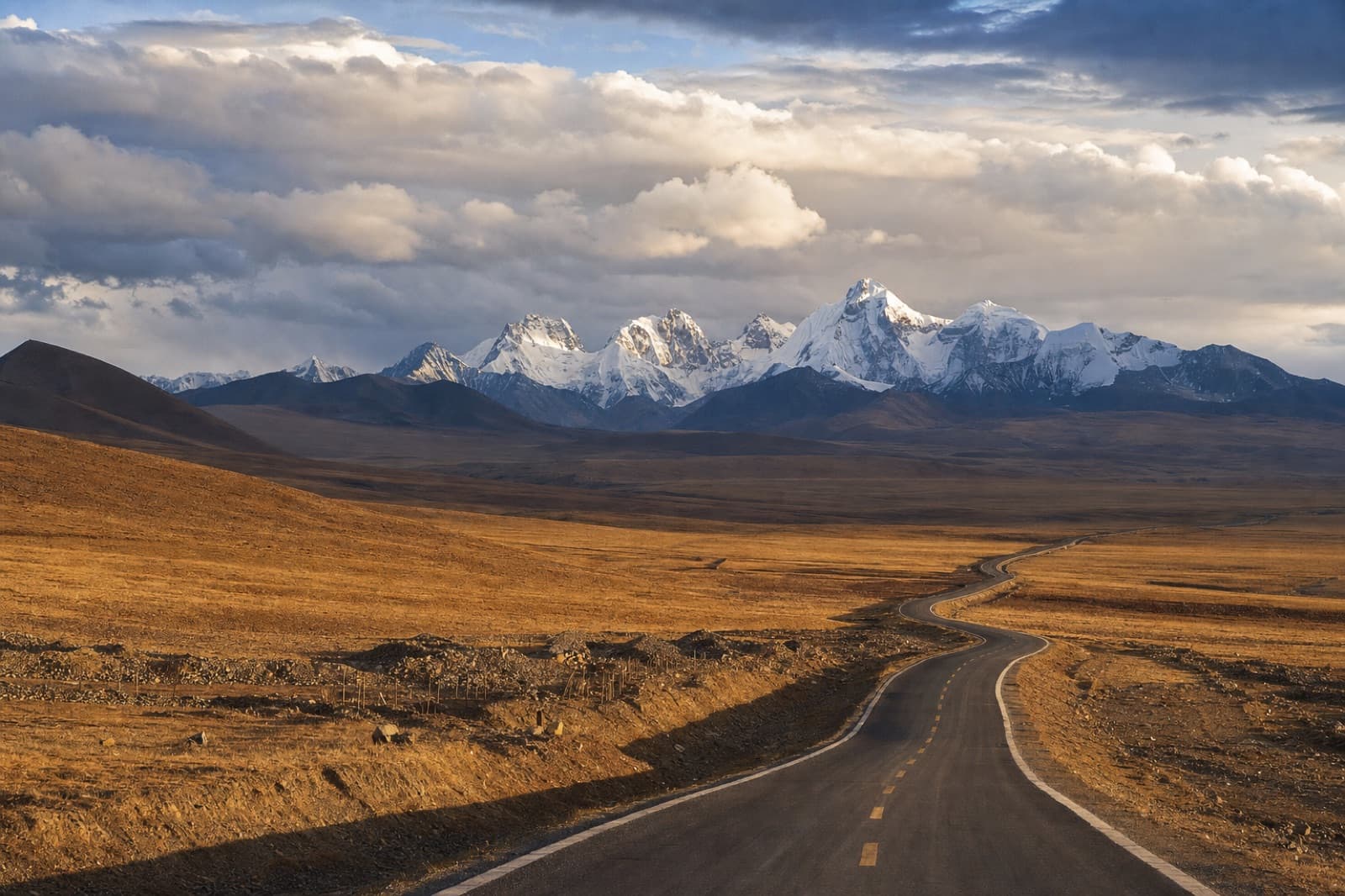
Los tres tienen precios muy distintos:
- Tíbet: Los costes van incluidos en un tour guiado y con permiso, que suele cubrir el guía, el transporte, los permisos y el alojamiento. Esto hace que el precio sea predecible, pero significa que no hay una verdadera opción independiente de mochilero. Nuestra guía de coste de viajar al Tíbet desglosa los componentes.
- Nepal: El de presupuesto más flexible, desde el senderismo muy económico en casas de huéspedes hasta los alojamientos de alta gama. Tú controlas cuánto gastas.
- Bután: La Tasa de Desarrollo Sostenible diaria fija un suelo claro, además de tu viaje y alojamiento, lo que posiciona a Bután, por diseño, como un destino de menor volumen y mayor coste.
La experiencia: de qué trata realmente cada uno
Tíbet
Una meseta alta y extensa con una cultura budista profundamente visible. Lo más destacado incluye el Palacio de Potala, el Templo de Jokhang y el circuito del Barkhor en Lhasa, los grandes monasterios, los lagos sagrados, la cara norte del Everest y la peregrinación al Kailash. La sensación es expansiva y de otro mundo. Explora rutas a través de nuestros tours por el Tíbet, el tour a Lhasa, el Campo Base del Everest y el lago Namtso (9 días) o el tour Everest, kora del Monte Kailash y Guge (16 días).
Nepal
La capital del senderismo en el Himalaya, anclada por el bullicio de Katmandú y las regiones del Annapurna y el Everest. Conviene a los viajeros que quieren variedad: viajes culturales cortos, caminatas de casa de té o expediciones serias, todo con una logística relativamente fácil.
Bután
Un pequeño reino que ha optado por un turismo de bajo volumen, conocido por sus espectaculares monasterios, sus dzongs con aspecto de fortaleza y sus tradiciones bien preservadas. Recompensa a los viajeros que quieren una experiencia más tranquila y cuidada y a quienes no les importa pagar un sobreprecio por ella.
¿Se pueden combinar?
Sí, y muchos viajeros lo hacen. Nepal, en particular, es una puerta de entrada habitual para viajes más amplios por el Himalaya. Combinar destinos implica hacer malabares con normas de entrada y visados separados y, en el caso del Tíbet, con el proceso del permiso y el requisito del tour guiado, así que date un tiempo extra de planificación y de antelación para los documentos.
El Tíbet y Nepal son la pareja más fácil, porque comparten frontera terrestre. Nuestro tour de 16 días Everest y Kailash tiene una versión de 13 días que termina en la frontera de Gyirong–Rasuwa en lugar de volver a Lhasa, y la guía del viaje terrestre Tíbet–Nepal cubre la ruta. En sentido contrario, de Nepal al Tíbet, se entra con un visado de turista de grupo expedido en Katmandú y no con un visado chino estándar.
Entonces, ¿cuál deberías elegir?
- Quieres la cara norte del Everest, el Kailash o una cultura inmersiva de la meseta, y no te importa una estructura guiada: el Tíbet.
- Quieres variedad de caminatas, libertad independiente y flexibilidad de presupuesto: Nepal.
- Quieres un reino exclusivo y de bajo volumen y aceptas una tasa diaria: Bután.
¿Aún lo estás sopesando? Si el Tíbet te llama, nuestra página de contacto es el lugar para empezar, y nuestras guías sobre cuántos días necesitas en el Tíbet y la mejor época para visitarlo te ayudarán a planificar.
De la lectura al altiplano
¿Se inclina por el Tíbet?
La mayoría de los primeros viajes son uno de estos dos: cinco días tranquilos en Lhasa y el lago Yamdrok o nueve días hasta el campo base del Everest y el lago Namtso. En ambos le tramitamos el Permiso de Viaje al Tíbet.
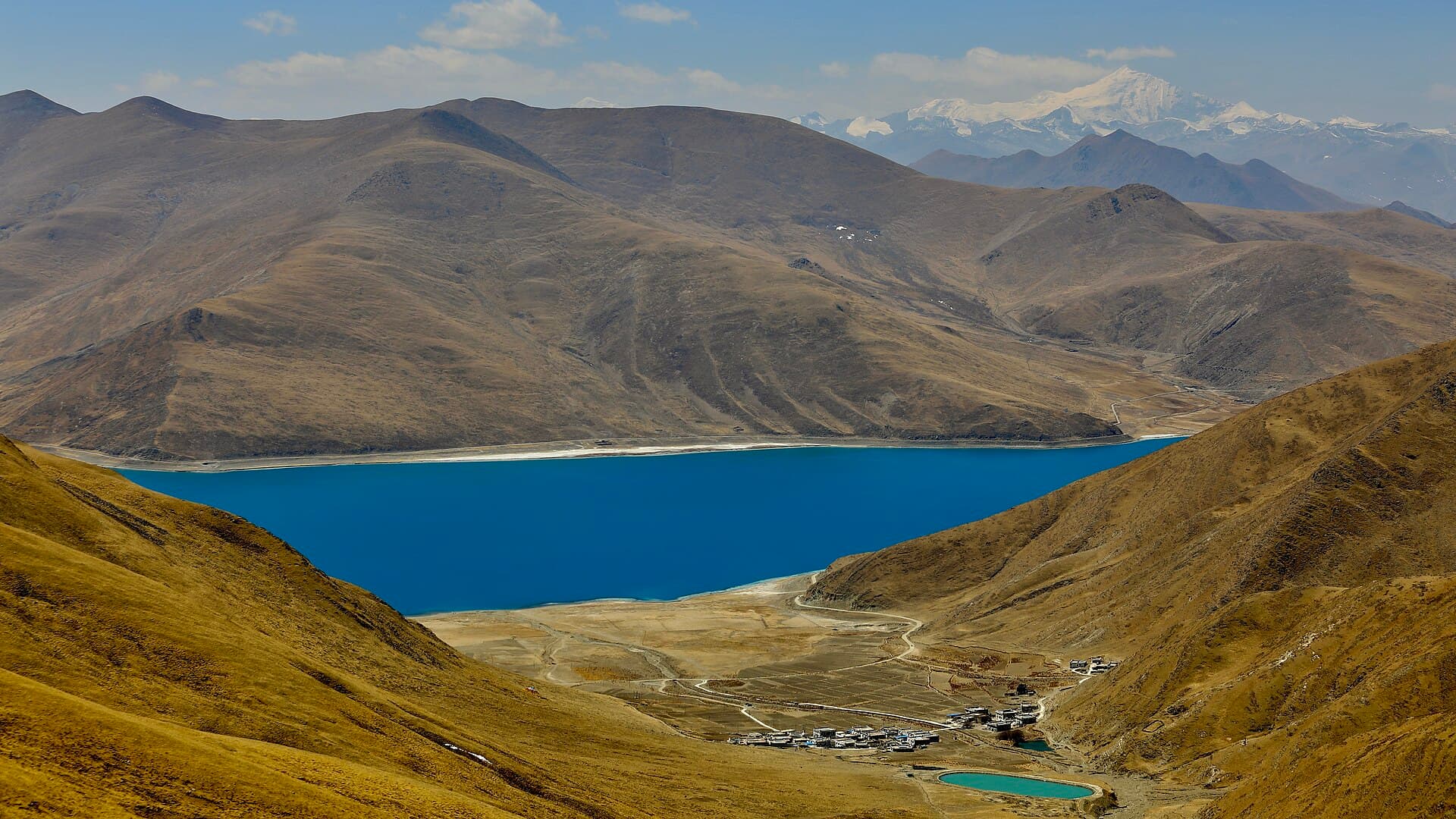
Lhasa y Yamdrok (5 días)
Lhasa · Lago Yamdrok · Templo de Xiazhulin · Lhasa
Cinco días con base en Lhasa: una mañana práctica de artesanía tibetana, los monjes que debaten en Sera, el Palacio del Potala y el Jokhang, y luego una jornada por el Kamba La hasta el lago Yamdrok y el templo de Xiazhulin. Nuestro viaje más corto al Tíbet, en grupo compartido y en fechas fijas.
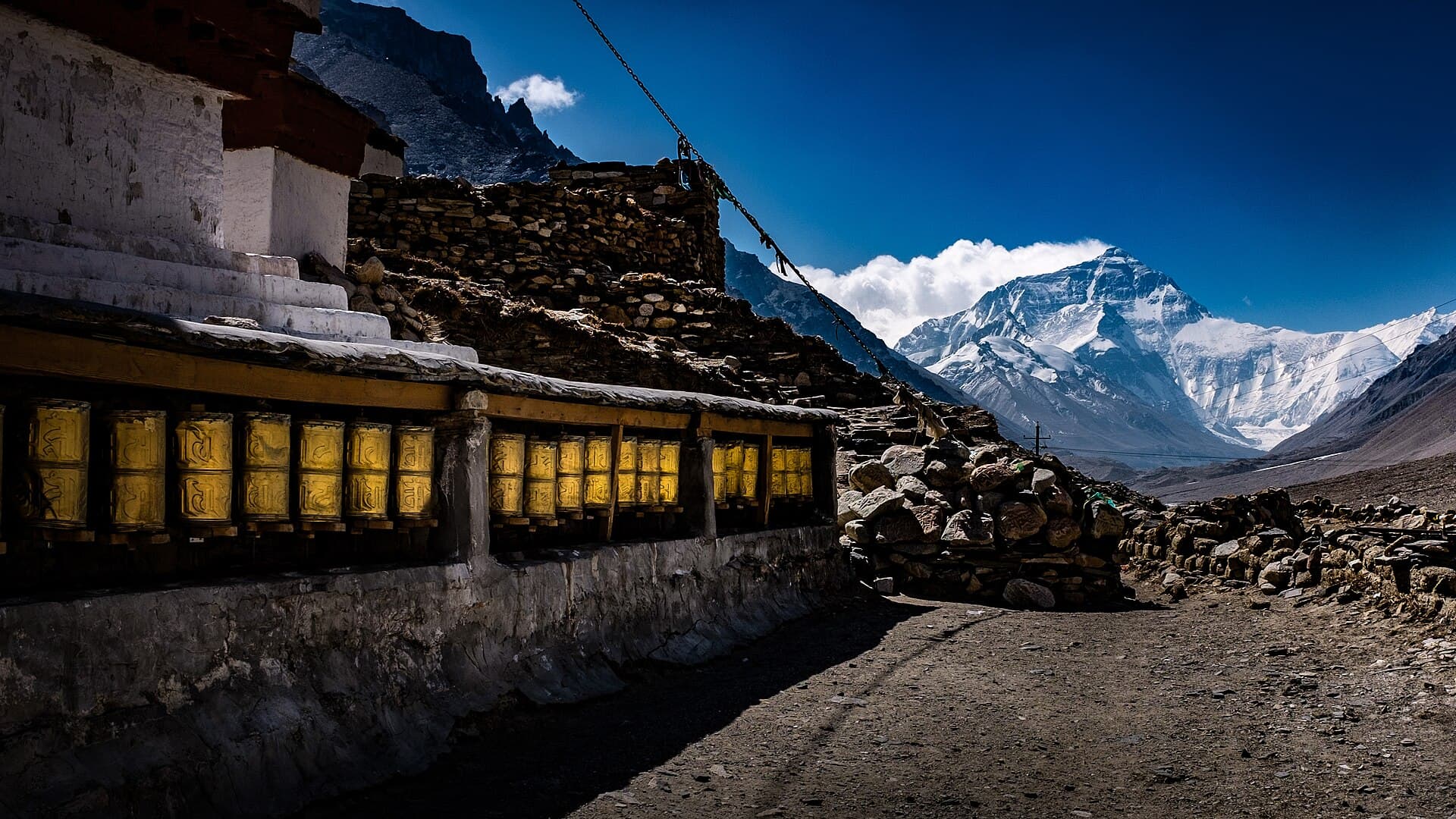
Everest y Namtso (9 días)
Lhasa · Lago Yamdrok · Glaciar Karola · Shigatse · Rongbuk · Campo Base del Everest · Shigatse · Lhasa · Namtso · Lhasa
Nueve días que suman Namtso a la ruta hacia el Everest: los monjes que debaten en Sera, el Potala y el Jokhang en Lhasa; el lago Yamdrok y, más allá, el glaciar Karola camino del oeste; una noche en el Campo Base del Everest; Tashilhunpo; y una excursión final de un día a Namtso cuando ya te has aclimatado. Grupo compartido, salidas en fechas fijas.
Preguntas frecuentes
El Tíbet tiene el acceso más estructurado de los tres. Los visitantes extranjeros deben viajar en un tour organizado con licencia, con un guía y un Permiso de Viaje al Tíbet gestionado con antelación. Nepal es el más abierto y permite el viaje independiente; Bután utiliza un sistema gestionado con una tarifa diaria.