Everything a first-time visitor needs to know, from permits and altitude to what to pack and how the guided-tour rules actually work.
Quick answer: Three things define a first trip to Tibet. You must travel on an organised tour with a licensed guide and a Tibet Travel Permit — independent travel is not permitted for foreigners. Lhasa sits at 3,650 m, so your first two days are for acclimatising, not sightseeing. And the most reliable months are late April through October, with October offering the clearest skies of the year.
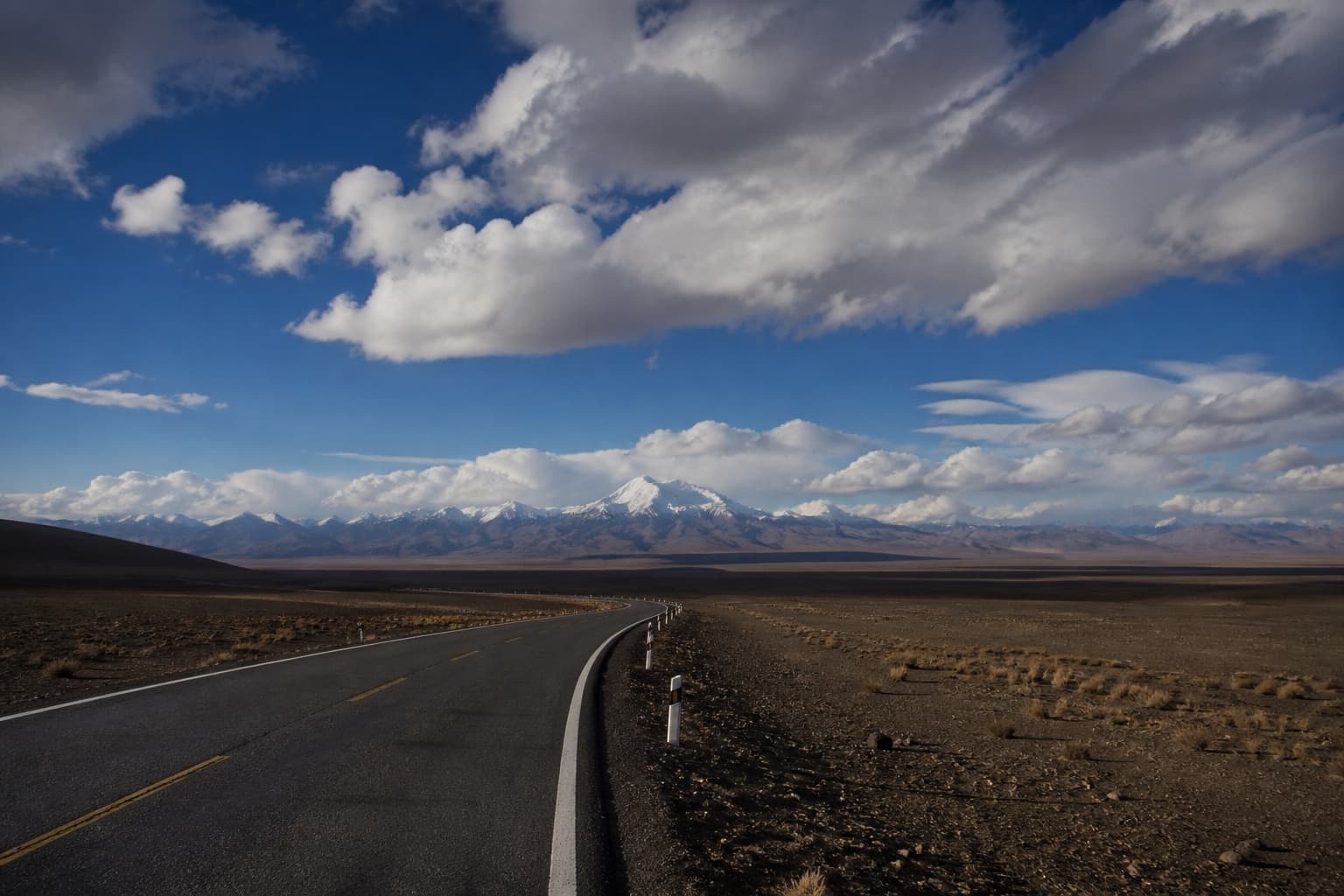
Tibet is unlike anywhere else most travelers have been: a high plateau of vast skies, ancient monasteries, and some of the planet's most dramatic mountains. It also has rules and conditions that catch first-timers off guard. This guide gathers the essentials so you arrive prepared and spend your time enjoying the place rather than untangling logistics.
The one rule that shapes everything
As a foreign visitor, you cannot travel independently in Tibet. By law you must:
- Join a licensed organized tour
- Travel with a guide
- Hold a Tibet Travel Permit that your agency arranges in advance
This is not a formality you can skip or work around. It affects how you plan, how you book, and how you move around the region. The upside is that a good guide handles the paperwork, transport, and access to sites, so once you land, the hard logistics are taken care of. (Worth knowing: being on an organized tour does not mean you must be in a large group; the requirement is that your trip is organized and guided, not that you travel with strangers.)
Permits: how it actually works
The Tibet Travel Permit (often called the TTB permit) is separate from your Chinese visa, and you need both. The typical sequence looks like this:
- You book a tour and send your agency color scans of your passport and Chinese visa, usually a few weeks before departure.
- The agency applies for the permit on your behalf. Processing commonly takes around 8 to 10 working days, so applying at least 20 days ahead is sensible, and longer in peak season.
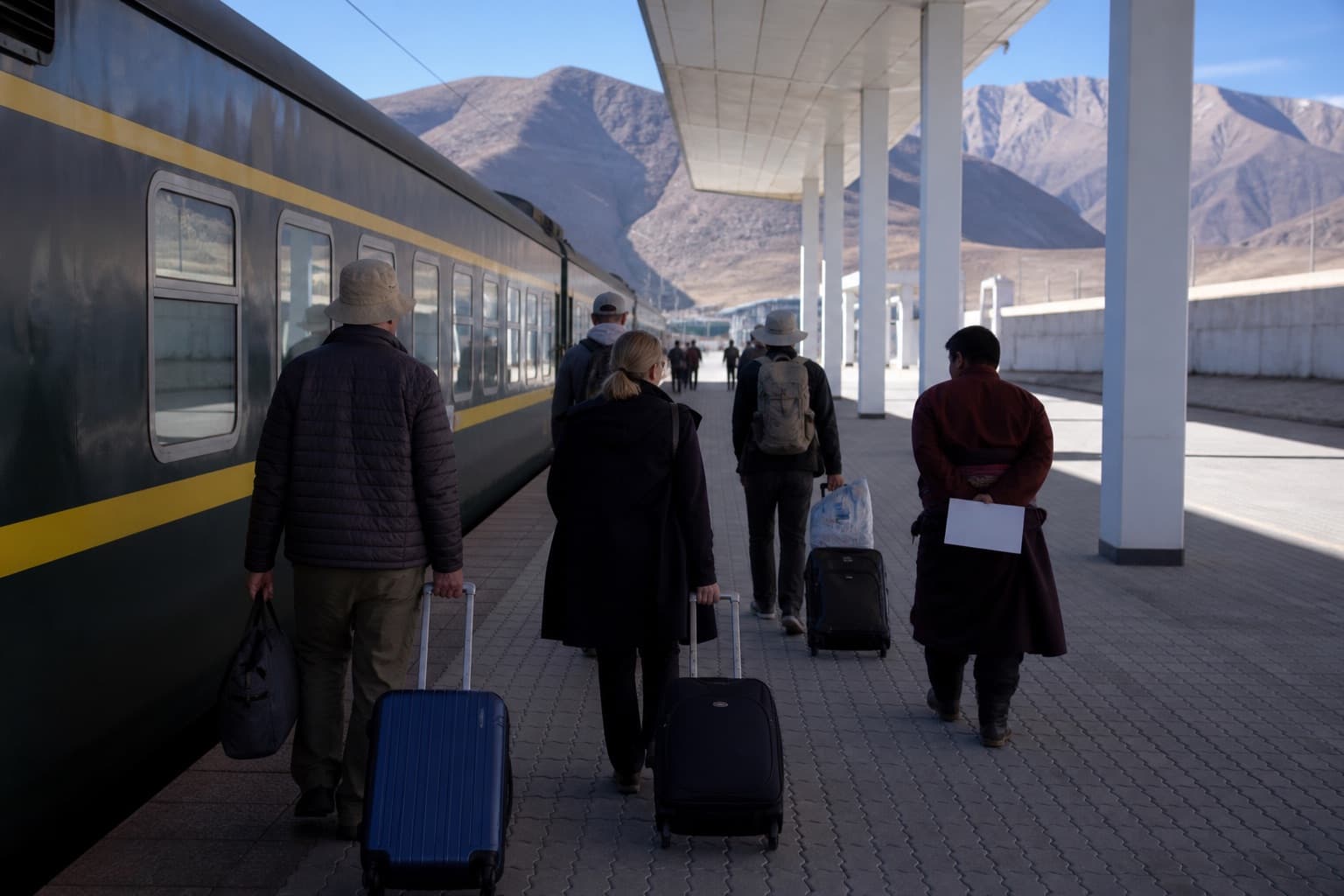
- The original permit is couriered to your hotel in your departure city, frequently Chengdu, Xining, or Beijing. You need it to board your flight or train to Lhasa.
Because the permit is required just to travel into Tibet, plan to be in your gateway city with time to spare. Do not book tight connections that assume everything arrives at the last minute. If your route ventures beyond Lhasa to places like Shigatse or Everest Base Camp, additional permits are needed, which your agency also arranges.
Altitude: respect it from day one
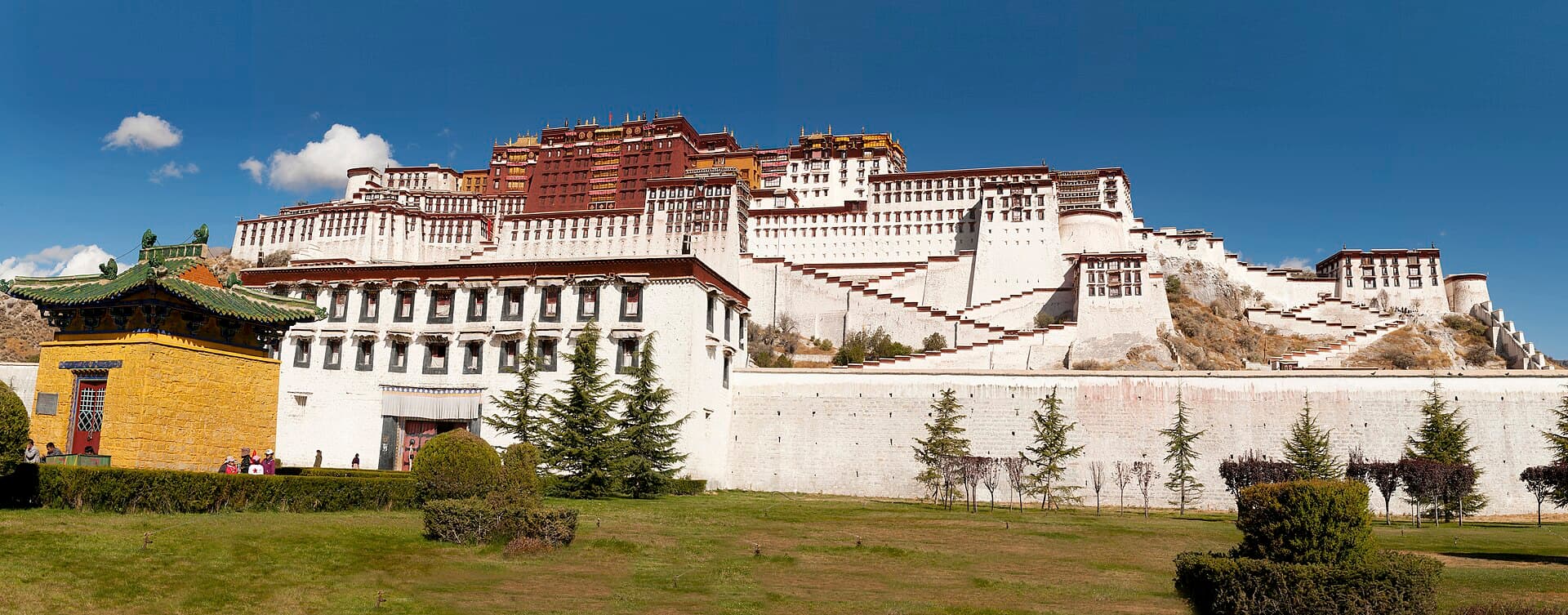
Lhasa sits at 3,656 meters (11,995 feet). That is high enough that most people feel the thin air on arrival, with headaches, breathlessness, or poor sleep being common in the first day or two. This is normal, and the standard response is built into good itineraries:
- Spend your first one to two days in Lhasa resting and acclimatizing before going higher.
- Drink plenty of water and avoid alcohol early on.
- Do not rush to high points. Everest Base Camp on the Tibet side is around 5,200 meters (17,060 feet), and you reach it gradually over several days, not in one leap.
If you have a heart or lung condition, talk to your doctor before booking. For a full rundown of symptoms, prevention, and when to be concerned, read our altitude sickness guide. Acclimatization is the single biggest factor in whether you enjoy the trip.
When to go
The most comfortable months generally run from spring through autumn, roughly April to October, when days are milder and many of the iconic routes are at their best. Winter is cold and high passes can be affected by snow, though Lhasa itself remains visitable.
One important caveat: Tibet has regularly closed to foreign tourists for a short period around late February into March. It does not happen every year and the exact dates vary, so some years stay open through that window, but if your plans fall near it, stay flexible and confirm conditions before booking flights. See our detailed best time to visit Tibet guide for the seasonal picture.
What a first trip usually looks like
Most first-timers start with Lhasa and add one excursion. A common shape:
- Lhasa core: Potala Palace, Jokhang Temple, the Barkhor pilgrimage circuit, and the great monasteries of Drepung and Sera.
- One high-country excursion: A sacred lake such as Yamdrok (4,441 m), or the overland journey toward Everest if you have a week or more.
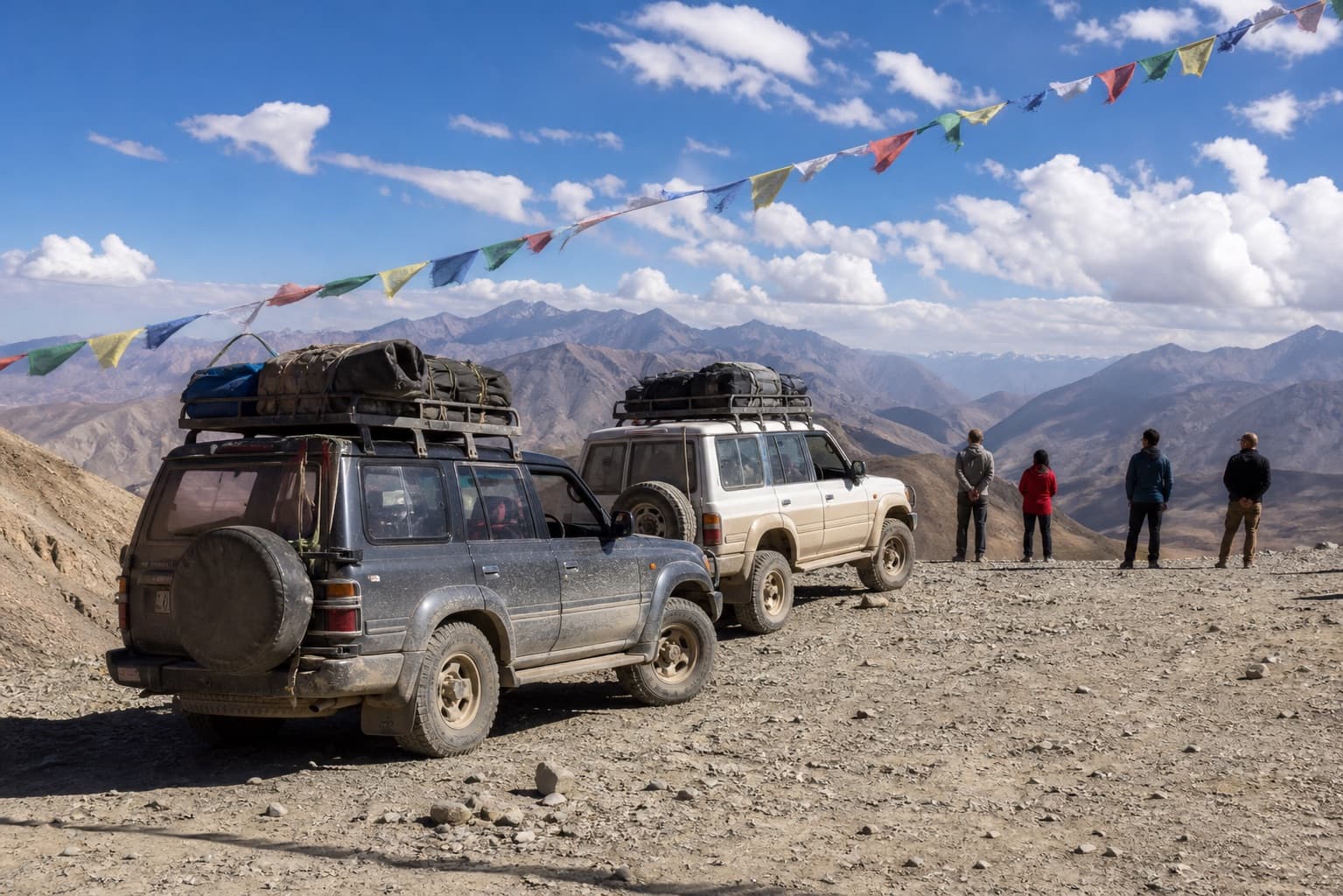
For Everest, our 9-Day Everest Base Camp & Namtso Tour builds in the acclimatization you need.
What to pack
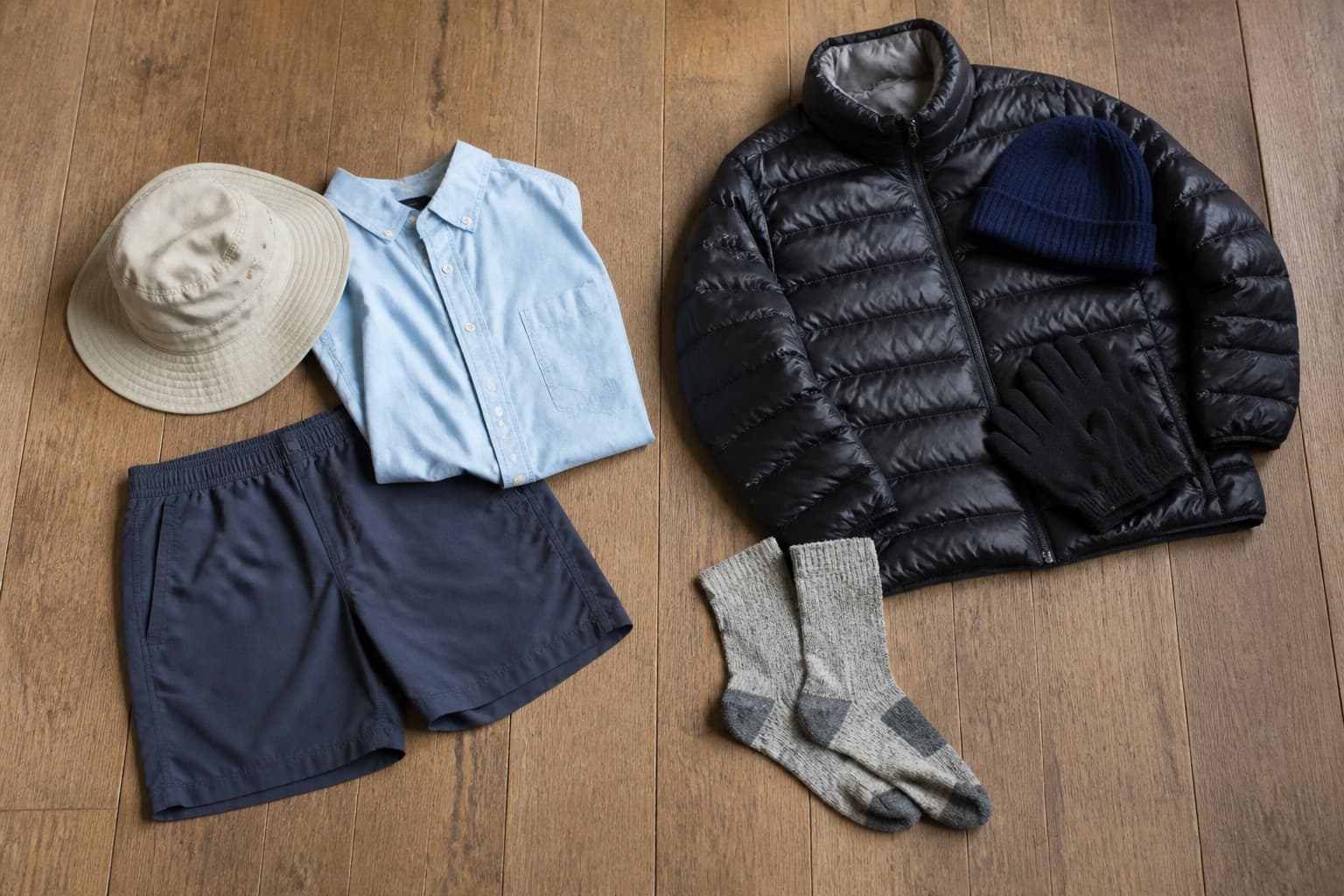
The plateau is high, dry, and sunny, with big temperature swings between day and night. Prioritize:
- Layers: A warm insulating layer and a windproof outer layer, even in summer
- Sun protection: High-SPF sunscreen, lip balm, sunglasses, and a brimmed hat. UV exposure at altitude is intense.
- Comfortable broken-in footwear for walking on uneven ground
- A reusable water bottle to keep hydration easy
- Any personal medication, plus anything your doctor recommends for altitude
- A power bank and adapter, as charging on the road can be limited
Money, connectivity, and etiquette
- Cash and cards: Carry some local cash for small purchases; card and mobile payment acceptance varies outside cities.
- Connectivity: Expect patchy signal once you leave Lhasa.
- Respect at religious sites: Dress modestly, walk clockwise around religious structures and prayer wheels, ask before photographing people, and follow your guide's lead on what is and is not appropriate. Many interiors prohibit photography.
Budgeting your trip
Because travel is guided and permitted, costs are structured differently from independent travel. Your tour typically bundles the guide, transport, permits, and accommodation. For a breakdown of what drives the price and how to plan your budget, see our Tibet travel cost guide. If you are still deciding on length, how many days you need in Tibet will help.
A simple first-timer checklist
- Choose your dates, mindful of possible late-winter closures
- Pick a tour length and route
- Secure your Chinese visa
- Send passport and visa scans to your agency for the Tibet Travel Permit
- Arrive in your gateway city with buffer time to collect the original permit
- Acclimatize in Lhasa before going higher
- Pack for sun, wind, and cold
Feeling ready? Browse our Tibet tours for routes built around first-time visitors, or contact us with your questions and we will help you plan a smooth first trip.
Plan your Tibet trip with us
Permits handled, local guides, transparent pricing. Tell us your dates and we will send a tailored itinerary.
FAQs
Yes. In addition to a Chinese visa, you need a Tibet Travel Permit, which your tour agency arranges in advance. You cannot board a flight or train into Tibet without it, and you must travel on a licensed organized tour with a guide.