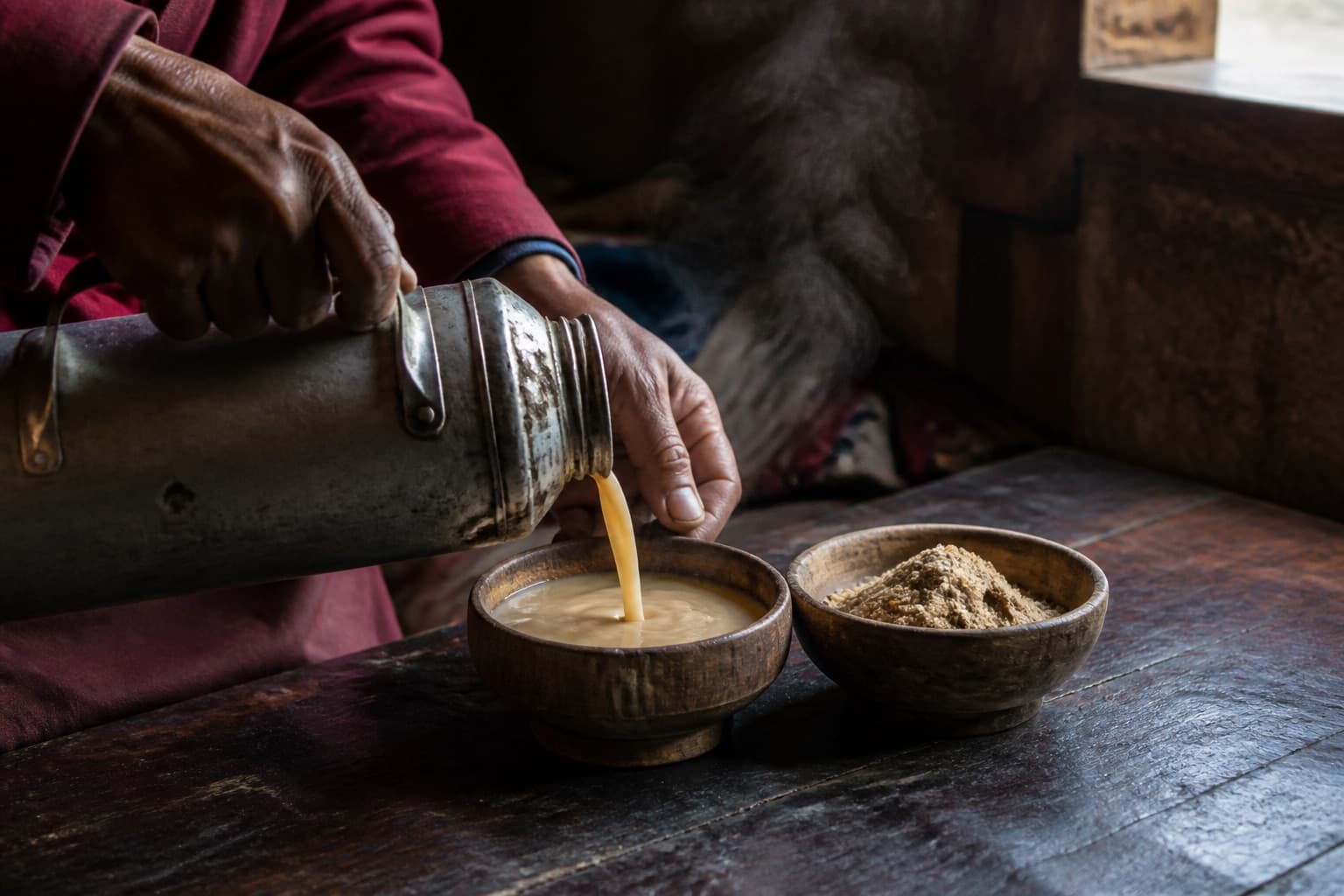
Un thé au beurre salé et réconfortant et un simple bol de farine d’orge grillée nourrissent la vie sur le plateau depuis des siècles. Ensemble, le thé et la tsampa sont le centre tranquille de chaque journée tibétaine.
Demandez ce qui se trouve vraiment au centre de la vie quotidienne tibétaine, et la réponse n’est ni un monument ni une fête — ce sont deux aliments tout humbles : le thé au beurre et la tsampa. Ensemble, ils ont sustenté les agriculteurs, les éleveurs, les pèlerins et les moines à travers le haut plateau pendant des siècles. Les comprendre est l’une des manières les plus chaleureuses de comprendre le Tibet.
Le thé au beurre : la boisson qui réchauffe le plateau
Le thé au beurre tibétain, appelé po cha, ne ressemble à aucun thé que la plupart des visiteurs ont goûté. Il se prépare en barattant un thé corsé avec du beurre (traditionnellement issu de la dri, la femelle du yak) et du sel pour en faire une boisson riche, crémeuse et salée. Le résultat tient davantage d’un bouillon chaud que d’une tasse de thé à l’occidentale — et sur le plateau froid, sec et d’altitude, c’est précisément tout l’intérêt.
Le thé au beurre est merveilleusement adapté à son environnement :
- La matière grasse apporte chaleur et énergie durable pour les journées rudes en altitude.
- Le sel aide le corps à composer avec la sécheresse et l’effort.
- Servi chaud et souvent, il offre un réconfort contre le froid et l’air raréfié.
Dans un foyer tibétain, le thé au beurre coule toute la journée. Il accueille les hôtes, accompagne les repas et précède les prières. Un hôte gardera votre bol rempli en signe d’hospitalité — le remplir à nouveau est une attention, non une exigence.
La baratte qui le prépare
Traditionnellement, le thé au beurre se prépare dans une haute baratte en bois appelée chandong (ou dongmo) : le thé infusé, le beurre et le sel y sont versés, et l’on actionne un piston de haut en bas — ce toc-toc rythmé est l’un des sons familiers des cuisines tibétaines — jusqu’à ce que le tout s’émulsionne en une boisson lisse et légèrement mousseuse. De nombreux foyers utilisent aujourd’hui un mixeur pour gagner du temps, mais la baratte reste l’outil classique, et le geste de baratter fait lui-même partie de l’accueil des hôtes et du début de la journée.
La tsampa : l’aliment de base du quotidien tibétain
Si le thé au beurre est la boisson du Tibet, la tsampa en est le pain. La tsampa est de la farine d’orge grillée, faite à partir de l’orge d’altitude (qingke) — une céréale robuste qui prospère à des altitudes où le blé et le riz ne peuvent pousser. Depuis plus de mille ans, elle est l’aliment fondateur du plateau.
Son génie réside dans sa simplicité. Parce que l’orge est déjà grillée et moulue, la tsampa ne nécessite aucune cuisson. Elle est :
- Prête à manger n’importe où, n’importe quand — sans réchaud
- Légère et de longue conservation, idéale pour les éleveurs, les marchands et les pèlerins en chemin
- Nourrissante et rassasiante, un carburant parfait pour une terre exigeante
Le thé et la tsampa, ensemble
Les deux aliments sont faits l’un pour l’autre. La façon classique de manger la tsampa est de la mêler au thé au beurre directement dans le bol :
- Versez un peu de thé au beurre dans votre bol.
- Ajoutez une cuillerée de farine de tsampa.
- Du bout des doigts, travaillez la farine et le thé ensemble dans le bol jusqu’à former une pâte souple.
- Pincez-en de petites boules (appelées pa) et mangez.
La tsampa se mélange aussi au yaourt, ou au thé avec un peu de beurre et de sucre, et elle se décline en de nombreuses variantes régionales. Quelle que soit sa préparation, ce mariage d’orge et de thé au beurre est le repas du quotidien qui nourrit la vie tibétaine depuis des générations.
Que trouve-t-on d’autre sur la table
Le thé au beurre et la tsampa ancrent le régime alimentaire, mais ils s’accompagnent de belle compagnie. Une table tibétaine traditionnelle comprend souvent :
- Des produits laitiers sous bien des formes — yaourt, fromages frais et affinés, et caillé, tous tirés du lait des yaks et des dri
- De la viande séchée — yak ou mouton séché à l’air, affiné dans l’air froid et sec et consommé tout au long de l’année
- L’orge, à nouveau, mais fermentée — le chang, une bière d’orge douce et laiteuse versée lors des célébrations et offerte aux hôtes
- Des momos et du thukpa dans de nombreuses régions — des raviolis vapeur et de copieuses soupes de nouilles qui complètent le repas
L’orge, les produits laitiers et le thé forment l’ossature de tout cela — les aliments qu’une terre haute et froide peut produire de façon fiable, transformés au fil des siècles en une cuisine d’une réelle chaleur et d’une grande ingéniosité.
Plus que de la nourriture : une culture dans un bol
Le thé et la tsampa portent un sens qui dépasse la nutrition. Les partager est un acte d’hospitalité et d’appartenance. La tsampa apparaît même dans les célébrations — lancée en l’air en guise d’offrande et de geste de bonne fortune lors des fêtes et des moments particuliers. S’asseoir dans un foyer tibétain, un bol de thé au beurre chaud entre les mains, à travailler la tsampa du bout des doigts, c’est prendre part à quelque chose de véritablement central dans la culture.
Ces aliments nourrissent aussi la vie spirituelle du Tibet. La légèreté de la tsampa en a fait la ration traditionnelle des pèlerins parcourant d’immenses distances et des moines dans les monastères, où un bol de thé au beurre et une poignée de farine d’orge peuvent soutenir de longues heures de prière et d’étude. Les mêmes aliments de base tout simples qui portent un éleveur à travers les prairies portent un pèlerin autour d’une montagne sacrée — ce qui explique en partie pourquoi ils se trouvent si près du cœur de l’identité tibétaine. Ces dernières décennies, des maisons de thé au lait sucré sont également devenues d’animés lieux de sociabilité dans des villes comme Lhassa, où des amis se réunissent des heures durant autour d’innombrables petits verres de thé chaud et sucré.
Les goûter en tant que voyageur
On vous offrira presque certainement du thé au beurre pendant votre voyage, et le goûter est une belle façon de créer un lien. Quelques conseils amicaux :
- Abordez-le l’esprit ouvert. Le po cha est salé et savoureux, non sucré — attendez-vous à un bouillon chaud et beurré plutôt qu’à un thé familier.
- Acceptez de bonne grâce. Même quelques gorgées honorent l’accueil de votre hôte.
- Signalez poliment quand vous avez fini. Laisser le bol légèrement plein, ou une main posée doucement sur le bord, fait savoir à un hôte que vous en avez assez.
- Goûtez aussi le thé au lait sucré. À côté du thé au beurre, le thé au lait sucré est populaire et peut être une première étape plus facile pour certains palais.
Le déguster en voyage. Lors de notre circuit de 5 jours Lhassa et lac Yamdrok, la promenade du Barkhor passe devant des maisons de thé animées de Lhassa où vous pouvez vous arrêter pour une tasse.
Pour bien plus de détails sur ce qu’il faut manger à travers le plateau, voyez notre guide complet de la cuisine tibétaine. Pour tout goûter dans son cadre d’origine, explorez nos circuits au Tibet et contactez-nous pour commencer à organiser. En tant que visiteur international, vous voyagerez avec un circuit agréé, un guide et un permis de voyage pour le Tibet que nous obtenons — tout est en place pour partager un bol de thé au beurre chaud là où il a sa place.
De la lecture au plateau
Découvrir le Tibet avec quelqu'un qui sait l'expliquer
Nos voyages sont menés par des guides tibétains locaux agréés, qui vous expliquent ce que vous voyez, dans un monastère, sur un circuit de pèlerins ou dans les prairies. Voici les deux voyages par lesquels commencent la plupart des voyageurs.
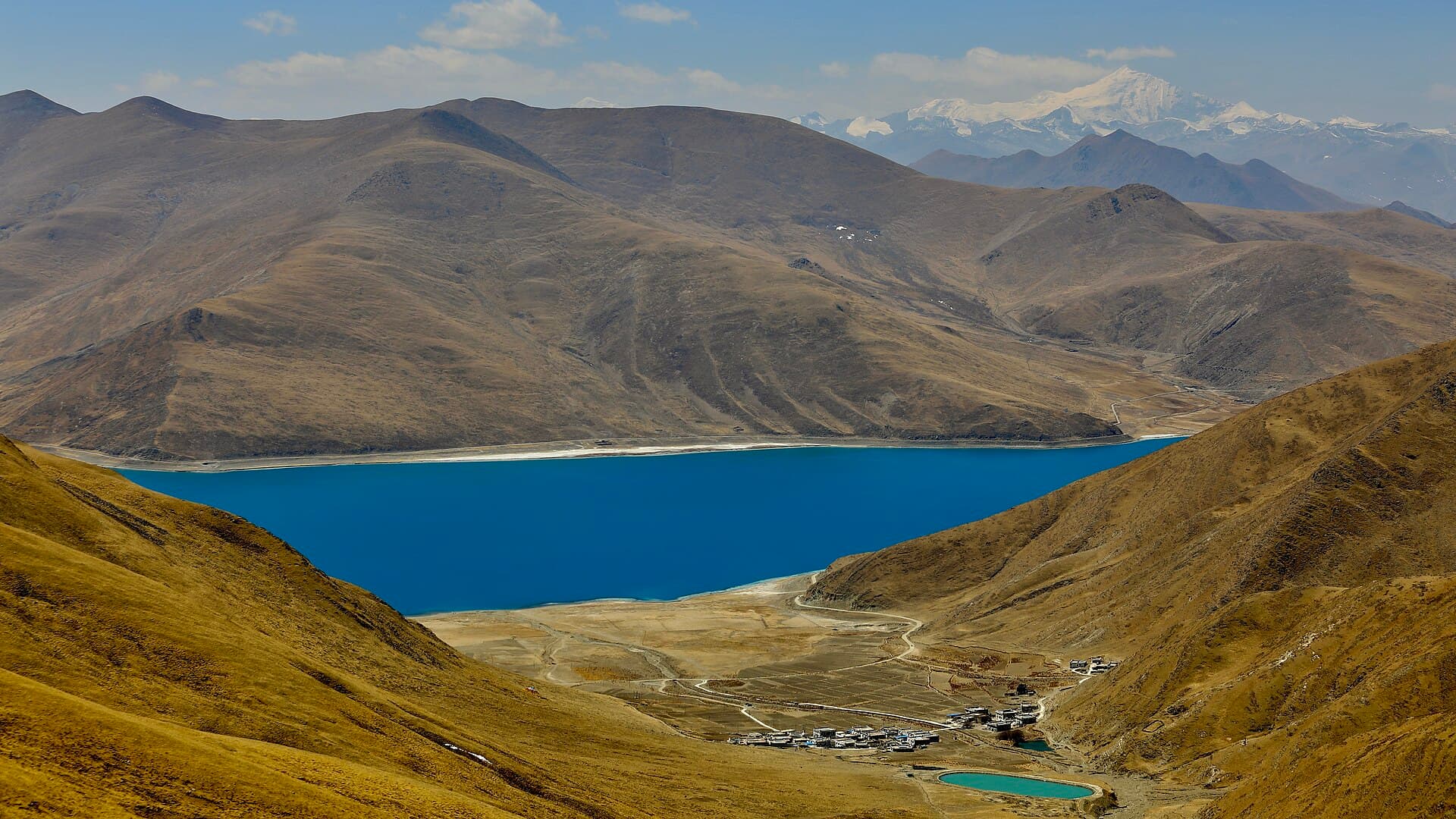
Lhassa & Yamdrok (5 jours)
Lhassa · Lac Yamdrok · Temple de Xiazhulin · Lhassa
Cinq jours basés à Lhassa : une matinée pratique d'artisanat tibétain, les moines débatteurs de Sera, le palais du Potala et le Jokhang, puis une journée par le Kamba La jusqu'au lac Yamdrok et au temple de Xiazhulin. Notre plus court voyage au Tibet, en groupe partagé à dates fixes.
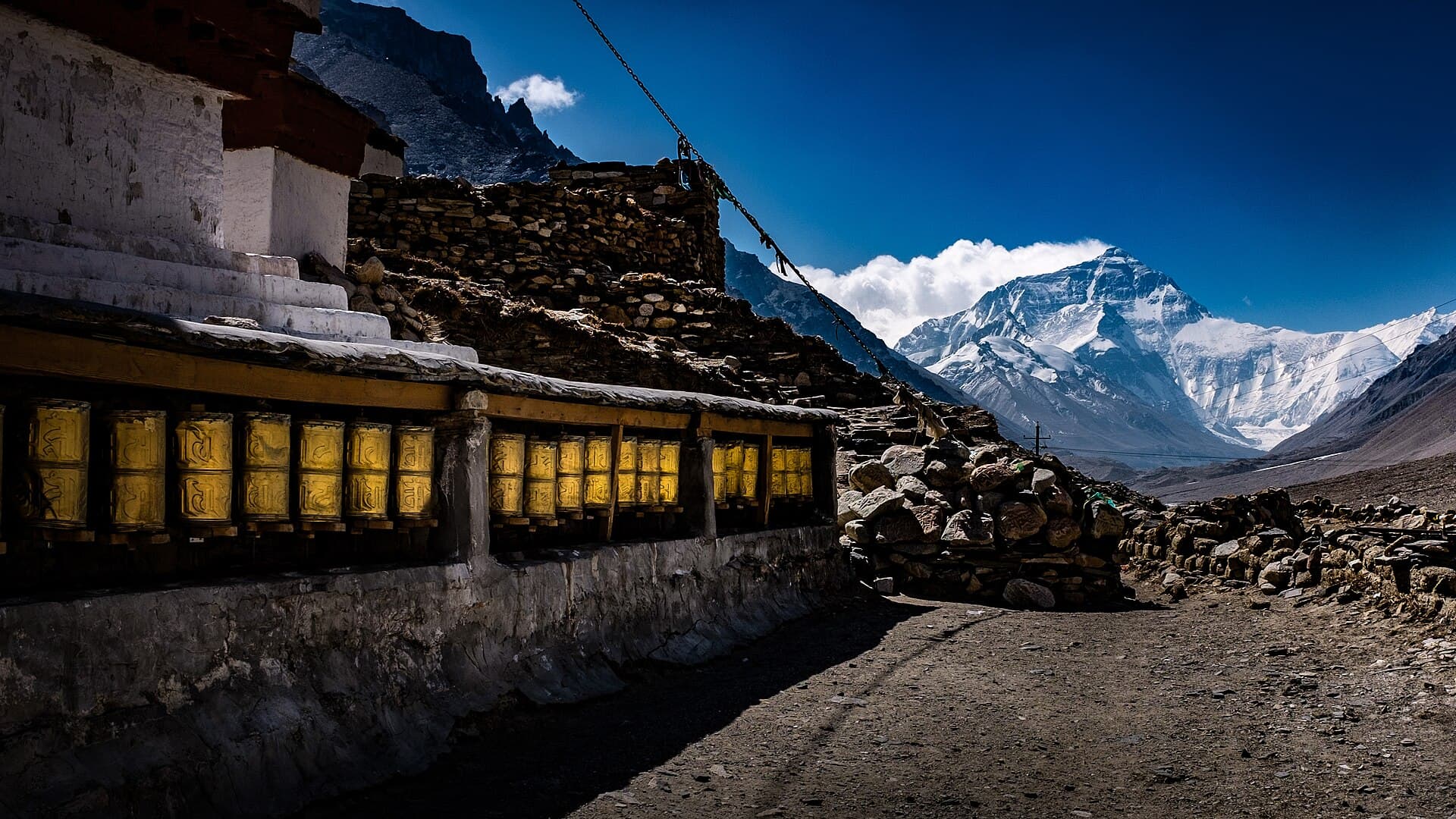
Everest & Namtso (9 jours)
Lhassa · Lac Yamdrok · Glacier de Karola · Shigatsé · Rongbuk · Camp de base de l'Everest · Shigatsé · Lhassa · Namtso · Lhassa
Neuf jours qui ajoutent le Namtso à la route de l'Everest : les moines débatteurs de Sera, le Potala et le Jokhang à Lhassa ; le lac Yamdrok puis, au-delà, le glacier de Karola sur la route de l'ouest ; une nuit au camp de base de l'Everest ; Tashilhunpo ; et, pour finir, une excursion d'une journée au Namtso une fois l'organisme acclimaté. Groupe partagé, départs à dates fixes.
FAQ
Le thé au beurre, ou po cha, se prépare en barattant un thé corsé avec du beurre (traditionnellement issu de la femelle du yak, la dri) et du sel pour en faire une boisson riche, salée et crémeuse. Il est réchauffant et énergisant, bien adapté au plateau froid, sec et de haute altitude, et il est servi tout au long de la journée.