La deuxième ville du Tibet est le siège du panchen-lama et la porte d'entrée vers l'Everest. Voici comment visiter le monastère de Tashilhunpo, quoi voir en chemin depuis Lhassa, et comment Shigatsé s'insère dans un itinéraire plus large sur le plateau.
Shigatsé est la deuxième plus grande ville du Tibet et l'une des étapes les plus gratifiantes de tout itinéraire du Tibet central. Située à environ 3 850 mètres au confluent du Yarlung Tsangpo et du Nyang Chu, elle est le siège traditionnel du panchen-lama et la base logistique pratique du trajet terrestre vers l'Everest. La plupart des voyageurs y parviennent le deuxième ou le troisième jour d'un voyage basé à Lhassa, moment où le corps a eu un peu de temps pour s'installer dans l'altitude.
Pourquoi Shigatsé compte
Pendant des siècles, Shigatsé fut le centre du pouvoir dans la région du Tsang, pendant de l'Ü de Lhassa. Cette histoire est inscrite dans son grand monastère et dans la vieille ville qui s'est développée autour des routes commerciales filant vers l'ouest, vers le Népal et le haut plateau. C'est aujourd'hui une ville tibétaine en activité, dotée d'un marché animé, d'une offre hôtelière confortable et d'un sentiment indéniable de se trouver au seuil du haut Himalaya.
Comme les visiteurs étrangers voyagent dans le cadre d'un circuit organisé avec un guide agréé, vous y arriverez dans le cadre d'un parcours planifié plutôt qu'en trouvant votre propre chemin. Cela joue en votre faveur : le trajet depuis Lhassa, la visite du monastère et le voyage qui suit sont tous séquencés pour gérer l'altitude avec bon sens.
Le monastère de Tashilhunpo
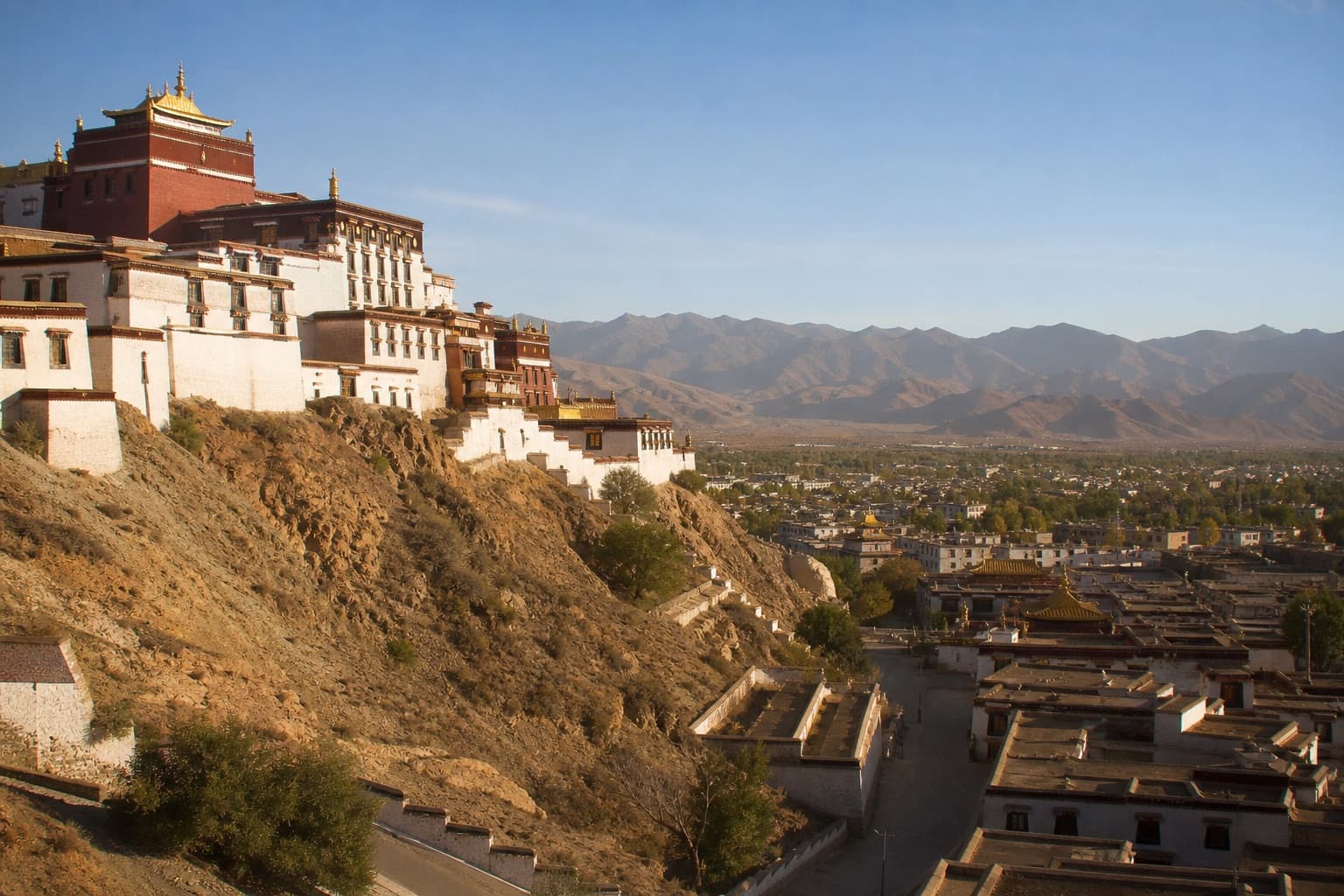
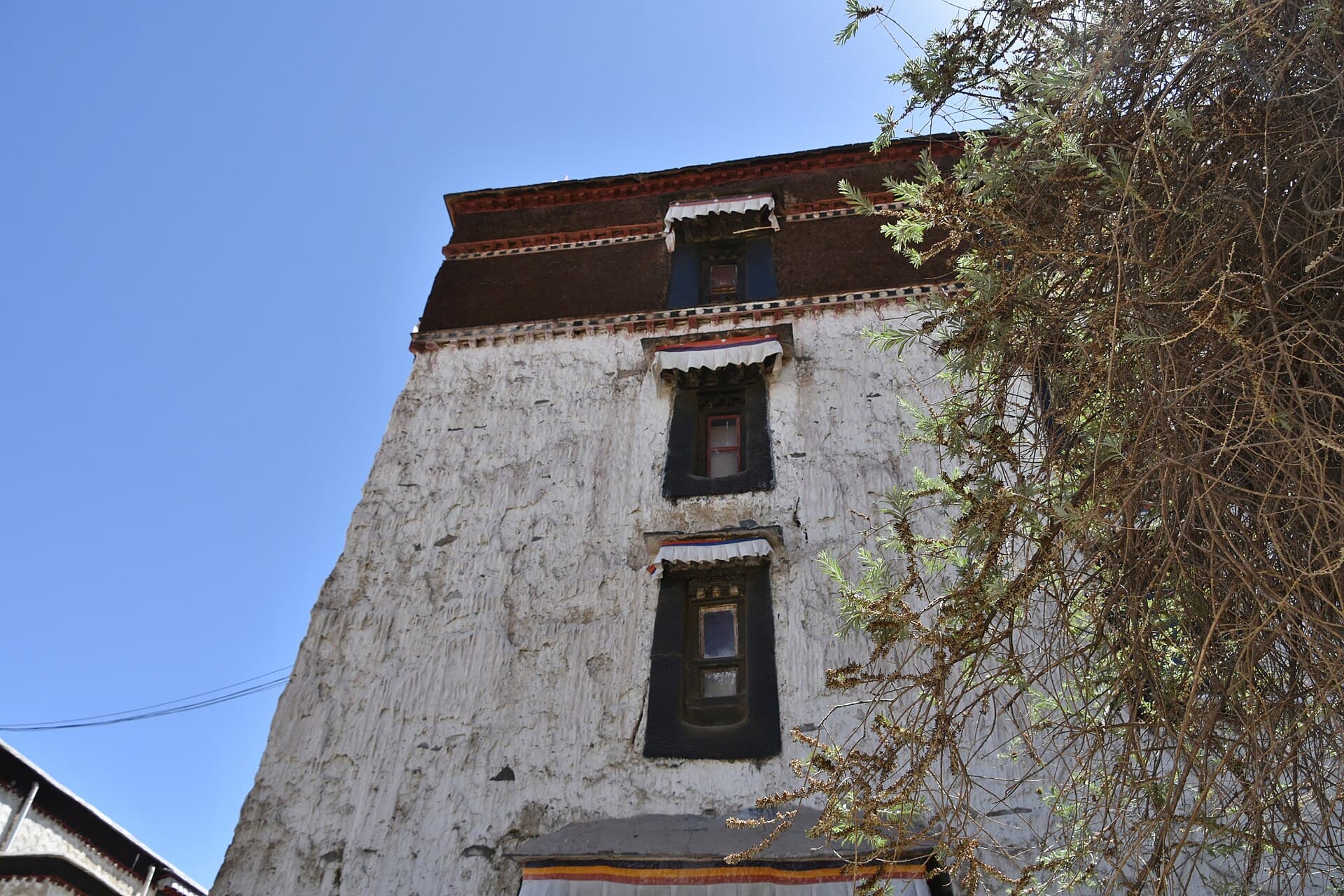
Tashilhunpo est la raison pour laquelle la plupart des gens viennent. Fondé en 1447 par Gendun Drup, reconnu plus tard comme le premier dalaï-lama, il devint le siège des panchen-lamas, la deuxième figure la plus éminente de l'école Gelug du bouddhisme tibétain. Le monastère a relativement bien traversé le XXe siècle et reste une communauté vaste et active.
Deux choses tendent à marquer les visiteurs :
- La salle du Maitreya, qui abrite une statue en cuivre doré du bouddha du futur, haute d'environ 26 mètres, l'une des plus grandes de ce type au monde.
- Les tombes des panchen-lamas, dont les chortens sont ornés d'or et de pierres précieuses.
Accordez-vous quelques heures. Le complexe est bâti à flanc de colline : il y a donc une marche soutenue et une bonne part de montée entre les salles. Les pèlerins parcourent la kora (le circuit dévotionnel) le long des murs extérieurs dans le sens des aiguilles d'une montre, et rejoindre le circuit matinal est l'une des expériences les plus tranquilles et les plus chargées d'atmosphère du Tibet. Repérez le grand mur à thangka, une haute structure de pierre sur le versant depuis laquelle une immense image en appliqué du Bouddha est déroulée lors des festivals du monastère, l'un des spectacles les plus saisissants du calendrier religieux d'ici.
La ville au-delà du monastère
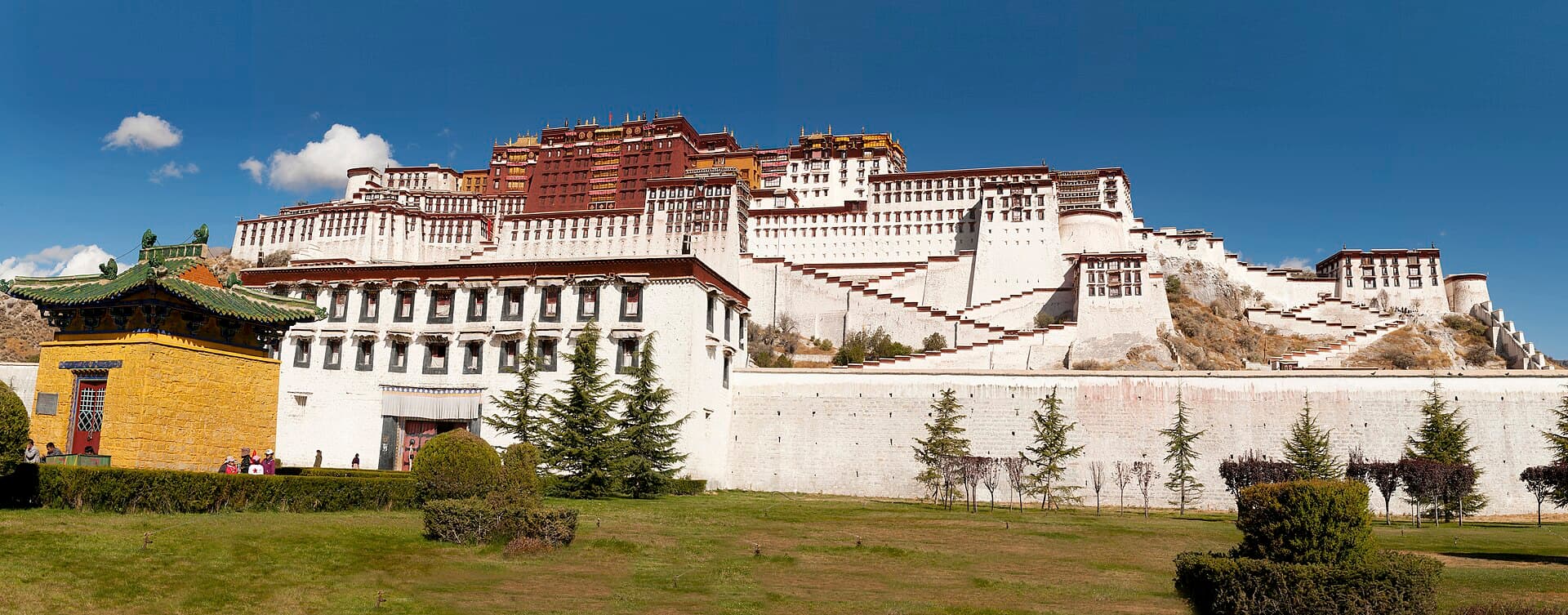
Bien que Tashilhunpo domine, Shigatsé a davantage à offrir si votre programme le permet. Le Dzong de Shigatsé reconstruit, l'ancienne forteresse qui couronne la silhouette de la ville, fait écho à la silhouette du Potala de Lhassa et fait une photographie mémorable, surtout au crépuscule. Le marché de la ville est une affaire véritablement locale, idéal pour flâner parmi l'artisanat tibétain, les drapeaux de prière et les biens du quotidien, et pour le simple plaisir de regarder défiler la vie du plateau. En tant que deuxième ville du Tibet, Shigatsé dispose aussi de la meilleure offre hôtelière et de restauration de la région en dehors de Lhassa, ce qui explique en partie pourquoi elle fonctionne si bien comme base pour la nuit.
La route depuis Lhassa
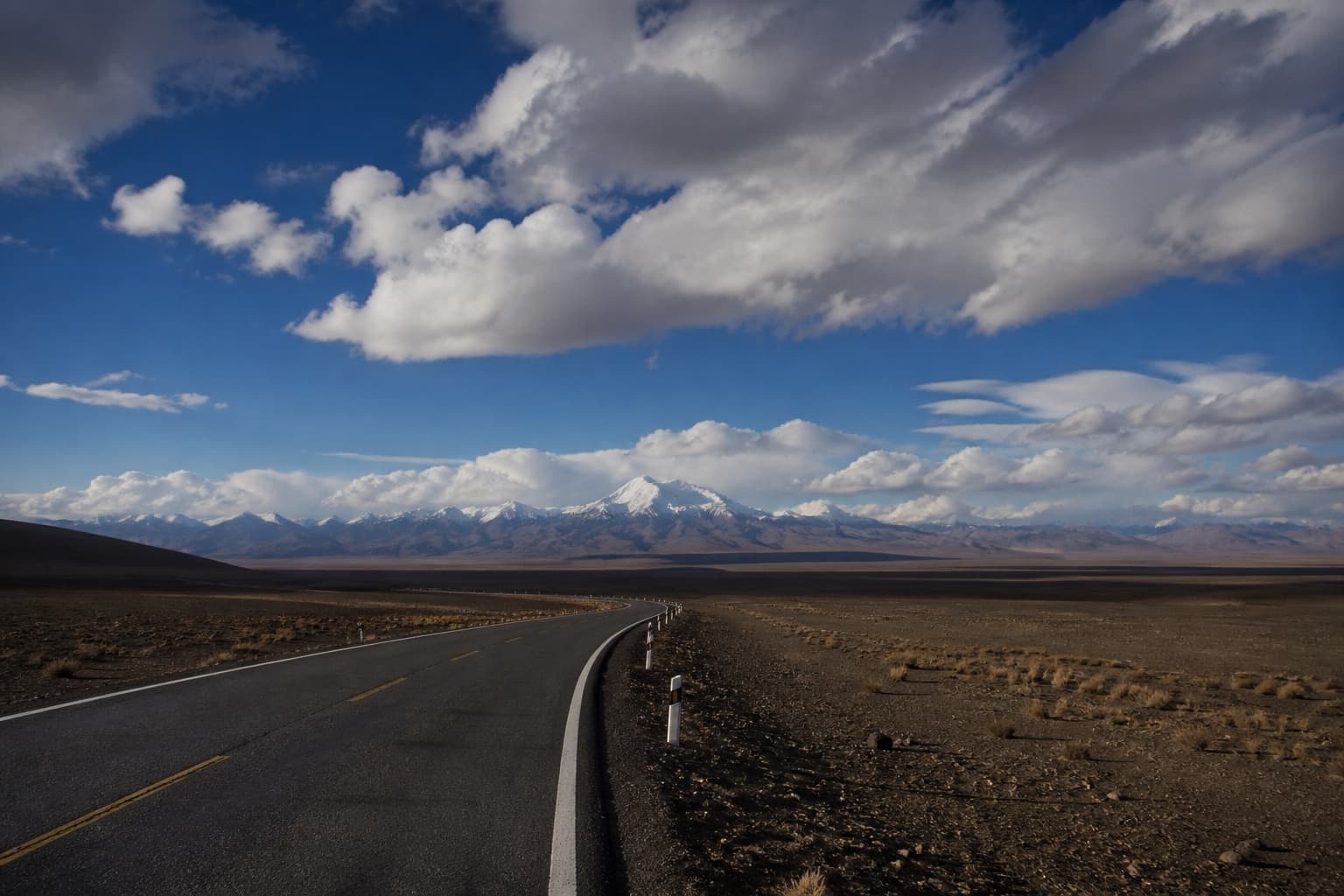
Se rendre à Shigatsé, c'est la moitié du plaisir. Il existe deux itinéraires principaux, et un bon voyagiste empruntera généralement le panoramique à l'aller :
- La route méridionale (route de l'Amitié) par Gyantsé, qui franchit le col de Kamba La avec son célèbre belvédère sur le turquoise lac Yamdrok, continue au-delà du glacier de Karola et s'arrête à la ville historique de Gyantsé avant d'atteindre Shigatsé. C'est l'approche classique, riche en panoramas.
- La route nord directe le long de la vallée du Yarlung Tsangpo, plus rapide et souvent utilisée pour le retour.
Dans les deux cas, la conduite est confortable sur des routes goudronnées, et la journée est ponctuée d'arrêts photo et de courtes visites. (Le col méridional qui domine le Yamdrok s'écrit Kamba La sur la plupart des cartes et Gampa La sur d'autres — c'est le même passage à 4 790 mètres dans les deux cas.)
Il existe aussi une ligne de chemin de fer. La ligne Lhassa–Shigatsé a ouvert en 2014 et couvre la distance en environ trois heures, bien plus vite que la route. Presque aucun visiteur étranger ne l'emprunte pourtant, car tout l'intérêt du trajet est le Yamdrok, le glacier de Karola et Gyantsé, et parce que votre guide et votre véhicule voyagent avec vous quoi qu'il arrive. Il est utile de la connaître si une maladie ou un changement de programme vous oblige à rentrer rapidement à Lhassa.
Pour la plupart des voyageurs, Shigatsé se rejoint dans le cadre d'un circuit organisé plutôt que d'un voyage autonome.
Porte d'entrée vers l'Everest — et vers l'extrême ouest
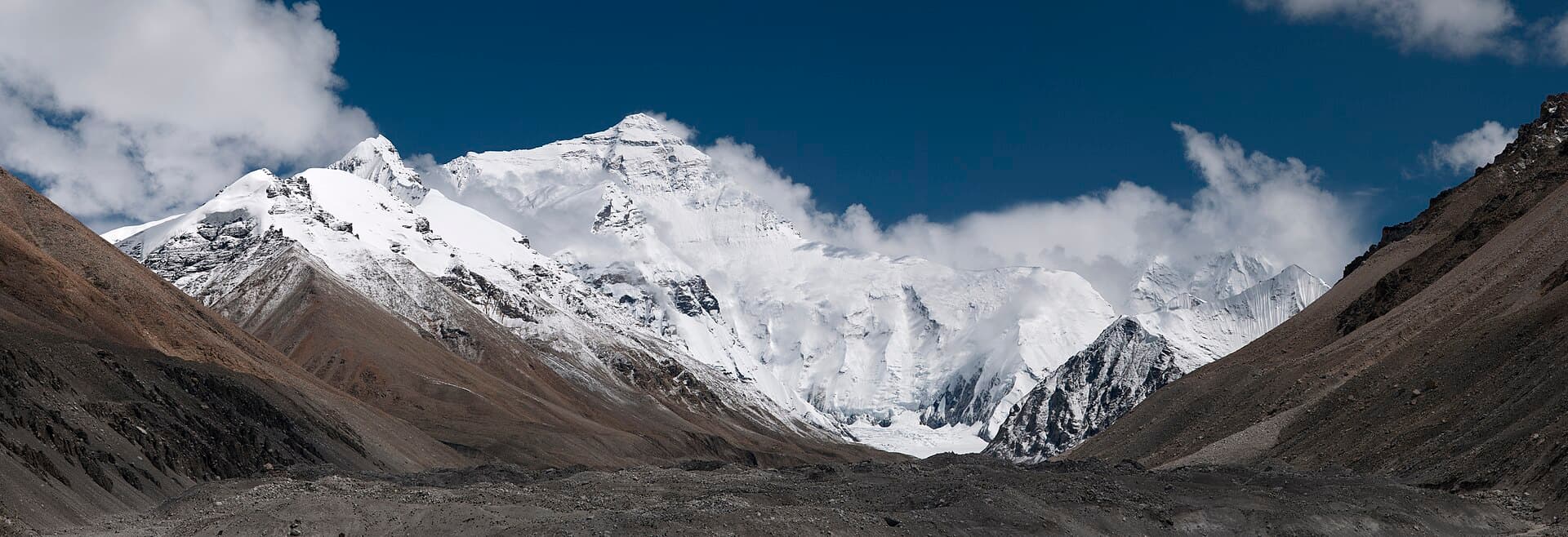
Shigatsé est la dernière ville d'importance avant que la route ne grimpe vers l'Everest : c'est donc là que la plupart des itinéraires vers l'Everest passent une nuit pour fractionner le trajet et se réapprovisionner. De là, c'est un long mais spectaculaire trajet par le Gyatso La (5 248 m) et le Gawu La (5 198 m) jusqu'à Rongbuk et au camp de base versant nord.
C'est aussi là que se règlent les formalités. Le permis de circulation pour étrangers (Alien's Travel Permit) — le document nécessaire pour l'Everest, Sakya, Tingri et tout ce qui se trouve à l'ouest — est délivré au bureau de la sécurité publique de Shigatsé, et non à Lhassa. Votre guide le retire le matin de votre départ, ce qui explique pourquoi les itinéraires vers l'Everest prévoient une nuit ici plutôt que d'enchaîner directement depuis Gyantsé. Rien n'est exigé de votre part en dehors du passeport que votre guide détient déjà.
Si l'Everest est votre objectif, le schéma éprouvé est Lhassa, puis Gyantsé et Shigatsé, puis la montagne :
- Lhassa – camp de base de l'Everest, 8 jours — d'abord trois jours à Lhassa, puis le camp de base et retour à Shigatsé pour Tashilhunpo.
- Camp de base de l'Everest et lac Namtso, 9 jours — le même parcours, avec une excursion d'une journée au Namtso à la fin.
- Lhassa – camp de base de l'Everest, 7 jours — la formule la plus courte, avec un jour de moins à Lhassa ; une nuit ici à l'aller et une au retour.
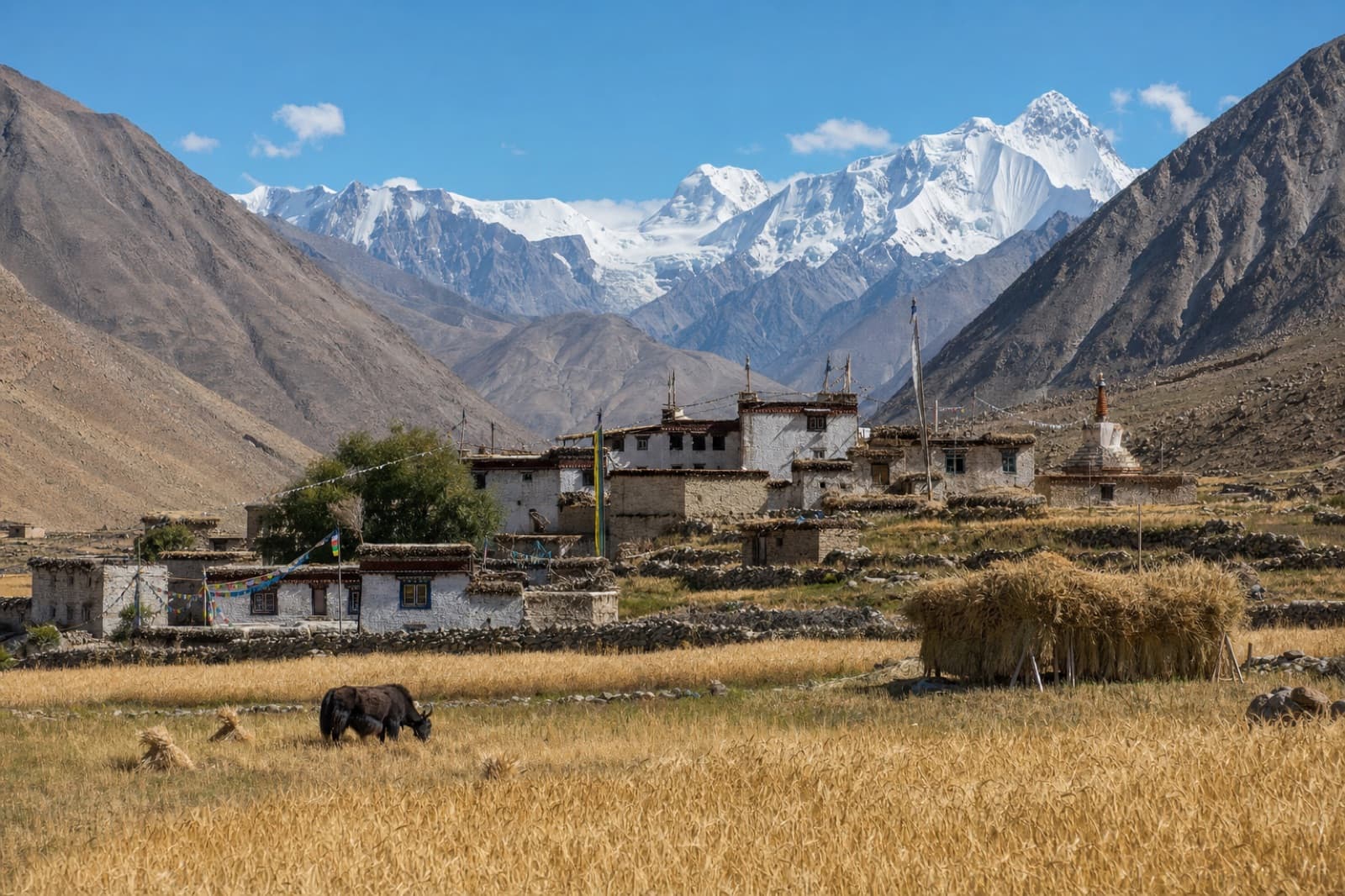
Shigatsé est tout autant la charnière de la longue route de l'ouest. Tout ce qui se dirige vers Saga, le Ngari, le mont Kailash et le lac Manasarovar part d'ici, et après Shigatsé il n'y a plus de ville d'importance sur mille kilomètres. Notre circuit Everest, Kailash et Guge de 16 jours y passe deux fois — une fois à l'aller vers l'Everest, une fois au retour par Sakya.
Un détour qui en vaut la peine : Sakya
À environ 130 kilomètres au sud-ouest de Shigatsé, à environ deux heures et demie de la route de l'Everest, le monastère de Sakya est le siège de l'école Sakya et ne ressemble à rien d'autre au Tibet : un bâtiment-forteresse trapu et gris, aux murs rayés de gris, de rouge et de blanc pour les trois bodhisattvas, plus citadelle d'Asie centrale que temple tibétain. À l'intérieur se trouve l'une des plus grandes bibliothèques conservées du plateau, avec un mur d'écritures empilées du sol au plafond qui n'a été correctement catalogué qu'au cours de ce siècle.
Il ne se trouve pas sur la route rapide, et c'est précisément pour cela qu'il reste calme. Les itinéraires qui reviennent de l'Everest par les contreforts de l'Himalaya en passant par Dinggye plutôt que par la route principale peuvent l'inclure, ce qui ajoute quelques heures plutôt qu'une journée. Notre circuit Everest, Kailash et Guge de 16 jours s'y arrête au retour du Kailash.
Les soirées à Shigatsé
Shigatsé est une ville active, pas une station balnéaire, et la plupart des visiteurs dînent à l'hôtel et dorment. La seule chose qui vaut la peine de sortir est une salle de langma — un lieu de chants et de danses tibétains où les familles du coin viennent passer la soirée, où les artistes parcourent un répertoire tibétain, de l'Amdo et du Kham, et où le public finit par se joindre au spectacle. Rien de glamour : c'est bruyant et entièrement authentique. Plusieurs de nos itinéraires de groupe en prévoient une le soir où le groupe redescend de l'Everest.
Quand y aller
Shigatsé est visitable une grande partie de l'année, mais les conditions les plus fiables pour les vues himalayennes qui suivent vont de fin avril à début juin et de septembre à octobre, lorsque le ciel est le plus clair et les hauts cols les plus sûrs. L'été apporte des journées plus chaudes mais plus de brume et des nuages d'après-midi occasionnels. L'hiver est froid et calme, avec une lumière vive les jours dégagés et bien moins de visiteurs.
Notes pratiques
- Acclimatez-vous d'abord. À 3 850 mètres, Shigatsé est plus élevée que Lhassa : il est donc judicieux de passer vos premiers jours à Lhassa avant de venir ici. Consultez notre guide comment se rendre au Tibet au moment de planifier l'ordre de votre voyage.
- Les permis sont organisés pour vous. Tout déplacement au-delà de Lhassa, y compris Shigatsé, nécessite le permis de voyage au Tibet et les éventuels permis de zone supplémentaires, dont nous nous chargeons une fois votre réservation effectuée. Lisez le tableau complet sur notre page permis de voyage au Tibet.
- Habillez-vous en couches. Les matins au monastère peuvent être froids même quand les après-midis sont doux.
- Soyez respectueux dans les temples. Suivez votre guide pour la photographie, marchez dans le sens des aiguilles d'une montre et retirez votre chapeau à l'intérieur des chapelles.
Shigatsé récompense les voyageurs qui veulent plus que Lhassa : un grand monastère, une belle approche et le sentiment authentique de s'enfoncer plus profondément dans l'Himalaya. Que vous vous y arrêtiez sur une boucle du Tibet central ou que vous poursuiviez vers l'Everest, c'est l'une des villes essentielles du plateau.
Planifiez votre voyage au Tibet avec nous
Permis gérés, guides locaux, tarifs transparents. Indiquez-nous vos dates et nous vous enverrons un itinéraire sur mesure.
FAQ
Par la route, c'est environ 250 à 280 kilomètres selon l'itinéraire. La route panoramique de l'Amitié par Gyantsé prend la majeure partie d'une journée avec des arrêts photo et des visites, tandis que la route directe de vallée est plus rapide. La plupart des voyageurs y arrivent le deuxième ou le troisième jour d'un circuit au Tibet.