Nyingchi
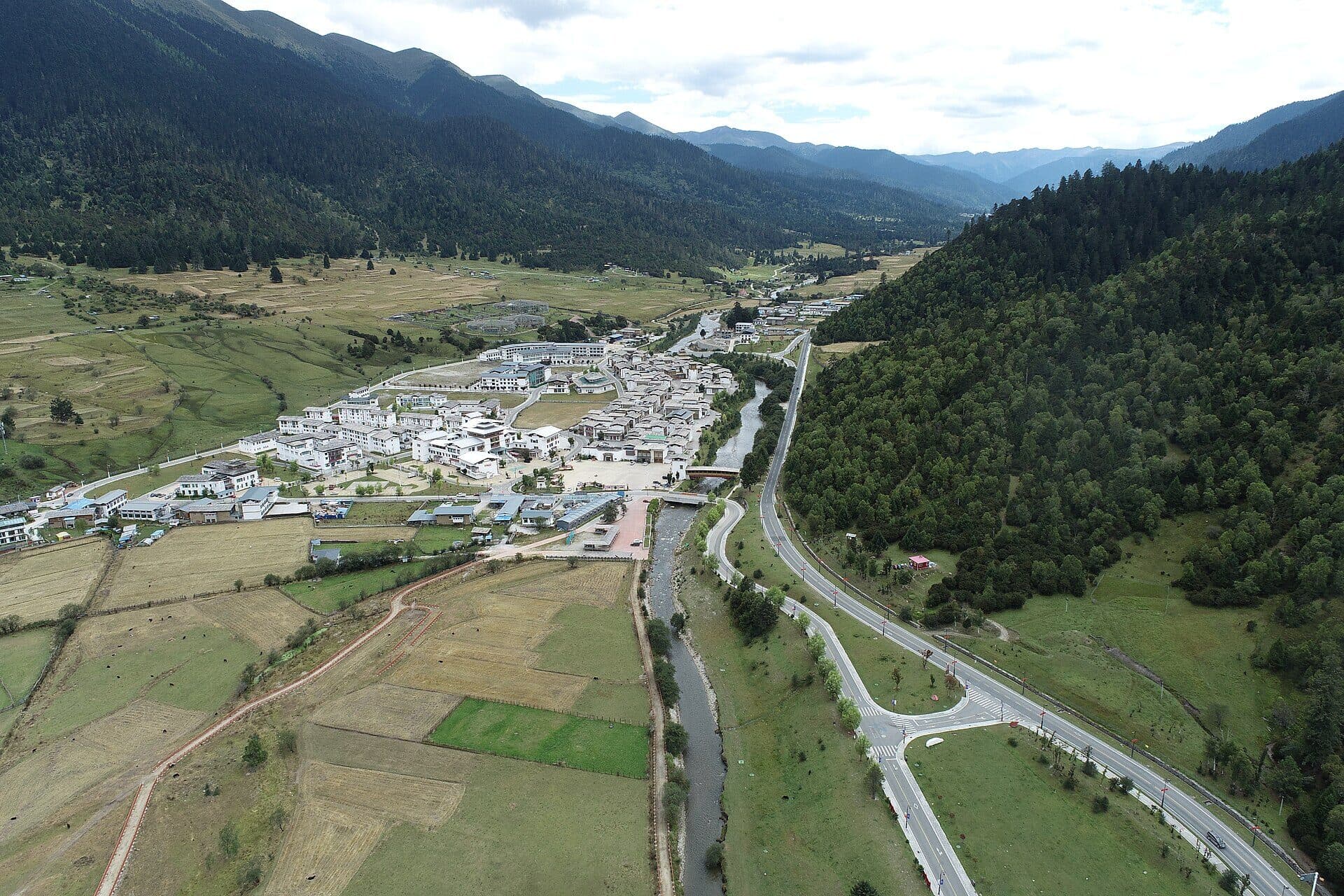
Más baja, verde y apacible que el resto del Tíbet, Nyingchi es conocida por los melocotoneros en flor en primavera, sus bosques alpinos y la imponente cumbre del Namcha Barwa.
Overview
Nyingchi, in southeastern Tibet, sits at a relatively low elevation of around 3,000 metres (about 9,800 ft) — far below Lhasa — which gives it a milder, greener character. Fed by deep river valleys, it is forested and lush, earning nicknames like the "Switzerland of Tibet." For travellers, it offers a very different face of the plateau: instead of stark high-altitude vistas, you get woodland, meadows, and snow peaks rising above green valleys.
The lower altitude has a practical benefit, too. Some travellers use Nyingchi as a gentler introduction to Tibet before heading up to Lhasa and higher. Its most celebrated season is spring, when wild peach blossoms transform the valleys.
Top Things to See & Do
- Peach blossoms in spring — Nyingchi's wild peach trees bloom from roughly mid-March to mid-April, filling the valleys with pink against a backdrop of snow peaks. This is the signature reason to come, and the local peach-blossom season is the busiest time.
- Namcha Barwa — A towering 7,782 m peak that crowns the region and presides over the great bend of the Yarlung Tsangpo. On clear days it is a magnificent sight.
- Basum Tso (Draksum Tso) — A sacred alpine lake ringed by forest and snow peaks, with a small island monastery — a serene, scenic spot.
- Lulang — An area of alpine meadows and forest, classic pastoral scenery that contrasts sharply with the high plateau.
- Yarlung Tsangpo valley scenery — The river carves dramatic, deep valleys through the region, among the most striking landscapes in Tibet, and the contrast of green slopes against snow peaks is unlike anywhere else on the plateau.
- Traditional villages — Tibetan and other local communities farm these valleys, and their fields and orchards are part of what makes the spring bloom so photogenic.
Best Time to Visit
Spring, especially mid-March to mid-April, is the headline season for the peach blossoms and is very popular, so booking ahead is wise. Autumn (September to October) is also excellent, with clear skies, comfortable temperatures, and fall colour in the forests. Summer is green and warm but wetter, as southeastern Tibet catches more moisture than the dry plateau, and cloud can sometimes hide the high peaks. Winter is quieter and milder than higher parts of Tibet, but the main scenic draws are at their best in spring and autumn.
How to Get There
Nyingchi is reached from Lhasa by road or by the rail line that links the two, with the overland drive passing through river-valley scenery. It also has its own airport with some flights from Chinese cities. As everywhere in Tibet, foreign travellers visit with a guide and permits arranged in advance by their agency. To build Nyingchi into a wider itinerary, browse our Tibet tours or contact us for a tailored plan.
Where It Fits in a Tibet Trip
Nyingchi is usually combined with Lhasa on an eastern extension rather than visited alone. Its lower elevation makes it a comfortable, scenic counterpoint to the high plateau, and some travellers begin here to ease into the altitude before going up to Lhasa and beyond. It is especially worth building in if your trip falls in spring peach-blossom season or autumn. For travellers who want greenery and gentler altitude alongside the classic sights, it is a rewarding addition; talk to us about combining it with a Lhasa-based itinerary.
Tours que visitan Nyingchi
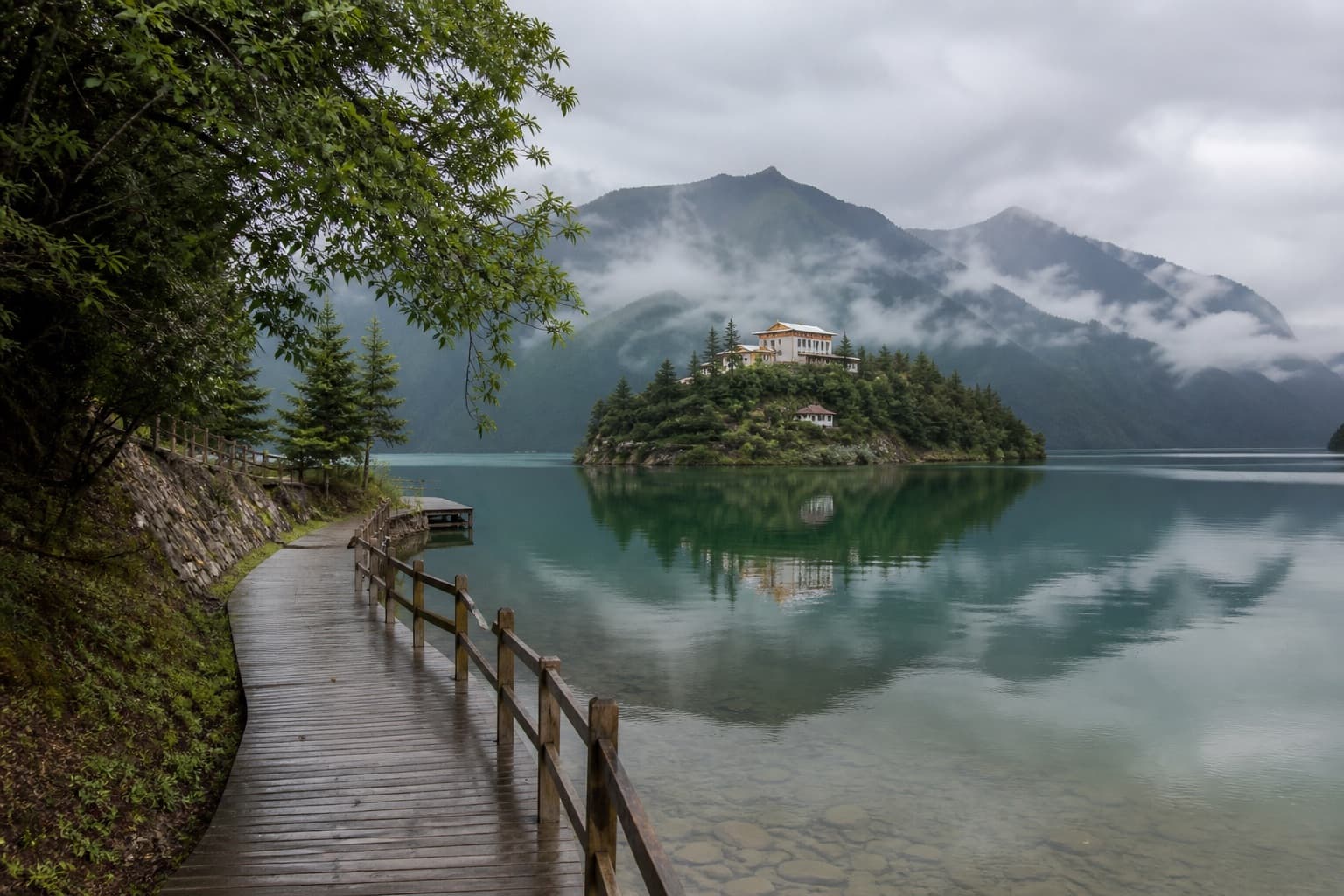
Lhasa y Nyingchi (9 días)
Lhasa · Kadinggou · Nyingchi · Paso de Sejila · Lulang · Basum Tso · Lhasa · Lago Yamdrok · Glaciar Karola · Shigatse · Lhasa
Un circuito de nueve días que va primero al este, a los bosques de Nyingchi y Basum Tso, antes del Potala, el Jokhang y Sera en Lhasa, y luego al oeste, por el Kamba La, hasta el lago Yamdrok, el glaciar Karola y Tashilhunpo, en Shigatse. Un grupo compartido en fechas fijas, y sin Everest en esta ruta.
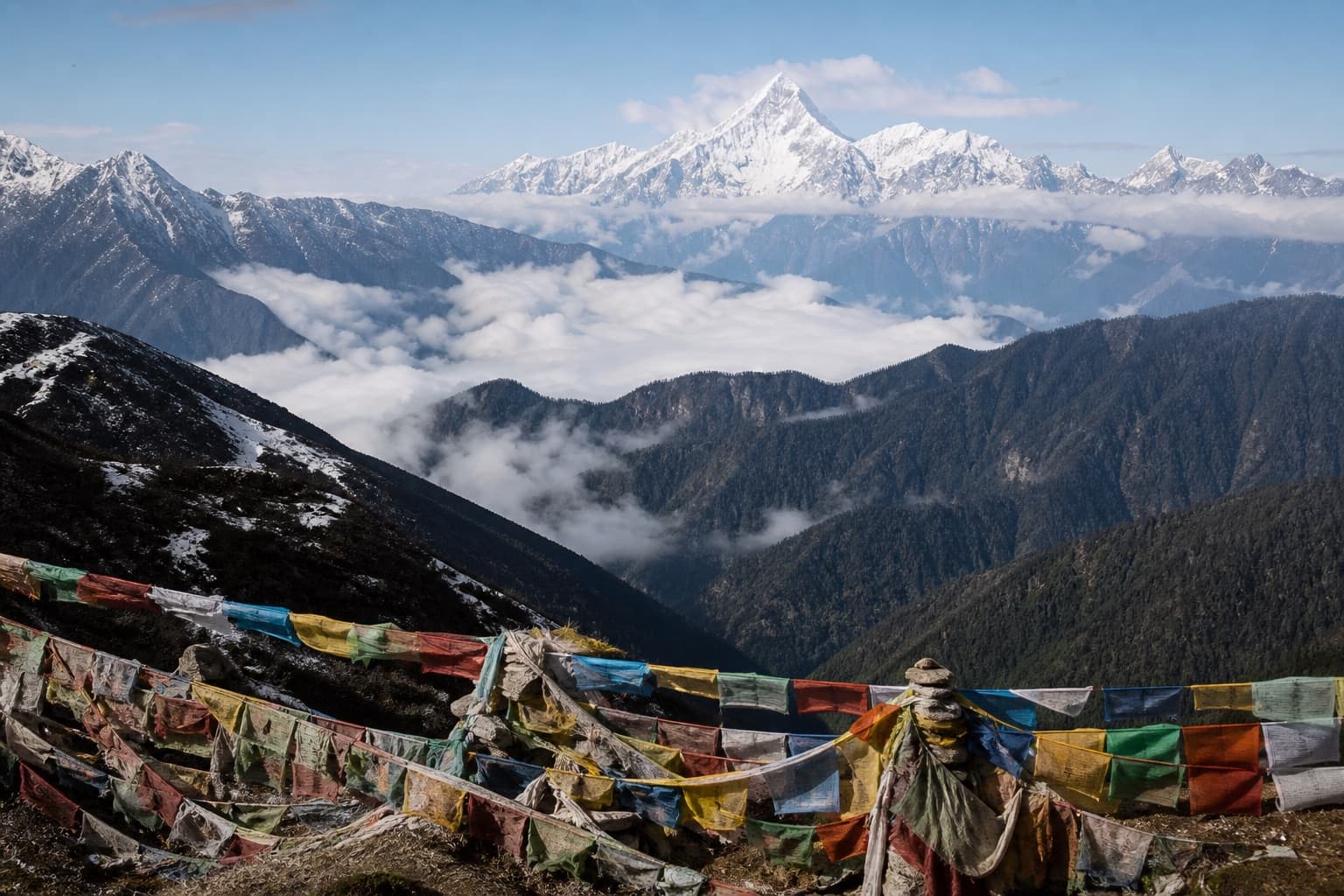
Nyingchi y Everest (11 días)
Lhasa · Kadinggou · Nyingchi · Paso de Sejila · Lulang · Basum Tso · Lhasa · Lago Yamdrok · Glaciar Karola · Shigatse · Rongbuk · Campo Base del Everest · Shigatse · Lhasa
Once días que empiezan más abajo, en los bosques de Nyingchi y en Basum Tso, y recorren después el Potala, el Jokhang y Sera en Lhasa, el lago Yamdrok y el glaciar Karola, una noche en el Campo Base del Everest y, por último, Tashilhunpo. Grupo compartido, fechas fijas, hasta 12 viajeros.
De Nyingchi a Namtso (12 días)
Lhasa · Kadinggou · Nyingchi · Paso de Sejila · Lulang · Basum Tso · Lhasa · Lago Yamdrok · Glaciar Karola · Shigatse · Rongbuk · Campo Base del Everest · Shigatse · Lhasa · Namtso · Lhasa
Nuestro viaje más completo por el centro y el este del Tíbet: los bosques de Nyingchi y Basum Tso, tres días en Lhasa, el lago Yamdrok y Shigatse, una noche en el Campo Base del Everest y, después, una excursión de un día a Namtso con diez noches en altura a tus espaldas. Un grupo compartido en fechas fijas.
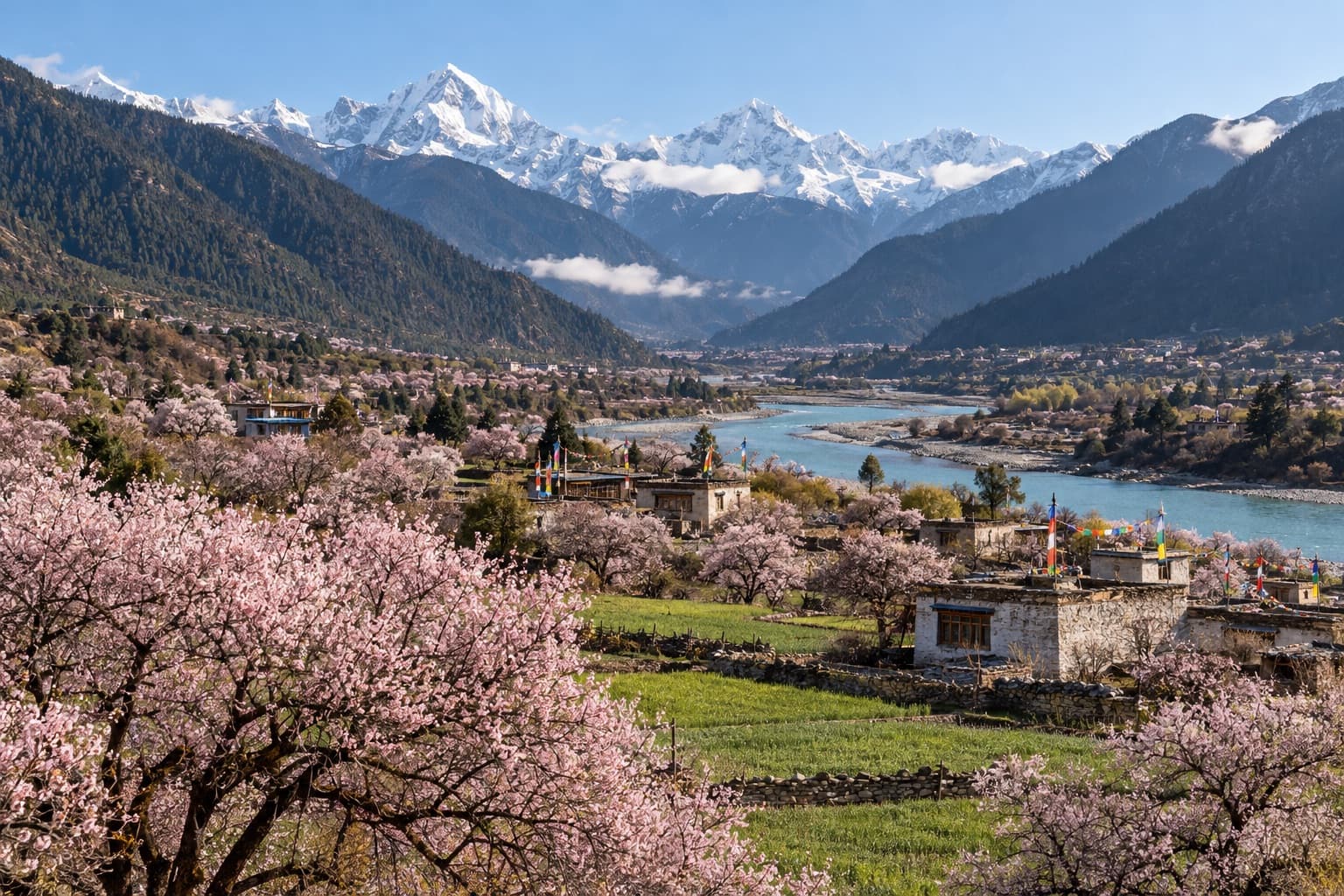
Flor de melocotonero en el Tíbet (9 días)
Nyingchi · Lulang · Valle de la flor del melocotonero de Bomi · Lago Rawok · Glaciar Laigu · Bomi · Nyingchi · Basum Tso · Lhasa · Lago Yamdrok · Shigatse · Lhasa
El Tíbet en la temporada de la flor del melocotonero, con un vuelo a Nyingchi en lugar de a Lhasa: cuatro días de huertos, bosque y glaciares hasta el lago Rawok y el glaciar Laigu, y luego el Basum Tso, Lhasa, el lago Yamdrok y Shigatse. Grupo compartido con una sola salida al año: el 1 de abril en 2027.
De Chengdu a Lhasa por carretera (10 días)
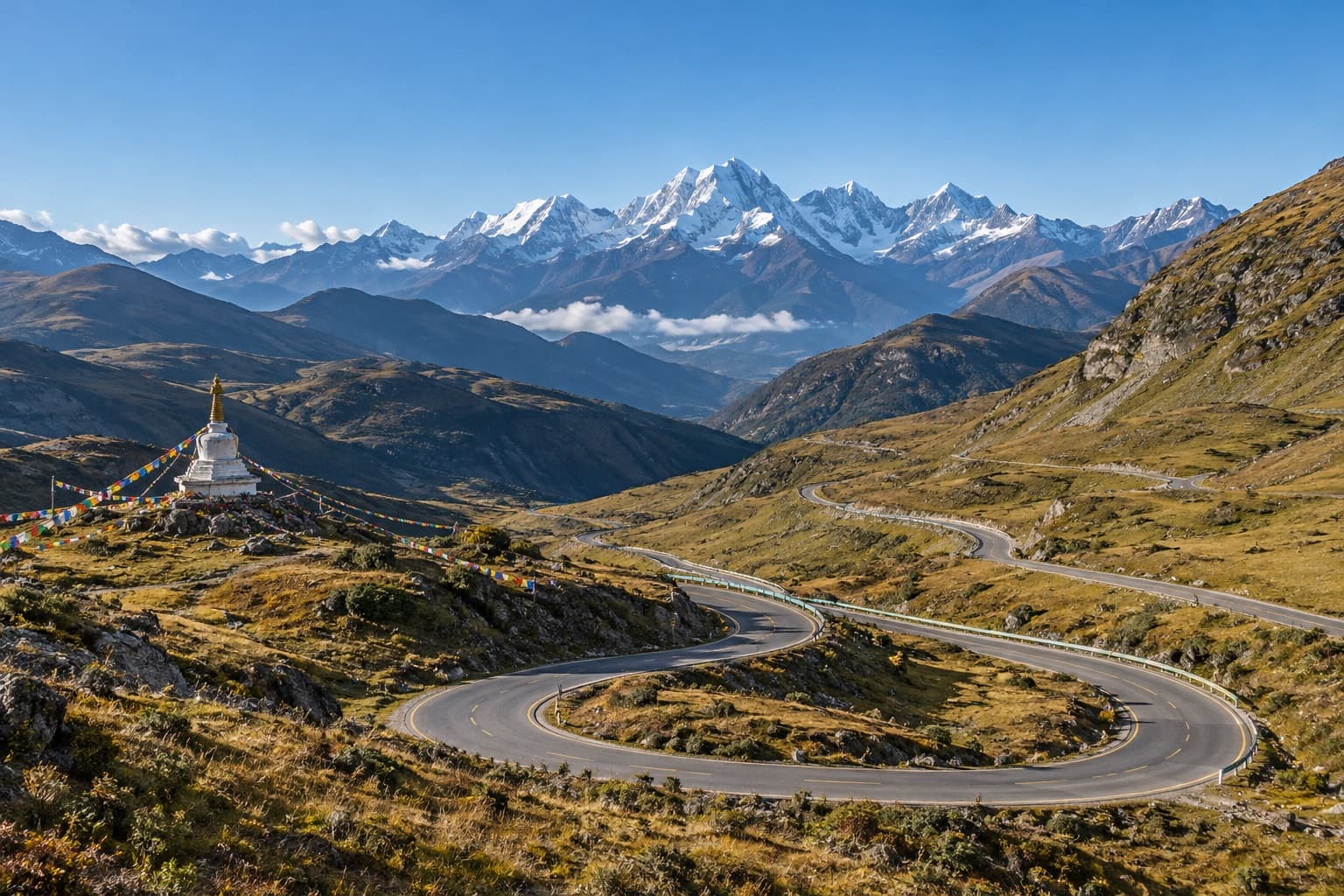
Chengdu · Kangding · Xinduqiao · Litang · Valle de Cuopu · Markam · Las 72 curvas del Nujiang · Lago Rawok · Glaciar Midui · Lulang · Nyingchi · Basum Tso · Lhasa
Diez días por carretera de Chengdu a Lhasa por la carretera Sichuan-Tíbet: Kangding, Litang y el valle de Cuopu, el paso de Dongda, a 5.008 m, y las 72 curvas del Nujiang, el lago Rawok, el glaciar Midui, Lulang y el Basum Tso, y después un día en el Potala. Grupo compartido de dos a diez personas, en fechas fijas.
Preguntas frecuentes sobre Nyingchi
The wild peach blossoms typically bloom from around mid-March to mid-April, when the valleys turn pink beneath the snow peaks. This is the most popular time to visit, so it is worth planning and booking ahead.