A practical guide to Tibet's major festivals — Losar, Saga Dawa, and Shoton — including what each one means, what you'll witness, and how the Tibetan lunar calendar affects timing your trip.
Festivals offer one of the richest windows into Tibetan life. They blend deep religious meaning with color, food, music, and community — and witnessing one can transform an already remarkable trip. The challenge is timing: Tibetan festivals follow a traditional calendar, so their dates shift each year against the Western calendar. This guide covers the three you're most likely to plan around, plus how to think about scheduling.
How the Tibetan Calendar Works
Tibetan festivals are set by the traditional Tibetan calendar, which is based on lunar and solar cycles and does not line up neatly with the Gregorian calendar most of the world uses. A festival fixed to, say, the fourth month of the Tibetan year may fall in late May one year and early June the next. Because exact Gregorian dates vary annually, confirm the current year's dates before locking in flights.
The practical takeaway: decide which festival matters most to you, then build the trip around it rather than assuming a fixed calendar date. Our team can confirm the dates for your travel year — just contact us.
Losar — Tibetan New Year
When: Typically February or March, marking the first day of the Tibetan year. The celebration traditionally unfolds over many days.
Losar is the most important festival in the Tibetan calendar — a celebration of renewal comparable in spirit to the biggest holidays elsewhere in the world. It is deeply family-centered.
What you might encounter:
- Home and monastery preparations: cleaning, special foods, and offerings made in the days beforehand.
- Religious observances: ceremonies at monasteries, butter-lamp offerings, and pilgrims circling sacred sites.
- Festive customs: new clothes, family gatherings, and traditional dishes shared among relatives and neighbors.
Losar is joyful but also intimate. Much of the celebration happens within homes and temples rather than as public spectacle. Travel logistics around this period can be sensitive and change year to year, so plan early and stay flexible.
Saga Dawa — The Most Sacred Month
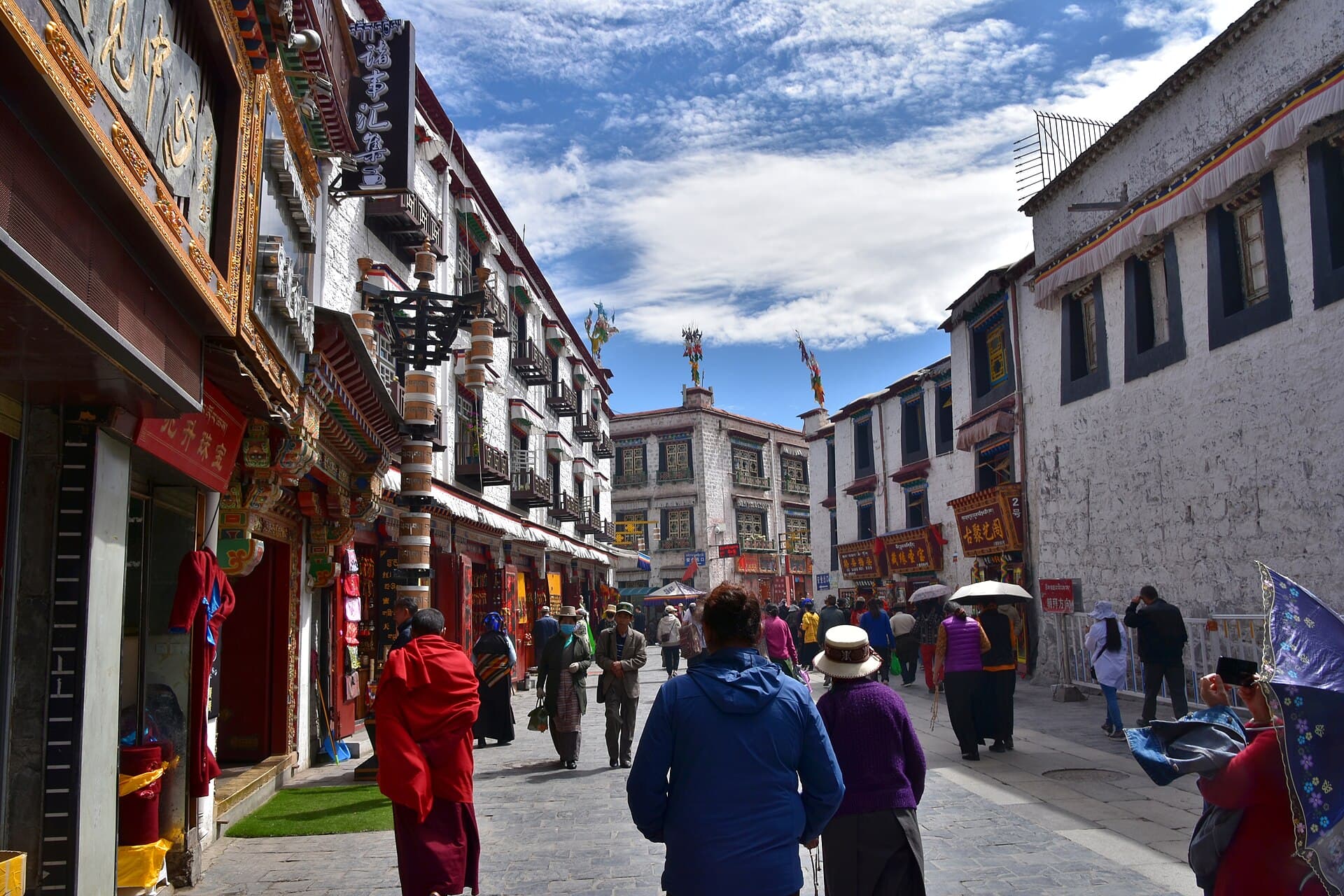
When: The fourth month of the Tibetan calendar, usually falling around May or June. The full-moon day — the fifteenth — is the high point.
Saga Dawa commemorates the birth, enlightenment, and passing (parinirvana) of the Buddha — three pivotal events traditionally honored together during this month. For Tibetan Buddhists it is the holiest period of the year, when the merit of good deeds is believed to be greatly multiplied. Many people increase their devotional activity: giving to those in need, releasing animals, abstaining from meat, and undertaking pilgrimages.
A famous focal point is Tarboche, near Mount Kailash, where a towering prayer-flag pole is ceremonially raised on the full-moon day. Pilgrims gather from across the plateau, and the scene — thousands of fluttering flags against the sacred peak — is among the most powerful sights in the Tibetan year. Completing the Kailash kora during Saga Dawa is considered especially auspicious. If you hope to witness it, the journey is demanding and high; our 14-Day Mount Kailash Kora & Guge Tour is built around this kind of route.
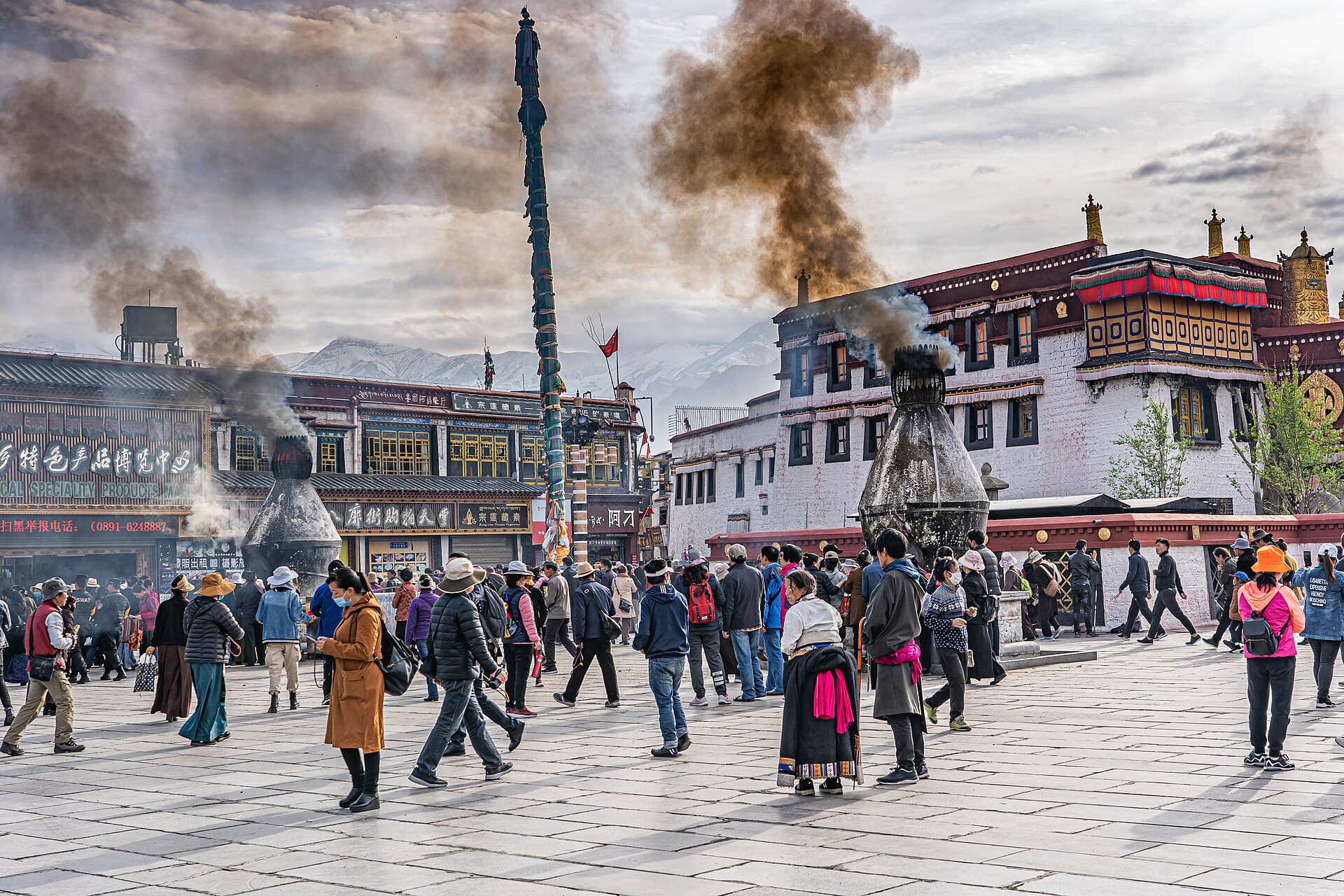
Even in Lhasa, Saga Dawa is visible everywhere — pilgrim circuits swell, butter lamps multiply, and the city's sacred koras fill with devotion.
Shoton — The Yogurt Festival
When: Usually around late summer (often August), in and around Lhasa.
Shoton, sometimes translated as the "Yogurt Festival," has roots in the custom of offering yogurt to monks emerging from a summer meditation retreat. Over time it grew into one of Lhasa's liveliest celebrations, with two signature elements:
- The giant thangka unveiling: At Drepung Monastery, an enormous embroidered thangka (a sacred scroll painting) is unfurled across a hillside at dawn. Pilgrims surge to glimpse and honor it — a breathtaking spectacle of scale and devotion.
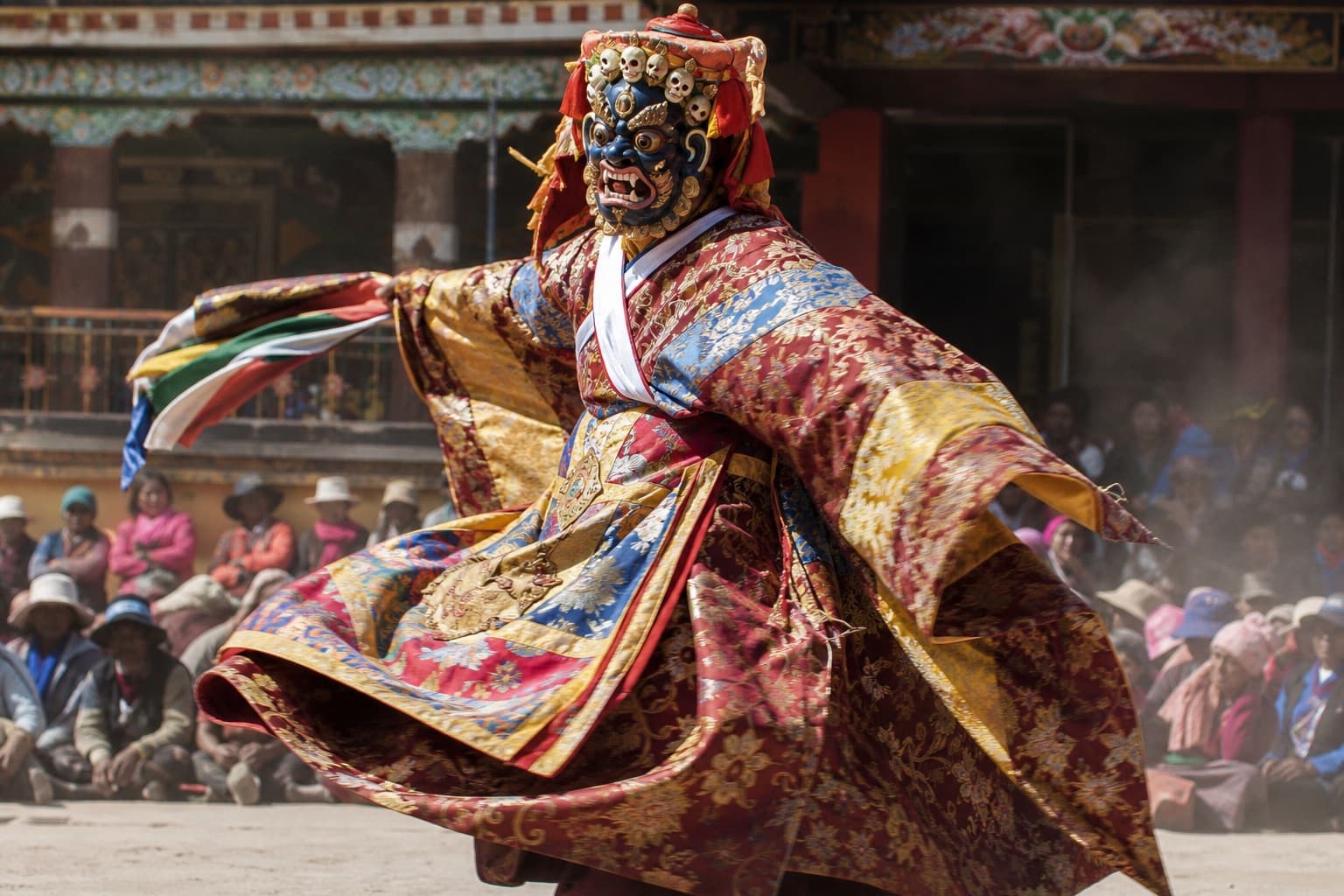
- Tibetan opera (Lhamo): Performances of traditional Tibetan opera fill the days that follow, often staged in the gardens of Norbulingka where families gather, picnic, and celebrate.
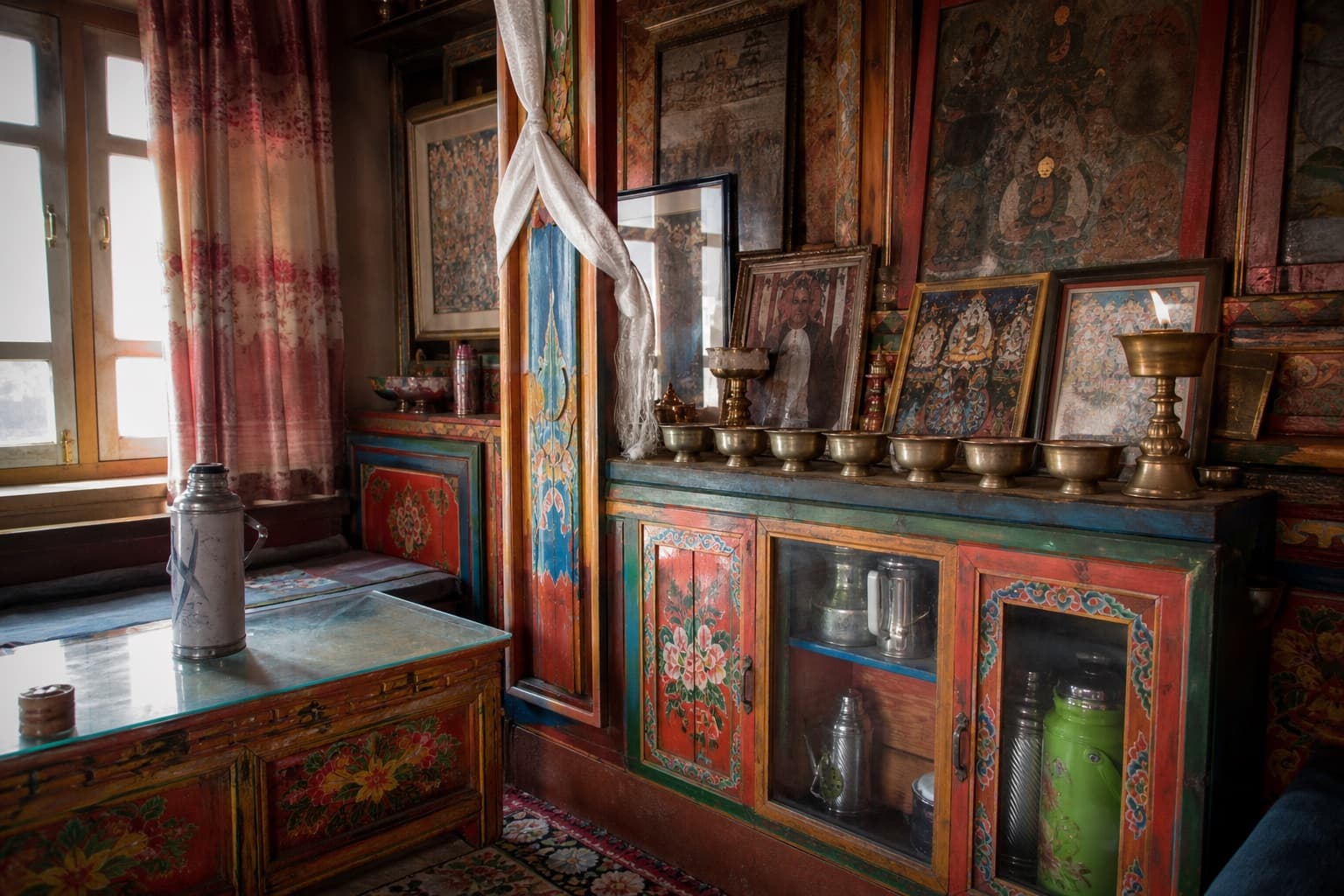
Shoton is more public and festive than the quieter, more devotional rhythms of Losar, making it an accessible festival for visitors — though it also draws large crowds.
At a Glance
| Festival | Rough timing | Heart of it | Where |
|---|---|---|---|
| Losar | Feb–Mar | Tibetan New Year, renewal | Throughout Tibet; homes and monasteries |
| Saga Dawa | May–Jun | Buddha's birth, enlightenment, passing | Plateau-wide; Tarboche near Mt. Kailash |
| Shoton | Late summer | Giant thangka unveiling, opera | Lhasa; Drepung and Norbulingka |
Planning Around a Festival
A few practical realities to keep in mind:
- Dates shift every year. Always confirm the current-year Gregorian dates before booking. The timing is not something to guess at.
- Permits and guides still apply. Foreign visitors cannot travel independently in Tibet. You must join a licensed organized tour with a registered guide and hold a Tibet Travel Permit, which your operator arranges in advance. Festival periods do not change this — see our Tibet Travel Permit guide.
- Book early. Major festivals draw both pilgrims and travelers. Accommodation and transport can tighten, and some periods have additional travel considerations that vary year to year.
- Be a respectful guest. Festivals are religious events first. Follow your guide's cues on where to stand, when to stay quiet, and when photography is and isn't appropriate. Our etiquette guide covers this in depth.
Choosing the Right Festival for You
If you want intimate, family-centered tradition and don't mind a quieter, less spectacle-driven experience, Losar is meaningful. If you're drawn to the spiritual intensity of pilgrimage and the high western landscapes, Saga Dawa is unmatched. If you want vivid public celebration with an unforgettable visual centerpiece, Shoton delivers.
Tours that fit each festival. Shoton centres on Lhasa, where our 9-day Shoton Festival & Everest tour is timed to the festival's opening days. Saga Dawa is at its most intense around Mount Kailash, reached on the 16-day Everest, Kailash kora & Guge tour or the 14-day Kailash & Guge tour. Losar falls close to the late-winter closure, so treat it as a possibility rather than a plan; the festival calendar explains why.
Whatever you choose, build the rest of the journey around it. Browse our Tibet tours for itineraries that can be timed to a festival, or reach out and we'll help you align the dates with the experience you're after.
From the page to the plateau
See Tibet with someone who can explain it
Our trips are led by licensed local Tibetan guides who can tell you what you are looking at, whether in a monastery, on a pilgrim circuit or out on the grassland. These are the two trips most travellers start with.
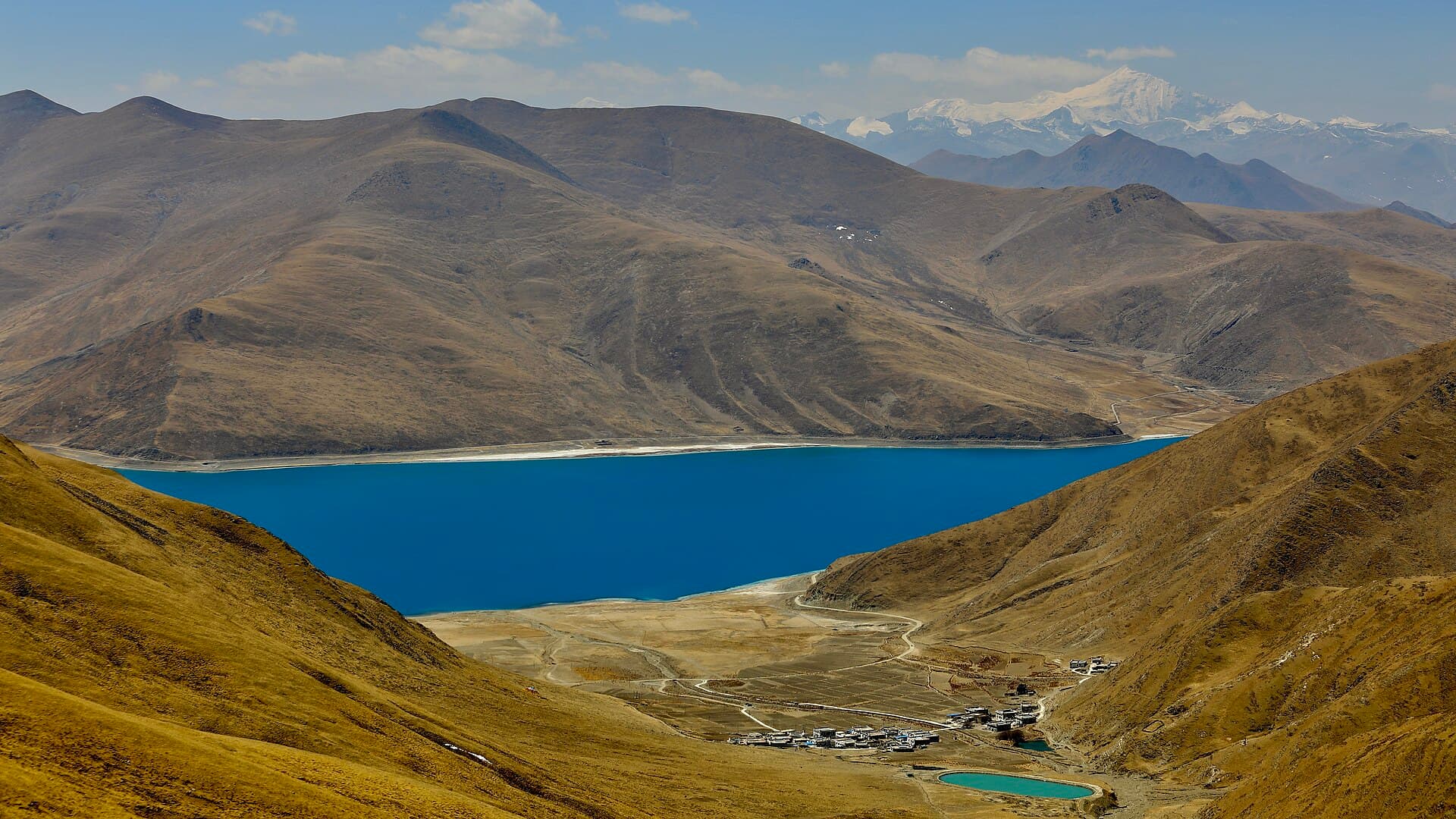
Lhasa & Yamdrok (5 Days)
Lhasa · Yamdrok Lake · Xiazhulin Temple · Lhasa
Five days based in Lhasa: a hands-on morning of Tibetan crafts, the debating monks at Sera, the Potala Palace and the Jokhang, then a day out over the Kamba La to Yamdrok Lake and Xiazhulin Temple. Our shortest Tibet trip, run as a shared group on fixed dates.
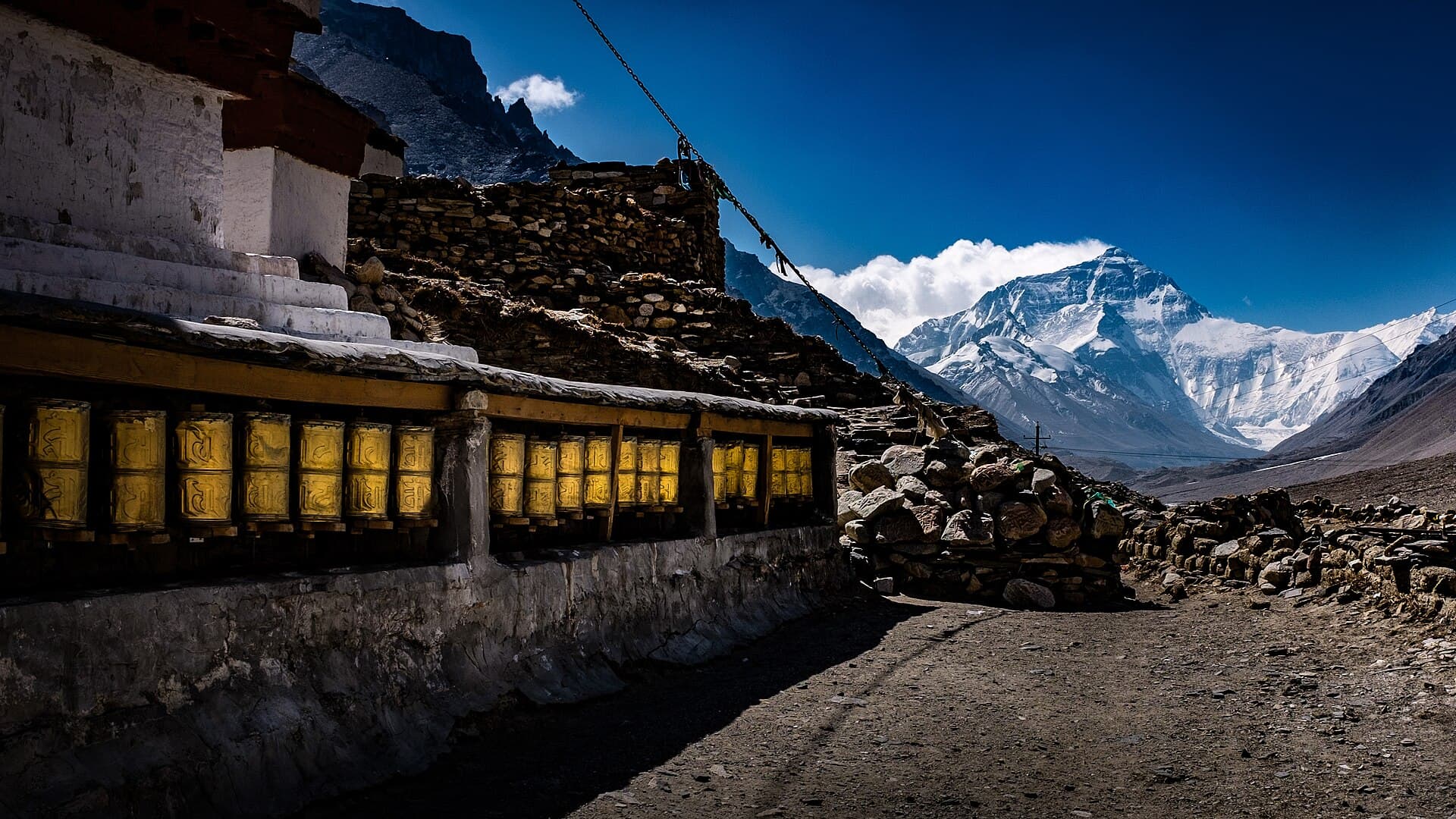
Everest & Namtso (9 Days)
Lhasa · Yamdrok Lake · Karola Glacier · Shigatse · Rongbuk · Everest Base Camp · Shigatse · Lhasa · Namtso · Lhasa
Nine days that add Namtso to the road to Everest: Sera's debating monks, the Potala and the Jokhang in Lhasa; Yamdrok Lake and, beyond it, the Karola Glacier on the drive west; a night at Everest Base Camp; Tashilhunpo; and a final day trip to Namtso once you're acclimatised. Shared group, fixed departures.
FAQs
Tibetan festivals follow the traditional Tibetan calendar, which is based on lunar and solar cycles and does not align with the Gregorian calendar. As a result, the Western-calendar date of each festival shifts from year to year. Always confirm the current year's dates before booking travel.