Three fixed routes reach Mount Kailash from Lhasa: a 14-day trip that skips Everest for the northern lakes, a 16-day trip that adds a night at Everest Base Camp, and a 13-day route to the Nepal border that is currently paused. Here is how they differ.
Quick answer: Three Tibet Trails routes reach Mount Kailash: a 14-day trip that adds the Guge Kingdom ruins and the northern lakes without going near Everest (from $1,460), a 16-day trip that adds a night at Everest Base Camp on the way out (from $1,580), and a 13-day version that skips the return to Lhasa entirely and ends at the Nepal border — paused since the Gyirong crossing closed in a flood on 26 August 2026. All three include the same three-day, 52 km kora over the 5,630 m Drölma La. The choice comes down to whether you want Everest in the same trip, and whether you are returning to Lhasa or continuing into Nepal.
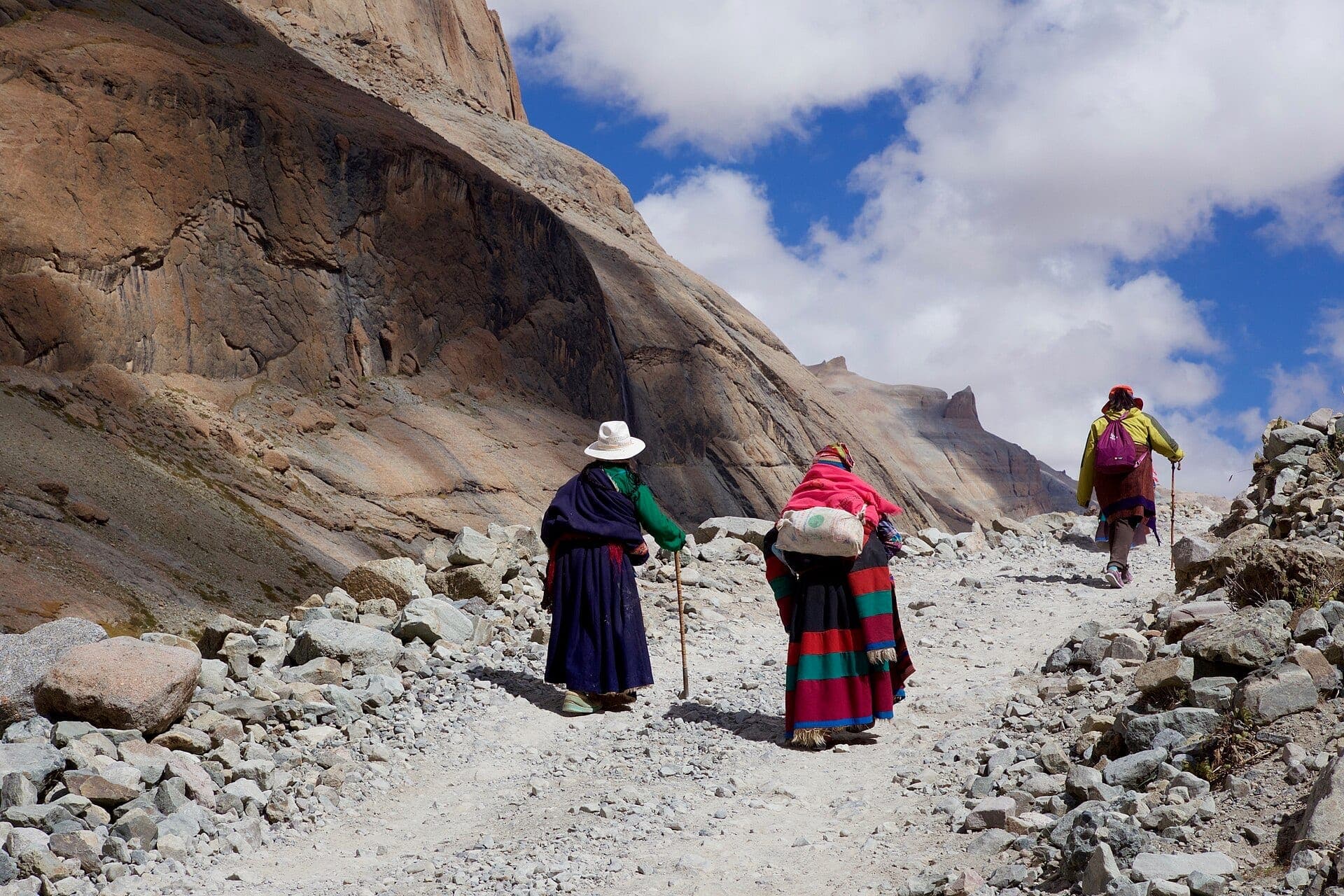
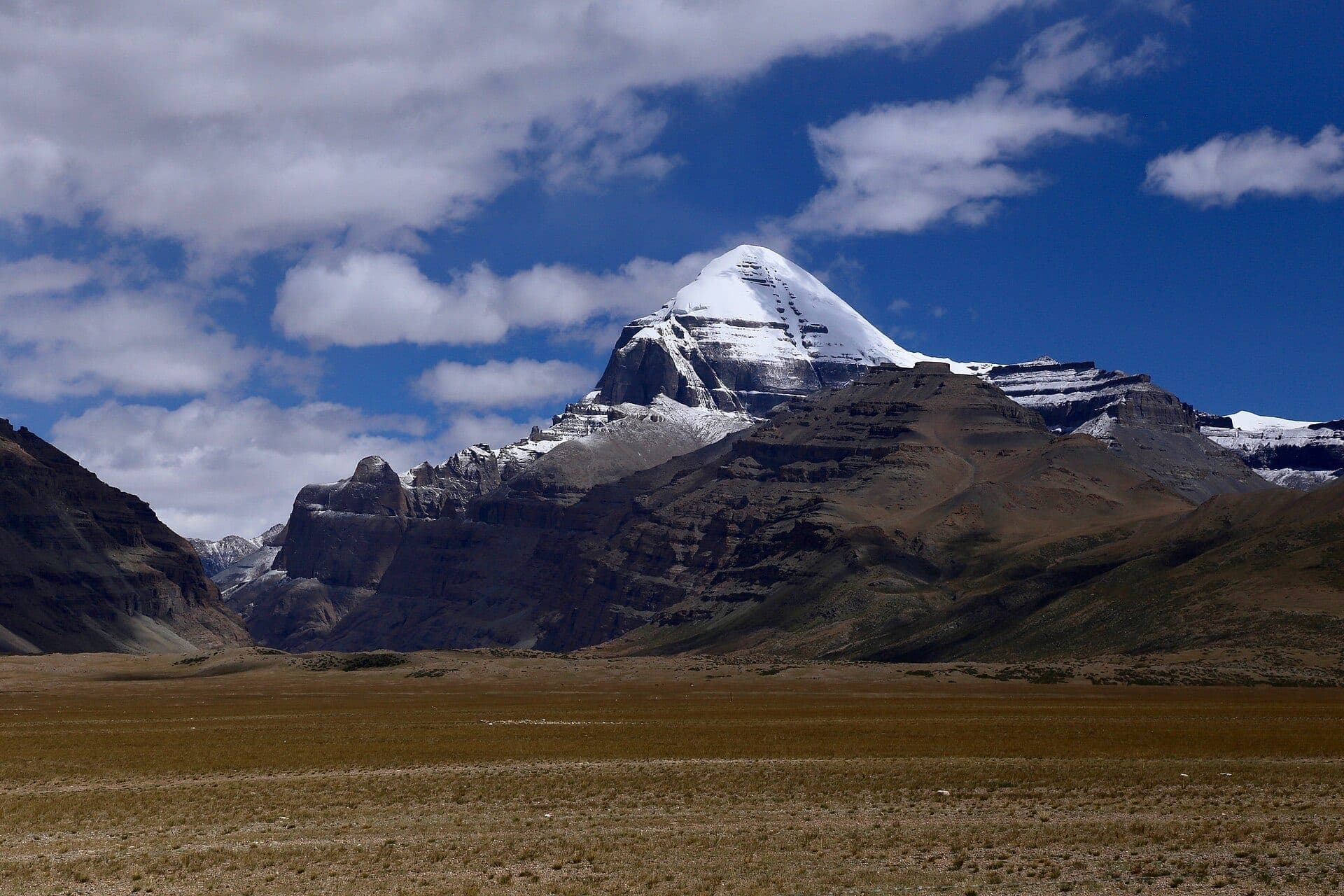
Mount Kailash sits about as far from Lhasa as Tibet travel goes, and every route that reaches it is built around the same three-day kora around the mountain. What changes between our three Kailash itineraries is everything around that core: whether Everest Base Camp is on the way, how the trip gets back to Lhasa (or doesn't), and how many extra days in Ngari's far west you spend among the Guge ruins and high lakes. This guide lines up all three so you can pick by what else you want to see, not just by the kora itself.
The three routes at a glance
| Tour | Days | From (low season) | Peak season | Everest included | Ends |
|---|---|---|---|---|---|
| 14-Day Mount Kailash Kora, Guge & Northern Lakes | 14 | $1,460 | $1,690 | No | Lhasa |
| 16-Day Everest, Mount Kailash Kora & Guge Kingdom | 16 | $1,580 | $1,880 | Yes | Lhasa |
| 13-Day Everest & Mount Kailash, ending at the Nepal border | 13 | — | Paused | Yes | Gyirong border (Nepal) |
Prices are per person, twin-share, and climb through the season: lowest in May and June, a middle tier in July–September, and the highest tier around the National Day holiday at the end of September. All three are shared group departures, from one traveler up to a maximum of 12, and every one includes the Tibet Travel Permit plus the extra Alien's Travel Permit that Ngari requires, a licensed guide, private vehicle, hotels and entrance fees. See our Tibet travel cost guide for what is typically extra, and the 2027 departure calendar for the full list of real dates.
14 days: the kora, Guge and the northern lakes, without Everest
The 14-Day Mount Kailash Kora, Guge & Northern Lakes Group Tour is the route for travelers who want Kailash and the far west on their own terms, without folding in a second bucket-list stop. After Lhasa, Yamdrok Lake and Shigatse, it heads deep into Ngari for the three-day kora, a stop at Lake Manasarovar with Kailash visible across the water, and the ruined cave-city of the Guge Kingdom at Tsaparang. Rather than retracing the same road back, it returns to Lhasa across the Changtang, overnighting by Dangra Yumtso and passing Serling Tso and Namtso — lake after lake across the roof of the plateau. This is the longer way home, but it means you see country almost nobody else's itinerary touches, and it keeps the trip at 14 days rather than pushing toward three weeks.
16 days: Kailash and a night at Everest Base Camp
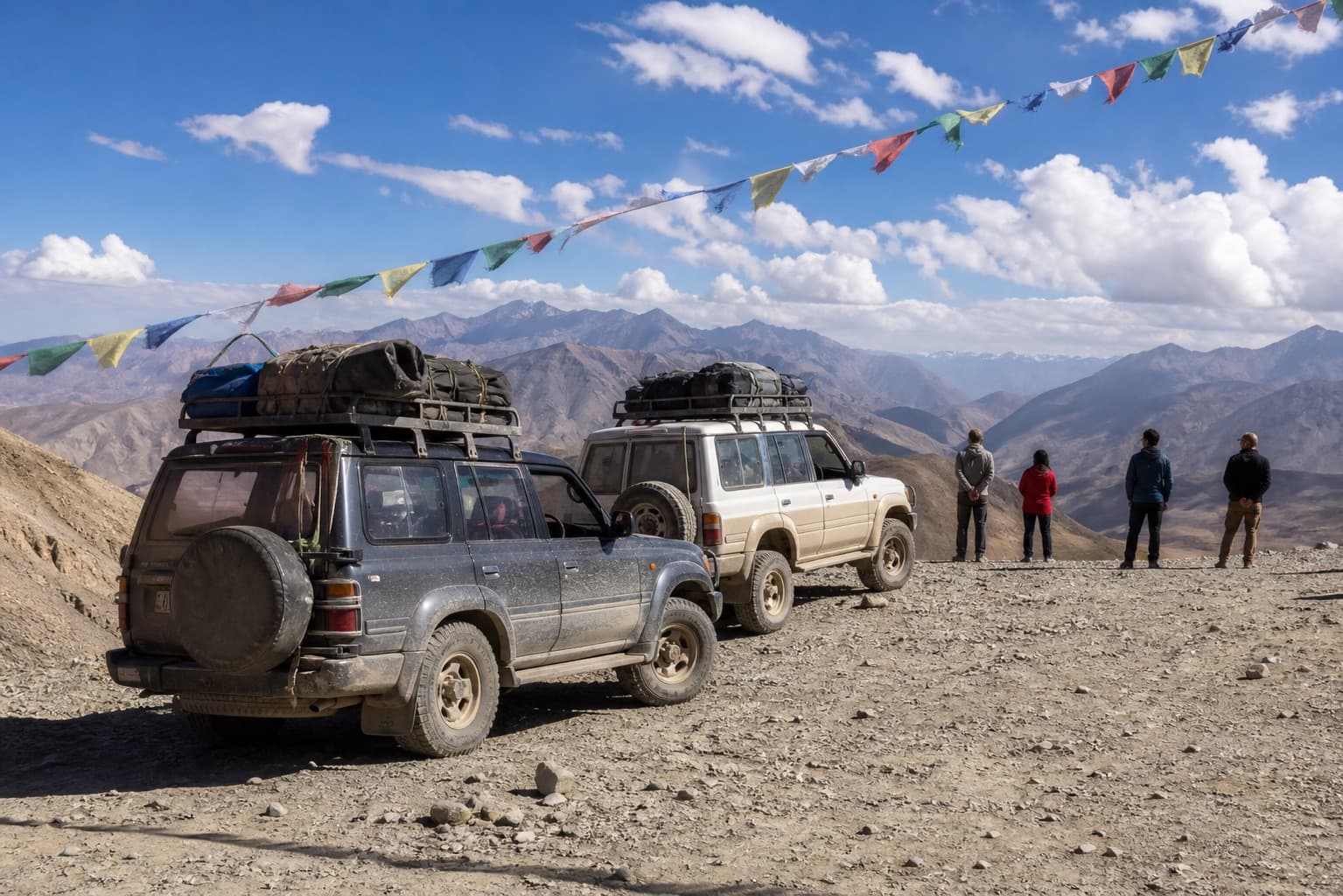
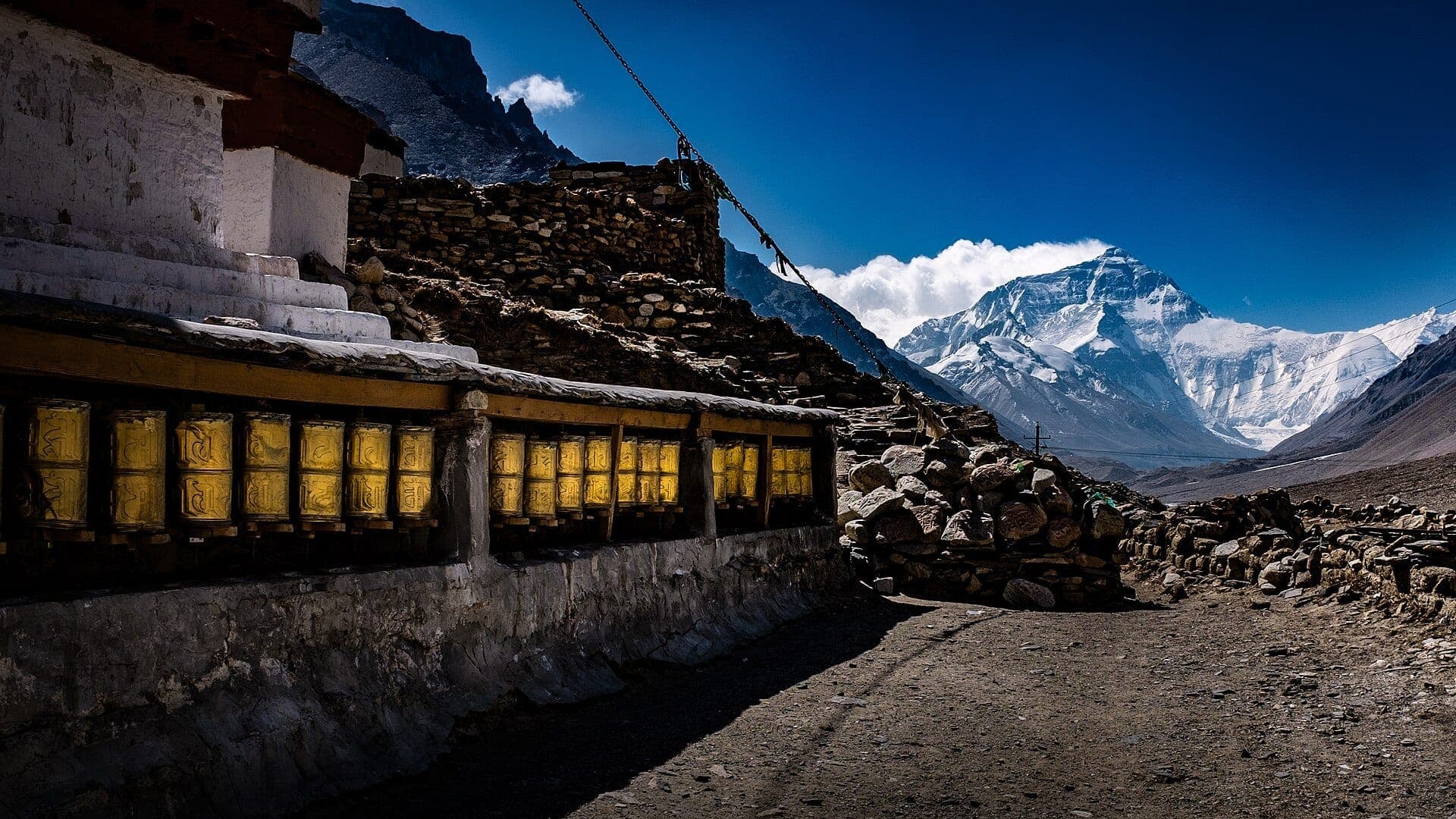
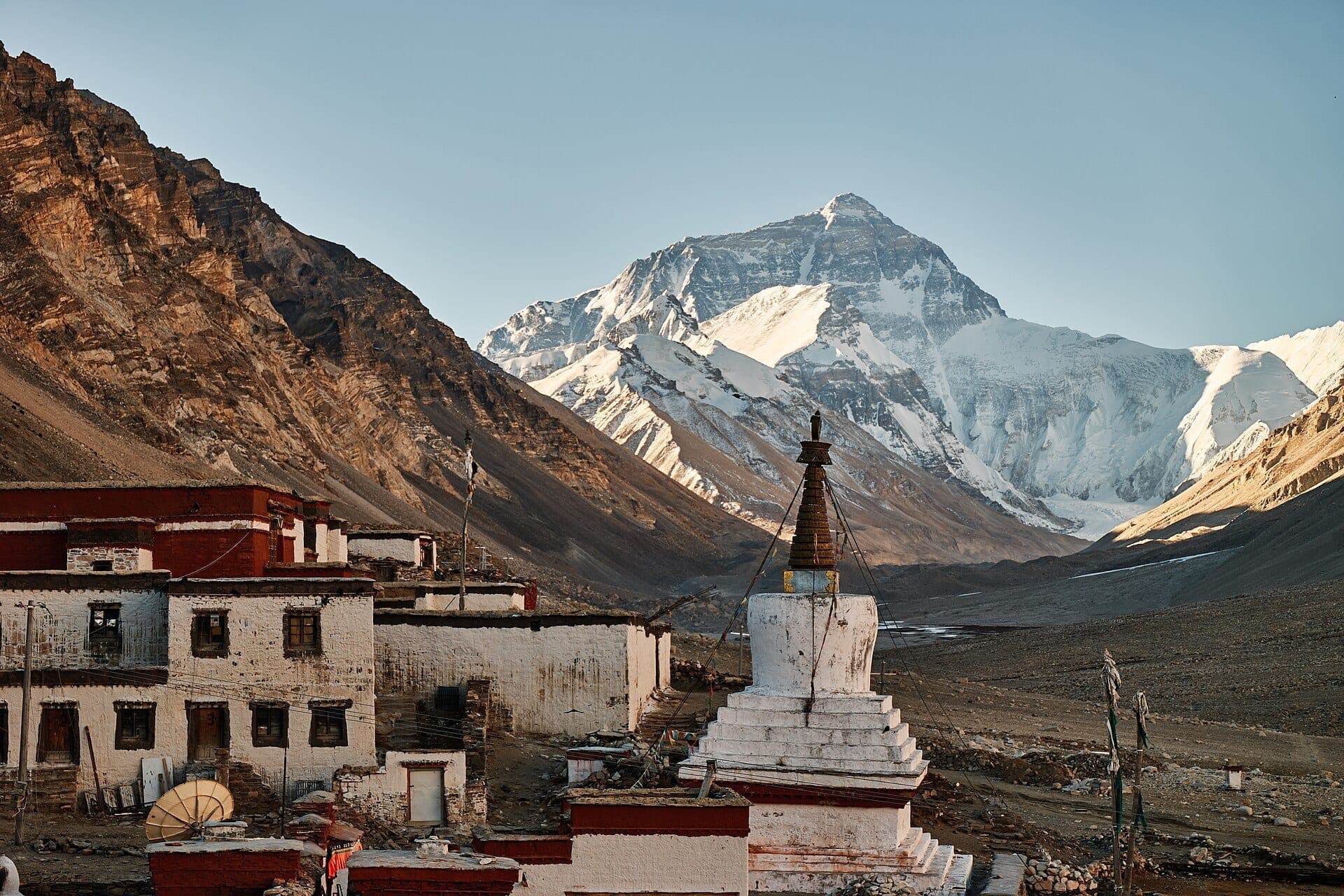
The 16-Day Everest, Mount Kailash Kora & Guge Kingdom Group Tour runs the same core — Lhasa, Yamdrok Lake, Shigatse, the Kailash kora, Lake Manasarovar, the Guge ruins — but routes out through Everest Base Camp first, with a night under the north face before continuing west to Ngari. It returns by way of Sakya and Tashilhunpo rather than the northern lakes. If you only have one trip to Tibet in you and want both of its two most famous sights on the same itinerary, this is the route; the trade-off is two extra days and a step up in price over the 14-day version, and a physically bigger trip overall, since you are at altitude at both Everest (around 5,200 m) and the Drölma La (about 5,630 m) within the same two and a half weeks.
13 days: the route to the Nepal border (currently paused)
The 13-Day Everest & Mount Kailash Group Tour, Ending at the Nepal Border follows nearly the same path as the 16-day route — Everest Base Camp, the Kailash kora, Lake Manasarovar, the Guge ruins — but instead of turning back to Lhasa, it continues out through the Gyirong Valley to exit directly into Nepal. For travelers connecting on to Kathmandu, that saves backtracking across the whole plateau. It has been paused since a flood on 26 August 2026 destroyed the Friendship Bridge and the border posts at the Gyirong crossing, with no reopening date announced; see our Lhasa–Kathmandu overland guide for the current border status. Until it reopens, the 16-day version covers the same ground to Saga and returns to Lhasa, from where you can take the direct flight to Kathmandu instead, about an hour and a half.
How to choose
Work through these in order:
- Do you want Everest Base Camp on the same trip? If yes, go with the 16-day route (or the 13-day, once it reopens). If Kailash and the far west are the point and you would rather see new ground on the way home than retrace Everest, the 14-day northern-lakes route is the better fit.
- Are you continuing into Nepal, or flying home from Lhasa? Only the 13-day route is built to exit at the border, and it is not running right now. Both the 14- and 16-day routes return to Lhasa, from where you can fly onward anywhere, including Kathmandu.
- How much altitude, back to back, do you want to take on? The 16-day route puts you at roughly 5,200 m at Everest Base Camp and then 5,630 m at the Drölma La within the same fortnight. The 14-day route reaches the same Kailash altitude but skips the Everest leg, which some travelers prefer for pacing. Our altitude sickness guide covers how to manage both.
Whichever you choose, Kailash departures are infrequent compared with the Everest-only routes, roughly two a month through the May–October season, so book earlier than you would for a standard Lhasa trip. If you are planning the trip from India, our Tibet Travel Permit for Indian Citizens guide covers the extra Group Visa step and the longer lead time that applies.
For how these fit against Tibet's other routes, see our Tibet itineraries guide and how many days do you need in Tibet. If you would rather travel on a date of your own choosing, contact us and we will quote a private version of either itinerary.
Planen Sie Ihre Tibet-Reise mit uns
Genehmigungen erledigt, lokale Guides, transparente Preise. Nennen Sie uns Ihre Termine und wir senden Ihnen eine maßgeschneiderte Route.
Häufige Fragen
The 16-day route adds a night at Everest Base Camp on the way out to Kailash and returns via Sakya and Tashilhunpo. The 14-day route skips Everest and instead returns to Lhasa across the northern Changtang, with stops at Dangra Yumtso, Serling Tso and Namtso. Both include the same three-day Kailash kora and the Guge Kingdom ruins.