Die Höhe ist der einzelne größte Gesundheitsfaktor in Tibet, und die gute Nachricht ist, dass sie sehr gut beherrschbar ist. Hier ist, wie die akute Bergkrankheit funktioniert, die Symptome, auf die zu achten ist, und ein praktischer Plan, um sich gut zu akklimatisieren.
Kurze Antwort: Höhenkrankheit ist in Tibet ein reales Risiko, da Lhasa auf 3.656 m liegt, doch sie ist gut beherrschbar: Die meisten Besucher haben nur leichte Symptome, die nach einem oder zwei Tagen mit sanfter Akklimatisierung, ausreichend Flüssigkeit, gut getakteten Routen und auf jeder Reise mitgeführtem Sauerstoff nachlassen.
Die Höhe, nicht Kriminalität oder Essen, ist das, worauf man sich in Tibet wirklich vorbereiten muss. Lhasa liegt auf 3.656 Metern, und ein Großteil des Hochlands liegt über 4.000 Metern, wo die Luft weit weniger Sauerstoff hält als auf Meereshöhe. Nahezu jeder Besucher spürt in seinem ersten Tag oder zwei eine gewisse Wirkung. Das Beruhigende ist, dass milde Symptome normal sind, gewöhnlich mit einem vernünftigen Plan vorübergehen und selten eine Reise entgleisen lassen. Dieser Ratgeber erklärt, was in Ihrem Körper geschieht und genau, was dagegen zu tun ist.
Dieser Artikel ist allgemeine Reiseinformation, kein medizinischer Rat. Sprechen Sie vor Ihrer Reise mit Ihrem Arzt, besonders wenn Sie Herz- oder Lungenerkrankungen haben, schwanger sind oder regelmäßig Medikamente einnehmen.
Was Höhenkrankheit tatsächlich ist
Oberhalb von ungefähr 2.500 bis 2.700 Metern bedeutet der geringere Luftdruck, dass jeder Atemzug weniger Sauerstoff liefert. Ihr Körper antwortet darauf, indem er schneller atmet und mehr rote Blutkörperchen bildet, doch diese Anpassung braucht Zeit. Akute Bergkrankheit (AMS) ist die milde, häufige Form der Höhenkrankheit, die entsteht, wenn Sie schneller aufsteigen, als Ihr Körper sich anpassen kann. Sie hat nichts mit Fitness zu tun; auch sehr fitte Menschen bekommen sie.
Weil der Flug nach Lhasa Sie in Stunden von niedriger Höhe auf 3.656 Meter bringt, treten AMS-Symptome gewöhnlich innerhalb der ersten 12 Stunden auf und erreichen ihren Höhepunkt am ersten oder zweiten Tag.
Häufige Symptome
Die meisten Reisenden erleben bald nach der Ankunft einige der folgenden:
- Kopfschmerzen, das kennzeichnende Symptom
- Müdigkeit oder Schwäche
- Schwindel oder Benommenheit
- Kurzatmigkeit bei Anstrengung
- Schlafstörungen
- Appetitlosigkeit oder leichte Übelkeit
Diese milden Symptome sind zu erwarten und lassen gewöhnlich über einen Tag oder zwei nach, während Sie sich akklimatisieren. Die übliche Regel ist einfach: wenn Sie milde Symptome haben, gehen Sie nicht höher, bis sie sich bessern.
Warnzeichen, die Handeln erfordern

In seltenen Fällen kann AMS zu ernsten Zuständen fortschreiten, die die Lungen (HAPE) oder das Gehirn (HACE) betreffen. Dies sind medizinische Notfälle. Steigen Sie ab und holen Sie sofort Hilfe, wenn Sie oder jemand in Ihrer Gruppe Folgendes zeigt:
- Ein starker Kopfschmerz, den Schmerzmittel nicht berühren
- Wiederholtes Erbrechen
- Atemnot in Ruhe
- Ein anhaltender feuchter Husten, Engegefühl in der Brust oder gurgelnde Atemzüge
- Verwirrtheit, Ungeschicklichkeit oder ein unsicherer, betrunken wirkender Gang
- Unfähigkeit, wach zu bleiben
Ihr Reiseleiter ist geschult, auf diese Zeichen zu achten, und Lhasa hat Krankenhäuser und Evakuierungsmöglichkeiten, was ein praktischer Grund ist, warum das Reiseprogramm dort beginnt.
Wie Sie ihr vorbeugen: Ein praktischer Plan
1. Akklimatisieren Sie sich bei der Ankunft
Der wichtigste Schritt kostet nichts: lassen Sie es die ersten 24 bis 48 Stunden ruhig angehen. Darum hält ein gutes Tibet-Reiseprogramm den ersten Tag in Lhasa sanft, mit leichtem Gehen und keinen hohen Pässen. Unsere Tibet-Touren sind absichtlich so getaktet, und jedes Reiseprogramm, das wir durchführen, baut Akklimatisierung ein, bevor es höher hinaufgeht.
2. Steigen Sie allmählich auf
Die allgemeine Richtlinie oberhalb von 2.700 Metern ist, Ihre Schlafhöhe um nicht mehr als etwa 500 Meter pro Tag zu erhöhen und Ruhe einzubauen. Eine gut gestaltete Route zum Everest-Basislager zum Beispiel führt Sie in Stufen hinauf, statt zur Höhe zu rasen. Wenn Sie können, erwägen Sie die Anreise per Zug, der langsam ansteigt und Ihrem Körper einen Vorsprung gegenüber dem Fliegen gibt. Sehen Sie unseren Zug-Ratgeber.
3. Erwägen Sie Diamox (Acetazolamid)
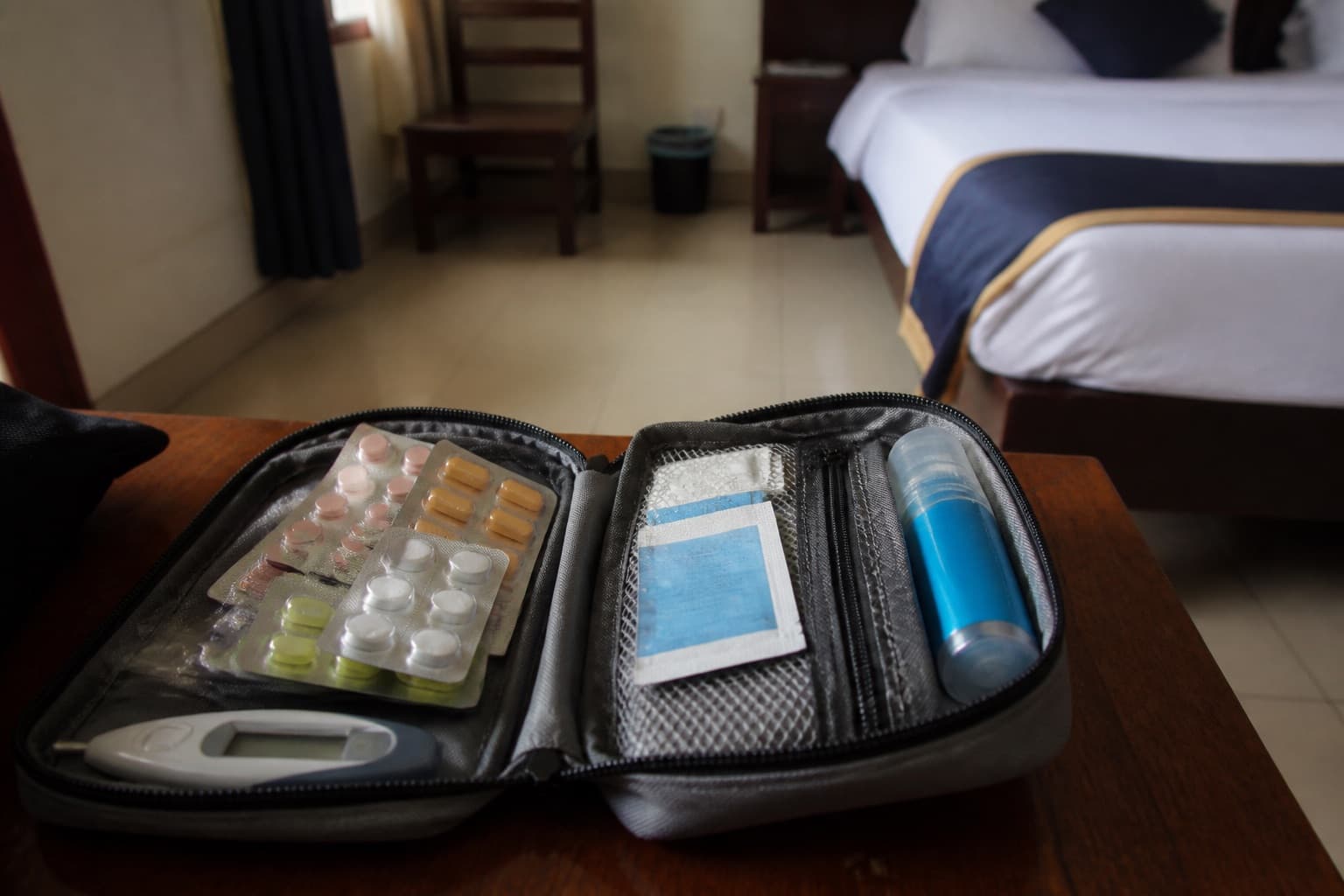
Acetazolamid, verkauft als Diamox, ist das Medikament, das durch klinische Belege am besten zur Vorbeugung von AMS und zur Beschleunigung der Akklimatisierung gestützt wird. Eine häufig genannte vorbeugende Dosis ist 125 mg zweimal täglich, doch Dosierung und Eignung sind Entscheidungen für Ihren Arzt, der auch Wechselwirkungen und Allergien prüfen kann (es ist sulfonamidbasiert). Besprechen Sie es, bevor Sie reisen, und führen Sie es von zu Hause mit.
4. Trinken Sie und essen Sie leicht
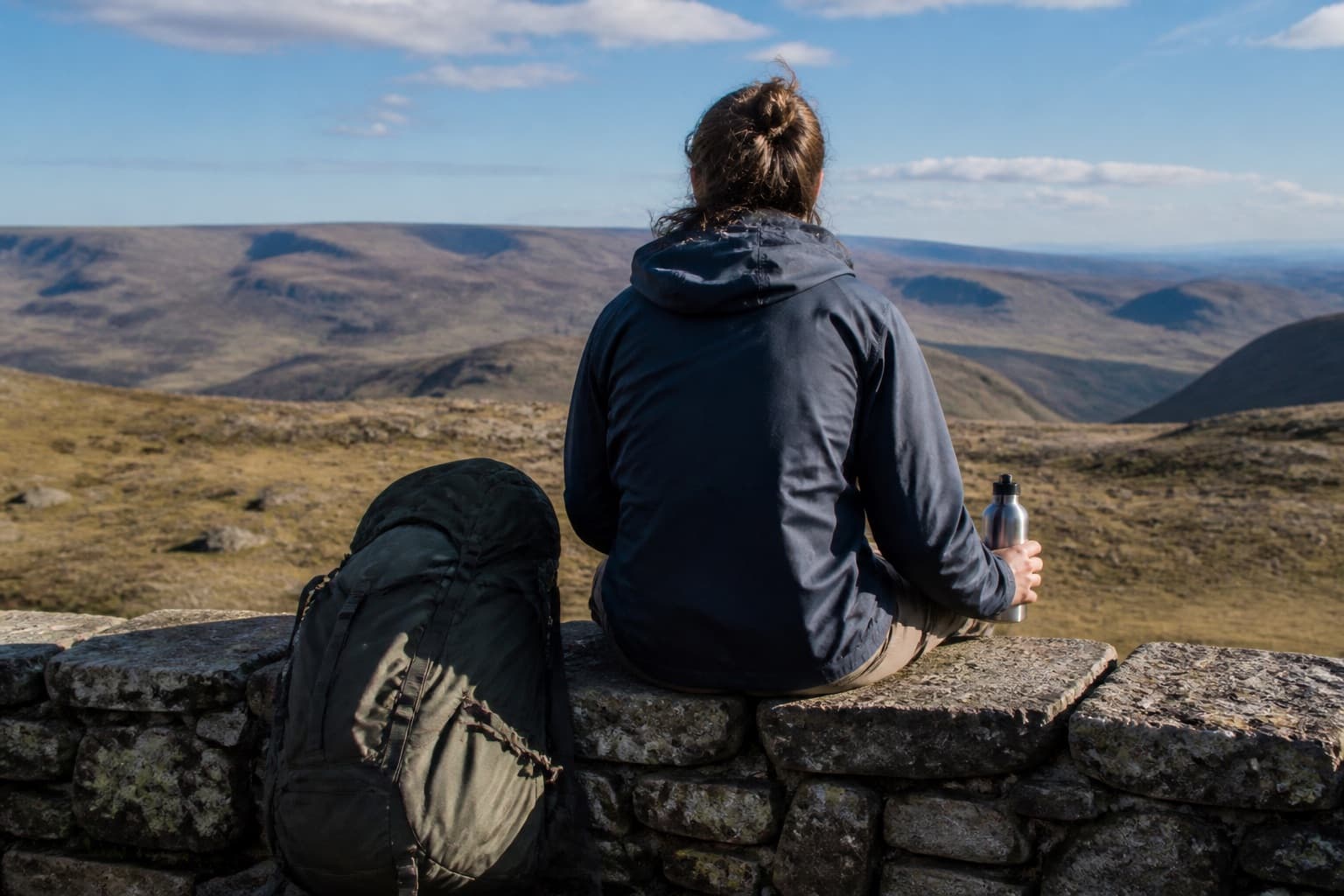
Trinken Sie reichlich Wasser; die Luft ist äußerst trocken, und Sie verlieren rasch Feuchtigkeit. Bevorzugen Sie leichte, kohlenhydratreiche Mahlzeiten, während Sie sich anpassen, und essen Sie nicht zu viel.
5. Meiden Sie anfangs Alkohol, Rauchen und Beruhigungsmittel
Alkohol und Schlaftabletten können die Atmung unterdrücken und Symptome verschleiern. Lassen Sie sie die ersten paar Tage weg. Auch das Rauchen tut Ihnen in der Höhe keinen Gefallen.
6. Überanstrengen Sie sich nicht früh
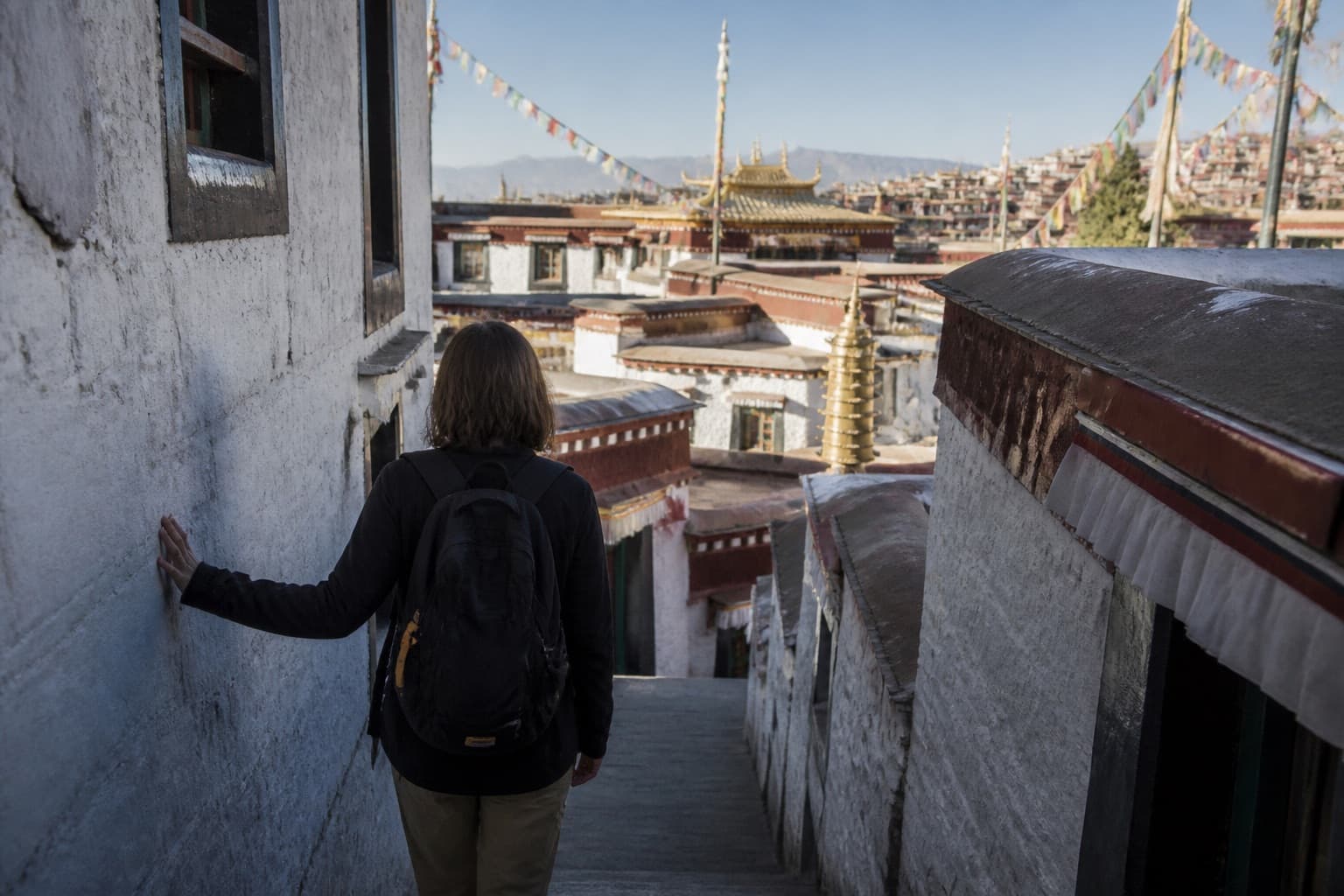
Bewegen Sie sich langsam, besonders auf Treppen und Hängen. Sich beim Hinaufgehen einiger Stufen in Lhasa außer Atem zu fühlen, ist normal. Teilen Sie sich Ihre Kräfte ein und lassen Sie Ihren Körper führen.
Zusätzlicher Sauerstoff und örtliche Mittel
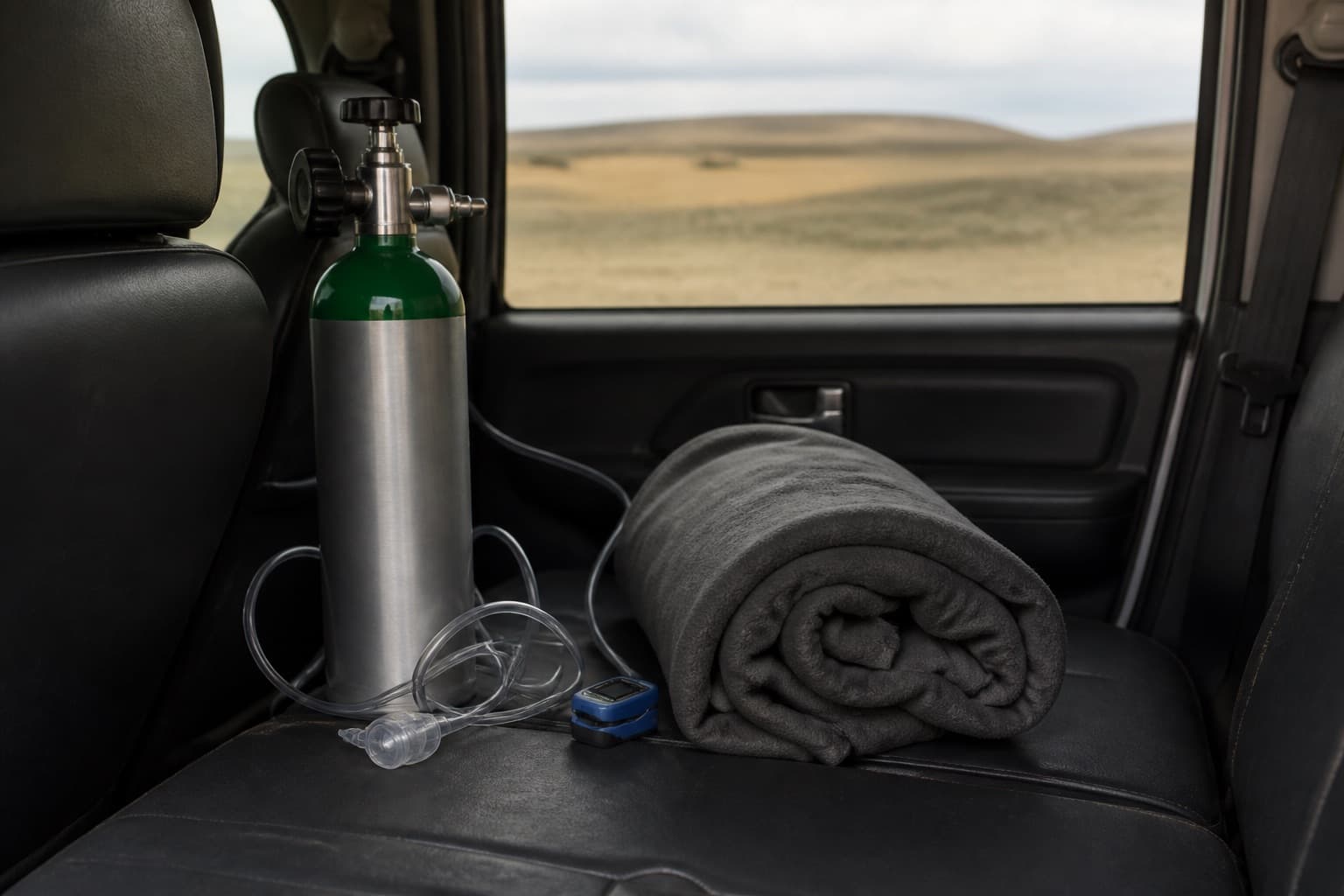
Sauerstoff ist in Tibet weithin verfügbar, von Hotelkanistern bis zum Versorgungssystem im Qinghai-Tibet-Zug, und ein paar Atemzüge können einen Kopfschmerz lindern. Verwenden Sie ihn als kurzfristige Komfortmaßnahme, nicht als Ersatz für richtige Akklimatisierung oder, wenn nötig, Abstieg. Manche Reisende probieren auch örtliche Mittel wie Rhodiola; die Belege sind begrenzt, und sie sind kein Ersatz für die obigen Schritte.
Wer besondere Vorsicht walten lassen sollte
Menschen mit erheblicher Herz- oder Lungenerkrankung, unkontrolliertem Bluthochdruck, schwerer Blutarmut oder die schwanger sind, sollten eine besondere ärztliche Freigabe einholen, bevor sie in diese Höhe reisen. Wenn Sie zuvor eine ernste Höhenkrankheit hatten, teilen Sie es uns im Voraus mit, damit wir Ihr Reiseprogramm angemessen takten können.
Das Fazit
Für die große Mehrheit der Reisenden bedeutet die Höhe in Tibet einen Kopfschmerz und etwas Müdigkeit am ersten Tag, die mit Ruhe, Wasser und einem vernünftigen Tempo verblassen. Achten Sie die Höhe, bauen Sie Akklimatisierung ein, achten Sie auf die Warnzeichen, und Sie werden frei sein, eine der außerordentlichsten Landschaften der Erde zu genießen.
Möchten Sie ein Reiseprogramm, das für eine bequeme Akklimatisierung getaktet ist? Stöbern Sie in unseren Tibet-Reisen, die alle sanft in Lhasa beginnen, oder kontaktieren Sie uns, um das Tempo auf Ihre Bedürfnisse zuzuschneiden.
Planen Sie Ihre Tibet-Reise mit uns
Genehmigungen erledigt, lokale Guides, transparente Preise. Nennen Sie uns Ihre Termine und wir senden Ihnen eine maßgeschneiderte Route.
Häufige Fragen
Die meisten Besucher spüren in den ersten ein bis zwei Tagen auf Lhasas 3.656 Metern einige milde Wirkungen, etwa Kopfschmerzen, Müdigkeit oder Kurzatmigkeit. Das ist normal und verblasst gewöhnlich mit Ruhe, Flüssigkeitszufuhr und einem sanften Tempo. Ernste Höhenkrankheit ist selten, wenn Sie sich vernünftig akklimatisieren.