Von einer fokussierten Städtereise nach Lhasa bis zu einer zweiwöchigen Mount-Kailash-Expedition – hier sind praktische, höhenbewusste Reiserouten, die Ihnen bei der Wahl Ihrer Strecke helfen.
Kurze Antwort: Vier Tage reichen für Lhasa allein; fünf Tage ergänzen einen Tagesausflug zum Yamdrok-See; sieben oder acht Tage führen Sie auf dem Landweg zum Everest-Basislager und zurück; zehn Tage führen dieselbe Route in ruhigerem, höhenfreundlicherem Tempo; und zwei Wochen braucht eine Pilgerreise zum Kailash realistisch, oder sechzehn Tage, wenn Sie den Everest auf derselben Reise dabeihaben möchten. Jede Route beginnt in Lhasa, denn auf dieser Höhe muss die Akklimatisierung zuerst stattfinden.
Eine gute Tibet-Reiseroute ist nicht bloß eine Liste von Sehenswürdigkeiten. Sie ist eine sorgfältig getaktete Strecke, die die Höhe respektiert, Akklimatisierung einbaut und die langen Entfernungen zwischen den großen Wahrzeichen des Hochlands berücksichtigt. Im Folgenden finden Sie fünf bewährte Reiserouten, von 4 bis 14 Tagen, mit Tag-für-Tag-Umrissen, die Sie anpassen können.
Bevor Sie weiterlesen: Zwei Grundregeln prägen hier jeden Plan. Erstens müssen ausländische Besucher auf einer lizenzierten, organisierten Tour mit Guide und einer im Voraus organisierten Tibet-Reisegenehmigung reisen. Zweitens beginnt nahezu jede Route mit Akklimatisierungstagen in Lhasa, da die Stadt bereits auf 3.656 Metern (11.995 Fuß) liegt.
Wie Sie Ihre Reiseroute wählen
Arbeiten Sie von drei Fragen aus rückwärts:
- Wie viele Tage haben Sie tatsächlich vor Ort? Seien Sie ehrlich und zählen Sie ab dem Tag, an dem Sie in Lhasa landen. Wenn Sie unsicher sind, geht unser Leitfaden wie viele Tage Sie in Tibet brauchen die Abwägungen durch.
- Was ist Ihr einziges Muss? Die Klöster von Lhasa, die Nordwand des Everest und der Berg Kailash ziehen Ihre Route jeweils in eine andere Richtung.
- Wie ist Ihre Höhentoleranz? Wenn Sie wegen der Höhe nervös sind, bevorzugen Sie die Reiserouten, die langsam ansteigen.
Reiseroute 1: Lhasa-Fokus (4 Tage)
Die beliebteste Kurzreise und das Fundament, auf dem alles andere aufbaut.
- Tag 1 — Ankunft Lhasa: Transfer zum Hotel, ausruhen, hydrieren, kein Steigen oder Anstrengung.
- Tag 2 — Große Klöster: Drepung am Morgen, Sera am Nachmittag für die Debatten der Mönche.
- Tag 3 — Potala und Jokhang: Besichtigung des Potala-Palasts, dann des Jokhang-Tempels und des Barkhor-Pilgerwegs.
- Tag 4 — Abreise Lhasa.
Am besten für: Reisende, die Tibet mit Festlandchina kombinieren, oder alle mit wenig Zeit. Unsere 4-tägige private Lhasa-Stadttour folgt diesem Plan mit eigenem Guide und eigenem Fahrzeug. Erkunden Sie Lhasa als Reiseziel für mehr darüber, was die Stadt bereithält, und sehen Sie sich unsere Tibet-Touren an.
Reiseroute 2: Lhasa und Yamdrok-See (5 Tage)
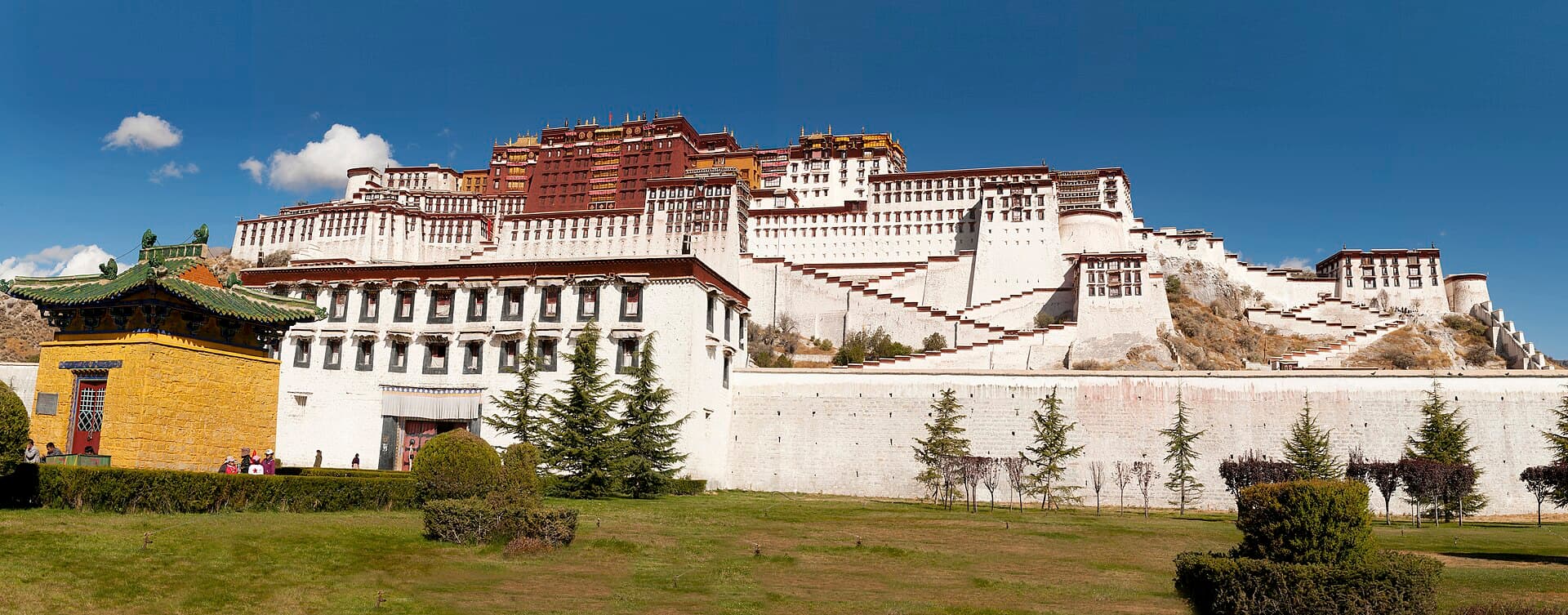
Eine sanfte Erweiterung, die das Hochland hinzufügt, ohne sich auf eine lange Überlandfahrt festzulegen.
- Tage 1–3 — Lhasa: Wie oben, akklimatisieren und den kulturellen Kern erkunden.
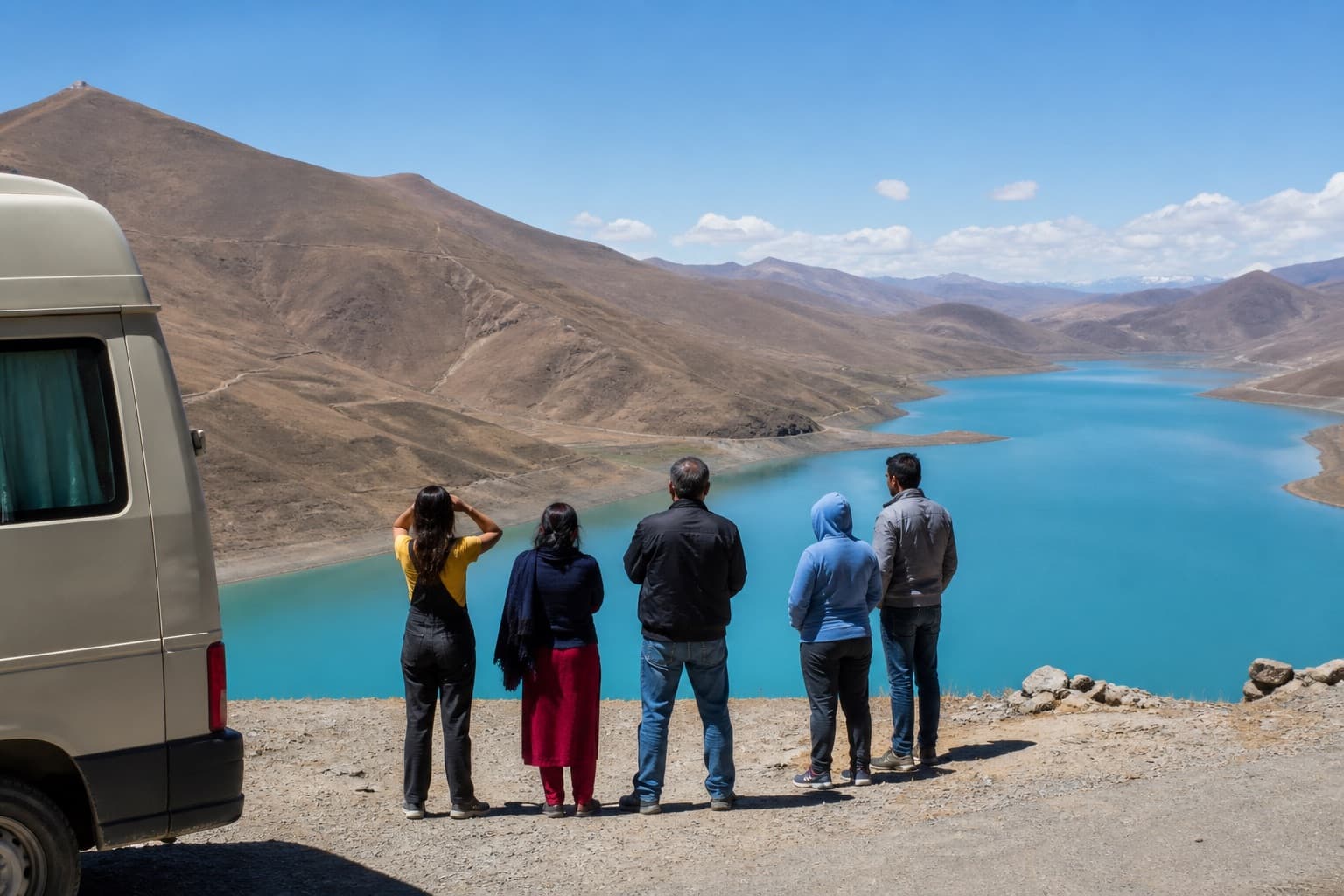
- Tag 4 — Yamdrok-See: Tagesausflug über den Kamba La (4.790 Meter / 15.715 Fuß) zum heiligen türkisfarbenen See auf 4.441 Metern (14.570 Fuß), umringt von Schneegipfeln, mit einem Halt am Xiazhulin-Tempel auf dem Rückweg nach Lhasa.
- Tag 5 — Abreise.
Am besten für: Erstbesucher, die einen heiligen See und einen Vorgeschmack auf das Hochland in entspanntem Zeitplan möchten. Das ist der Plan unserer 5-tägigen Gruppenreise Lhasa & Yamdrok-See, die jede Nacht in Lhasa verbringt.
Reiseroute 3: Everest-Basislager überland (8 Tage)
Die klassische Überlandreise zur Nordwand des höchsten Berges der Welt.
- Tage 1–3 — Lhasa: Akklimatisieren, dann die debattierenden Mönche im Kloster Sera, der Potala-Palast und der Jokhang.
- Tag 4 — Lhasa nach Shigatse: Über den Kamba La am Yamdrok-See und am Karola-Gletscher vorbei, dann durch Gyantse in Tibets zweite Stadt.
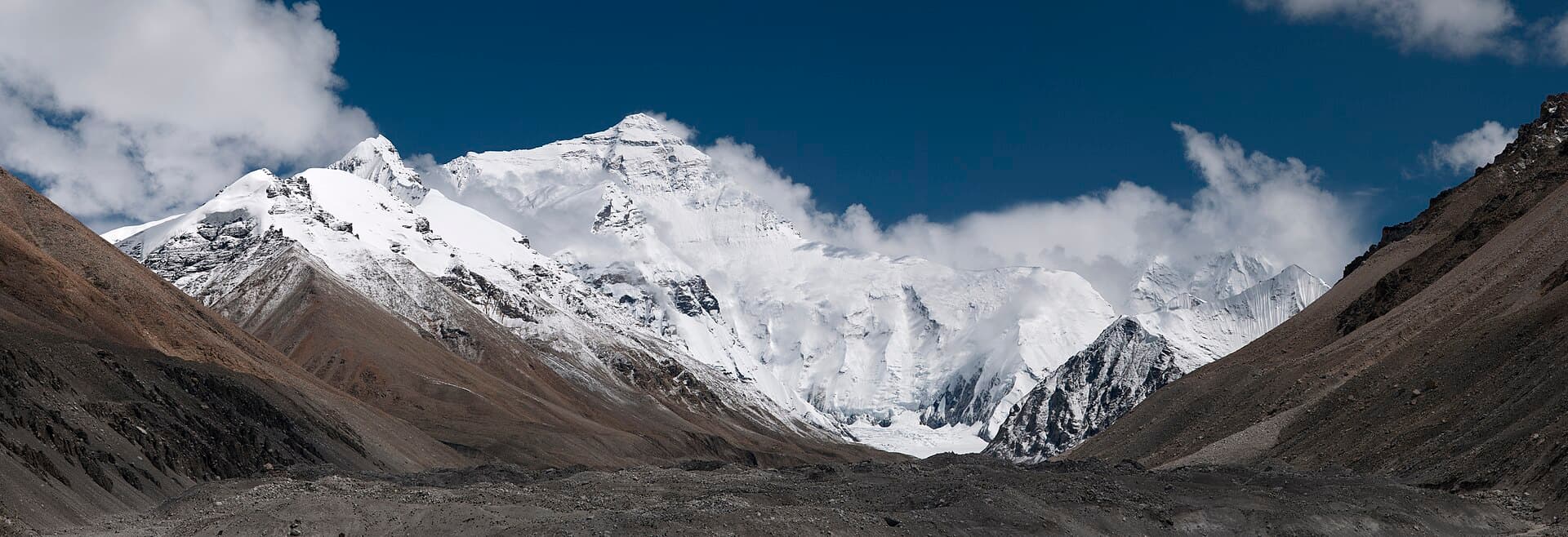
- Tag 5 — Shigatse zum Everest-Basislager: Eine lange Fahrt nach Westen über den Gawu La zum Kloster Rongbuk und eine Nacht am Basislager auf etwa 5.200 Metern.
- Tag 6 — Sonnenaufgang am Everest: Erstes Licht auf der Nordwand des Everest (8.848,86 m), dann zurück nach Shigatse über den Gyatso La.
- Tag 7 — Kloster Tashilhunpo, dann zurück nach Lhasa.
- Tag 8 — Abreise Lhasa.
Am besten für: Reisende, deren Traum der Everest selbst ist. Das ist die Form unserer 8-tägigen Gruppenreise Lhasa & Everest-Basislager; die 7-tägige Variante hat einen Tag weniger in Lhasa, und die 9-tägige Variante ergänzt einen Tagesausflug zum Namtso. Siehe auch den Reiseführer zum Ziel Everest-Basislager.
Reiseroute 4: Everest in langsamerem Tempo (10 Tage)
Dieselben Ikonen wie die 8-Tage-Route, mit Spielraum. Keine unserer Gruppenreisen zu festen Terminen fährt in diesem Tempo; betrachten Sie sie daher als private, maßgeschneiderte Reise, die wir um Ihre Termine herum aufbauen.
- Tage 1–3 — Lhasa: Derselbe ruhige Start wie auf der 8-Tage-Route.
- Tage 4–5 — Gyantse und Shigatse: Zeit, wirklich zu erkunden, nicht nur durchzufahren.
- Tage 6–7 — Everest-Region: Eine Nacht nahe Rongbuk und ein unbeeiltes Basislager-Erlebnis.
- Tage 8–9 — Rückkehr über einen hohen See oder ein Kloster, das Sie sonst auslassen würden.
- Tag 10 — Abreise.
Am besten für: jene, die den Everest ohne lange, aufeinanderfolgende Fahrtage möchten.
Reiseroute 5: Mount-Kailash-Kora und Guge (14 Tage)
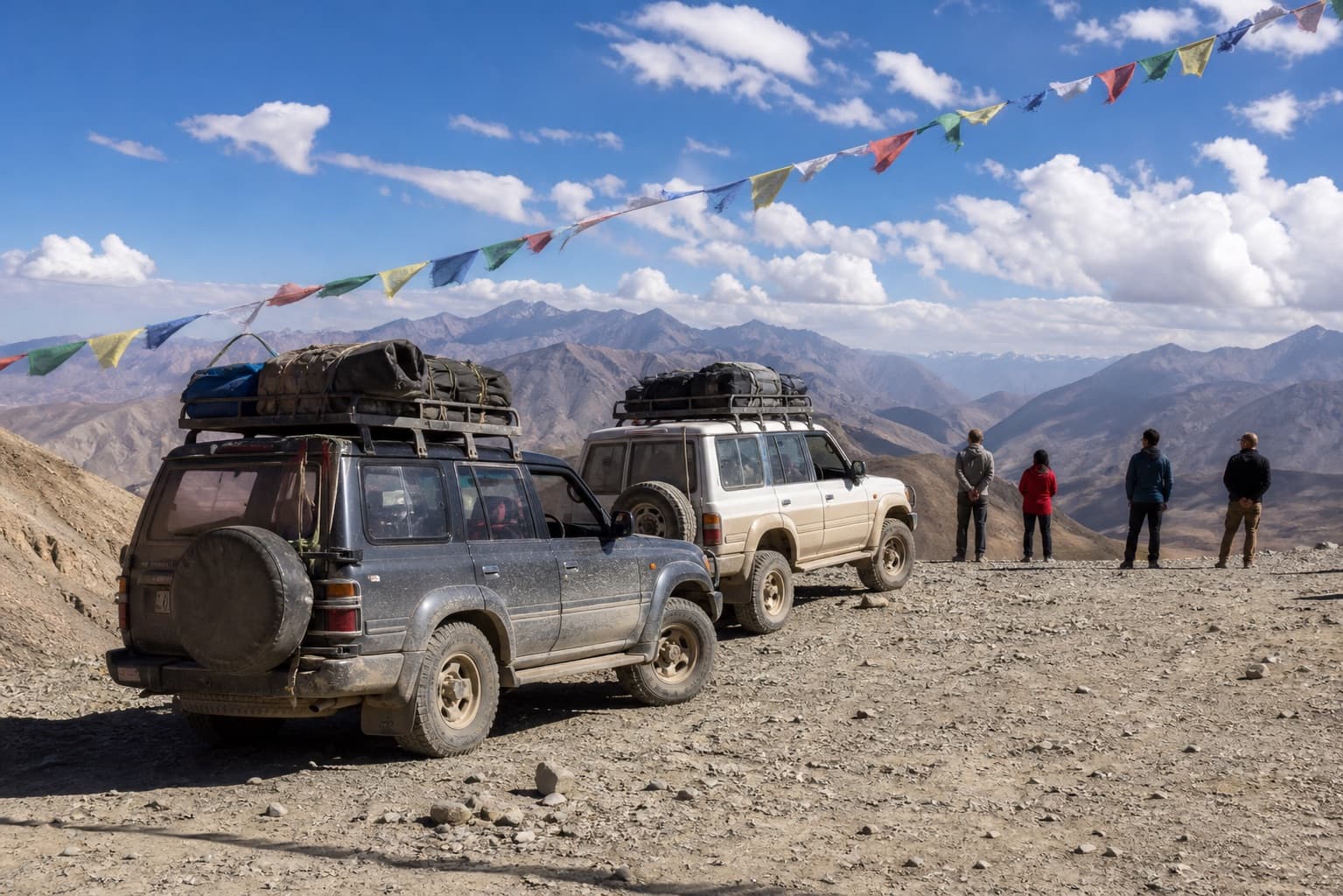
Die große Expedition: Tibets heiligster Berg, die Ruinen des Guge-Königreichs und die großen Seen des Nordens.
- Tage 1–2 — Lhasa: Ankunft und Ruhe, dann ein ganzer Tag für den Potala-Palast und den Barkhor, bevor es weit nach Westen geht.
- Tag 3 — Von Lhasa nach Shigatse über den Kamba La, am Yamdrok-See vorbei.
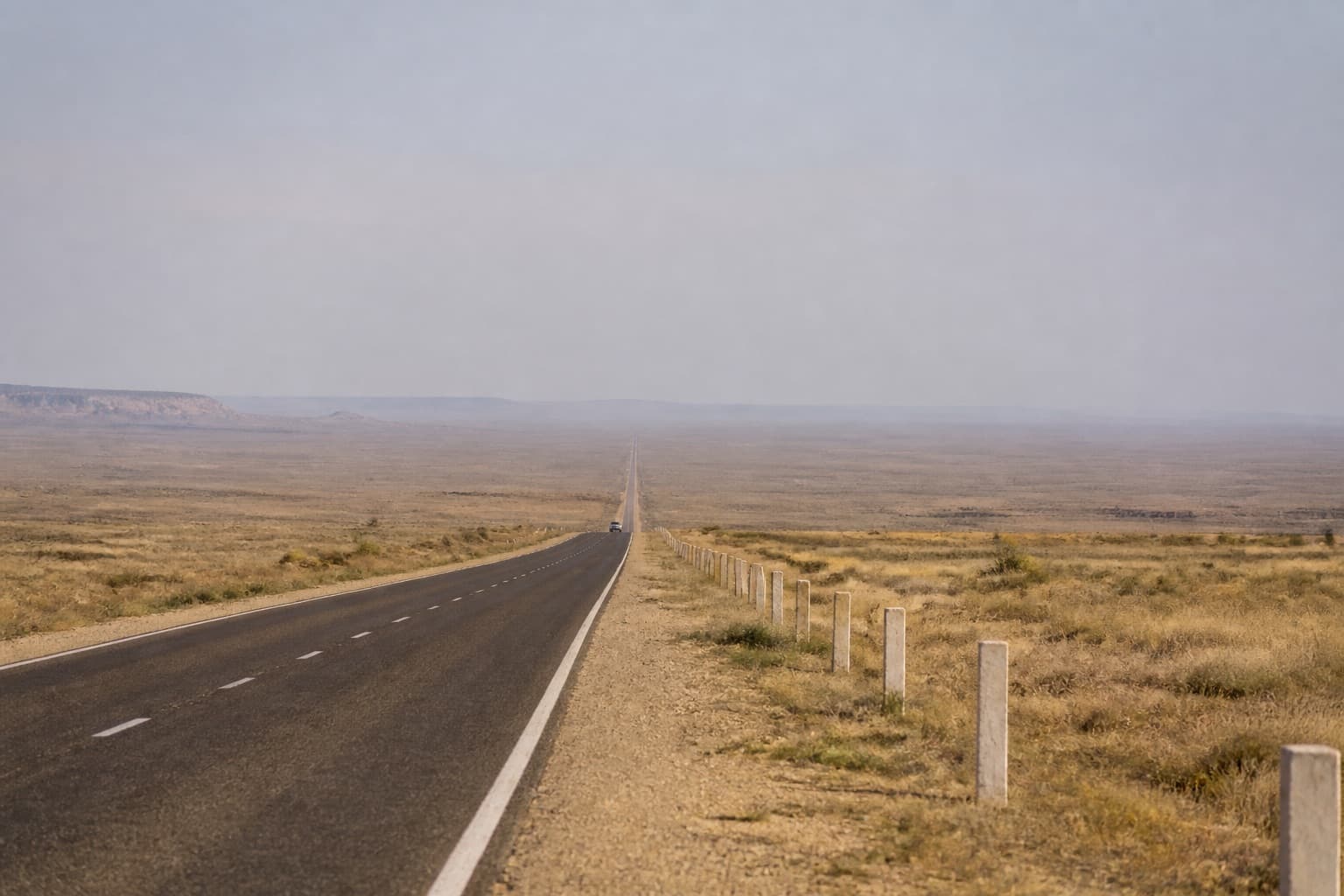
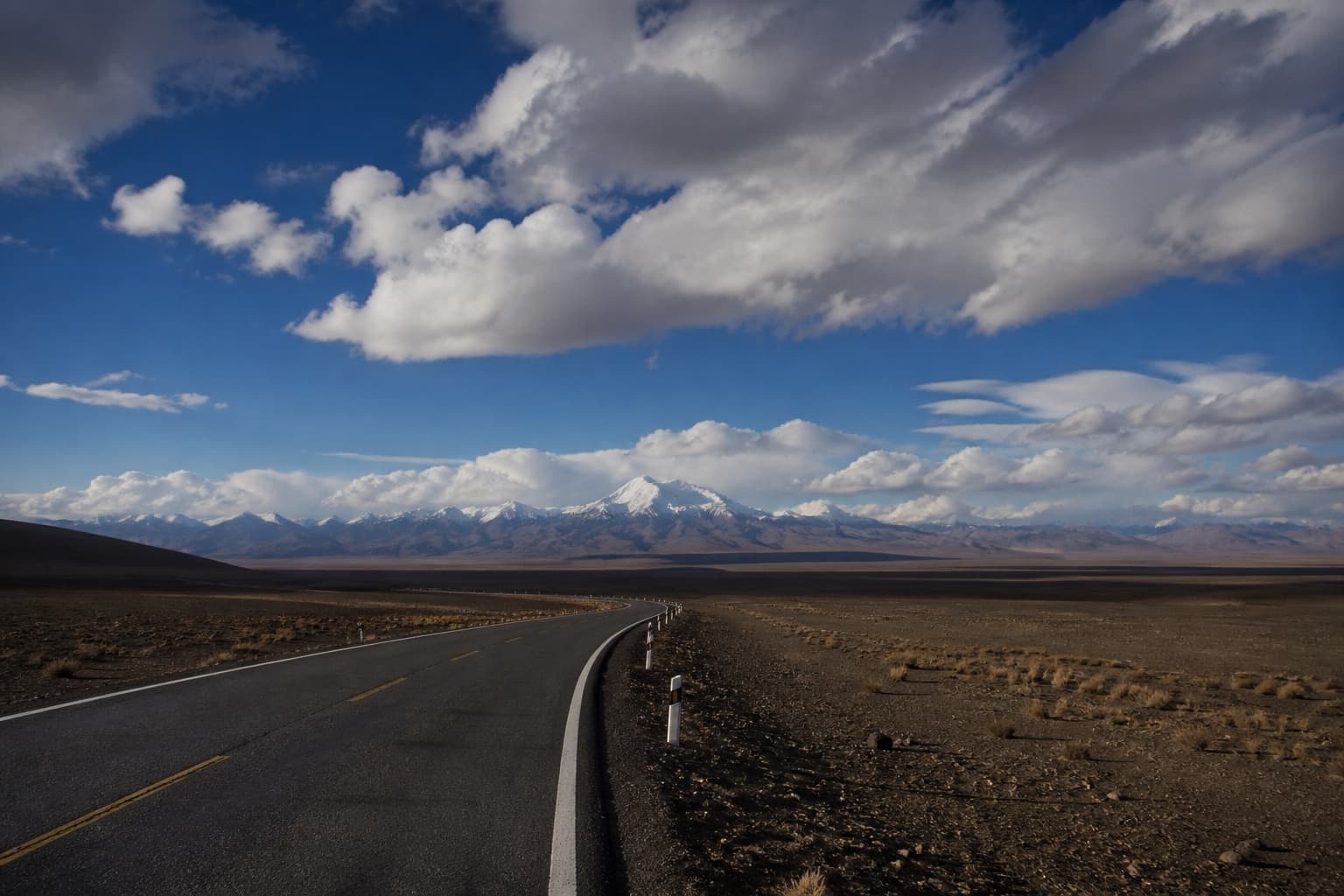
- Tage 4–5 — Westwärts zum Berg Kailash über lange, abgelegene Abschnitte des Hochlands bis zum Manasarovar-See und nach Darchen.
- Tage 6–8 — Kailash-Kora: Der dreitägige Pilgertrek um den heiligen Berg, über den Drolma La auf 5.630 Metern (18.471 Fuß), dann weiter nach Zanda.
- Tag 9 — Ruinen des Guge-Königreichs und die Erdwälder von Zanda.
- Tage 10–13 — Lange Rückfahrt durch den Norden vorbei am Dangra Yumtso, am Serling Tso und am Namtso nach Lhasa.
- Tag 14 — Abreise Lhasa.
Am besten für: erfahrene, einigermaßen fitte Reisende mit Zeit und Geduld für abgelegenes Fahren. Dies ist unsere 14-tägige Gruppenreise Mount-Kailash-Kora, Guge & Seen im Norden; wenn Sie den Everest auf derselben Reise möchten, ergänzt die 16-tägige Gruppenreise Everest, Mount-Kailash-Kora & Guge-Königreich eine Nacht am Basislager. Beachten Sie, dass die Region um Kailash im fernen Westen zusätzliche Genehmigungen erfordert, sodass diese Route mehr Vorlaufzeit braucht als andere.
Reiserouten auf einen Blick
| Reiseroute | Tage | Höchster Punkt | Fahrintensität |
|---|---|---|---|
| Lhasa-Fokus | 4 | 3.656 m | Minimal |
| Lhasa + Yamdrok | 5 | 4.790 m | Leicht |
| EBC überland | 8 | 5.200 m | Mittel bis stark |
| EBC langsameres Tempo | 10 | 5.200 m | Mittel |
| Kailash + Guge | 14 | 5.630 m | Stark |
Akklimatisierung in jede Route einbauen
Was auch immer Sie wählen, lassen Sie die Lhasa-Tage zu Beginn nicht aus. Zu schnell von der Ankunft in große Höhe zu gelangen ist der häufigste Planungsfehler. Ein gemessener Aufstieg, reichlich Wasser und ein leichter erster Tag machen den Unterschied, ob Sie das Hochland genießen oder ertragen. Mehr dazu in unserem Leitfaden zur Höhenkrankheit.
Ein Vorbehalt zur Zeitplanung
Tibet war für ausländische Touristen regelmäßig für einen kurzen Zeitraum um Ende Februar bis in den März geschlossen, auch wenn dies nicht jedes Jahr geschieht und die Termine variieren, sodass manche Jahre während dieser Zeit geöffnet bleiben. Wenn Ihre Termine nahe an diesem Fenster liegen, halten Sie Ihre Pläne flexibel und bestätigen Sie sie, bevor Sie Flüge buchen. Siehe beste Reisezeit für Tibet für eine Jahreszeit-für-Jahreszeit-Anleitung und unseren Leitfaden zu den Tibet-Reisekosten, um Ihre Route zu budgetieren.
Bereit, sich festzulegen? Vergleichen Sie all unsere Routen unter Tibet-Touren oder kontaktieren Sie uns, und wir passen eine Reiseroute an Ihre Zeit und Ihre Höhentoleranz an.
Planen Sie Ihre Tibet-Reise mit uns
Genehmigungen erledigt, lokale Guides, transparente Preise. Nennen Sie uns Ihre Termine und wir senden Ihnen eine maßgeschneiderte Route.
Häufige Fragen
Für die meisten Erstbesucher funktioniert eine 5- bis 8-tägige Reiseroute gut. Fünf Tage decken Lhasa plus einen heiligen See in entspanntem Tempo ab; sieben oder acht Tage fügen die Überlandreise zum Everest-Basislager hinzu. Beide bauen die Akklimatisierungstage ein, die die Reise angenehm machen.