The "travel accident insurance" bundled into most Tibet tours is not personal medical cover. Here's what it actually includes, and what to check for in your own policy before you fly.
Quick answer: Yes — arrange your own travel insurance for Tibet, separately from anything your tour operator provides. The "travel accident insurance" bundled into most tour prices is a thin, operator-liability policy, not a personal medical or evacuation plan. For the plateau, look for a policy that explicitly covers high-altitude travel and trekking at the elevations you'll reach, includes emergency medical evacuation and repatriation, and does not exclude acute mountain sickness. Buy it as soon as you book, before you pay any non-refundable deposits.
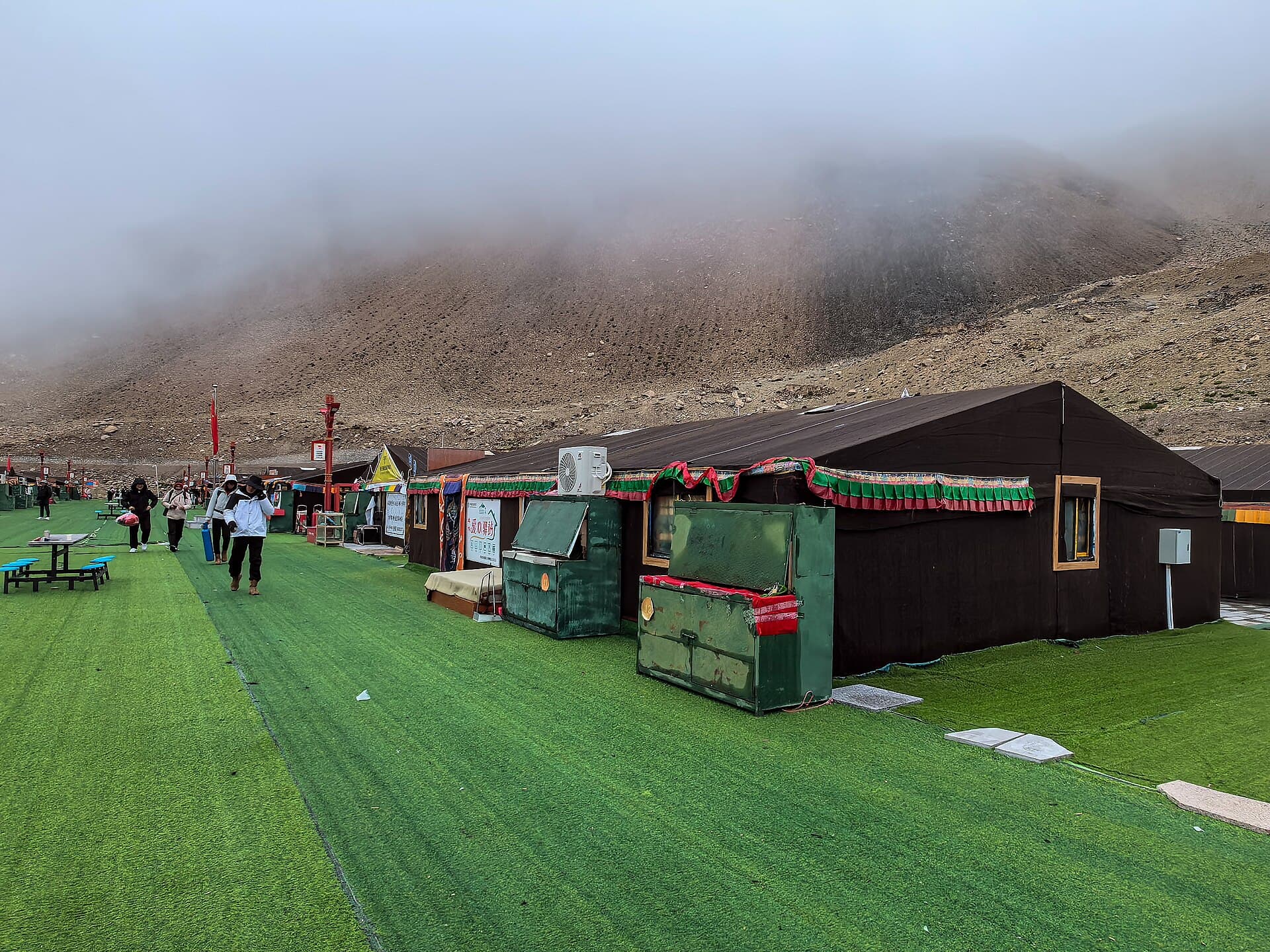
Tibet is one of the few trips where travel insurance genuinely changes the outcome of a bad day rather than just the paperwork afterward. Lhasa sits at 3,650 metres, Everest Base Camp at around 5,200 metres, and the Kailash kora crosses a pass above 5,600 metres — all a long way from a well-equipped hospital. This guide explains what your tour price already includes, where that falls short, and exactly what to check for in a personal policy before you go.
Why Insurance Matters More Here Than on an Ordinary Trip
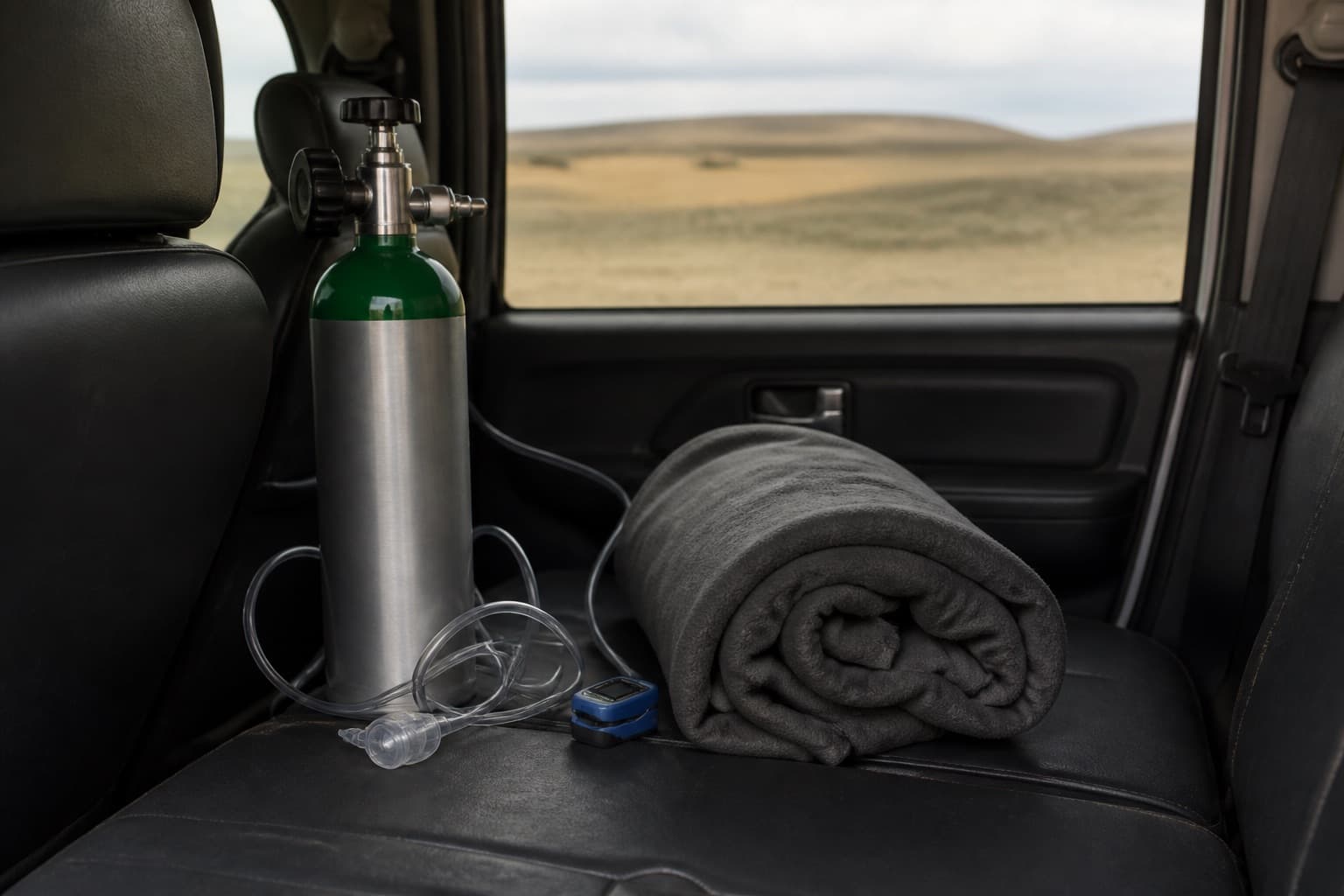
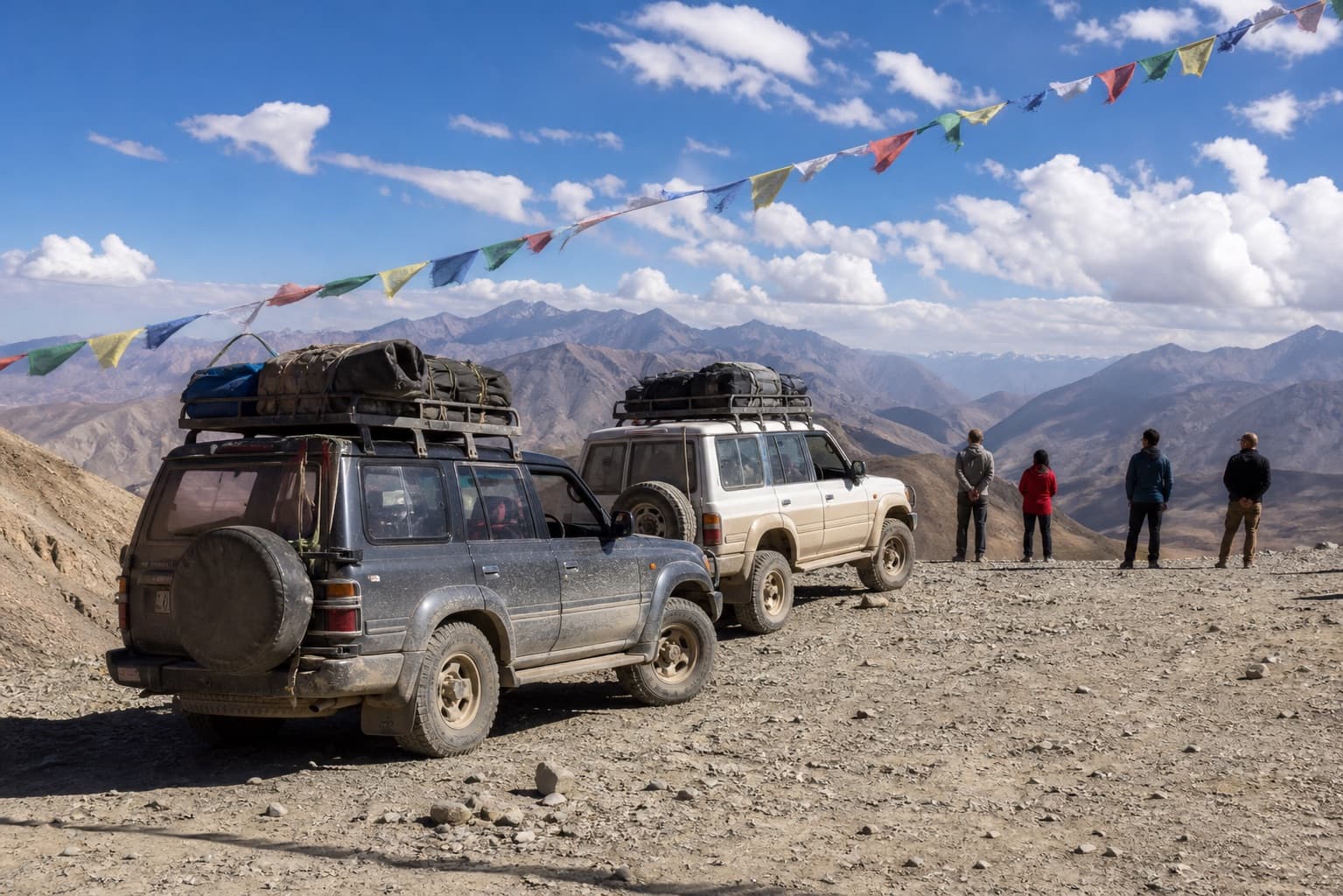
Two things make Tibet different from a typical overseas holiday. First, almost everywhere you'll go is high enough for altitude to be a real medical factor, and a serious altitude problem is treated by descending fast — which, on a remote stretch of the Friendship Highway or the Kailash kora, can mean a long and expensive vehicle or helicopter evacuation rather than a short ambulance ride. Second, hospitals here generally expect payment at the point of care, often in cash or by Chinese card, with reimbursement from your insurer coming later — so you want a policy with a claims process you understand before you need it, not after. Our health and medical guide and altitude sickness guide cover the medical side in detail; this page focuses on the insurance itself.
What Your Tour Price Already Includes — and Why It Isn't Enough
Look closely at almost any Tibet tour's inclusions and you'll see a line like "travel accident insurance" or "passenger and travel-agency liability insurance." This is real and it is included, but it is not the same thing as personal travel medical insurance. It typically exists to cover the tour operator's liability as a transport and activity provider — the kind of cover required to hold a tourism license — rather than your own medical bills, evacuation costs, trip cancellation, or lost baggage.
In practice this means:
- It may contribute something toward an accident on the tour, but it is not designed to fund a medevac from Everest Base Camp or the Kailash kora, or an extended hospital stay.
- It does not cover you before the tour starts or after it ends — your flights, your visa delays, your pre-trip cancellation risk.
- It says nothing about your belongings, missed connections, or a trip cut short by illness.
Treat the operator's included insurance as a legal baseline that comes with any licensed tour — not as the insurance that protects you. You still need your own policy, bought before you leave home.
What to Look for in Your Own Policy
Not every travel insurance policy that mentions "worldwide cover" will actually pay out in Tibet. Four things are worth checking line by line before you buy:
A high-altitude or trekking rider that matches your itinerary
Many standard policies cap cover at a fairly modest altitude, or exclude "mountaineering" and "trekking" activities altogether, sometimes regardless of elevation. If your itinerary reaches Everest Base Camp or includes the Kailash kora, check the policy's altitude limit and trekking definition against the highest point you'll actually stand on, not just the city you're flying into. Insurers vary a lot here, so read the policy wording rather than relying on a marketing summary.
Emergency medical evacuation and repatriation
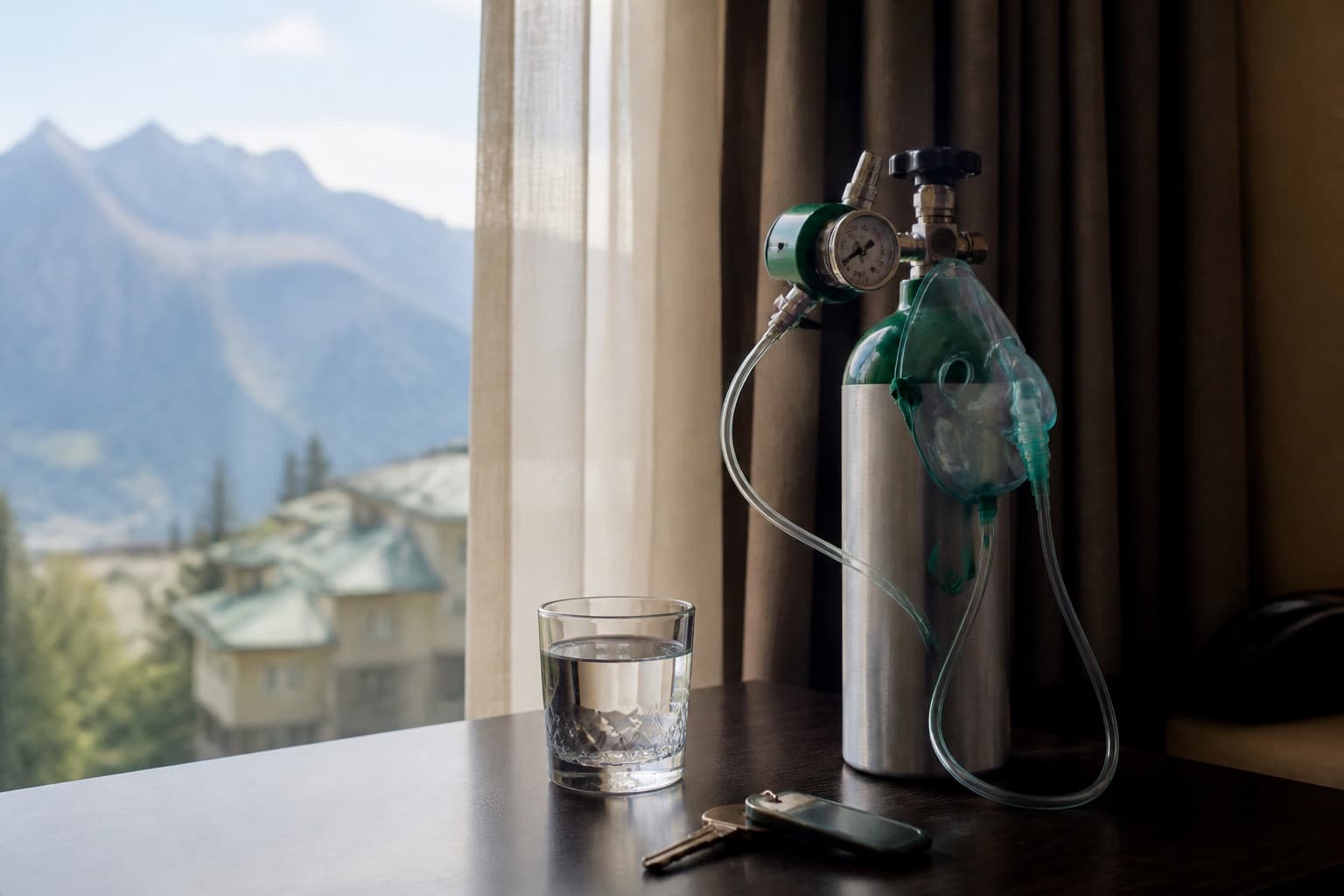
This is the single most important line item. In a remote region, the ability to get you to proper care — or home — matters more than almost any other feature of the policy. Confirm the policy pays for evacuation directly or guarantees payment to the provider, rather than only reimbursing you after the fact; a bill for a helicopter or long-distance ambulance transfer is not something most travelers can simply pay out of pocket and claim back later.
No blanket exclusion for altitude sickness
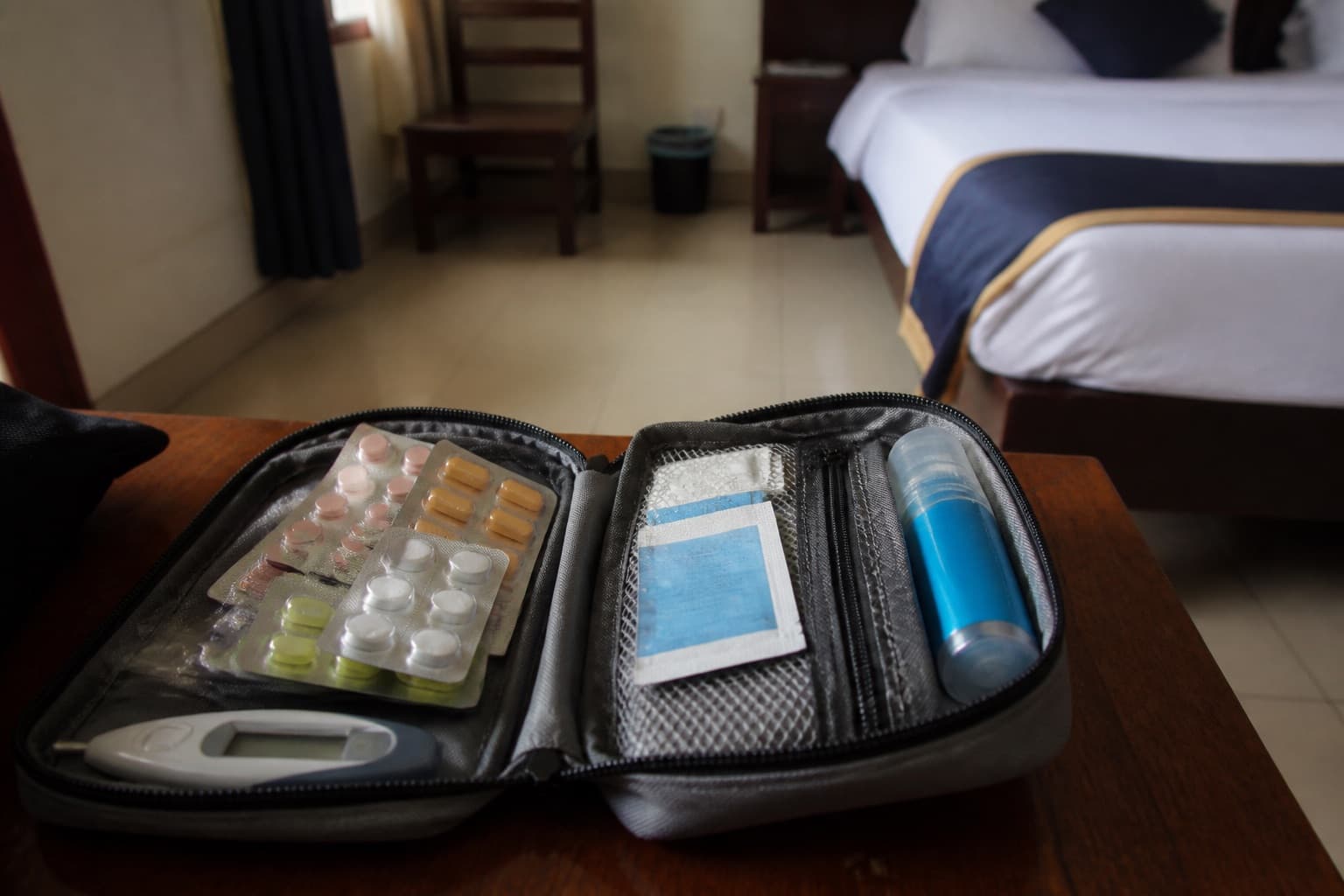
Acute mountain sickness is common and usually mild, but it is still a medical condition, and a few policies exclude altitude-related illness outright or treat it as a pre-existing condition if you've had it before. Ask directly, in writing, whether AMS and its complications (HAPE, HACE) are covered.
Trip cancellation and interruption
Tibet itineraries occasionally change at short notice because of weather on a high pass, road closures, or permit suspensions in a restricted area — the kind of disruption every tour operator's contract lists as outside its control. Your own cancellation and interruption cover is what protects the money you've already spent if a departure is delayed, cut short, or cancelled for reasons like these, or if you fall ill before you even arrive.
Crossing into Nepal: Don't Let Your Cover Stop at the Border
If your route follows the Lhasa–Kathmandu overland journey, check that your policy's geographic scope covers Nepal as well as China, not just one or the other. It's an easy detail to miss on a policy bought with only "Tibet" or "China" in mind, and the Gyirong border crossing is a long way from anywhere if you discover a gap in cover once you're through it.
When and How to Buy
Buy your policy as soon as you've booked and paid any deposit, not the week before you fly. Cancellation cover in particular usually only protects money you've already committed from the date you bought the policy onward — so insuring late means an early cancellation reason (a family emergency, a sudden illness) might not be covered at all. Keep a digital and printed copy of your policy number and a 24-hour emergency assistance line with you in Tibet; mobile signal is reliable in the cities but thins out on remote stretches, so your guide should also have the details in case you can't make the call yourself.
Your operator may ask to see proof of insurance before confirming your permit paperwork — this is normal and worth having ready rather than arranging at the last minute. If you're still working out the rest of your trip, our how to plan a Tibet trip guide walks through the full booking sequence, and the Tibet tour cost guide shows where insurance fits into your overall budget.
Where This Fits With the Rest of Your Planning
Insurance is one line on a longer checklist. Pair this with your Tibet Travel Permit paperwork, a packing list that matches the altitude on our what to pack for Tibet guide, and an honest look at your itinerary's elevation profile — whether that's the Everest Base Camp route or the Kailash kora and Guge Kingdom — so the policy you buy actually matches the trip you're taking.
Planen Sie Ihre Tibet-Reise mit uns
Genehmigungen erledigt, lokale Guides, transparente Preise. Nennen Sie uns Ihre Termine und wir senden Ihnen eine maßgeschneiderte Route.
Häufige Fragen
Most tours include a line called "travel accident insurance" or "passenger and travel-agency liability insurance." It's real, but it's a liability policy tied to the operator's tourism license, not a personal medical, evacuation, or cancellation plan for you. You still need your own travel insurance bought before you leave home.