Tibet belohnt Reisende, die gut planen. Von Genehmigungen und Zeitpunkt bis zu Höhe, Routen und Budget – hier ist eine klare, ehrliche Reihenfolge der Schritte, um aus einem Tagtraum einen bestätigten Reiseverlauf zu machen.
Kurze Antwort: Planen Sie in dieser Reihenfolge — Monat wählen, Route und Reisedauer festlegen, bei einer lizenzierten Agentur buchen und uns rund 20–30 Tage vor Abreise Scans von Pass und China-Visum senden, damit die Tibet-Reisegenehmigung rechtzeitig ausgestellt wird (üblich sind 7–10 Werktage, bei reglementierten Routen länger). Genehmigungen, Guide, Fahrer, Hotels und Transport vor Ort werden für Sie organisiert; Ihre echten Entscheidungen sind Zeitpunkt, Route und Budget.
Eine Reise nach Tibet zu planen wirkt zunächst entmutigend, vor allem weil sich die Regeln von überall sonst unterscheiden, wo Sie gereist sind. Die gute Nachricht ist, dass der Ablauf logisch ist, sobald man ihn der Reihe nach sieht, und fast jeder fummelige Schritt für Sie von Ihrer Agentur erledigt wird.
Dieser Leitfaden führt durch diese Reihenfolge, von der ersten Idee bis zur bestätigten Abreise, damit Sie stets wissen, was als Nächstes kommt.
Schritt 1: Verstehen, wie Tibet-Reisen funktionieren
Das Wichtigste, das man früh begreifen muss: Ausländische Reisende können die Autonome Region Tibet nicht unabhängig besuchen. Sie müssen als Teil einer organisierten Tour bei einer lizenzierten Reiseagentur reisen, begleitet von einem registrierten tibetischen Reiseleiter und einem privaten Fahrzeug mit Fahrer. Ihre Agentur organisiert Ihre Tibet-Reisegenehmigung, die Sie nicht selbst beantragen können.
Das klingt einschränkend, aber in der Praxis vereinfacht es die Planung enorm. Sobald Sie einen seriösen Veranstalter wählen, werden Papierkram, Transport und Logistik zu dessen Aufgabe, nicht zu Ihrer. Ihre Energie fließt in die Teile, die tatsächlich Spaß machen.
Schritt 2: Entscheiden, wann Sie reisen
Der Zeitpunkt prägt alles andere. Grob gesagt:
- April bis Anfang Juni und September bis Oktober gelten weithin als die idealen Zeitfenster, mit milderem Wetter und klarerem Himmel.
- Juli und August bringen Wärme und grüne Landschaften, aber auch die nachmittäglichen Schauer des Monsuns und Hochsaison-Andrang an den großen Stätten.
- Der Winter ist kalt und ruhig, doch Lhasa selbst ist oft sonnig und voller Pilger, mit weniger Besuchern und niedrigeren Preisen.
Ihre Prioritäten (Trekking, Feste, Fotografie, Budget) bestimmen das beste Zeitfenster. Unser Leitfaden zur besten Reisezeit für Tibet schlüsselt dies Saison für Saison auf.
Schritt 3: Route und Dauer wählen
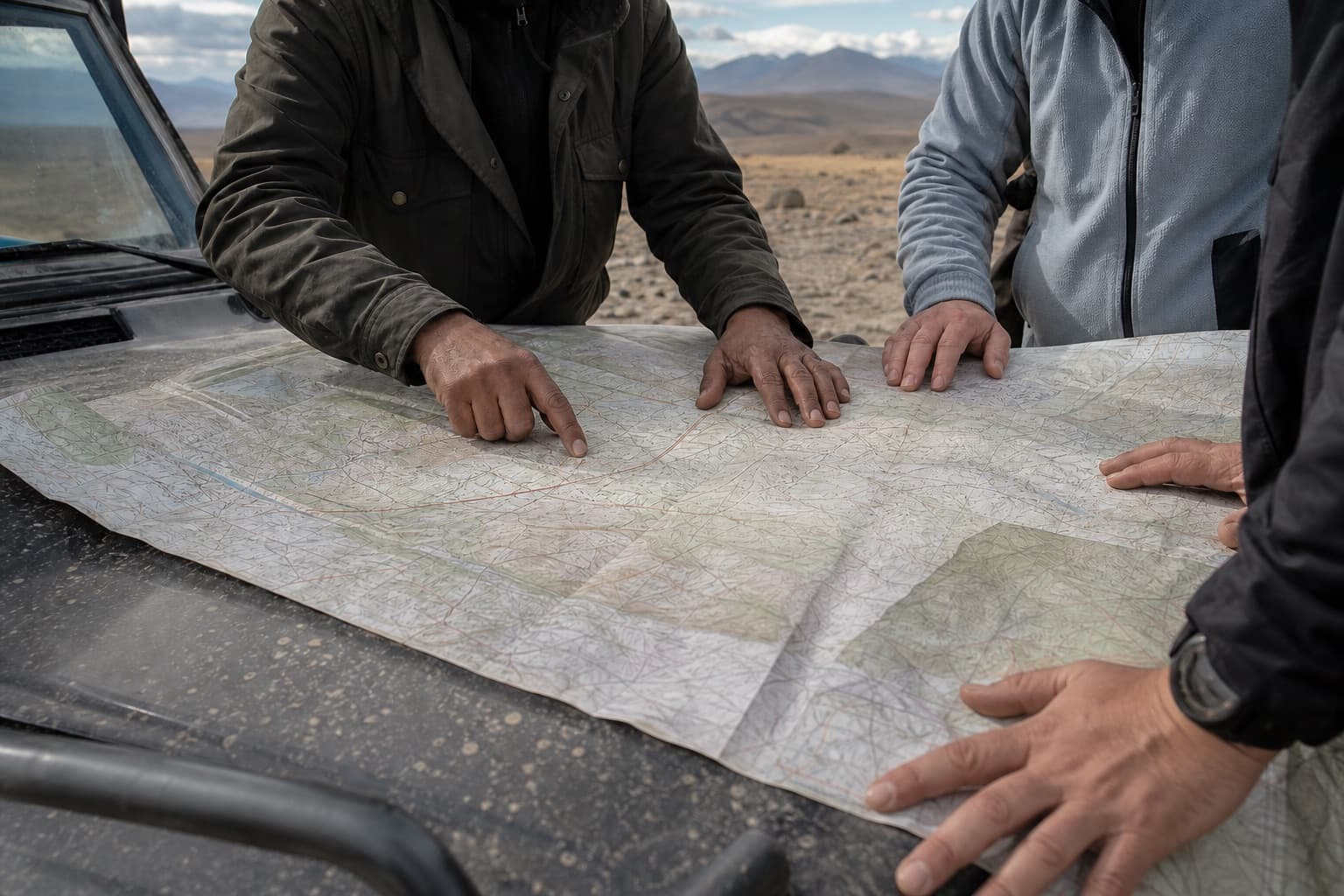
Für einen ersten Besuch sollten Sie sich Zeit zum Akklimatisieren geben, bevor Sie höher hinaufgehen. Ein klassischer Aufbau sieht so aus:
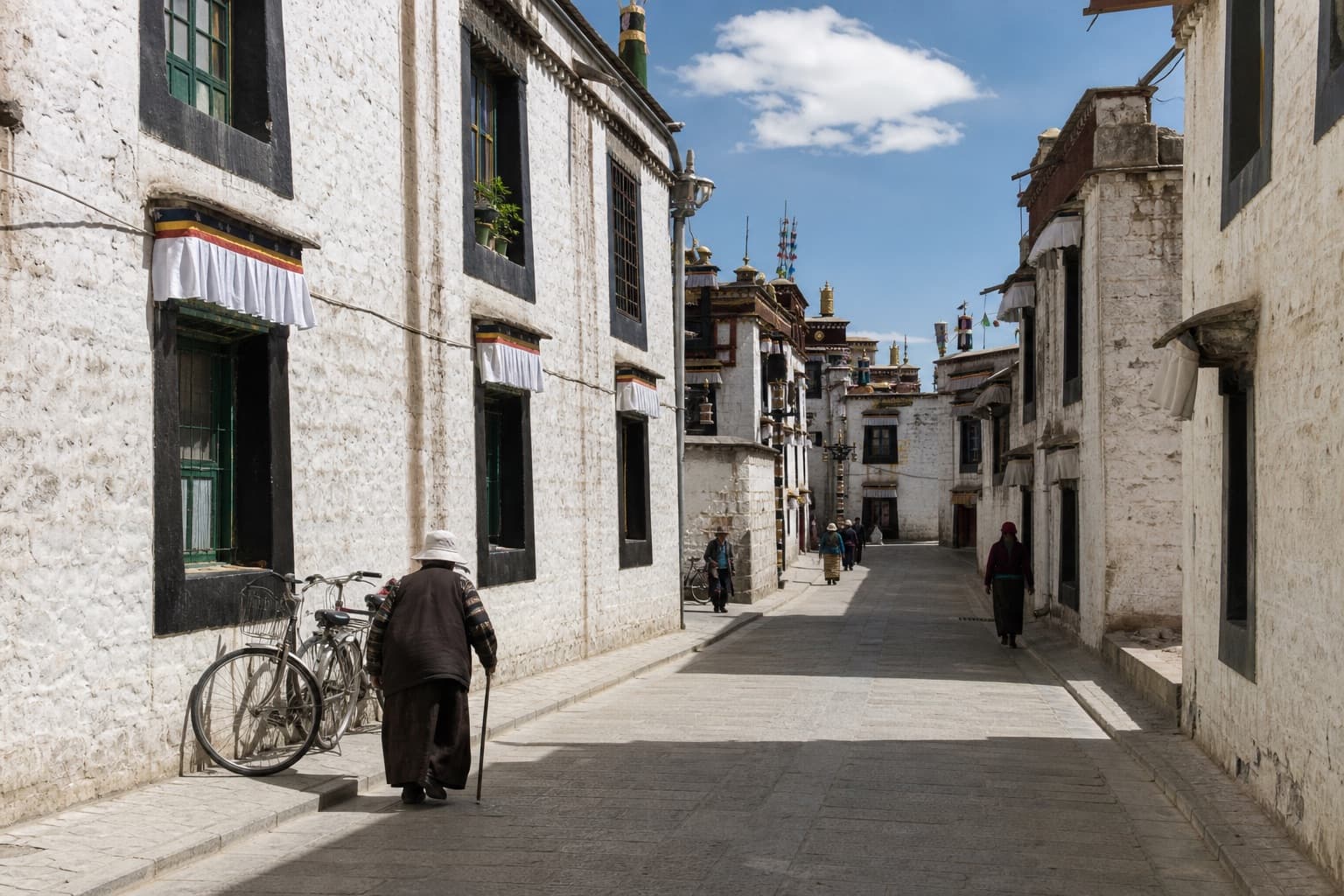
- Lhasa (3–4 Tage): der Potala-Palast, der Jokhang-Tempel, die Barkhor-Straße und nahe gelegene Klöster, während sich Ihr Körper an rund 3.650 Meter gewöhnt.
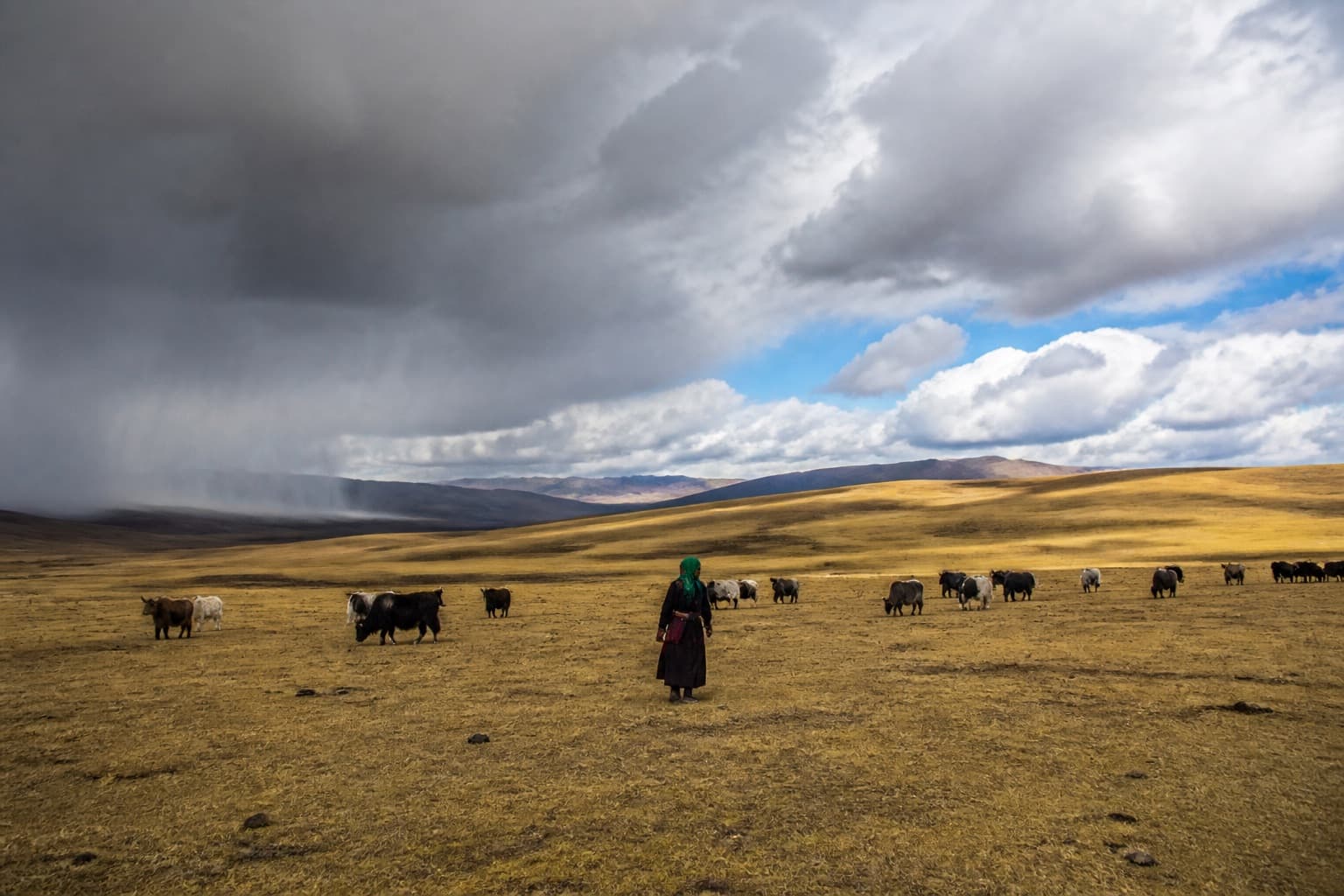
- Jenseits von Lhasa: Gyantse, Shigatse, der Yamdrok-See oder Namtso, jeweils mit allmählich zunehmender Landschaft und Höhe.
- Ehrgeizige Ergänzungen: das Everest-Basislager auf der tibetischen Seite oder die Kora um den Berg Kailash für die wirklich Abenteuerlustigen.
Eine Woche ist für die zentralen Höhepunkte angenehm. Everest- oder Kailash-Reiseverläufe brauchen in der Regel acht Tage oder mehr. Widerstehen Sie dem Drang, zu viel hineinzupacken; die Höhe bestraft Eile.
Schritt 4: Genehmigungen regeln (Ihre Agentur erledigt die Schwerarbeit)
Die Tibet-Reisegenehmigung ist für die Einreise verpflichtend und muss im Voraus organisiert werden. Gebiete außerhalb von Lhasa erfordern zusätzliche Dokumente, etwa eine Aliens’ Travel Permit, und abgelegene Regionen wie Kailash benötigen obendrein Militär- und Außenministeriums-Genehmigungen.
Um diese kümmern Sie sich nicht selbst. Sie senden Ihrer Agentur einen klaren Scan Ihres Reisepasses und China-Visums, und sie stellt den richtigen Satz für Ihre genaue Route zusammen. Planen Sie Vorlaufzeit ein, oft einige Wochen, da Genehmigungen vor der Ankunft ausgestellt werden. Eine vollständige Übersicht finden Sie in unserem Überblick zur Tibet-Reisegenehmigung.
Schritt 5: Für die Höhe planen
Lhasa liegt hoch, und viele Reisende spüren die dünne Luft schon am ersten Tag: Benommenheit, dumpfer Kopfschmerz, unruhiger Schlaf. Das ist normal und legt sich in der Regel innerhalb von ein bis zwei Tagen, wenn Sie es ruhig angehen.
- Verbringen Sie Ihre ersten 48 Stunden mit Ausruhen und langsamem Spazieren.
- Trinken Sie viel Wasser und vermeiden Sie anfangs Alkohol.
- Steigen Sie allmählich auf, statt direkt zu hohen Pässen zu springen.
- Sprechen Sie vor der Reise mit Ihrem Arzt, besonders über vorbeugende Medikamente.
Unser eigener Leitfaden zur Höhenkrankheit in Tibet behandelt Symptome und sinnvolle Vorsichtsmaßnahmen ausführlich.
Schritt 6: Realistisch budgetieren
Da jede Reise ausländischer Gäste eine geführte Tour ist, bündelt Ihr Angebot in der Regel Genehmigungen, Reiseleiter, Fahrer, Fahrzeug, Unterkunft und viele Eintrittsgelder. Das lässt Tibet pro Tag teurer wirken als vollständig unabhängige Reiseziele, bedeutet aber auch weniger Überraschungen.
Wenn Sie Veranstalter vergleichen, schauen Sie über die Schlagzeilenzahl hinaus. Fragen Sie genau, was enthalten ist, welche Mahlzeiten und Eintrittstickets abgedeckt sind und ob es Extras gibt, die Sie vor Ort zahlen. Ein transparentes Angebot ohne versteckte Gebühren ist mehr wert als eine niedrige Zahl mit Lücken. Unser Leitfaden zu den Tibet-Reisekosten erklärt die typischen Bestandteile.
Schritt 7: Für Extreme packen
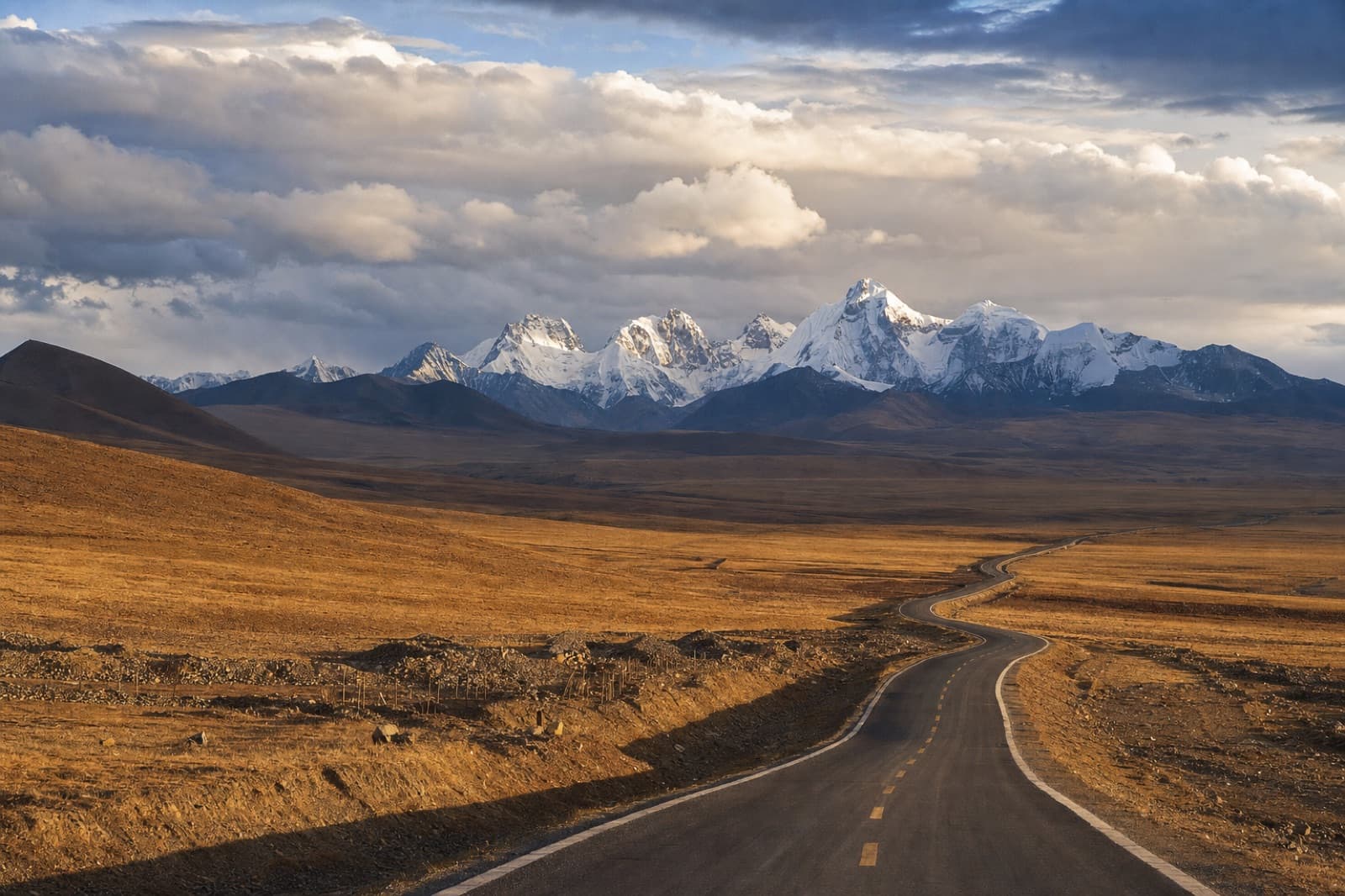
Das Hochland schwankt innerhalb weniger Stunden von starker Sonne bis nahe an den Gefrierpunkt, daher ist das Schichtenprinzip alles.
- Warme Zwischenschichten und eine winddichte Außenhülle, selbst im Sommer.
- Sonnencreme mit hohem Lichtschutzfaktor, Sonnenbrille und Lippenbalsam; die UV-Strahlung ist in der Höhe heftig.
- Bequeme, eingelaufene Wanderschuhe.
- Eine wiederbefüllbare Wasserflasche und etwaige persönliche Medikamente.
- Dezente Kleidung für Klöster, die Schultern und Knie bedeckt.
Schritt 8: Entscheiden, wie Sie hingelangen
Ihre Anreiseroute ist Teil des Plans und beeinflusst sowohl die Logistik als auch die Akklimatisierung. Die meisten Reisenden erreichen Tibet auf eine von zwei Arten:
- Mit dem Flugzeug, indem Sie aus einer Stadt auf dem chinesischen Festland wie Chengdu, Xining oder Peking nach Lhasa fliegen. Das ist schnell und bequem, doch da Sie direkt in der Höhe ankommen, müssen Sie Ihre ersten Tage besonders ruhig angehen.
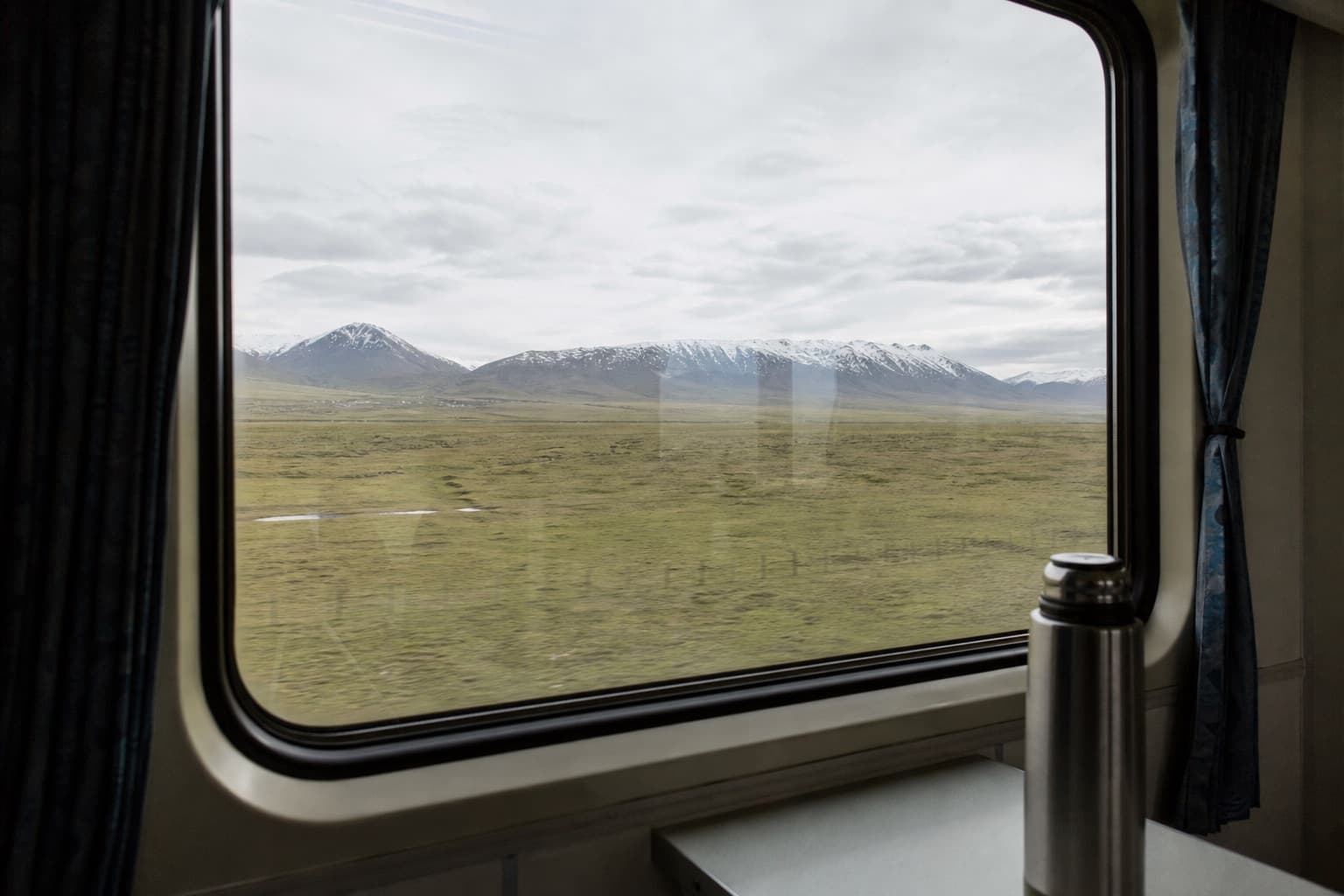
- Mit dem Zug, indem Sie auf der Hochgebirgsbahn über das Hochland fahren. Das dauert weitaus länger, ist aber eine denkwürdige Reise für sich, mit weiter Landschaft, und der allmähliche Anstieg kann manchen Reisenden helfen, sich an die Höhe heranzutasten.
Die Einreise aus Nepal ist auf bestimmten Reiseverläufen ebenfalls möglich, mit eigenen Genehmigungsüberlegungen. Was auch immer Sie wählen, Ihre Agentur stimmt Flüge oder Zugtickets auf Ihre Genehmigungsdaten ab, sodass die Teile in der richtigen Reihenfolge eintreffen.
Schritt 9: Auf die praktischen Details achten
Einige Kleinigkeiten machen die Reise erheblich reibungsloser:
- Geld: Die Kartenakzeptanz kann außerhalb größerer Einrichtungen lückenhaft sein, führen Sie daher etwas Bargeld für kleine Einkäufe, Trinkgelder und Märkte mit.
- Konnektivität: WLAN gibt es in vielen Hotels, kann aber in abgelegenen Gebieten langsam sein; passen Sie Ihre Erwartungen an und genießen Sie das Abschalten.
- Versicherung: Wählen Sie eine Reiseversicherung, die Reisen in großer Höhe und etwaige geplante Aktivitäten wirklich abdeckt.
- Dokumente: Bewahren Sie klare digitale und gedruckte Kopien Ihrer Reisepass-, Visa- und Genehmigungsdaten auf.
Schritt 10: Buchen, dann entspannen
Sobald Ihre Daten, Route und Ihr Veranstalter feststehen, fügt sich der Rest zusammen. Bestätigen Sie Ihren Reiseverlauf, senden Sie Ihre Dokumente, zahlen Sie Ihre Anzahlung und überlassen Sie Ihrer Agentur Genehmigungen und Logistik. Von da an besteht Ihre Hauptaufgabe darin, ausgeruht, gut hydriert und bereit anzukommen, um es langsam angehen zu lassen.
Tibet ist kein Reiseziel, das man durchpowert. Die Reisenden, die es am meisten lieben, sind diejenigen, die ihm Zeit geben, tief durchatmen und die Landschaft das Tempo bestimmen lassen.
Planen Sie die Reihenfolge, verlassen Sie sich bei den schwierigen Teilen auf Ihren Veranstalter, und der Rest von Tibet öffnet sich wunderbar. Wenn Sie bereit sind, eine Route zu gestalten, durchstöbern Sie unsere Tibet-Touren oder treten Sie über Kontakt für einen maßgeschneiderten Plan mit uns in Verbindung.
Planen Sie Ihre Tibet-Reise mit uns
Genehmigungen erledigt, lokale Guides, transparente Preise. Nennen Sie uns Ihre Termine und wir senden Ihnen eine maßgeschneiderte Route.
Häufige Fragen
Beginnen Sie mindestens ein bis zwei Monate im Voraus, und früher bei Hochsaison oder abgelegenen Routen wie Everest oder Kailash. Ihre Agentur braucht Vorlaufzeit, um die Tibet-Reisegenehmigung zu organisieren, die vor der Ankunft ausgestellt wird, und beliebte Termine sind schnell ausgebucht. Eine frühe Buchung gibt Ihnen außerdem mehr Auswahl bei Reiseleitern, Fahrzeugen und Unterkünften.