Un plan práctico de aclimatación día a día para el Tíbet: cómo pasar tus primeras 48 horas en Lhasa, cómo ascender con seguridad y las señales de alarma ante las que actuar.
Respuesta rápida: Dedica tus dos primeros días en Lhasa (3.650 m) a no hacer casi nada exigente, bebe mucha más agua de lo habitual, evita el alcohol y come ligero. A partir del tercer día asciende de forma gradual y sigue la regla del montañero: dormir más bajo que el punto más alto alcanzado ese día. La mayoría siente dolor de cabeza leve y duerme mal las primeras 48 horas; es normal y suele pasar.
La altitud es el mayor reto físico de un viaje al Tíbet, y la buena noticia es que en gran medida se puede gestionar con un plan sensato. La mayoría de los viajeros se aclimatan bien haciendo unas pocas cosas sencillas de forma constante: llegar despacio, descansar al principio, ascender gradualmente e hidratarse a fondo. Esta guía lo convierte en un plan concreto, día a día, que puedes seguir.
Este artículo complementa nuestra guía más amplia sobre el mal de altura; aquí el foco está en el calendario.
Los principios fundamentales
Todo lo que sigue se apoya en un puñado de reglas que los montañeros tienen interiorizadas:
- Descansa primero. Tu principal tarea en las primeras 48 horas en altitud es hacer muy poco.
- Asciende gradualmente. Como guía aproximada, una vez que vayas subiendo, procura elevar tu altitud de descanso no más de unos 300-400 metros al día.
- "Sube alto, duerme bajo". Subir más alto durante el día está bien, siempre que vuelvas a bajar para dormir más abajo.
- Hidrátate de forma intensa. La aclimatación provoca pérdida de líquidos; procura beber unos 4 litros de agua (o más) al día.
- Evita el alcohol y modera los esfuerzos intensos en los primeros días.
- Come bien. Una dieta rica en calorías ayuda a tu cuerpo a adaptarse.
Ten presentes estas pautas y el plan día a día que sigue prácticamente se ocupa solo.
Día 1: llegada a Lhasa (≈3.650 m)
Lhasa se sitúa a unos 3.650 metros y, para la mayoría de los visitantes, esta es la altitud a la que el cuerpo tiene que adaptarse por primera vez. Hoy se trata de no hacer casi nada.
- Nada de actividad intensa. Ni senderismo, ni gimnasio, ni caminar rápido, ni cargar maletas escaleras arriba.
- Regístrate y acomódate. Un paseo corto y tranquilo cerca de tu hotel es lo máximo que deberías intentar.
- Empieza a beber agua de inmediato y mantenlo.
- Come una comida en condiciones, aunque tengas poco apetito.
- Espera síntomas leves. Un dolor de cabeza ligero, algo de falta de aire o un sueño entrecortado la primera noche son habituales y suelen pasarse.
Resiste la tentación de "aguantar el tirón" haciendo turismo el día de llegada. Darle ahora tiempo a tu corazón y a tus pulmones da sus frutos durante el resto del viaje.
Día 2: turismo suave por Lhasa
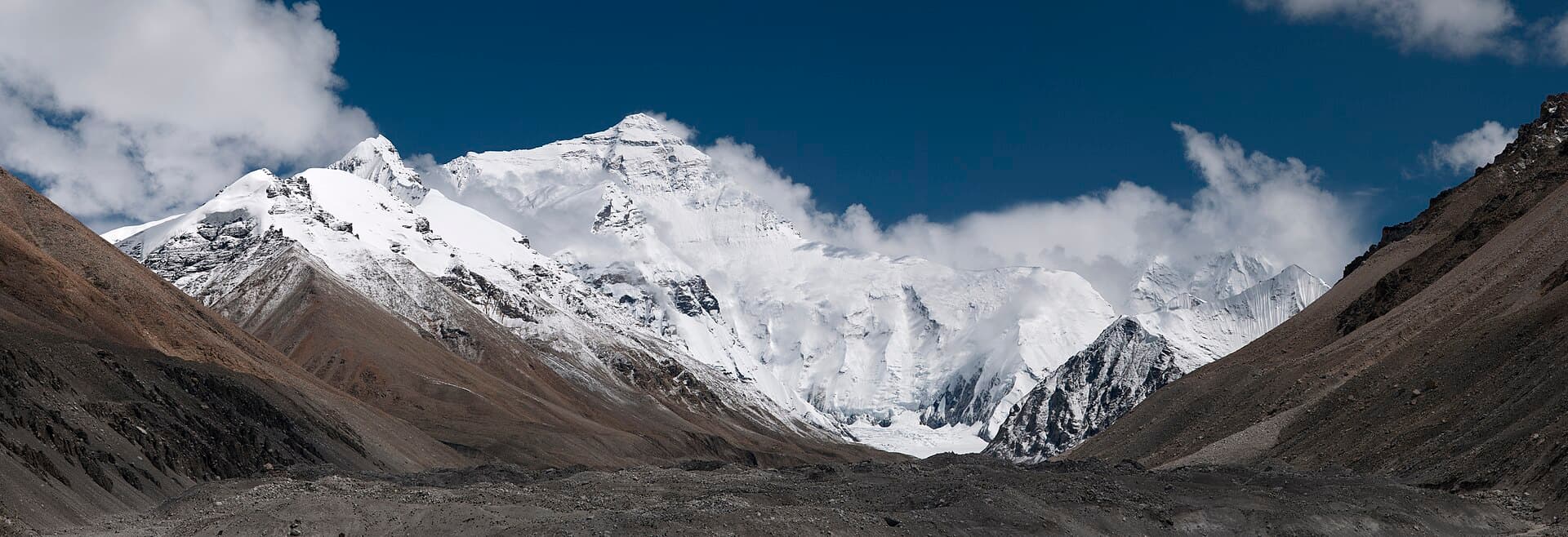
Con una noche a tus espaldas, puedes empezar un turismo suave y de poco esfuerzo; precisamente por esto funciona un itinerario que empieza por Lhasa.
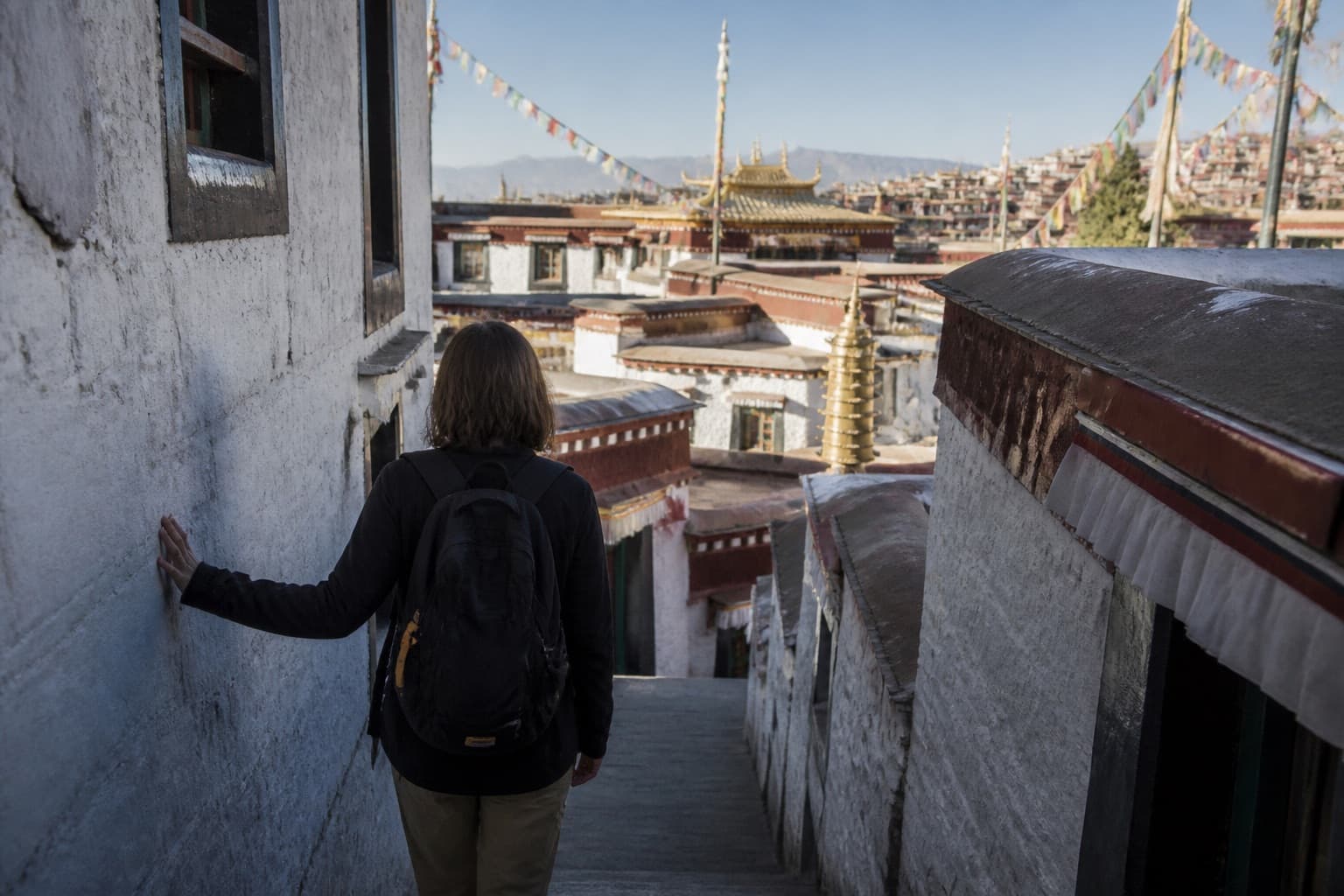
- Visita lugares céntricos y de poco esfuerzo: el Templo de Jokhang y un paseo tranquilo por el Barkhor son ideales.
- Reduce las subidas al mínimo. Si hoy te enfrentas a las numerosas escaleras del Potala, ve despacio y con pausas frecuentes.
- Continúa con una hidratación intensa y una buena alimentación.
- Escucha a tu cuerpo y comunica a tu guía cualquier empeoramiento.
Día 3: segundo día completo antes de subir más alto
Recomendamos al menos dos días completos en Lhasa antes de ascender a destinos más altos. Aprovecha este día para consolidar tu adaptación.
- Añade un poco más de actividad —los monasterios de Drepung o Sera— manteniéndote dentro de límites cómodos.
- Al final de hoy, la mayoría de los viajeros se sienten notablemente mejor que a la llegada.
- Esta es tu plataforma: solo sube más alto cuando Lhasa te resulte manejable.
Para dar forma al itinerario, consulta cuántos días en el Tíbet y nuestra página de tours por el Tíbet.
Días 4 en adelante: ascender gradualmente
Una vez que dejas Lhasa rumbo a lugares más altos, aplica las reglas de ascenso gradual y de "sube alto, duerme bajo". Una ruta bien diseñada lo hace por ti, subiendo por cotas intermedias en lugar de saltar directamente al punto más alto.
| Día | Parada de ejemplo | Altitud de descanso aprox. | Nota |
|---|---|---|---|
| 1-3 | Lhasa | ~3.650 m | Descanso y aclimatación |
| 4 | Gyantse / Shigatse | ~3.900-4.000 m | Subida modesta |
| 5 | Zona de Tingri | ~4.300 m | Punto de etapa más alto |
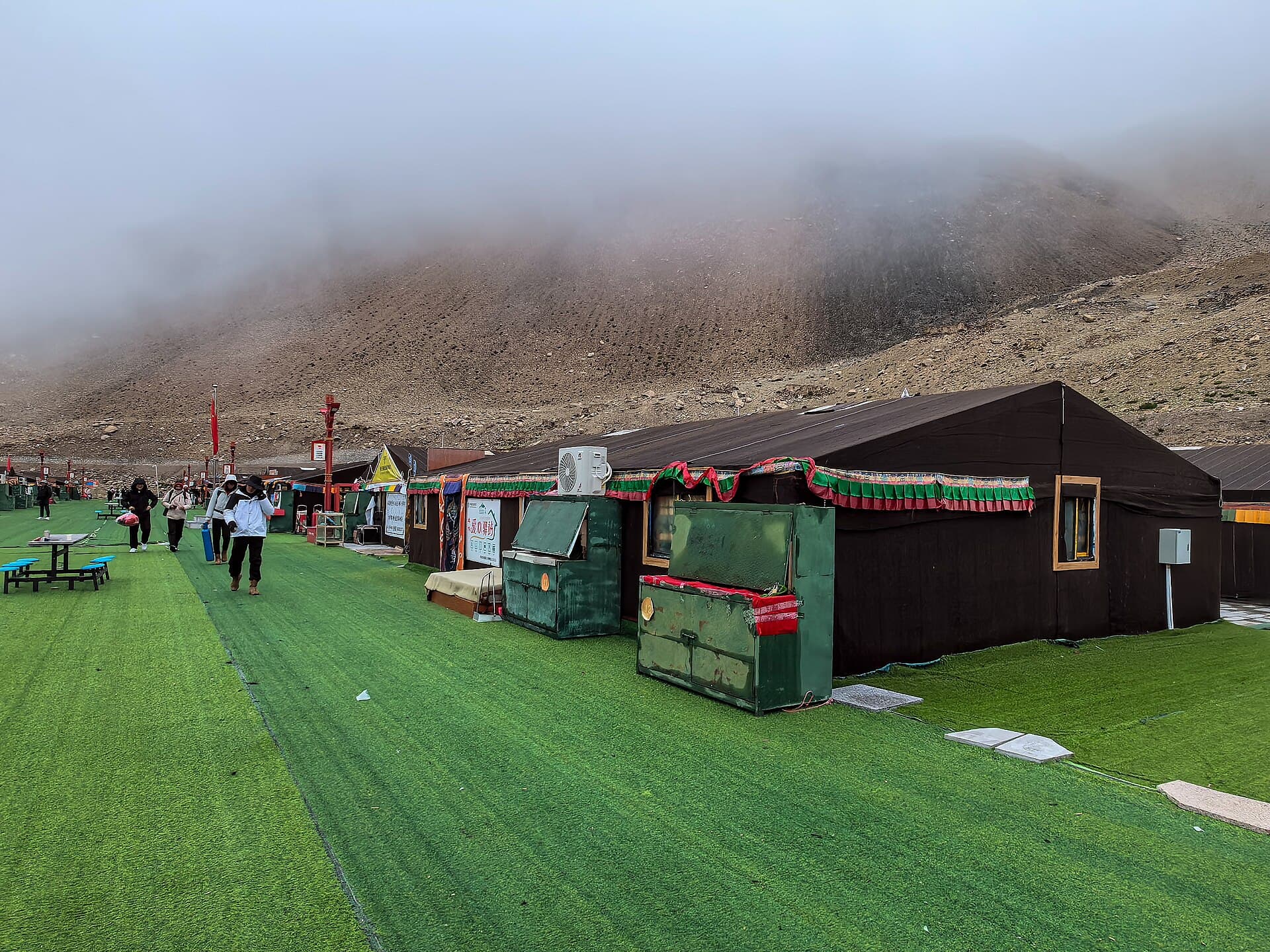
| 6 | Zona del Campo Base del Everest | ~5.150-5.200 m | Noche más alta; espera un sueño ligero |
Esto es ilustrativo —tu ruta exacta varía—, pero muestra el principio: ir subiendo por etapas. Un salto como ir de Lhasa directamente al Campo Base del Everest sin noches intermedias es justo lo que hay que evitar. Nuestro tour en grupo de 9 días a Lhasa, el Campo Base del Everest y el lago Namtso sigue el mismo principio, con tres noches en Lhasa y una en Shigatse antes de la noche en el campo base.
Hidratación y dieta: detalles concretos
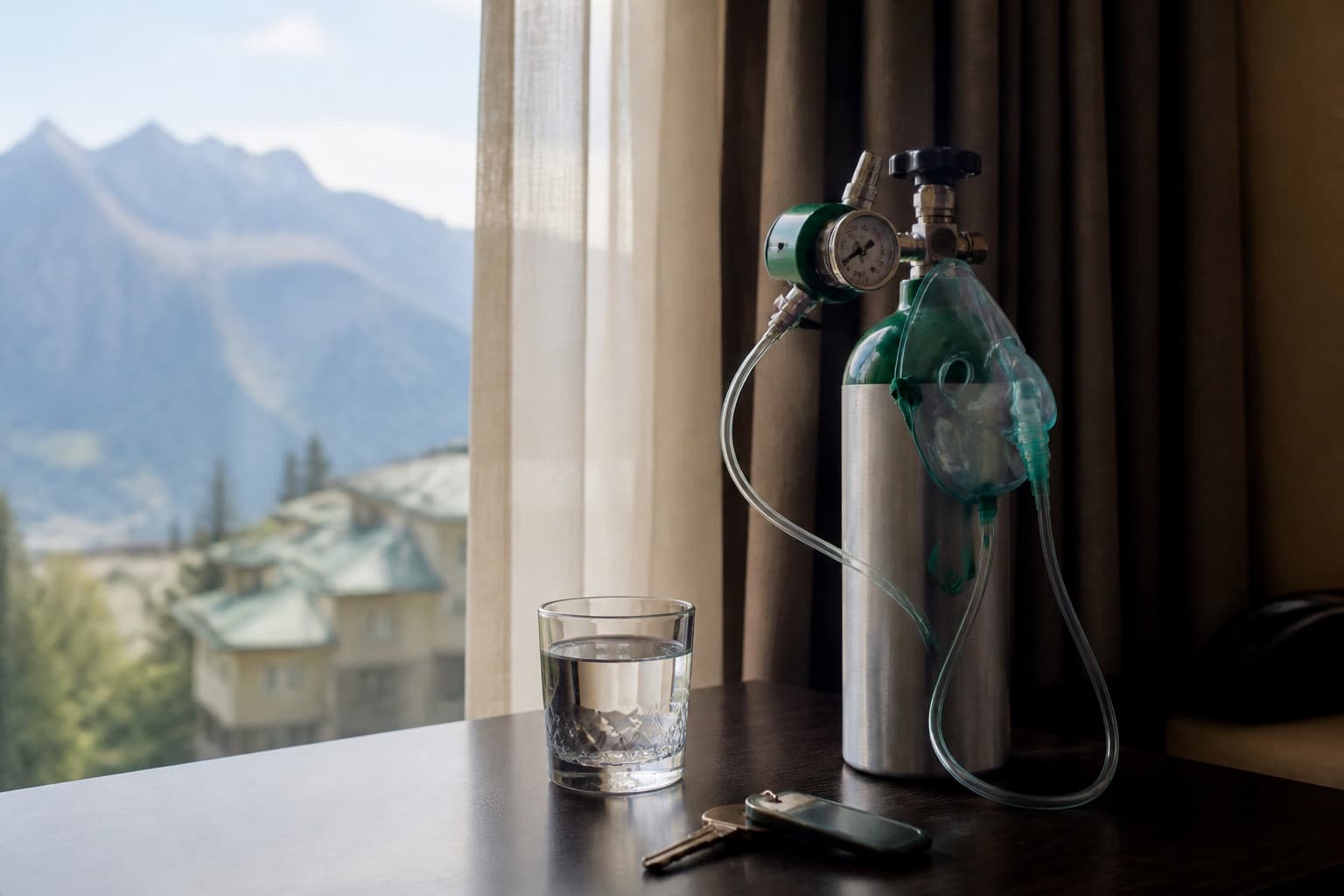
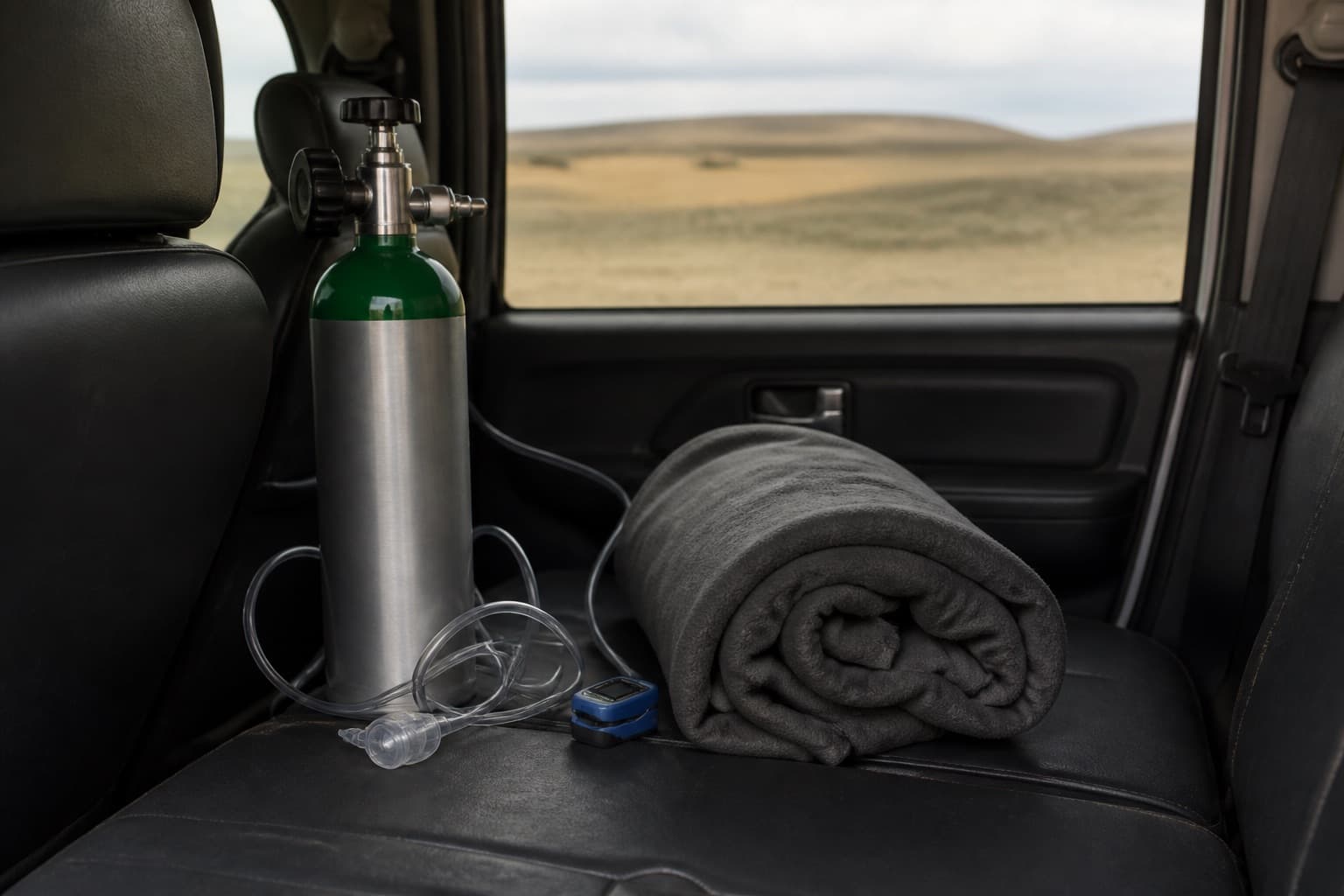
- Agua: procura beber unos 4 litros al día; lleva una botella rellenable. Las sales de rehidratación oral, los zumos, la sopa e incluso remedios tradicionales como un caldo con sabor a ajo los usan los viajeros para mantener líquidos y sales.
- Comida: opta por comidas calientes y ricas en calorías; no te saltes la comida solo porque baje el apetito.
- Evita el alcohol, sobre todo los primeros días: empeora la deshidratación y enmascara cómo te encuentras realmente.
Medicación: habla con tu médico
Algunos viajeros toman acetazolamida (Diamox) para acelerar la aclimatación. Advertencias importantes:
- Puede ayudar a la aclimatación, pero no enmascara los síntomas: aun así tienes que vigilar cómo te sientes.
- Es un medicamento con receta: coméntalo con tu propio médico antes del viaje, incluyendo dosis y efectos secundarios.
- Es una ayuda, no un sustituto de un ritmo sensato y una buena hidratación.
Señales de alarma: cuándo actuar
Los síntomas leves (dolor de cabeza ligero, náuseas leves, falta de aire con el esfuerzo, mal sueño la primera noche) son habituales y suelen mejorar con descanso y líquidos. Pero ciertas señales significan que debes dejar de ascender y avisar a tu guía de inmediato:
- Un dolor de cabeza intenso o que empeora y no responde al descanso ni a los analgésicos
- Vómitos persistentes
- Falta de aire en reposo
- Confusión, mareo intenso, pérdida de coordinación o somnolencia inusual
Estos pueden indicar una enfermedad de altura grave. El tratamiento más fiable es descender. No aguantes a la fuerza, y no dejes que el orgullo te haga seguir subiendo. Tu guía tiene experiencia en esto y es tu primer punto de contacto.
Una tranquilidad realista
La gran mayoría de los viajeros —a menudo se cita más del 90%— se adaptan bien siguiendo estos fundamentos. No hace falta ser un atleta; hace falta ser paciente. Descansa a la llegada, dale a Lhasa dos días completos, sube por etapas, bebe mucha más agua de la que te parezca natural y habla pronto si algo va mal.
Haz eso, y la altitud se convierte en el telón de fondo de un viaje inolvidable en lugar de en aquello que lo descarrila. ¿Quieres una ruta diseñada en torno a un ritmo seguro? Ponte en contacto, o empieza con nuestra guía para tu primer viaje al Tíbet.
Planifica tu viaje al Tíbet con nosotros
Permisos gestionados, guías locales y precios transparentes. Cuéntanos tus fechas y te enviaremos un itinerario a medida.
Preguntas frecuentes
Al menos dos días completos antes de ascender a destinos más altos. Dedica el día de llegada a descansar, casi sin actividad, y luego ve incorporando un turismo suave y de poco esfuerzo. Al final del segundo día completo, la mayoría de los viajeros se sienten notablemente mejor y pueden empezar a subir más alto.