El Tíbet es una de las regiones con menor criminalidad de China, y las verdaderas consideraciones de seguridad son la altitud, el clima y las distancias, más que la delincuencia. Aquí tienes una mirada honesta y práctica a lo que esperar y cómo viajar bien.
Respuesta rápida: Sí, para la gran mayoría de viajeros. La delincuencia violenta y los robos son muy escasos, y los riesgos reales son ambientales más que sociales: la altitud sobre todo, después el sol intensísimo de la meseta, las largas conducciones de montaña y los tramos remotos con instalaciones médicas limitadas. La obligación de llevar guía, se juzgue como se juzgue, también implica que nunca estás lejos de alguien que conoce el terreno.
Si te preguntas si el Tíbet es seguro para visitarlo, la respuesta honesta es que para la gran mayoría de los viajeros lo es, y las cosas para las que conviene prepararse probablemente no sean las que esperas. La delincuencia es muy baja. Las consideraciones genuinas son la altitud, el entorno de alta montaña, las largas distancias de viaje y una planificación sensata. Esta guía te ofrece un panorama claro y práctico.
Delincuencia: muy baja
El Tíbet tiene una de las tasas de criminalidad más bajas de China, y los turistas muy rara vez encuentran problemas de seguridad. Los delitos violentos contra visitantes extranjeros son prácticamente inauditos. Como en cualquier lugar con visitantes, los riesgos realistas son menores: cuestiones leves como cobros excesivos en zonas turísticas concurridas o precios inflados ocasionales. El sentido común básico, vigilar tus pertenencias entre la multitud y acordar precios antes de comprar, lo cubre.
A esto ayuda la estructura de viajar aquí. Como los visitantes extranjeros viajan en un tour organizado con un guía y un conductor autorizados, siempre tienes a personas locales de confianza cuidando la logística, lo que elimina gran parte de la fricción y la incertidumbre que el viaje en solitario puede traer en otros lugares. Desde el momento en que aterrizas en Lhasa, alguien que conoce el lugar se ocupa de los traslados, los registros de entrada y el plan del día, de modo que los pequeños estreses que pueden hacer que los destinos desconocidos parezcan arriesgados quedan en gran medida fuera de tu plato.
El verdadero factor de seguridad: la altitud
La consideración de salud y seguridad más importante en el Tíbet no es la delincuencia; es la altitud. Lhasa está a 3.656 metros y gran parte de la meseta está más alta. Casi todo el mundo siente algún efecto leve a la llegada, y aunque la enfermedad de altura grave es poco común con un ritmo sensato, es lo que hay que tomarse en serio.
Lo esencial:
- Aclimatízate con calma durante el primer día o dos antes de subir más alto.
- Conoce las señales de advertencia de la enfermedad de altura grave y actúa ante ellas.
- Asciende de forma gradual y mantente hidratado.
Lo cubrimos en profundidad en nuestra guía sobre el mal de altura. Un itinerario bien dosificado que empiece con calma en Lhasa es la mejor salvaguarda, que es como construimos nuestros tours.
Otras consideraciones prácticas
El clima y el entorno de alta montaña
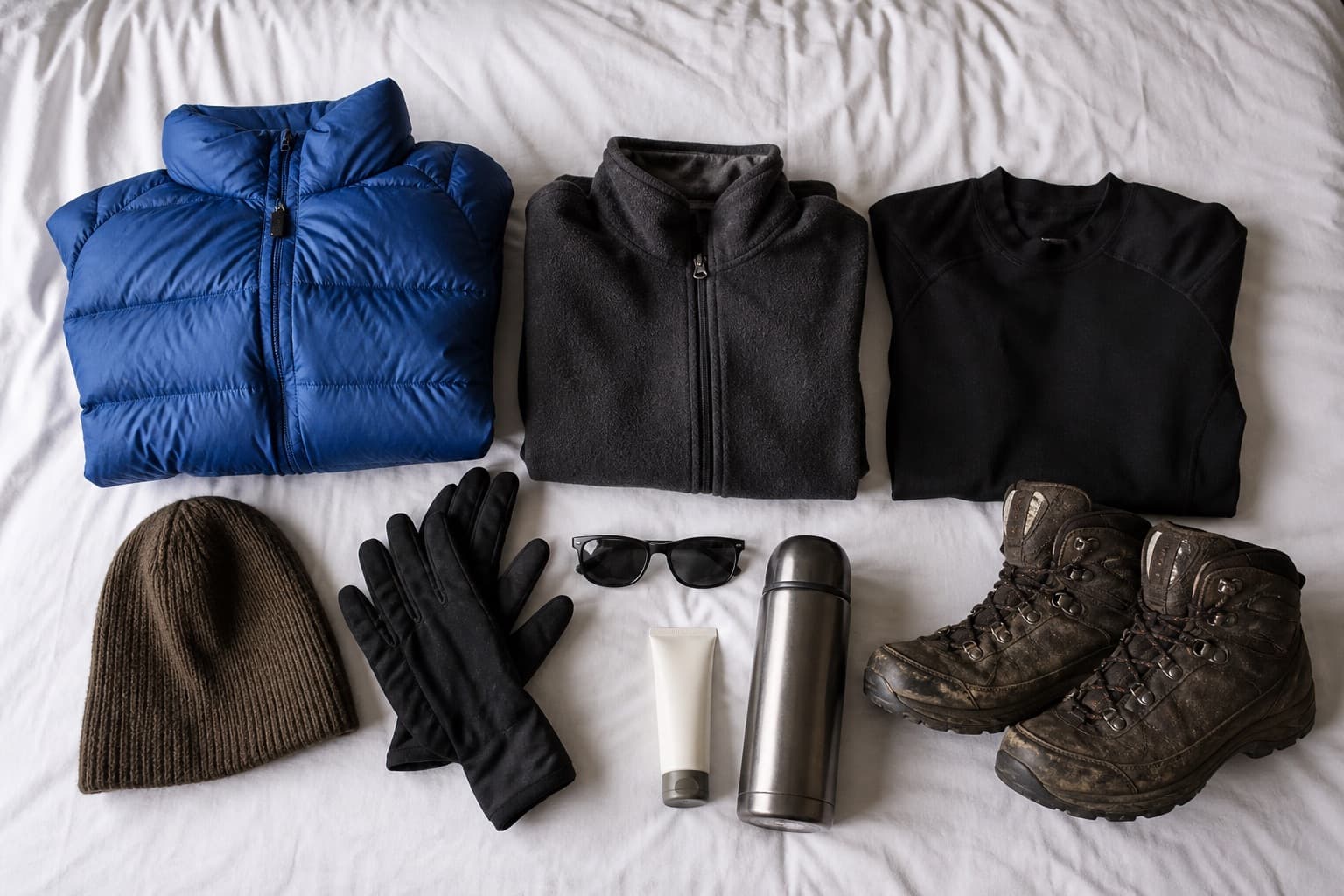
El clima de montaña cambia rápido, el sol es intenso y los pasos altos pueden ser fríos y ventosos incluso en verano. Vístete por capas, protégete del fuerte UV y sigue los consejos de tu guía sobre las condiciones. Consulta qué llevar y el clima mes a mes.
Largas distancias y viaje por carretera
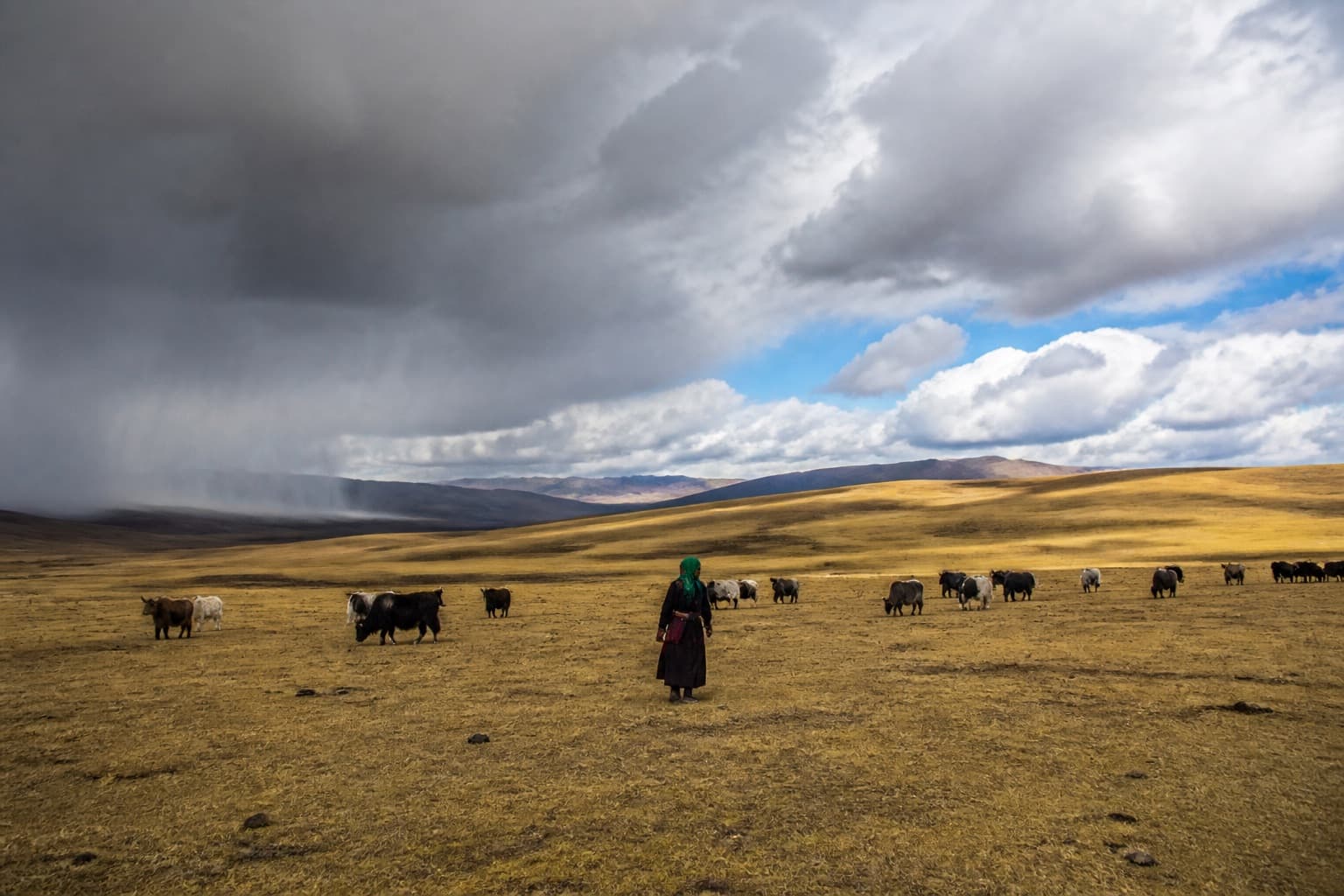
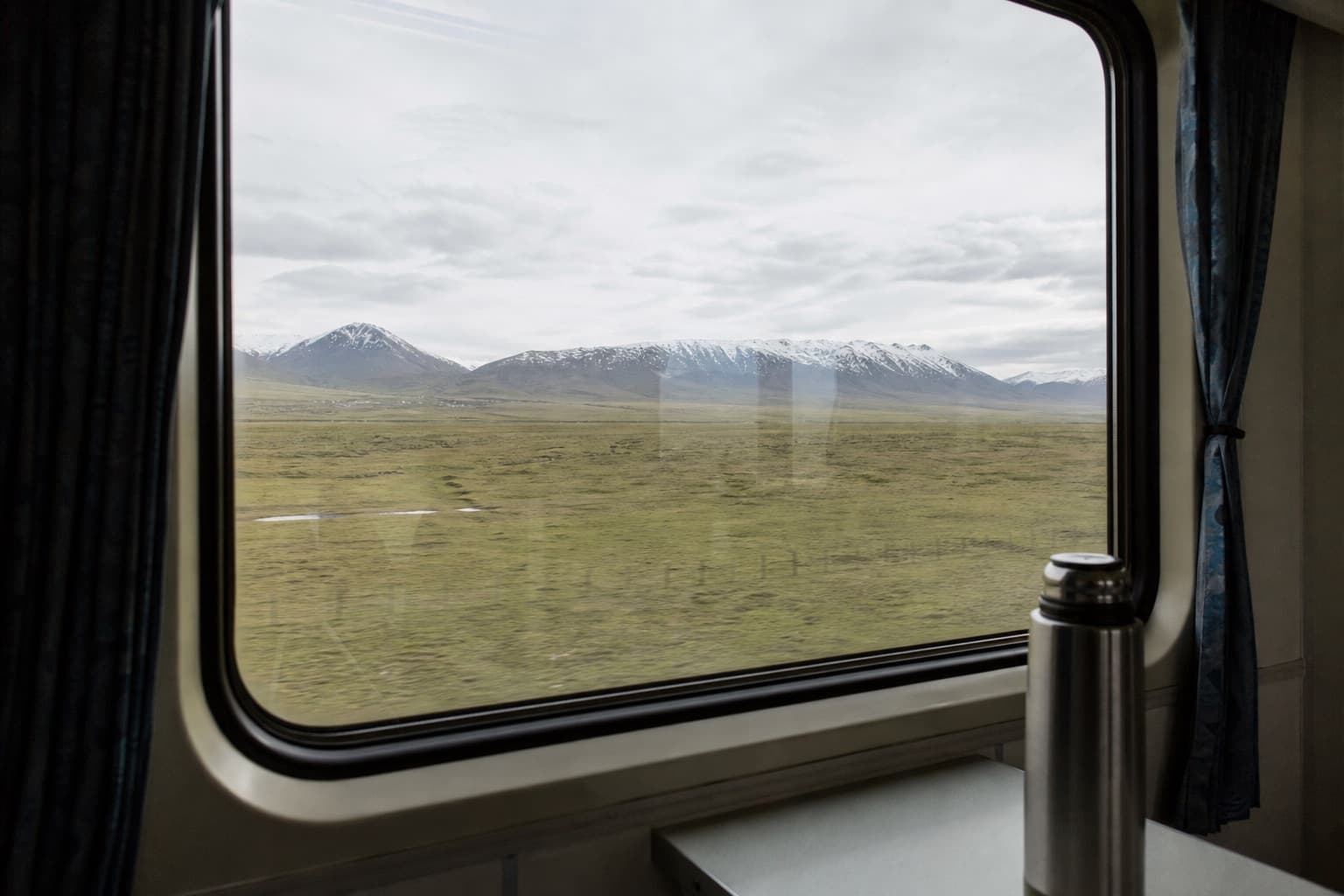
El Tíbet es vasto, y llegar a puntos destacados como el Campo Base del Everest implica largos trayectos por terreno elevado. Las carreteras son generalmente buenas, pero las distancias son reales. Incorpora un ritmo realista a tus planes en lugar de intentar apretujar demasiado, y deja que el itinerario respire.
Comida y agua
Atente a agua embotellada o debidamente tratada, y ve introduciéndote poco a poco en la comida rica o desconocida mientras tu cuerpo se ajusta a la altitud. Vale la pena llevar un sencillo kit para el estómago. El agua del grifo no es segura para beber sin tratar, y una entrada sensata con la comida, comidas más ligeras durante el primer día o dos antes de probarlo todo, suele mantener la digestión tranquila mientras tu sistema está ocupado adaptándose al aire enrarecido.
Conducción y condiciones estacionales
En las rutas más largas, el clima puede afectar a los pasos altos, sobre todo en invierno y a principios de primavera, cuando la nieve ocasionalmente los cierra de forma temporal. Tu guía y tu conductor conocen las carreteras y las condiciones, las vigilan a diario y ajustan los horarios cuando hace falta. Esta es otra razón por la que un itinerario ligeramente flexible, con algo de holgura en lugar de un plan minuto a minuto, hace un viaje más sereno. Los vehículos usados para los tours se mantienen para el terreno, y tu conductor tiene experiencia justamente en estas rutas.
Viajeras y viajeros en solitario
El Tíbet se considera un destino seguro, incluso para las viajeras en solitario, con un fuerte trasfondo cultural y sin un patrón notable de delitos contra los visitantes. En cualquier caso, los turistas extranjeros no pueden viajar de forma independiente aquí y siempre van acompañados en un tour guiado, así que nunca estás del todo solo. Las precauciones normales, sobre todo en torno a la vida nocturna y después del anochecer en las ciudades, siguen aplicándose, como ocurriría en cualquier lugar.
Las normas forman parte del panorama de seguridad
Un punto que sorprende a los recién llegados: no puedes viajar de forma independiente por el Tíbet como extranjero. Debes unirte a un tour organizado autorizado, tener un Permiso de Viaje al Tíbet gestionado por adelantado y viajar con un guía. Aunque esto es un requisito legal más que una medida de seguridad en sí, en la práctica significa que guías locales experimentados se ocupan de la navegación, el ritmo de la altitud y la logística, lo que contribuye genuinamente a un viaje fluido y de bajo estrés.
También conviene saber que el Tíbet ocasionalmente cierra a los turistas extranjeros durante breves periodos, lo más común desde finales de febrero hasta marzo. Los planes cercanos a esa ventana deben mantenerse flexibles. Los detalles están en nuestra guía de restricciones de viaje.
Viaje respetuoso y sin contratiempos
Viajar con consideración mantiene tu viaje fluido y es sencillamente lo correcto en un lugar con tradiciones vivas y profundas:
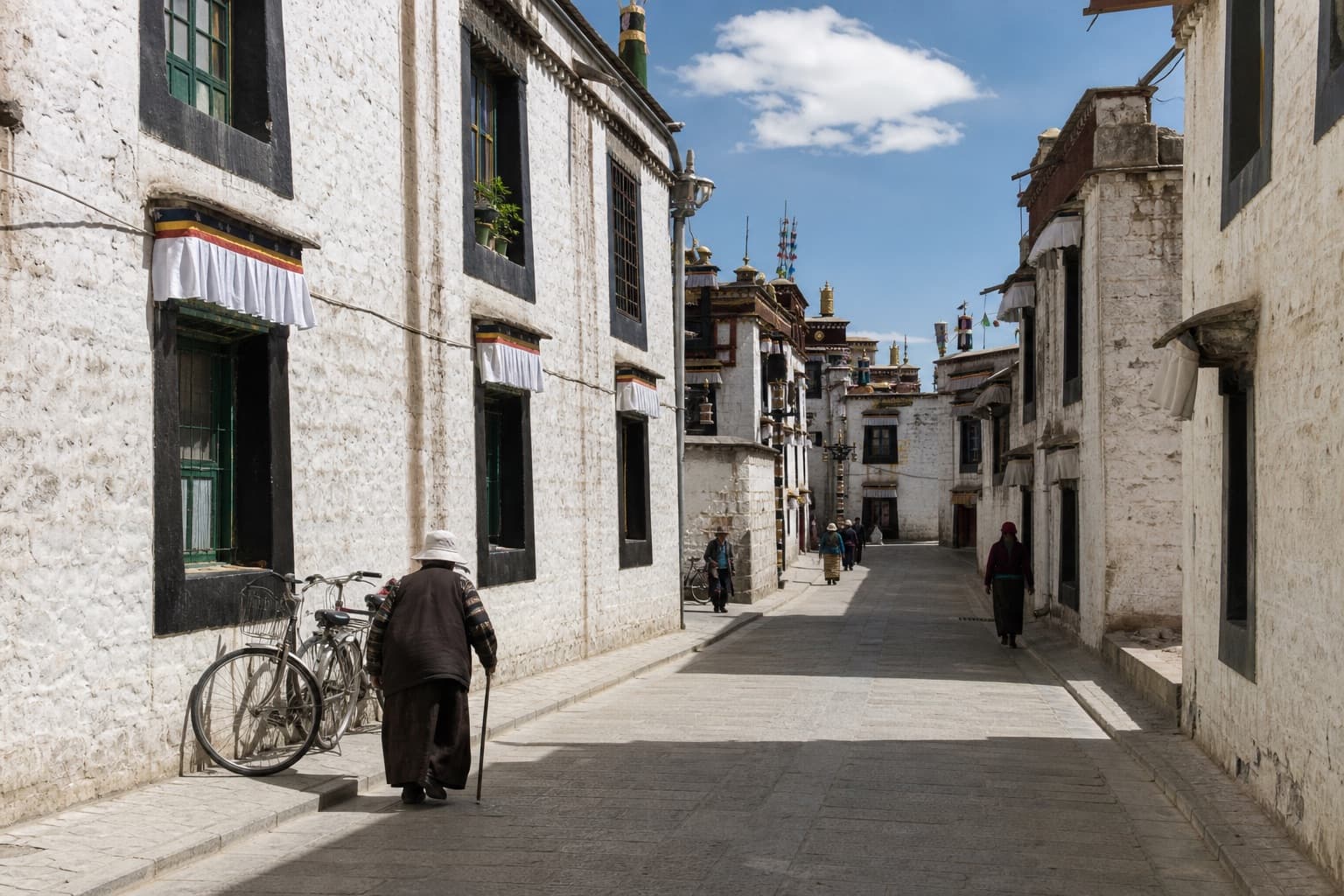
- En los monasterios y lugares religiosos, vístete con modestia, camina en el sentido de las agujas del reloj alrededor de los santuarios y estupas, quítate el sombrero en interiores y pide permiso antes de fotografiar a personas o interiores.
- Sigue la orientación de tu guía sobre dónde la fotografía es y no es apropiada.
- Sé prudente y apolítico en público; tu guía puede aconsejarte sobre la etiqueta local.
- Lleva tus documentos y guarda copias; tu guía tiene el permiso del grupo, pero tener tus propios registros es prudente.
Una lista de comprobación de seguridad sencilla antes del viaje
- Elige un itinerario bien dosificado que aclimate adecuadamente. Todos nuestros tours por el Tíbet están construidos en torno a un comienzo suave.
- Contrata un seguro de viaje que cubra la gran altitud y, a ser posible, la evacuación médica.
- Habla con tu médico antes del viaje, especialmente sobre la altitud y cualquier afección.
- Prepara la maleta para el sol fuerte y las noches frías, y lleva cualquier medicación personal.
- Mantén los planes flexibles si viajas cerca de la ventana de cierre de finales de invierno.
- Viaja con un operador autorizado que gestione los permisos y un guía experimentado.
La conclusión
El Tíbet es un lugar seguro y profundamente gratificante para visitar. Gestiona la altitud, respeta el entorno de montaña y las distancias, viaja con un operador autorizado de confianza, y la experiencia es abrumadoramente fluida. Los paisajes de la meseta y su cultura viva bien merecen la modesta preparación. Para planificar un viaje dosificado para la seguridad y la comodidad, explora nuestros tours por el Tíbet o contáctanos y te guiaremos en cada paso.
Planifica tu viaje al Tíbet con nosotros
Permisos gestionados, guías locales y precios transparentes. Cuéntanos tus fechas y te enviaremos un itinerario a medida.
Preguntas frecuentes
Sí, para la gran mayoría de los viajeros. El Tíbet tiene una de las tasas de criminalidad más bajas de China, y los delitos violentos contra visitantes extranjeros son prácticamente inauditos. Las verdaderas consideraciones son la altitud, el clima de montaña y las largas distancias, más que la delincuencia, todo lo cual es muy manejable con una planificación sensata.