Brüderliche Polyandrie bedeutet, dass Brüder sich eine Frau teilen. In Tibet hielt sie Land und Herden ungeteilt; heute ist sie selten. Wie sie funktionierte und warum sie verschwand.
Kurze Antwort: Brüderliche Polyandrie ist eine Eheform, in der zwei oder mehr Brüder eine Frau teilen. In Tibet war sie eine praktische Antwort auf knappes Ackerland und knappe Weiden: Indem die Brüder gemeinsam heirateten, hielten sie Felder, Herden und Haus der Familie in einem ungeteilten Besitz zusammen und bündelten ihre Arbeitskraft. Heute ist sie selten. Das Autonome Gebiet Tibet hat seit 1981 keine neuen polyandrischen Ehen mehr registriert, und die meisten Tibeter heiraten heute monogam.
Unter den Bräuchen, von denen Reisende vor einem Besuch in Tibet hören, wecken die Heiratspraktiken die größte Neugier. Am meisten überrascht die Menschen die Polyandrie – eine Ehe, in der eine Frau mehr als einen Ehemann hat. Sie ist real, sie hat eine lange Geschichte auf dem Hochland, und sie verdient es, aus sich selbst heraus verstanden zu werden, statt als Kuriosität behandelt zu werden. Dieser Ratgeber erklärt, was die Tradition tatsächlich war, warum sie sinnvoll war und wo sie heute steht.
Zunächst das zutreffende Bild
Die Form der Polyandrie, die in Tibet historisch praktiziert wurde, ist die brüderliche Polyandrie – das heißt, die Ehemänner sind Brüder. In der Regel heiratet der älteste Bruder, und seine jüngeren Brüder werden innerhalb desselben Haushalts zu Mitehemännern. Es ist nicht ein Mann mit vielen Frauen, und es war niemals beliebig. Es war eine strukturierte Familienordnung mit klaren Rollen, geteilten Verantwortlichkeiten und einem einzigen Haushalt in ihrem Zentrum.
Das ist wichtig, weil die landläufige Vorstellung die Sache oft verkehrt herum darstellt. Die Wirklichkeit ist stiller und pragmatischer: eine Ehefrau, mehrere Brüder, ein ungeteilter Familienbesitz.
Warum Brüder eine Frau teilten
Das Leben auf dem tibetischen Hochland ist geprägt von Höhe, dünnen Böden, kurzen Wachstumsperioden und knappem Ackerland. In dieser Wirklichkeit löste die brüderliche Polyandrie gleich mehrere echte Probleme auf einmal.
- Land und Herden ungeteilt halten. Wenn jeder Sohn einzeln heiratete und die Felder und Tiere der Familie aufteilte, konnte jede neue Parzelle zu klein werden, um einen Haushalt zu ernähren. Indem die Brüder gemeinsam heirateten, hielten sie den Familienbesitz – Land, Yaks und Heim – über Generationen hinweg zusammen.
- Knappe Arbeitskraft bündeln. Ein Hochlandhaushalt braucht viele Hände: Gerste anbauen, Yaks über weit entfernte Weiden treiben, Waren handeln und das Heim führen. Mit mehreren Brüdern in einer Familie ließ sich die Arbeit aufteilen – einer bewirtschaftet die Felder, einer zieht mit den Herden, einer treibt Handel – ohne den Haushalt zu zersplittern.
- Familienvermögen stabilisieren. Die Bündelung der Mittel in einem einzigen Haushalt half Familien, harte Jahre zu überstehen und die Zersplitterung zu vermeiden, die wiederholte Aufteilung mit sich gebracht hätte.
Anthropologen, die tibetische Gemeinschaften eingehend untersucht haben, beschreiben diese wirtschaftliche Logik als das Herzstück des Brauchs. Es war eine rationale Anpassung an eine fordernde Umwelt, nicht eine exotische Ausschweifung.
Wie ein polyandrischer Haushalt funktionierte
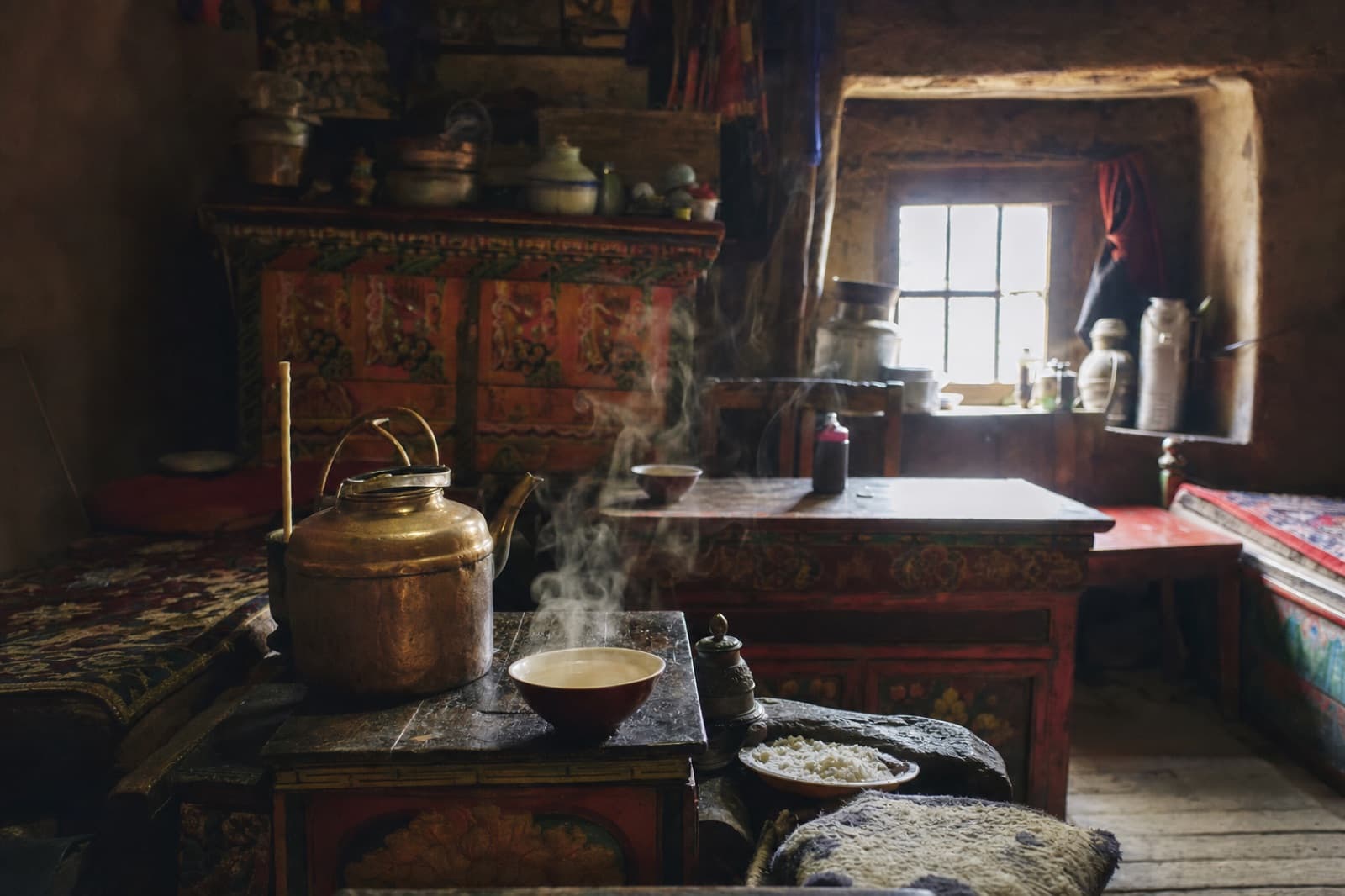
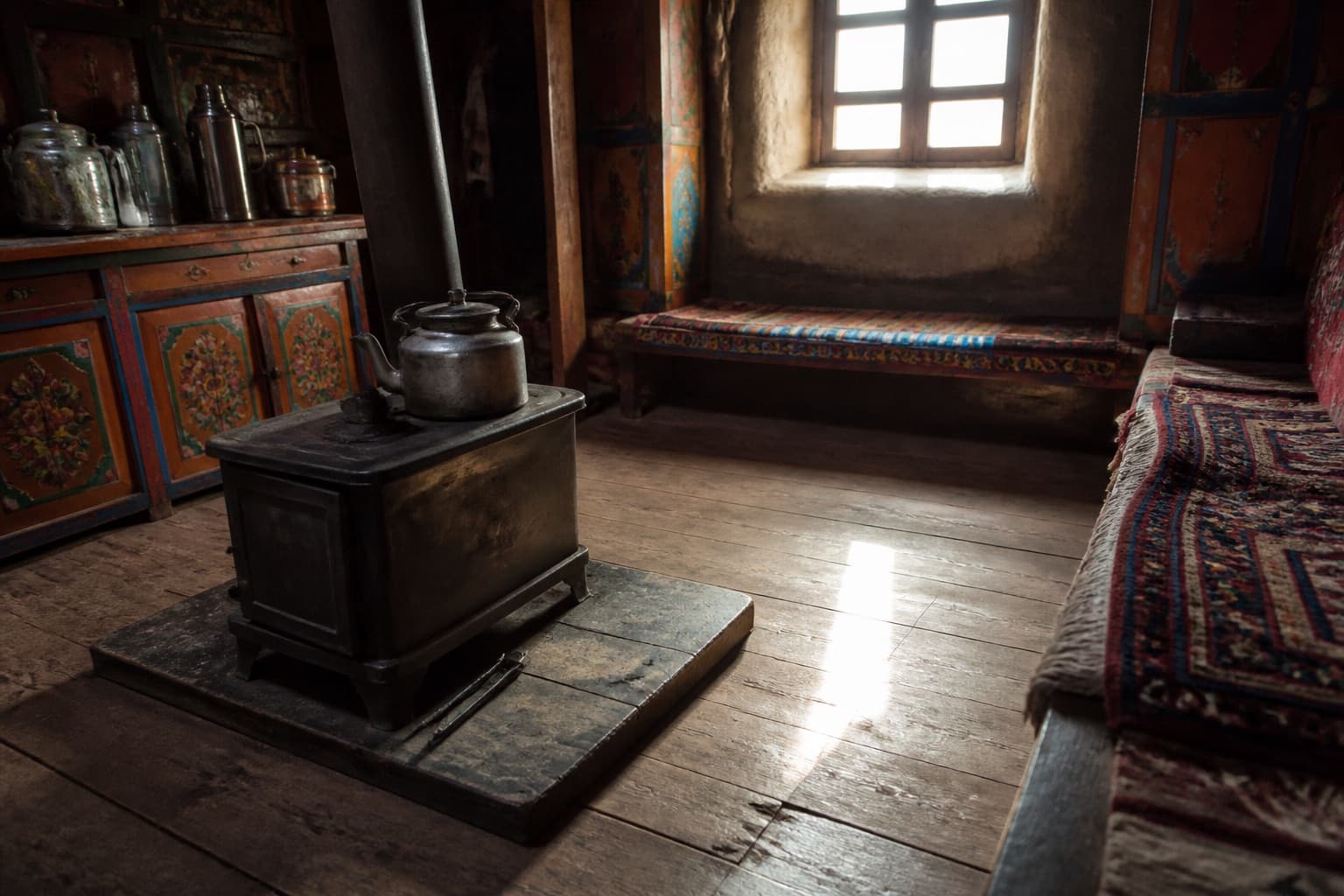
In einer typischen Ordnung lebten die Brüder und ihre gemeinsame Ehefrau als eine Familieneinheit, und die Kinder galten im Allgemeinen als zum Haushalt als Ganzem gehörig, statt nach leiblichem Vater geordnet zu werden. Der älteste Bruder nahm oft eine vorrangige Rolle ein, doch das tägliche Leben beruhte auf Zusammenarbeit. Da das System alle unter einem Dach und einer Erbfolge zusammenhielt, ging es ebenso sehr um familiäre Kontinuität wie um die Ehe selbst.
Es ist deutlich zu sagen, dass die Ordnungen von Tal zu Tal und von Familie zu Familie variierten. Tibet ist groß und regional vielfältig, und die Bräuche waren nie einheitlich.
Wie eine traditionelle tibetische Hochzeit abläuft
Die Polyandrie war stets nur ein Faden in einer weit reicheren Heiratskultur – und die Hochzeitstraditionen selbst sind es, in denen die meiste Farbe liegt. Auch wenn die Bräuche je nach Region unterschiedlich sind, folgt eine traditionelle tibetische Hochzeit einem wiedererkennbaren Bogen, und der Glaube zieht sich durch jeden Schritt.
- Den Astrologen befragen. Bevor irgendetwas festgelegt wird, befragen die Familien oft einen Astrologen (einen Pönpo), der die Geburtshoroskope des Paares prüft, um zu beurteilen, ob die Verbindung harmonisch ist, und der dann einen günstigen Tag und eine günstige Stunde für die Hochzeit berechnet.
- Der Antrag und die Geschenke. Die Familie des Bräutigams schickt mitunter einen Heiratsvermittler zur Familie der Braut, um einen förmlichen Antrag zu machen, und erscheint mit Geschenken, zu denen häufig Khatas (Zeremonialschals), Buttertee und Gerstenwein gehören.
- Die Braut heimholen. Am gewählten Tag geleitet ein Zug die Braut zum Heim des Bräutigams. In manchen Traditionen wird der Zug vom Astrologen auf einem weißen Pferd angeführt, und die Familie des Bräutigams begrüßt den Geleitzug unterwegs.
- Tage des Feierns. Je nach Vermögen einer Familie können sich die Festlichkeiten über mehrere Tage hinziehen, erfüllt von Gesang, Tanz, Speisen, Gerstenbier und dem Austausch von Khatas und Segenswünschen.
Diese freudigen, zutiefst geselligen Rituale sind der Teil der tibetischen Ehe, den Besucher weit eher zu Gesicht bekommen als irgendeinen historischen polyandrischen Haushalt.
Wird Polyandrie heute noch praktiziert?
Weitgehend nicht. Brüderliche Polyandrie ist heute selten. Mehrere gut belegte Faktoren trugen zu ihrem Rückgang bei:
- Seit 1981 registriert das Autonome Gebiet Tibet keine neuen polyandrischen Ehen mehr. Ehen, die zuvor bereits bestanden, blieben in der Regel unangetastet, doch neue werden nicht förmlich registriert.
- Moderne Bildung, größere wirtschaftliche Möglichkeiten, Abwanderung in die Städte und sich wandelnde Erwartungen unter jüngeren Tibetern haben das Familienleben allesamt hin zur monogamen Ehe verschoben.
Sie hören die Tradition vielleicht noch erörtern, besonders in entlegenen ländlichen Gegenden, wo ältere Ordnungen am längsten fortbestanden, doch für die meisten Tibeter gehört sie heute eher der jüngeren Vergangenheit an als der Gegenwart.
Ein kurzer Vergleich
| Brüderliche Polyandrie (historisch) | Ehe in Tibet heute | |
|---|---|---|
| Typische Form | Eine von Brüdern geteilte Ehefrau | Ein Ehemann, eine Ehefrau |
| Haupttriebkraft | Land/Herden ungeteilt halten; Arbeit bündeln | Persönliche Wahl; moderne Normen |
| Haushalt | Brüder bleiben als eine Familie zusammen | Eigenständige Haushalte häufiger |
| Stand heute | Selten; keine neuen Registrierungen seit 1981 | Die übliche Ordnung |
Mit Respekt zu Besuch
Falls das Thema während Ihrer Reise zur Sprache kommt, begegnen Sie ihm mit derselben Höflichkeit, die Sie sich für die Geschichte Ihrer eigenen Familie wünschen würden. Ein paar behutsame Richtlinien:
- Fragen, nicht annehmen. Nicht jede ländliche Familie praktizierte Polyandrie, und viele Tibeter, denen Sie begegnen, sind in monogamen Haushalten aufgewachsen.
- Verzichten Sie auf die sensationslüsterne Einordnung. Behandeln Sie sie als die praktische Einrichtung, die sie war, und Sie werden weit bessere Gespräche führen.
- Lassen Sie örtliche Reiseleiter führen. Ein guter Reiseleiter kann mitteilen, worüber zu sprechen angemessen ist und was privat bleibt.
Familienleben auf einer Reise erleben. Einen polyandrischen Haushalt werden Sie nicht gezeigt bekommen, und Sie sollten auch nicht darum bitten. Was eine Reise bieten kann, ist ein respektvoller Einblick in das ländliche Familienleben: Auf unserer 8-tägigen Gruppenreise Lhasa & Everest führt die Straße nach Shigatse durch die Ackerbautäler rund um Gyantse, und die 9-tägige Tour zum Everest-Basislager & Namtso durchquert an ihrem Namtso-Tag das Hirtenland nördlich von Lhasa, wo Ihr Guide erklären kann, wie die Haushalte dort heute organisiert sind.
Das Verständnis der Heiratsbräuche ist ein kleines Fenster in eine Kultur, die von Glaube, Familie und den Anforderungen eines hohen und schönen Landes geprägt ist. Um diese Kultur persönlich zu erkunden, sehen Sie sich unsere Tibet-Reisen und die Grundlagen zu Genehmigung und Reiseleitung auf unserer Seite Tibet-Reisegenehmigung an. Für mehr über das tägliche Leben und die Höflichkeit ist unser Ratgeber zur tibetischen Etikette: Gebote und Verbote ein nützlicher Begleiter, und Sie können uns bei Fragen jederzeit kontaktieren.
Denken Sie daran, dass Sie sich als internationaler Reisender einer lizenzierten organisierten Tour anschließen, mit einem Reiseleiter unterwegs sind und eine Tibet-Reisegenehmigung mitführen, die wir für Sie besorgen – der Rahmen, der einen respektvollen, gut informierten Besuch erst möglich macht.
Vom Lesen aufs Hochland
Das Land, das diese Familien bewirtschafteten
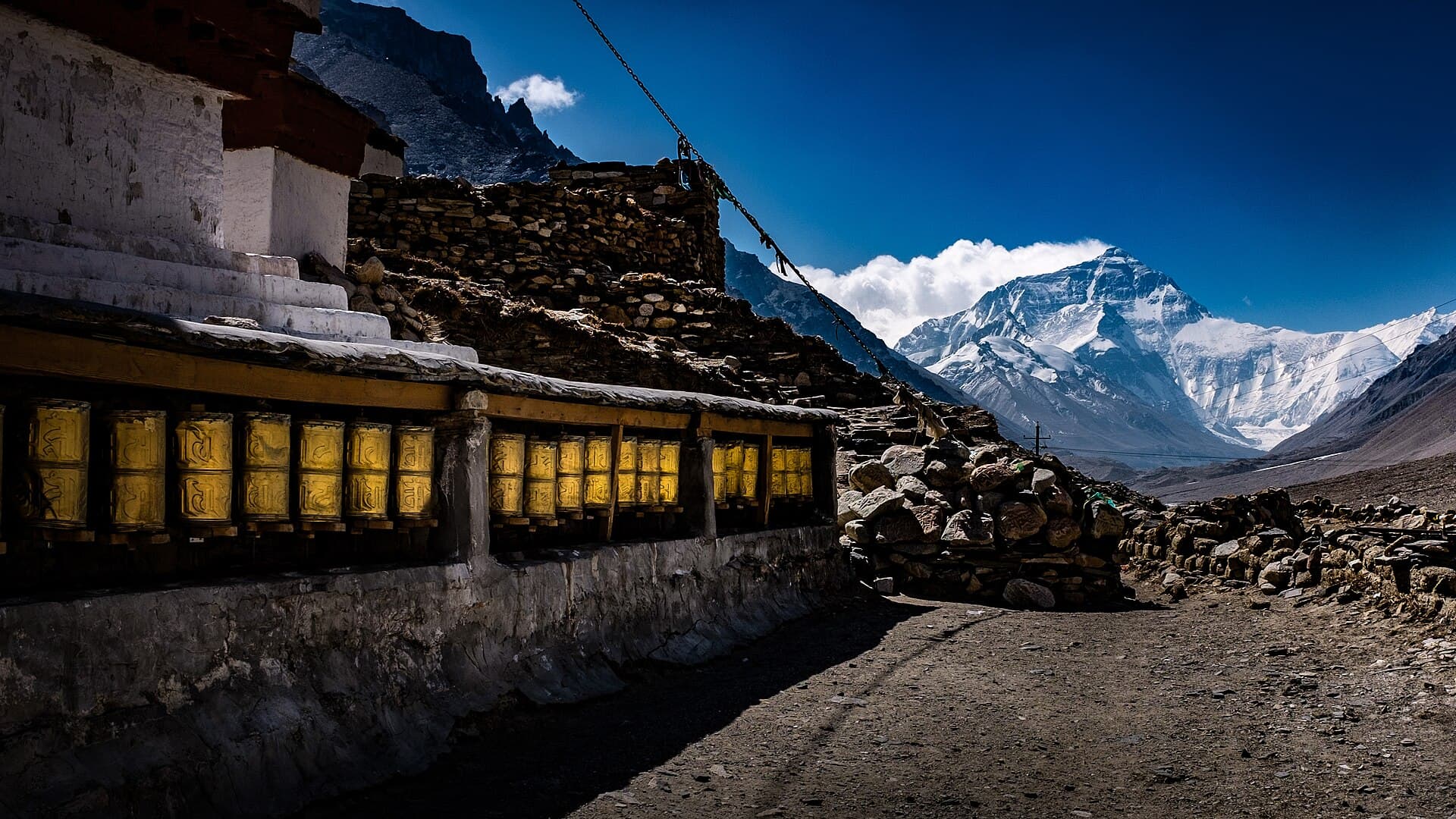
Die Polyandrie entstand aus Gerstenfeldern und Yakweiden, die nicht geteilt werden sollten. Die Straße zum Everest führt genau durch dieses Land: die Bauerntäler um Gyantse und Shigatse und höher oben das Grasland der Hirten. Ihr Guide erzählt, wie sich das Familienleben dort verändert hat.
Everest & Namtso (9 Tage)
Lhasa · Yamdrok-See · Karola-Gletscher · Shigatse · Rongbuk · Everest-Basislager · Shigatse · Lhasa · Namtso · Lhasa
Neun Tage auf der Straße zum Everest, ergänzt um den Namtso: die debattierenden Mönche von Sera, Potala und Jokhang in Lhasa; der Yamdrok-See und dahinter der Karola-Gletscher auf der Fahrt nach Westen; eine Nacht am Everest-Basislager; Tashilhunpo; und zum Schluss ein Tagesausflug zum Namtso, wenn Sie akklimatisiert sind. Geteilte Gruppe, feste Abreisetermine.

Lhasa & Everest (8 Tage)
Lhasa · Yamdrok-See · Karola-Gletscher · Shigatse · Rongbuk · Everest-Basislager · Shigatse · Lhasa
Acht Tage von Lhasa zur Nordwand des Everest und zurück: drei Nächte in Lhasa für einen Workshop zum tibetischen Handwerk, die Debatte im Kloster Sera, den Potala und den Jokhang, dann der Yamdrok-See, der Karola-Gletscher, Shigatse, eine Nacht am Basislager und Tashilhunpo. Die Reise läuft als geteilte Gruppe mit festen Abreiseterminen.
Häufige Fragen
Historisch war es eine von Brüdern geteilte Ehefrau – bekannt als brüderliche Polyandrie. Es war nicht ein Ehemann mit mehreren Frauen. Die Ehemänner waren verwandt, und die Familie lebte als ein einziger Haushalt.