Ein respektvoller Reisender ist ein willkommener Reisender. Hier sind die praktischen Gebote und Verbote für einen Besuch in Tibet – an Klöstern, auf Koras, im Umgang mit Pilgern und bei alltäglichen Begegnungen auf dem Hochland.
Tibet ist ein zutiefst religiöser Ort, an dem Alltagsleben und spirituelle Praxis miteinander verwoben sind. Besucher, die mit ein wenig kulturellem Bewusstsein ankommen, sind nicht nur respektvollere Gäste – sie haben tendenziell auch reichere, herzlichere Begegnungen. Nichts davon ist kompliziert. Es läuft im Wesentlichen darauf hinaus, zu beobachten, lokalen Hinweisen zu folgen und sich von Ihrem Guide leiten zu lassen. Hier sind die Gebote und Verbote, die es vor der Reise zu kennen lohnt.
An Klöstern und Tempeln
Klöster sind aktive Orte der Verehrung, keine Touristenkulissen. Behandeln Sie sie wie jeden heiligen Raum.
Gebote:
- Gehen Sie im Uhrzeigersinn um Tempel, Schreine, Kapellen, Gebetsmühlen und Stupas und folgen Sie der Richtung, in die sich die Pilger bewegen.
- Kleiden Sie sich zurückhaltend – bedecken Sie Schultern und Knie und nehmen Sie Hüte und Sonnenbrillen in Kapellen ab.
- Sprechen Sie leise und stellen Sie Ihr Telefon auf lautlos.
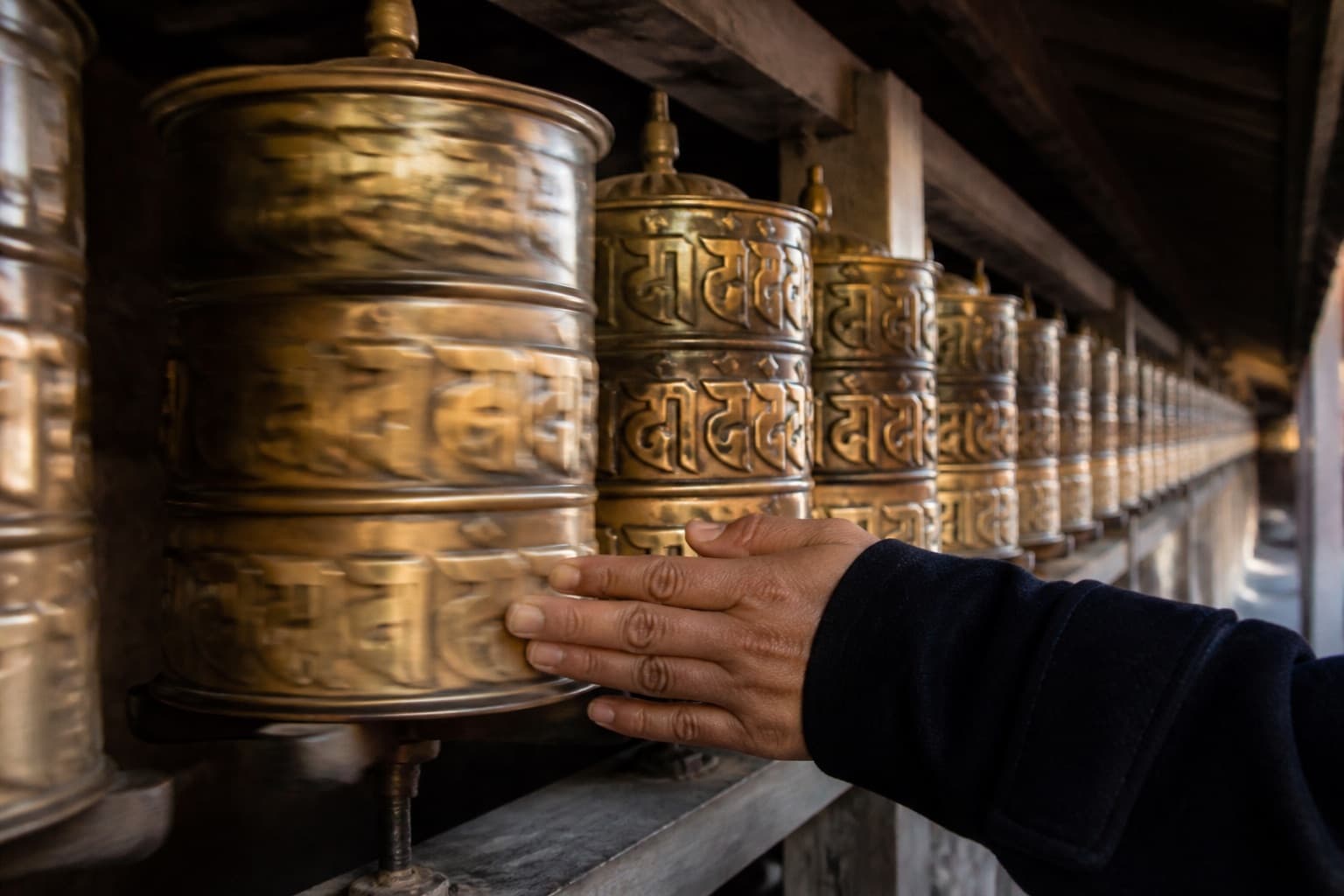
- Drehen Sie Gebetsmühlen im Uhrzeigersinn, wenn Sie möchten, sanft und niemals in die Gegenrichtung.
- Fragen Sie Ihren Guide, bevor Sie einen Raum betreten, bei dem Sie unsicher sind.
Verbote:
- Fotografieren Sie nicht ohne Erlaubnis im Inneren von Kapellen. Viele verbieten es; manche erheben dort, wo es erlaubt ist, eine Gebühr. Fragen Sie stets zuerst.
- Berühren Sie nicht Statuen, Wandmalereien, Altäre, Ritualgegenstände oder Opfergaben.
- Richten Sie Ihre Füße nicht auf Altäre, Statuen oder Mönche – halten Sie die Füße angezogen, wenn Sie sitzen.
- Zeigen Sie nicht mit dem Finger auf Statuen oder heilige Bildnisse; deuten Sie stattdessen mit offener, nach oben gewandter Handfläche.
- Klettern Sie nicht für ein Foto auf Stupas, Mani-Steine oder heilige Bauwerke.
Im Umgang mit Pilgern und an heiligen Stätten
Sie teilen sich oft den Raum mit Pilgern – manche begehen Koras, manche werfen sich in voller Länge in Richtung eines Tempels nieder, manche beten still. Sie tun etwas Tiefgründiges.
- Geben Sie ihnen Raum und versperren Sie nicht ihren Weg oder ihre Sicht.
- Folgen Sie dem Fluss im Uhrzeigersinn auf einer Kora, damit Sie sich nicht gegen die Menge bewegen.
- Unterbrechen Sie niemanden mitten im Gebet oder mitten in der Niederwerfung für ein Foto oder eine Frage.
- Behandeln Sie Hingabe nicht als Kulisse – seien Sie bedacht beim Fotografieren intimer religiöser Momente.
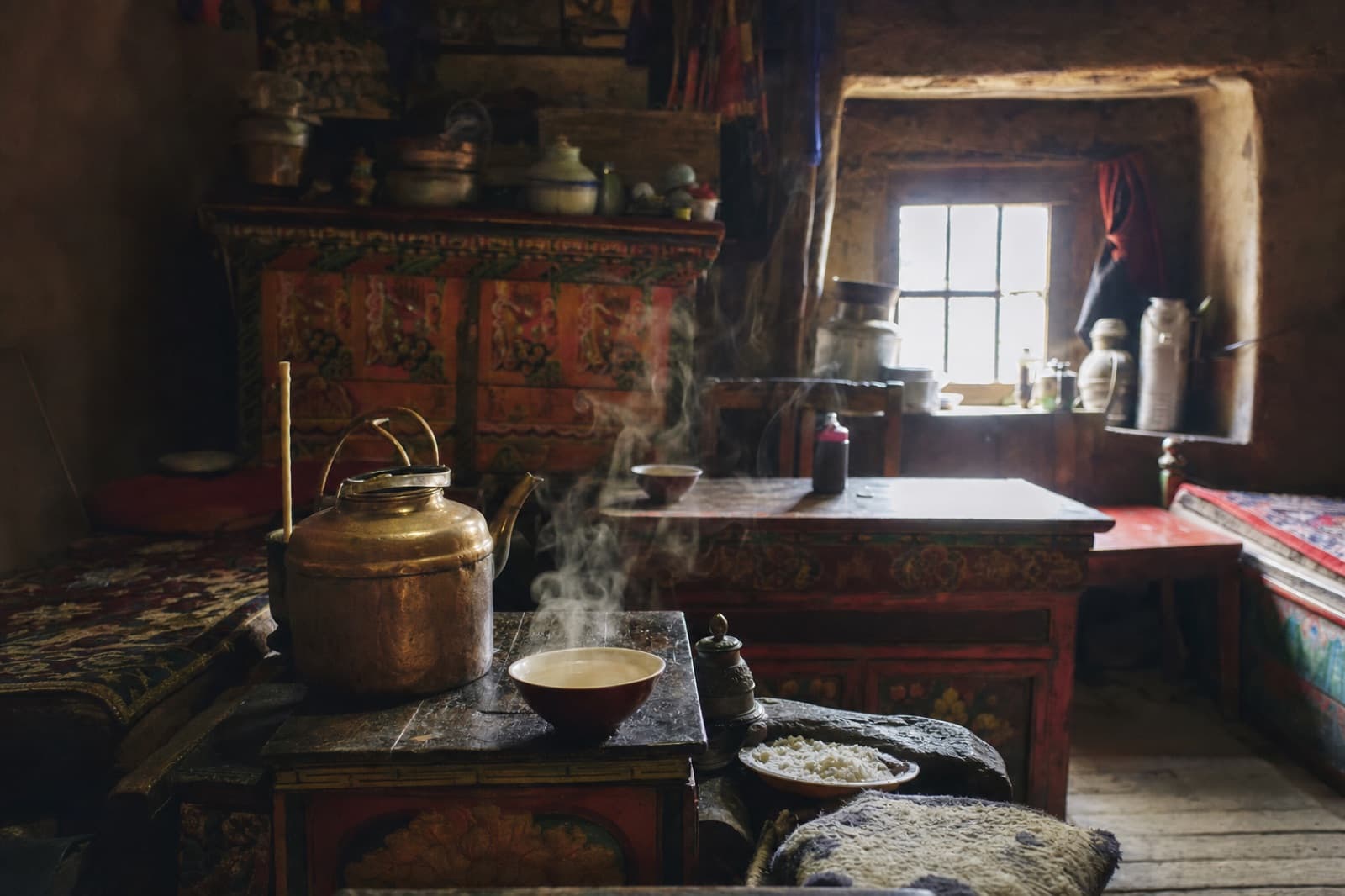
Viele Pilger folgen zudem dem Brauch, eine glückverheißende Anzahl von Malen zu umrunden – drei, sieben oder mehr –, seien Sie also nicht überrascht, wenn Sie jemand überrundet. Lassen Sie sich einfach vom Rhythmus des Weges tragen, halten Sie sich an den inneren oder äußeren Rand, wenn Sie langsamer werden oder ausruhen möchten, und durchqueren Sie den Weg niemals quer gegen den Fluss. Wenn Sie selbst an einer Kora teilnehmen, ist es als Besucher völlig angemessen, sie einmal respektvoll zu begehen.
Menschen fotografieren
Dies verdient eigene Betonung, denn hier gehen wohlmeinende Besucher am häufigsten fehl.
- Fragen Sie stets, bevor Sie eine Person fotografieren, besonders Mönche, Nonnen und ältere Menschen. Ein Lächeln und eine Geste zu Ihrer Kamera vermitteln die Bitte meist.
- Akzeptieren Sie ein „Nein“ mit Anstand. Wenn jemand ablehnt oder unwohl wirkt, senken Sie die Kamera und gehen Sie weiter.
- Seien Sie besonders behutsam mit Kindern – fragen Sie einen begleitenden Erwachsenen.
- Bieten Sie nicht standardmäßig Geld an, um jemandes Foto zu machen – es kann transaktional wirken und wird am besten vermieden, sofern die Situation es nicht klar nahelegt. Richten Sie sich nach der Einschätzung Ihres Guides zu den örtlichen Gepflogenheiten.
Mehr dazu, wie Sie respektvoll großartige Bilder gewinnen, finden Sie in unserem Tibet-Fotografie-Leitfaden.
Heilige Objekte und Symbole
Das Hochland ist voller bedeutungsvoller Objekte. Behandeln Sie sie mit Sorgfalt.
| Objekt | Gebot | Verbot |
|---|---|---|
| Gebetsfahnen | Bewundern Sie sie; lassen Sie sie in Ruhe | Nicht mitnehmen, bewegen oder darauftreten |
| Mani-Steine (gemeißelte Steine) | Im Uhrzeigersinn passieren | Nicht berühren, darauf stehen oder klettern |
| Gebetsmühlen | Sanft im Uhrzeigersinn drehen | Nicht erzwingen oder gegen den Uhrzeigersinn drehen |
| Butterlampen / Opfergaben | Respektvoll betrachten | Nicht berühren oder mitnehmen |
| Religiöse Schriften | Als heilig behandeln | Nicht auf den Boden legen oder darübersteigen |
Alltägliche Begegnungen
Wärme und Höflichkeit übersetzen sich überallhin.
Gebote:
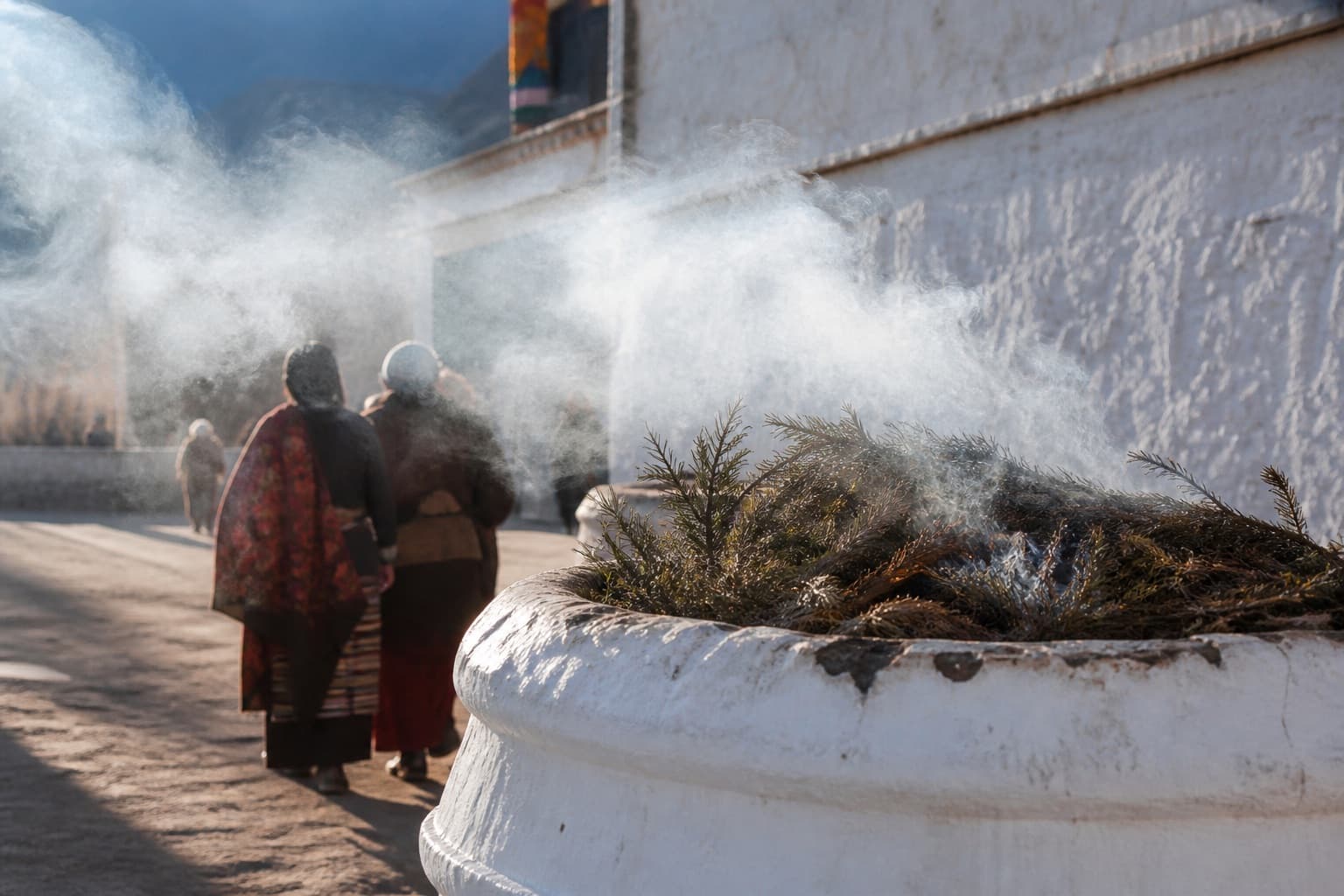
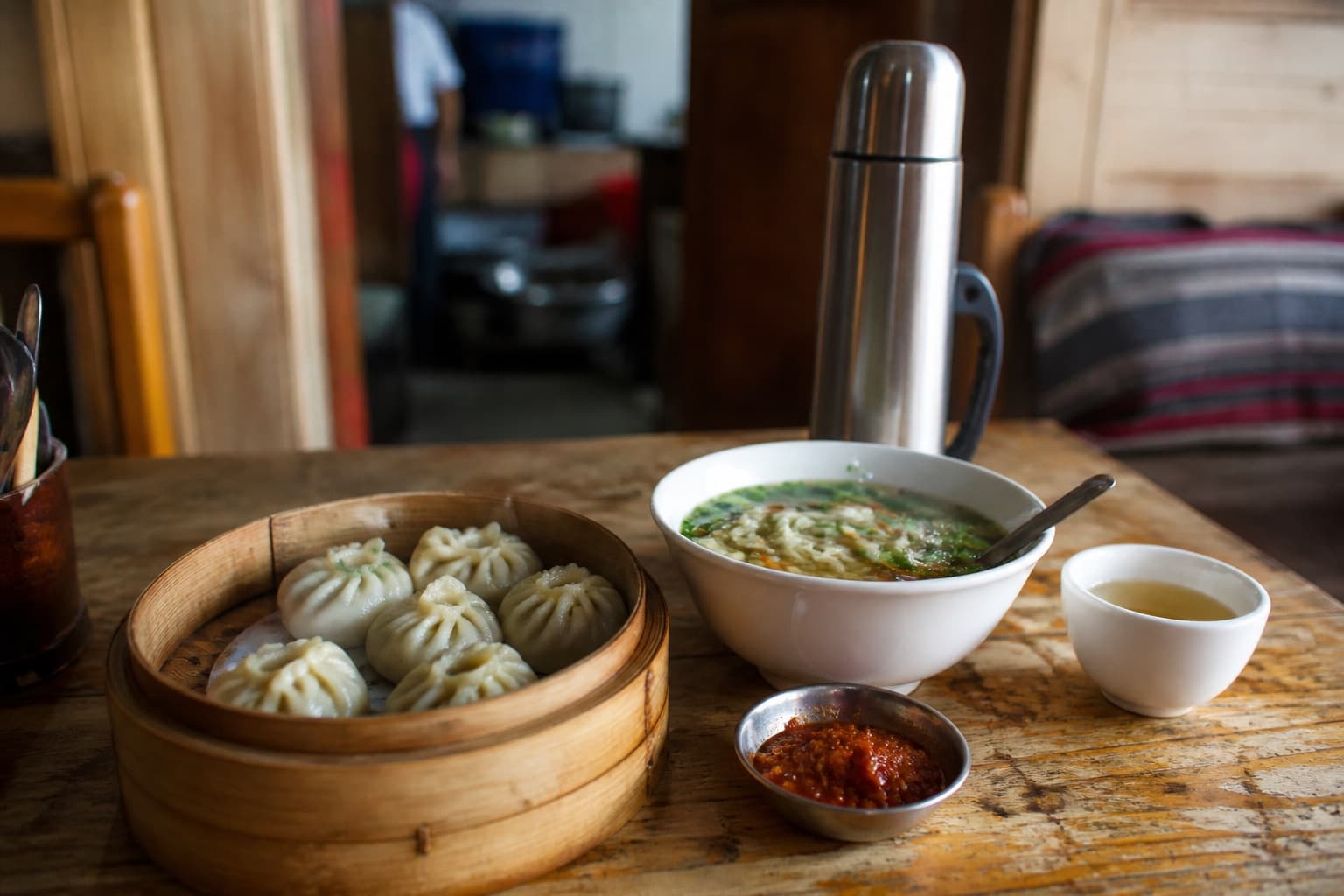
- Nehmen Sie Gastfreundschaft mit Anstand an – eine Ihnen angebotene Tasse Buttertee ist eine freundliche Geste; sie höflich entgegenzunehmen wird geschätzt.
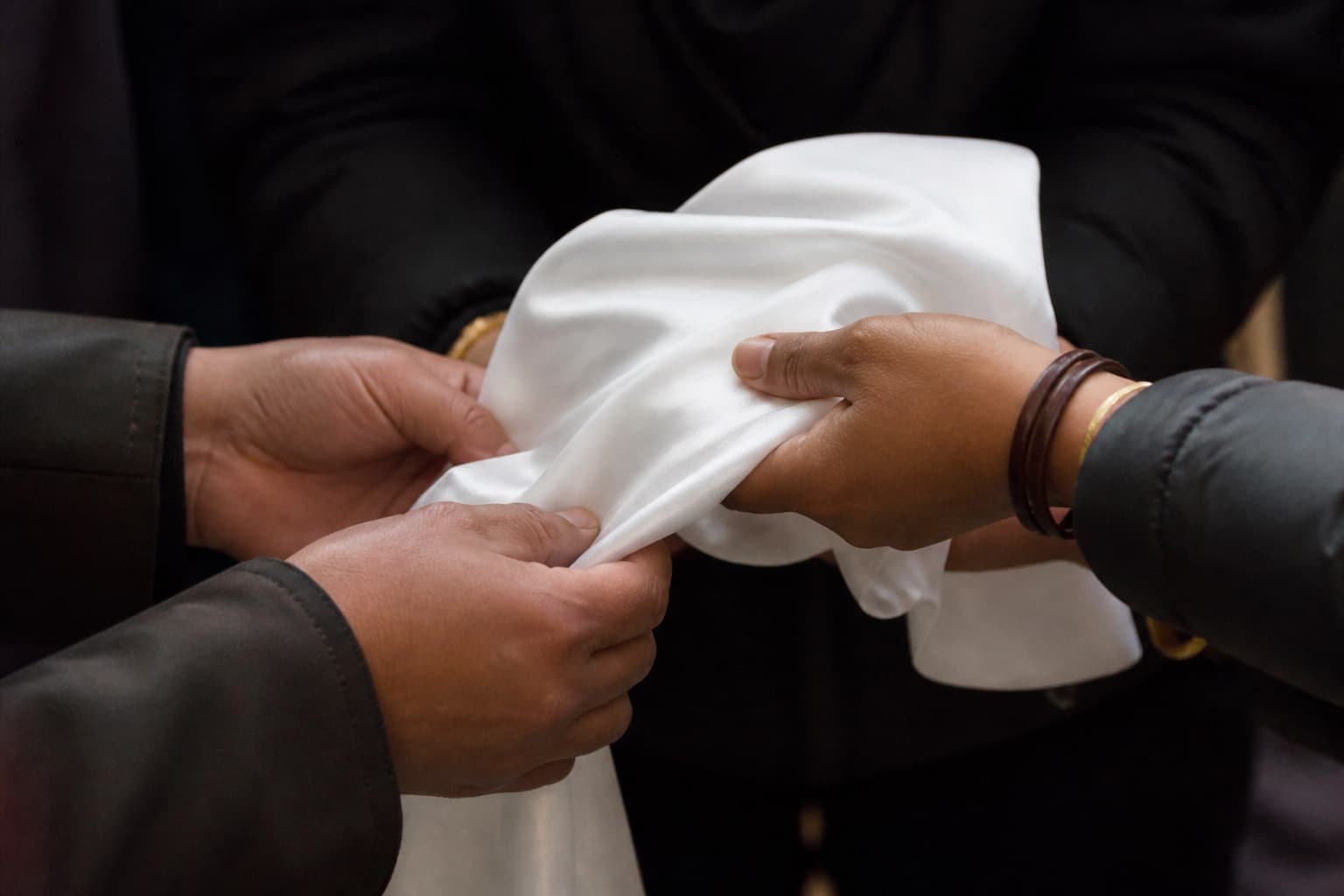
- Geben und nehmen Sie Gegenstände mit beiden Händen oder mit der rechten Hand, als Zeichen des Respekts.
- Lernen Sie ein, zwei Wörter. Ein einfaches „Tashi Delek“ (ein gängiger tibetischer Gruß und Glückwunsch) trägt weit, und ein Lächeln trägt über eine Sprachbarriere hinweg noch weiter.
- Bleiben Sie geduldig und gut gelaunt angesichts der Realitäten des Reisens in großer Höhe – Zeitpläne, Wetter, Straßenverhältnisse und der Zugang zu Stätten können sich allesamt kurzfristig ändern.
- Unterstützen Sie lokale Existenzen, indem Sie nach Möglichkeit Kunsthandwerk, Snacks oder Tee bei örtlichen Verkäufern kaufen, statt um kleine Beträge aggressiv zu feilschen.
Verbote:
- Seien Sie nicht laut oder aufdringlich in Geschäften, Tempeln oder Menschenmengen.
- Lassen Sie sich nicht auf sensible politische Diskussionen mit Einheimischen ein; sie können diese in eine schwierige Lage bringen. Halten Sie Gespräche freundlich und unpolitisch.
- Hinterlassen Sie keinen Müll – nehmen Sie wieder mit, was Sie mitbringen, besonders an abgelegenen und heiligen Stätten.
- Nehmen Sie nichts an. Wenn Sie bei irgendetwas unsicher sind, fragen Sie zuerst Ihren Guide.
Ein Hinweis zum verantwortungsvollen Reisen
Ausländische Besucher können in Tibet nicht eigenständig reisen. Sie werden im Rahmen einer lizenzierten, organisierten Tour von einem registrierten Guide begleitet und führen eine im Voraus organisierte Tibet-Reisegenehmigung mit sich – siehe unseren Leitfaden zur Tibet-Reisegenehmigung. Das ist mehr als eine Formalität für die Etikette: Ihr Guide ist Ihr bester kultureller Vermittler. Er sagt Ihnen, wann Sie still sein sollten, wo das Fotografieren in Ordnung ist, wie Sie sich an einem bestimmten Schrein verhalten und wie Sie jede Situation lesen. Verlassen Sie sich auf ihn.
Verantwortungsvolles Reisen bedeutet auch, behutsam aufzutreten: lokale Existenzen nach Möglichkeit zu unterstützen, die Umwelt einer empfindlichen Hochgebirgslandschaft zu respektieren und daran zu denken, dass Sie Gast an einem Ort sind, an dem Glaube täglich öffentlich gelebt wird.
Die Kurzfassung
Wenn Sie sich nichts anderes merken: bewegen Sie sich im Uhrzeigersinn, kleiden Sie sich zurückhaltend, fragen Sie, bevor Sie fotografieren, halten Sie Ihre Stimme leise, berühren Sie keine heiligen Dinge, bleiben Sie unpolitisch und folgen Sie Ihrem Guide. Wenn Sie das tun, sind Sie eine willkommene Präsenz – und Sie erleben Tibet dadurch weit bedeutungsvoller.
In die Praxis umgesetzt. In Lhasa begegnen Ihnen die meisten dieser Gebote und Verbote zuerst: Klosterinnenräume, Pilger auf dem Barkhor, der Debattierhof in Sera. Unsere 5-tägige Tour Lhasa & Yamdrok-See deckt alle drei ab, mit einem Guide an Ihrer Seite, der Ihnen hilft, jede Situation richtig einzuschätzen. Sie fährt als geteilte Gruppe zu festen Terminen; siehe unsere Gruppenreisen und die kommenden Abreisen.
Bereit, eine respektvolle, gut geführte Reise zu planen? Durchstöbern Sie unsere Tibet-Touren oder kontaktieren Sie uns, um zu beginnen.
Vom Lesen aufs Hochland
Tibet mit jemandem erleben, der es erklären kann
Unsere Reisen werden von lizenzierten tibetischen Guides vor Ort geführt, die Ihnen erklären, was Sie sehen – im Kloster, auf dem Pilgerweg oder im Grasland. Mit diesen beiden Reisen beginnen die meisten Gäste.
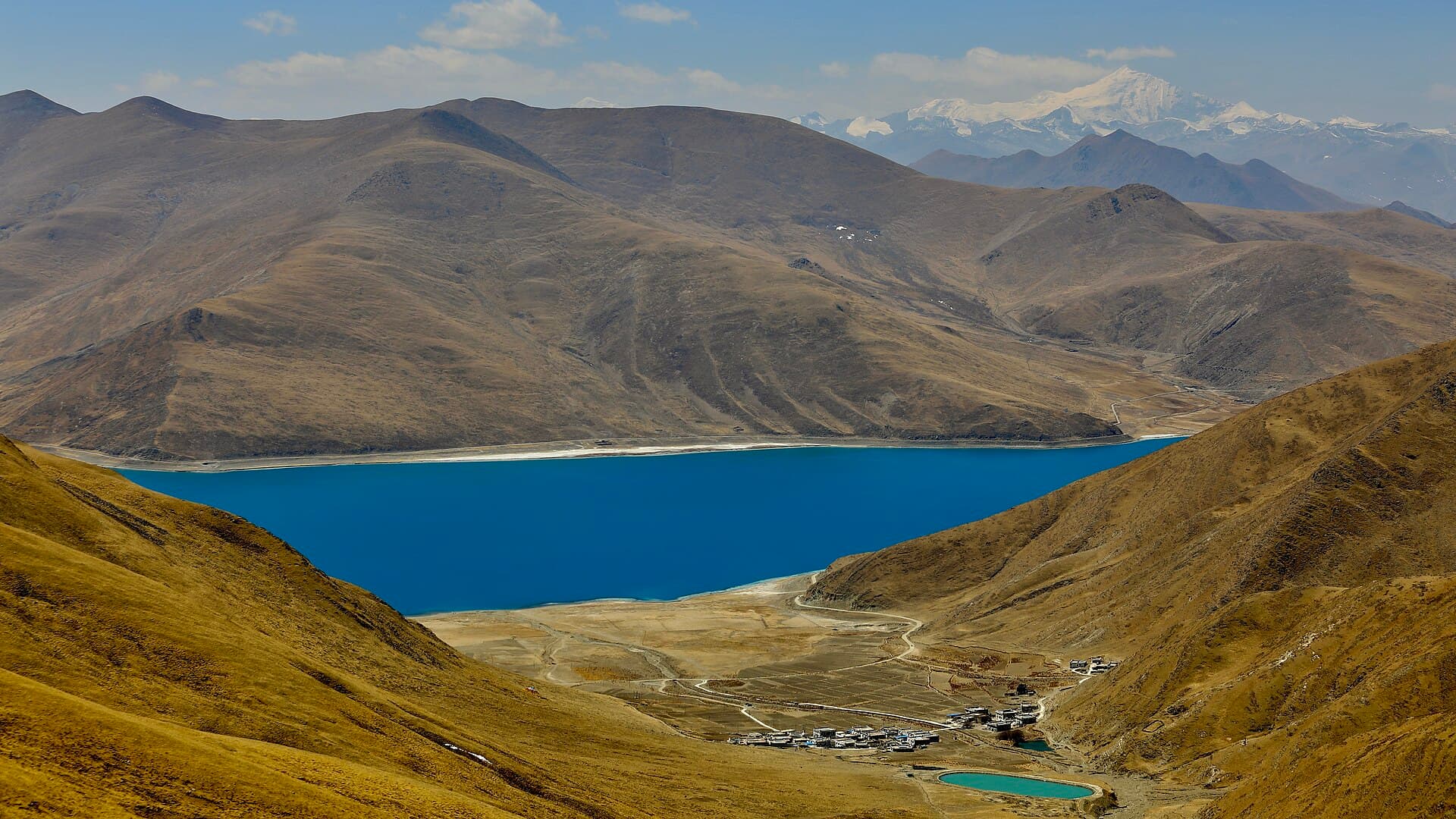
Lhasa & Yamdrok (5 Tage)
Lhasa · Yamdrok-See · Xiazhulin-Tempel · Lhasa
Fünf Tage mit Standort Lhasa: ein Vormittag mit tibetischem Handwerk zum Mitmachen, die debattierenden Mönche von Sera, der Potala-Palast und der Jokhang, dann ein Ausflug über den Kamba La zum Yamdrok-See und zum Xiazhulin-Tempel. Unsere kürzeste Tibet-Reise, als geteilte Gruppe zu festen Terminen.
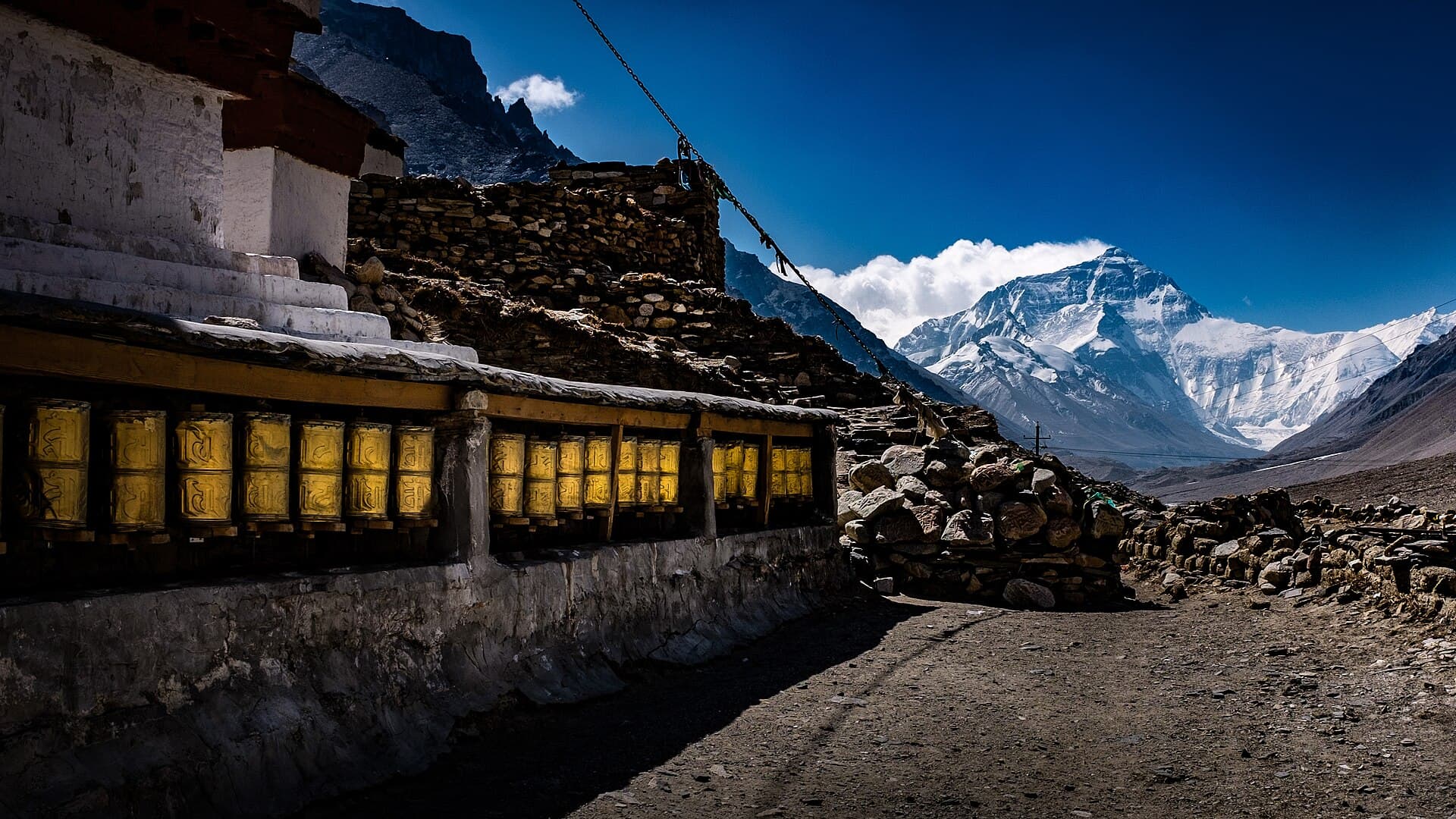
Everest & Namtso (9 Tage)
Lhasa · Yamdrok-See · Karola-Gletscher · Shigatse · Rongbuk · Everest-Basislager · Shigatse · Lhasa · Namtso · Lhasa
Neun Tage auf der Straße zum Everest, ergänzt um den Namtso: die debattierenden Mönche von Sera, Potala und Jokhang in Lhasa; der Yamdrok-See und dahinter der Karola-Gletscher auf der Fahrt nach Westen; eine Nacht am Everest-Basislager; Tashilhunpo; und zum Schluss ein Tagesausflug zum Namtso, wenn Sie akklimatisiert sind. Geteilte Gruppe, feste Abreisetermine.
Häufige Fragen
Stets im Uhrzeigersinn. Im Uhrzeigersinn um Tempel, Schreine, Stupas, Mani-Steine und Gebetsmühlen zu gehen – und Gebetsmühlen im Uhrzeigersinn zu drehen – folgt der traditionellen Richtung des Respekts im tibetischen Buddhismus und dem Fluss der Pilger.