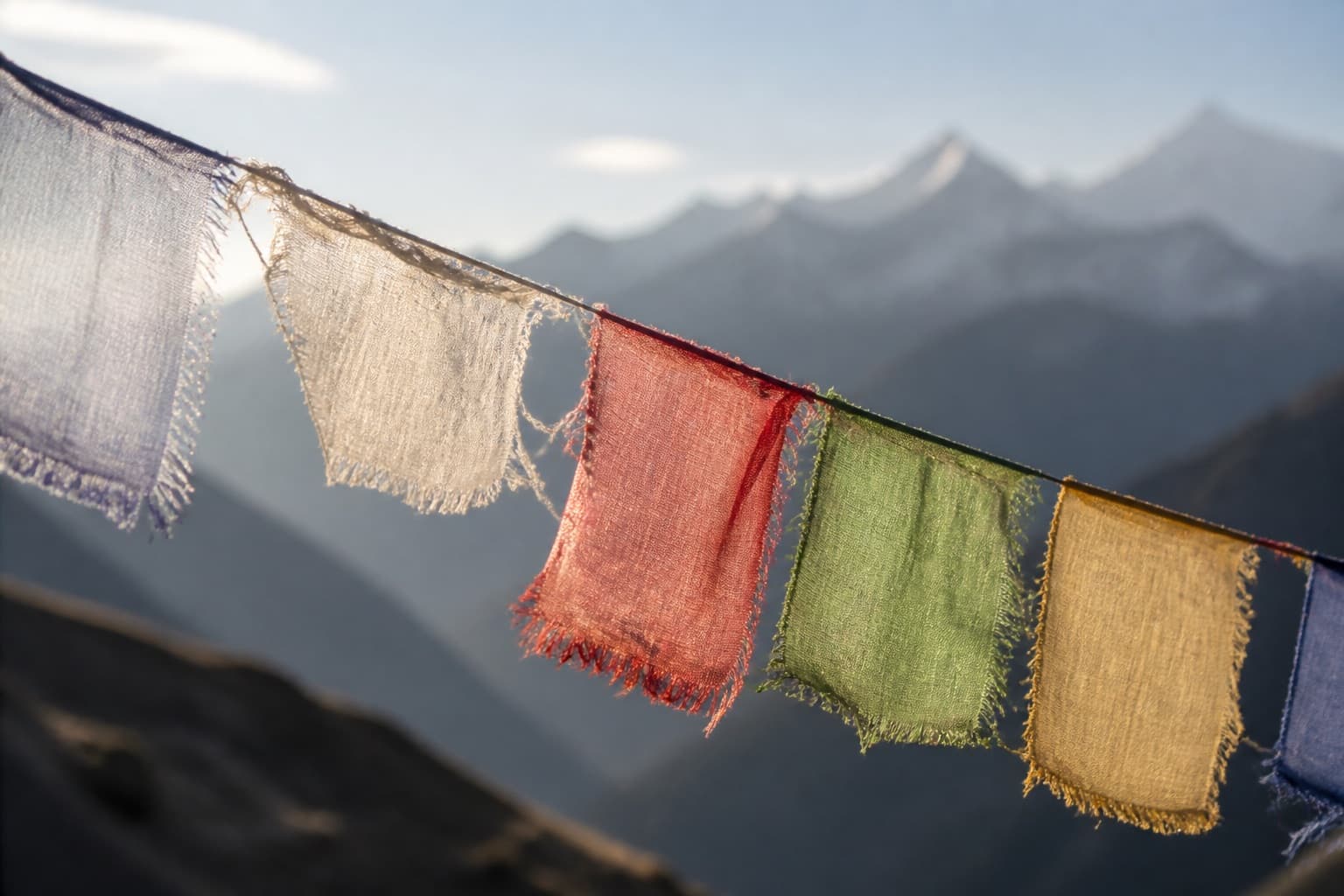
Eine zur Begrüßung herausgestreckte Zunge, ein um den Hals gelegter weißer Schal, ein stets im Uhrzeigersinn gegangener Weg – Tibets alltägliche Bräuche sind voller Bedeutung, sobald man die Geschichten dahinter kennt.
Ein Teil der Freude am Reisen in Tibet ist es, Bräuche zu entdecken, die sich zunächst wunderbar ungewohnt anfühlen – und dann die warmherzige, einleuchtende Vernunft dahinter zu lernen. Von Begrüßungen bis zu Glücksvorstellungen ist das tibetische Alltagsleben von Bedeutung durchwoben. Hier sind einige der faszinierendsten Bräuche, denen Sie begegnen können, und wie Sie ihnen anmutig begegnen.
Der weiße Schal: der Khata
Wenn es einen Brauch gibt, den jeder Besucher kennen sollte, dann ist es der Khata – ein weißer Zeremonialschal, dargeboten als Geste des Respekts, der Begrüßung und der guten Wünsche. Tibeter überreichen Khatas zu unzähligen Anlässen: beim Begrüßen von Gästen, beim Grüßen von Älteren, beim Abschiednehmen, beim Ehren von Lehrern und beim Darbringen von Opfergaben in Tempeln.
Die weiße Farbe steht für Reinheit und ein aufrichtiges, gutes Herz. Wenn Ihnen jemand einen Khata um den Hals legt, ist es ein echter Segen.
Wie Sie einen Khata anmutig handhaben:
- Bieten Sie ihn an und nehmen Sie ihn mit beiden Händen entgegen, oft mit einer leichten Verbeugung.
- Wenn Sie einen Älteren oder eine Person von hohem Stand ehren, kann der Schal als Zeichen tieferen Respekts etwa auf Kopfhöhe gehoben werden.
- Wird Ihnen einer um den Hals gelegt, lassen Sie ihn eine Weile an – ihn sofort abzulegen gilt als unhöflich.
Die Begrüßung mit herausgestreckter Zunge
Ein Brauch entzückt Besucher mehr als jeder andere: ein älterer Tibeter mag Sie begrüßen, indem er seine Zunge herausstreckt. Weit davon entfernt, unhöflich zu sein, ist es ein Zeichen von Respekt und Wohlwollen – und es hat eine reizende Geschichte.
Die Geschichte geht zurück auf Überzeugungen über eine grausame historische Gestalt, der man eine schwarze Zunge nachsagte. Um zu zeigen, dass sie keinen Groll hegten – dass sie weder Giftmischer noch Dämonen waren –, zeigten die Menschen ihre Zunge als Beweis eines reinen Gewissens und eines freundlichen Herzens. Heute überdauert sie als höfliche, einladende Geste unter den älteren Generationen, mitunter verbunden mit einem Lächeln oder einer leichten Verbeugung.
Tashi Delek und andere Begrüßungen
Die Begrüßung, die Sie am häufigsten hören und gebrauchen werden, ist „Tashi delek“ – ein warmer, allgemeintauglicher Ausdruck guter Wünsche und Segens, gleichermaßen geeignet für Hallo, Glückwunsch und Wohlwünschen. Sie mit einem Lächeln zu sagen, vielleicht mit einer leichten Verbeugung oder beiden aneinandergelegten Handflächen, ist stets willkommen und macht Sie den Menschen, denen Sie begegnen, sofort sympathisch. Ein paar weitere Feinheiten helfen: sprechen Sie Ältere respektvoll an, nehmen Sie Tee und Speisen wenn möglich mit beiden Händen entgegen, und seien Sie nicht überrascht, wenn ein kurzer Austausch sich in ein großzügiges Angebot der Gastfreundschaft verwandelt. Wärme wird hier mit Wärme erwidert.
Gehen Sie stets im Uhrzeigersinn
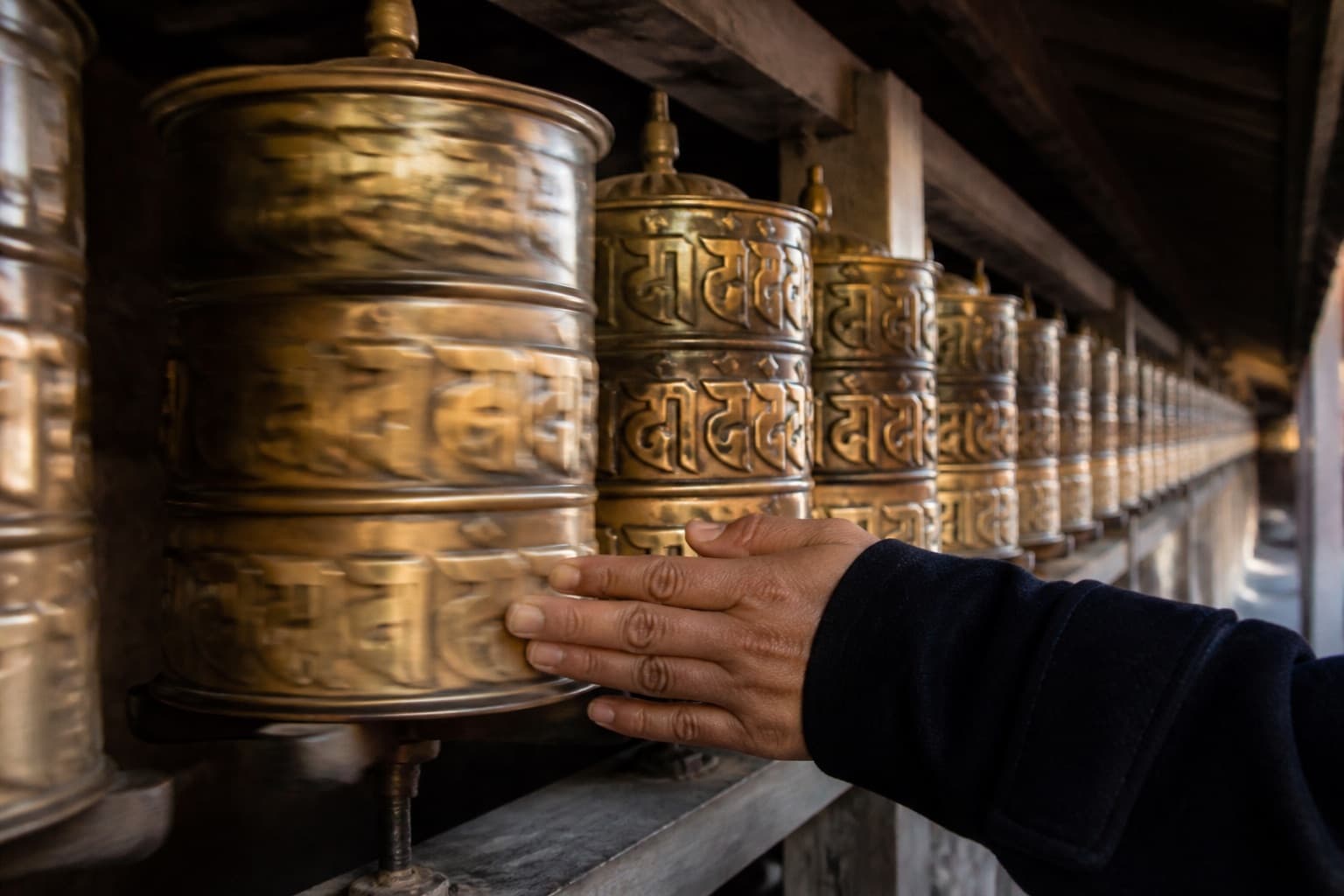
Einer der nützlichsten Bräuche, die man verinnerlichen sollte, ist die Umschreitung – das Umrunden heiliger Orte im Uhrzeigersinn. Um Klöster, Stupas, heilige Berge, Mani-Mauern und Gebetsmühlen-Galerien herum bewegen sich Pilger im Uhrzeigersinn und folgen dem Lauf der Sonne. (In der älteren Bön-Tradition ist die Richtung umgekehrt, gegen den Uhrzeigersinn – Ihr Reiseleiter wird Ihnen sagen, wann das gilt.)
Im Zweifel beobachten Sie die Pilger und folgen ihrem Beispiel. Heilige Bauwerke zu Ihrer Rechten zu behalten ist eine einfache Art, überall, wohin Sie gehen, Respekt zu zeigen.
Alltägliche Höflichkeiten und Überzeugungen
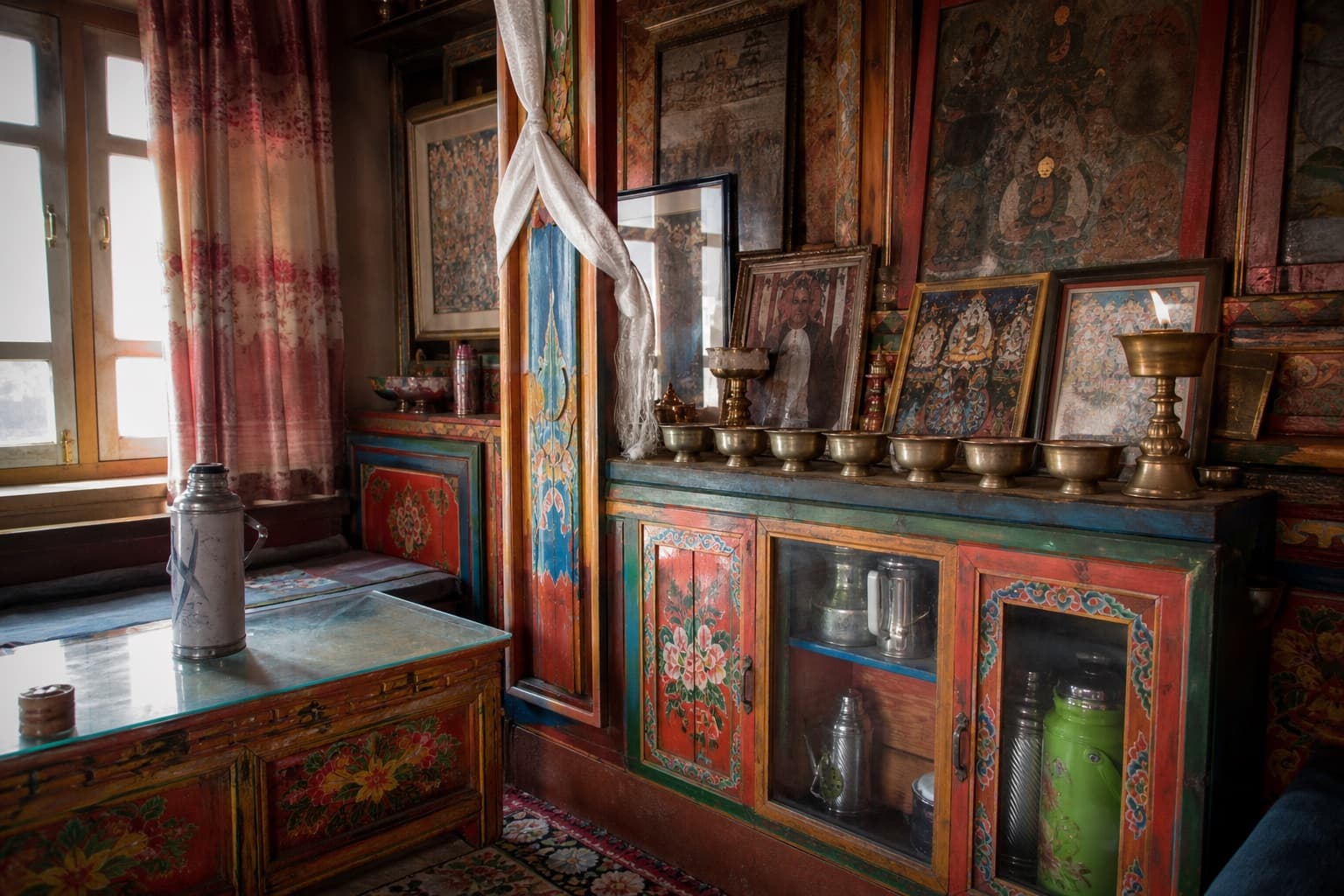
Eine Handvoll kleinerer Bräuche hilft Ihnen, sich achtsam durch Tibet zu bewegen:
- Verwenden Sie Ihre rechte Hand (oder beide Hände), um Dinge zu geben und entgegenzunehmen, einschließlich Geschenke und Geld.
- Berühren Sie nicht den Kopf von Menschen. Der Kopf gilt als der heiligste Teil des Körpers.
- Deuten Sie mit offener Hand, nicht mit einem einzelnen Finger, besonders auf Menschen oder heilige Gegenstände.
- Treten Sie nicht auf Türschwellen; steigen Sie über die erhöhte Türschwelle, wenn Sie ein Heim oder einen Tempel betreten.
- Drehen Sie Gebetsmühlen und Gebetsperlen im Uhrzeigersinn.
- Behandeln Sie heilige Gegenstände behutsam – klettern Sie nicht auf Mani-Steine, legen Sie keine Gegenstände auf religiöse Texte und richten Sie Ihre Füße nicht auf einen Altar oder eine Person.
Keine dieser Regeln ist eine Prüfung, die es zu bestehen gilt. Sie sind schlicht die Beschaffenheit einer Kultur, in der Glaube und Alltagsleben untrennbar sind und in der kleine Gesten der Fürsorge bemerkt und geschätzt werden.
Glaube, durch den Tag gewoben
Was viele Besucher am meisten beeindruckt, ist, wie nahtlos die Hingabe durch das gewöhnliche Leben verläuft. Sie werden Menschen sehen, die „Om Mani Padme Hum“ murmeln, während sie gehen, die Ketten von Gebetsperlen (Mala) durch die Finger gleiten lassen, um Mantras zu zählen, die an der Bushaltestelle handgehaltene Gebetsmühlen drehen oder auf dem Weg zum Markt innehalten, um eine Stupa zu umrunden. Nichts davon wird für Besucher aufgeführt – es ist schlicht die Art, wie sehr viele Tibeter sich durch ihren Tag bewegen und kleine Akte des Gebets in Besorgungen und Wege einflechten. Diesen Hintergrund zu verstehen lässt jeden Brauch in diesem Ratgeber an seinen Platz fallen: die Schals, die im Uhrzeigersinn gegangenen Wege, der behutsame Umgang mit heiligen Dingen entspringen alle einer Weltsicht, in der das Spirituelle und das Alltägliche ein und dasselbe sind.
Gastfreundschaft, auf tibetische Art
Tibeter sind berühmt warmherzige Gastgeber. Es kann Ihnen Buttertee oder Gerstenbier angeboten werden, und das Nachfüllen Ihrer Schale ist ein Zeichen der Begrüßung und kein Drängen. Ein behutsames Vorgehen: nehmen Sie an, was Sie können, nippen Sie langsam, und eine leichte Hand über der Schale signalisiert, dass Sie genug hatten. Gastfreundschaft mit einem Lächeln zu empfangen ist selbst eine Form guter Manieren.
Ein paar Dinge, die man vermeiden sollte
- Fotografieren Sie Menschen – oder das Innere von Kapellen – nicht ohne zu fragen. Viele Klöster schränken das Fotografieren im Innenraum ein, und ein Lächeln und eine Geste zu Ihrer Kamera hin ist die höfliche Art, Menschen um Erlaubnis zu bitten.
- Vermeiden Sie lautes oder ausgelassenes Verhalten in Klöstern und in der Nähe von Pilgern.
- Achten Sie auf Ihre Kleidung an religiösen Stätten: bescheidene Kleidung, die Schultern und Knie bedeckt, wird geschätzt.
Neugier, mit Respekt erwidert
Die Bräuche, die Besucher zunächst als ungewöhnlich treffen – die Zunge, die Schals, die im Uhrzeigersinn gegangenen Wege –, erweisen sich allesamt als Ausdruck von Aufrichtigkeit, Segen und Ehrfurcht. Begegnen Sie ihnen mit Neugier und Höflichkeit, und Sie werden Tibeter großzügig im Teilen ihrer Welt finden.
Diese Bräuche auf einer Reise erleben. Das meiste, was dieser Ratgeber beschreibt, geschieht in Lhasa vor aller Augen. Auf unserer 5-tägigen Lhasa- & Yamdrok-See-Reise begrüßt Sie Ihr Reiseleiter am Flughafen oder Bahnhof mit einem Khata, und Sie umrunden den Barkhor mit den Pilgern im Uhrzeigersinn um den Jokhang. Sie läuft als geteilte Gruppe, und unsere kommenden Abreisen zeigen die buchbaren Termine.
Für ein tieferes Eintauchen in die Höflichkeit an heiligen Stätten sehen Sie unseren begleitenden Ratgeber zur tibetischen Etikette: Gebote und Verbote. Um die Feste zu verstehen, bei denen viele dieser Bräuche lebendig werden, lesen Sie unseren Ratgeber zu Tibets Festen. Wenn Sie bereit sind, all dies aus erster Hand zu erleben, erkunden Sie unsere Tibet-Reisen und kontaktieren Sie uns, um Ihre Reise zu planen. Als internationaler Reisender schließen Sie sich einer lizenzierten organisierten Tour mit einem Reiseleiter und einer Tibet-Reisegenehmigung an, die wir für Sie besorgen.
Vom Lesen aufs Hochland
Die Kora in der richtigen Richtung gehen
Auf dem Barkhor werden diese Bräuche lebendig: Pilger im Uhrzeigersinn, Gebetsmühlen mit der rechten Hand gedreht, Butterlampen im Jokhang. Beide Reisen gehen ihn mit einem Guide vor Ort, der Ihnen dezent sagt, was zu tun ist.
Lhasa & Yamdrok (5 Tage)
Lhasa · Yamdrok-See · Xiazhulin-Tempel · Lhasa
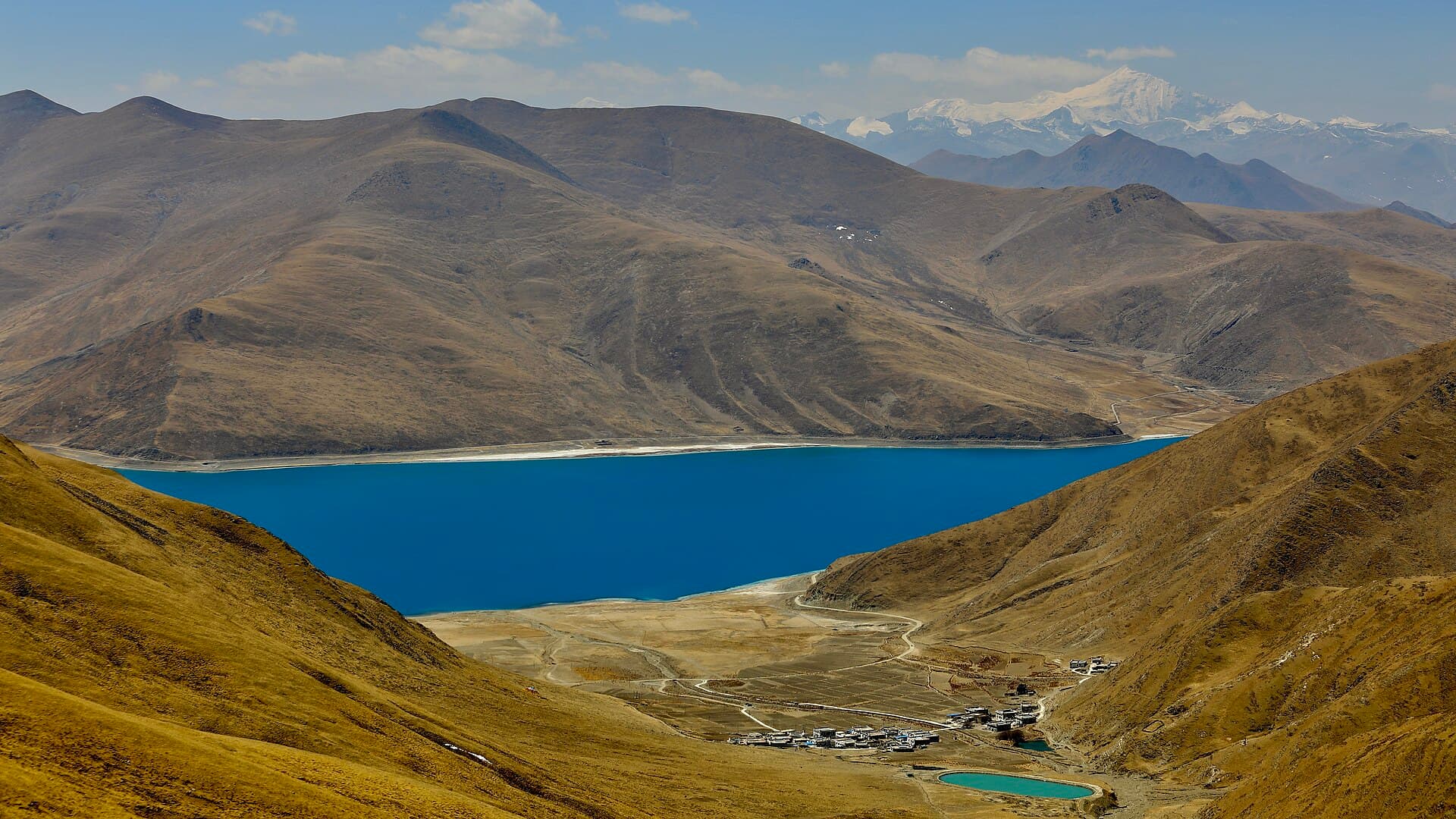
Fünf Tage mit Standort Lhasa: ein Vormittag mit tibetischem Handwerk zum Mitmachen, die debattierenden Mönche von Sera, der Potala-Palast und der Jokhang, dann ein Ausflug über den Kamba La zum Yamdrok-See und zum Xiazhulin-Tempel. Unsere kürzeste Tibet-Reise, als geteilte Gruppe zu festen Terminen.
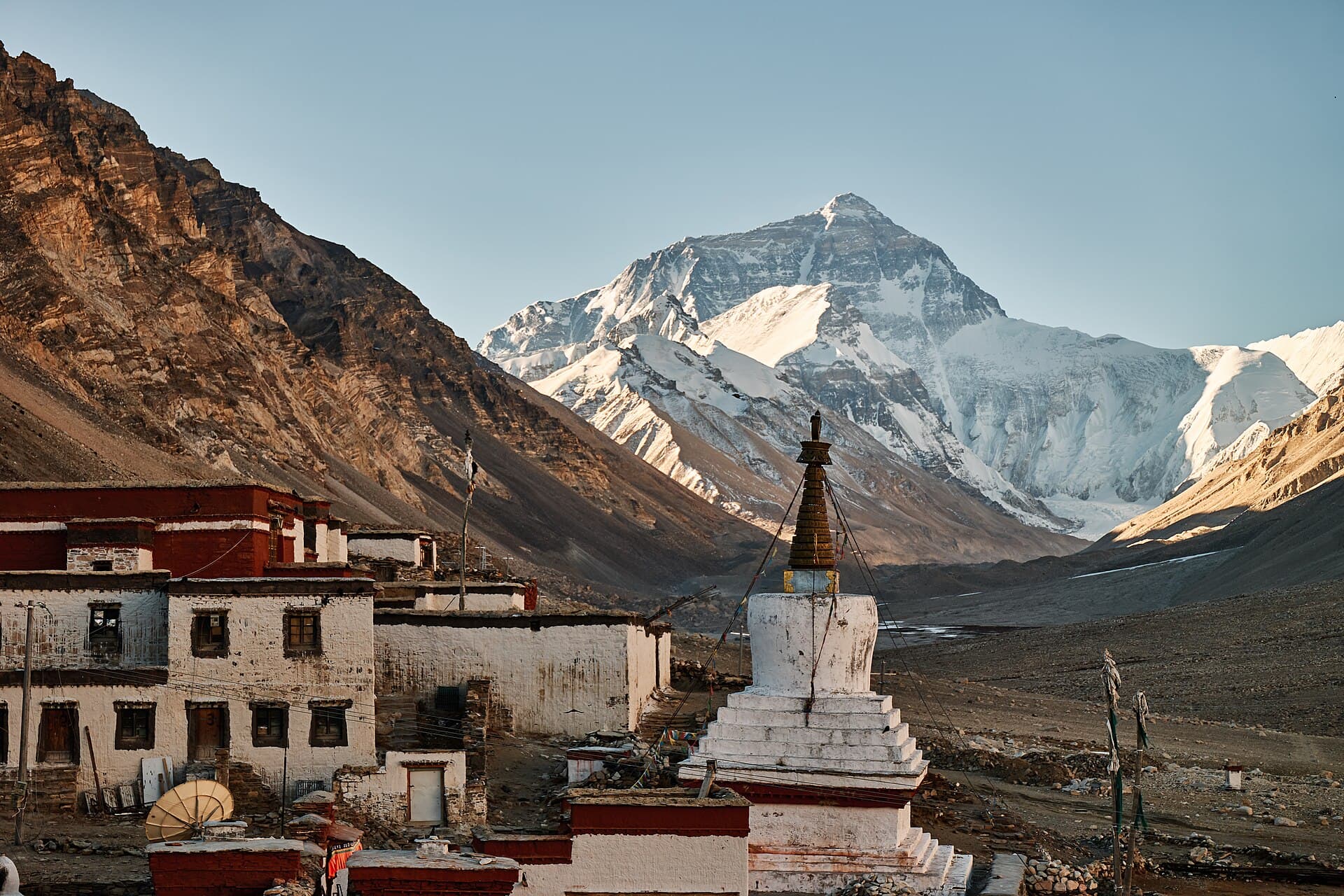
Lhasa & Everest (7 Tage)
Lhasa · Yamdrok-See · Karola-Gletscher · Shigatse · Rongbuk · Everest-Basislager · Shigatse · Lhasa
Von Lhasa an den Fuß des Everest in einer Woche: zwei Tage in Lhasa, um sich an die Höhe zu gewöhnen, der Yamdrok-See und der Karola-Gletscher auf dem Weg nach Westen, eine Nacht unter der Nordwand und Tashilhunpo auf dem Rückweg. Eine geteilte Gruppe mit festen Terminen.
Häufige Fragen
Es ist ein Zeichen von Respekt und Wohlwollen. Der Brauch geht auf einen Glauben über eine grausame Gestalt zurück, der man eine schwarze Zunge nachsagte; eine reine, gewöhnliche Zunge zu zeigen bewies, dass ein Mensch nichts Böses im Sinn hatte. Heute überdauert er als höfliche Begrüßung unter älteren Tibetern.