Jhator, „den Vögeln Almosen geben“, ist die tibetische Himmelsbestattung: Der Körper wird den Geiern als letzte Gabe dargebracht. Warum es geschieht und warum Besucher nicht zuschauen dürfen.
Kurze Antwort: Jhator, meist mit „den Vögeln Almosen geben“ übersetzt, ist die tibetisch-buddhistische Bestattung, die im Deutschen als Himmelsbestattung bekannt ist. Der Leichnam des Verstorbenen wird zu einem hoch gelegenen, offenen Platz getragen und den Geiern dargebracht. Sie drückt zwei buddhistische Lehren aus: Sobald das Bewusstsein den Körper verlassen hat, ist er ein leeres Gefäß (Vergänglichkeit), und ihn anderen Wesen als Nahrung zu geben, ist ein letzter Akt der Großzügigkeit. Es ist ein privates Familienritual, und Besuchern ist es nicht gestattet, es zu beobachten, zu fotografieren oder zu filmen.
Von allen tibetischen Bräuchen ist die Himmelsbestattung derjenige, der am häufigsten missverstanden wird. Reißerische Schlagzeilen behandeln sie als schockierend, doch für tibetische Buddhisten ist sie eine zärtliche, bedeutungsvolle und vollkommen schlüssige Art, die Toten zu ehren. Dieser Ratgeber erklärt, was die Himmelsbestattung bedeutet, die Überzeugungen dahinter und – ebenso wichtig – warum sie nichts ist, das Reisende jemals zu beobachten versuchen sollten.
Was die Himmelsbestattung tatsächlich ist
Das tibetische Wort lautet Jhator, oft übersetzt als „den Vögeln Almosen geben“. (Der englische Ausdruck „sky burial“ wurde von Außenstehenden geprägt.) Bei dieser Bestattungspraxis wird der Leichnam des Verstorbenen an einem hohen, offenen Ort den Geiern dargebracht, statt in der Erde bestattet oder eingeäschert zu werden.
Das mag im ersten Augenblick befremdlich klingen, doch die Bedeutung ist sanft und steht im Einklang mit allem anderen im tibetisch-buddhistischen Leben. Um es zu verstehen, muss man bei dem ansetzen, was Tibeter über den Tod glauben.
Die buddhistische Philosophie dahinter
Zwei Gedanken stehen im Herzen des Jhator: Vergänglichkeit und Großzügigkeit.
- Vergänglichkeit. Eine zentrale buddhistische Lehre besagt, dass alle körperliche Form vorübergehend ist. Sobald das Bewusstsein gegangen ist, gilt der Leichnam als ein leeres Gefäß – nicht länger der Mensch. Ihn der Natur darzubringen, drückt auf die unmittelbarste mögliche Weise die Annahme aus, dass das materielle Dasein vergeht.
- Großzügigkeit. Das Jhator wird als ein letzter Akt des Gebens verstanden. Es gibt eine bekannte Geschichte vom Buddha, der in einem früheren Leben seinen eigenen Körper darbot, um eine hungernde Tigerin und ihre Jungen zu nähren. In diesem Geist wird die Rückgabe des Körpers, um andere Lebewesen – die Vögel – zu erhalten, als ein mitfühlendes, großzügiges Geschenk gesehen statt als düstere Beseitigung.
Es gibt auch praktische Aspekte. Auf weiten Teilen des Hochlands ist der Boden gefroren oder felsig, und Holz für die Einäscherung ist knapp. Doch die Tibeter selbst fassen die Praxis zuerst in spirituellen Begriffen, nicht bloß in praktischen.
Eine von mehreren Bestattungstraditionen
Es ist hilfreich zu wissen, dass die Himmelsbestattung nicht Tibets einzige Art ist, die Toten zu ehren – sie steht innerhalb eines ganzen Spektrums von Bestattungspraktiken, von denen jede traditionell den Umständen und dem Stand angepasst ist. Diese Bandbreite zu sehen, macht es leichter, das Jhator als eine wohlüberlegte Wahl zu verstehen und nicht als schockierende Ausnahme.
- Die Himmelsbestattung (Jhator) war historisch über weite Teile Tibets die häufigste Form unter den einfachen Menschen.
- Die Stupa- (Reliquien-)Bestattung ist die ehrenvollste von allen, traditionell dem Dalai Lama, dem Penchen Lama und anderen verehrten Lehrern vorbehalten, deren einbalsamierte Überreste zur Verehrung in einer Stupa beigesetzt werden.
- Die Einäscherung ist eine geachtete Praxis, verbreiteter im feuchteren, stärker bewaldeten Südosten, wo Holz verfügbar ist, und wird auch mit bestimmten Lamas in Verbindung gebracht.
- Die Wasserbestattung wird in manchen Gegenden praktiziert, in denen Geier selten sind, wobei der Leichnam einem Fluss anvertraut wird.
- Die Erdbestattung war oft jenen vorbehalten, die an einer ansteckenden Krankheit starben, während die Baumbestattung für Säuglinge in bewaldeten Regionen wie Nyingchi überliefert ist.
Welcher Praxis eine Familie folgt, hängt von Region, Tradition und Umständen ab – doch alle teilen dieselbe zugrunde liegende Auffassung, dass der Körper ein Gefäß ist, das sorgsam zurückzugeben ist, sobald das Leben vergangen ist.
Die Rolle der Geier
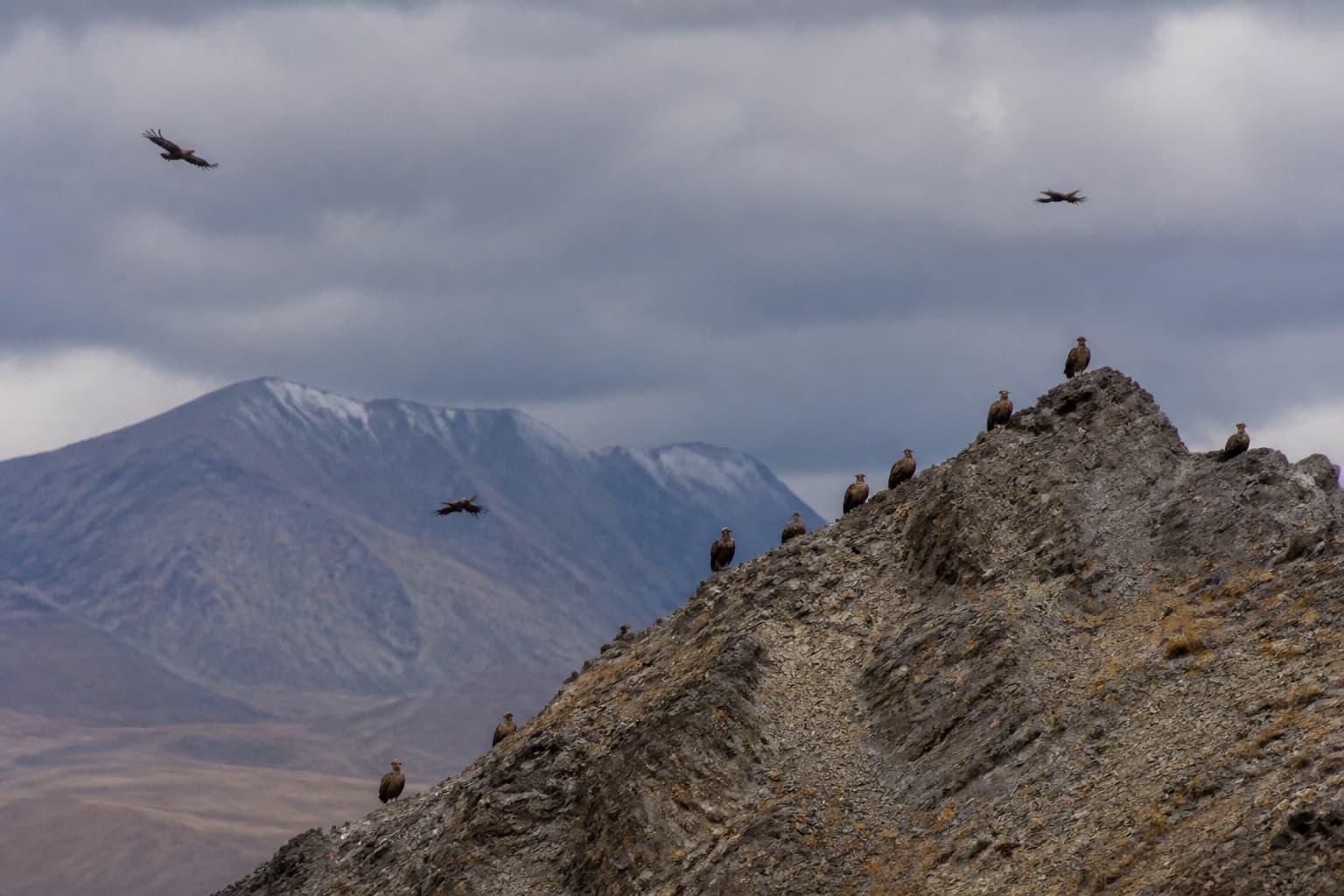
Die großen Himalaya-Geier, die zu diesen Orten kommen, werden nicht als Aasfresser im abwertenden Sinne gesehen. Im tibetischen Verständnis sind sie heilig – mitunter als Erscheinungsformen von Dakinis (im Himmel weilenden spirituellen Wesen) angesehen – und werden dafür geehrt, dass sie den Verstorbenen weiterzutragen helfen. Diese Ehrfurcht ist Teil dessen, warum das Ritual für jene, die es praktizieren, eine solche Würde trägt.
Warum Besucher sie nicht beobachten oder fotografieren dürfen
Dies ist der wichtigste Teil dieses Ratgebers, daher sagen wir es deutlich: Die Himmelsbestattung ist privat, und Reisenden ist es nicht gestattet, sie zu beobachten, zu fotografieren oder zu filmen. Sie sollten sie niemals aufsuchen.
Das ist keine willkürliche Regel. Bedenken Sie, was es für jede Familie bedeuten würde:
- Eine Himmelsbestattung ist ein Begräbnis – ein intimer Augenblick der Trauer und ein heiliger religiöser Ritus für die betroffene Familie.
- Tibeter glauben, dass die Anwesenheit neugieriger Außenstehender und das Eindringen von Kameras den Übergang des Verstorbenen stören kann.
- Aus Respekt vor diesen Überzeugungen untersagen Vorschriften das Besichtigen, Fotografieren und Filmen an Bestattungsstätten, auch mit Teleobjektiven oder Drohnen aus der Entfernung.
Die Einschränkung ist selbst Teil des Respekts, um den das Ritual bittet. Sie zu achten ist schlicht das Anständige – dieselbe Höflichkeit, die Sie einer trauernden Familie überall auf der Welt entgegenbringen würden. Eine verantwortungsvolle Tour wird die Himmelsbestattung niemals als „Sehenswürdigkeit“ anbieten, und Sie sollten gegenüber jedem misstrauisch sein, der das tut.
Wie Sie sich stattdessen respektvoll annähern
Sie können die Bedeutung dieser Tradition würdigen, ohne jemals in sie einzudringen.
- Lernen Sie die Philosophie. Vergänglichkeit und Großzügigkeit zu verstehen, sagt Ihnen weit mehr über Tibet, als ein flüchtiger Blick es je könnte.
- Besuchen Sie Klöster mit Bedacht. Tibets lebendige buddhistische Kultur ist respektvollen Besuchern in vielen Zusammenhängen offen. Sehen Sie unseren Ratgeber zu tibetischem Buddhismus und Klöstern.
- Folgen Sie Ihrem Reiseleiter. Örtliche Reiseleiter wissen, welche Orte Besucher willkommen heißen und welche Augenblicke privat sind, und sie halten Sie auf der richtigen Seite dieser Linie.
Ein Brauch, der um Demut bittet
Die Himmelsbestattung besteht fort, weil sie etwas ausdrückt, das Tibeter zutiefst empfinden: dass der Körper vorübergehend ist, dass der Tod Teil des Lebens ist und dass man selbst im Sterben geben kann. Mit Demut angegangen – und aus einer respektvollen Entfernung, die bedeutet, sich dem Ritual überhaupt nicht zu nähern – bietet sie Reisenden ein Fenster in das Herz der tibetisch-buddhistischen Werte.
Was Sie auf einer Reise sehen können. Keine unserer Touren besucht einen Ort der Himmelsbestattung, und keine verantwortungsvolle Tour sollte das tun. Sehen können Sie den lebendigen Buddhismus hinter dem Brauch: die Versammlungshallen und den Debattierhof von Sera auf unserer 5-tägigen Tour Lhasa & Yamdrok-See und auf längeren Routen Tashilhunpo in Shigatse, den Sitz der Panchen Lamas, auf der 9-tägigen Tour zum Everest-Basislager & Namtso. Ihr Guide kann dort die Bestattungsbräuche erläutern, im Zusammenhang und ohne jemandes Trauer zu stören.
Um Tibets lebendige Kultur mit Reiseleitern zu erleben, die diese Grenzen verstehen, erkunden Sie unsere Tibet-Touren. Sie können auch die Grundlagen auf unserer Seite Tibet-Reisegenehmigung durchsehen oder uns mit jeder Frage zum respektvollen Reisen kontaktieren.
Vom Lesen aufs Hochland
Mit Respekt verstehen – in Lhasa
Himmelsbestattungen sind privat und für Besucher nicht zugänglich. Der Glaube dahinter ist in Lhasa aber überall sichtbar: die Butterlampen im Jokhang, die Pilger auf dem Barkhor, die debattierenden Mönche in Sera. Ein Guide vor Ort erklärt, was Sie sehen – und was Sie nicht fotografieren sollten.
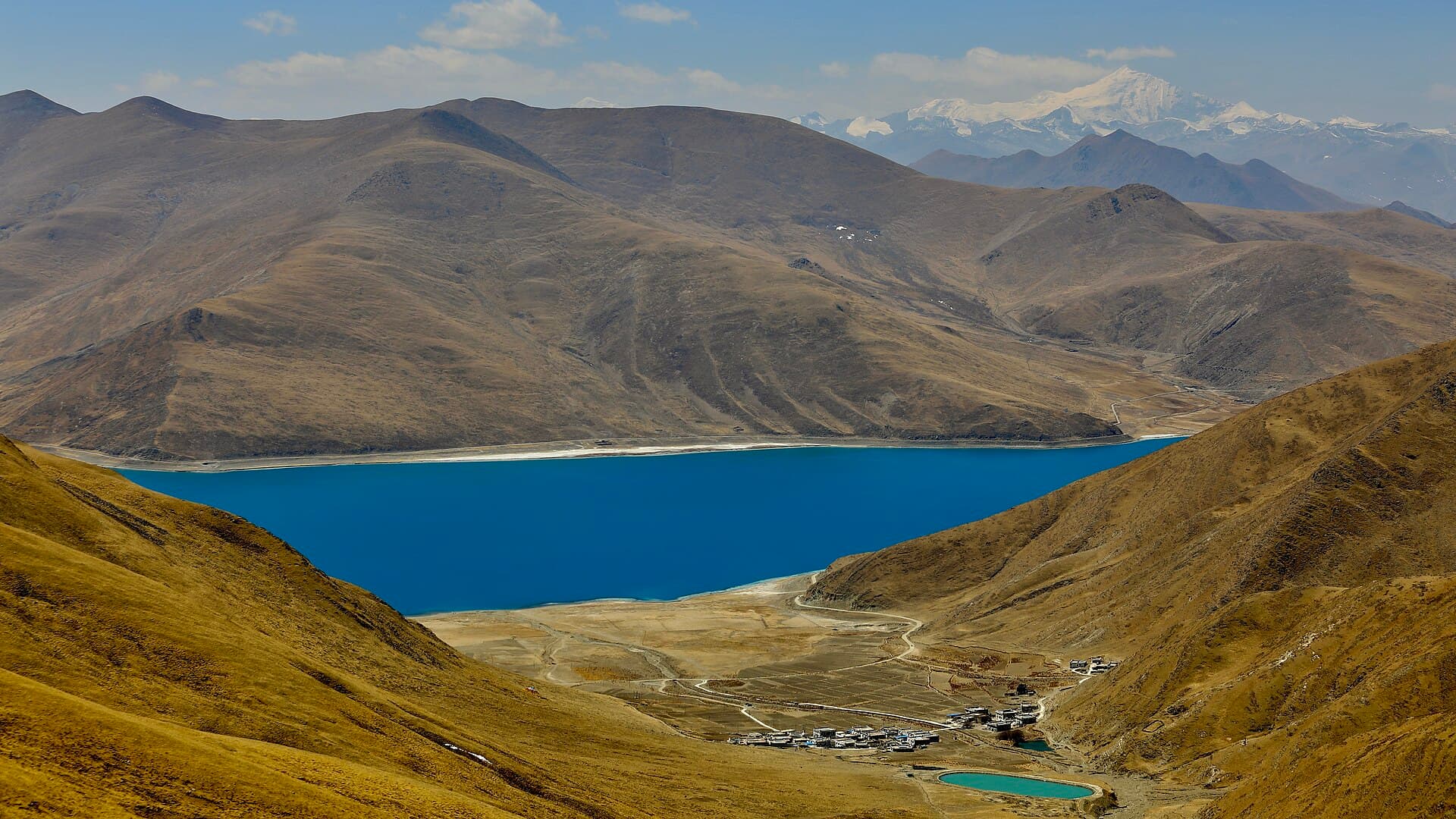
Lhasa & Yamdrok (5 Tage)
Lhasa · Yamdrok-See · Xiazhulin-Tempel · Lhasa
Fünf Tage mit Standort Lhasa: ein Vormittag mit tibetischem Handwerk zum Mitmachen, die debattierenden Mönche von Sera, der Potala-Palast und der Jokhang, dann ein Ausflug über den Kamba La zum Yamdrok-See und zum Xiazhulin-Tempel. Unsere kürzeste Tibet-Reise, als geteilte Gruppe zu festen Terminen.
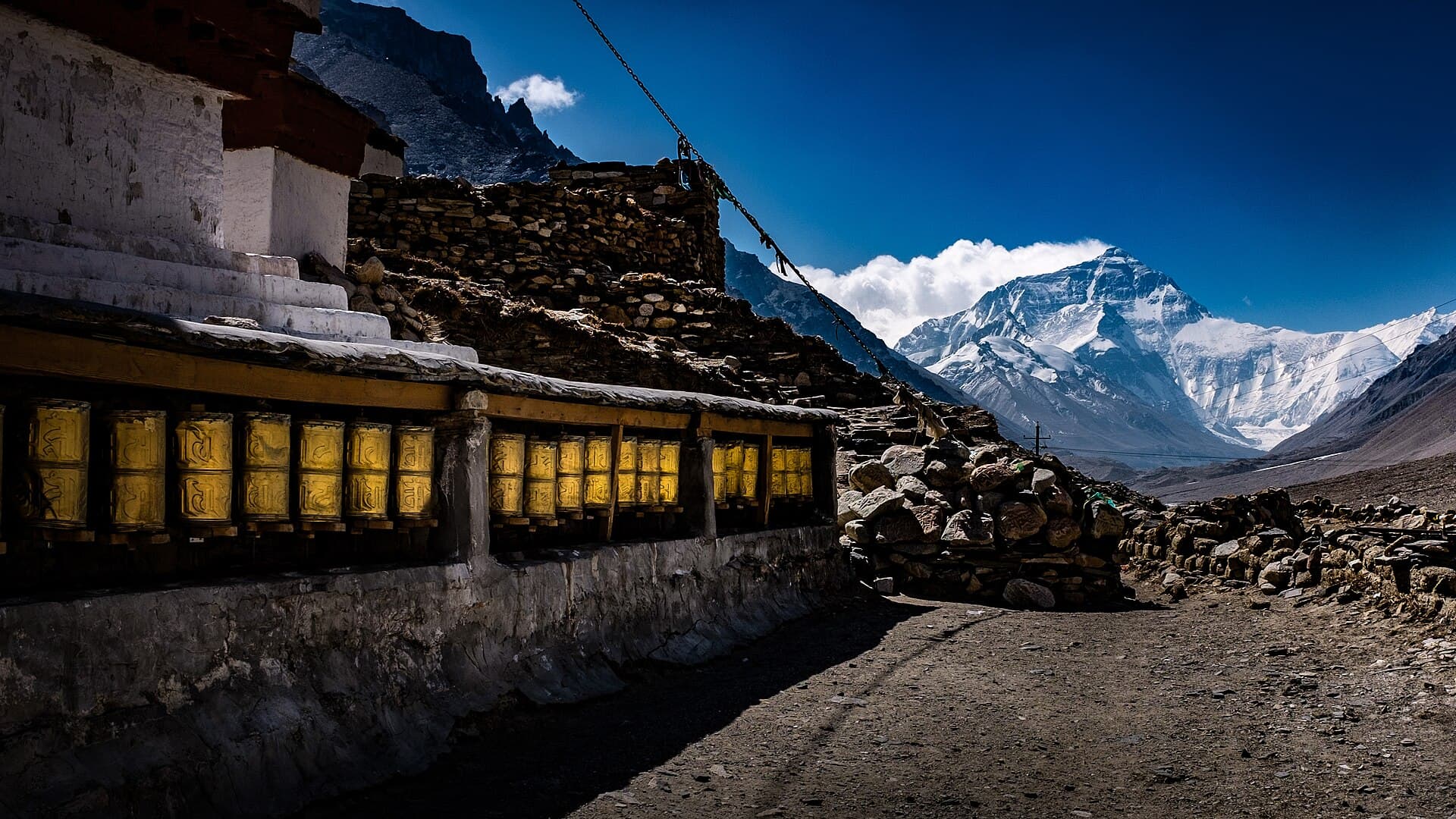
Everest & Namtso (9 Tage)
Lhasa · Yamdrok-See · Karola-Gletscher · Shigatse · Rongbuk · Everest-Basislager · Shigatse · Lhasa · Namtso · Lhasa
Neun Tage auf der Straße zum Everest, ergänzt um den Namtso: die debattierenden Mönche von Sera, Potala und Jokhang in Lhasa; der Yamdrok-See und dahinter der Karola-Gletscher auf der Fahrt nach Westen; eine Nacht am Everest-Basislager; Tashilhunpo; und zum Schluss ein Tagesausflug zum Namtso, wenn Sie akklimatisiert sind. Geteilte Gruppe, feste Abreisetermine.
Häufige Fragen
Jhator wird gewöhnlich übersetzt als „den Vögeln Almosen geben“. Es bezeichnet das Darbringen des Leichnams des Verstorbenen an Geier an einem hohen, offenen Ort. Der englische Begriff „sky burial“ (Himmelsbestattung) wurde später von Außenstehenden geprägt.