Tibets Hochgebirgsklima bedeutet starke Sonne, große Temperaturunterschiede zwischen Tag und Nacht, eine kurze sommerliche Regenzeit und strahlend klaren Winterhimmel. Hier erfahren Sie, wie sich jede Jahreszeit tatsächlich anfühlt und wie Sie entsprechend planen.
Kurze Antwort: Drei Dinge prägen Tibets Klima: eine erbarmungslose Höhensonne in dünner Luft, eine große Tag-Nacht-Spanne (oft 15–20 °C an einem einzigen Tag) und ein Sommermonsun, der zwischen Juni und August den Großteil des Jahresniederschlags bringt — meist als Nachmittags- oder Nachtschauer, nicht als Dauerregen. Der Oktober hat die klarsten Himmel; der Winter ist kalt, aber trocken und bemerkenswert sonnig.
Tibets Wetter wird von einer überragenden Tatsache geprägt: der Höhe. Mit einer durchschnittlichen Höhe über 4.000 Metern hat das Hochland eine dünne, trockene Luft, die intensiven Sonnenschein, dramatische Schwankungen zwischen Tages- und Nachttemperaturen und ein Klima hervorbringt, das sich ganz anders verhält, als seine geografische Breite vermuten ließe. Die Jahreszeiten zu verstehen hilft Ihnen, den richtigen Zeitpunkt zu wählen, korrekt zu packen und realistische Erwartungen zu setzen. Für eine kalenderartige Aufschlüsselung ergänzen Sie dies mit unserem Monat-für-Monat-Leitfaden zur besten Reisezeit.
Die drei Klimatatsachen, die am meisten zählen
- Die Sonne ist stark, die Luft ist kühl. Dünne Luft filtert wenig ultraviolettes Licht, daher kann es sich in direkter Sonne heiß anfühlen, während die tatsächliche Temperatur mild ist. Im Schatten und am Abend wird es schnell kalt.
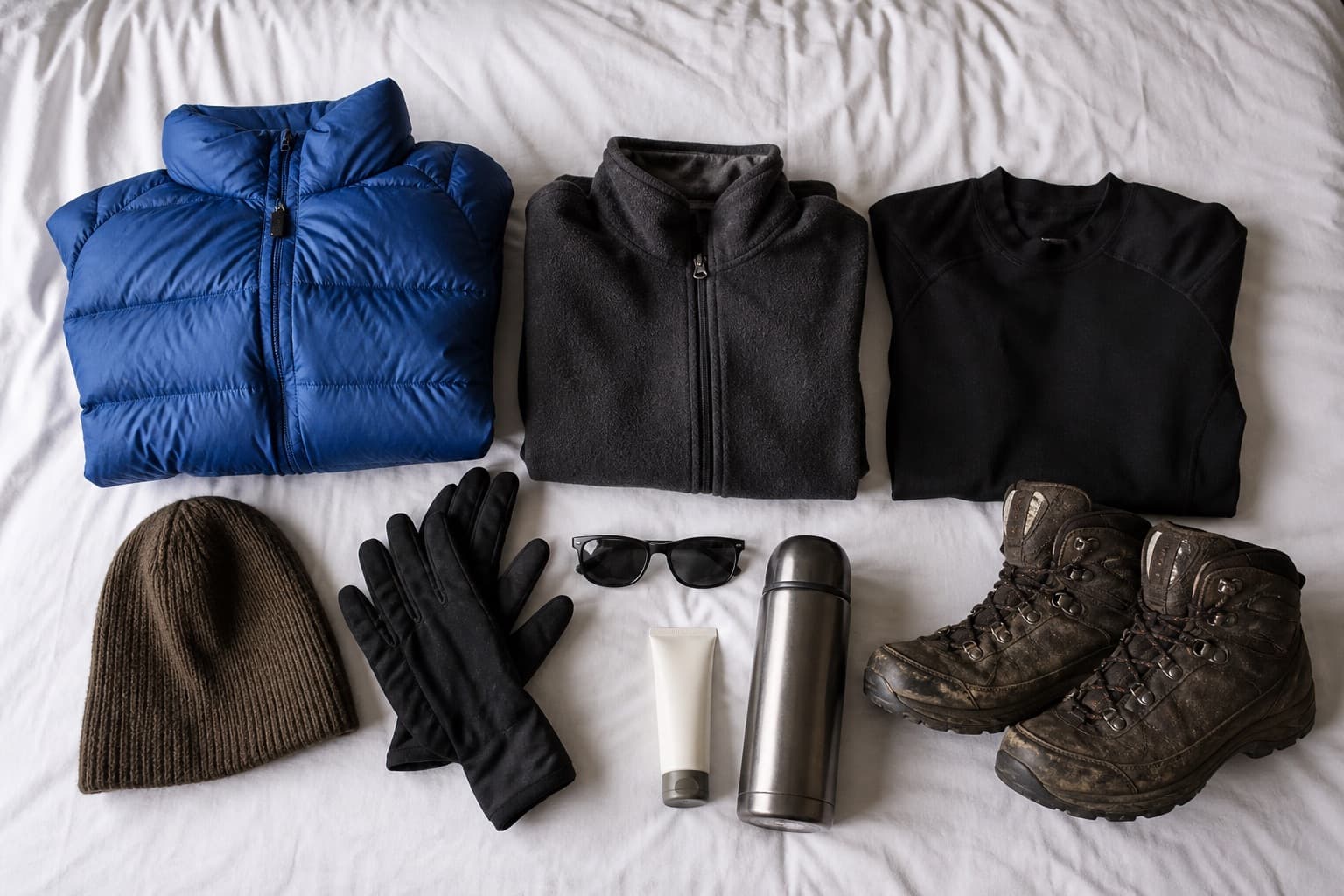
- Tage und Nächte unterscheiden sich enorm. Ein Unterschied von 15 °C bis 20 °C zwischen Nachmittag und Nacht ist Routine. Das Schichtenprinzip ist nicht optional. Siehe Was einpacken.
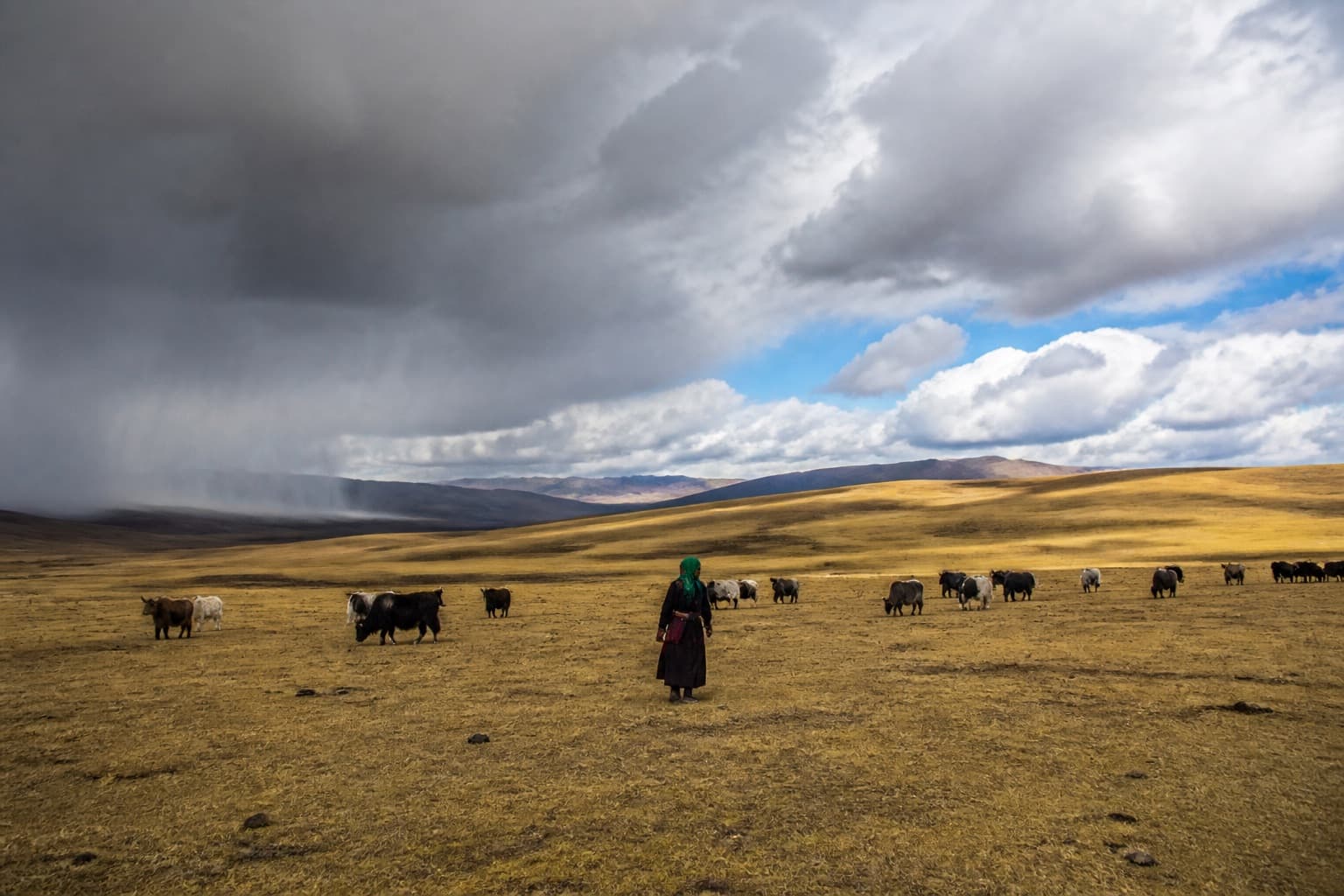
- Es ist trocken, mit einer kurzen Regenzeit. Der Großteil des Jahres ist arid. Regen konzentriert sich auf den Sommer und fällt eher in kurzen Nachmittags- oder Nachtschauern als in anhaltendem Regen.
Die Jahreszeit auf einen Blick
Die folgende Tabelle nimmt Lhasa (3.656 m) als Bezugspunkt. Höher gelegene Reiseziele wie der Everest und die großen Seen sind durchweg kälter.
| Jahreszeit | Monate | Tagesgefühl | Nächte | Regen | Himmel |
|---|---|---|---|---|---|
| Frühling | Apr bis Mai | Mild, angenehm | Kalt | Niedrig | Klar, gute Sicht |
| Sommer | Jun bis Aug | Warm, tagsüber im T-Shirt | Kühl | Am höchsten (Aug am nassesten) | Grüner, manchmal dunstig |
| Herbst | Sep bis Okt | Mild | Kalt | Nachlassend | Klarster des Jahres (Okt) |
| Winter | Nov bis Mär | Kalt, aber sonnig | Sehr kalt | Minimal | Tiefblau, klar |
Frühling (April bis Mai)
Der Frühling ist ein Übergang in die Hauptreisesaison. Im April hat die schlimmste Winterkälte nachgelassen, die Tage sind mild und beständig und die Luft ist klar. Der Mai erwärmt sich weiter und bietet vor dem Sommerdunst eine der besten Bergsichten des Jahres, weshalb er für Reisen zum Everest-Basislager ein Favorit ist. Die Nächte bleiben kalt, und höhere Lagen bleiben winterlich, behalten Sie also Ihre isolierenden Schichten.
Sommer (Juni bis August)
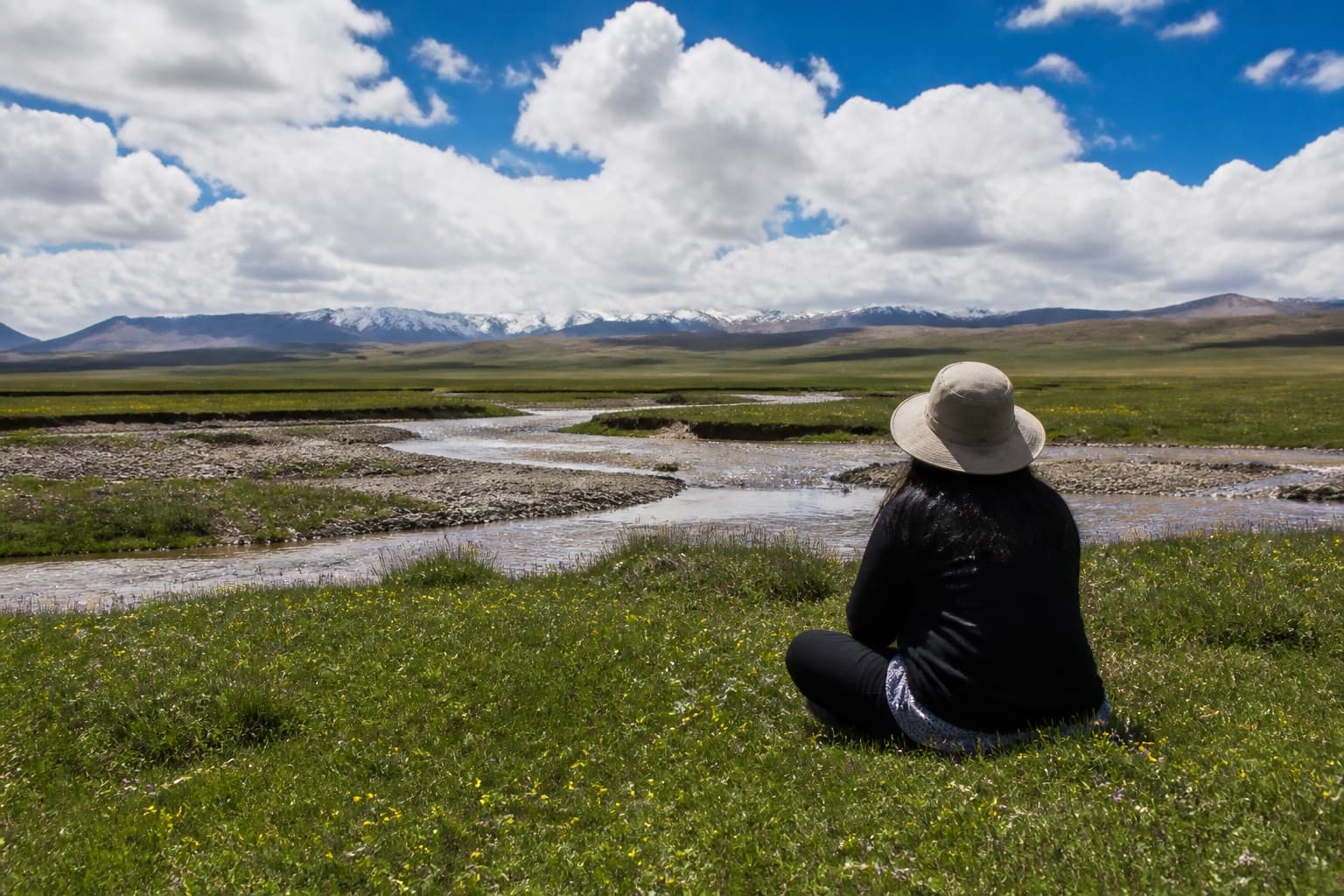
Der Sommer ist die wärmste und geschäftigste Jahreszeit. Die Tagestemperaturen in Lhasa sind wirklich angenehm, oft warm genug für ein T-Shirt, und die Täler werden grün. Dies ist auch die Regenzeit, die ab Ende Juni anschwillt und im August, dem nassesten Monat, ihren Höhepunkt erreicht. Der Regen verdirbt selten die Besichtigungen, weil er meist in kurzen Schüben kommt, oft über Nacht oder am späten Nachmittag, doch ferne Gipfel können wolkiger sein und Straßen in abgelegenen Gebieten spüren gelegentlich die Auswirkungen. Selbst im Sommer kühlen die Nächte ab und Stätten in großer Höhe sind kalt, packen Sie also entsprechend.
Herbst (September bis Oktober)
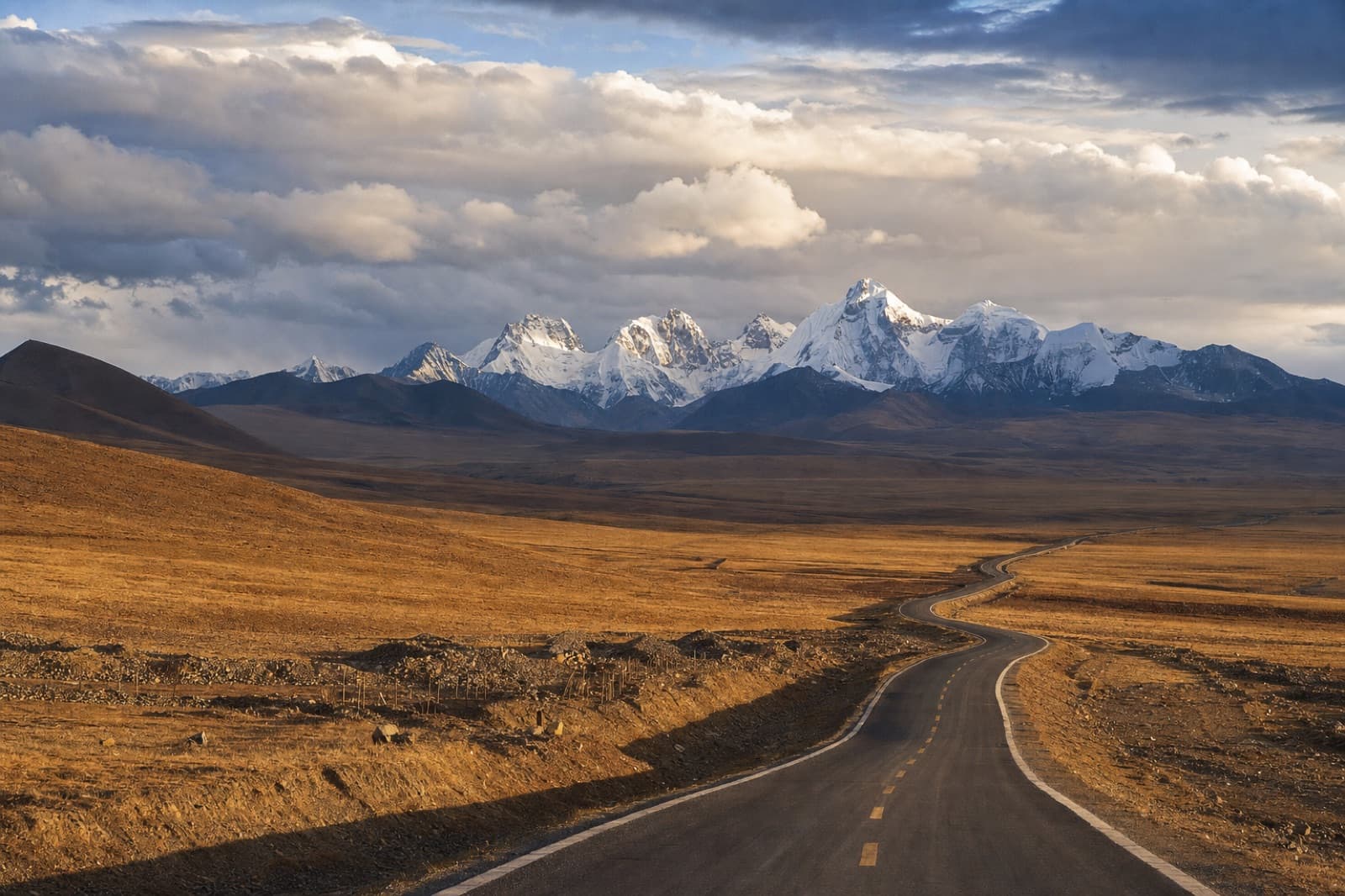
Für viele Reisende ist der Herbst der Höhepunkt des tibetischen Jahres. Im September verblassen die Regenfälle und hinterlassen üppige Landschaften und zunehmend klare Luft, während der Oktober den klarsten Himmel und die beste Sicht des Jahres liefert, mit langen sonnigen Tagen und klaren, kalten Nächten. Wenn Sie die besten Chancen auf ungehinderte Bergblicke kombiniert mit angenehmen Tagesbedingungen wollen, ist dies das Zeitfenster, das Sie anvisieren sollten.
Winter (November bis März)
Der Winter auf dem Hochland ist nachts kälter, als viele erwarten, aber weitaus sonniger, als sein Ruf vermuten lässt. Der Himmel ist häufig ein strahlendes, wolkenloses Blau, die Luft ist knochentrocken, und Lhasa genießt reichlich Tagessonne, die die Stadt angenehm zu erkunden macht. Die Kompromisse sind wirklich kalte Nächte, die Möglichkeit, dass Schnee hohe Bergpässe sperrt, und ein eingeschränkter Zugang zu den abgelegensten, höchstgelegenen Reisezielen. Für Reisende mit Fokus auf Lhasa und nahe Kultur und für jene, die ruhige Sehenswürdigkeiten und niedrigere Preise schätzen, ist der Winter eine lohnende und oft übersehene Jahreszeit.
Denken Sie daran, dass eine etwaige jährliche Schließung für ausländische Touristen in der Regel auf Ende Februar bis in den März fällt und manchmal in den frühen April, wenn keine Genehmigungen ausgestellt werden. Mehr dazu in unserem Leitfaden zu Reisebeschränkungen, und halten Sie Pläne vom Winter in den Frühling flexibel.
Temperatur und Höhe zusammen
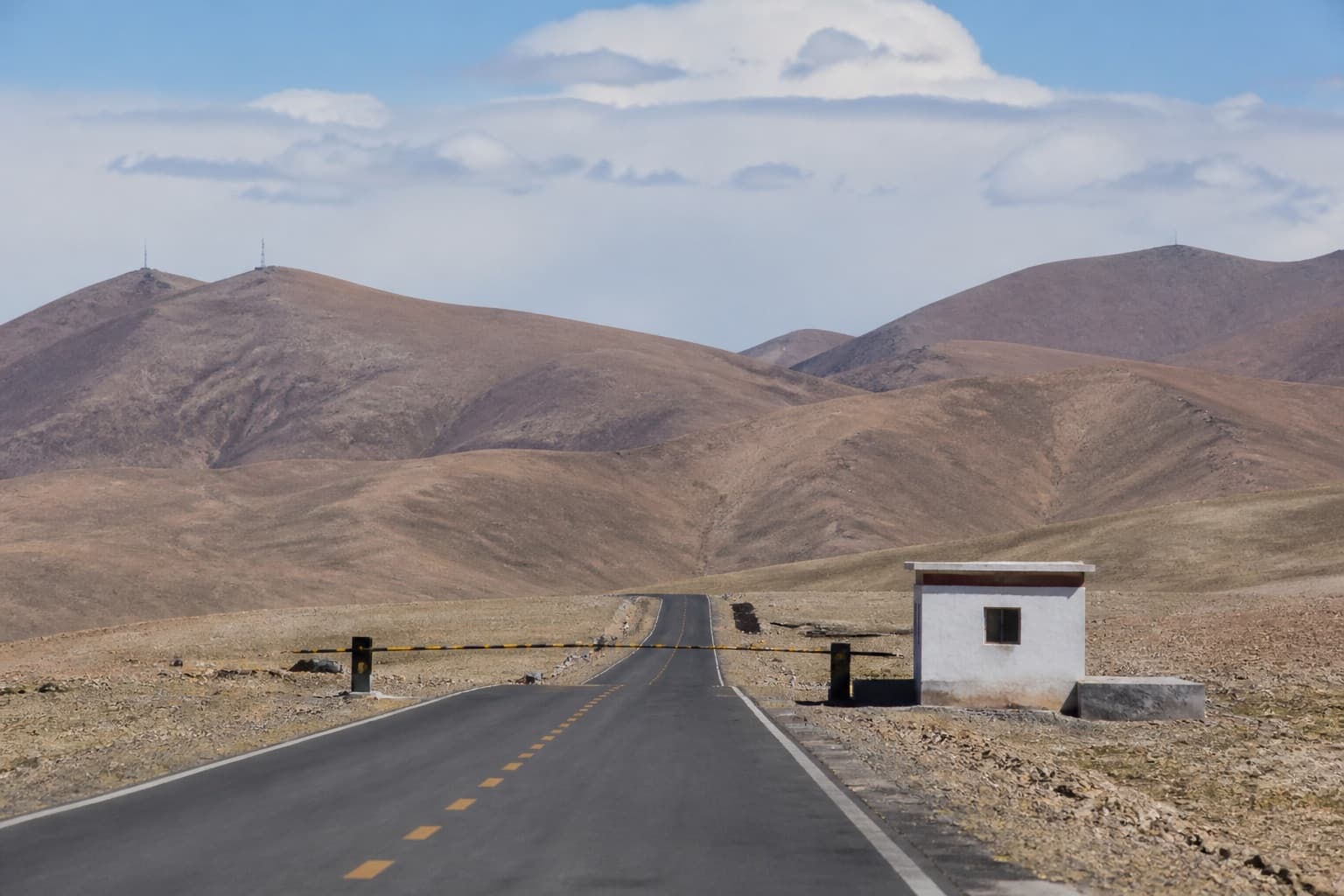
Ein entscheidender Punkt: Je höher Sie hinaufgehen, desto kälter wird es, unabhängig von der Jahreszeit. Lhasa mag mittags angenehm warm sein, während ein Aussichtspunkt auf 5.000 Metern am selben Tag mit hartem Wind unter dem Gefrierpunkt liegt. Planen Sie Kleidung und Energie um den höchsten Punkt Ihres Reiseverlaufs herum, nicht um den Durchschnitt.
Praktische Wettertipps
- Tragen Sie stets eine warme Schicht bei sich, selbst an einem heiß wirkenden Morgen. Das Bergwetter schlägt schnell um.
- Schützen Sie sich täglich vor der Sonne. Hoher Lichtschutzfaktor, UV-Sonnenbrille, Lippenbalsam und ein Hut. Die kühle Luft verschleiert, wie stark die Sonne ist.
- Bleiben Sie hydriert. Das trockene Klima dehydriert Sie schneller, als Sie bemerken, was auch die Höhensymptome verschlimmert.
- Tragen Sie im Sommer eine leichte Regenschicht für die nachmittäglichen Schauer bei sich, aber packen Sie keine schwere Regenausrüstung über; Wolkenbrüche sind nicht die Norm.
- Bauen Sie in den Übergangsmonaten Flexibilität ein. Das Wetter und im Spätwinter die Genehmigungszeitplanung können sich verschieben.
Das Wetter auf Ihre Reise abstimmen
- Beste Bergblicke: Oktober, dann Mai.
- Wärmste Tage und grüne Landschaften: Juli und August, unter Inkaufnahme von etwas Regen.
- Am ruhigsten und günstigsten, mit sonnigen Tagen: November und Dezember.
- Ausgewogener Allrounder: Ende September bis Oktober.
Welche Jahreszeit auch immer, der richtige Reiseverlauf und das richtige Packen machen das Klima des Hochlands leicht zu genießen statt zu ertragen. Um Ihre Daten auf die richtige Route abzustimmen, durchstöbern Sie unsere Tibet-Touren oder kontaktieren Sie uns für maßgeschneiderte Beratung.
Planen Sie Ihre Tibet-Reise mit uns
Genehmigungen erledigt, lokale Guides, transparente Preise. Nennen Sie uns Ihre Termine und wir senden Ihnen eine maßgeschneiderte Route.
Häufige Fragen
Es ist ein Hochgebirgsklima, das durch dünne, trockene Luft bestimmt wird. Das bedeutet sehr starke Sonne, große Temperaturunterschiede zwischen Tag und Nacht (oft 15 bis 20 °C), ein im Allgemeinen arides Jahr und eine kurze sommerliche Regenzeit. Die Winter sind nachts kalt, aber häufig sonnig mit tiefblauem Himmel.