Ein China-Visum bringt Sie ins Land; eine Tibet-Reisegenehmigung bringt Sie nach Tibet. Hier erfahren Sie, wie sich die beiden Dokumente unterscheiden, wer sie ausstellt und in welcher Reihenfolge Sie sie beschaffen müssen.
Kurze Antwort: Sie benötigen beide Dokumente. Das China-Visum wird von einer chinesischen Botschaft oder einem Konsulat ausgestellt und erlaubt die Einreise nach Festlandchina. Die Tibet-Reisegenehmigung stellt das Tibet Tourism Bureau aus, sie kann nicht von Privatpersonen beantragt werden und ist das Dokument, mit dem Sie tatsächlich einen Flug oder Zug nach Lhasa besteigen dürfen. Besorgen Sie zuerst das China-Visum und senden Sie uns dann einen Scan von Pass und Visum — die Genehmigung holen wir für Sie ein.
Einer der häufigsten Punkte, an denen Reisende bei der Planung einer Tibet-Reise verwirrt sind, ist der Papierkram. Oft wird angenommen, ein chinesisches Visum sei alles, was man braucht, und erst spät in der Planung entdeckt man, dass ein zweites, völlig eigenständiges Dokument erforderlich ist. Diese beiden zu verwechseln kann eine Reiseroute zum Scheitern bringen, daher lohnt es sich, genau zu verstehen, was jedes von ihnen bewirkt.
Die Kurzfassung: Ein China-Visum lässt Sie nach Festlandchina einreisen. Eine Tibet-Reisegenehmigung lässt Sie in die Autonome Region Tibet einreisen, sobald Sie bereits in China sind. Sie benötigen beide, sie stammen von unterschiedlichen Behörden, und sie müssen in einer bestimmten Reihenfolge beschafft werden.
Zwei Dokumente, zwei Zwecke
| China-Visum | Tibet-Reisegenehmigung | |
|---|---|---|
| Was es erlaubt | Einreise nach Festlandchina | Einreise in die Autonome Region Tibet |
| Ausgestellt von | Chinesische Botschaft oder Konsulat in Ihrem Land | Tibet Tourism Bureau (TTB) |
| Wie Sie beantragen | Sie beantragen direkt (oder über einen Visadienst) | Ihr lizenzierter Reiseveranstalter beantragt in Ihrem Namen |
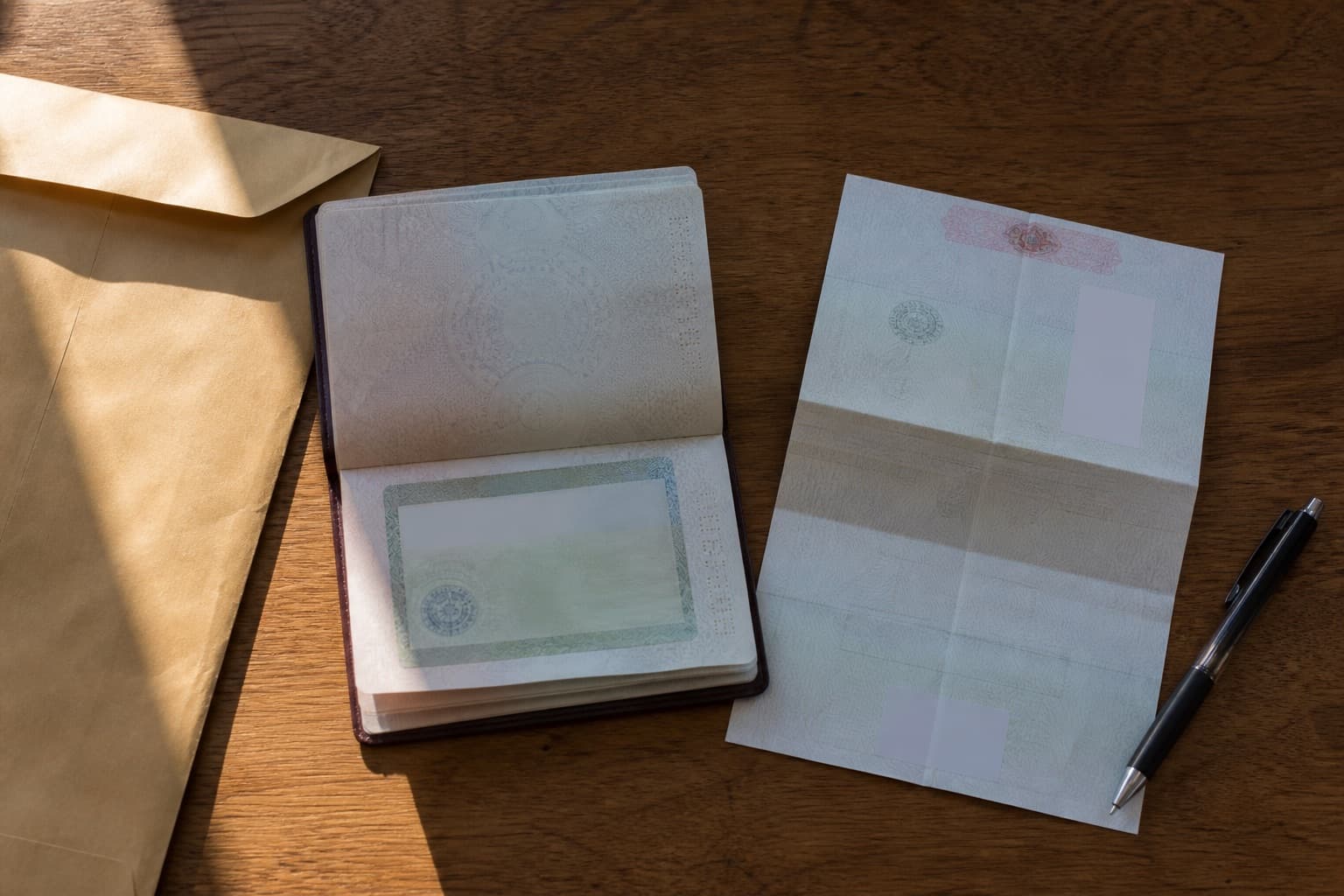
| Wo Sie es erhalten | Ein Aufkleber oder e-Visum in Ihrem Reisepass | Ein Papierdokument, das an Ihr Hotel in China geliefert wird |
| Wann | Vor Ihrer Reise nach China | Nach der Buchung einer Tour, etwa 15–20 Tage vorher |
Stellen Sie es sich wie zwei Tore vor. Das Visum öffnet das erste Tor ins Land. Die Genehmigung öffnet das zweite Tor nach Tibet. Keines ersetzt das andere.
Das China-Visum: Ihr erster Schritt
Die meisten Reisenden, die Tibet besuchen, reisen mit einem normalen Touristenvisum (dem L-Visum) ein, das Sie selbst über eine chinesische Botschaft, ein Konsulat oder ein autorisiertes Visazentrum beantragen. Dieser Teil des Verfahrens unterscheidet sich nicht von einer Reise nach Peking, Shanghai oder anderswo in China.
Einige praktische Punkte:
- Beantragen Sie das China-Visum vor der Tibet-Genehmigung. Der Genehmigungsantrag erfordert einen Scan Ihres Visums, das Visum muss also zuerst existieren.
- Stellen Sie sicher, dass Ihr Reisepass genügend Gültigkeit und leere Seiten hat.
- Das Visum wird in Ihren Reisepass gestempelt oder eingeklebt.
Es gibt eine wichtige Ausnahme von dieser Reihenfolge, die weiter unten behandelt wird: Reisende, die direkt aus Nepal nach Tibet einreisen, folgen einem völlig anderen Visa-Weg.
Ein Hinweis zur Reisepassgültigkeit
Bevor Sie irgendetwas anderes tun, prüfen Sie Ihren Reisepass. Als Faustregel sollte er noch mindestens sechs Monate über Ihre geplanten Reisedaten hinaus gültig sein und ein paar leere Seiten für Stempel haben. Ein Reisepass, der kurz vor dem Ablauf steht, kann beim Visum Probleme verursachen, die sich dann auf den Zeitplan der Genehmigung auswirken. Es ist eine Kleinigkeit, die man früh überprüft, und eine schmerzhafte, wenn man sie spät entdeckt.
Die Tibet-Reisegenehmigung: Was Tibet anders macht
Hier kommt der Teil, der viele Erstbesucher überrascht. Ausländische Touristen können in Tibet nicht unabhängig reisen. Die Vorschriften verlangen, dass Sie:
- eine lizenzierte organisierte Tour buchen,
- eine gültige Tibet-Reisegenehmigung (auch Tibet-Einreisegenehmigung oder TTB-Genehmigung genannt) besitzen und
- von einem lizenzierten Guide begleitet werden.
Dies ist keine Formalität, die Ihr Veranstalter überspringen kann. Sie können ohne die Genehmigung weder einen Flug oder Zug nach Lhasa besteigen noch dort in einem Hotel einchecken. Und entscheidend: Sie können die Genehmigung nicht selbst beantragen – sie muss von einer registrierten Tibet-Reiseagentur arrangiert werden. Das ist einer der Kerngründe, warum die Zusammenarbeit mit einem Veranstalter verpflichtend und nicht optional ist.
Bei Tibet Trails ist die Beschaffung dieser Genehmigung Teil jeder Reise, die wir organisieren. Die vollständige Aufschlüsselung des Verfahrens lesen Sie in unserem Leitfaden zur Tibet-Reisegenehmigung.
Was der Genehmigungsantrag braucht
Für die meisten Reisenden sind die Unterlagen unkompliziert:
- Ein klarer Scan Ihres Reisepasses (Bildseite)
- Ein klarer Scan Ihres China-Visums
Das ist der Standardumfang. Einige Kategorien von Reisenden – zum Beispiel jene, die in China arbeiten oder studieren – müssen zusätzliche Unterlagen vorlegen, etwa ein Arbeits- oder Studentenvisum und die zugehörige Genehmigung oder Karte. Diplomaten und Journalisten unterliegen gesonderten Verfahren.
Auf das Timing kommt es an
Senden Sie die Scans Ihres Reisepasses und Visums mindestens 15–20 Tage vor Ihrer geplanten Einreise nach Tibet an Ihren Veranstalter. Das Tibet Tourism Bureau benötigt mehrere Werktage zur Bearbeitung des Antrags, und die originale Papiergenehmigung muss dann vor Ihrer Abreise nach Lhasa per Kurier an Ihr Hotel in China geschickt werden. Lassen Sie einen komfortablen Puffer; an diesem Schritt zu hetzen ist der Punkt, an dem Reisen schiefgehen.
Was ist mit Reisen über Lhasa hinaus?
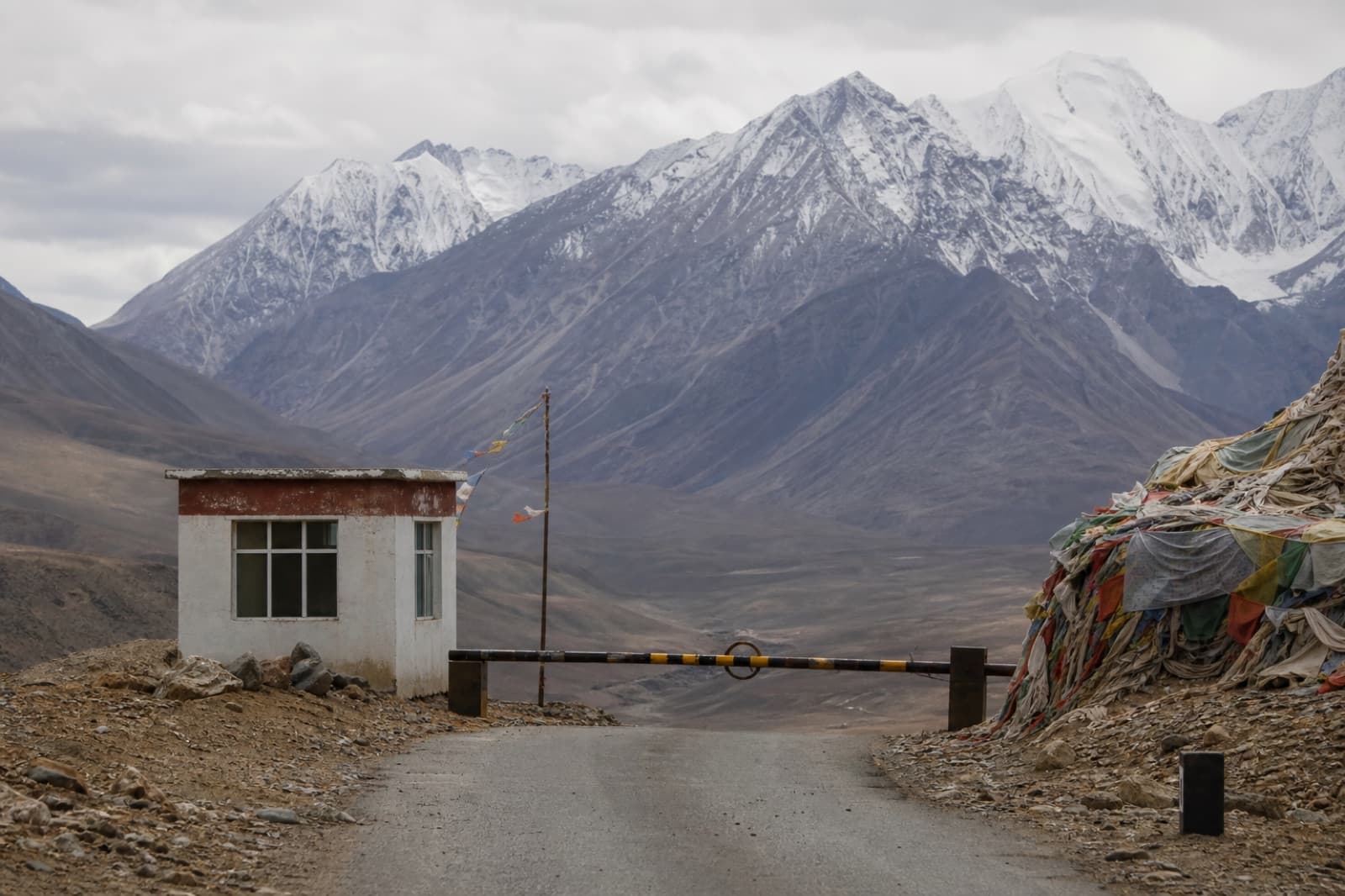
Die TTB-Genehmigung deckt Lhasa und die umliegende Gegend ab. Wenn Ihre Reiseroute weiter führt – zum Everest-Basislager, zum Berg Kailash oder in andere Regionen näher an internationalen Grenzen –, kommen zusätzliche Genehmigungen ins Spiel:
- Aliens’ Travel Permit für Gebiete außerhalb Lhasas, die für Ausländer geöffnet sind
- Militär- / Grenzgenehmigung für sensible Grenzzonen
Die gute Nachricht: Ihr Guide und Ihre Agentur kümmern sich in Ihrem Namen als Teil der Tour darum. Sie jagen ihnen nicht einzeln hinterher. Unsere 9-tägige Everest-Basislager & Namtso-Tour ist ein Beispiel für eine Reiseroute, bei der diese zusätzlichen Genehmigungen für Sie arrangiert werden.
Die Nepal-Ausnahme

Wenn Sie Ihre Reise in Nepal beginnen und nach Tibet einreisen – etwa per Flug von Kathmandu nach Lhasa oder über Land –, ändert sich die Visumssituation. In diesem Fall verwenden Sie kein normales chinesisches Visum, das Sie zu Hause beschafft haben. Stattdessen müssen Sie ein chinesisches Gruppen-Touristenvisum erhalten, das über Ihre Tibet-Agentur in Kathmandu arrangiert wird. Dieses Gruppenvisum ersetzt für die Reise faktisch ein reguläres chinesisches Visum, und das Verfahren dauert in Kathmandu üblicherweise einige Werktage.
Wenn Sie eine Route in Erwägung ziehen, die die beiden Länder verbindet, besprechen Sie diese Option mit uns über Kontakt.
Alles zusammengefügt
Für den typischen Reisenden, der über Festlandchina nach Tibet einreist, sieht die Abfolge so aus:
- Beantragen Sie Ihr China-Visum bei einer chinesischen Botschaft oder einem Konsulat.
- Buchen Sie Ihre Tour bei einem lizenzierten Veranstalter.
- Senden Sie die Scans von Reisepass und Visum 15–20 Tage vorher an den Veranstalter.
- Der Veranstalter beantragt Ihre Tibet-Reisegenehmigung (und etwaige zusätzliche Genehmigungen, die Ihre Route benötigt).
- Sie erhalten die originale Genehmigung an Ihrem Hotel in China, bevor Sie nach Lhasa fliegen oder den Zug nehmen.
Wenn Sie die Reihenfolge richtig einhalten, ist der Papierkram wirklich überschaubar. Der mit Abstand größte Fehler ist, die Genehmigung als Nebensache zu behandeln. Planen Sie sie von Anfang an in Ihren Zeitplan ein, und der Rest der Reise fügt sich.
Häufige Fehler, die man vermeiden sollte
Einige wiederkehrende Fehler bringen Reisende ins Stolpern, und alle lassen sich leicht umgehen, sobald man von ihnen weiß:
- Anzunehmen, das Visum genüge. Das ist das häufigste Missverständnis. Das Visum allein bringt Sie nicht nach Lhasa.
- Die Genehmigung zu spät anzugehen. Ihre Unterlagen eine Woche vor der Abreise zu senden, lässt nicht genügend Zeit für Bearbeitung und Kurierzustellung. Halten Sie sich an das Fenster von 15–20 Tagen.
- Unscharfe Scans zu senden. Das Tibet Tourism Bureau benötigt klare, gut lesbare Kopien Ihres Reisepasses und Visums. Ein dunkles oder beschnittenes Foto kann den Antrag verzögern.
- Zu vergessen, dass das Original physisch ist. Die Genehmigung ist ein Papierdokument, das Sie in China erreichen muss, bevor Sie fliegen oder den Zug nehmen. Stellen Sie sicher, dass Ihr Veranstalter weiß, in welchem Hotel Sie sein werden.
- Nicht erstattungsfähige Flüge nach Lhasa zu buchen, bevor die Genehmigung bestätigt ist. Lassen Sie Ihren Veranstalter zuerst den Zeitplan der Genehmigung bestätigen.
Nichts davon ist kompliziert, doch jeder einzelne Punkt hat schon jemandem die Reise zunichtegemacht, der nicht vorausgeplant hat.
Eine kurze Zusammenfassung
Um die wesentlichen Punkte an einem Ort zusammenzufassen: Sie benötigen ein China-Visum, um ins Land einzureisen, und eine Tibet-Reisegenehmigung, um nach Tibet einzureisen. Das Visum kommt zuerst und Sie arrangieren es selbst; die Genehmigung kommt als Zweites, und nur ein lizenzierter Veranstalter kann sie arrangieren, nachdem Sie eine Tour gebucht haben. Planen Sie 15–20 Tage ein, senden Sie klare Dokumentenscans, und denken Sie daran, dass ausländische Besucher auf einer organisierten Tour mit Guide reisen müssen.
Wenn irgendein Teil davon für Ihre konkrete Nationalität oder Reiseroute unklar erscheint, nehmen Sie Kontakt auf, und wir führen Sie hindurch. Sie können auch unser gesamtes Angebot an Tibet-Touren durchstöbern, um zu sehen, wie sich die Genehmigungen auf reale Reiserouten abbilden.
Planen Sie Ihre Tibet-Reise mit uns
Genehmigungen erledigt, lokale Guides, transparente Preise. Nennen Sie uns Ihre Termine und wir senden Ihnen eine maßgeschneiderte Route.
Häufige Fragen
Ja, für Reisende, die über Festlandchina nach Tibet einreisen, benötigen Sie beide. Das China-Visum lässt Sie ins Land einreisen, und die Tibet-Reisegenehmigung lässt Sie in die Autonome Region Tibet einreisen. Es sind gesonderte Dokumente von gesonderten Behörden.