Eine praktische Packliste für Tibet, Jahreszeit für Jahreszeit, mit Themen wie Zwiebelprinzip, Sonnenschutz, Höhen-Essentials und dem, was sich zwischen Sommer und Winter ändert.
Kurze Antwort: Die Grundliste ändert sich übers Jahr kaum — Schichten, eine isolierende Jacke, eine winddichte Außenschicht, Sonnencreme mit hohem Lichtschutzfaktor, ein Hut mit Krempe, starke Sonnenbrille, Lippenbalsam, wiederbefüllbare Trinkflasche und Ihre eigenen Medikamente. Saisonal ändert sich nur die Stärke der Isolierung, dazu im Sommer (Juli–August) eine Regenschicht und von Dezember bis Februar echte Winterausrüstung: Handschuhe, warme Mütze, Thermosocken.
Beim Packen für Tibet geht es im Grunde um zwei Dinge: eine riesige tägliche Temperaturschwankung zu bewältigen und eine außergewöhnlich starke Sonne in großer Höhe zu respektieren. Bekommen Sie das hin, und der Rest ist Detail. Diese Checkliste ist dafür gemacht, ausgedruckt und abgehakt zu werden, mit einer Kernliste, die ganzjährig gilt, und saisonalen Ergänzungen obendrauf.
Die goldene Regel auf dem Hochland ist das Zwiebelprinzip. Der Abstand zwischen Mittagssonne und vormorgendlicher Kälte kann zu jeder Jahreszeit dramatisch sein, und die einzig vernünftige Antwort ist Kleidung, die Sie im Tagesverlauf an- und ausziehen können.
Die Kernliste (alle Jahreszeiten)
Diese kommen mit Ihnen, in welchem Monat auch immer.
Kleidung
- Thermo- oder feuchtigkeitsableitende Basisschichten (Merino oder Synthetik), oben und unten
- Fleece oder leichte Daunen-Mittelschicht zur Isolierung
- Winddichte, wasserdichte äußere Hülle – das Hochland bekommt plötzlichen Wind, Regen und Hagel
- Bequeme Hosen und ein paar langärmelige Hemden
- Robuste, eingelaufene Wanderschuhe oder leichte Wanderstiefel
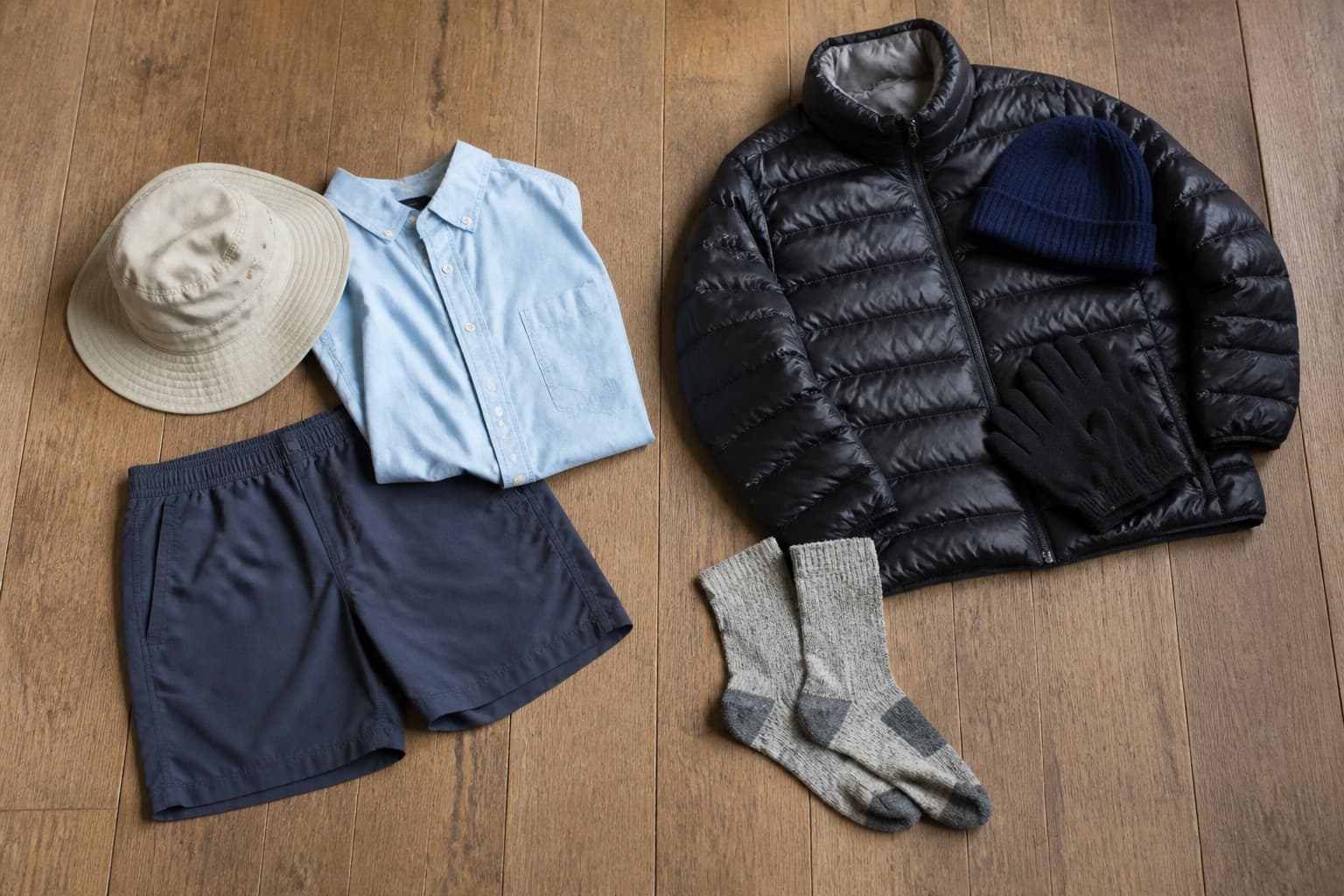
- Warme Mütze und ein Paar Handschuhe (ja, selbst im Sommer für frühe Aufbrüche und hohe Pässe)
Sonnenschutz (nicht verhandelbar)
- Breitbandsonnencreme mit hohem LSF (LSF 50+), alle paar Stunden nachgetragen
- Lippenbalsam mit LSF
- Wraparound-Sonnenbrille mit starkem UV-Schutz, idealerweise mit seitlicher Abdeckung
- Hut mit breiter Krempe, der Gesicht, Ohren und Nacken beschattet
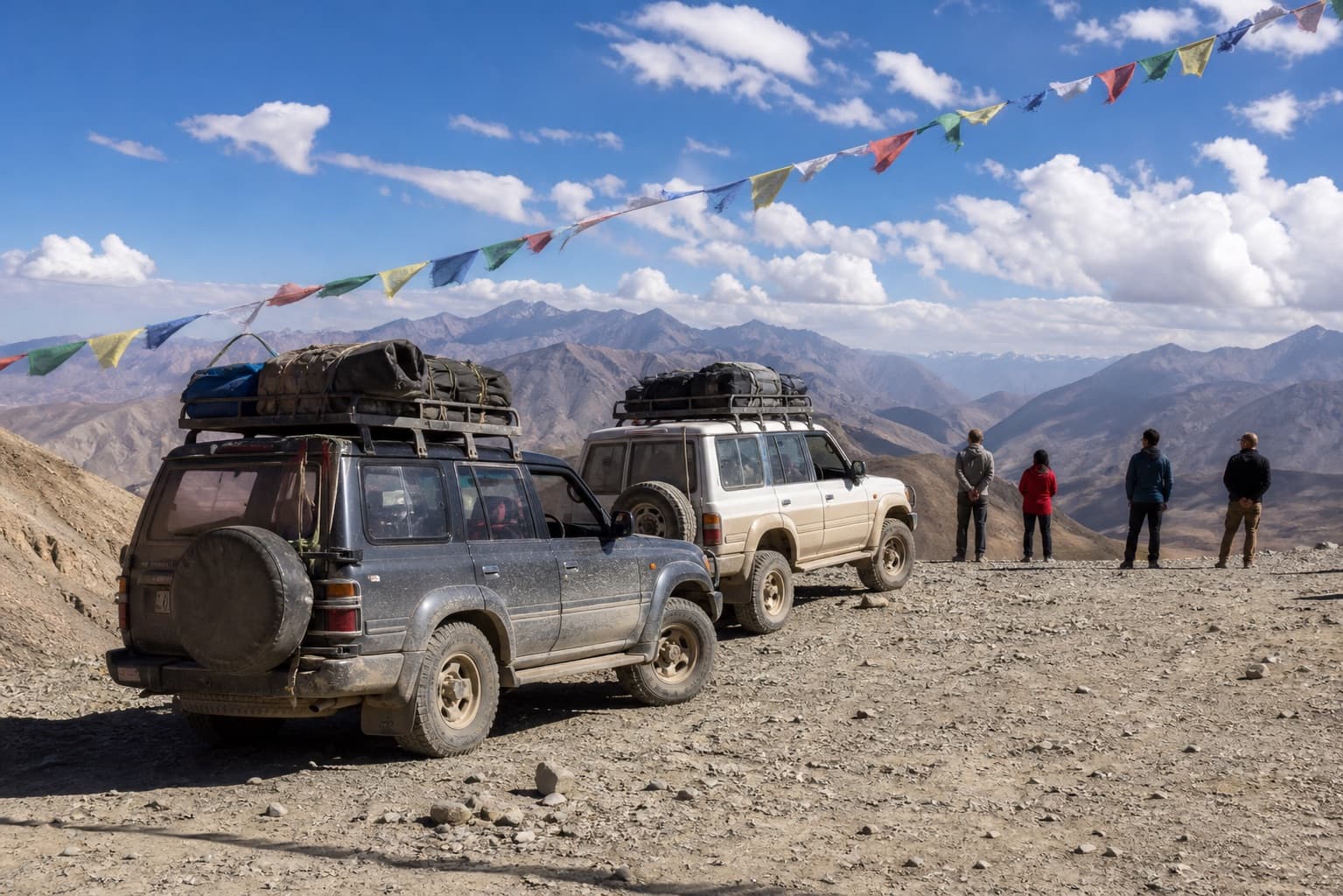
Tibet liegt auf dem höchsten Hochland der Welt, wo die dünne Luft weit weniger UV filtert, als Sie gewohnt sind. In Kombination mit reflektierendem Schnee, offenem Gelände und langen, klaren Himmelsstunden ist die Sonne ein echtes Gesundheitsrisiko, nicht nur eine Frage des Komforts. Behandeln Sie Sonnenbrand und Schneeblendung als reale Gefahren. Wir vertiefen dies in unserem Fotografie-Leitfaden und unserer Pack-Übersicht.
Gesundheit und Höhe
- Persönliche Medikamente sowie etwaige mit Ihrem Arzt besprochene Höhenmedikamente (z. B. Acetazolamid)
- Grundlegende Erste Hilfe: Schmerzmittel, Blasenpflaster, Rehydratationssalze, Mittel gegen Durchfall
- Wiederverwendbare Wasserflasche – Sie werden weit mehr als gewöhnlich trinken
- Händedesinfektionsmittel und Taschentücher/Feuchttücher
Dokumente und Praktisches
- Reisepass (und China-Visum, wo zutreffend); Ihr Guide führt die von Ihrer Agentur organisierte Tibet-Genehmigung mit sich
- Gedruckte Kopien wichtiger Dokumente
- Powerbank und der passende Steckdosenadapter
- Stirnlampe (in einfachen Gästehäusern unbezahlbar)
- Etwas Bargeld – Geldautomaten werden außerhalb von Lhasa schnell rar; siehe Geld in Tibet
Frühling (April–Juni) und Herbst (September–Oktober)
Diese Übergangsjahreszeiten sind aus gutem Grund die beliebtesten: klare Himmel und beherrschbare Temperaturen. Die Tage in Lhasa sind oft angenehm (niedriger bis mittlerer zweistelliger Celsius-Bereich), aber Morgen, Abende und hohe Pässe sind kalt.
Ergänzen Sie die Kernliste:
- Eine zusätzliche Mittelschicht (ein zweites Fleece oder eine leichte Daunenjacke)
- Ein Buff oder Schal für staubige, windige Pässe
- Etwas wärmere Handschuhe, wenn Sie zum Everest-Basislager oder Namtso aufbrechen
Dies ist das einfachste Packfenster: Bauen Sie um die Kernliste herum, und Sie sind gerüstet. Siehe beste Reisezeit für Tibet.
Sommer (Juli–August)
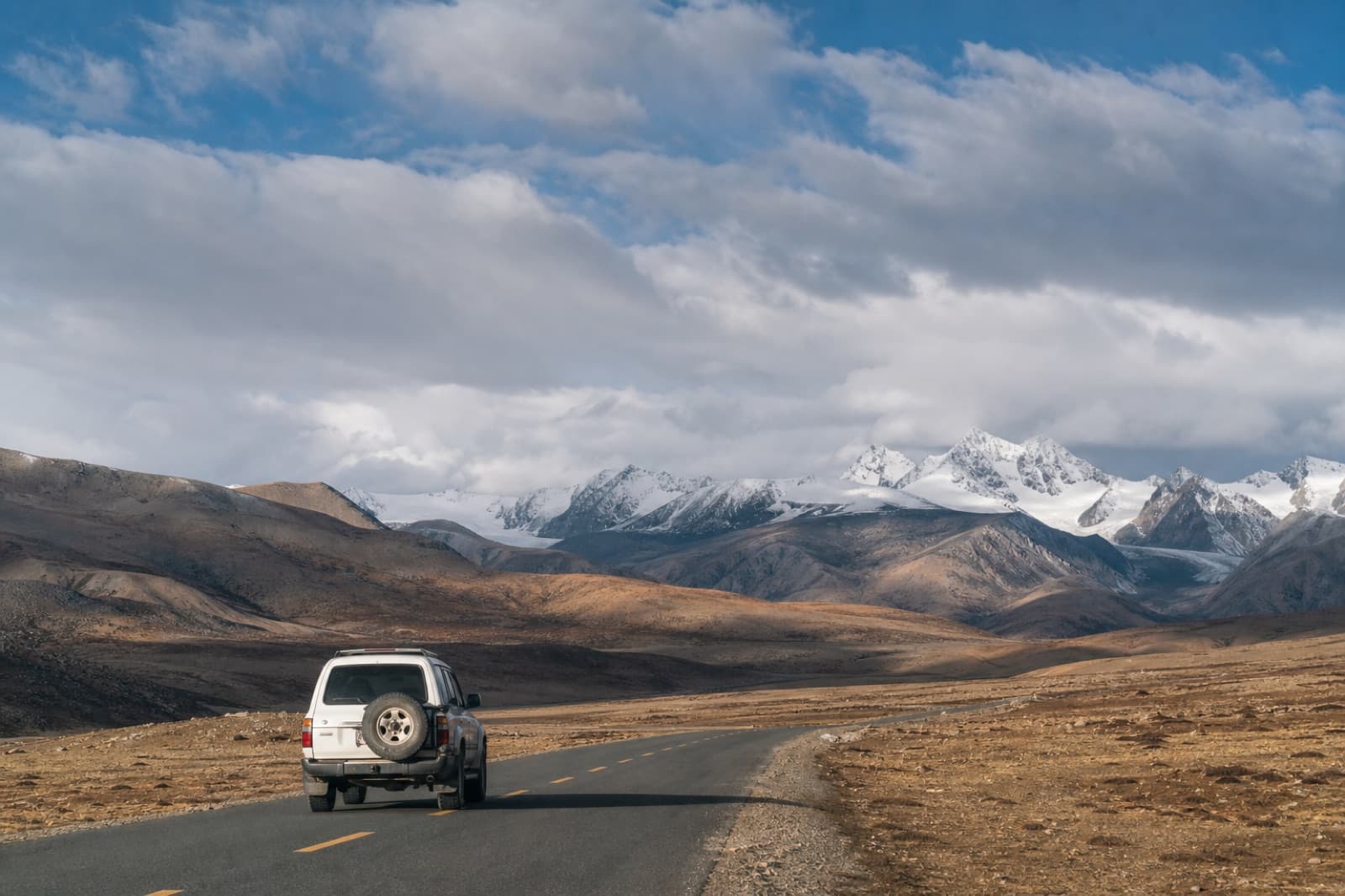
Der Sommer ist die wärmste Periode und hat, obwohl es die Monsunzeit ist, oft klare Morgen, in denen der Regen erst spät am Tag einsetzt. Die Tageshöchstwerte in Lhasa liegen bequem im hohen zweistelligen Bereich und sinken nachts in den einstelligen.
Passen Sie die Kernliste an:
- Ergänzen Sie kurzärmelige Hemden für warme Nachmittage
- Halten Sie die wasserdichte Hülle im Vordergrund – Nachmittagsregen ist häufig
- Eine leichte Daunenschicht verdient ihren Platz weiterhin für kalte Nächte und große Höhen
- Schnelltrocknende Stoffe helfen, wenn Sie in einen Schauer geraten
Beachten Sie, dass die Everest-Region im Juli und August aufgrund von Wolken und Regen unzuverlässig ist. Wenn große Bergblicke Ihr Ziel sind, ist dies nicht das ideale Fenster.
Winter (Dezember–Februar)
Tibet im Winter ist kalt, aber bekanntermaßen klar und weit ruhiger. Die Tagestemperaturen in Lhasa schwanken um oder unter dem Gefrierpunkt, und hochgelegene Stätten sind viel kälter, mit Nächten in der EBC-Region, die weit unter −15 °C fallen. Viele Reisende sind angenehm überrascht, wie stark sich die Mittagssonne selbst im Winter anfühlt.
Werten Sie deutlich auf:
- Dicke, isolierte Daunenjacke
- Schwere Thermo-Unterwäsche, oben und unten
- Warme Woll- oder isolierte Hosen
- Isolierte, wasserdichte Stiefel
- Warme Mütze, die die Ohren bedeckt, ein Schal oder Buff und richtig warme Handschuhe
- Hand- und Fußwärmer für die kältesten Stopps
Gästehäuser außerhalb von Lhasa haben oft begrenzte Heizung, daher machen warme Schlafkleidung und ein Schlafsack-Inlett einen echten Unterschied. Unser Leitfaden Tibet im Winter behandelt die Jahreszeit ausführlich.
Tabelle: Jahreszeiten auf einen Blick
| Gegenstand | Frühling/Herbst | Sommer | Winter |
|---|---|---|---|
| Basisschichten | Ja | Leicht | Schwer |
| Mittelschicht | Fleece + leichte Daunen | Leichte Daunen | Dicke Daunen |
| Wasserdichte Hülle | Ja | Unverzichtbar (Regen) | Ja |
| Kurze Ärmel | Optional | Ja | Nein |
| Isolierte Stiefel | Optional | Nein | Ja |
| Schwere Handschuhe/Mütze | Für hohe Stätten | Leichtes Paar | Unverzichtbar |
| Sonnenschutz | Maximal | Maximal | Maximal |
Schuhwerk und Tagesrucksack
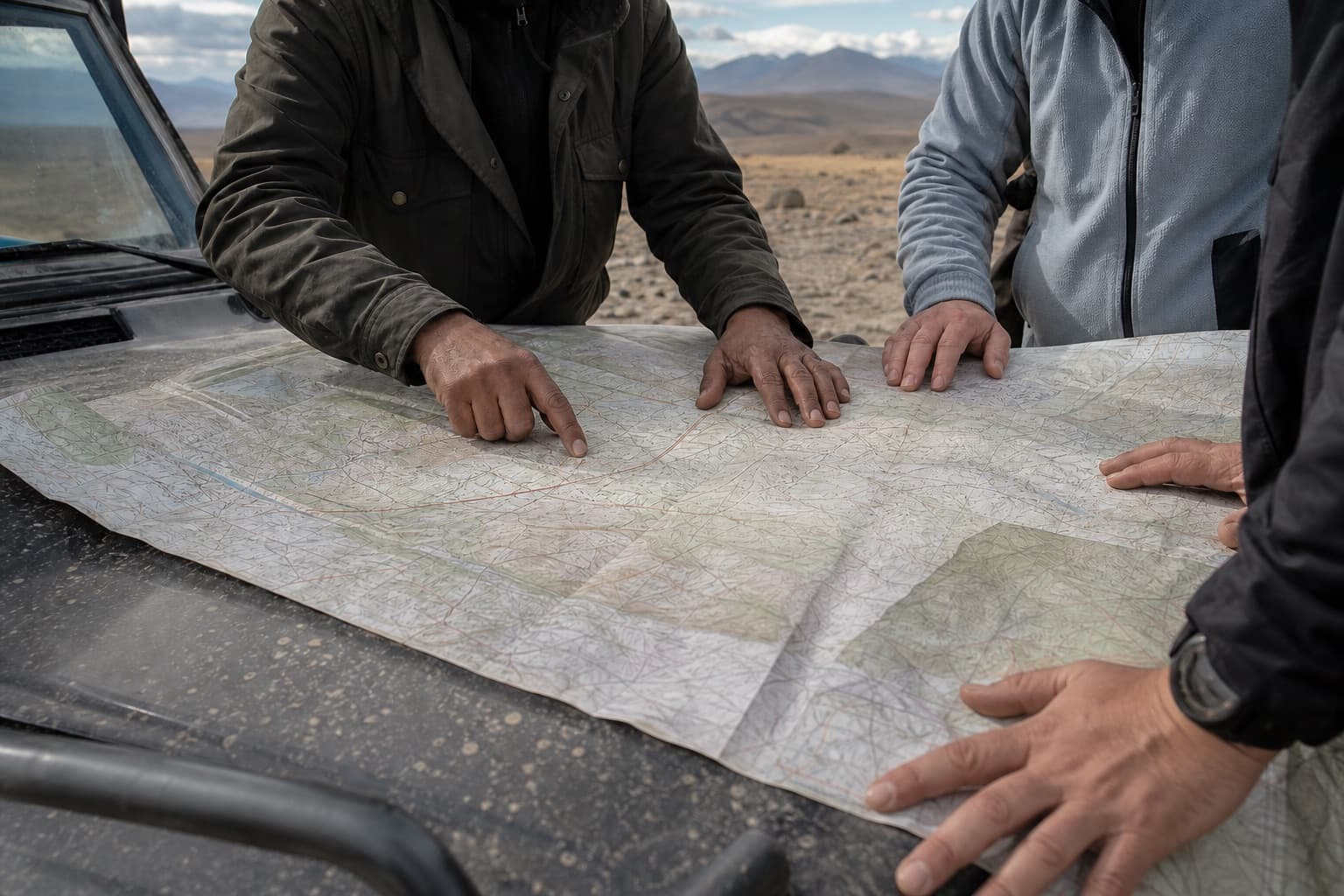
Ihre Füße und Ihr Tagesrucksack leisten auf einer Tibet-Reise viel stille Arbeit, sparen Sie hier also nicht.
- Schuhwerk: bequeme, eingelaufene Wanderschuhe sind für die meisten Besichtigungen in Ordnung; leichte Wanderstiefel mit Knöchelhalt helfen auf unebenen Klostertreppen und am Seeufer. Vermeiden Sie es, brandneue Stiefel mitzubringen – Blasen in der Höhe sind eine Qual.
- Warme, dicke Socken: ein paar Paar, besonders für kalte Morgen, hohe Pässe und kühle Nächte im Gästehaus.
- Ein kleiner Tagesrucksack (20–30 Liter) für die täglichen Essentials: Wasser, Sonnencreme, eine Schicht, Snacks, Ihre Kamera und Dokumente. Ihr Hauptgepäck bleibt oft im Fahrzeug oder Hotel.
- Bequeme Slipper oder Sandalen für die Ruhezeit in Lhasa und einfaches An- und Ausziehen in Gästehäusern.
Ein Hinweis zu Toilettenartikeln und kleinen Extras
Die trockene Luft in großer Höhe setzt Haut, Lippen und Nasengängen zu. Packen Sie entsprechend:
- Starke Feuchtigkeitscreme und reichlich Lippenbalsam
- Ein Nasensalzspray oder -gel gegen die Trockenheit
- Feuchttücher und zusätzliche Taschentücher (Toiletten außerhalb der Städte sind einfach)
- Ohrstöpsel und eine Schlafmaske für den wechselhaften Schlaf im Gästehaus
- Ein paar energiereiche Snacks für lange Fahrtage zwischen den Sehenswürdigkeiten
Nichts davon ist schwer, und jeder Gegenstand verdient seinen Platz auf dem Hochland.
Was Sie nicht überpacken sollten
Sie brauchen keine festliche Kleidung, keine schweren Reiseführer und kein anderes Outfit pro Tag; Wäsche gibt es in Lhasa, und Schichten lassen sich problemlos wiederholen. Halten Sie das Gewicht niedrig, damit Sie Ihr eigenes Gepäck in der Höhe bewältigen können. Eine mittelgroße Reisetasche oder ein Rucksack plus ein Tagesrucksack reichen für fast jede Reiselänge.
Für eine maßgeschneiderte Liste, abgestimmt auf Ihre genaue Route und Ihre Termine, kontaktieren Sie uns einfach, und wenn Sie die Reise noch planen, beginnen Sie mit unserem Leitfaden für die erste Tibet-Reise.
Planen Sie Ihre Tibet-Reise mit uns
Genehmigungen erledigt, lokale Guides, transparente Preise. Nennen Sie uns Ihre Termine und wir senden Ihnen eine maßgeschneiderte Route.
Häufige Fragen
Sonnenschutz und ein Schichtensystem, gleichauf an erster Stelle. Die UV-Strahlung in großer Höhe ist ganzjährig intensiv, daher sind Sonnencreme mit hohem LSF, eine starke UV-Sonnenbrille und ein Hut mit Krempe unverzichtbar. Schichten bewältigen die große tägliche Temperaturschwankung zwischen Mittagssonne und kalten Morgen und Nächten.